












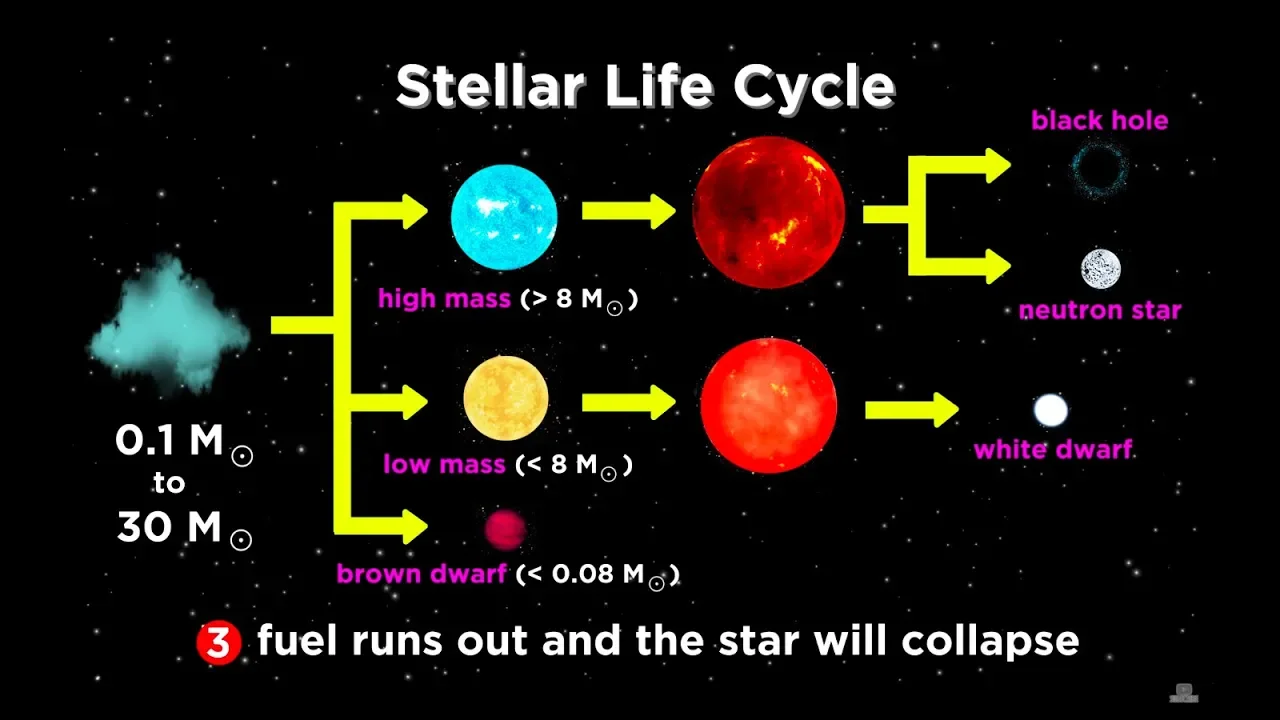




Low-mass stars (less than 8 solar masses) evolve through distinct stages: after exhausting core hydrogen, they expand into red giants where hydrogen fusion occurs in a shell around the degenerate helium core; the helium flash triggers helium fusion via the triple alpha process (3 helium nuclei fusing into carbon-12) on the horizontal branch; when helium is depleted, the core collapses again, leading to the asymptotic giant branch with both hydrogen and helium shell burning; finally, the star ejects its outer layers as a planetary nebula, leaving behind a white dwarf—a degenerate carbon-oxygen core about Earth-sized but containing half the Sun's mass, with surface temperatures around 100,000 K that gradually cool over billions of years.
Low-Mass Star Evolution: From Helium Flash to White Dwarfs | Astronomy Lecture
Added:Understanding the Hertzsprung-Russell (H-R) diagram, specifically how to interpret a star's evolutionary track based on its temperature and luminosity.
The concept of hydrostatic equilibrium, which explains how a star balances its inward gravitational pull with outward thermal and radiation pressure.
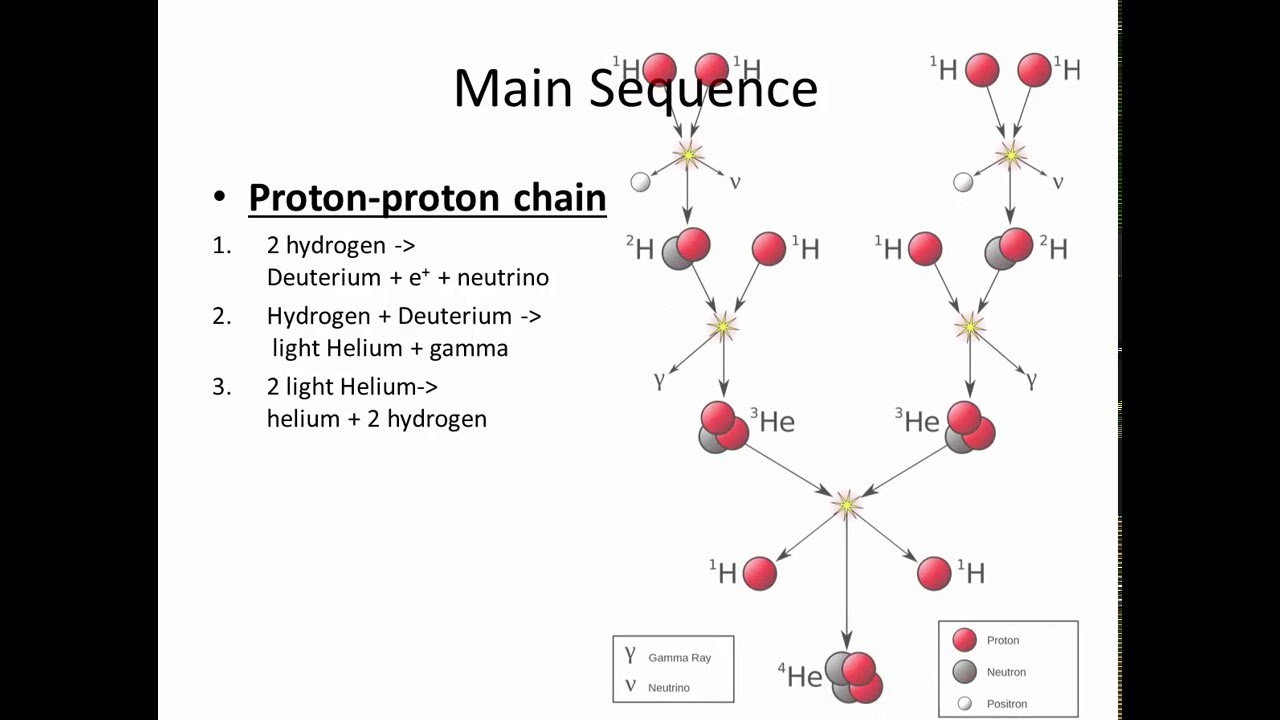
The fundamentals of hydrogen fusion, particularly the proton-proton chain, which powers low-mass stars during their main-sequence lifetime.
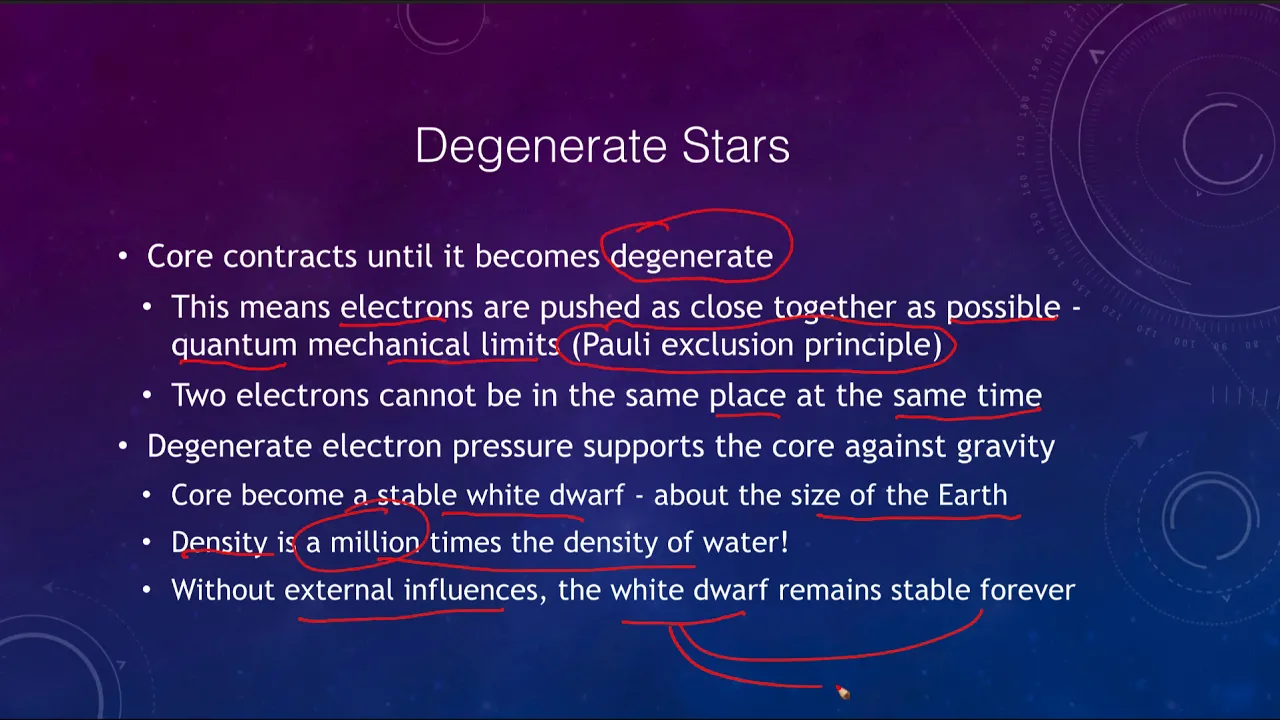
An introductory concept of degenerate matter and electron degeneracy pressure, which prevents the collapse of stellar cores under high density.
The physics of degenerate stellar remnants, specifically the Chandrasekhar limit and the quantum mechanics governing white dwarf stability.
High-mass star evolution, including the differences in nucleosynthesis (up to iron), core-collapse supernovae, and the formation of neutron stars or black holes.
Binary star system interactions involving white dwarfs, such as mass transfer, accretion disks, classical novae, and Type Ia supernovae.
The role of planetary nebulae in cosmic chemical enrichment, studying how recycled stellar material contributes to the chemical evolution of galaxies.
383 views2likes43:21Original Release: 2021-11-03
good evening welcome to lecture 18.
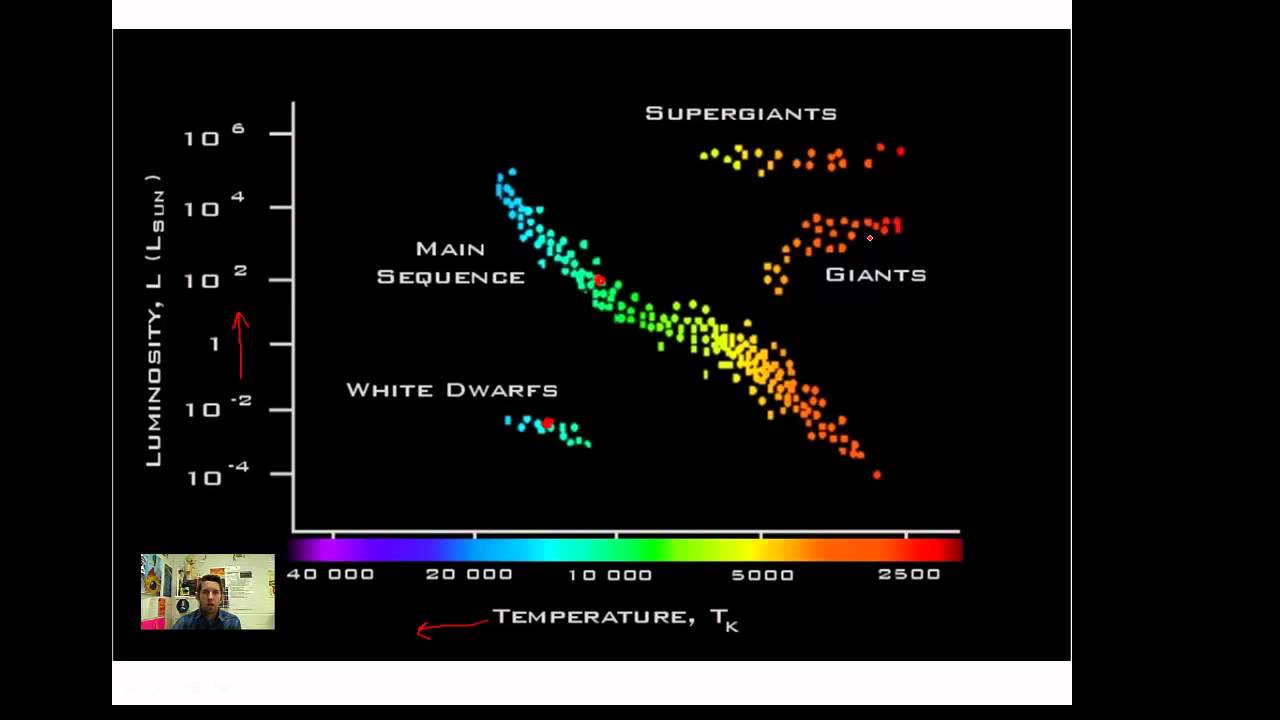
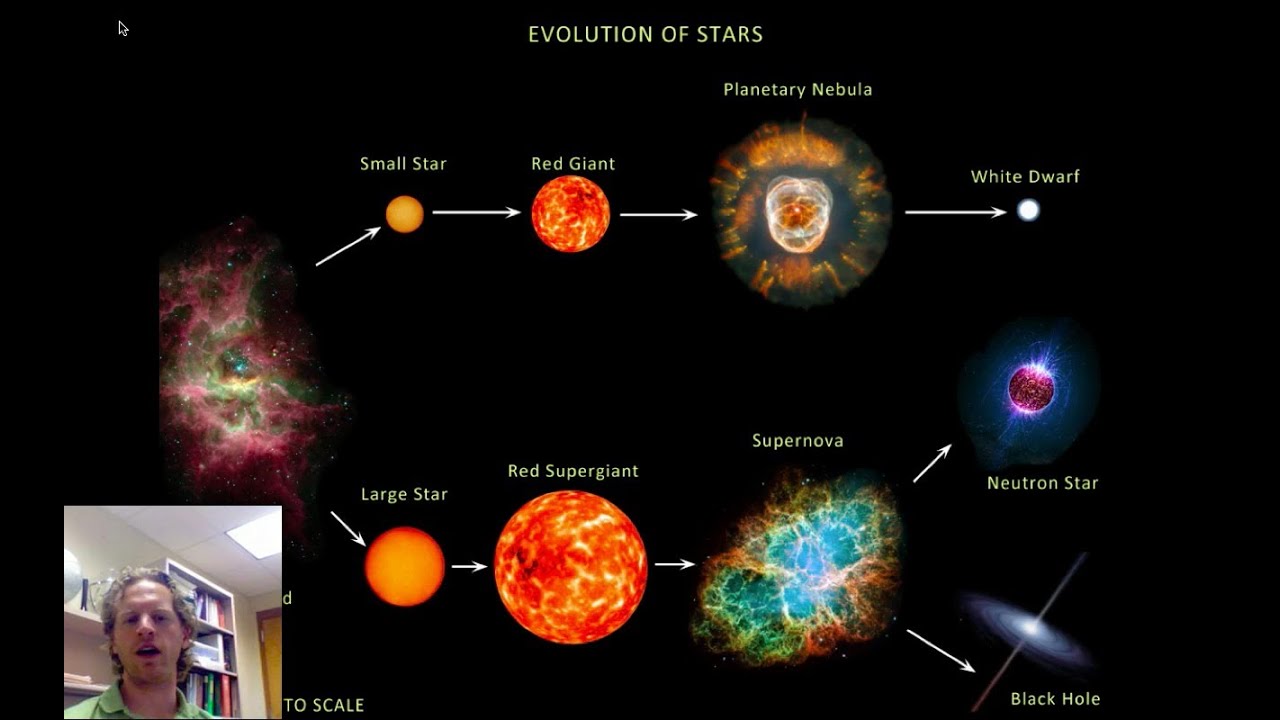
evolution of low-mass stars part two so in our last lecture we began uh our quest to understand the evolution of low-mass stars by which again we mean stars of eight solar masses or lower of which the sun certainly is one but it turns out there's quite a bit more to say about about that evolution um and uh and what where that where that star those stars are going so uh as you all know i'm perfectly capable of giving a very long-winded introduction before i even get into slide two um but uh but i'll save that for another lecture so let's go ahead and dive in so to remind you where we kind of left off last time we we came basically came to the point where a main sequence star has ended its life on the main sequence uh the hydrogen in the core is is exhausted so it's all been fused to form helium through the proton proton chain and when that happens the the core collapses right the radiation pressure vanishes because there are no more nuclear reactions the core collapses eventually it's stopped by uh electron degeneracy pressure when that happens the the outer uh the surface of the star balloons out uh and as that occurs the star moves up what's known as the red giant branch again not a creative name but the star turns into a red giant as it moves up this branch now during that process remember there's no fusion occurring in the core itself actually which is a little bit different than than what we're used to right during the main sequence stage of a star's lifetime all of the the nuclear fusion is occurring in the core well now that the core is made of helium even though it's it has gotten heated up something fierce by that by that core collapse it still isn't hot enough to fuse the helium because helium fusion requires much higher temperatures than does hydrogen fusion because the electrostatic repulsion between those nuclei is so much larger so even after the collapse of the core during the red giant branch the uh fusion is not occurring with the helium in the core where fusion is occurring is in a relatively thin shell surrounding that core so you know originally you only had the core fusing but now it collapsed it generated a lot of heat through that collapse and as a result the hydrogen that is now immediately around the much smaller core is in fact hot enough for the proton proton chain to occur so that's what's happening as the star walks up you know metaphorically of course walks up the red giant branch you're you're just fusing hydrogen to form more helium in this thin shell that helium then gets dumped into the core um and continues to heat that helium up so as you move up as a star moves up the red giant branch you're getting more and more massive helium core hotter and hotter helium core and eventually you reach a point at which you finally do get hot enough in that degenerate helium core for helium fusion to occur where helium particles are going to be combined to form something heavier and that and that is an instant known as the helium flash um because it occurs essentially all at once um and you know essentially the entire degenerate helium core uh begins burning you know in a nuclear sense begins fusing all at once and that that is that helium flash is the tipping point if you will or where the star moves off the hor off the red giant branch and begins on a new branch known as the horizontal branch and in this branch again the core is now fusing again helium is fusing with helium to form carbon in a new process known as the triple triple alpha process so uh as we are accustomed to if we're going to define a you know we tend to associate branches on the hr diagram with what kind of fusion processes are occurring there um you know you remember we spent quite a lot of time digging into the the details of the fusion reactions the power main sequence stars those being the proton proton chain primarily but so now we're going to do the same thing on the horizontal branch and take a look at the specific nuclear reactions that power a star in that stage of stellar life and again that's known as the triple alpha process uh the reason for the name which is you know again once i tell you this will help you remember what those reactions are is that an alpha particle is just another name for a helium nucleus and if it seems annoying that scientists would come up with two different names for the same thing well it's it's because they didn't always know they were the same thing right it turns out there were three primary types of nuclear radiation which were named alpha beta and gamma the three letter first letters of the greek alphabet but it was only later that physicists discovered that that alpha particles are in fact helium nuclei so the name stuck and so very often a helium nucleus will be known as an alpha particle and so these this triple alpha process which fuels uh stars in the in the horizontal branch at the highest level um is is a process in which three alpha particles are converted in are fused together to form a carbon-12 nucleus and so again the name kind of says it all triple alpha process you're fusing three alpha particles um and and if you start off with three alpha particles you end up with something with six protons and six neutrons and if you just look at your nearest periodic table you'll see that's that's going to be a carbon-12 nucleus carbon because it has six protons and that defines carbon carbon-12 because there are 12 nucleons total six protons and six neutrons but just as was the case in the proton proton chain where we said at the highest level we're combining four protons to form uh an alpha particle uh that's it's not quite that simple there actually are a series of reactions that occur so let's see a little bit more about that um one thing that i that i do want to remind you though and i and i mentioned this uh just just a couple of minutes ago is that the the temperature for this reaction to occur is mu for this process to occur is much much higher than is the necessary temperature for the proton proton chain remember for a star well for a protostar to turn into a real star the defining property is that nuclear fusion has to occur in the core uh namely the proton proton chain and as we've talked about that requires temperatures of essentially 12 million kelvin okay the temperature required for helium fusion is much much higher because the electric the electrostatic repulsion between those nuclei is much much higher so what are these reactions well again in the end we're going to be combining three helium nuclei three alpha particles but they don't all collide instantaneously sometimes i want to warn you sometimes people will describe it that way and i'll talk about three things combining instantaneously you know all at once but it never quite works like that or almost never quite works like that in nature so in reality what happens is that first you have two helium nuclei two alpha particles collide and and form a beryllium eight uh nucleus and and there's and that's a bang and there's some energy released but it turns out importantly uh beryllium-8 is not very stable and so just left to itself it will actually disintegrate or fall apart back into those two alpha particles and that would not be a very uh efficient way to fuel a star because you would give it you get some energy out and then you give that energy up okay so in the triple alpha process what what happens is that before that beryllium-8 nucleus can fall apart it gets hit with yet another alpha particle right and if this seems unlikely or improbable well it doesn't happen under you know sort of our everyday conditions right but in the core of a red giant uh star the densities in that core of helium are gargantuan right i mean there's a whole lot of helium nuclei packed into a very small um relatively small space certainly on the the scale of a star and so it's dense enough that this will happen um and when that beryllium eight uh is you know collides with the third alpha particle they fuse again they form a carbon-12 nucleus and carbon-12 is quite stable more energy is released and thus you have the the triple alpha process so good news for you is that this process is actually you know it's a couple of steps but it's only a couple of steps so if you were you know if you're having uh you know sort of dreading a revisiting of the several steps of the proton proton chain it's simpler here you combine first two alpha particles then you add a second part a third alpha particle and and you get your carbon 12.
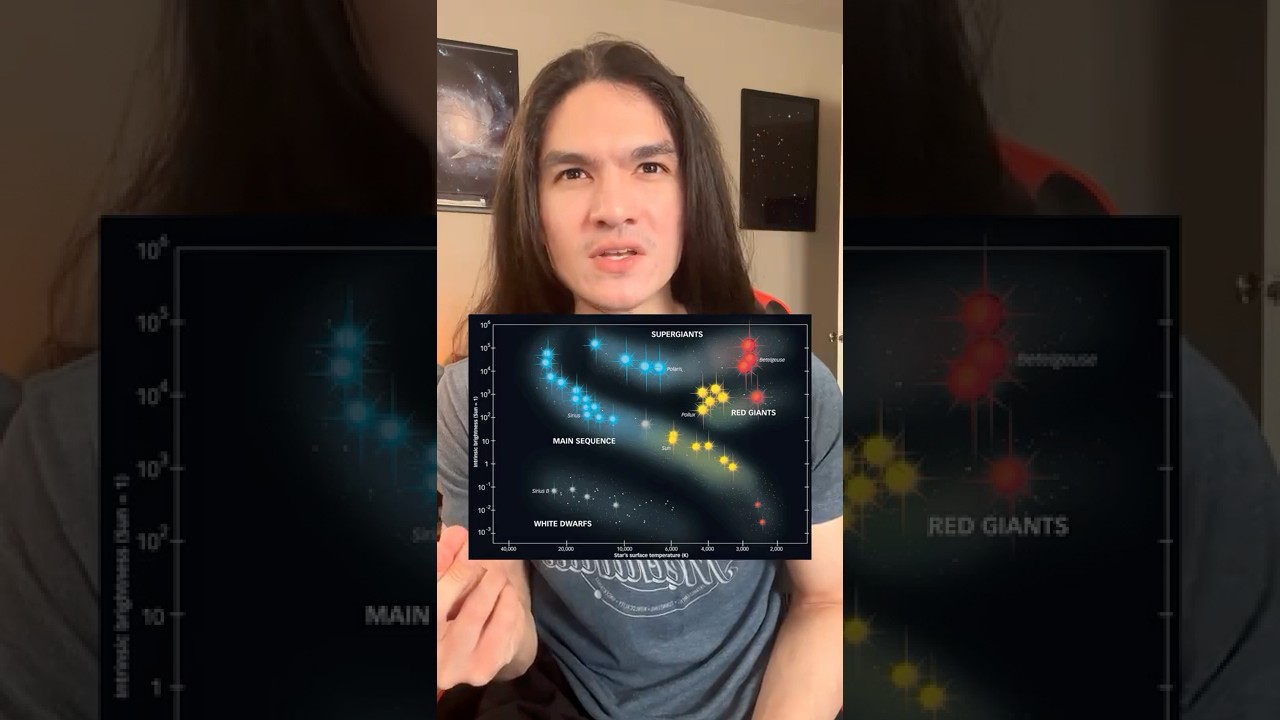
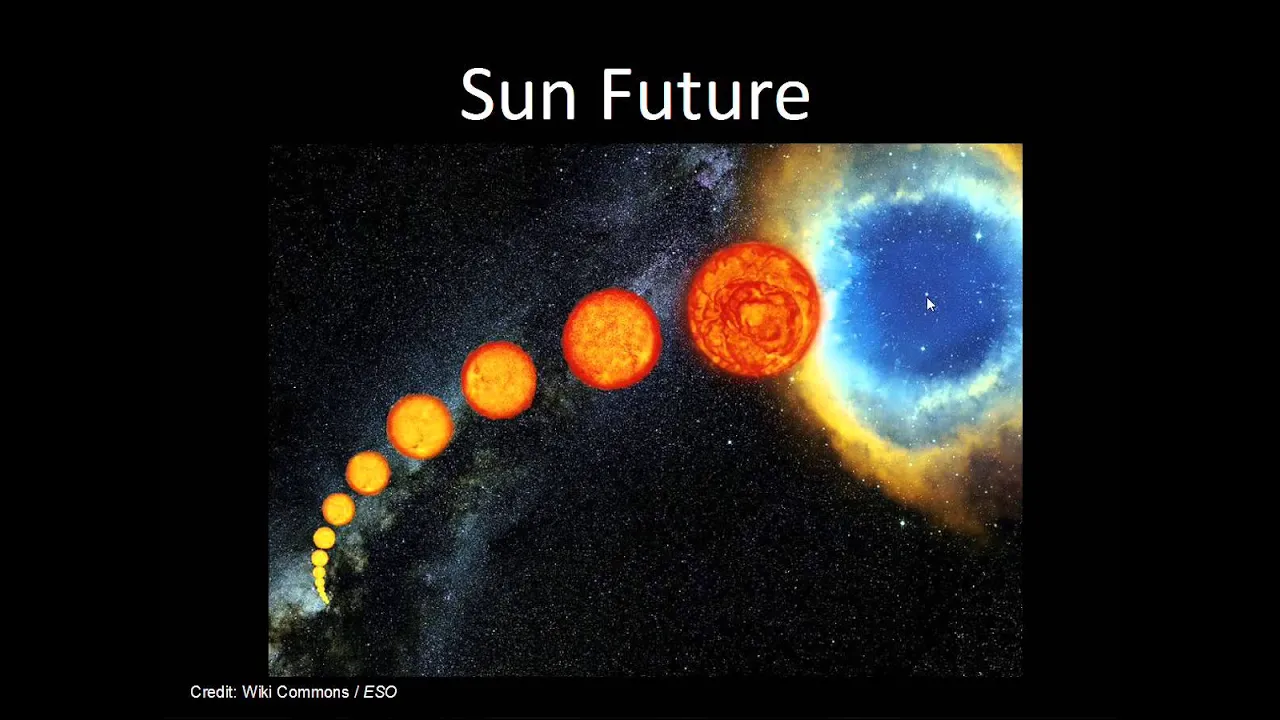
in that process um you do release a gamma ray so remember gamma rays are the highest energy uh highest energy range of the electromagnetic spectrum um and and so some of the energy is carried off in the form of that gamma ray and then some is carried off in the kinetic energy of the carbon-12 nucleus which is just a fancy way of saying that carbon 12 nucleus is going pretty quickly okay so it's carrying it has energy of motion so let's take a look now let's back way up we just zoomed way in and looked at the nuclear reactions that are fueling this process but let's let's back up again and look at the large scale structure of the star so there are two things uh two main things that are going on in terms of the fueling process of a star on the horizontal branch so the first thing is what i just described we've got the triple alpha process occurring in the degenerate helium core which is converting helium into carbon but remember this whole thing was started you know the helium flash which initiated the star's movement to the horizontal branch was set off by the fusion by the proton proton chain that was occurring in the thin shell surrounding the core and that's still going on so all the while while this after the helium flash when helium is fusing to form carbon in the core you continue to fuse hydrogen to form helium in the shell around it which continues to heat up the whole the whole system right so we've moved whereas up until now we always only had one part of the star that was fusing whether it was the core on the main sequence or this thin shell on the red giant branch now on the horizontal branch we've got fusion occur two different types of fusion occurring in two different regions of the star now the as this happens and i think i i've mentioned this in passing before but i want to emphasize it you know at each stage of a star's evolution essentially the time scale of that evolution gets shorter so the in other words a star is going to spend some amount of time on the main sequence once it moves off the main sequence onto the red giant branch it's going to spend much less time as a red giant than it did on the main sequence maybe about a tenth of the time so for example if you if the sun you know is going to spend about 10 billion years on the main sequence it might spend around a billion years on the red giant branch um it's going to spend less time again on on the horizontal branch and so with each state as a star moves into each subsequent stage of its evolution it goes it takes those steps faster and faster and so again just to kind of put some numbers on this you know for the sun which is a pretty typical low-mass star um 10 billion years on the main sequence about a billion years on the red giant branch and only uh you know 100 million years i say only uh on the horizontal branch so again it's about dividing by 10 with each subsequent stage and you know is if you pause for a second you might convince yourself of this but i'll just tell you as the masses of the stars get higher you know these times all get smaller right because it's it's quite generally the case that more massive stars are hotter stars their cores are hotter the nuclear reactions go faster when it's hotter and so the uh so the fuel is spent more quickly and and each stage moves faster so this is these are typical numbers for the sun good to keep in mind since the sun is our favorite star but uh but equally important to know that if you had a two solar mass star all of these numbers would be smaller if you had a four solar mass star they would be smaller yet and so on but again this describes all low-mass stars so anything less than eight solar masses this is what's going to happen but the specific time scales will be will be somewhat different as far as this lecture goes i have some good news now which is that while i i've been known to belabor the point at many and various times during the course i'm not going to do that now because we spent uh quite a lot of time talking about the end of the main sequence stage of a star's life uh and as you recall that what precipitates the end is just that all of the fuel is gone right the main sequence is defined by fusing hydrogen to form helium in the core and so when the hydrogen is gone the main sequence uh stage of life is gone well the same thing is obviously going to happen here so in the horizontal branch we've got a situation where again we have two types of fusion going on helium to carbon through the triple alpha process and the core and hydrogen to helium through the proton proton chain in that shell um but again we're gonna we're gonna run out of fuel uh in the in the core and so what what happens next is the question what happens when the triple alpha process reaches the end okay well carbon now instead of helium is going to build up in the core and so instead of having degenerate carbon or a degenerate helium now we have degenerate carbon um when there's no more helium to fuse we have again a second core collapse right so just like the core collapsed at the end of the of the first stage of uh of life of the star it's going to collapse again it's going to heat up even more and the surface of the star is going to balloon out even more and so it's just it's a second version of the of the same basic process um and because of the additional heating that those that that collapsing core generates you get a new layer of shell burning begin um and now you restart some helium burning so i do want to pause here because you know i told you i wouldn't belabor the point um but there there's a few different things happening here right and so i don't don't want you to get lost the good news about it about this being virtual um and me recording these is that you can always go back and listen to it again uh but but what's happening here right is that the the innermost part of the star the core itself which is in gray here it collapses and now it's degenerate carbon okay so it's it's really hot carbon now but not hot enough to fuse carbon right so it's just really hot carbon but that collapse generates enough heat again you're converting gravitational potential energy into into thermal energy or heat it generates enough heat that now there's a thin layer of helium that's surrounding it that that begins to fuse so the triple alpha process starts up now not in the core but in this thin shell around the core well outside that you have yet another thin shell which is continuing to fuse hydrogen to to form helium through the proton proton chain so if you know if you have trouble remembering these details just remember with each stage um of of stellar life you develop another layer you know is essentially what's happening uh the only question is which layers you know whether the core and or one or two layers have fusion processes going on in them and so that's something that's something to review so we've got hydrogen burning shell uh we have on the outside with the outside of the core now right you've got a hydrogen a a helium burning shell inside that and then a degenerate carbon core which is really hot you know relative to anything else that we've seen so far but still not hot enough to fuse that carbon so the degenerate carbon core just sits there being really hot and again just like we saw before the extra energy that that's being released in this process as the core collapses causes the outer envelope to expand and when it expands it cools and so it was already a red giant um now it's becoming bigger and even redder so the the surface is is cooling but it's getting much larger and so what we call this in the spirit of not being creative we call this thing the asymptotic giant branch um and so this is the phase when both hydrogen and helium shells are fusing um and the star gets big again and so it's you know i think it's useful to come back and look at what we've done so far as far as movement on the hr diagram you know again for the sun you spent 10 billion years sitting here on the main sequence but after that you started you got big right you uh you know as you walked along the red giant branch you got bigger and bigger more and more luminous on the horizontal branch your luminosity stayed pretty pretty similar um but then you start getting and you actually contracted a little bit during that during the horizontal branch um and then uh and you can see that by the way um by looking at what's happening on the hr diagram the temperature is increasing this is the surface temperature is increasing but the luminosity is is staying very similar so if the temperature is increasing the luminosity would also increase unless the star shrinks so your shrink the star is shrinking it's getting bigger on the red giant branch it's shrinking on the horizontal branch but now on the asymptotic giant branch it again starts to to expand and so the temperature is falling um you know on the surface but the the luminosity is getting you know noticeably larger because the thing is getting much larger so as the name kind of suggests asymptotic that on the asymptotic giant branch stars get really really huge so huge in fact that the gravitational force that's remember it's gravity that's holding the star together the gravitational force on the surface is so weak that it can actually it's actually be easy for material on the surface of the star to escape through solar flares radiation pressure just you know more or less chaotic motions of of the very hot plasma that's that's out there it's easy for those particles to escape and schematically you can kind of look at this this uh picture that we've come back to of the equilibrium of a star where you have gravity the gravitational force tending to collapse the star and some internal pressure whether it's radiation or electron degeneracy or you know or whatever it is balancing out that force well we've seen what happens when the internal force vanishes right when the internal pressure vanishes then the star collapses well in this case you have a situation where essentially at least to to some hand waving approximation uh the gravitational force almost you know essentially vanishes on the surface and so now you still have some internal pressure but gravity is extremely weak and what happens then is the formation of nebula a planetary nebula and uh don't let the name mislead you unfortunately this is the case where the name is not very creative but it's also not very accurate so planetary nebula were named that uh because way back in the day when these sort of fuzzy objects were first seen in the sky um i guess maybe somebody thought well that looks kind of like a planet or something turns out we know what they are now and they're not planets what they are is this escaping layer the you know escaping layer of the star that just gets lost out into interstellar space and just moves off and keeps moving because it overcomes the gravitational uh force which again is very weak out where it is um and it turns out that uh that this can be quite a this the planetary nebula can be quite a large fraction of the total star's mass up to roughly half so at the end of life you get a star can lose up to half of its mass or thereabouts uh in the form of a planetary nebula and the good news for us is that they can make some extraordinary pictures some of which i think i've shown you already um and there are plenty more that still wait to be seen and you didn't have to wait very long for me to fulfill my promise because here are a number of uh more sort of flagrant eye candy planetary nebulas we've seen some of these before but but they're worth they're always worth putting up again because these really are some of the uh the prettiest pictures that that you get in astronomy and astronomy is is known for producing pretty pictures so feel free to mute me and just pause and look at these uh you know to your heart's content and here's a a particular one that the names that i would you know i harp on the fact that we're not creative in physics and astronomy with naming schemes but there are some pretty creative planetary nebula names some of which are more obvious to me than others this is the eskimo nebula i confess when i look at this i don't see anything that resembles an eskimo but you know maybe maybe you do and here are some some more uh pictures taken um of the the helix nebula also known as ngc 7293 it's the same nebula but taken um in different bands of the spectrum uh and so upper left-hand corner is uh sort of you filter out um just the well everything but the hydrogen alpha line so you're looking specifically at a wavelength of 656.3 uh nanometers and then similarly you look at the oxygen three line helium-2 and so it just we've seen these kind of things before some lectures back and we looked at the at the distribution of gas gases of different kinds like hydrogen um carbon dioxide or carbon monoxide and so on in the milky way it just gives you an idea about where the different elements are that are making up the planetary nebula and this one should look familiar to me this is one of my personal favorites it's the cat's eye nebula this is one that i do look at and i say yeah i can see why you would call it that uh and i liked it well enough to make it the the cover picture for for the series of lectures so if it doesn't look familiar to you that's that's a bad sign go back to slide one and take a look and this is just gratuitous eye candy um you know 25 planetary nebulas all all at once um so as i said there are lots and lots of these things out here that sort of you know phenomenal to look at in my mind and so you know if you start to get depressed or that you feel like this class is too much work um you know come back to this and and hopefully it'll make you feel better so uh and this i'm not going to spend a lot of time on this slide but this is a nice sort of summary slide that just kind of uh sort of recaptures um or reiterates everything that we've kind of studied over the last a couple of lectures where you start off with a main sequence star um on the you know star all the main sequence and then you go through the you know go through the the evolutionary uh stages and so we've done the vast majority of this right we've we've started on the main sequence in fact we even started before that as a protostar talked about the hayashi track as the star sort of uh through gravitational influence collapses and eventually begins the proton proton chain but you go through the various stages of using up the fuel in the core the core collapses the surface balloons out you start more fusion um and and more fusion eventually you you leave the red giant branch at the point of the helium flash enter the horizontal branch you finish that stage you start the asymptotic giant branch and then we we finally come to the place where you eject a large fraction of the star's mass in the form of a planetary nebula um and we've said that but we still have to say something about well what's left behind because i made the claim that you can eject up to half of the mass of the star in the form of a planetary nebula that just basically floats off into space you know giving nice pictures um but what about the other half of the star's mass that's left behind and at the risk of of playing spoiler you can kind of see where we're headed and that's something that you may or may not have heard of which is known as a white dwarf and so if you look at the hr diagram now we've you know we spent all of our time here so far basically in in this part and it's kind of a compressed part so the asymptotic giant branch is really it's kind of up at a pretty sharp angle here but we've we've talked a lot about this and then the the process of uh planetary nebula ejection is is a pretty long one as far as the track you know in the hr diagram is concerned um but these are the post asymptotic giant branch stars as the you know the the luminosity falls eventually you get over here um and the planetary nebula is lost um but uh but what's left behind is a very is a very dense uh much smaller mass now lower luminosity um white dwarf and so uh that's that's what we're going to spend a few slides now talking about is what do we know about what are the characteristics of these white dwarfs that are left behind and this is just before we actually say a lot of detail about white dwarfs here's just another rendition of that of of the previous slide with a little bit more detail because i know a common complaint about this class is i don't give you enough details i don't give you enough information to learn um that was a joke that that usually gets more chuckles or more more wide eyes when the class is given in person but um but here it gives you some some numbers you know to give you a sense of how long or each of these stages uh and so on and for good measure we'll put the ashy track on there by hand okay so what can i tell you about these white dwarfs so a white dwarf is what's left behind when a low-mass star reaches the end of its life it's a degenerate carbon and oxygen core we've talked a lot about the carbon specifically which is formed through the triple alpha process the oxygen is produced by other nuclear reactions that we have not focused on i did mention uh early on it well earlier in the course when we first started talking about the proton proton chain that there were a number of different nuclear reactions that do take place in these stars um we have not talked about all of them and we won't uh for which you're welcome we talk about the dominant reactions um but there are other reactions that occur as well to a lesser degree and one of the upshots of that is that there actually is some oxygen that is produced in these stellar cores as well so a white dwarf is this collection a very dense uh collection of degenerate carbon and oxygen um and they are first of all extremely hot so surface temperatures of around 100 000 kelvin when they first form that's why they're white so white hot because they're they're hot enough that they're producing very similar uh well i mean obviously not all wavelengths are produced at the same exactly the same level but they're producing all wavelengths in the visible spectrum to a sufficiently uh similar degree that that we perceive them as white and as it turns out these things are not these things are quite common actually right because i mentioned some time back 97 of stars in the universe are low-mass stars and all of those low-mass stars will end their life as a white dwarf okay so there are a lot of them there are a lot of them out there the brightest star in the sky as viewed from earth whose name happens to be sirius is actually a binary star system um so another case where he got named uh sirius because uh it just looked like one dot but then our telescopes got better our resolution got better and we found oh it's actually two things um and so it happens to consist of an a type main sequence star that has a white dwarf binary star which are now known as sirius a and series b respectively so i want you to think for a second about the following question if sirius a and b were both formed at the same time from the same cloud of gas which star was more massive when the stars formed so i'll do my usual pause for 30 seconds or so uh you're welcome to pause it for longer before i spoil it and then i'll come back and i'll tell you what i think okay well i'm going to spoil the surprise and so feel free to pause me if you're not quite ready for it but the key is to recognize that if these stars were both formed at the same time which is a really darn good bet because in general binary stars form at at the same time so if they're formed at the same time and one of them is a white dwarf and one of them is not um that means that the the white dwarf lived a shorter life it progressed through the stages of life more quickly right because it it's reached the end of its life as a white dwarf whereas sirius a uh continues to to fuse continues to fuse as a uh as a real star and so so the result is that um sirius b the one that is the white dwarf must have been more massive when it formed so i told you these white dwarfs are hot which is why they're white but it turns out they're also really small at least small on the scale of stars very similar to the size of the earth in fact but with again half or about half of the mass of the sun this is for a solar mass a white dwarf so starts off with the mass of the sun loses about half of its mass in the form of planetary nebula the other half of its mass is still there but now this you know the degenerate carbon oxygen core has shrunk down to the size of the earth so remember the sun started out as as roughly a million times larger in volume than the earth and now you've taken half of that mass and squashed it down into the the size of the earth and if you do the math what that means is that the density has gone up by about a factor of five hundred thousand uh so this is a really dense uh material much denser than anything that we have on earth by orders of magnitude and so if you do the math a little bit more precisely you find out that no it's um it's about 200 000 times more dense than the earth is so if you compare the density of a white dwarf to the density of earth um and just to put that in perspective if you take a you know a dye standard dye size of of white dwarf matter it would weigh over 5 000 pounds on the surface of the earth uh so this would this would um you wouldn't be able to hold it and finally you know these things are uh inert it turns out um by which uh you know basically i mean they're not doing anything they're just sitting there being really really hot um get and cooling down because they give off thermal radiation you know again anything at nonzero absolute temperature gives off black body radiation right so they're white because they're giving off very uh intense very high energy black body radiation but over time because they're giving off that energy and there's no internal energy source anymore they will cool down so you know they're really hot but they're not hot enough to to fuse what's left so they have carbon and oxygen left those nuclei have six and eight protons in them respectively six protons for carbon eight protons for oxygen they repel each other even more strongly than did the hydrogen uh or the helium right um and so there is a temperature at which you could get those diffuse but these low-mass stars will never get there and so the white dwarf just sits there alone in space or maybe it has a binary partner gives off that thermal black body radiation over time will cool down and will eventually disappear it'll eventually stop being white it'll become kind of yellowish then reddish eventually and then eventually we'll be emitting in the infrared and will will vanish from sight so it's kind of a uh a quiet end to a a a light a life cycle um but that's that's how 97 percent of stars in the universe these low mass stars will end up so as it turns out there is still quite a bit more to say about evolution uh stellar evolution um and in particular the evolutionary or the evolution of binary stars uh in which there can be an interesting uh wrinkle or two uh or modification um to stellar evolution by virtue of their being a binary star partner so uh but i decided rather than include that here in this lecture i'll break that off into a separate smaller lecture so hopefully you'll come back for that one so i'll just wrap up this lecture by coming back to our our favorite diagram the hr diagram and and reminding you of some of a couple of things that i've said before what i think is is good to keep in mind as we prepare to finish up our discussion uh next lecture on the evolution of low-mass stars and then get ready for evolution of high-mass stars uh which will be even more exciting if that's possible but as a reminder we can divide stars on the main sequence into these two basic classes right high mass stars which we have not really talked about yet at least not in terms of evolution that live up in the upper left hand corner of the hr diagram very hot surface temperatures and of course even much hotter core temperatures and very luminous and because of those hot surface temperatures they they appear bluish because that's the high energy part of the spectrum those high mass stars are are by definition greater than eight solar masses right and the reason is as i mentioned a few lectures ago just because it turns out that that's the dividing line that kind of distinguishes between two different types of stellar evolution so stars that are low mass stars less than eight solar masses evolve in one way and stars that are high mass stars or greater than eight solar masses evolve in another way so we've talked about these low mass stars night so now you know how 97 of stars in the universe evolved um but there is still an important three percent out there um that uh that we would like to understand not just because in principle we'd like to understand everything um but because there's actually some pretty exciting uh differences with these high mass stars um that uh be cut by virtue of their higher masses they're able to to uh give rise to some phenomena that are that are more energetic and more exciting than what we see with the low mass stars so hopefully that's enough of a tease to get you to come back uh for for the next lecture but uh but for now thanks for sticking around thanks for uh for making it to the end of lecture 18 and i hope to see you back for lecture 19.
you
Up Next

50:23
Supernova Explosions: Stellar Death & Cosmic Rays Explained
@audiopedia5493
172 views•2014-08-02
61:17
First Billion Years of the Universe with the Square Kilometre Array
@iaaudc
121 views•2022-05-26

6:25
Kepler's Laws of Planetary Motion Explained (Educational Astronomy Video)
@Peekaboo_Kidz
404.9K views•2023-02-17
6:10
Gamma-Ray Bursts: Cosmic Snipers Explained | Astronomy
@kurzgesagt
15M views•2016-07-31
Related Study Plans & Knowledge Roadmaps
Structured learning paths in Astronomy
astronomy
Reionization: Pop III Stars, IGM & 21cm Line
01Foundations of Cosmology & the Early Universe
02Population III Stars & Cosmic Dawn
03Physical Mechanisms of Reionization
+ 2 more learning modules
17h5 modules
Explore Roadmap
astronomy
Planetary Rings: Dynamics, Roche & Resonances
01Foundations of Gravity and Orbital Mechanics
02Tidal Forces and the Roche Limit
03Structure, Composition, and Collisions
+ 2 more learning modules
10h5 modules
Explore Roadmap
astronomy
Asteroseismology: Stellar Waves, Ages & Cores
01Foundations of Stellar Astrophysics & Wave Mechanics
02Stellar Oscillation Modes: P-modes and G-modes
03Mathematical Framework of Asteroseismology
+ 2 more learning modules
35h5 modules
Explore Roadmap
astronomy
Adaptive Optics: Physics, Engineering & Control
01Foundations of Wave Optics and Wavefronts
02Atmospheric Turbulence & Optical Distortion
03Wavefront Sensing Technologies
+ 3 more learning modules
35h6 modules
Explore Roadmap