











![Мягкие роботы лучше? [Veritasium]](https://i.ytimg.com/vi/LUOl8DyAjyg/maxresdefault.jpg)
![소프트 로봇의 세계 [다큐S프라임] / YTN 사이언스](https://i.ytimg.com/vi/0elQ_ul_geU/maxresdefault.jpg)
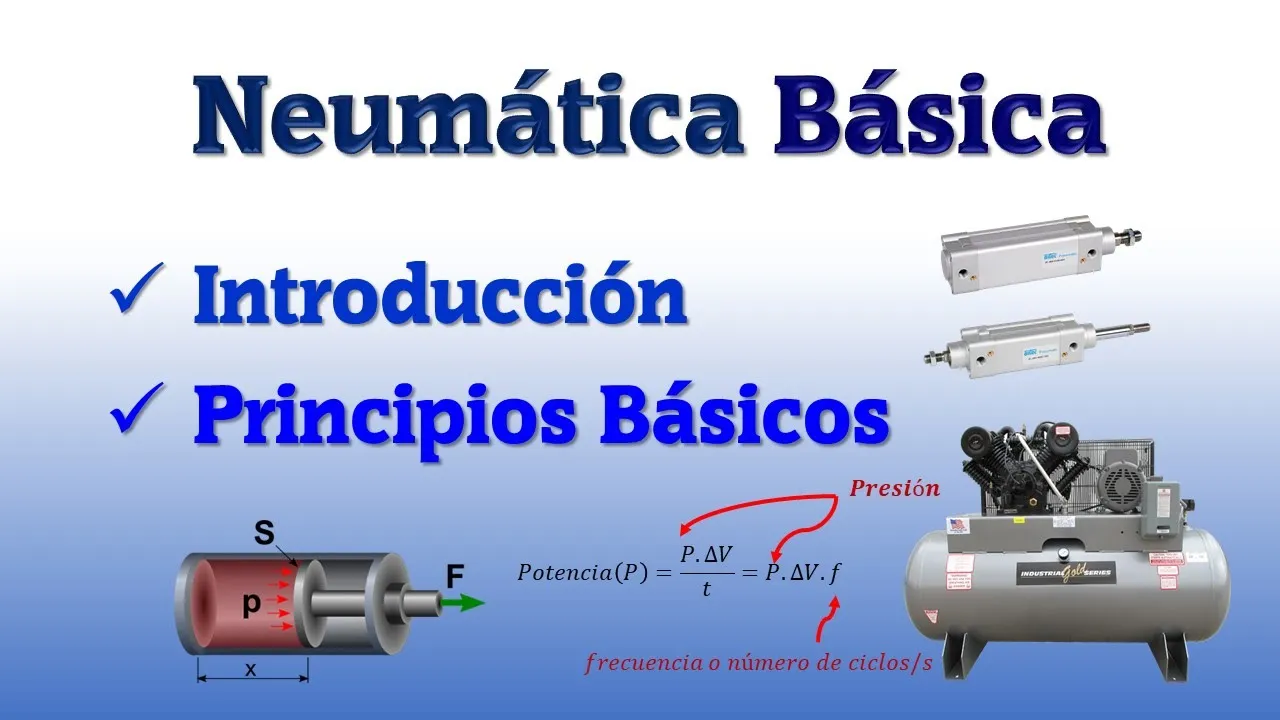














Soft robotics is an emerging field that uses compliant materials (such as elastomers, gels, and biological tissues) instead of rigid structures to create robots that can achieve greater versatility, safety, and adaptability in interacting with unpredictable environments and objects. Unlike traditional hard robots that rely on precise control algorithms and rigid components, soft robots leverage the inherent compliance of their materials to automatically adapt to different objects and conditions, making them particularly suitable for applications like medical devices, environmental monitoring, and human-robot collaboration. Key actuation methods include pneumatic, electrostatic, and biological muscle-based systems, each offering different trade-offs in terms of force, speed, and energy efficiency. While soft robots cannot replace hard robots for heavy-duty or high-precision tasks, they excel in scenarios requiring flexibility, safety, and the ability to navigate through cluttered or unpredictable environments.
Soft Robotics: Bridging Materials, Design, and Versatility
Added:Thank you very much for this very kind introduction and yeah today's talk will be very different to what you're used to. It will be about soft robotics and I want actually to start with like a slide about what robots can do and what we used use them for. Like robots can be really diverse. We see them in automation in factory holes, right? We do like surgeries with them and sometimes they operate within a f fence within a cage where humans cannot go because they are too powerful and too dangerous to operate. But sometimes we want to interact with the human body and use it for collaboration or for surgery for example.
In particular, if we look here like at this example, this is a Da Vinci robot used for surgery. Then over here you can see that actually an operator is needed to handle this robot. So it's also not a fully autonomous machine, but it's a machine that can move in space.
A very simple example that is entering our households is like this vacuum cleaner. And you can think of is this actually a robot technology that is useful. It's definitely very convenient. I have to say it's very ineffective as well if you want to clean your floor.
But all of these robots examples, they fulfill a quite specialized task. And that's not necessarily what we want from robots. We want at some point that robots can go out into nature, out into different environments and fulfill more versatile tasks like a humanoid robot cleaning your floor, which is in my opinion actually an even more ineffective way than this vacuum cleaner over here. But that's not the purpose of the humanoid robot.
The humanoid robot should be the technology that enables more versatility.
So actually let's have a look on how to classify different robot technologies.
And I brought you this diagram here where we have like two axis like on the y-axis we have performance and on the horizontal axis we have specialization.
So to the right our machines would do like a more specialized task and on the left they would be more versatile and if we go up then we would achieve like higher performance.
So our robots today are around here.
It's not very exact but like just to give you a notion around here we have robots that do very specialized tasks with very high performance.
If you think for example of like a robotic arm that assembles and manufactures cars, it can do this much much faster and better than we humans can do it. But it's a very specialized task.
Then also the vacuum cleaning robot performance might not be that great but also here it fulfills a very specialized task cleaning the floor.
I call those robots actually hard robots because of their physical structure.
They are made of like a rigid body and have usually electromagnetic motors to drive them.
And if we look what we actually want is something that's more like our natural organisms. We want something that can achieve more versatile tasks that can unload our dishwasher, can go out into nature, collect uh interesting things there if we use it for exploration. We want to assist like in warehouses. We want robots to interact with our children maybe and also help us like with our elderly and people and aging population. So the question is really like how we can get from the specialization to more versatile tasks and as I said before like humanoid robots are like one way to do this and here the goal is to achieve this through data and through learning behavior.
So many companies around the world try to build like a robot that looks like a human, that is shaped like a human and that can imitate our movements and behaviors because we think it's a very effective strategy to learn from us to do certain tasks.
But now here I plotted natural organisms and not just humans.
And if we look into nature, there are plenty of more shapes and forms and structures that achieve very versatile behavior that are not shaped like a human.
For example, if you look here at an octopus that is actually trying to go through like this small hole here which is about one inch in diameter.
Then we can see like how this body is like deforming actuating to achieve this task. So it's really like a shape changing robot or natural organism in that case. So almost through just a little bit more and whoop there it goes.
Similar like an elephant truck which can bend, twist, even elongate, grab and manipulate objects with quite some high forces too, but also dexterity.
So natural organism achieve versatility for quite different shapes.
But we have to also look at what they're made from from, look at what materials they're composed of. Is it enough to just imitate their shapes or do we also need to imitate the structure?
So what if if we can use like softer materials to make our robots to achieve more versatility?
And indeed like if we have here like a graph like of different materials over their stiffness. So the Youngs modulus is respective to the stiffness of a material.
Then our robots are right now built from plastic, metals, ceramics here on the far right. They are all hard and brittle, nicely to control because they are perfect geometries and shapes.
But nature is actually made of like gels, muscles, skin, even bones combining like a much larger variety of materials.
So why not use like compliant materials and designs to achieve more versatility and imitate nature? And that is actually what soft robotics is. Software robotics tries to achieve more versatility through materials and designs.
And to do that we have to think about like the design the control and fabrication of compliant materials or structures and make components for robots out of that.
And if I say here control, this does not have to be like digital control.
This can also be control that's embedded into the materials itself, a physical form of intelligence.
I will later give more examples on what I mean with that.
So what differentiates really a soft robot from a hard robot? So if we try to operate with a hard robot, there are like a few things we like to work with, right? We assume that we have like an rigid body. We have ideal joints, ideal torque sources from electromagnetic motors, no environmental disturbances, and we perfectly know the mass and inertia of our system. So let's grudge all of those things and change to soft materials. And then we realize we suddenly work with nonlinear elastic materials.
Everything is continuously deforming. So there are no ideal joints anymore. The force very much depends suddenly on the deformation as well as does inertia.
And suddenly we become also able to interact with the environment.
So that sounds like terrifying if you want to do some exact control but actually exact control is often not needed. So in the next few slides I will show you a little bit how can we utilize those changing characteristics to achieve more versatility.
All right let's think of a very practical example. You have like a food assembly line where vegetables of different sizes, different stiffnesses, different shapes come along and we want to sort them and we want to grip them. Of course, we can now program like a very sophisticated gripper that adapts to the shapes and material properties or we can use like a soft structure that does that automatically through the material system.
And how is this done? So for example if you look at electromagnetic motor we are used that the electromagnetic motor gives us constant torque doesn't matter what the rotation is.
It's like a symmetrical rotating motor.
So we have always the torque doesn't matter which position in nature. If you look at the natural muscle this is actually not the case. If we start like activating our own muscles, the forces drop with the deformation and soft actuators actually have a very similar characteristics than natural muscle. So let's think about a gripping task like before where we have like a gripper that's driven like by electromagnetic motors and a gripper that is driven by soft artificial u muscles and we do like a task where we want to grip a banana.
If we start like ripping the banana and start deforming it we'll start to squeeze it and the force will increase.
So if we set the force the torque too high of our motors, we will actually break the banana and the only way to prevent it is to have like some sort of digital control on the torque.
But now if we do like the same thing with our soft actuator and again we grip here the banana then we will start gripping the banana and we start squeezing it but our force automatically is adapting to the deformation until we reach an equilibrium point where our gripper perfectly holds the banana without destroyed. So this could be like an a simple example of like how a control task is actually implemented in our structure and something like that can become quite handy if we for example want to use like a soft actuator on our organs. So this is like a sleeve that is actually pumping a heart that is not functional anymore to continue the pumping of the heart to achieve um to maintain its functionality and aid in a transplantation.
There you really want that your materials are conforming to the soft object. You cannot really put too much effort in in training or developing al algorithms for for doing this task with a hard robot since you would need to test that on a lot of examples and you every heart is shaped differently and has slightly different properties.
Okay, that was the last examples where I was actually showing blood. So, uh sorry for that.
Let me show a different example. So here we have like a structure that is like growing here on this surface and this structure is also completely soft. It does not have any electronics embedded and all the control happens like within this soft structure using instabilities and different geometries. So in this blue tube here we have like a constant pressure of air that we use with a constant flow rate. And then here in the middle some structures that give us some logic to produce this gate.
Very simplified control task. There's no electronics involved. You have like an entirely soft system. And why can this become interesting? for example, to make robots that are extremely resilient towards impact like when you drive your car over it and you won't still maintain functionality.
Yeah, if you don't believe it, here will be like a zoom in you. By the way, you can also drop this robot like from a 100story building and it will never accelerate to a speed where you can actually damage the robot.
This is not something you can easily do with like hard robots.
The next example shows how a soft robot can be used to interact with the environment. And similar to before, we'll have here like two tubes. uh both of them supply the same pressure, the same flow rate into two kind of legs of like this hopping robot.
And you will see that when this robot starts hopping, both legs are actually producing the same phase. They are synchronized that hop. But now the robot is actually falling into water. And now where something very interesting happens. You see that suddenly Those legs are out of phase. They are 180 degrees phase difference. And that happens automatically with no control. There are still the same pressure input.
This behavior evolves from the robot being in the water and wiggling around.
If we hold the robot still, the phase difference is like moving more or less randomly from from 0 to 360.
But like if we let the robot free, it can interact with the environment and evolve a different gate.
Another in another example, we can also use the materials that we use for soft robots to have like additional functionalities.
For example, what if if we can make our robots transparent and they suddenly become invisible to like visually invisible but maybe also acoustically invisible.
And we see so also see now here soon that um this actuator will activate.
It's completely invisible now. And you see just the weight moving up and down.
This would be something I guess like armies could be very interested in and only achievable through like a diverse use of materials.
We can also make robots physically disappear.
So here's like an example of also like an inflatable robot or actuator that is moving around in space. And then if we put it like into water or into the environment, it will actually start to biodegrade and physically disappear, which would be a fantastic solution to actually deal with waste.
All right. If you have already like any burning questions, we'll take now a short break to answer some questions.
You will also then have like um time at the end of the talk to uh ask maybe some questions. But uh if there are right now some please go ahead and shoot.
Uh, cool. Can you tap the microphone that we can Yeah. Yes.
That is green.
Hard press.
>> So, we have one question.
So, you can start.
>> Uh, yeah.
>> Thank you for the nice examples. But I've seen most of the robots need pressurized air that work for robot.
>> Yeah. So this is a question that we will answer actually in detail later in the talk. But uh not really very well is the answer.
>> Uh if you want to make an robot, you will need probably a portable source of compressed air. Um but I will um in a few slides we'll come a bit closer to that point.
>> All right.
>> You had another one here.
>> Yeah. Um I guess there's a distinction between a robot that has like a skeleton in a way and only the end factor is soft and then a robot that is fully soft. Um so for the fully soft robot do you see any potential because right now I only saw okay it's moving forward but >> is there any potential for it doing more complex tasks >> yes uh there also the answer is kind of I will go also into more detail for that later uh there are a few task where it could be really relevant uh for example You want to have like a robot in your body that you can uh swallow and that is operating in your body. either you use like very miniaturized um components or you have like completely soft uh components.
But um hybrids uh solutions can be definitely a very good solutions to that um to make like complex robots in in future and I will then also like in a bit come a bit uh go a bit into detail in this question as well.
We also have a question here from KIT.
>> It showed that not all humanoid robots would qualify as soft robots. So can you give examples for a humanoid robot that wouldn't qualify as a soft robot?
>> Yeah. So for me like um a soft robot is is mostly also like a soft robotic component.
So like uh can be your antifactor that is soft can be the entire robot that is soft in a hybrid structure. I would also say it is a soft robot or partially soft robot if you have like some compliant mechanism in there that you use um to simplify a control task or to simplify another task.
Okay, I think we have also one more question from I need to talk into this. Okay.
Um, so if I design a 40 kilogram heavy robot that needs to climb needs to be able to climb bamboo, uh, what kind of soft robotics gripper would you think of?
Ideally, I would say some robotic gripper that can switch from sticky to non-sticky similar as we see actually in a gecko or in other structures. There are technological solutions for that that can harness the confformability of a structure to the bamboo for example where you then can also like switch adision and facilitate then the climbing. And is that fast enough?
>> It needs to be very fast.
>> Yeah, they can be like instantly as well. If you use like something like electro adhesion, you get like instant adhesion.
>> Okay.
Thanks.
>> All right.
Then I will continue.
>> More questions in the chat.
>> Oh yes. Yeah.
>> So I can read them and maybe you can answer.
We have the soft robot with air compression in any shape.
Can you repeat the question? I was not understanding it fully.
>> Can we have the soft robot with air compression in any shape?
>> Yes, the answer is yes. And again in three slides from now you will see how.
>> Perfect. And then the second question um that's related to the car example.
What can you say about durability of the invisible actuator? It seems like a thin plastic and might share after some cycles.
>> Yes, that is actually a very good question. Uh durability we can usually achieve like 100,000 cycles to a few million cycles. Um, people have really carefully thought about how to increase like durability in soft robots and that might actually be enough like for many tasks, especially if you operate um things like at low frequencies or at low duty cycles, then over the lifetime of a robot, you might not even reach like a a million of cycles. and it's like um totally sufficient to um use like plastics and stretchable polymers for that. Other people even investigate how to use like self-healing materials to increase the lifetime of a robot to heal from like a puncture for example and that is like also like a quite a busy field in research. Um that is also not achievable by any like uh robot made from metal, glass or hot hard plastics.
Okay.
So let me talk a bit about like certain components of like a soft robot. Of course, if we think now of like the full complex system, we would need like actuators, sensors, electrical connections also like power supplies that are soft or we use like um hybrid structures for that.
Eventually we would also use me to use some data management processing and control which I deliberately not talk about in this talk because I really want to focus on what can we achieve already like with different materials and structures.
So let me dive in a little bit into actuation.
And I've shown you mostly now an example where like we use like air to uh to operate those um those muscles.
We can also use vacuum for example like in this case. But there are like also like other physical principles that you can harness to actually make your artificial muscles. We can even think of like using magnetism similar in the motor but like for soft structures. And you have like here this soft conformable beam that is operating in the magnetic field.
Obviously for that you need here like a biggest magnet that provides you like the constant magnetic field like similar to a stator like in a magnetic motor.
So also something that does only exist like in a hybrid structure but where you might find applications where this is useful.
You might also use like a the termally activated um muscle where you can use like heat to uh facilitate a contraction or electrostatics where you apply like a high electric field to achieve like deformation. Very important here to say these are artificial muscles which mimic our own muscles in function not in the mechanism. And you see that immediately because there are like many different types of physical fields that we harness to achieve actuation. Um and here in those examples none of them is actually chemical which we use like in our muscles to drive the okay let me continue a little bit with komatics and I actually want to start a bit odd uh like with the development of the atomic bomb.
Many of you have seen those movies and you probably have been astounded like how many brilliant minds have contributed to this project. And of course sometimes you wonder like what have they done afterwards and one person his name is Joseph Law McKibben. He was a group leader in the Manhattan project who had a daughter who was paralyzed from polio.
And he was then trying to think of a technical solution how to aid her his daughter to be able to grasp again. And he came up with this contraption of like coded already an artificial muscle driven flexor hinge split and it is a pomatic caldriven muscle that is connected to like this uh exoskeleton to provide hand movement.
That started already very early 1957.
and probably would have been very successful if we have not come up with polio vaccination could solve the problem in a very different way.
So how does this actuator work?
We have in essence like an elastic tube and some sort of fiber reinforcement around it.
And those fibers have like a certain angle and a certain geometry. And if we then start like to pressurize the tube, the tube wants to expand in all directions. But through this fiber reinforcement, we constrain the expansion into like a linear movement and the actuator starts to contract.
So the reinforcement here acts to create an isizotropy to achieve this linear movement.
And this example is very successful actually works very well and reproducible that even like Festo was like uh making a product out of it.
And usually companies like Fester really only do something if it's like really reliable and works like in a controlled way for many many cycles.
We can also see here and there's a diagram of force over like a contraction percentage that we have here really this similar function then for the natural muscle and that was actually also inspiring like other companies to do things like that here.
That's like clone robotics. They are trying to make a humanoid robot out driven by artificial muscles in a completely anthropomorphic way.
So you even see like that the muscles here look very natural when they activate they also you can even see like the muscle con contraction similar to you would see it like with the human body and to be honest like when I saw this for first time it looked a bit like weird for me or strange to me.
I'm not sure if it's still like in the uncanny valley or not, but uh it is definitely impressive what you can do.
Um we had the question before tether or can this be like untethered? I'm not so sure. There are quite a few muscles needed. Um but it may may find applications where you want to imitate the movement of humans in a very accurate way.
Let me talk a bit about how to achieve like different forms and shapes. We can of course like play around with reinforcements ways to generate anotropy in um our inflating structure. We can create extension, we can create expansion. Just like by playing around with the reinforcement around it, we can generate twisting and bending motions as well.
plus start like combining those building blocks to achieve like arbitrary motions.
Here's an example of like a simple tube that has like a fiber reinforcement that does like a U shape and then we can just change the reinforcement to build this S shape.
And you can think of like reprogramming the robot with the reinforcement that's just around it.
If you don't want to do that, you can also play around with using like different chambers. Like here is like an actuator that has three different chambers and like a fiber reinforcement around it where you can then regulate the pressure in each of those chambers to steer this actuator in space to go basically in every direction with in infinite amount of degrees of freedom.
This picture then actually really illustrates nicely like what the problem is with plumatics. So this is like an example from meta also known as Facebook where they want to make like a glove that gives you haptic feedback in virtual reality. And this is using like a lot of like chromatic actuators that are connected here to a series of valves or pressure regulators. And you see here like you need a lot of tubes. you have like a big infrastructure here and that is like doing those regulations for you and that somewhere you need this additional compressor that provides you the pressurized air.
So maybe works well for a factory hole where you have all those infrastructure where or maybe even like at home but not really if you want to go out into nature and really get rid of this tether.
And to overcome this problem, I want to dive in a little bit into like electrostatic activities because like this is a technology that would really allow that to have like more miniaturaturized control and energy sources. So imagine the following structure. We have like a plastic bag that's filled with an oil. So a plastic shell and in the middle is like a liquid and then we have like two metal films on each side that are electrodes.
This structure forms a pouch that we can then use like in series or in parallel and connect it to a load.
So what we're going to do now is we apply like an electric field on the electrodes.
We apply like a high voltage like a few kilovolts to generate like an electric field. And then what you see here is like the electric field lines that are very dense like in the beginning and less dense here to the right which means that the electrostatic force here on the left is higher than here in the center.
So the contraction will actually start from the edge and propagates inwards if we increase the voltage and then we'll get like this sipping movement that is like displacing the liquid inside and pressurizes the liquid. We therefore call this like an electrohydraulic artificial muscle or electrohydraulic soft actuator.
And this is a technology that was developed by professor Christoph Keplinger here at the Maxplank Institute for Intelligence Systems where you can see here how this actuator is like behaving. You can see like how this liquid is like pressurized and also like how you can use that to lift like higher weights. If you take like multiple of those in parallel then we can also like do a few different things with it. We can take like basically the same structure of this actuator but then on one side we put like a stiffening layer some reinforcement and again make some anisotropy in this actuator. And now suddenly this actuator will start to bend.
And this you can then use for example to make robots that really imitate nicely locomotion principles that we see in nature like for example a jellyfish.
And if you want to have like a swimming robot that is low cost and can swim in the sea or the lakes that is steerable that can also like interact with different objects, manipulate, transport them, then this is might might be actually an interesting actuation technology to use.
All right. So obviously there is a lots of choices for different actuation technologies that you can use and like a good way to rate them is like actually by looking at their energy density and also their speed. So here on the vertical axis you see the strain rate basically a faster robot would be a faster actuator would be located at the top and slower actuators on the bottom.
The energy density is telling us if the actuator is like stronger or weaker. So weaker actuating technologies would be here on the left while stronger ones are here to the right. And then I also like give you the numbers of efficiency next to the different technologies.
Biological muscle is here.
It is about 40% efficient. achieves like moderate speed and moderate energy densities and that's already like something enough for our own body.
With diplomatic artificial muscles, we achieve very similar performance than with biological muscles and here on the top are electrostatic actuators. Those can be very fast if we want to think to employ them for very fast um locomotion modalities or for very reactive robots then this might be like a very good choice.
Germanydriven actuators are very inefficient about like 1%. So if energy does not play a role you might use those but they are extremely energy dense. So if you don't have a lot of space for actuators or when you cannot use a lot of mass for your actuators then this might be like actually a good choice.
All right. Now we have talked a little bit about actuators and I want to shortly also talk a little bit about sensing and um electronics in general.
So imagine you have like an electronics that you can put on your skin that is conformable and stretches just like your own skin that can measure similar things than your own skin can do like temperature, humidity, pressure or maybe like vital signs. Then this would actually be a nice medical technology, right? something that you can go to the hospital, they give you a badge, then they send you home and you can then use this to do some further measurements when you're at home.
This could also be like a technology that you can put on a soft robot to measure like deformation state, give him her uh information about the environment.
And what you kind of like need for that first is a way to make electrical connections in a soft deformable way.
And what works actually very well for electrical connections are metals. So you need to think a bit about like how to structure metals that they become stretchable. And there are different ways to do that like this meander shape that you can see here in the silver lines on on this substrate.
That becomes then also handy if you want to like connect like rigid components.
If you want to think of like having simple control chips on your robot that are still like siliconbased and therefore stiff, but you want to arrange them in a rigid island configuration where you have like stretchable interconnects and small chips that are located here.
You can still even think of like folding electronics like paper, but you do that in a very small scale and achieve like a structure that is stretchable and has like foldable structure similar to our own skin or even smaller.
That gives you very stretchable conductors that are very robust and work for millions of cycles.
The deformation of soft materials can also be used to make like very versatile sensors. And this is like an example from professor Katherine Kenbecker and Gayog Matsios. Professor G Matiios from Yi Tubingan and Professor Kenbecker is also here at Makdangstitute for Intelligence Systems where they built a visual sensor. So you have a camera here, some LEDs here that film the deformation of a soft thumblike structure.
And how this looks from the inside you see here where due to deformation those patterns are changing.
And you can then train your machine learning algorithm to convert these deformationations into forces.
And you can measure like contact forces, sheer forces at multiple spots around the finger to give you like really rich information, rich perception information for your robot.
To measure deformability, we also could use something that actually measures stretch and deformation. And here again an example where we use like light to do that. You can think of like building like an optical wave guide. So the same technology that we use like to get internet at home but like from a deformable material from a stretchable material and then use physics to build a sensor. So in the waveguide the loss of the light intensity depends on the length of the waveguide. And if we start stretching it the intensity will drop and we can make like a strain sensor that we can start to wrap around like a skin on our actuators to get like information about the deformation of the robot.
So this simple actuator here has like three of those webgate sensors wrapped around and we measure the deformation states of the actuator and then once it's like detecting that there's like an object around we can actually perform a task.
It's a very simple control here very simple actuator but also works very effectively.
Okay, we'll do another short break for a few questions.
>> We have one question at Tio.
>> Yes, thank you. Um, so back to the um example shown at the beginning with showing the high durability and also the lightweight in the water under the car.
I was just wondering if there are already also some practical use cases using these robots in aerospace as I assume high durability and very low weight might be advantages.
>> Mhm. Yes. So there are some endeavors on making like bioinspired drones that use like u more like uh reduced amount of motors um to efficiently glide through um through the air similar to an airplane but in a more bioinspired way where there's also like a soft robotics used partially um mostly with the goal to make more energy efficient robots but also like more um other goals as well like if we think of like sending robots out into nature that we use like more biodegradable components uh in the robot that if a robot gets lost we can leave the robot there and let it biodegrade. I will come to that a little bit at the end of my talk.
Uh what is also used for is like um large scale deployable sensors. If you think of like doing highfidelity environmental monitoring with sensors that you can just distribute in the air and that fly through the air and then distribute over the land. There people also use like more bio inpired lightweight structures that start like flying in a controlled way through the air. uh where they also then have like some sensing materials integrated that you can later collect.
>> And then a third example um that is now also in the coming is like making lightweight actuators for space um exploration that you can have like actuators that require less weight when you send them to space.
that can also nicely operate in vacuum that produce like less heat than electromagnetic motor which could be like a problem in space. Um where there's like no way to get rid of the heat. Um that is like a third application I would say where this has like a lot of potential.
We have one more question in the chat.
Uh I can read it to you. So it's what's the maximum force per square millm obtained using pneumatic versus electrostatic actuator and which of the more precise and more >> per square cm was the question >> that I have to say that is a bit too specific for me to give you except numbers onto that but uh you can roughly estimate from like the energy density that I was like showing before here where we have like kilojles per cubic meters and then also use like density of the materials like to estimate like um what that would like be on on per area, but I cannot like give you like a good example of of like what the what the numbers would be.
>> And the second part of the question was which is more precise or controllable for punatic versus electrostatic.
Mhm. So um here would say electrostatic is more controllable um for mainly for one reason. So electrostatic actuators they are like a capacitor that deforms and you can measure the capacitors also like during deformation and may have like therefore like a self-sensing actuator and that works actually very well and uh to detect the exact deformation state from that even if the actuator would like interfere like with the environment you can do that so therefore I would say it's like uh in one sense more controllable and then in the other one is that it depends also a lot on how precise your pressure regulator is and how repeatable your material construction is. If you have hysteresis in your material for example, then you might end up with like less precise control over like multiple cycles where you then need to think of maybe compensating that with additional sensing or you get rid of the idea completely that you need like fully precise control which is not in every application truly necessary.
Okay.
So, we had this question a bit before, but I want to dive in a bit more detail.
So, are there any fully soft robots that combine all components in a soft robotic system?
And the answer is yes.
But the question is like how useful this really is.
So in research there's like this nice example of like this octopot. This is a octopus shaped machine that has like two fuels inside like a blue liquid and a red liquid. When they mix together they do a reaction and cause like those arms of the octopot to deform. There's also like a fluidic control circuit in it that is making those oscillations and gives you some repeatable control patterns.
Here everything is soft.
There's activation, there's an energy source, there's control, but we cannot do really a task with it.
It also shows that doing this like in a completely soft manner is very difficult and I would say it's definitely possible to do this like in a more sophisticated way also maybe make like a a completely soft robot that can can be used for a task but it's really difficult and the question right now is is it really worth it to do this right Now, so right now, if you really want to make like more complex applications like develop like a robot that can swim in marine environments, collect footage of species that are living there, that mimics the locomotion principles of real fish, lends in into the environment quite naturally.
then you can think of like using like soft robotic components but also more traditional components. So of course here the controllers are hard, the cameras are hard, the communication system is hard, but there the soft robotic system is used where it works best, which is like for the tail of the robot itself. So it generates this very nice locomotion pattern that looks very natural. It's also very easy to do.
There are like two actuators in there that are oscillating.
Very simple in terms of control, but it gives you a huge benefit.
So thinking a little bit about how we can use like soft robotic elements in a hybrid structure is definitely the way to benefit from both worlds hard and soft.
And the question is really where can we use like soft actuators where it makes sense.
And for example, one application is when you try to reduce robots in size because like electromagnetic motors, they work really really well for large scale robots. Like if you have something that is like a half a meter or larger, it gives you excellent force, excellent controllability, very good energy efficiency, but the torque is scaling with the dimension of the motor cube.
Which means if we try to scale down our motor, we will lose performance very very rapidly.
And for small scale systems where we need like a lot of actuators in a small space. So where the density of our actuators is like high or where the robot itself is like very small, it gets very difficult to use like electromagnetic motors. And I would argue that here in this regime of like a centimeter to a few tens of centimeters, soft actuators can really be a very good idea.
If you then go to much smaller scales there, you might find other concept.
Maybe you use some more biological muscles or magnetic activation pole electric activation.
But here in this middle regime, it could be very interesting to use like soft actuators. And and here is also like an example of like a comparison of like a few bioinspired swimming robots that I looked into where usually the larger size like 50 cm, 40 cm, they use like electromagnetic pumps and a soft fin here, a soft tail here, server motors works very well. You have the space to do that. But then when you go smaller, more and more examples that you find in in literature, they are starting to use other actuators, electrostatic actuators, functional materials to make like small scale robots.
So I want to like spend a few slides on on this robot here, which is like a small scale robot about 5 cm in dimension that can swim on the water surface. And you might want to ask yourself like why you want like a small scale robot like this. And if you think of like making a robot that can locomote like through like a rice field or very cluttered water surface like here is like um a body of water in Delft.
Then you can either like build a large scale robot that destroys all the rice plants or you build like a robot that is like much smaller and maybe has some soft components in it to safely navigate through this rice field and then also detect a few um parameters like a fertilizer concentration within the rice field.
So this robot here is like completely flat. It floats on the water surface and can swim through like tiny spaces like here emulated also through these rubber ducks.
And yeah, like I said before, in nature you can use that to navigate through cluttered water surfaces like on the lake shore or like through a rice field where this becomes like very handy.
This robot is driven by electrostatic actuators that bend when you apply a high voltage. And inspired by nature, they produce like an oscillation or an underlating fin movement in this flat structure.
You can have like multiple actuators on that and control them individually to let the robot swim forward when you use like both actuators or let it turn when you use like only one actuator. You can even like then change the amount of actuators and go from two to four and then have like a robot that can operate like a quadcopter drone but on the water surface where it can goes like forward backward but also sideways and it can turn as well.
The electronics that you need for that can be quite small as well like a small battery, high voltage amplifier, some control electronics on that. Total a robot of six grams that can do some tasks like here pushing away this rubber duct and cleaning the water surface.
and also like more remote controls when you put more sensors on it that it finds like autoomously the the light source that is brightest.
For example, if you want to recharge a robot like with a solar cell, then you can find where the sun is.
How does this work? So we have like here in front like two actuators that bend and they are connected to a soft fin here on the side. So it's like a very soft material that is here on the side is driven by a single actuator here in the front. And what is quite interesting when you put this like here underwater and we'll see here actuation will happen here in the front when we oscillate this we will start like this traveling wave motion over here.
just by exploiting the physics and the interaction with the water itself. So you can produce this very complex behavior in a small scale robot using like a single actuator and by using like an artificial muscle for that you can make this like very small and effective.
So the goal of such a robot would be that you deploy it out in nature on mass. So do you distribute it in different natural ecosystems to monitor to aid in nature conversation to get like vital parameters of the health state of our planet.
And you can do this like for different environments like develop your robot that works best on the water surface in marine environments in deserts or in the forest.
The question then is like what happens with the robot after its life. And there could be interesting to make a robot that's biodegradable.
So what if if you have like a robot that you can deploy, it operates for a certain amount of time, it operates in a way that is safe for the environment and that is like safe for the flora and founder that you find in the ecosystem.
And then when we don't need the robot anymore, then the robot is starting to biodegrade and leaves no trace there.
This could be like a very interesting application for especially for robots that we cannot recollect that are maybe too cheap that is really worth it to recollect.
If I talking about the price of a robot also like a second idea comes into my mind like if we now develop more and more robots what will happen to them at the end and most of them will become electronic wastes once we get dispose them. We currently notice this already like with the use of our electronics like smartphones computers that usually get better every year. We want to have the newest model right away. So we change our technology quite early after two years. The technology is made to last much much longer, but it's not even needed to last that long because we change it anyway. And then it ends up as electronic waste.
Only a few% are actually recycled.
Most of the technology we just ship somewhere maybe to Africa and uh let people there burn it, pollute their environments uh with our waste.
And I really strongly believe that with the growth of robotics, this will happen in robotics the same. We will have humanoid robots that get better every year where the hardware will be outdated very soon. And then it doesn't matter that the robot is like very durable and reliable because we want to get rid of it. We don't want to use it anymore.
It's also usually then very complex. We use like different shapes, different parts. The electromagnetic motors that we use have like different elements in it. It becomes very different, difficult and expensive to recycle the robots. also they will become very cheap and it's just not worth it. So the question is also like can we use like soft robotic elements to mitigate this effect and develop some components that are actually biodegradable.
And some project that we have looked into is like can we use this electrostatic actuators actually to make them biodegradable where you can really make this artificial muscle from plastics and polymers that can be that are compostable.
That can be something as simple as the packaging material that you have already in the supermarket that is like wrapping some of the vegetables that you buy and use some other natural polymers to make like this fully compostable system.
And that's quite an interesting if you then want to use it like for example for an antifactor where we have like here now this end factor that is made from this biodegradable artificial muscle. We used like some wood for like stiffening and you can use this for example to interact with like waste or hazardous materials. So when you expect that you will not really use like the endector for a very long time.
And at the end you can like also like throw the antifactor into one of those bins and it will be fine.
It's a very interesting concept. It's like impossible to do with our current robotic technology but maybe something in future that we can look into.
Okay, let me summarize a bit.
So soft robots should not replace hard robots. They should do tasks where they can improve, control or improve the operation in the task itself. They should be used somewhere where they are beneficial.
Soft robots will make collaboration easier when interacting with other humans in unpredictable environments.
Those materials and soft robotic components, they not even like deform.
They are also more lightweight.
And maybe even like if your robot like loses energy or the control algorithm fails for some reason, we don't know because the AI is starting to hallucinate.
Then our robots might be still intrinsically safe.
When we want to have like lightweight robots, we might also even start wearing them.
And we can support the weight by our own body but they help us like in rehabilitation task or like for prostthesis.
We can also use them for technologies that need to be produced at lower costs.
So soft robots, you have seen it, they need plastics, they need like elastimemers. Those are materials that can be much cheaper than metals, ceramics.
We will also use soft robots to enable robots at smaller scales and maybe also make them environmentally friendly, especially for applications that are single use or short-term use. that can co can go from toys that we use at home that are robotic to end factors that interact with hazardous materials or other substances, chemicals, biological materials where you don't want to reuse your endector after you got into contact um with those objects.
So these are a bit like maybe like weird or like strange sounding concepts especially for students who are like looking into how can we make robots more capable by improving control decision- making and task planning. But I can tell you for complex systems we will also need that for soft robots.
So all the improvements in learning, control, decision making, eventually they will also be applied to robots that use soft robotic elements.
My main take-home message is like don't be shy and explore unconventional components for robots because you might be astounded what you can achieve with that.
So, thank you very much for your attention and I'm also happy to take any more questions.
>> Maybe we should start with KIT because the people they always have to leave quite early.
>> Mhm.
Are there any uh research field or projects u researching like actuators based on biological components or chemical activators for example instead of uh the ones you just showed us here?
Yes, absolutely there are and the research field is very big already and growing.
There are people who investigate how to grow muscles from cells.
So this is a field that comes from tissue engineering where you try to like um grow like organs from a template and people try to investigate how to make robots out of really like living materials like cells. What they do is they they grow like um cardiac muscle cells for example in a certain structure and then use them as an actuator. So they need to think of like how to control those actuators, what stimulus they need to provide to cells to activate in a controlled way also how to keep them alive. So what you need there is like usually a nutrition solution where you immerse living materials and then some electrical stimulus to um cause like spontaneous contraction. The energy source comes from the nutrition solution. Basically, you can imagine like we also need to eat, right? So to then get all the substances that are needed for our muscles to contract. Similar if you do this in an artificial way and then you can try to think of like how to use them in artificial structures.
What is quite interesting with that is you get muscles that you can train that become better once you activate them.
It's actually the same for us. We go to the gym to really build up our body and when we uh use our muscles for a longer time, we will be become stronger. This is also like shown in completely artificial systems that this is possible. And if you think this further, you can then think of like making like a general robot body and then once the chain the uh the task is changing, you exercise and uh the muscle becomes stronger.
We have also a question fromgard in the meantime while cultur is still thinking Okay, >> it's great. Awesome. So, uh on these um soft robots that you can make from muscle tissue, right? My understanding is that right now they're still only functioning on a very very small scale because muscles itself consist out of all these layers of of uh tissues and they're self-healing because they have all these t- tub tubuli going around with nutrition etc. But imagine that we can do this on a bigger scale and we really can make a muscle on a robot.
Ethically speaking, when are we actually talking about an animal then? Because it is still animal including human tissue.
When do you ethically not no longer speak from a robot, but is it actually a biological hybrid with a an their own it's their own individual, right? Yeah, that's a very fascinating question. But I I see that like let's say like no brain is involved and we manage for example to grow like a body that does not have a brain but otherwise it's very similar than our own body.
It's a good question if this is like a living being because then still like all the control comes from a machine.
The same holds actually true for every other technology that we create because like we make sophisticated bodies, we make sophisticated control algorithms, right?
the brain will be probably for a longer time be some sort of digital uh control and where is the boundary to our own intelligence that I think is like a very difficult question very philosophical um I'm not sure if we will be able to reach that point in our lifetime but maybe for future generations to come It might make sense to already discuss it. Now, do we have more questions from KT or Nunberg or the online audience in general?
Some posted in the chat so I can read it to you. So the one from the idea of the starter uh you showed us an impressive range of applications and tasks that soft robots can do. Is there anything you think soft robots will never be able to do?
>> Oh yeah, that's uh that's an interesting one. Um I think like really heavy duty work is like very difficult.
So you have to think of You're using soft materials and the forces that you can apply to a soft material scale with their stiffness and with the volume or mass of the material that you use. If you want to lift a ton, of course, you can also lift a ton with rubber, but you need a lot of rubber that it's not breaking.
While if you use like steel for that, right, you might need much less volume and mass of material because it's like orders of magnitude stiffer. If you want to reach the same forces with like a rubber, you need orders of magnitude larger structures. If you don't have the space for these structures, you will not be able to do this with a rubber and you need to switch to very stiff materials.
So therefore I would say like u heavy duty work uh is not possible.
The other thing I think is very difficult is if you really want very high precision, high precision manipulation, then you probably will also use electromagnetic motors um or other types of actuators from hard materials and not soft materials. Um because like there are obviously small variations in actuation imperfections in material. So for really like micrometer nanometer control that is like not feasible with like soft robotic technologies.
But in the centimeter millimeter scale I would say yes some tasks can be simplified using software product technologies. others it might not make sense to use like soft robots. So really thinking carefully about like where does it make sense to use like a hard robot, where does it make sense to use a soft robot? How can we use like hybrid structures to solve like tasks? That is I think the best strategy to do in designing like really capable robot hardware.
Okay, then we have another question on the chat. Uh, can you tell more about the thermal stability range of soft robot material?
>> Yes, I can. If you take for example like a silicone rubber, then you will have like a material that is stable at 300° at least.
So quite high in temperature stability.
It also works at like negative temperatures.
If you design the material right and have like materials that work also when it has -40°C uh what you need to consider a bit if you work like with polymers like plastic, rubber, their stiffness is also changing with temperature that will never change because like that is like how the physics works in those materials. And you would then need to either adapt your control for like the changing mechanical properties or find like other solutions where it does not become relevant to uh control this.
So I would say can be like a very good like range of like materials like in the automotive industry you for example you say materials need to be stable until 80° C that is like definitely possible with a lot of materials that you have for soft robotics.
If you want to think about like biodegradable materials or more biological materials then you're much more limited in temperature right now like uh many materials will start to melt already at like lower temperatures.
If you use like cells or living tissue for robots then you need to have like 37 degrees Celsius otherwise the cell will die.
So depends a little bit on the materials that you choose. um they can be like very stable or bit more constraint >> and then we have one more almost philosophical question. So do you believe that the design of a more humanlike robot might boost the speed at which people accept robot robots?
>> Will it reduce the speed?
So what has been shown in the past and is also we see that now is that the more we get immersed into robotic technologies the more we will accept them. So for example, China is right now preparing people for the age of robotics, right? By bringing robots to political events, uh large scale demonstrations to really show the public that robots are around.
I think uh what is quite important in the beginning is like not to reach this uncanny valley like where robots look very very close to a natural organism or to human but something still feels off and then uh when you are in this uncanny valley there's like a very high rejection rate.
So if you're like staying out of this and make something that looks quite like a human but does not go into this uncanny valley then you will have not a problem with like uh the rejection of this technology by by humans. um or you make it like completely the same and then you will have like other questions like how can you differentiate between uh human or the robots. This is also something that we will deal with with like a generative AI uh and social media where we maybe not be able to differentiate anymore or already at the point where we cannot differentiate anymore between what is like a chatbot and what is a human.
But um yeah staying out of this uncanny valley will help. Um but I think there's also like no way around that we will not get used to robots in future because we are more and more getting immersed into that. Um even like governments in China are preparing the population on purpose for that. Um so this is like the direction that we are heading right now.
>> All right. Any more question?
>> We have one more question from >> Yeah, thank you. I have a question more related to the first session. It's about the versatility of the robots. As you said before, uh the how we achieve the versility of robots, we have two choice.
One is we can made some humanoids and it can learn a lot of data from human videos like that and another way is we can uh fabricate some software robots because it's it's a soft materials so it can have more I would say the function like the elongation and the expansion so but I think these two way they are two opposite solution for the humanoid it's more like it's very controllable but for softer bots it's more like the uncontrollable. So do you think which way would be would how do you say develop better in the versatility and if there is another way to combine the two solution so so that we can achieve a better versile robots.
So those two ways of deal with this questions how to achieve versatility they are not exclusive.
You can always try to combine those. Try to combine where can you play around with materials and design to achieve a task and where can you play around to achieve a task using data and learning.
I think carefully thinking about the way you address like a problem first will help like maybe not every solution you will solve like with data and you need to think of like how to play around with materials.
Um, for example, you build a car from scratch and for some reason you say you make the wheels square shaped.
You will be able to drive this car with a lot of data and with a lot of learning, with a lot of control. It's definitely possible to make u car go with like triangular shaped or square shaped tires. Is it a good idea to solve like this problem? No. You might investigate how to use like rubber and inflatable tires to compensate for unincurances on the roads. Use some damping system to compensate for incurrency on the roads and then combine like a rigid machine with like deformable and compliant structures to achieve like a task which is propagating from point A to B in a very efficient manner.
So there are not exclusive. You should investigate both and try to really like explore also like intersections between both concepts.
Maybe you use like a humanoid robot that has a soft robotic hand.
Could be an idea to enable more dextrous manipulation or more interaction with the environment.
And I think like also here in this graph there is like room for an overlap where we can use both.
Up Next

Flexible Soft Robots: Revolutionizing Surgery and Medicine | Giada Gerboni, TED
@TED
222.7K views•2018-07-05

MathWorks Virtual RoboSub Simulation Environment | Webinar 2026
@RoboNationInc
209 views•2026-03-10

How to Build a Self-Balancing Robot: Arduino Nano & MPU6050
@easytechzones
16.8K views•2022-03-09
Micromouse: The Fastest Maze-Solving Robots on Earth
@veritasium
23.5M views•2023-05-24
Related Study Plans & Knowledge Roadmaps
Structured learning paths in Robotics