

























The American Civil War ended in 1865 with the South facing widespread physical devastation, as four years of warfare damaged cities, railroads, farms, and industries across the region; Union military strategies deliberately targeted Confederate infrastructure, including railroads and supply depots, while campaigns like Sherman's March through Georgia and the Carolinas systematically dismantled economic support systems, creating long-term challenges for postwar recovery and Reconstruction.
Physical Devastation of the South After the Civil War, 1865 | Reconstruction Era History
Added:Understanding of the military strategies of the Civil War, particularly the concept of 'total war' and tactics like Sherman's March to the Sea.
Knowledge of the pre-war Southern economy, which was primarily agrarian, dependent on slave labor, and lacking the industrial infrastructure of the North.
Basic timeline of the American Civil War (1861-1865) and how the conflict concluded with the surrender of the Confederacy.
A foundational definition of the Reconstruction Era as the period of rebuilding and reintegrating the former Confederate states into the Union.
The emergence of sharecropping, tenant farming, and the crop-lien system as the dominant economic models replacing plantation slavery.
The political battles of Reconstruction, specifically the differences between moderate Presidential Reconstruction and the harsher Congressional (Radical) Reconstruction.
The development of the 'New South' movement, which sought to promote industrialization, urbanization, and modern infrastructure in the region.
The long-term economic disparities between the North and South, including how physical destruction hindered southern wealth accumulation for generations.
177 views4likes5:46Original Release: 2026-03-21
When the American Civil War ended in 1865, the Confederacy did not simply face military defeat. Large parts of the South had been physically devastated by four years of warfare.
Cities, farms, transportation systems, and industrial centers had been damaged or destroyed.
The landscape of the southern United States bore clear evidence of the conflict and rebuilding it would become one of the central challenges of the postwar period.
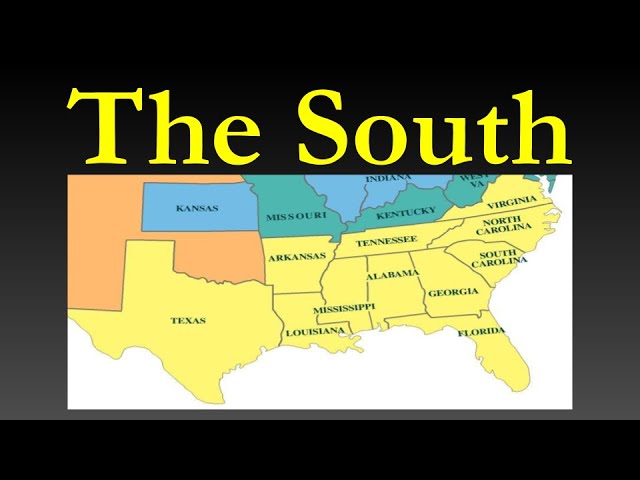
The war had been fought largely on southern territory while northern states experienced the political and economic strain of war. The major campaigns, battles, and occupations occurred across states such as Virginia, Georgia, Tennessee, and the Carolas.
As armies moved through these regions, they relied heavily on local resources.
Crops were seized, livestock taken, and buildings sometimes destroyed if they were believed to support the enemy's military effort. Over time, this constant movement of troops left wide areas of the countryside depleted.
Some of the most visible destruction occurred in cities that had strategic military importance. The Confederate capital of Richmond suffered extensive damage in April 1865 as Confederate forces evacuated and fires spread through parts of the city.
Warehouses, factories, and government buildings burned, destroying valuable infrastructure that the Confederacy had depended on during the war. Union troops entered the city. They encountered streets filled with debris and a population struggling to secure basic supplies.
Transportation networks across the South had also been severely damaged.
Railroads were especially important during the war as both sides depended on them to move troops, weapons, and food.
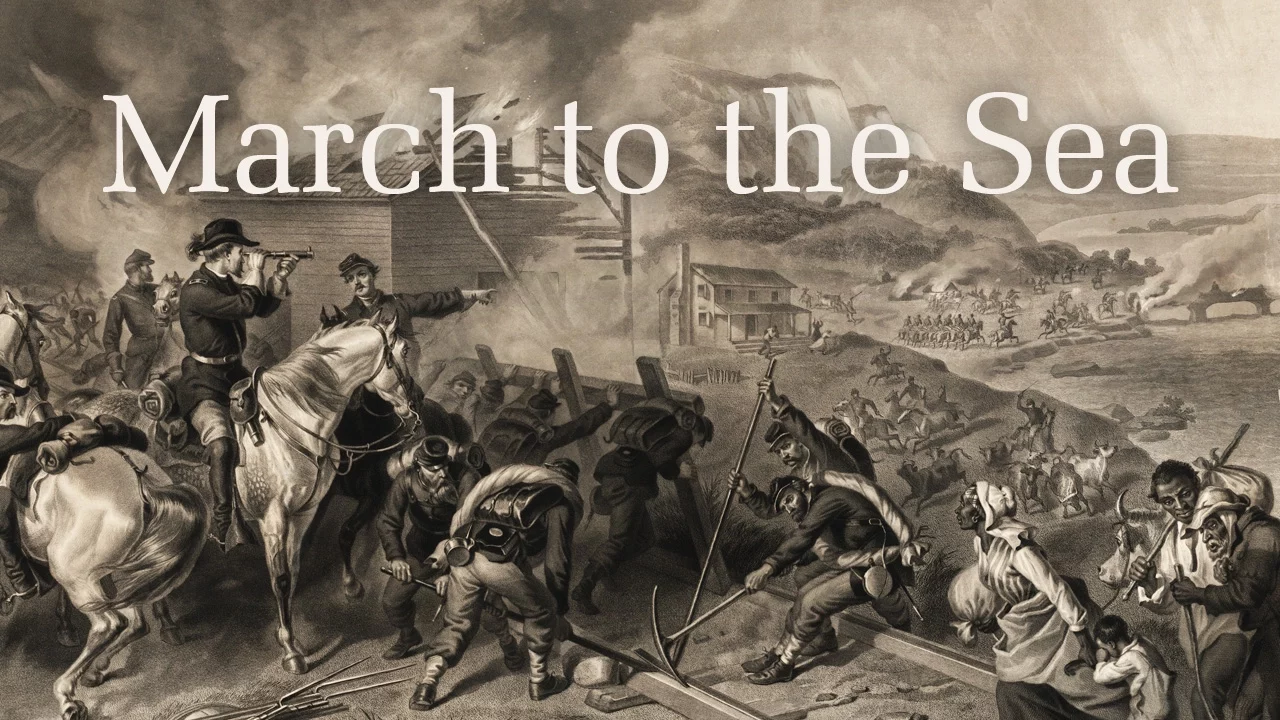
Union military strategy often targeted these rail lines to weaken Confederate logistics. Tracks were torn up, bridges destroyed, and rail depots captured. In many places, twisted rails lay abandoned beside the tracks after being heated and bent by Union troops. Rebuilding these systems would take years, and until they were restored, transportation and trade remained limited.
Agriculture, which formed the foundation of the southern economy, had also suffered greatly. Many farms had been neglected, while men served in the Confederate army. Fields went unplanted, fences fell into disrepair, and tools and livestock were lost.
Armies passing through rural areas frequently requisitioned food and animals, leaving farmers with little to work with once the fighting stopped. In some regions, entire harvest cycles had been disrupted for several consecutive years.
The war had also damaged southern industry. Before 1861, the South had far fewer factories than the North, but the Confederacy had developed important industrial centers to support its war effort.
These included iron works, armories, and textile mills. Some of these facilities were destroyed during Union campaigns designed to weaken Confederate production.
As a result, the already limited industrial capacity of the South was reduced even further by the end of the war.
Another factor contributing to the destruction was the strategy of total war adopted by some Union commanders.
The most well-known example was the campaign led by William Tecumpsa Sherman during his march through Georgia and the Carolinas.
Sherman believed that weakening the South's ability to sustain the war required targeting not only Confederate armies, but also the infrastructure that supported them. Railroads, supply depots, and government facilities were systematically dismantled. While Sherman generally avoided unnecessary civilian casualties, the economic impact of his campaign was severe.
The cumulative effect of these campaigns was visible across much of the region.
Roads were damaged by constant military traffic. Bridges had been destroyed to slow advancing armies. Storage facilities and supply depots were gone.
Many communities that once depended on trade and transportation found themselves isolated. Even areas that had not experienced major battles still suffered from shortages of materials and the absence of labor.
Labor itself was undergoing a fundamental transformation at the end of the war. The collapse of slavery meant that millions of formerly enslaved people were no longer forced to work on plantations.
This change represented a major social and moral shift. But it also created immediate economic uncertainty in a region where agriculture had been built on enslaved labor for generations.
Plantation owners who had depended on slavery now faced the challenge of reorganizing their farms within a completely different labor system.
The destruction of infrastructure combined with economic dislocation made everyday life difficult for many southerners in 1865.
Despite these challenges, the south was not completely destroyed. Many towns remained intact and some agricultural regions were capable of recovering relatively quickly once stability returned.
However, the scale of damage to transportation, industry, and farming meant that economic recovery would take many years.
The physical condition of the South in 1865 set the stage for the political and social struggles that followed during reconstruction.
Up Next

4:58
Reconstruction Amendments: 13th, 14th, 15th Explained
@quizlet
5.9K views•2025-07-04

33:02
The Great Schism of 1054: Causes and Consequences
@SacredCathedrals
113.5K views•2026-02-19

91:57
The Geopolitics of the Ukraine War and the Rise of Global Autocracy
@JordanHarbingerShow
468K views•2025-04-19

17:05
Understanding the Cold War: Superpower Conflicts and the Road to Détente
@OverSimplified
46.1M views•2019-01-24
Related Study Plans & Knowledge Roadmaps
Structured learning paths in History
history
Byzantine Iconoclasm: Theology, Art & Politics
01Foundations of Byzantium and Early Christian Images
02The First Iconoclasm: Leo III and the Crisis of Images
03Empress Irene, Nicaea II, and the Second Iconoclasm
+ 2 more learning modules
9h5 modules
Explore Roadmap
history
Iranian Revolution (Causes, Events & Legacy)
01The Pahlavi Dynasty and the Roots of Discontent
02The Spark of Rebellion and the Rise of Khomeini
031979: The Fall of the Shah and the Climax of the Revolution
+ 2 more learning modules
8h5 modules
Explore Roadmap
history
Mali Empire: Mansa Musa, Trade & Timbuktu
01Foundations of the Mali Empire
02The Trans-Saharan Gold and Salt Trade
03The Reign and Pilgrimage of Mansa Musa
+ 1 more learning modules
6h4 modules
Explore Roadmap
history
1947 Partition: Politics, Borders & Legacies
01Foundations of British India and the Divide
02The Political Negotiations and the Mountbatten Plan
03Drawing the Boundary: The Radcliffe Line
+ 2 more learning modules
8h5 modules
Explore Roadmap