
















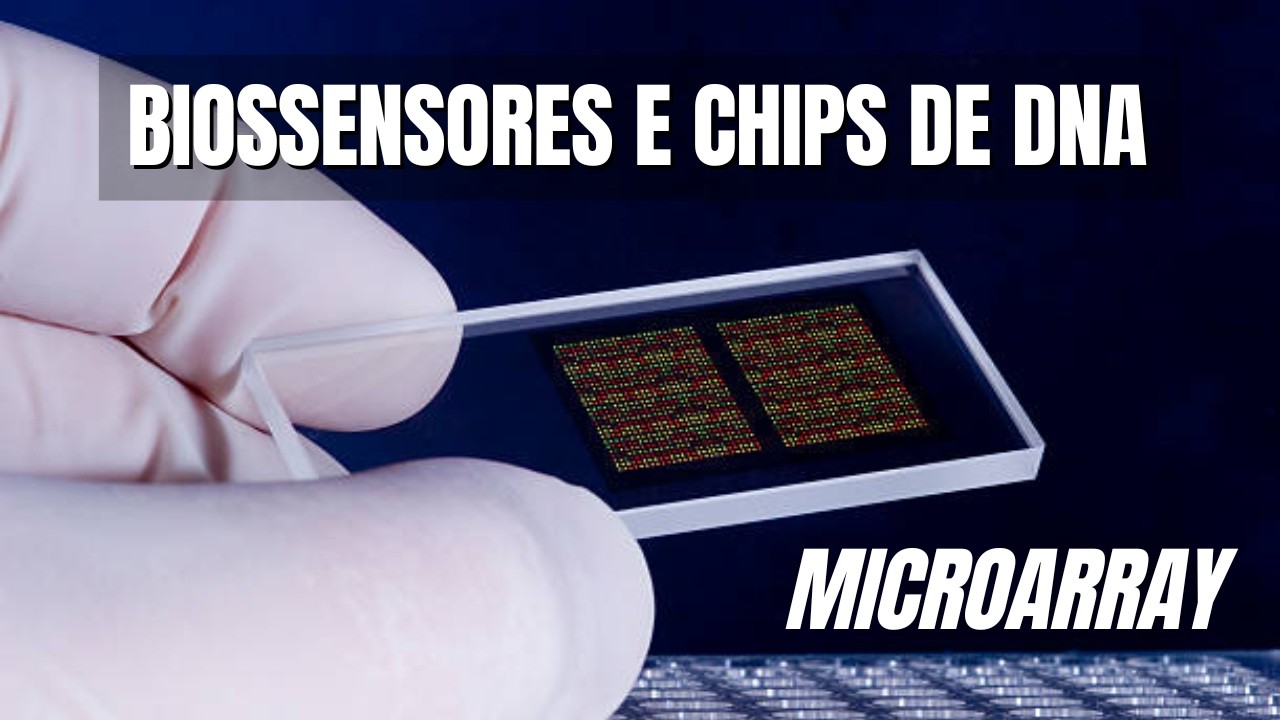




DNA-based biosensors utilize gold nanoparticles and DNA strands to detect toxins such as lead, uranium, and drugs like cocaine through colorimetric or fluorescent changes; when target molecules bind to the DNA, they cause structural changes that either disrupt the DNA-gold nanoparticle assembly (producing visible color changes) or cleave the DNA to release fluorescent signals, enabling rapid, portable detection of environmental contaminants and disease markers.
DNA Biosensors for Toxin Detection with Yi Lu | Beckman Institute
Added:Basic structure and hybridization of nucleic acids (DNA/RNA), including the concepts of synthetic aptamers and catalytic DNA (DNAzymes).
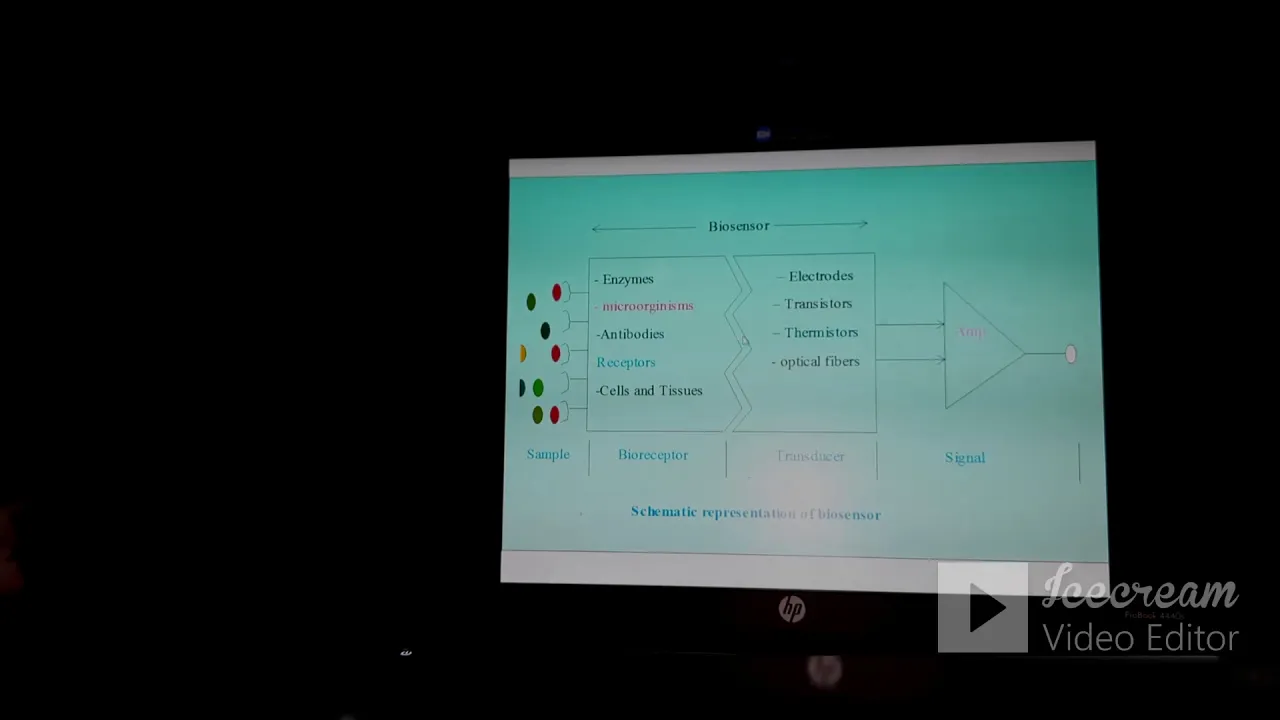
Fundamentals of biosensor architecture, specifically the distinction between bioreceptors (recognition elements) and transducers.
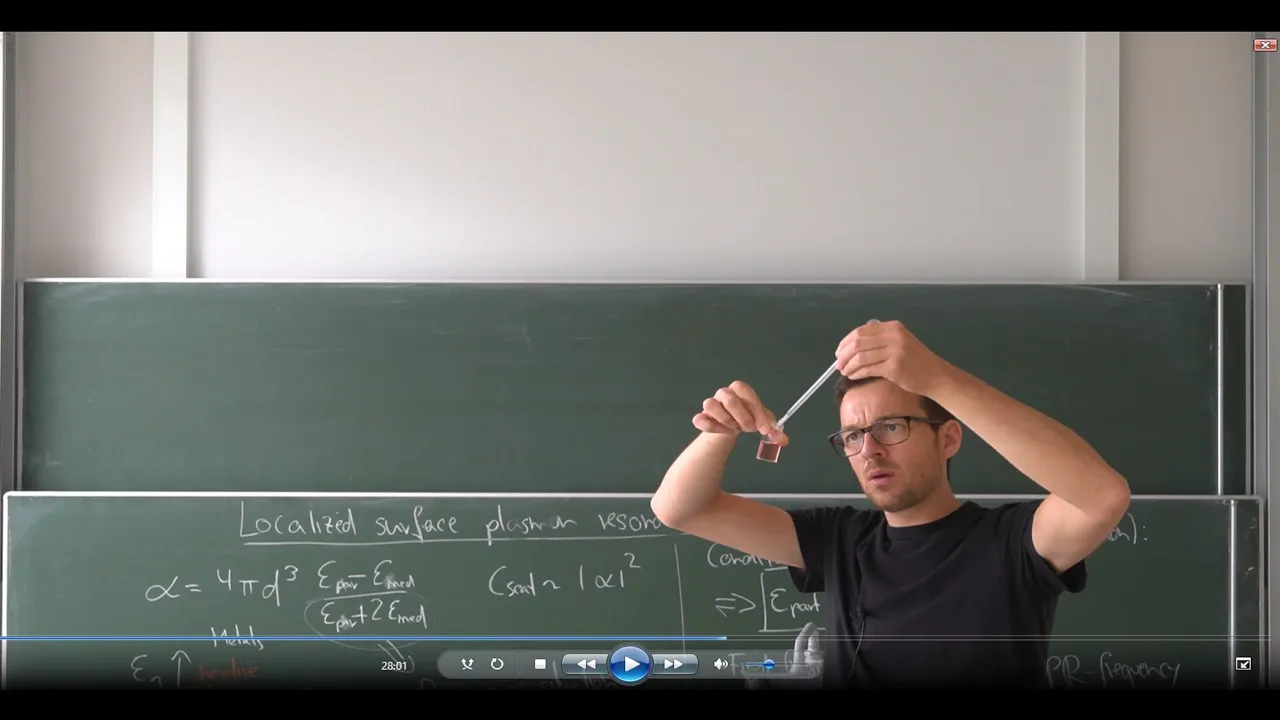
Optical properties of nanomaterials, particularly localized surface plasmon resonance (LSPR) in gold nanoparticles and how aggregation states induce color changes.
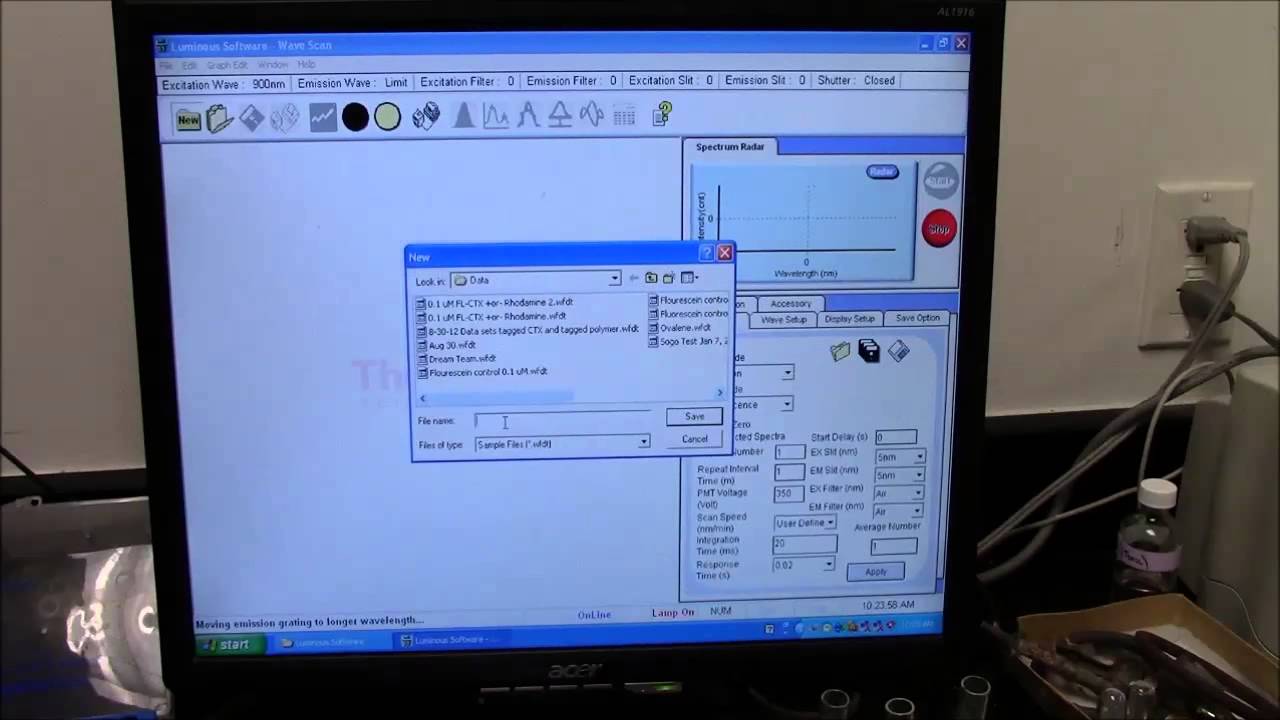
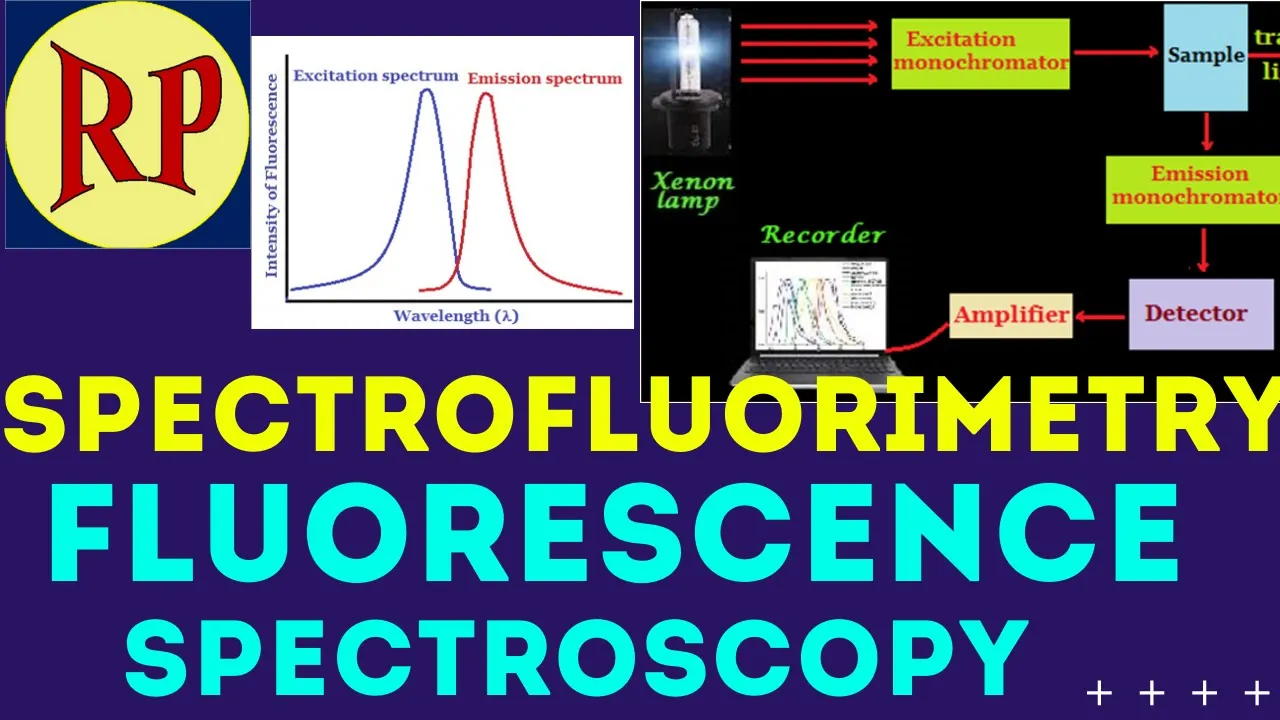
Basic principles of fluorescence spectroscopy, including excitation, emission, and how portable fluorometers quantify signal intensity.
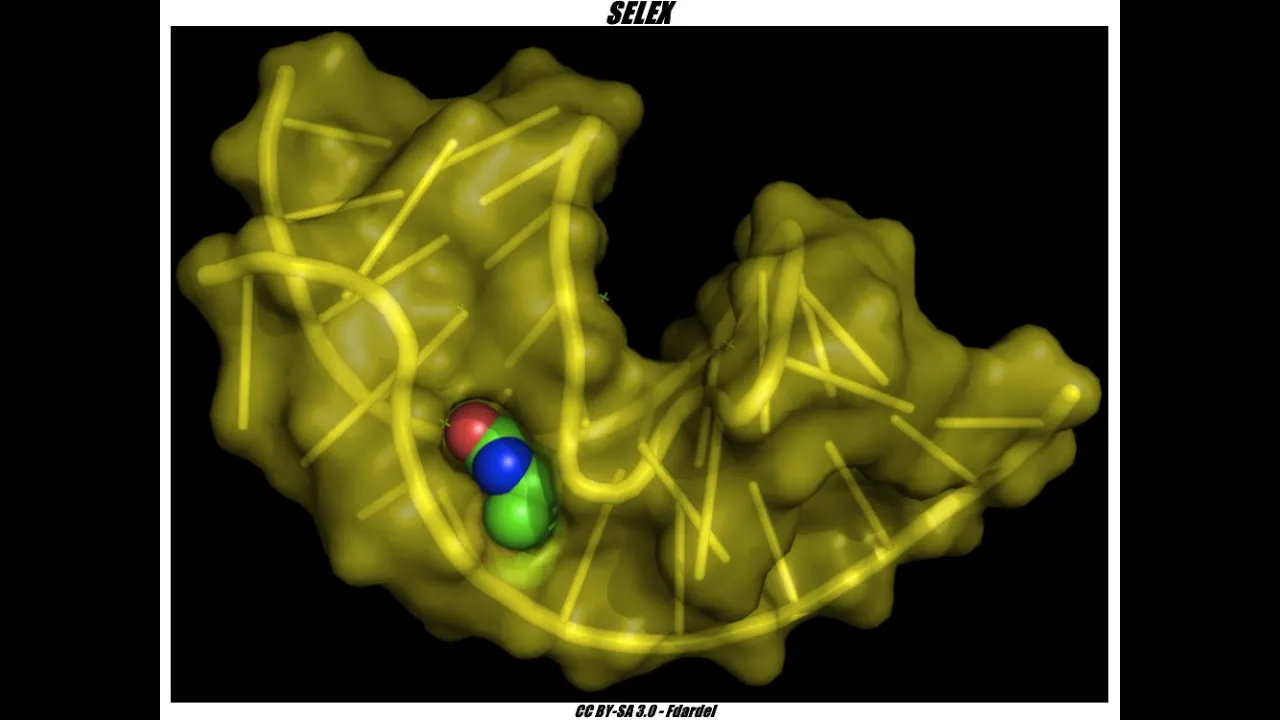
The SELEX (Systematic Evolution of Ligands by Exponential Enrichment) process used to engineer custom DNAzymes and aptamers for novel target analytes.
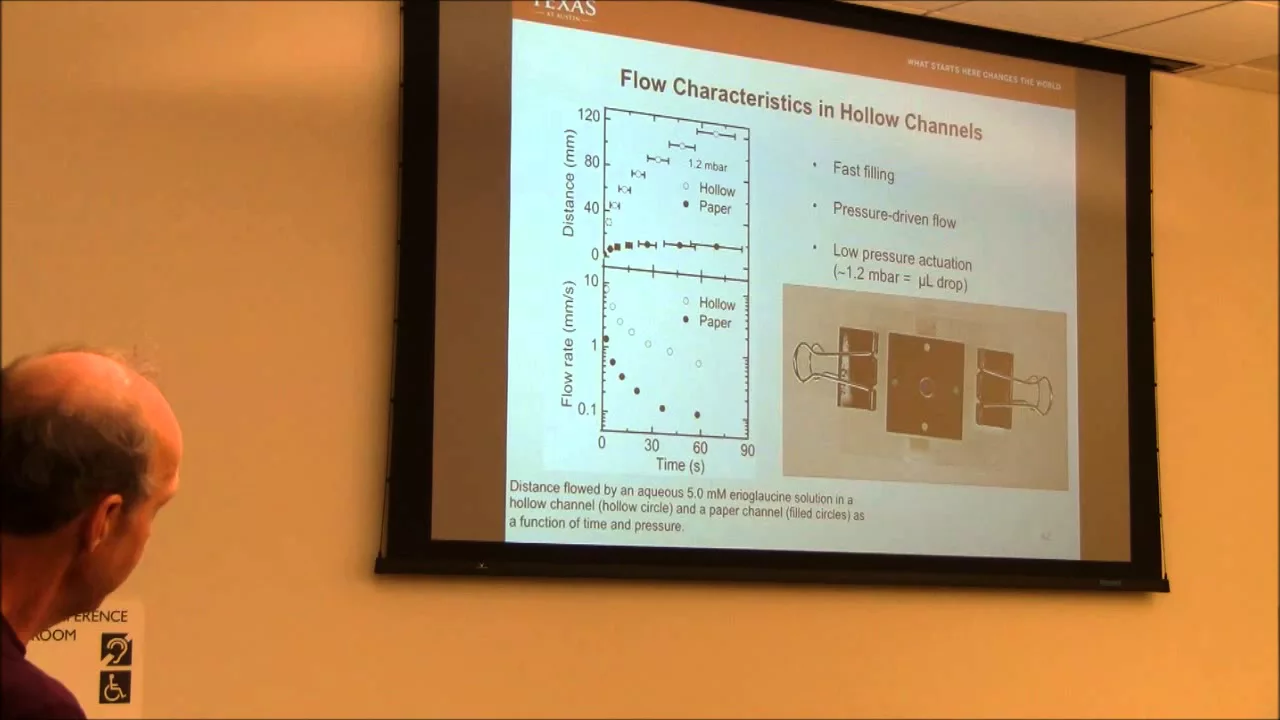
Integration of DNA biosensors into paper-based microfluidics and 'lab-on-a-chip' systems for automated point-of-care (POC) testing.
Methods for overcoming matrix interference and non-specific binding when analyzing complex real-world samples like soil, blood, or wastewater.
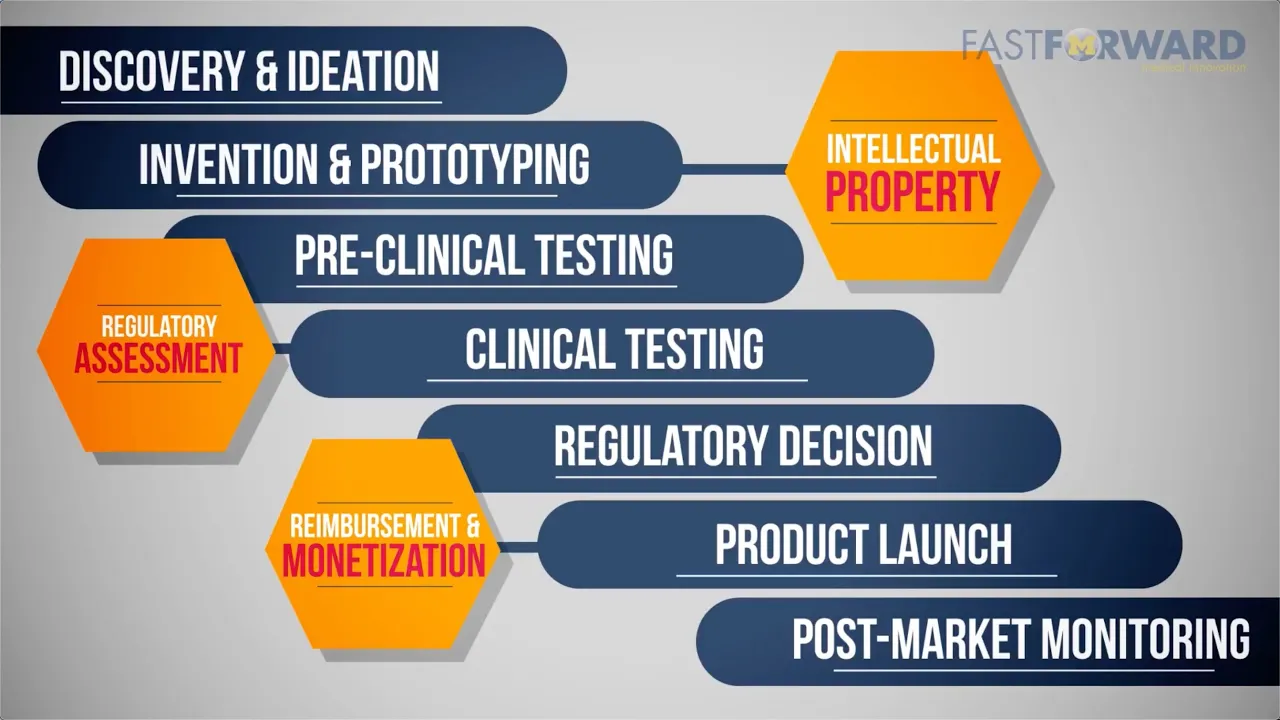
Commercialization and regulatory pathways for environmental and medical diagnostic devices, including stability testing and scale-up manufacturing.
13.3K views115likes7:44Original Release: 2010-09-24
[Music] [Music] we are actually uh at very interested in the interface between chemistry and biology and also application of such a uh interest development in terms of fundamental research so on one hand we're really want to take advantage what uh uh the chemical tools that were available we can actually looking into biological Target at the same time want to take advantage of recent technology and development concept from biology Inspire from the biology and do better [Music] chemistry what we really have been interested in doing is to using DNA as a starting material where we have been able to utilize that to make all kind of structures and then we can decorate that structure with the different kind of anous materials the most important uh uh advantage of the using DNA as a as a sensor is that they can actually cover wide wide range of targets for example small molecule like metalin some toxic Target and obviously also DNA biocompatible biodegradable so you can actually it's now polluting in environment very environmentally friendly for so far our application Focus mainly on environmental monitoring particularly toxin metalon detections also detecting some organic contaminants in the environment what we can detect is variety of targets like lead uranium or as well as the small molecule such as cocain or a dinos it's quite a powerful technology here is the solution of a Gano particle this is made of nanoscale sized Gano particles it shows a red color we combine this Nano particle with the functional DNA I want to make sensors out of it we are going to show addition of some targets it will give a instant color change so by seeing this color change we will know how much targets is in it and we can make a b sensor out of it here is the comparison so before and after addition of the targets we'll see this huge color transition bio sensor detection by seeing color changes so what we have done in here although is colorless right now we placed the DNA with gold particle right here so you dip this into a solution if there no such Target this DNA go n particles will not have any reaction there no change of color and state in this particular place but if there is a Target in here there will be a specific uh changes of confirmational chemical reaction occurs that the DNA gold Nono particle will be disrupted it will be migrate through it and then there will be a change of color so that one something like this occurs and there will be color changes in there and based on whether the color Chang it where migrates to it in the few minutes one can actually have Simi quantitative or quality information whether the food is safe to eat the water safe to drink or you know whether one have a disease in the urine or blood or [Music] not most people are familiar with the double helix when two DNA put together they form double hips and then they So-Cal hybridizations so in absent of Target those two pie of DNA will be hybridized together and then there will be minimal or no Floren Syle in the present the target a lad uranium and the metal comes in and then C like a scissors cut the DNA into two pieces and one piece fly off and then give it the increase of Floren in signals what I will show is using the fluorescence to uh detect the Target by DNA uh so uh here I have a few samples so we can first start with uh a sample without lead and you will see the fluorescent signal is very weak we uh put it into the floeter the sample is in and we just need to operate the software to detect it this is intensity for our blank sample the number is here it's like uh 400,000 you can remember this value okay we do another same hole with the some Le then put this back in the floor meter it's pretty simple right now for the sample with some L we get the similar curve but shape is similar but the intensity is much much higher it's now about 4 million so it's just this sample has a fluoresence intensity like 10 times of our PL sample so with some Le you will see 10 times increase my number uh fluoresence this is the latest product that uh develop based on our technology in Beckman and University of Illinois that we work with together with a local startup company called andeliz so this is a portable floor meter this is the cage contain inside the sensor that we developed and then all you need to do put in here and then put in a sample solution of interest and push through here okay and then take it off and close it and push start and then in about 2 minutes one can get a reading of the sample concentration in this case is lad the principle behind this particular meter is based on florenes where the DNA will be in the present of Target that cleave the DNA release the floor for and then have increase of forensic signals same technology can be applied it's just a simple change of the the software behind it we can also develop uh the same product for detection for organic contaminants diseases bacteria virus and and so on so forth we already demonstrated we can detect simple uh metales like toxic Metaline like Mercury and uranium copper and uh also we can actually detect many other like uh recreational drugs and pharmaceutical drugs and also diseases many other kind of cancer other type of diseases so the potential is huge because it's not only simple very accurate but also have can uh can be applied for many different uh variety of targets that interest in a lot of people every day there's a new discovery happening and then new ideas and then uh you know being able to see your idea being able to realize you know in your own lab and with a really a fantastic group of student and postdoc and so that's really I think both education as well as research product that's really excites [Music] me I think with the interface of more than one field mostly chemistry and biology but also material science engineering so what we really want to do is to get inspiration from each area and we want to have a combined benefit of all the fields that we can be able to uh take advantage of so the end result is not only the new advances in each of them field in terms of fundamental knowledge but more importantly as a new applications and new products coming out of this you can actually people can immediately use to to be able to uh change their lives [Music] n
Up Next
60:03
Self-Assembled Monolayers: Alkane Thiolates on Gold | Education
@djlipomi
8.3K views•2019-11-26
83:56
Biocatalysis and Catalysis in Islatravir Synthesis | Merck Webinar
@SCIwheresciencemeetsbusiness
675 views•2020-10-08
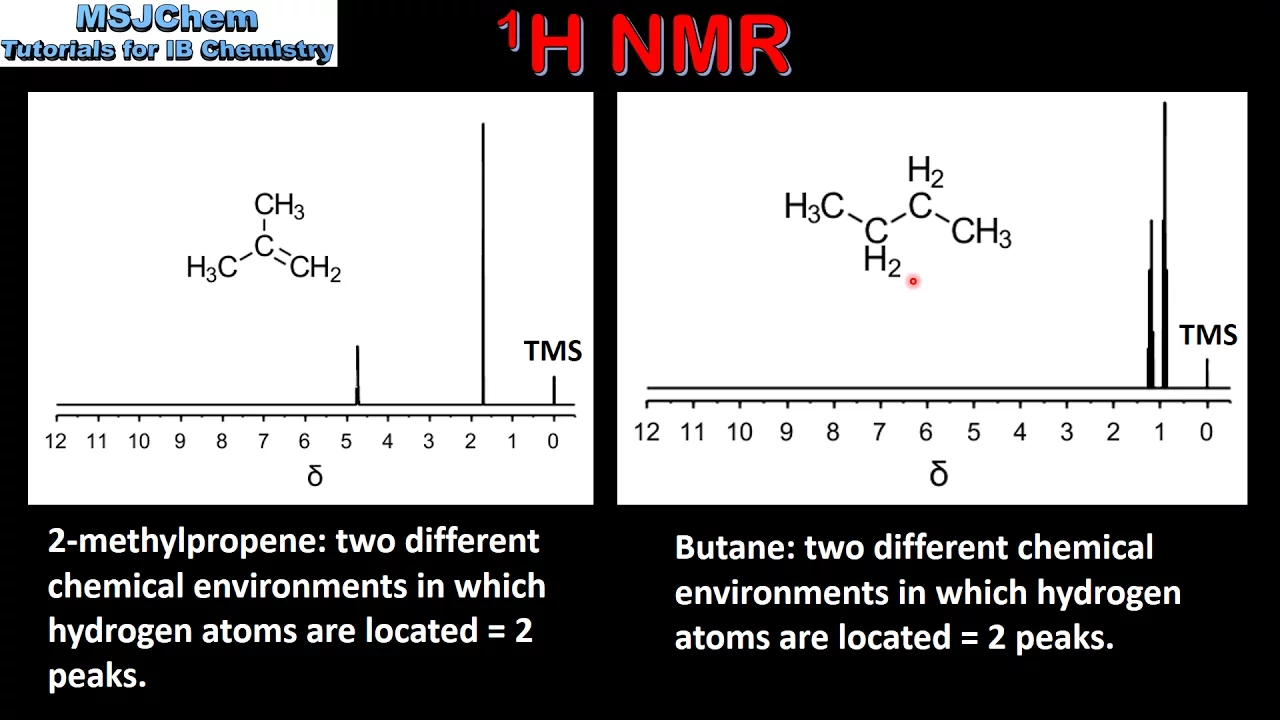
10:06
1H NMR: Determining Number of Peaks from Structure
@MSJChem
59.2K views•2017-04-06
17:31
Edible Water Bottles: A DIY Guide to Sodium Alginate Spherification
@ryan
10.5M views•2019-06-21
Related Study Plans & Knowledge Roadmaps
Structured learning paths in Chemistry
chemistry
Nuclear Chemistry: Decay, Meds & Fuel Cycle
01Introduction to Nuclear Structure and Radioactivity
02Decay Dynamics and Kinetics
03Radiation Interaction and Detection
+ 2 more learning modules
24h5 modules
Explore Roadmap
chemistry
Supramolecular Chemistry: Forces & Machines
01Foundations of Chemical Bonding and Intermolecular Forces
02Introduction to Host-Guest Chemistry
03Thermodynamics and Dynamics of Self-Assembly
+ 2 more learning modules
16h5 modules
Explore Roadmap
chemistry
Photochemistry: Excited States & Reactions
01Foundations of Light-Matter Interactions
02Molecular Orbitals and Electronic States
03Photophysical Processes and Jablonski Diagrams
+ 2 more learning modules
18h5 modules
Explore Roadmap
chemistry
Coordination Chemistry: Bonding & Properties
01Introduction to Transition Metals and Ligands
02Crystal Field Theory (CFT) and Geometry
03Magnetic Behavior and Spin States
+ 2 more learning modules
14h5 modules
Explore Roadmap