














Mutual aid is a grassroots organizing strategy where community members collectively meet each other's immediate survival needs—such as food, housing, and healthcare—through direct action and solidarity, rather than relying on charity or waiting for government intervention; this approach builds long-term community relationships and political power while addressing systemic failures that leave vulnerable populations unprotected.
Mutual Aid in the Age of Coronavirus: Organizing for Solidarity
Added:The conceptual distinction between horizontal solidarity (mutual aid) and vertical hierarchy (traditional philanthropy or charity).
The foundational social theories of Pyotr Kropotkin regarding mutual aid as a factor of evolutionary and social survival.
Basic principles of grassroots community organizing and decentralized, leaderless network structures.
The immediate socioeconomic disruptions caused by the COVID-19 pandemic, particularly regarding systemic gaps in state-provided social safety nets.
The political economy of 'Solidarity Economies,' including cooperative business models, community land trusts, and local currencies.
Critical analysis of 'Disaster Capitalism' and how community-led disaster collectivism serves as a counter-strategy to systemic exploitation during crises.
The structural challenges of scaling grassroots networks, focusing on issues of sustainability, burn-out, and co-optation by the non-profit industrial complex.
Advanced models of participatory democracy and democratic confederalism that integrate mutual aid into systemic governance.
33.3K views1.1Klikes12:55Original Release: 2020-03-20
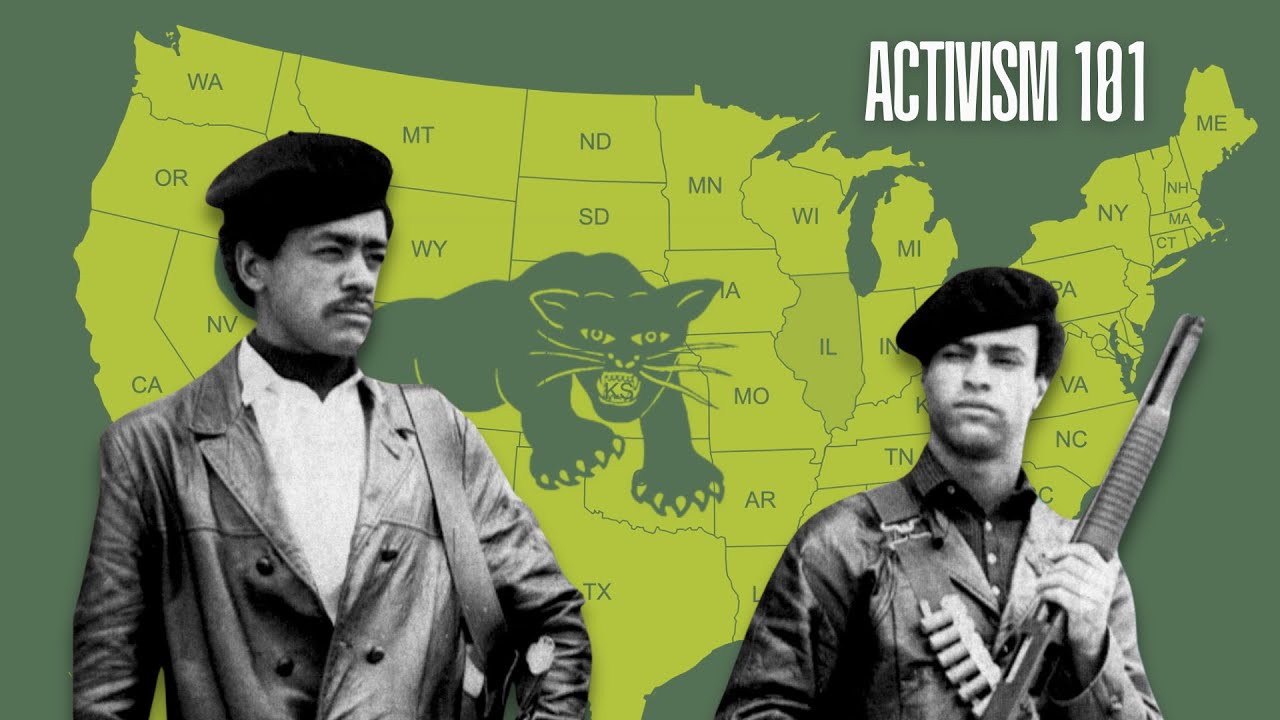
this is democracy now democracynow.org the war and peace report I'm Amy Goodman we end today's show looking at the incredible community networks across the United States that are coming together for tetete to protect their neighbors during the corona virus pandemic and how you can get involved as lockdowns and layoffs sweep the country leaving millions at risk mutual aid groups are forming to protect and provide for the vulnerable including the elderly incarcerated undocumented and unhoused their aim solidarity not charity in Washington the Tacoma mutual aid collective is organizing free food programs for kids hit by school closures in the bay area of California the West Oakland Punk's would lunch is working with the houseless community and distributing lunch and supplies in Arizona Tucson mutual aid is coordinating food and supply drop-offs to people's front doors in Colorado the Denver Service Worker solidarity group is building a network to demand an immediate moratorium on rent collection and eviction citywide in Minnesota the Twin Cities queer and trans mutual aid group is organizing assistance for queer transgender and gender non-binary people affected by Kovan 19 here in New York City now the epicenter in this country NYC united against coronavirus has put together a network of resources for childcare grocery delivery food donations housing needs bail funds and other types of support across the five boroughs and those are just a few of the thousands of efforts for more we go to two of the hotspots of the pandemic Seattle Washington and here in New York City we're joined by two longtime mutual aid organizers in New York City Miriam Kaba is with us longtime organizer abolitionist education and founder of the grassroots organization project Nia which works to end the incarceration of children and young adults she's raised tens of thousands of dollars and redistributed it to groups across the country in response to the corona virus pandemic she just did a public conference goal with congressman Alexandra custard Cortez on mutual aid and in Seattle Washington Dean Spade is with us associate professor at Seattle University School of Law founder of the Sylvia Rivera Law Project creator of the mutual aid resource website big door Brigade comm we welcome you both to Democracy Now in this so difficult trying challenging time Mariam tell us about a few more of these mutual aid efforts and what you're doing sure and as I mentioned as you mentioned there are several projects happening around the country I have been privy to seeing the work that's happening in Chicago where Kelly Hays Delia Galindo and other organizers pulled together on very short notice a Google Doc to help people with direct needs who needed any number of dollars whether for rent or food or etc provided an opportunity for people to sign up and then for people to who could offer to support to step in to do that so that's one way that through technology people are reaching out to each other in order to be able to meet people's direct needs there are folks here in New York City as you mentioned that pull together an abolitionist group and abolitionists mutual aid fund that raised money to be able to provide groceries to folks grocery money to people and explain what you mean Miriam when you say abolitionist well in this case it was an abolitionist collective meaning people who are prison industrial complex abolitionists who believed that we need to create the conditions in the world to be able to abolish prisons policing and surveillance so in this particular case this grouping came together they're socialists abolitionists feminists and they tried to raise money in order to be able to provide grocery money for folks in the not just in New York I think beyond New York as well they got I think this is an important point which was that they raised a lot of money quickly about nearly $40,000 but the requests that came in were 220,000 dollars and so you can see that there's an incredible need and that need needs to find a way to get met and it won't just be happening through individual donations it has to also be the state mobilizing to provide for the needs of those people so those are just some a couple of examples sorry I didn't punished New York did a soap drive to raise money so that soap could be sent inside to incarcerated people first in New York and now around the country because as you know incarcerated people can be hired for example through Governor Cuomo to create cancer that would help the rest of the community but they themselves can't have hand sanitizer within the prisons because of the alcohols level within those particular within that particular hand sanitizer so try to mobilize to meet the material needs of the folks who need support and to is key well I want to go to Dean Spade Mary Anne kava is in Brooklyn New York and Dean is in Seattle associate professor of Seattle University School of Law talk about the history of mutual aid for people who've never heard that term before yeah the term mutual aid basically just means when people band together to me immediate survival needs usually because of a shared understanding that the systems in place aren't coming to meet them or certainly not fast enough if at all and that we can do it together right now so usually you see them really visibly during kind of sudden disasters like earthquake storms floods or people are rescuing each other or distributing water or distributing masks things like that but there's also an ongoing history of people and a contemporary reality people doing mutual aid projects to deal with the ongoing disasters of the systems where you live under so an example a lot of people have heard of is no more deaths in Arizona which puts water into the desert and foods that people who are crossing hopefully are less less it's less mortal for them or abortion funds of how people access abortion right now or bail funds as you men or projects to help people coming out of foster care or out of prison find housing or prison penpal projects or childcare collectives those are all sort of the ongoing ways people are meeting each other's needs and I think the most probably visible historical example of mutual aid in the u.s. that people talk about a lot is of course of course the Black Panther party's free breakfast programs and health programs which we're a vital part of the party's work and have it's a good example of how social movements often pretty much always centrally organized mutual aid because people come in to social movements to get immediate needs met and they also definitely want to help others facing what they're facing and when they're there they can build a shared analysis hey why don't we have food why don't we have shelter what systems are in place that we all actually want to get to the root causes of and I think that's one other piece to say about this is that in a country like ours the story is at least will solve the problem is we should change laws or we should get policies passed and you should kind of wait to vote for those people or or Lobby them and ask them to do things and mutually it has a really different feeling to it it's like you know what we're not just gonna wait and hope that they solve our problems especially since they have a bad record of not doing that and especially because most relief doesn't end up reaching the poorest people or the most marginalized or targeted people instead we're gonna do something right now to build the world we want to live in so it's a very empowering participatory kind of work that tends to build people's ability to mobilize generally and the idea of solidarity not Jared 18 yeah so charity is a word we often use to think about like social services or nonprofits that give stuff to poor people if you qualify if you meet these eligibility verification requirements if you're the right kind of poor person we don't give it to unless you're sober unless you take these meds or unless you have kids or you know there's the histories unless you're properly Christian or not queer or whatever charity is this kind of thing where usually money's coming from the rich and they get to determine who is deserving that's the opposite of solidarity right solidarity is wow what people are in need that's not because they've done something wrong and we need to find the good ones and reform them it's because there's something wrong with a system that makes people homeless that makes people criminalized that makes people desperate and makes people you know have no immigration status whatever the case may be so it's a really different framework and it's not about savior ism or about and elites determining who should get what relief which is how charity looks it's instead about all of us getting together and practically just trying to meet each other's needs and solve immediate problems together in a very grassroots bottom-up way instead of a top-down way and merriam Kaba we only have a few minutes how do you hope to see these networks being developed in response to the pandemic evolve even after and that's a hopeful question thinking about after the pandemic and also where people can go to see the kind of groups that they can support sure so I think one of the most important parts about mutual aid has to do with changing the social relationships that we have amongst each other in order to be able to fight beyond this current moment beyond the current crisis beyond the current form of a disaster that we're trying to overcome and so one of the beautiful aspects is that you really don't know where the connections are gonna take you you're gonna make and build new relationships that will kind of lead to new projects and will needy to new understandings that will shape the potential future of you know your community and beyond I think the fact that these are like hyperlocal projects is actually a very helpful thing because you're definitely going to run into these folks again and they provides a foundation for future political action if it's done in a good way where people feel good about it and good about each other so I think that's very important and in terms of where people can go to find some of these mutual aid projects there's a new hub that was created that that somebody put together using all of these different how do you call it all the different Google Docs that have been coming up and circulating so that people could find each other and find them and I will send that because I don't have the actual link for it right now but I will send that over so that you can put it on your site and that's a way where people can connect people can go to Twitter go to Instagram go to Facebook there's so many Facebook pages that have come up so many of course will link to it at democracynow.org there have been calls by progressive prosecutors DA's and of course the whole abolitionist movement around the country to release people in jails at this critical point and detention centers can you quickly we have just 20 seconds comment on this yes absolutely and I want to comment specifically for New York Governor Cuomo has complete discretion to be able to issue masks clemencies for the prisons we know that de Blasio the mayor has the power to be able to release hundreds and thousands of people from Rikers Island and other jails and so we really want them to be able to do that there's lots of pressure and demands that have been issued by local groups where do you leave it there but I want to thank you both for being with us Mara in Cabo organized our abolitionist founder project Nia and Dean Spade associate professor at Seattle University School of Law founder the Sylvia Rivera Law Project creator of mutual aid resource website big door Brigade calm I want to just take this moment to thank the remarkable team of family my co-workers at Democracy Now who are mainly working from home I want to thank Julie Crosby Miriam Barnard Mike Burke Brunei Feldstein Augusto nermeen Shaikh Carla wills Tammy Warren of Libby Rainey Sam al Kahf John Hamilton Robby Karen honey Massoud Trina Nader tamer Elster Dennis Moynihan Adriana Contreras Marika Tarzana
Up Next

42:42
Decolonizing Solidarity: Dr. Mads Gilbert on Gaza's Healthcare Crisis
@PalestineChronicleTV
11.9K views•2025-02-21

24:30
BRICS Pay and de-dollarization: A New Financial Order Emerges? | 55 chars
@DannyHaiphongYT
164.6K views•2024-10-22
7:33
Government Surveillance Methods: 10 Ways You May Be Watched
@BeAmazed
1.6M views•2017-04-09
10:19
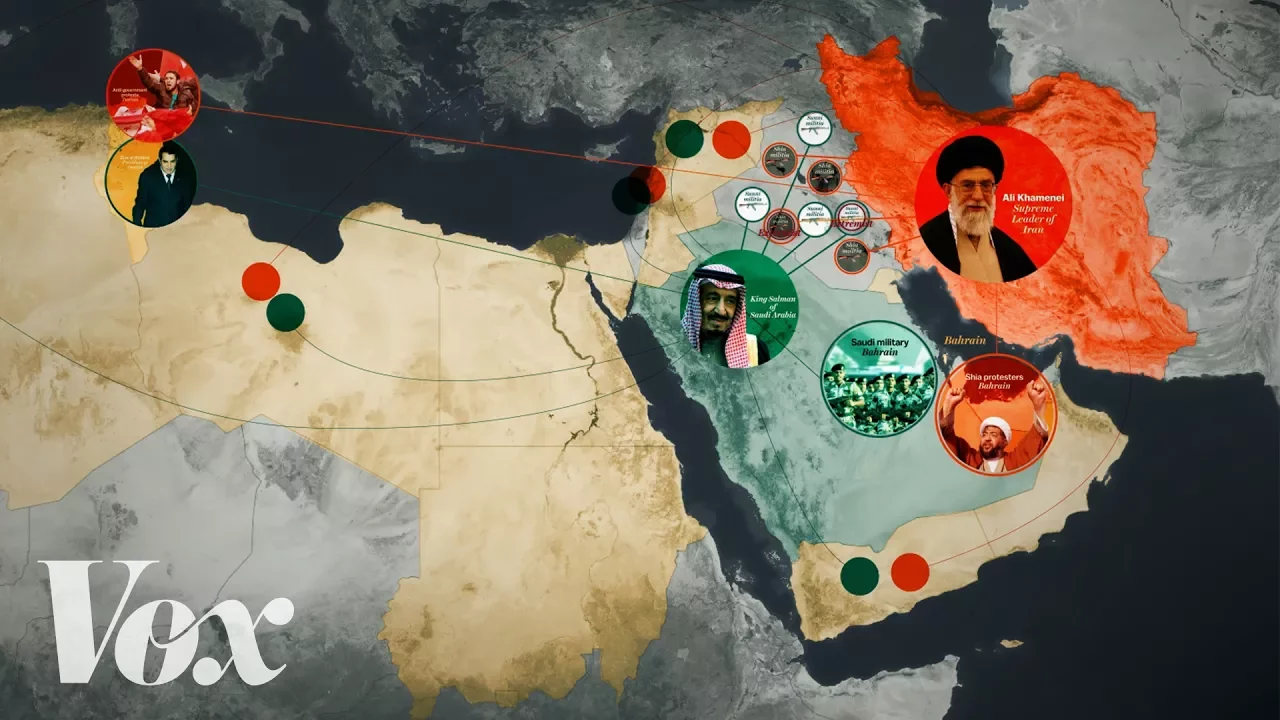
Explaining the Saudi-Iranian Proxy Conflict in the Middle East
@Vox
18.2M views•2017-07-17
Related Study Plans & Knowledge Roadmaps
Structured learning paths in Political Science
political-science
Economic Statecraft: Sanctions & Chokepoints
01Foundations of Geoeconomics and Economic Statecraft
02The Mechanics of Weaponized Interdependence
03International Sanctions: Types, Implementation, and Efficacy
+ 2 more learning modules
12h5 modules
Explore Roadmap
political-science
Central Bank Independence: Politics & Policy
01Foundations of Central Banking and Monetary Policy
02The Time Inconsistency Problem & Inflation Bias
03The Delegation Model and Designing Independence
+ 2 more learning modules
12h5 modules
Explore Roadmap
political-science
Consociationalism: Power-Sharing & Stability
01Democratic Dilemmas in Divided Societies
02Introduction to Consociational Democracy
03The Four Pillars of Consociational Design
+ 2 more learning modules
12h5 modules
Explore Roadmap
political-science
Rebel Governance: Legitimacy, Economy & State
01Foundations of Rebel Governance and Statehood
02Establishing Political Legitimacy and the Rebel Social Contract
03Wartime Economies and Rebel Resource Management
+ 2 more learning modules
14h5 modules
Explore Roadmap