





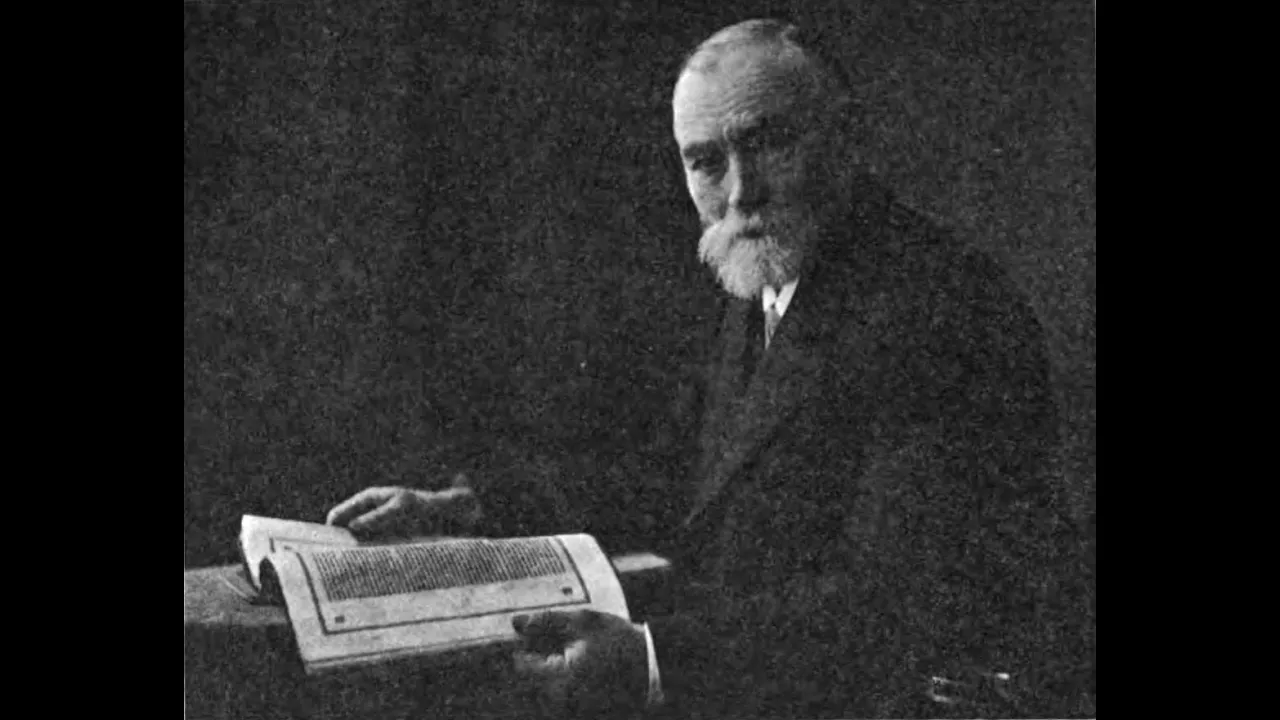










The Vienna Circle, a group of philosophers in 1920s Vienna including Moritz Schlick, Rudolph Carnap, Otto Neurath, and Kurt Gödel, developed logical positivism, which holds that only scientific statements are meaningful; according to their verificationist criterion of meaning, statements are either analytic (true by definition, like mathematics) or empirically verifiable (testable through observation), while metaphysical, ethical, and aesthetic claims are considered cognitively meaningless as they cannot be verified through experience.
Logical Positivism Explained: The Vienna Circle's Philosophy
Added:David Hume's empiricism and the distinction between 'relations of ideas' and 'matters of fact' (Hume's Fork).
Ludwig Wittgenstein's early philosophy in the 'Tractatus Logico-Philosophicus', which deeply inspired the Vienna Circle.
The basics of symbolic logic and the logicist project pioneered by Gottlob Frege and Bertrand Russell.
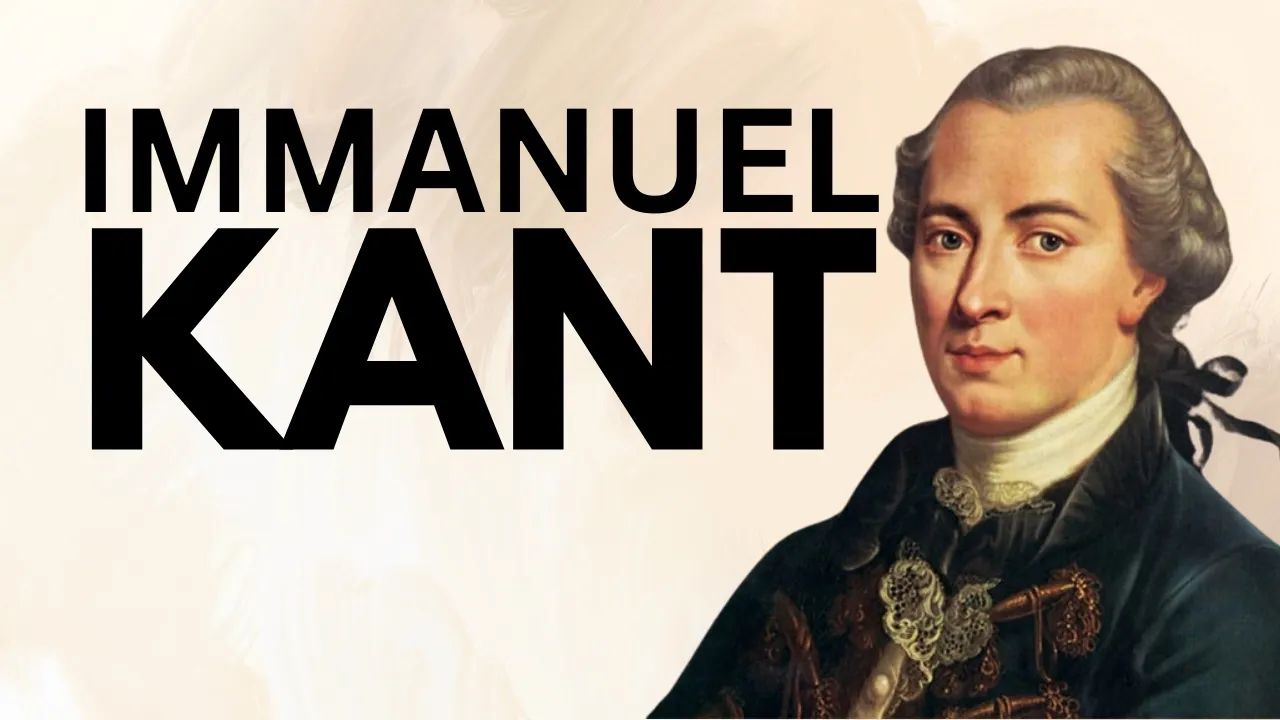
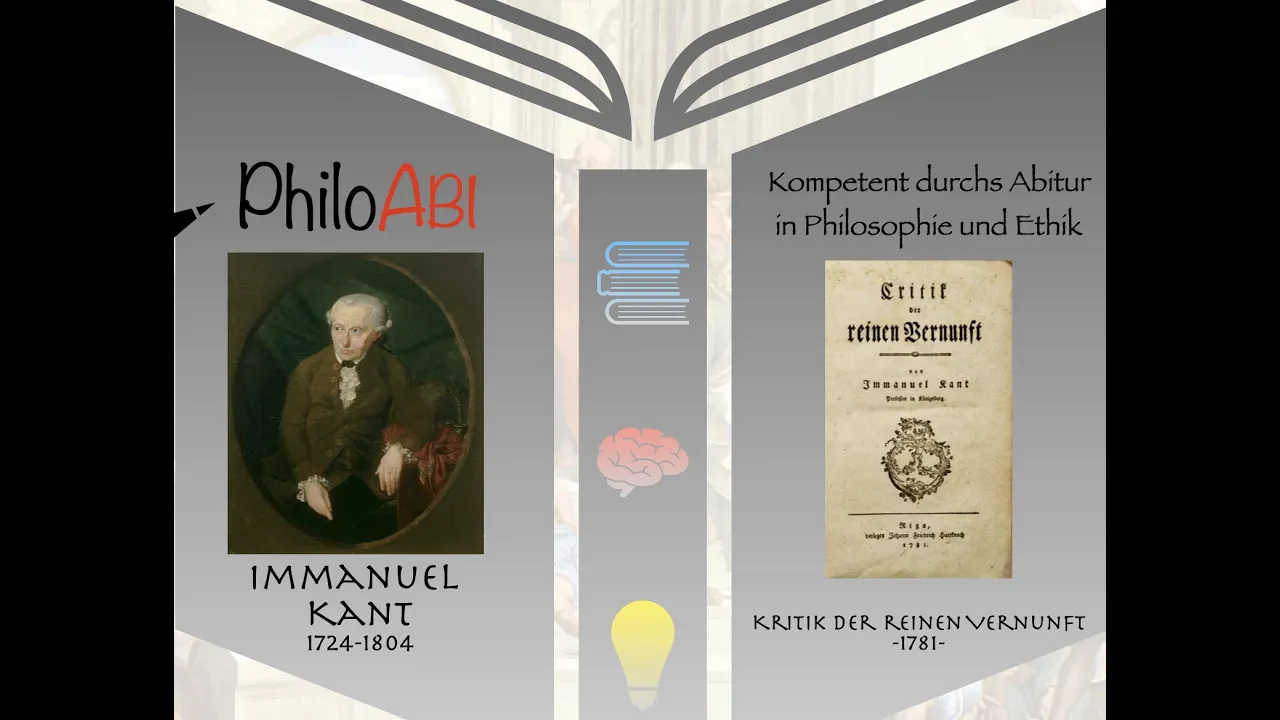
Immanuel Kant's framework of analytic/synthetic and a priori/a posteriori judgments, which the logical positivists sought to reformulate.
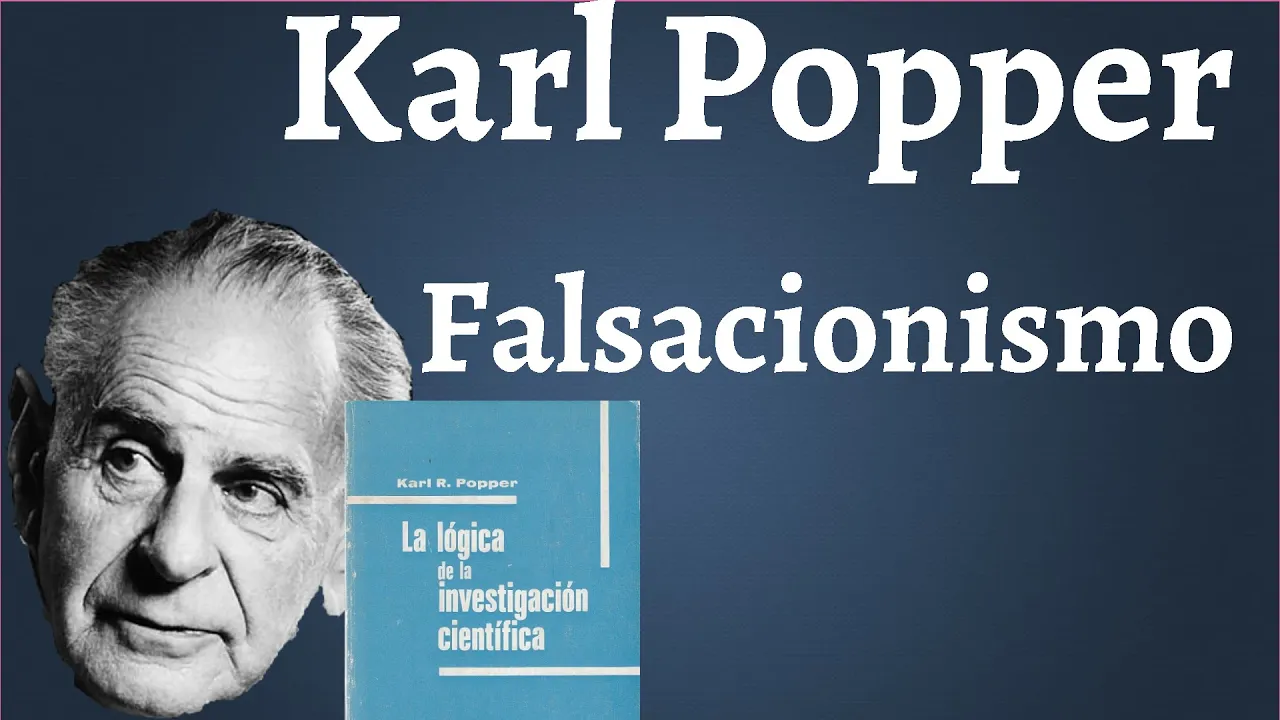
Karl Popper's critique of verificationism and his development of falsificationism as the demarcation criterion for science.
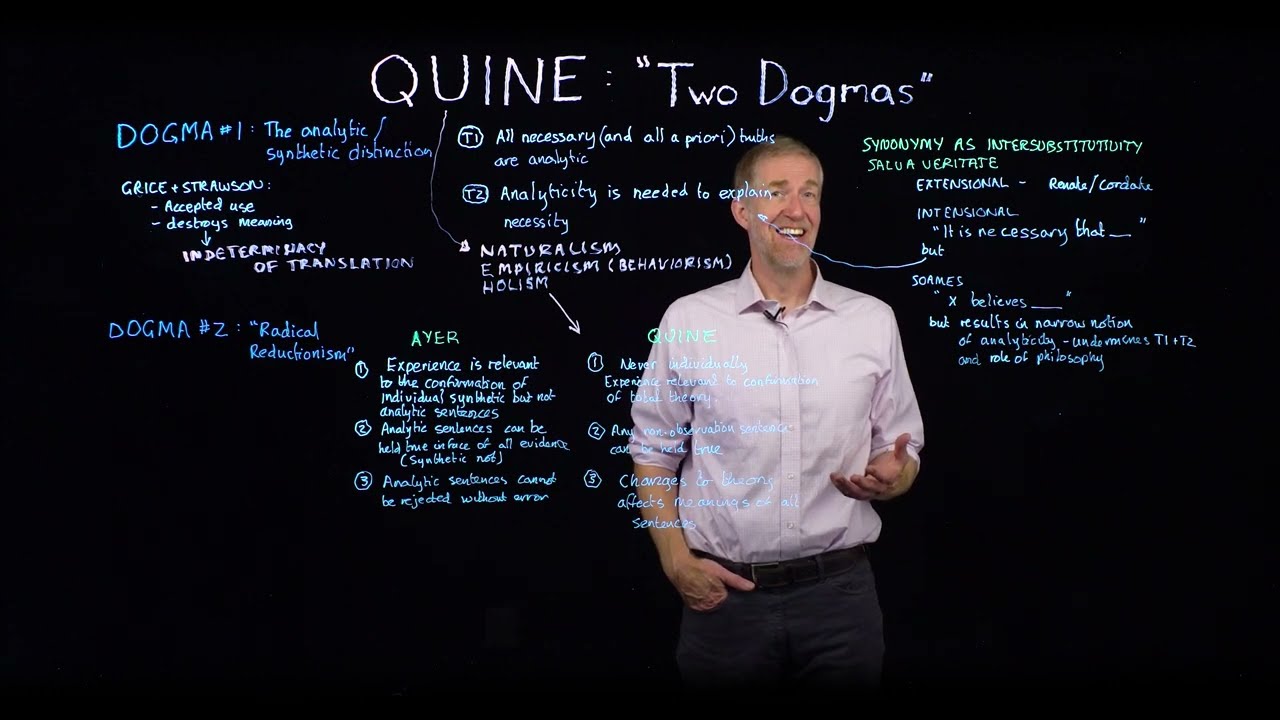
W.V.O. Quine's critique in 'Two Dogmas of Empiricism', which dismantled the analytic-synthetic distinction central to logical positivism.
Thomas Kuhn's theory of paradigm shifts in 'The Structure of Scientific Revolutions', introducing a historical perspective to the philosophy of science.
The rise of Ordinary Language Philosophy and the pragmatist turn as major reactions against the rigid formal constraints of positivism.
55.1K views388likes7:07Original Release: 2009-03-02
[Music] in the 1920s and 30s physics Professor morit schlick was at the center of a diverse group of thinkers in Vienna who met to discuss [Music] philosophy they came to be known as the Vienna Circle and included in their number Rudolph carap Otto neat and Kurt girdle it was at these meetings that logical positivism was born one of the most profoundly influential movements of the 20th century logical positivism asserted that the only kind of sensical discourse was scientific with its emphasis on sense and meaning the a circle owed an obvious debt to victon Stein's early [Music] work uh they did think that the details of viken Stein's uh theory of meaningfulness uh should be changed they thought the logical system that he imposed was too narrow and they thought that there was all sorts of metaphysical elements uh in the statement of the theory which didn't need to be there so they took it upon themselves to recast that general idea and they came up with What's called the verificationist theory or Criterion of meaning and the idea was that statements come meaningful statements come in essentially two classes in one class we have state statements that are either true in virtue of meaning alone or false in virtue of meaning alone and for these you don't have to investigate the world at all in order to um understand them or know them to be true or false but the other class of meaningful statements these are statements about the world and these ought to be statements that could be verified or falsified by or ordinary empirical [Music] observation in 1929 the Vienna Circle published its Manifesto the scientific conception of the world which Advanced The View that the only meaningful statements were those that are either empirically verifiable or grounded in logic and Mathematics all else was deemed emotive as a result logical positivism held that the sentences of metaphysics ethics and Aesthetics were in fact not statements at all the statements of ethics and Aesthetics were either basic commands Thou shalt not kill or basic exclamations of approval or disapproval impressionism Boo or cubism hooray and the statements of metaphysics were just plain meaningless the harmonious feeding or attitude which the metaphysician tries to express in a monistic system is more clearly expressed in the music of modart metaphysicians are musicians without musical ability logical positivism rejected as illegitimate every statement about the world that was not based on Direct experience this position formed the basis of the verification principle a sentence can be meaningful if and only if it is either empirically verifiable or it can be shown to be true by analyzing the conventional meanings of its signs or symbols in other words understanding the meaning of a proposition now required that you know how to verify it a sentence is only meaningful when we can verify it by experience by some kind of you know uh visual or auditory or whatever experience when a sentence can't be verified shown proven at least made highly likely or something by experience then it's meaningless and just really literally has no meaning at all it doesn't even get to be false it gets to be no manying it's not that it's wrong it's just it's like when a cat purs that's not right or wrong it's just a noise The Logical positivists held that scientific hypotheses could be reduced to what they called protocol statements which are the basic reports of direct observation these reports form the standard by which other empirical statements are to be tested this view raised the question didn't protocol statements themselves need to be verified auton norrath held that they cannot be the starting point of the Sciences which led him to compare knowledge to a ship that has to be continually rebuilt even while it is still at Sea reconciling the objectivity of science with the subjectivity of personal experience presented a challenge to the Vienna Circle if experience takes the form of private sense data how can science achieve the attitude of Detachment to which it aspires neat and Rudolph carap tried to resolve this conflict with a revised version of material M called physicalism the aim of physicalism was to turn physics into the Catalyst for unifying The Sciences it stated that everything that exists or happens can be completely described in the vocabulary of physics here then was the Holy Grail of logical positivism a scientific language that could theoretically give voice to all the Sciences
Up Next

3:32
Scientific Realism and the No Miracles Argument | Philosophy of Science
@OpenEdinburghUni
3.2K views•2014-05-23

164:01
John of Damascus on Holy Images: A Theological Defense
@BannedBooks
139 views•2026-04-25

68:32
Should We Destroy the Machines? Big Tech Surveillance Critique
@TheStoriesWeTell303
167.9K views•2025-11-30
4:57
The Myth of Sisyphus: A Greek Legend of Eternal Punishment
@TEDEd
8.6M views•2018-11-13
Related Study Plans & Knowledge Roadmaps
Structured learning paths in Philosophy
philosophy
Frankfurt School: Critical Theory & Culture
01Foundations of the Frankfurt School and Critical Theory
02Horkheimer & Adorno: The Critique of Instrumental Reason
03The Culture Industry and Mass Deception
+ 2 more learning modules
12h5 modules
Explore Roadmap
philosophy
Philosophy of Language: From Frege to Austin
01The Linguistic Turn: An Introduction to Language in Philosophy
02Gottlob Frege: Sense and Reference
03Early Wittgenstein: The Picture Theory of Meaning
+ 3 more learning modules
15h6 modules
Explore Roadmap
philosophy
Feminist Epistemology: Standpoint & Injustice
01Introduction to Epistemology and Feminist Critiques
02Sandra Harding and Standpoint Theory
03Donna Haraway and Situated Knowledges
+ 2 more learning modules
12h5 modules
Explore Roadmap
philosophy
Environmental Philosophy: Ethics & Deep Ecology
01Foundations of Environmental Ethics & Anthropocentrism
02Biocentric Individualism and Animal Liberation
03Ecocentric Holism and Deep Ecology
+ 1 more learning modules
10h4 modules
Explore Roadmap