


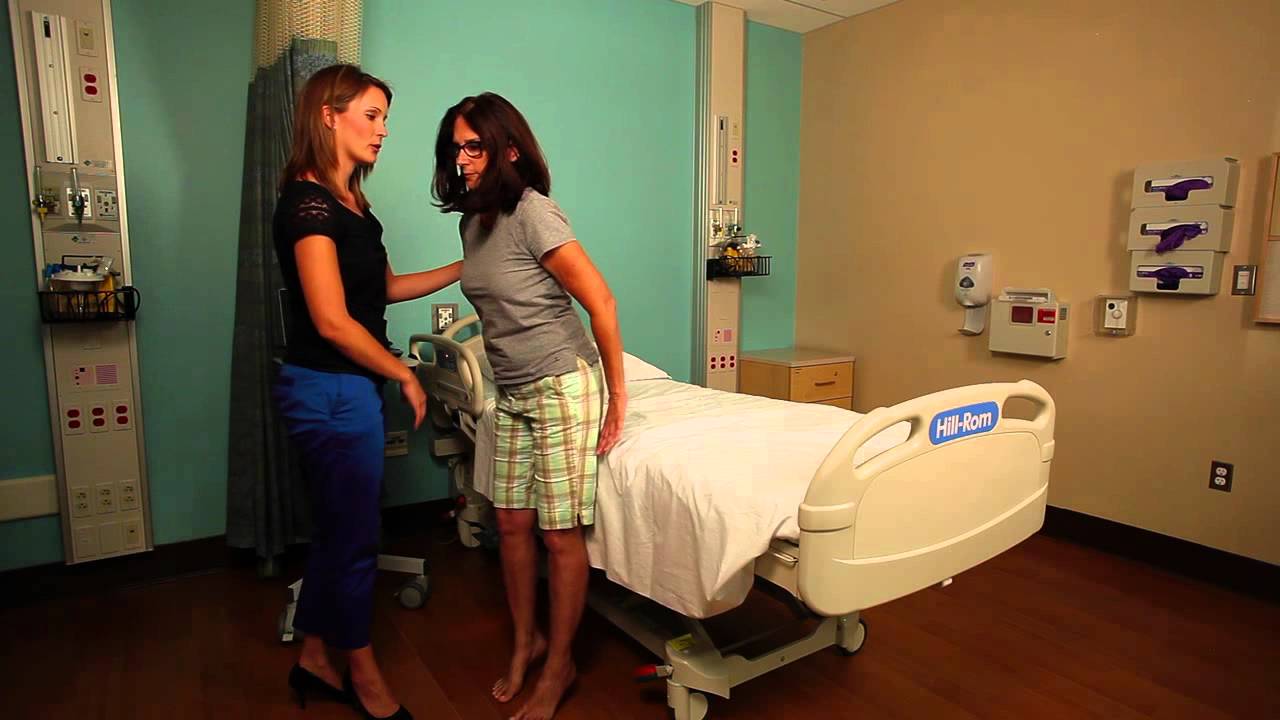


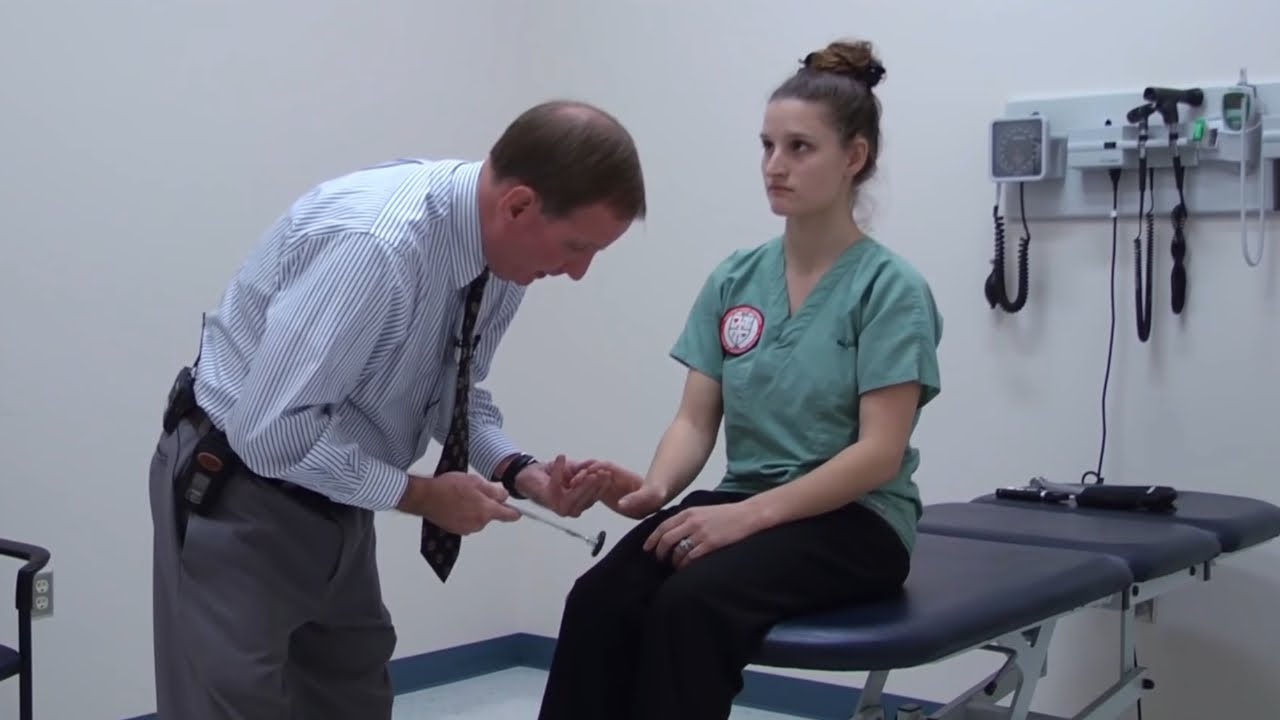

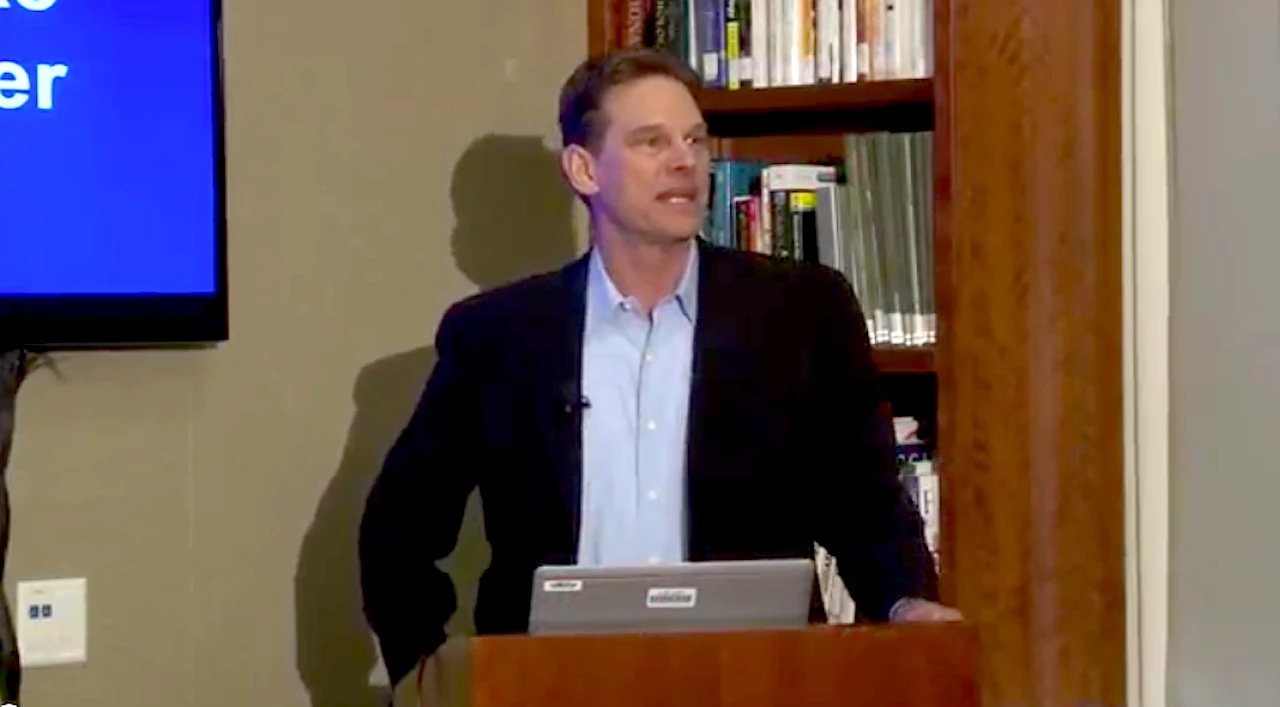











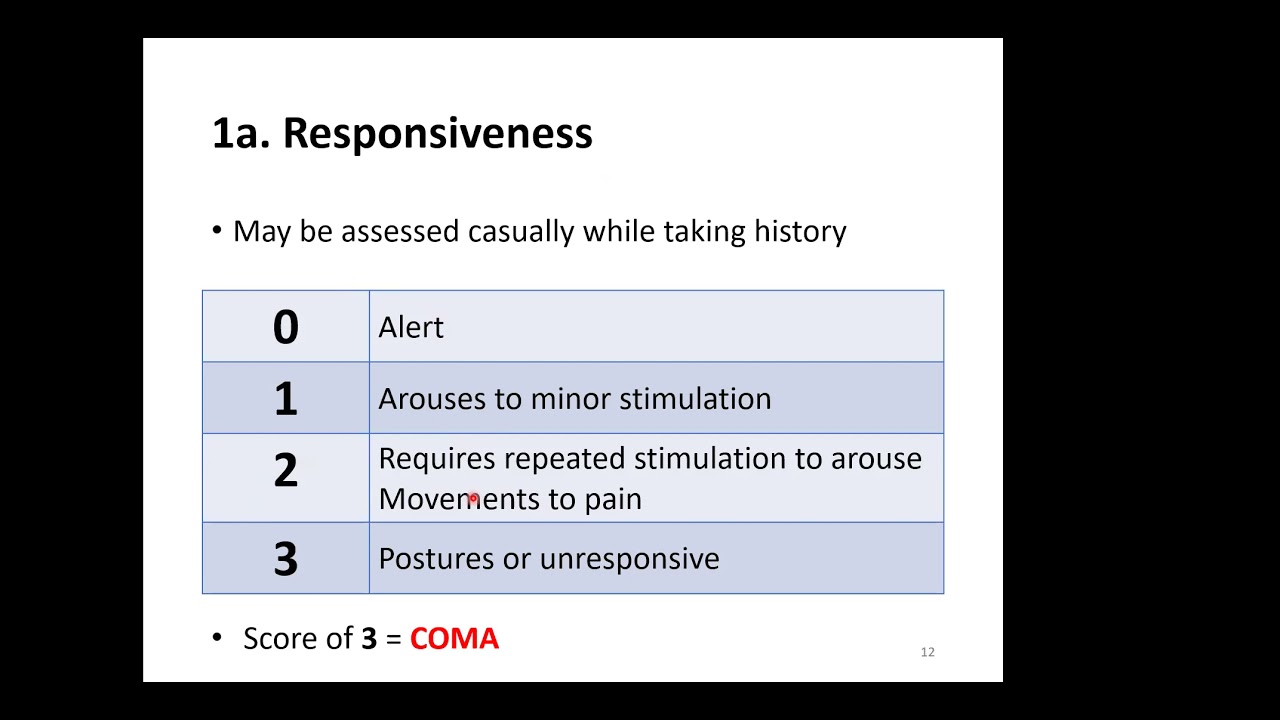

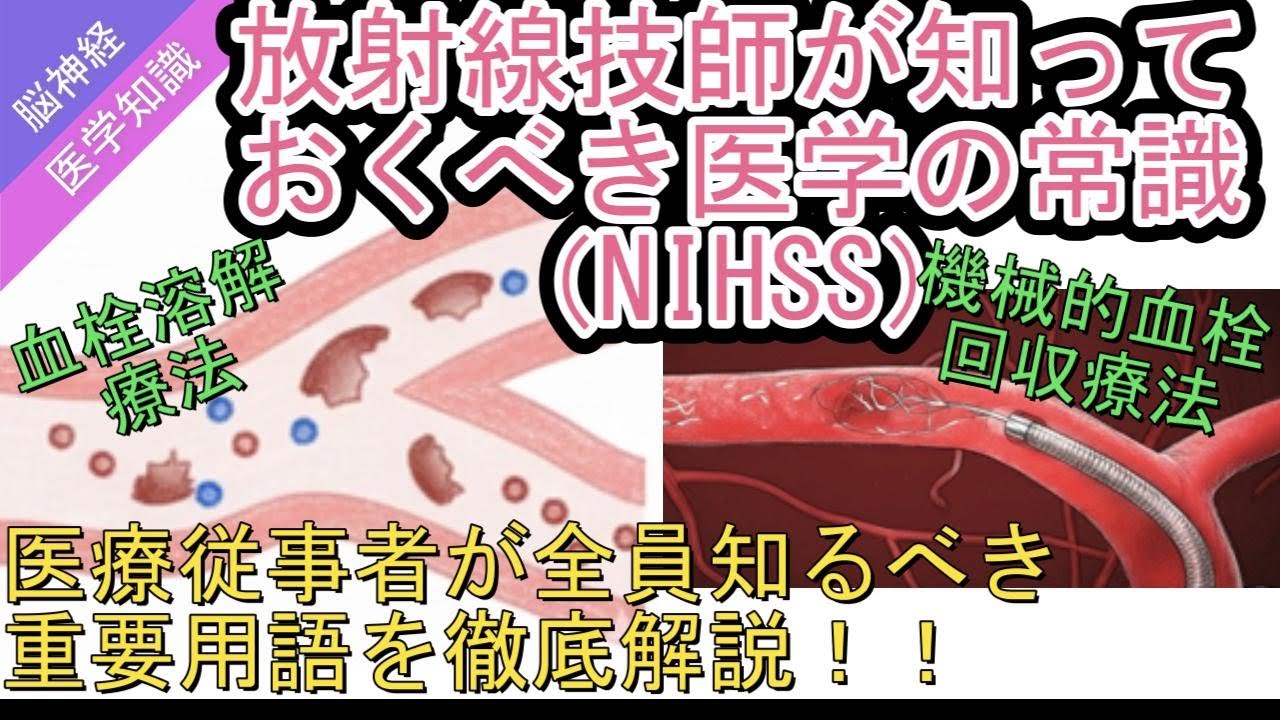




The NIH Stroke Scale is a standardized neurological assessment tool used to grade stroke severity by systematically evaluating consciousness level, gaze, visual fields, facial symmetry, motor function, sensory function, language abilities, and attention through specific bedside tests including finger-to-nose coordination, arm holding, and extinction testing.
NIH Stroke Scale Exam Demonstration | Neurology
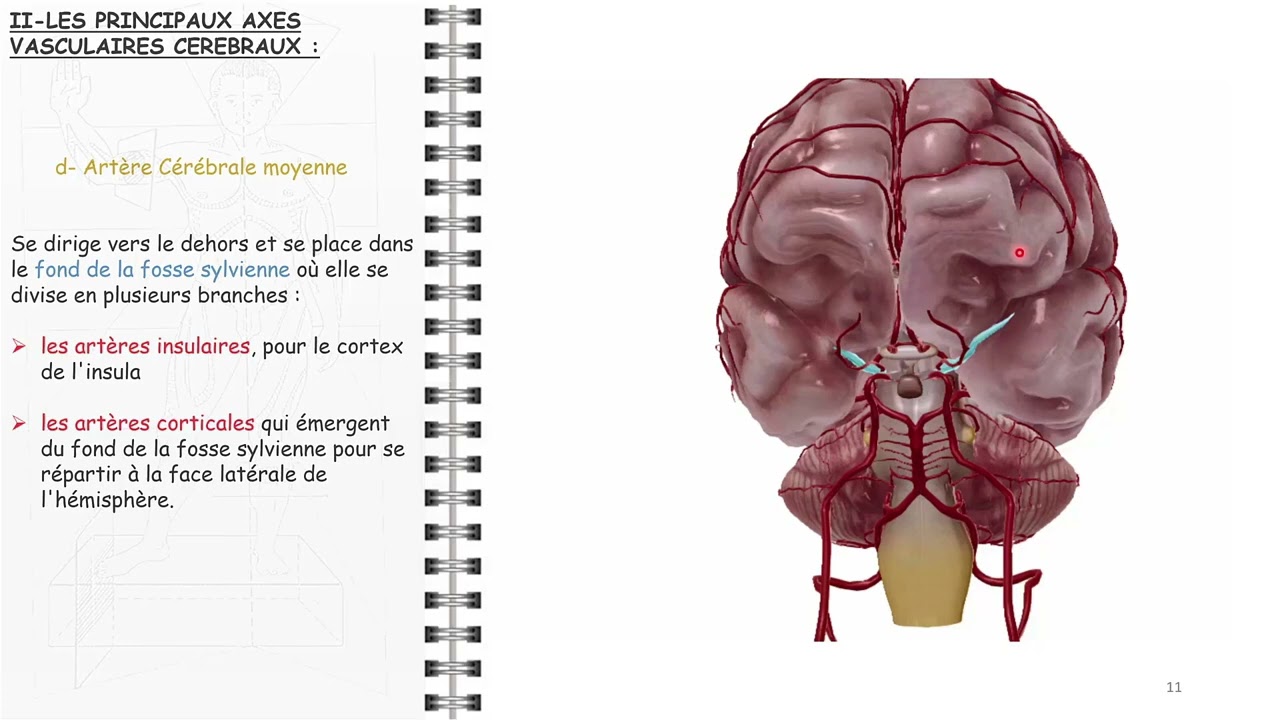
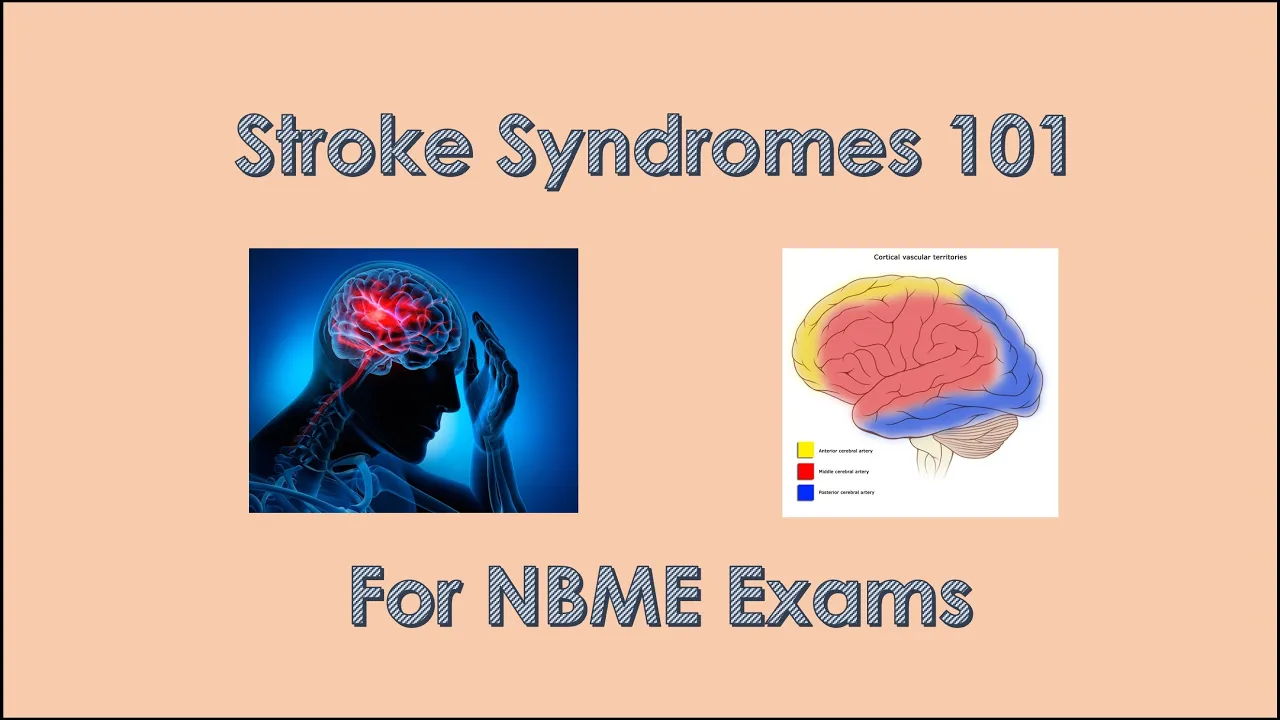
Added:Fundamentals of neuroanatomy, particularly cerebral vascular distribution (e.g., anterior, middle, and posterior cerebral arteries) and functional localization of the brain.
Basic principles of the standard bedside neurological examination, including testing of cranial nerves, motor strength, and sensory pathways.
The pathophysiology of acute stroke, distinguishing between ischemic and hemorrhagic etiologies and understanding the time-sensitive nature of brain tissue survival.
Key medical terminology associated with neurological deficits, such as aphasia, dysarthria, ataxia, hemianopia, and sensory extinction.
Clinical application of the NIHSS score to guide acute treatment decisions, such as determining eligibility and contraindications for intravenous thrombolytics (tPA) or mechanical thrombectomy.
Correlating NIHSS scores and clinical presentations with neuroimaging modalities, including non-contrast head CT, CT angiograms, and brain MRIs.
Recognizing the limitations and biases of the NIHSS, such as its relative insensitivity to posterior circulation strokes and its weighting toward left-hemisphere (dominant) cortical deficits.
Designing multidisciplinary post-stroke care and rehabilitation pathways based on specific cognitive and physical deficits identified during the scale's evaluation.
256.5K views2.1Klikes6:51Original Release: 2018-01-12
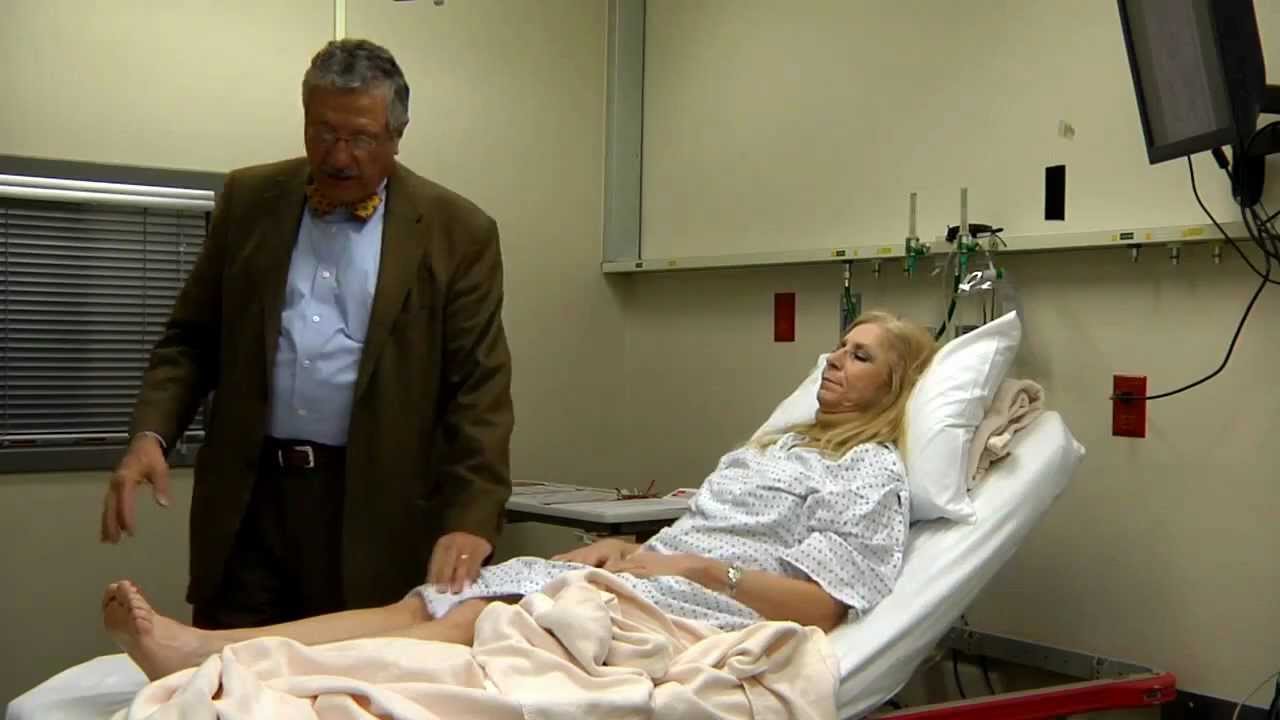
[Music] so we're going to perform the National Institutes of Health exam for stroke this is a research tool um that helps us grade the severity of stroke and it gives us a standardized way to assess patients over time so that from examiner to examiner uh the exam we have a score that is graded the same way this exam is not a diagnostic tool uh it is mostly used to help us grade the severity of the stroke and to standardize our approach the other thing is is very sensitive for detecting anterior circulation Strokes so Strokes in the MCA territories but it is not very good at detecting some of the more subtle posterior circulation Strokes the NIH Stroke Scale booklets are available and that's kind of how we we'll kind of use this to guide us through our way here uh the first step is to test our level of consciousness the patient so how how awake are how awake are they sometimes this can be you know if somebody's on sedation or things like that you'll have to just grade it that you'll have to grade it uh within the scale on on that setting so Hi how are you doing today I'm doing okay all right um so that so a patient who's awake and talking to you is going to get a score of zero right there um the first thing I'm going to ask you is what month is it it's March all right and uh what is your uh date of birth 8378 and how old are you 38 okay so I'm GNA ask you to to to close your eyes and grip your left hand for me all right go ahead and open your eyes there and go and relax um the next thing we're going to do is we're going to assess Gaze on this patient so what I want you to do is follow my finger all the way over and then all the way over here okay um some patients will be will not be able to uh cross the midline uh if they have a large circulation stroke uh so and this is just a test in the horizontal Direction they don't ask you to uh check the vertical gaze at all you're also looking to make sure that the eyes are straightforward uh the next thing you're going to do is uh is a visual field testing okay so I want you to take a look at my nose right here you're going to be equidistance use your peripheral vision as a guide and tell me how many fingers I'm holding up two one three all right very good all right next thing I'm going to want have you do is I'm going to have you uh give me a big big smile show me all of your teeth and we're seeing a symmetric smile there okay very good the next thing that we're going to do is I'm going to have you hold your arms up for me uh as you notice in this the ni Stroke Scale stroke exam doesn't ask you to do the pronator drift which is a more sensitive and specific method rather than this so go ahead and hold your arms up all right very good go ahead and relax uh and while you're doing this you'll count to 10 um and if they can hold the limb up then then you're good to go I'm going to have you lift this leg up in the air for me and just hold it up there very good go ahead and relax and then we'll do the other one right over here good the next thing I'm going to have you do is hold your arms out for me I want you to take this finger and touch the tip of your nose for me and then do it with this finger over here all right the next thing that we're going to do is we're going to check his sensory uh function does this feel about the same on both sides right here yes and does that feel the same here and here yes does this feel the same as this yes and does this feel the same as this yes okay that's that's good next we're going to test a slight pin prick the easiest thing at bedside is to break a cotton swap and half and just use this as the pin prick portion of the examination okay you're going to feel something a little bit sharp does that feel the same on both sides yes does this feel the same on both sides yes and does this feel the same on both sides yes okay very good um the next thing that we're going to see the next thing we're going to test is if is uh is language within your book here uh you have several things that are going to help you test language um you have one picture of the of the mom and uh of the mom and the kids getting cookies uh you have a naming portion uh a reading portion and then a repetition portion um so I want you to repeat after me mama mama Tip Top Tip Top 50/50 5050 thanks thanks Huckleberry Huckleberry and baseball player baseball player all right the next part is I'm going to I'm going to have you read what's here in this book right here uh just read those sentences to me you know how down to earth I got home from work near the table in the dining room they heard him speak on the radio last night okay does your voice sound slurred at all to you no okay next thing I'm going to do is I'm going to have him name the objects on this list right on this list right here so I'm pointing to glove key chair Cactus feather hammock all right very good okay now I want you to tell me what's going on in this picture right here uh mom's doing dishes with a flooded sink uh kids are trying to get cookies and the boys getting ready to follow off this tool all right very good the next portion of the exam is is going to test um is going to test uh Extinction and inattention so sometimes your patient will not you will walk into the room and you'll be able to tell that the patient's not paying attention to one side of the world or the other so what I want you to do is close your eyes for me for one second and then tell me what side I'm touching you on right let and then offer bilateral stimulus both okay very good so if a patient has Extinction when you they can they can sense they'll be able to sense when you touch them on both sides but when you touch both at the same time they won't pick up the side that has the stroke okay so then you're going to do it in the lower extremities close your eyes what side am I touching right left both okay um the other thing we need to test is a taxi in the lower extremities so what I want you to to do is take your heel right here put it right underneath and run it up and down okay very good switch legs for me okay and that is that is a brief version of the NIH uh stroke assessment
Up Next
33:11
NIH Stroke Scale Simulation | Clinical Education for Nurses & Paramedics
@UAMSHealth
4.8K views•2012-09-19

48:47
Graphic Medicine: Comics for Collaborative Healthcare Communication
@nationalpatientadvocate
189 views•2023-12-04

10:28
Neuroanatomy: Central and Peripheral Nervous System Divisions Explained
@AKLECTURES
136.2K views•2014-09-20
3:05
Stages of Labor and Vaginal Birth | Childbirth Animation
@nucleusmedicalmedia
52.1M views•2017-08-18
Related Study Plans & Knowledge Roadmaps
Structured learning paths in Medicine
medicine
Abnormal LFTs: Diagnostic Workup & Pathology
01Liver Anatomy and Basic Physiology
02Introduction to Liver Function Tests (LFTs)
03Hepatocellular vs. Cholestatic Patterns
+ 3 more learning modules
12h6 modules
Explore Roadmap
medicine
Analyzing Blood Smears: RBC, WBC & Platelets
01Introduction to Blood Components & Smear Preparation
02Normal Morphology of Blood Cells
03Erythrocyte Pathologies & Morphological Variants
+ 2 more learning modules
12h5 modules
Explore Roadmap
medicine
Mechanical Ventilation: Waveforms & Alarms
01Anatomy and Physiology of Breathing
02Introduction to Mechanical Ventilation & Core Modes
03Ventilator Settings and Waveform Interpretation
+ 2 more learning modules
12h5 modules
Explore Roadmap
medicine
Neuro Exam: Localization & Stroke Syndromes
01Foundations of Neuroanatomy and Vascular Supply
02The Neurological Examination: Step-by-Step
03Principles of Neurological Localization
+ 3 more learning modules
18h6 modules
Explore Roadmap