









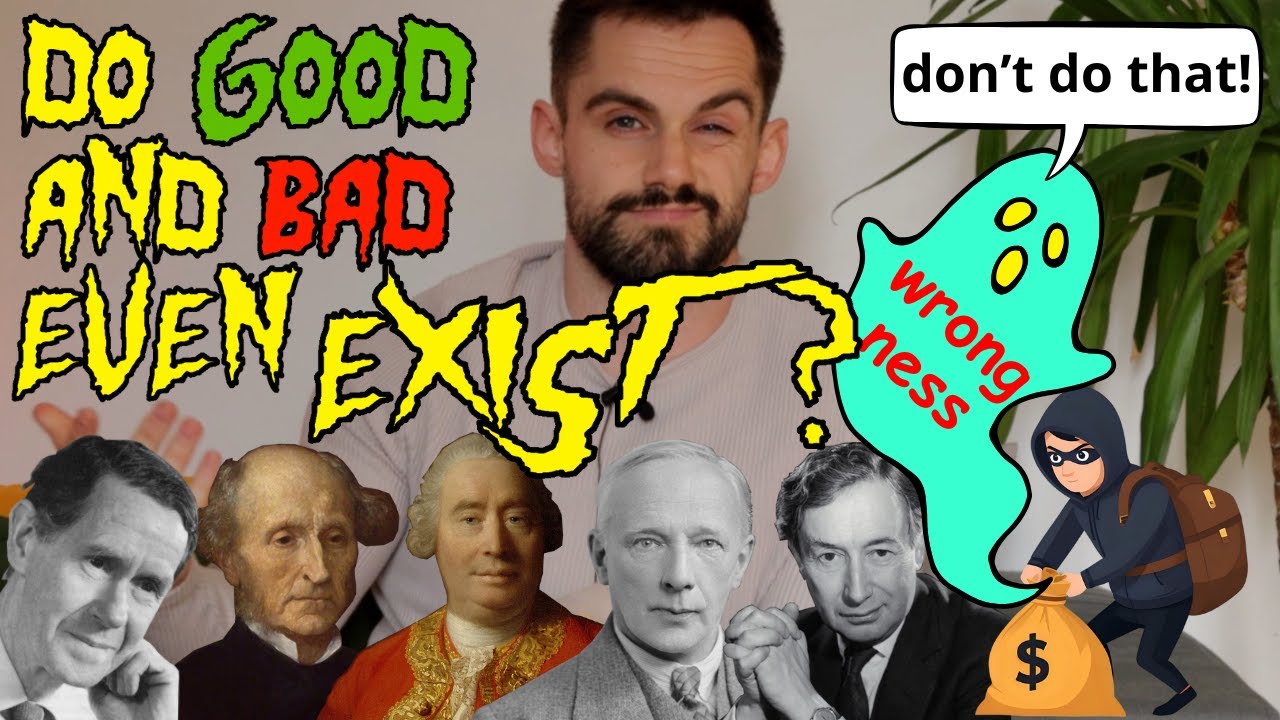




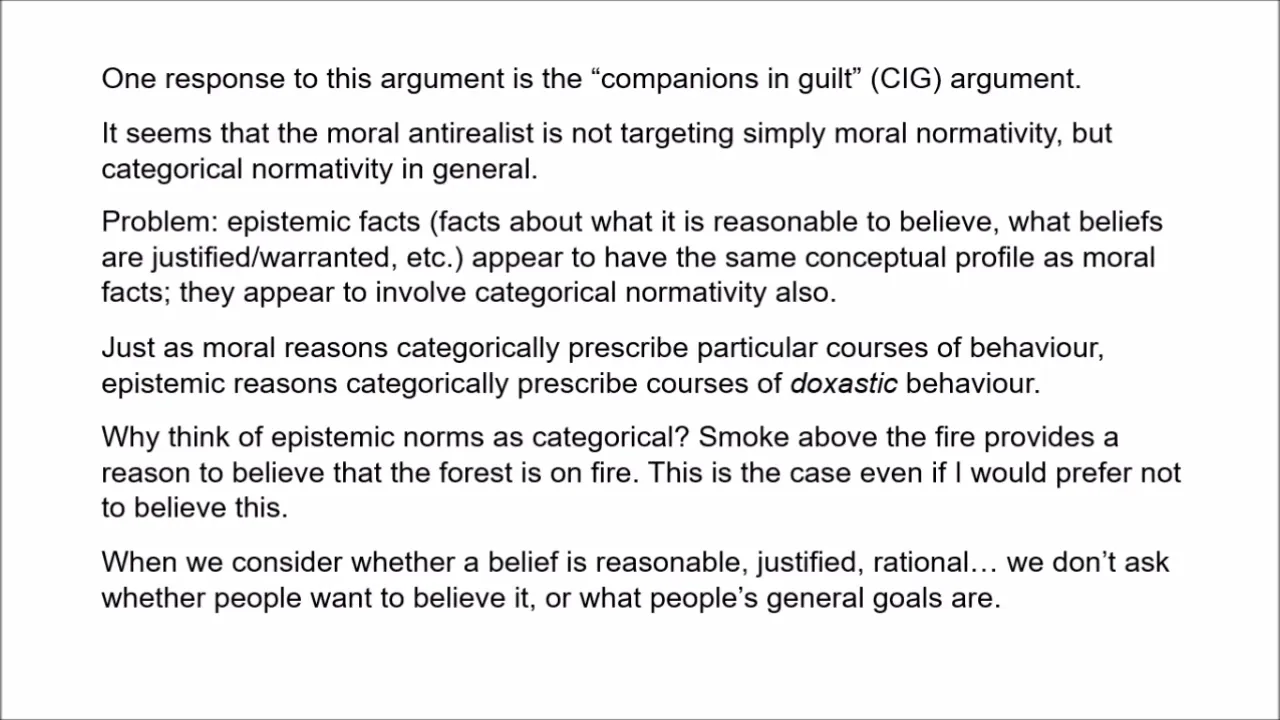

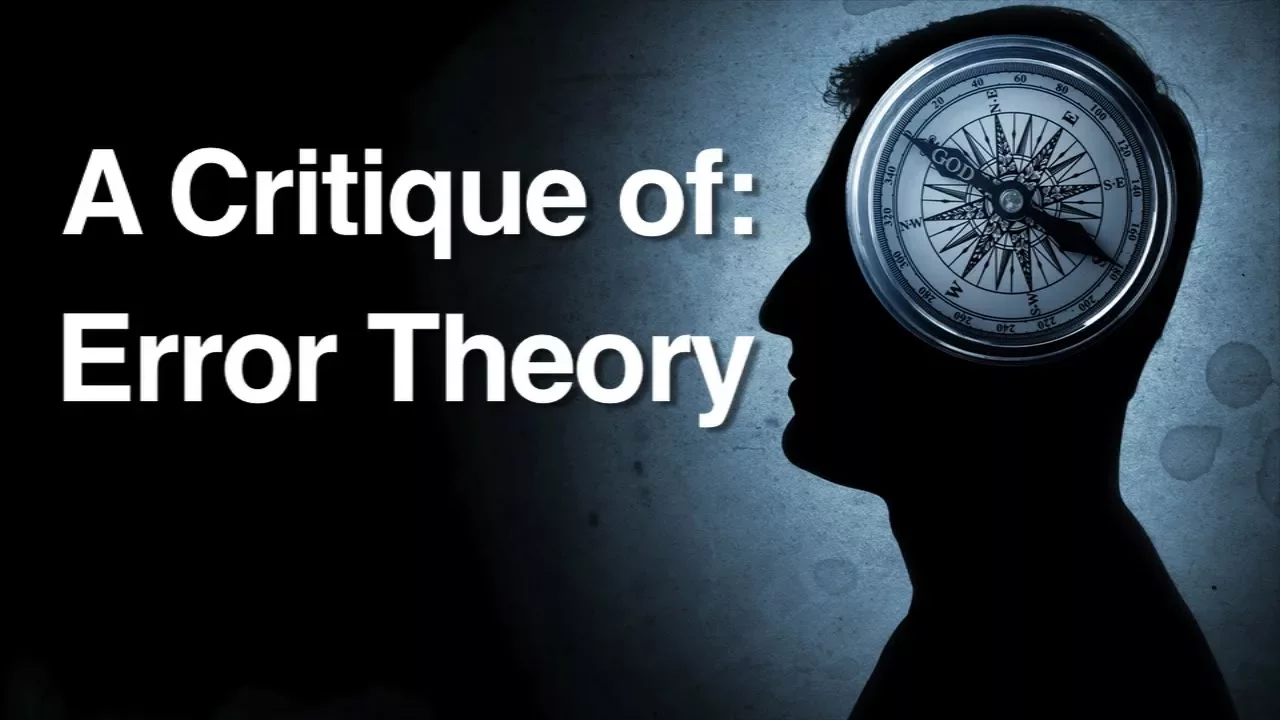







Metaethics is the branch of philosophy that examines the nature of moral properties, statements, and knowledge, distinguishing it from normative ethics (which develops moral theories) and applied ethics (which applies moral principles to specific cases). Key metaethical approaches include moral realism (which holds that moral properties exist), error theory (which argues that moral statements are uniformly false because no moral properties exist), and non-cognitivism (which claims moral judgments express attitudes rather than beliefs). The debate centers on whether moral properties are objective and prescriptive, and whether we can have moral knowledge. Error theorists, following John Mackie's influential work, argue that moral properties would need to be 'queer' or non-natural to be both objective and prescriptive, which they find implausible. This leads to questions about how we should respond to moral error theory, with alternatives including fictionalism, conservationism, and abolitionism.
Jonas Olson on Ethics, Moral Error Theory, and Nihilism
Added:hello everybody welcome to a new episode of the d center i'm your host as always ricardo lopez and today i'm joined by dr john zolson he's professor practical philosophy at stockholm university in sweden his research areas include meta ethics and related subjects so dr olsen welcome to the show it's a pleasure to everyone thank you very much ricardo pleasure to be here so i mean it's interesting because i've already talked with several ethicists and moral philosophers on the show but today i would like to go a little bit back to the basics because i'm not sure i ever asked this question on the show just for people to get a little more familiarized with what you do in ethics so could you tell us about the difference between meta ethics normative ethics and applied ethics so uh so you mentioned three sub-disciplines of moral philosophy there's applied ethics there's normative ethics and there's meth metrics and perhaps it's uh best to start with applied ethics and uh to give you an idea about what we're interested in applied ethics uh let me give you some examples so typical questions in applied ethics are is it morally permissible to eat factory found meat is euthanasia permissible is abortion morally permissible these are specific issues about specific action types whether they are morally right to morally wrong that's the the the aim in applied ethics is to try to to answer these um questions and in normative ethics um the the aim is to find uh more so to speak systematic answers to moral questions so we try to uh formulate theories that will um enable us to answer questions in applied ethics so for example what is that so typical question in in normative ethics would be what is it that makes an action right or wrong can we give some sort of unified or systematic answer to that question and the big well-known theorists in this area are of course utilitarianism uh cantianism virtue ethics uh there is uh theories of rights and so on they all give competing answers to to this question what it is that makes an action more derived or morally wrong um so um [Music] and of course the borders between the border between applied ethics and normative ethics is not it's not clear-cut as you can as you can see because um because one will often uh when one tries to answer um questions in applied ethics one will often um appeal to theories uh that we formulate in in the discipline of normative ethics now both both applied ethics and normative ethics uh are um so to speak normative disciplines they try to answer questions about what's right and wrong what's good about what's uh without choosing vicious and and so on what uh what's fair and what's unfair but then there is also normative ethics that sorry i think there is also matter ethics uh that's a more abstract discipline um in meta ethics we do not ask questions about what is right and wrong and good or bad fair and unfair virtues and vicious and so on but we ask rather what is it for an action for example to be morally right or to be morally wrong uh what is it um does an action have does an action that is wrong have the property of being moral wrong are there moral properties of rightness and wrongness that's a metaphysical or ontological issue in meta ethics we also ask questions what is it that we do when we utter moral sentences when i say for example that um euthanasia is wrong am i making an assertion um or am i rather issuing a prescription or am i am i expressing a desire or an emotion or something or something of that sort so these are semantic issues about moral statements and there's also um epistemological issues in in meta ethics so can we know for example that euthanasia is wrong uh can we have moral knowledge um that's also not in itself a normative issue um it's not a moral issue at least it's a it's a question rather about um rightness or wrongs and then there are also psychological questions about how moral judgments connect to our motivation to act and so on and uh these are questions in moral psychology and usually um these issues are also um categorized under the label of meta ethics yeah so that's a rough um outline of the distinctions yeah i think it's a good summary so since you work primarily in meta ethics could you tell us about what are some of the most prominent approaches or theories there um well it's it's um i think it's helpful to organize meta ethics around these um questions that i um that i mentioned so there are um there are the uh ontological issues are there more facts um or more on properties if so what's the nature of more effects moral properties um here we can distinguish between those that are um um well realists uh and the realists think that there are moral properties um the anti-realists think that there are no moral properties um and then there is a debate of course between uh between realists what's the nature of moral properties are they natural naturalistic um or are they rather non-natural are they sort of radically different from from from the properties that um that the natural sciences and the social sciences deal with for example um then we have the um semantic issue that i mentioned um what is it that we do when we add to moral sentences are we making assertions or are we express expressing emotions or something of that sort um and here is um here the big divide is between what is called often called cognitivism that's the idea that we when we enter more sentences we um well we express beliefs we make assertions um and the other side then is called non-cognitivism that's the idea that we uh do not primarily at least um uh express our beliefs when we make moral judgments when we are tomorrow rather we express some sort of emotion or desire like attitude or maybe a prescription or something of that sort um and then there is the uh question about epistemology can we know that um nation is right or wrong for example uh here the divide is between the moral skeptics and the um well it's not really a there's no real good name for the for the other side but let's call them non-skeptics um the realists are normally non-skeptics people who think that there are more effects and more properties they most of them think that we can also come to know these facts some of them at least um and then in um questions about moral psychology well there's actually there's a cluster of issues in in moral psychology but one prominent debate in more psychology concerns the connection between um accepting immoral judgment or endorsing moral judgment for example that it's wrong to eat meat and being motivated to act in accordance with that judgment so for example if i sincerely judge that eating meat is wrong am i thereby motivated not to eat meat people who think that there's a necessary connection they're called moral internalists because they think that the connection between accepting the judgment and being motivated is internal and necessary um and the opposing side is uh is the um it's called um externalism that's the idea that there is no necessary connection between endorsing the moral judgment and and being motivated to act in accordance with it and of course this these are separate questions but they are connected as you can perhaps suspect already so as i mentioned people who are realists they tend also to be non-skeptics they tend to be cognitivists um and they also well most of them are also externalists yeah yeah we will get into some of those specific approaches you mentioned and some of those questions so a specific question i have for you is so there's error theory could you tell us about it and how it applies to meta ethics specifically error theory is um well actually it's a it's a theory that um um there are other error theories in many areas of philosophy not just in in ethics but it's perhaps most well known within within ethics um to go back to the to the four questions that i just mentioned it's a theory that um it's very um similar actually to a typical or standard realist view it's just that it differs on one uh crucial um point so um error theorists typically um think that when we add to moral sentences we make assertions we make statements that can be true or false and in fact they're all false or at least untrue according to error theory so error error theorists are cognitivists they are skeptics because um they think that no moral judgment is true and because knowledge implies truth so we cannot have uh moral knowledge according to according to uh error theorists so where they where error theories differ from from from realism is on the crucial point about metaphysics so error theorists think that there are no moral properties and some of them uh go as far as saying that there um cannot be any moral properties more properties are impossible so um it's useful to compare um moral language as everything received with um say discourse about witches right um so a witch is a woman with um uh magical powers um who travels from the broom to local with her cat and so on but of course there are no such beings there are no women or men for that matter with with magical powers who travel on a brewster blue cola so any attribution of the property of being a witch to someone is mistaken any sentence any any claim to the effect that that someone is a witch um is false because nothing has the property of being which similarly according to earth theory nothing has the property of being morally wrong or morally right so all statements are either false or untrue according to error theory uh this sounds uh perhaps well this sounds radical of course and perhaps crazy um uh and well maybe it is but um the the um uh the claim from the error theorist is that when we think hard about what moral properties would have to be like what moral facts would have to be like we can come to realize that there can be no such entities um so there are no moral properties and that's why our moral statements are are uniformly um false or untrue so i mean before asking you more about error theory and how it applies to ethics let me just sort of get into a follow-up question to what you said what would it mean for there to be moral properties or does it mean different things for people with different approaches within let's say moral realism so this is like i said this is a big debate within moral realism or between moral realists what's the nature of moral properties and the the sort of um well one traditional divide is between the naturalists and the non-naturalists uh actually i'm not sure that that distinction is crucial actually uh because um well let me let me start from from another um from another note um we can what what is it that error theorists find so queer or mysterious about moral um more moral facts moral properties well let's start with with uh other normative other kinds of normative um requirements um we know what it is for there to be rules of chess for example a rules of etiquette so etiquette requires various things that you do not what is it that you do not eat peace with a spoon and that you do not wear i don't know maybe it's etiquette or it's whether it's etiquette or fashion that requires you not to wear pink with pop well i don't know but there are these um this um set of requirements that we get from etiquette and then and when we uh play chess there is this um set of rules that we have to that we have to uh comply with now is it mysterious that there are that there are such things as um wrong from the point of view of etiquette or wrong according to etiquette uh and wrong according to the rules of chess no that's not a mystery because because these these rules and requirements are conventional they are somehow uh the result of um agreements that we have that we have uh made them that have that have evolved um over the years so over many many years so these are not mysterious but the claim from error theorists and also a claim that many realists make is that moral requirements are different crucially different from conventional requirements so moral requirements are independent of our attitudes moral requirements are not conventional because if they were conventional that would mean that if our conventions were to change then um for example torturing people just for fun could be or would be morally permissible but the claim from many from many realists is that that's that's not um that's not right i mean the the um um the wrongness of torturing someone uh for the mere fun of it is is non-conventional it's perhaps a necessary truth according to many moral realists okay so what does that mean well this means that um moral norms are in a sense objective in the sense that makes them different from from um the norms of etiquette and the norms of chess and so on these are not objective because they are the results of our conventions so they are in a crucial sense subjective now objectivity in itself is not a it's not an it's not a mystery many i mean there are objective uh truths according to many um error theory or correcting both most there are theorists but um the moral norms are also prescriptive okay they require certain behavior and it's the combination of objectivity and prescriptivity that's that's um that's strange or mysterious according to according to uh error theory so prescriptivity in itself is not a mystery the rules of chess again the words of etiquette they're prescriptive but they're not objective okay um the um i would say that um logical truths and mathematical truths are um plausibly viewed as objective but i don't see them as prescriptive so again they're not queer because they're not objective and prescriptive but again the moral norms more effects would have to be um both objective and prescriptive and when we think hard about it we can come to realize that there can be no such properties or uh or facts that's the claim from from error theory so let me just let me just explain perhaps that the the expression objective prescriptivity comes from um comes from john mackie who is the most well-known era theorist in ethics he wrote a book in 1977 that became very influential in my own work i've used a different expression most of the time i've used the expression irreducibly normative um because that well mainly because that's that's an expression that's been used by many other contemporary philosophers in the uh in in the metroid debate like like derek buffett and david denmark for example um but um i would say that the idea is really the same the phenomenon that we're trying to capture is really the same mackey talks about objective prescriptivity and i and others talk about um irreducible normativity so the idea is that the uh the normative requirements they do not reduce to anything like conventions or or desires or or aims something that is not normative or that can be explained in non-normative terms yeah so would it be right to say that error theorists think that the issue here is that we have certain psychological predispositions when it comes to how we interact with other people how we establish relationships with them whether they come from our evolved psychology for example and so we would have certain innate predispositions and moral emotions that would lead us to want to act and expect from people certain specific behaviors or they come from uh so socialization and perhaps also game theory i mean how we learn to interact with other people or even culture and i mean and those kinds of psychological predispositions can change or could have could could have changed if we have evolved in in different conditions or if we were exposed to different societies or different cultures and so they do not have an objectivity to them that's that's exactly right that's so that's how most era theorists um think about morality so it's so error theorists are they take a naturalistic perspective on on morality they they try to explain how morality has evolved um using sort of arguments from um and results from evolutionary biology and cultural uh evolution and uh game theory and as you said um and they try to often try to give a story about how our moral judgments have evolved then why we why we talk about moral rightness and wrongness and why is it why it's so important for us to to um to talk about right and wrong and also to why it's important for us to believe that there are these objective prescriptive norms whereas in fact there are no such um there are no such nodes um now error theorists don't have to take precisely that view i mean there there are um you can you can um there can be or there are error theories that rest on that rest on different foundations so for example a marxist might say that you know um the morality in our society is uh largely a product of um bourgeois society and which um bush our norms and so on and and you can and and there is the um uh nietzschean view that um uh says that well this is a product of sort of uh the herd and the thing we call morality is actually slave morality and so on and it's the evil mensch who are being oppressed and so so these are sort of um um well there are different um [Music] different grounds on which you can build your error theory but for sure the most popular view in in contemporary meta ethics is that uh is to give this um yeah complex story about why we have more language and more thought that you that you sketched yes is there a relationship between error theorists and moral abolitionists and by the way please tell us what moral abolitionists are yes the moral abolitionism is the view it's actually i think it's actually fair to call it um prescriptive view it says that uh we should uh stop using moral language so we should stop uh talking about um what's morally right and what's morally wrong and so on um it's fair to ask what what's the what's the status of this should and um i think that's that's an important question for abolitionists to uh to address um you might think that abolitionism is the sort of natural next step if you're uh if you're an error theorist if um if you believe that um that there are no moral properties no more truths no more effects um and that your moral utterances uh as a consequence are uniformly false then then the sort of natural next step is to um is to abandon more of this course and stop stop talking about rightness and wrongness but that's actually not what most era theorists recommend there are some who do that but it's actually not the most popular view and it's interesting i think to note that um those who have defended abolitionism have often done it using what seemed to be sort of moral arguments they have they have argued that our current moral discourse lead to or at least promote sort of sustained depression and inequalities and so on and lead to uh leads to um unnecessary emotions of guilt and um and so on and these sound to me like sort of moral considerations and that makes me wonder what uh makes me strongly suspect that there is no there is no necessary link between between error theory and moral abolitionism so there's also this approach that i read about in your work negotiationism what is it about and what does it have to do with error theory yeah so um let me try and answer that question in a sort of indirect way um there is a question that's being debated in um contemporary meta ethics in the part of the meta ethical debate that's um that's connected to error theory and that is the so-called what's what's next question or the what now question and this question is the following so suppose that you come to um come to believe that error theory is true um what is the upshot for moral uh discourse and thought what to do with moral thought and discourse if you come to believe that there are theories too well like i said one uh at first glance you might think that abolitionism is the right uh is the right option um i mean when we realize that um that there are witches we sort of you might think that we stopped talking about witches um i guess we didn't but uh anyway you think you might think that we we should stop talking about which is because there are such such beings but like i said abolitionism is not the most popular alternative it is not the most popular uh answer to the to the um what's now question another answer to the question that has been extensively debated and that has been fairly popular in debate is fictionalism fictionalism is the idea that we should [Music] as it were revise our moral thoughts and discourse so that um we use moral language in a way that is similar to the way we use fictional language so making a moral judgment uttering a moral sentence would be something like telling a story okay and then there are different philosophical views about what it is to tell a story what is it to say that sherlock holmes lived on baker street or that that frodo found the ring or whatever what is it to make such statements that's the that that's the fictionalist view and the the attraction of the fictionalized view is that um um for the sort of selling point of fictionalism is that we we um it allows us to use moral language engaging more thought in a way that um doesn't commit us to falsehoods doesn't commit us to um uh uttering falsehoods are okay but then um there are several problems with fictionalism i've i've criticized uh fictionalism in my own work and i have uh instead um proposed that um well no the um one um attractive alternative for an error theorist is to recommend that we go on using um moral uh thoughts in discourse even though we believe that it's false because it's useful for various purposes to to use um um moral language it's useful for um for coordination for trying to reach agreement it's useful for putting pressure on others and on ourselves in various ways and the claim is that i mean and this is some largely an empirical speculation uh the empirical um claim or or hope perhaps is that moral thought and discuss can preserve these functions even though we believe that um uh that the statements themselves are are false so that that that view i have i have called in my view in my work uh conservationism because well for obvious reasons the way the the idea is that we do not revise moral language and thought in the way that facialism uh proposes um that um that kind of revision is uh is unnecessary from the conservationist's point of view okay and now we come to negotiationism and that was that's a term that was actually invented by my colleague johnny alexander he and i wrote a paper together we um and in that paper we discussed okay so conservationism what does conservationism say well it says that it's useful in various ways to preserve more thoughts and discourse and you might think okay so that's not very illuminating might we be able to say more about how to use it when to use it and so on and uh that's the that's the that's the kind of questions that negotiationism uh tries to answer and to make a long story short it it recommends that we um that we are um sort of careful about when and where to use moral language uh not to overdo it and to view it as a kind of um as a kind of negotiation uh we use it when it's um when it's when it's when it's useful in um in various ways um yeah that's that's uh so negotiation is really is really a development of uh of conservationism or a version of constellations i would say so i mean just before moving on to the next topic [Music] these two different claims i mean coming from error theorists that say that there are no objective moral properties or objective moral facts to be found out there and the evolution is to say that because of that we should avoid using moral language let's say i mean these are two very different claims right i mean just because someone believes in the first it doesn't imply that she should also believe in the second i mean because the second is also it also seems normative in the way right that we shouldn't use moral language yeah indeed exactly so i i think that what and of course that that is an issue i mean the the question about the status of the should in the uh response to the what now question um that's a question that that every uh error theorist will have to answer even the um i mean the fictionalist who um thinks that we should that we should uh revise our moral thoughts and discourse and the conservationist who thinks that we should preserve it and the way i think of it and i guess the way most error theorists think uh think of it is that um well when we say what we should do that's really a recommendation about how we can best promote satisfaction of our desires how we can in some you know at some collective level how we can how we can best bring about um a peaceful and orderly uh society because again that's um many many error theorists see moral thought and discourse as as important devices in in bringing about peaceful and and all of these societies and sort of um putting precious pressure on ourselves and and others to make us agreements and um and so on yeah it follows more or less along the lines of some of the the debate surrounding free will where there are some people that even if they don't believe that free will really exists they still say that we should believe in it for us to have let's say a more peaceful society and for and for a legal system to be possible exactly it's it's precisely the same issue uh in fact in when it comes to free will it might be it might be uh it might even be impossible to um um not to believe that we have free will right i mean it's it's difficult to be an agent if you if you think that uh uh all of your actions are completely determined by things that are outside of your control and maybe it's uh it's similar with uh with with morality in the larger sense perhaps we cannot avoid um thinking in uh in moral terms and of course then you might think that this is something that we haven't addressed and that perhaps we should um you might wonder well why not say then that uh okay so realism is false or something like that right i mean there are other there are alternative options after all there is there is non-cognitivism for example but then the the idea is that well in meta ethics we are uh pursuing a descriptive project right so meta ethics is not normative we are describing our moral thoughts and discourse and the claim from the error theorist is that the best descriptive account of what it is that we do when we um utter moral sentences is that we make assertions we attribute properties um so if i mean of course there are other theories about what we do but these theories are descriptively inaccurate is there is the clay there are various um various phenomena that non-cognitivism for example cannot um cannot account for yes and i mean in this case assuming that it's not possible for people to not believe or at least behave according to the belief that there are in fact moral truths out there and we behave according to that i mean perhaps even if we want to address some metaphysical questions like if there's really moral truths out there are not to be discovered i mean perhaps we just have to accept that people operate that way and then when it comes to more normative ethics let's say your applied ethics just try to figure out what's best for people according to our psychological needs and predispositions um yeah i think that's likely how macky thought of it roughly i mean i mentioned mackie before he wrote this famous book in 1977 and as as as everyone knows we have read it um the first the first chapter starts with um a defense of moral error theory so he argues that there are no moral truths no more effects and then it goes on in the rest of the chapters whatever it is 10 or 11 chapters um arguing about uh right or wrong arguing about uh normative issues right trying to formulate um the best normative theory and you might wonder well what's what's this what kind of uh psychological dissonance is um is happening here um but i think what uh his project was to find i mean his his starting point was that we we need morality for various purposes we need it for coordination purposes and so on so we need we need to find a systematic theory we need to find something that works something that is acceptable and in that project we have to in the in that endeavor uh on formulating such a theory we have to appeal to our considered um intuitive judgments so we can use something like um the method that roles uses and that he calls the method of reflective equilibrium uh it's just that well what we what we end up with might be literally false or will be literally false right because there are more properties again but again we need something that uh that works for for practical purposes so the justification for for for uh normative ethics would be pragmatic um sort of truth uh truth-seeking on on macy's view okay so what is the best way of understanding moral certitude where does it come from okay so this is um this is another topic that i have worked on um mostly with my colleague christine biekvist who is also a professor in stockholm and um recently also with steena bill coleman he's a researcher in stockholm um so this is actually one i mentioned a moment ago that um competing meta ethical theories like non-cognitivism for example or expressivism as it's usually called nowadays um well first of all these theories have the um advantage that they do not um imply that our moral judgments are systematically mistaken that and that they are uniformly untrue and i i i concede that that's an advantage of course that's an attractive feature of these theories but um i think the uh the problems with the uh with those kind with with those theories are bigger than the than the advantages there are some well-known and very um extensively debated problems like the freaking each problem that has to do with how moral terms behave when they are embedded and so on but there's another problem that is in a way related but more that has to do more with the psychology of moral judgment than with the semantics of moral judgment and that is uh what uh what you refer to as moral certitude um so what's the what's the phenomenon well the starting point is that just as we can be more or less um certain about uh empirical matters i mean i can be more or less certain about um what's the capital of uh bolivia and i can be more or less certain that um i don't know that my my core is where i put it yesterday um i can be more or less certain about that uh i can also be more or less certain about about moral issues like whether abortion is wrong whether euthanasia is wrong whether it's permissible to eat meat and so on okay so just as our degrees of uh belief can vary in empirical cases um our degrees of belief can vary about moral matters as well okay so that's that's a sort of um that's a phenomenon that is i think um undeniable or at least very hard to deny very difficult to deny uh so you have to accommodate it and it's no problem uh accommodating it for those who um those theories who um maintain that moral adjustments are beliefs okay those theories that um claim that when you when you hold the opinion that euthanasia is wrong for example you believe something about euthanasia you believe that it has the property that that action type has the property of being morally wrong it's no problem there right because because it's um the mental state in this case his belief just like its belief in the in the empirical case or the non-moral case okay but now uh non-cognitive is more expressivism again those theories hold that um um when you endorse a moral view when you hold a moral opinion you do not primarily um hold a belief okay it's rather it's rather that you hold an attitude and a non-cognitive attitude uh of um say approval or disapproval or like or dislike or desire or whatever okay so to uh to think that um um euthanasia is wrong according to these theories it's not to believe that euthanasia has a property of being morally wrong it's rather to disapprove of euthanasia okay so what is it then to um uh to be more or less certain about the wrongness of euthanasia well here here's the problem for non-cognitivism they cannot um accommodate or they cannot account for this feature of moral judgment in the right way they can they i mean the natural idea is of course to say that well degrees of uh belief is to be understood as degrees of attitude so to be uh highly certain that you that euthanasia is wrong is to disapprove strongly of of euthanasia that's that's one natural um proposal but that doesn't work because there is also an additional feature of moral judgments uh and that has to do with um well um you can use different names but let's call it importance okay so what how how important is it um how or how um i mean some some things are as it were greater wrongs than others so murdering someone is a greater wrong than say punching someone in the in the face or something like that okay there's a greater wrongness attached to to murdering someone um it has greater importance than punching someone in the in the face okay so how do you account for that again natural response from the uh um um again it's not it's it's no problem for the cognitivist right believing that someone is is um is more or less important it's just it's just holding a regular belief with with a spread of course but anyway it's not it's not a special problem uh but how do you account for the for the phenomenon of importance for um if you're if you're a non-coincidence well again the the natural proposal is to appeal to degrees of attitude but now you have a problem because you have we have tried now to accommodate uh certitude and importance in the same way mainly in degrees of attitude degrees of approval of this program but the problem is that these things can vary independently so for example you can be highly certain that abortion is wrong but it's not a great moral wrong okay or perhaps the other way around it's more it's more common that you are not very certain that abortion is wrong but if it is wrong it's a it's a great wrong okay that that's how these two dimensions can vary uh independently and the problem is for uh for non-cognitivism to to accommodate them in the right way and we've actually um so the history of this argument is is that um well actually the first person to uh to uh to make this argument that that i know of is uh lost base throne who is a now retired professor in innocent he made the argument in a in a swedish textbook actually in in 1990 but then it it became more familiar in the in the contemporary sort of um international debate when when michael smith published a paper in i think it was uh 2002 perhaps something like that and then chlister and i um developed the argument and then several um people have tried to respond in in various ways on behalf of non-cognitivism and i think we've written i don't know three or four articles um uh criticizing these uh these attempts and i think that um well it's fair to say at least that no no um response from the hmong cognitivists have have had gained um acceptance um surely not universal acceptance so far so i think this this is an underexplored um problem for non-cognitivism that is general and very important and it's i think it's equally important as the much more well-known problem called called the freaking each problem or the embedding problem so i think it's what it's from my point of view it's a stimulating problem so i have two more topics i want to explore today uh i want to get now specifically into a position held in meta ethics by some more moral anti-realists uh i want to ask you about moral nihilism i mean first of all uh does it also have any relationship with abolitionism that we talked about before or not well nihilism as i view it moralism is just a view that there are no moral um properties so earlier i used the term anti-realism i guess that's the more more sort of commonly used term nihilism of course is a isn't is a term that has various um [Music] connotations but uh but as i use it it's just uh it's just um um claim that there are no moral properties in world facts uh does it have a connection to moral abolitionism well as i said before um most abolition well there are there are very few people who have um explicitly defended abolitionists um those who have defended it as far as they know have all been error theorists but as i see it there is no logical connection between error theory and moral abolitionism you could be you could even be a moral realist and an abolitionist if you think that uh for example uh you know our our [Music] moral thoughts and discourse promote oppression and inequality and so on you might you might think that well we have we have reason not moral reason of course but we have some other kinds of reason to abandon uh moral thoughts and discourse so there's no necessary connection there between between um nihilism and abolitionism so you can be you could be you could be a normative realist and a moral um abolitionist well well even a moral realist and uh so i mean just putting the metaphysical aspect of things aside for a bit uh according to moral nihilism and perhaps even error theory because the claim arguably is the same there uh how should we deal with moral judgments epistemically according to that view according to moral nihilism um well um the view implies that or erythria rather i mean nihilism in itself doesn't have any implications for moral for the epistemology of moral judgments actually because because it's just a it's just a metaphysical thesis or an ontological thesis but when you combine nihilism with with the other claims that sort of constitute error theory you get um you get skepticism you get more skepticism as i uh mentioned before because because knowledge implies truth you cannot know anything that is not true and since there are no more truths we cannot have so our um so we cannot we we cannot come to know that um euthanasia is wrong for example neither can we come to know that euthanasia is uh is um is right or or more of it permissible um um and you're uh and one can also hear your question as a as as concerning what what should we do with uh with more adjustments if if we come to believe uh in in moral nihilism and in uh immoral era theory and that that that's that that's just the uh what's next question again right i mean what what what to do with more this more effort and discourse if we believe in moral error theory and then again we have the main alternatives consolationism fictionalism and abolitionism so one last topic then what is practical philosophy what are the kinds of questions it deals with and does it also have some application in ethics yeah i mean the expression practical philosophy is really uh it's um well let me say this that in in sweden and in finland um i'm not sure whether there are any other countries that have that have this um division between practical and theoretical philosophy uh it's um i'd say a highly artificial convention um so sorry does that division come primarily from the nordic countries the scandinavian countries uh yeah it's well uh i i wouldn't say come i wouldn't say it comes from our countries but we have it at our universities oh okay okay when you when you um when you take a course in uh in philosophy at the swedish university for example you do it either in practical philosophy or in theoretical philosophy [Music] what's the difference well it's really it's really hard to say right i mean just just speaking very generally uh practical philosophy is practical in the sense that it has to do with in various ways it has to do with um practices with actions with uh um the way we organize society uh with norms of various sorts uh with values uh with uh with reasons uh virtues and so on so of course ethics is a is a very um [Music] well one of the main parts of of practical philosophy but of course in impractical philosophy we're also interested in uh um metaphysical issues and semantic issues and epistemological issues and whatnot so the the boundaries are very fussy between between theoretical and practical philosophy but in theoretical philosophy the main topics are or the main sub subjects or philosophy of language and metaphysics and uh epistemology um but uh um and in in these in in theoretical philosophy um people are not are usually not primarily interested in in normative issues but sometimes they are actually interested in normative issues as well so again the boundaries are very fussy and why we have this uh why we have this distinction at scandinavian universities or swedish universities at least uh i'm not sure it's it's it's it's just a historical fact of course there is some there is some um i mean there is a history to the to the distinction in immanuel kant's work for example um his critique of uh obscure reason and his critique of practical reason um and there is a similar distinction in um in aristotle for example um uh so the uh the um the distinction or the categorization of philosophy into the practical side and the theoretical side has a that's a long history but again the borders are very fussy and it's only in swedish universities and maybe some other in some other countries that we make a big deal out of it but are there any for example a clear-cut examples of uh i don't know questions that would be approached in different ways if we are approaching it from a more theoretical perspective versus a more practical one or not exactly no that's not the way to view it it's not it's not a question about um different approaches it's just i mean some questions that are dealt with in practical philosophy would not be dealt with in theoretical philosophy could you give us some examples yeah so take questions in applied ethics for example is it is it is euthanasia wrong is emotion wrong these are questions in applied ethics you don't deal with applied ethics in in theoretical philosophy similarly uh questions about set theory for example um that that's something that belongs in theoretical philosophy well it might come up in practical philosophy actually perhaps you can i mean yeah actually it might come up in in traffic for hospice as well but typically um it won't so it's just it's it's a matter of dif different questions it's not uh it's not a matter of different approaches or um anything like that so so perhaps uh practical philosophy is more applied to specific i mean i didn't want to use the word again but practical contexts like for example uh so we have certain ethical questions and how should we go about dealing with them in uh social context yeah that's that's part of practical philosophy but then as i've also said other parts of practical philosophy are highly abstract okay at least i mean just as abstract as as many issues in in theoretical philosophy like metro ethics for example uh that that's also uh um that is also sorted on the under practical philosophy but um as you've as as with as we've as has become clear in our in our conversation issues in meta ethics are highly abstract right um similarly for um debate about free will it's also often highly abstract and that's also sorted on the on the um practical philosophy okay great so uh dr olsen before we go would you like to tell people where they can find your work on the internet they can find some of my work on my department or web page and that's easy to find if you go to the stockholm philosophy webpage and if you want to read some of my work uh that is not uh posted there you can email me and you you can find my email address on the departmental webpage okay very well i will be leaving a link to that in the description box of the interview and dr olson thank you again for coming on the show and it's been a real pleasure to talk to you thank you likewise pleasure real pleasure to talk to you thank you likewise pleasure hi guys thank you for watching this interview until the end if you like what i'm doing please share it leave a like hit the subscription button all of those things you already know and please consider supporting the show either on paypal or patreon all of the links will be in the description box of the interviews starting at one dollar per month so it would be a great help this show is brought to you by enlights learning and development done differently check their website at enlights.com i would also like to give a huge thank you to my main patrons and paypal supporters karen litzke and blanchett perez-larsen ends frederick sunder ricardo vladimiro craig hilly adam castle olaf alex jonathan v seljak of klinkvy matthew whitting bird arnold wolfe tim hollis eric elena jean connors paulina baron philip force connelly jerry mueller herbert guinty's rutgers bow weingarten rebecca newberger goldstein then the mattress robert winderger narcy arthur koh zoup mark nev scollin holbrook susan pinker bernard sashes pablo center wendy catherine and patrick tobin all ortiz guy madison gary g hellman juan liners zachary fish tim duffy and trader in nyc my producers is our web jim frank lucas staffini ian gilligan louis kate and tom van nick them curtis dickson john linears benedict mueller vega those friends thomas trumbull and noon welder and my executive producers michelle jackson rosie james pratt matthew lavender sergio codriano and bogdan kennivets thank you for all
Up Next
Moral Relativism: A Philosophical Analysis & Critique
@unsolicitedadvice9198
210.4K views•2025-05-30

John of Damascus on Holy Images: A Theological Defense
@BannedBooks
139 views•2026-04-25

Philosophy of the Self & Personal Identity | Marya Schechtman
@TheDissenterRL
1.4K views•2023-02-09
The Myth of Sisyphus: A Greek Legend of Eternal Punishment
@TEDEd
8.6M views•2018-11-13
Related Study Plans & Knowledge Roadmaps
Structured learning paths in Philosophy