







![Herbert A. Deutsch - Synthesis (Electronic, Experimental, Tape Music, Synth) [1976] FULL ALBUM](https://i.ytimg.com/vi/HdTshDpvkng/maxresdefault.jpg)



![Brian Eno - Ambient 1: Music for Airports [Full Album]](https://i.ytimg.com/vi/vNwYtllyt3Q/hqdefault.jpg?sqp=-oaymwEmCOADEOgC8quKqQMa8AEB-AHUBoAC4AOKAgwIABABGF8gZShGMA8=&rs=AOn4CLCJycmzZCW8mcvTJxk93icBLbAhKw)

![(432 HZ) Brian Eno - Ambient 1 : Music For Airports (Full Album) [Stretched]](https://i.ytimg.com/vi/-tnPPjAH9c0/maxresdefault.jpg)







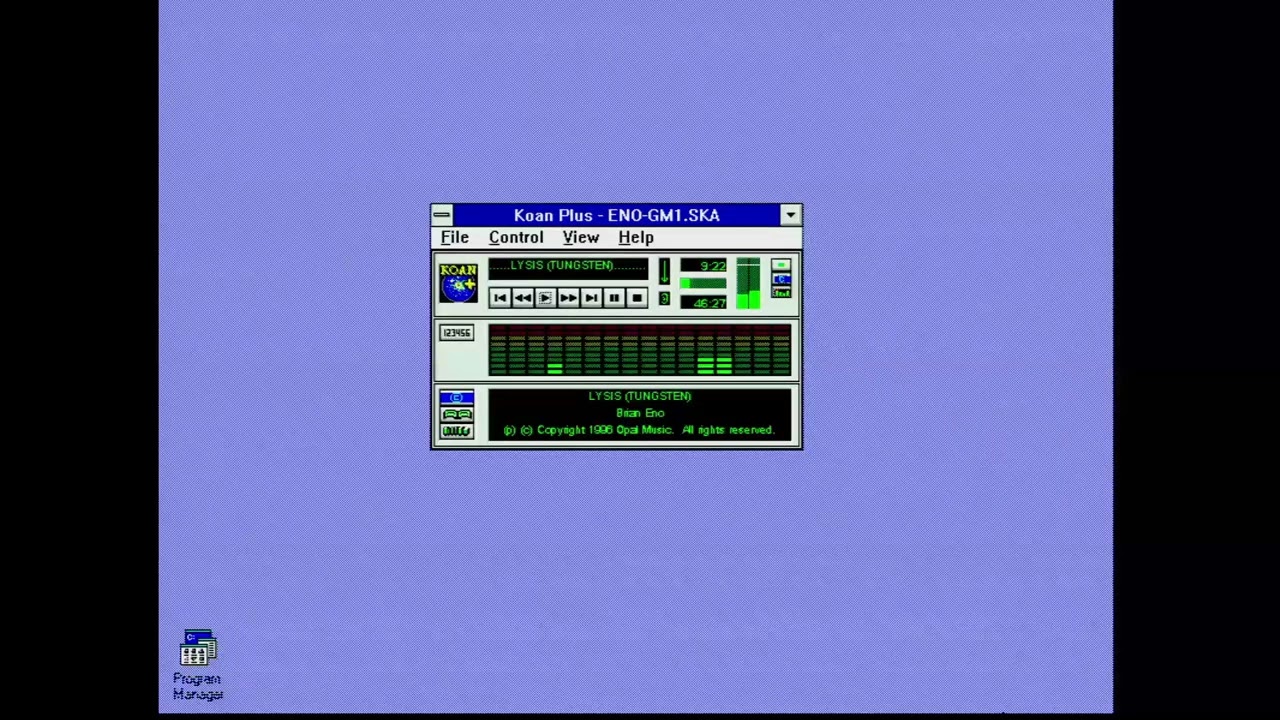






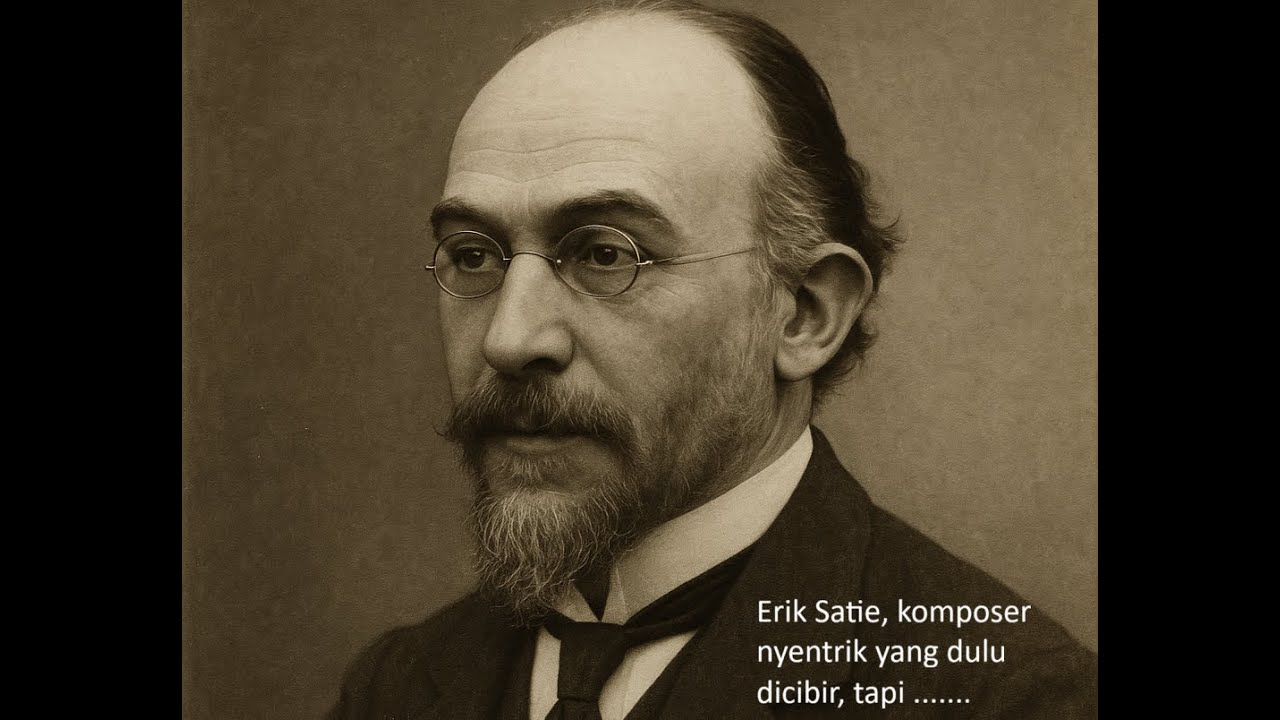
Ambient music evolved from early 20th-century classical innovations by composers like Erik Satie and Karlheinz Stockhausen, who pioneered the concept of 'furniture music' designed for background listening, through electronic music developments by figures like John Cage and Robert Moog, to Brian Eno's formalization of ambient music in 1978 with 'Music for Airports,' which established ambient as a distinct genre focused on creating atmospheric soundscapes that enhance rather than dominate the listening environment.
The Odyssey of Ambient Music: A History by Mark Prendergast
Added:Familiarity with 20th-century avant-garde music movements, particularly Dadaism and Minimalism, which challenged traditional structures of melody and rhythm.
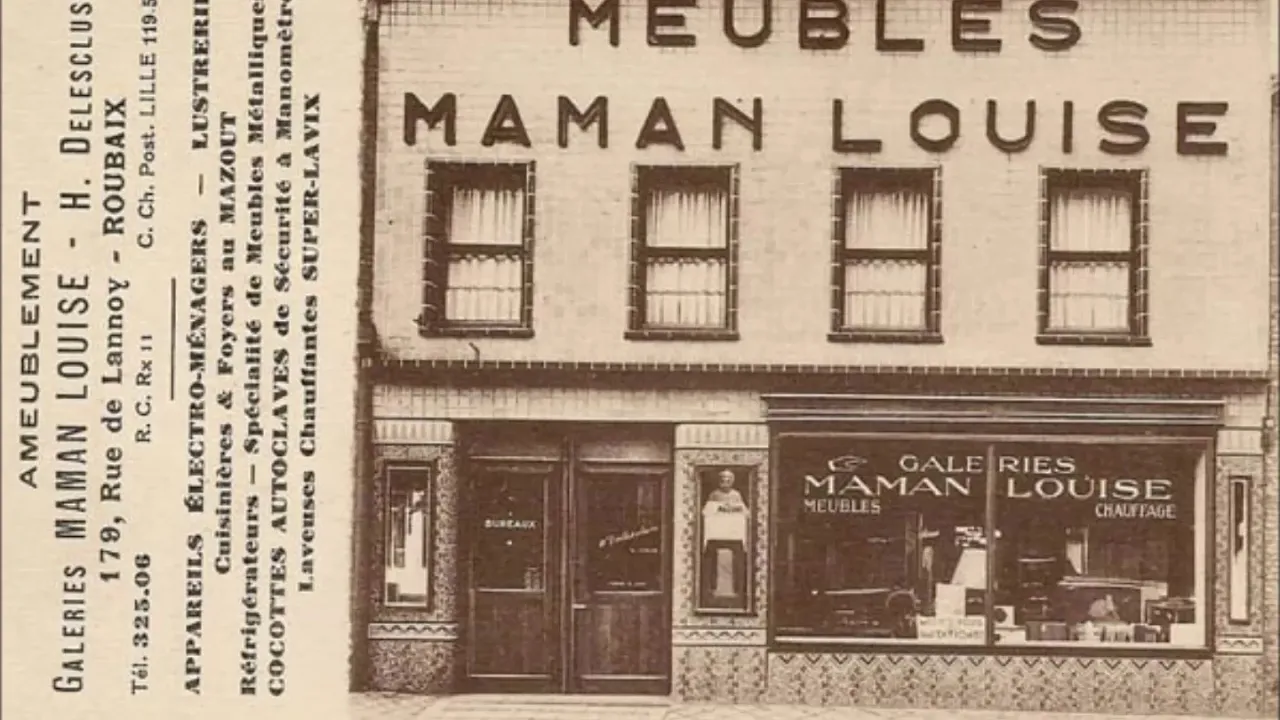
Understanding of Erik Satie's concept of 'Furniture Music' (musique d'ameublement), designed to be background noise rather than the center of attention.
Basic knowledge of early electronic music technology, including magnetic tape manipulation, tape loops, and early synthesizers.
Awareness of Brian Eno's foundational role in defining 'Ambient Music' in the late 1970s as music that is 'as ignorable as it is interesting.'
In-depth analysis of ambient subgenres that emerged in the late 20th and early 21st centuries, such as Drone, Dark Ambient, Ambient House, and Glitch.
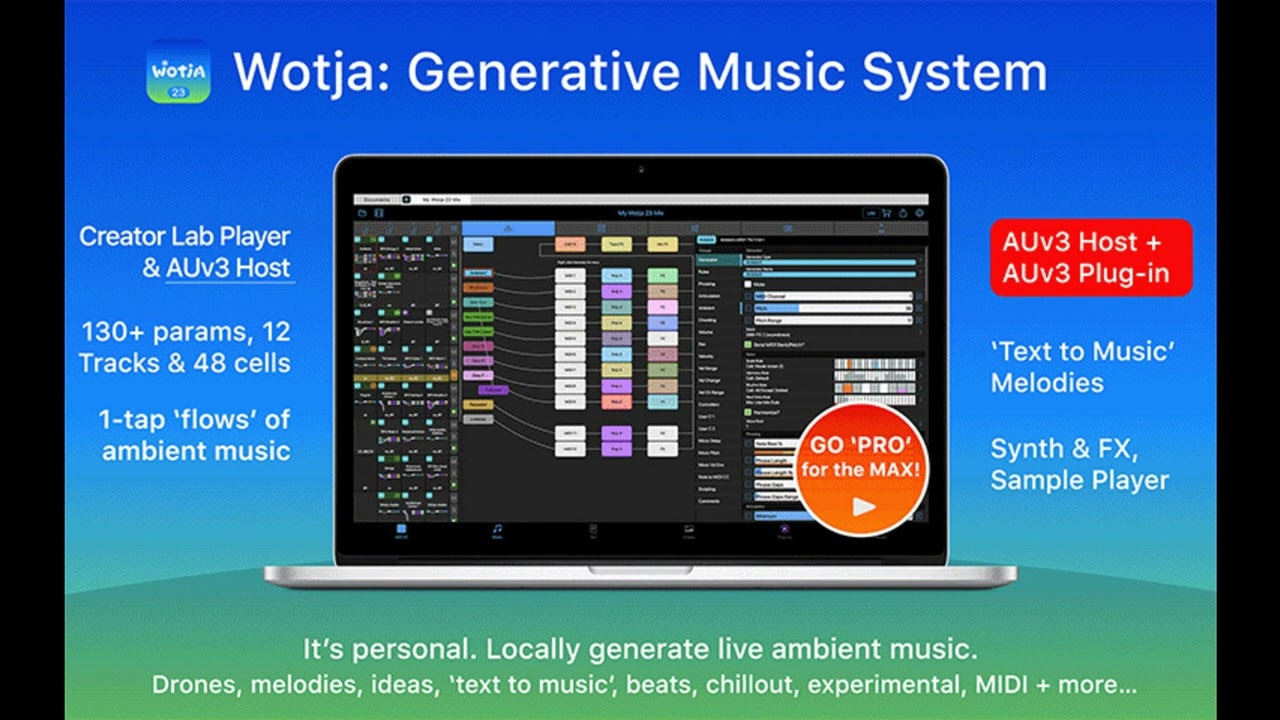
Exploration of generative music systems and algorithmic composition techniques pioneered by Eno and expanded by modern software.
Study of psychoacoustics and the therapeutic applications of ambient soundscapes in modern wellness, sleep science, and environmental design.
Practical application of ambient production techniques, including granular synthesis, field recording integration, and advanced spatial audio mixing.
3.8K views51likes1:46:15Original Release: 2013-07-01
welcome to the second day of ambicon um this morning we're going to start with a talk on the history and the Odyssey of ambient music in the 20th and 21st Centuries by Mark Prendergast who has come all the way from London and as uh you may have learned from the promotion we did for the event Mark liter wrote the book on ambient uh it's called the ambient Century we have we've got 50 copies from the publisher for sale in uh the Santa Rosa room and I if you have any interest in this music it will expand your mind if not blow it okay yeah so Mark um is actually Irish I which surprised me because he sounds like an Englishman but he grew up uh in Ireland and went to Trinity College Dublin where he studied economics isn't that a good uh way to prepare yourself for a career writing about music and like many of the musicians who we've uh heard from uh during this conference Mark sort of followed his inner promptings he wrote the first book on Irish rock in the uh 1980s yes yes and uh because of the attention that book attracted uh he basically was a really serious listener with a really open mind for new sounds and new music and creative approaches to music and one thing led to another and he was invited to uh moved to London and he worked as a music writer for Publications there and uh eventually was approached I'm making a very long story short but bear in mind this was in the 1980s '90s and uh 2000s which was one of the most hyper creative periods in the history of uh music and certainly in English music so it was a great time to be there and uh Mark took full advantage of that uh he's somebody who listens hard and thinks deeply about music and I'm very pleased to have him here to talk about the Odyssey of ambient music Mark prendas um by the way he's very nervous so yes be kind um I think after that introduction um well I have to deliver something and uh it's been a a long a long time coming I think um people don't realize that when ambient music um began um people didn't like it in fact the critics hated it um when Brian Eno released music for airport in 1978 all the all the reviews were negative um they said um in one publication I think it was the Rolling Stone that Brian Eno wants the public to be in nured to their death with this horrendous cand musac that he's forcing on us I remember he came to London in 1985 and he was then doing installations um in Galleries and he had a press conference and um uh there were press people from all over the world and one one person from Australia said well Brian why don't you make some music for a hospital so we can just die listening to your rubbish and that was um that was the attitude I mean I mean he was very upset I mean that people think that Brian is a is a person who is um insensitive to criticism but no no he actually takes criticism very seriously and he felt that he should give up music and just do art gallery installations which he did for a long time and thankfully in the um 1990s he came back to ambient with records like neoli and then recently he's I don't know whether you've heard his new album it's absolutely fantastic it's a uh one hour of long ambient pieces four called Lua which is light so he's back making it so I think um without further Ado We Begin the first try [Music] for just [Music] there [Music] oh [Music] okay Fade Out please okay that was uh deus's Prelude um and um this image here is the Expedition International in Paris in 1889 which deusi visited and so did Eric Sati and uh and Sati um and him then decided to write music that was not as they said made of sourah Crut that's not a criticism of German music but um you must imagined that uh classical music was uh dominated from uh a long time before 17th century by uh bar handle and then there was heyen and then Mozart and then possibly the greatest composer in the history of the world Beethoven and then after that of course Richard Vagner and Brookner and malor and you have to put yourself in the 19th century if anyone's ever seen any very early um newsreal or very basic late 19th century filming in Paris or London you will notice very dirty streets um streets full of horses and carriages and mud women with incredibly awkward long dresses with big bustles and Petty coats and and shoes trying to make their way through filthy muddy streets um over populated cities uh full of poverty Grime Smog and noise I mean people nowadays think that that we live in a noisy time but nothing compared to the noise of the late 19th century um and basically just a chaotic environment in those days the composer was a a a huge figure he was uh courted by Kings princes he wrote music for the aristocracy basically the elites of Russia of France of England and in later on in when America became a uh a driving U culture the upper classes of of New York and Boston and in those days people went to a a music hall a concert hall to hear music they didn't they they couldn't buy records there were no records they couldn't look at TV and they couldn't listen to something on a a computer I mean the only way you heard music was in situ in a concert hall and the only people that could afford to go to to Opera Houses with the aristocracy so people went and they sat there listening to a Vagner Opera for three or four hours this was an event they they went they sat they socialized they drank they ate um and this large Gant con work a large work of art which encapsulated all emotions all all um uh types of experience had to be compr pressed into 3 hours and um of course there were popular versions of operas that were then played by Street players and then her in taverns but in general classical music and music was the privy of the elite so Sati and deusi go to something like this and they see music from all over the world they see Indian music they see Turkish music they see African music and then they talk together they are friends they start saying well let's have a different kind of music let's have something that's got pentatonic scales let's have something which got easier Melodies let's have something shorter not these long really for some people boring operas but let's have something that we can sit sit down listen to and then walk away from and Eric Sati then decided Well let's have music that is is shorter than deuses that was about 17 18 minutes let's have something like [Music] this [Music] my [Music] okay that is the uh very best recording of Sati ever made that was made by a Belgian pianist and conductor called rbert deoo in 1977 for Phillips and I heartly recommend the recording in fact every track that will be played today is going to be on the amban century website when I get back in its source but that is played s Lamont incredibly slowly most pianists can't play that slowly now that was actually written directly after the exposition and it's the one of the six gsan and it's considered to be the possibly the finest piece of ambient music in the history of the world now um deusi and Sati were friends most people don't know this and there they are together it's quite interesting to look at the two men you can see that deusi idolizes Sati and I can also see from the twinkle in sati's eye that he knows he is the person that to follow even though deusi was the more successful composer and a richer man to start with and Sati was the rebel he was the go oh sorry I didn't realize so he was the rebel and he was the guy who was kicked out of um the conservatory satti wasi was the guy who was the really big successful French composer but looking at that um photograph I think it shows a great respect between the two men Sati would go on to talk about music as utility now this is a uh a subject which many people have criticized me for for not actually defining ambient music the reason why I never defined it in this in a very limited way was because then people would say this is not ambient music this is ambient music and it would become like a way of criticizing the music but certainly Sati um went out of his way to to try and Posh a definition on ambient music and he tried to call it music that you had on when you were having dinner so that when people got ran out of conversation and have something to listen to or when there was a ballet when there was a a break in a ballet there' be something in the background now at one stage he came up with a definition of ambient music the word ambient didn't exist then but he called it Furniture music no this is this is serious this is not a joke and um he said Furniture music is a music of utility it's a music that we should have always available to us when we have nothing else to do so front music is a very odd piece of music and if you listen to some of this you will see how strange it was to people's [Music] ears [Music] that just goes looping over and over now in 1917 imagine that someone presenting that at some um and he also wrote music for dinner party and stuff like that so in those two men they they really started the century and said well this is what's going to happen but there was a lot of other things that happened in the early 20th century um one thing that people nowadays can't really grasp that before a certain time when the Eiffel Tower was built that was like you know rocket science then that was like um NASA man landing on the moon that was like the biggest thing ever seen because most people didn't know what the Earth looked like from on high there were balloons but the vast majority of people I remember 34 million people went to that Exposition in 1889 they had a chance to go to the top of the Eiffel Tower and it was seen as the wonder of the age well that was the beginning of the Wonders that would happen because by 1920 we had airplanes we had telephones we had cars and we had electronic instruments and this is something that's very important that you have instruments that would change the history of music and this man here William dudle he was an English inventor and he worked with electricity and he invented the first electronic instrument called the singing Arc and there it is down now that makes look stupid to you what is it well basically it's a kind of a bell type structure which an amplified single signal could make ring it doesn't sound like very much but it's actually is the first electronic music instrument and a keyboard was attached to it eventually and people performed it it had no tonal quality and no harmonic ability and little variation it made noise but he may laugh but it's very important because it was the first time that people actually started to think about music in a different way and after that you had the T harmonium look at that a huge basically telephone exchange which could make noise and that was 1906 the singing Ark was 1809 and then um we had the um th yes the Therman Vox the thamman Vox then 1920 invented in Russia an ether wave instrument people moved their hands and it made a sound and this was uh would eventually be become a very famous instrument in because it was used by the beach Bo in Good Vibrations and it was also used in horror films in um the da Arts dust and interesting by Hitchcock in Spellbound and of course it would eventually be used by one of the the biggest um acts in the history of the universe Led Zeppelin for a whole lot of love but that's a different matter alog together um so another instrument which um um people um probably don't know about is this instrument the on De Martino a French instrument now look at it it looks very strange doesn't it very strange indeed and if the on Martino um was invented in 1928 but would go on to be used a lot in classical music and the next track here you will hear um by oliv Olivier messio and that sound is the on martinel in the background you can hear that w sound that's it [Music] [Applause] [Music] there [Music] o okay then um so the the early 20th century was essentally when a lot of things were happening at the same time this is the tonium I know it's a funny picture but it's it's Hitchcock making the birds the soundtrack for the birds and this is a Oscar Salah is the inventor of the another electronic electrical electronic instrument and um all these instruments as you can see were incredibly cumbersome really large and needed somebody who was an expert in operating them but you can see there that Hitchcock's very very happy because that instrument eventually would um soundtrack The Birds the famous film the birds so um the next we move on then to a man who is um extremely important in the history of Music his name is Edgard veress um he was Italian French um he loved Sati and deusi um but he wanted a free music music um that uh could Encompass all sorts of dimensions and do all sorts of things um he was quite impressed uh with the um work of the music concrete artist EMP parus Pierre schaer and hry uh but his Milestone came in 1958 when um he was asked to make the very first surround sound recording called poem electronic now this is almost never heard by people it was um made for this Pavilion it's called The Philips Pavilion at the um einhoven exposition of 1958 it was designed by lukabu and zanakis and um he designed an 11 Channel surround sound piece called poem electronic made up of bells organs bits of drums girls voices um using tape loops now that is astonishing and now we're going to hear [Music] it [Laughter] [Music] oh [Music] he [Music] right now that sounded weird didn't it that sounded and it's quite astonishing that that piece of music is incredibly hard to listen to now because you can't get it anywhere and it's considered to be too difficult to listen to but the the idea behind it to have a surround sound multi- channel mix in the mid1 1950s and installed in something as weird looking as that says that what we have today is not so radical not so Innovative it's actually it's it's part of something and um I remember one day um working in a chop in Dublin which I did and when I used to walk home on a Sundays to the streets of Dublin five miles cuz I like to walk and with all the music I'd heard all day in my ear and I remember coming back one day in the early 1980s and I turned on radio 3 because I like listening to classical music and there was this strange voice on very soft very calm and he was asked about his favorite music and he said um I don't have any music in my home I never listened to records in fact I never listened to any music he said music is the sounds outside my window the sounds of footsteps sirens and bulldozers all of these are music to my ears now that man directly influenced that piece of music and that man was John Cage John Cage is often considered to be a great destroyer of brilliant composers um uh Terry Riley told me once that he thought that John Cage destroyed a whole generation because he encouraged people to make rubbish I think that that perception is a little bit limited because in 1937 cage gave lectures in the USA saying that the F there was a new future for music and it would be with electrical things so the 1930s he developed a prepared piano that photograph shows him a toy piano that has been prepared he looks a bit odd doesn't he um he inspired people like boes stocken Lamont young David chuda developer underground Brian Eno almost everybody uh before he died he actually came to London and he gave an interview for radio Tre he met Brian youo and he said the following people were of often opt for Quiet Sounds the awful presence of in election in music makes the non-intentional Ambient sound more useful more enduring it is more possible to live affirmatively if you find environmental sound beautiful and that is what we're going to hear now John [Music] Cage [Music] right that was lovely wasn't it right now we get to Carlin stockh Housen now many people think that me writing about stockh Housen is ridiculous that to have stockh Housen in a book about ambient music is artist stupid or fool Hardy I disagree stocken was a product of the uh National Socialist system I don't mean he was a Nazi he was a victim his parents were executed by the national socialists his mother because she was had a mental so-called mental illness she was sent to a concentration C his father been a gentle soul interested in music and the art refused to fight he was shot the son was told you have two choices join us are you will shot two so he were sented the front as a stretcher bear a Catholic he saw terrible Horrors absolutely unbelievable Horrors things that we now cannot really understand and afterwards being a musician he started to travel with a traveling syracus in Germany entertaining the gis he started playing jazz rag time blues he read philosophy eventually after the war he was seen by the Americans to be an extremely brilliant young man and was given a scholarship to go to Cologne University and study composition in 1950 he wrote a piece of music which I think is incredibly interesting it's called Coral people say that Stock's music don't listenable but when you hear this you realize that he was interested in kind of a silence in music something that could open up music lengthy silences cadences and volume [Music] master [Music] [Applause] [Music] to oh [Music] k [Applause] [Music] right now you probably wouldn't expect stock hen to write a piece of music like that there's something in that music which is incredible powerful what's in it is someone who's seen terrible things but feels that something can go beyond to transcend the the horror of war and the um the Bess of his Opera stock Houser will go on to influence so many people The Beatles can all sorts of people there that photograph is actually finishing himn in his 1967 piece that would Define his um philosophy which was that of Universal Music he was one of the first White composers in Western culture to say that we need a universal music of all peoples and all cultures and as a human being I met him he was an inspiration for this book and for the 20th century and those who criticize and don't know him now the response to the 20th century in composition would be minimalism minimalism was according to Terry Riley Philip Glass Harold Bud Steve Reich all told me the same story they said this man was the reason why they made minimum music Arnold shenberg shenberg was the inventor of the 12 tone system he was also a Jew he also left uh Austria escaped and was given a a job in UCLA even Irvin thalberg asked him to work with him shanberg said I will not work with any film producer unless I control the actors the script the lighting the music I direct the film write everything they said goodbye as you can see he was a man who was very very sure of himself very confident that he knew everything and nobody else knew anything and so to uh the minimalists decided enough was enough they had enough of this strictured way of writing and they wanted to do something else and this is the first great manous composition in [Music] history [Music] right that's ter Riley's rainbow and curved there um I think since I'm speaking to a mostly American audience I think for me to stand here and give you a lecture about your own music is stupid American minim music is really really famous the world over people like Steve Rice who is there in a happy mode for Change and Philip Glass uh our world famous their music is ubiquitous um and um this piece um is from 1982 it's from Glass Works it actually is um one of the U most important pieces of minimalism because it actually went mainstream all over the world all kinds of people heard it and I think it's very good and this is the last song in this section and when it's finished I'll invite questions from the audience for 10 minutes for [Music] lights up please okay then um the reason why I'm I'm asking people to ask questions that because the that's short and a very short synopsis of 20th century um composition it kind of ends there because the next part of this will look at different things than composition and we look at composition made by non-classical music and made by accident so this music is all very formal so if anyone has any questions about what I've said yes this man over here thank you Mark I found it fascinating that you started with the German composers of classical music and their dominance yes and then in the 19 late 1970s and 19 in 1980s all of a sudden you have can cluster rodilas all of these they became the dominant force and ambient what was the environment that caused them I I I haven't touched on those yet we we touched on that in the next section but I I'll answer your question it's because of stock haazen um stock haazen had these coures in um darat and in Cologne in uh that were funded by the American government and the whole idea was that um German youth could get an education in in in new ideas in composition basically it was a kind of very clever expunging of the old the old um class major classical figures like Brookner like Vagner like even maler and and pointing um a young German youth in a different direction that was actually coming from America because stock has and of course was quite um o with John Cage they were friends o with the minimalist and stuff um and so stock has his courses produced people like KH who are all students of his does that answer your question anybody else yeah yes um I have a question about uh a photo that you showed earlier the one with Alfred Hitchcock in the frame um to my memory there is no actual music in that movie and I'm remembering now that they used the bird sounds as the score as were what did that thing do is that an actual like a very old company some sampler kind of thing they would bird sounds through it it was uh no it was uh something that Salah could actually program and uh he then buy a lot of filters and a lot of knobs and and wires Etc and electricity and uh keyboard it took an enormous amount of effort to make a sound out and Hitch got like these pitched high pitched squeaking sounds and so those were the things that It produced the best and that's what all he used it for so they weren't actual bird recordings no no they were actually they were synthesized sounds yes yes this man here I I don't really have a question but a a comment you uh started talking about how that reporter insulted Brian Eno about going to the hospital to die to his music but I I I remember reading you probably know this I think maybe last year in the guardian or something that um in fact you know has done some sound installations for Hospital waiting rooms surgical waiting rooms you know these places that are filled with anxiety and mor the was fear and the people who go there and wait they they love it and the doctors say this is fantastic so in fact you know um the problem with um having kind of mood music to enhance the environment is that when someone goes to hospital or goes to look for a job or sitting in an airport I think the in a lot of ways the last thing you want to do is have to be to be put into a a kind of meditative or or a trans-like state because you're going to be very anxious so the idea was also part of mood enhancing music and musac and all it was an idea it's it's it's still used I mean you go you go into a mall as you call it a mall we call it a shopping center and there's piped music you get into a lift there's elevator music and it's there it's sometimes annoying some some sometimes it works but in those days in the 1970s when modernism was seen to be the and building these fantastic places in America and places in Europe these wonderful big modern art things it was it was it was utilitarian music was old older age and so Eno was perfect with that he was the man who could make it so yeah it reminds me um you know if you're in an elevator or in a mall you can escape the music if you don't like it or you can try to ignore it but I was recently in a a haircut place with my my children and the terrible music is overhead and if you talk to any of the staff the Cutters they say it's awful we have to listen to it all day long and it's always the same it drives us mad I mean you think this wouldn't be useful for your business well there are there are worse situations you know when you're ringing up up your bank and you're put on hold for half an hour and you're listen to this awful music like and it's always a really distorted bad recording of Prince or Michael Jackson and you know you can't hear you want to you want to put the phone down but of course you're waiting cuz you're you got a check coming in or you want to transfer money and you're afraid you're going to have to do it all over again anyway last question just to that point I just spent four hours on hold with Microsoft tech support and it was all this modern In This Crowd he should be in this pres what's his name conin nanaro oh conin Naro of course yeah I didn't I didn't I didn't uh for those of you who are unfamiliar with him he uh creates P player piano roles hand cuts them that are humanly impossible to play uh 16 to 24 Keys simultaneously you've seen your you've seen your kids hop up your you know put turbochargers on their cars this is what conin Nero did to play her pianos he put big Power power supplies big air compressors and just and these pianos would just literally Rock when they you know literally just shake you know so yeah pick it it's very hard to find he was a Mexican national I believe he passed away in the late 70s and um so uh I appreciate that contribution that's fantastic and now over to the man we're talking about Brian [Music] Eno [Music] yes [Music] true [Music] what never the [Music] look [Music] um yes that's Brian you know's Masterpiece music for airports music airports was recorded in London in early 1978 with um Robert Wyatt from the soft machine that was him playing the that's not B Robert Wyatt playing piano and he used an AR synthesizer and a worlitzer piano to enhance the sound he sueded in Reverb and basically he put himself and a a couple of musicians in different studios in basing Street in London isand Studios and got him to play he recorded each musicians separately on tape he got the tapes he stretched out the tapes um in uh in his apartment in London and cut them at random this is amazing cut them at random then he looped them and mixed them together and that was the result absolutely incredible and that's the man himself after music for airports after it's an amazing success he's biggest selling record sold hundreds of TS of copies on release he left England and he went to New York and that's him in New York just after the release of music for airports and he's starting to make his new concepts of video where he's actually putting the TV on its side and he's actually recording what's outside I it may sound loopy to you but it this would then go on to provide the basis for his next ambient Le Thursday afternoon we could go we could talk for hours about Enoch we could talk about his influence we could talk about his philosophy he's influenced by all the people you saw in the first section you could talk about his involvement with Rock and everything but no let's just talk about what he meant by what you've just heard he said in 1978 over the past three years I have become interested in the use of music as Ambiance and have come to believe that it's possible to produce material that can be used thus without it being in any way compromised to create a distinction between my own experiments in this area and the products of the various purves of canned music I.E musac I begun to use the term ambient Ambient music an Ambience is defined by myself as an atmosphere or surrounding influence a tint my intention is to produce original pieces ostensively but not exclusively for particular times and particular places does this gentleman here with a view to building up a small but versatile catalog of environmental music suitable to all moods and atmospheres so you can actually see that there's a great relationship between Sati and and and Eno but also he was able to take those ideas and make them something very modern more importantly though he also encouraged other artists and around this time he met one of America's greatest ambient musicians Harold bot and the next track you're going to hear is the Pavilion of dreams from 1978 produced by Brian Eno and the same year as music for airport [Music] there [Music] he [Music] e [Music] right as all this this Stu was coming out of V know uh there were you know enormous amount of new labels sprouting up all over uh Britain Europe America of course ECM records is uh the um a label that was founded by man forer the most beautiful s next to silence to make mostly Jazz records that were incredibly well recorded in America you had Windam Hill who followed the same um uh philosophy you had pist in the UK Koda Innovative Communications people like Kar lari Sao Michael nyman John Adams you name it all these people started making music that was similar in vain to what Eno and Harold Bud were making but um then something happened in the in the in in Russia new composers and in Eastern Europe started to emerge people like ir gesy and the next man AAL per um a per who in the born in Talon and his view on on composition was that it would be spiritual a composer that was had been persecuted by the um Communist Regime composer had stood upright and said I will not make music you want me to I will only make music that is inspired by my religious conviction um he was taken up by Manfred ier brought to the West and he was his work was recorded and it became an absolute Smash in Britain and Europe and America and now you're going to hear a um piece called Mirror inside the mirror spegel IM spegel from 1995 [Music] yeah [Music] okay that kind of concludes the first more or less first 60% of this presentation I think some of that music that I played is still puts Shivers up your spine it's so beautiful some that stuff away from that and um in a different time and this is like probably one of the most important times in the history of recorded sound you have rock music now most people think rock music is music played by idiots for idiots uh Roger Waters once said when he was on tour in America that Pink Floyd were about detail they were also about being able to stand on stage and create their fantastic things while the audience listened well when he started touring America the audience didn't listen in fact the audience were very hostile the audience one day said please play something God that we can shake our asses to that's when Waters realized that Pink Floyd could not continue playing the kind of music they were playing in the 60s but over here in in America there was a band and there they are there The Grateful Dead who went beyond that they were musicians who wanted to play modal scales they wanted to play improvisation and they wanted to play quiet music not loud music but like telepathic music based on folk music based on ethnic music based on something different it wasn't just about volume and effect it was also about something else and probably for the very first time here we're going to hear the original original composition of of Dark Star the version we all know was edited but here you're going to hear how it was created for the very first time probably this is the band creating something in the moment instant composition during this you will hear a band transform from one band into another on stage live and it is something to hear okay turn it [Music] up [Music] n [Music] n [Music] oh [Music] oh [Music] he [Music] n [Music] okay enemy tell me what happens in that something extraordinary happens in that what happens they shift but how do they shift yeah but there something else happens during that that's the band playing it live that is them at the film more West to yes it's telepathic music but the actual riff the jju is played by Bob Weir on the right on the on the on the um rhythm guitar Jerry Garcia is playing acoustic guitar at the beginning and during at the beginning he actually puts the acoustic guitar down and picks up the electric straps it on and plays the rift it happens spontaneously now that is the Holy Grail of the Grateful Dead it was released by Phil LH in 2005 in a limited edition through the Grateful Dead website 10 000 copies only would be pressed of the original sessions it was 10 nights at the fil more West it would be a big box set would ret tell for like $75 nothing it was sold out in like in five minutes gone a million they made a million dollars what they didn't tell the fans that they hadn't they hadn't pressed it up yet so the fans had to wait a year to get it and I was one of them but I got it and so that's why you can hear it but I mean I think as as a for as as a form of telepathic music and of a form of um also of composition because Garcia studied bluegrass music and started to study rounds in Medieval music as you hear there the music is going around it's actually oscillating from one from one individual to another and that's why Eric Clapton said when Jo Garcia died in the 80s he was the greatest guitar player that ever lived and a lot of people agree I agree with him as well now we're going to hear the another um producer of The Rock era a man that I think is the greatest rock musician that ever came to this earth we know who it is it's this man here let me do some C [Music] sounds [Music] he [Music] so my darling and I make love in the Sun so my darling and I make love in the sun slip into the [Music] sea slip into the [Music] sea melt into the [Music] sea melt into the [Music] sea the sea I to show you the sea eventually I show I to show the see eventually [Music] yes that was a uh that's you can can buy this on a record called Beautiful People um during the um 1990s a group of English DJs applied to the estate of Jimmy Hendricks and the us with an idea to take all these most mous pism and turn it into some kind of an ambient mix and Incredibly enough they were given permission and that was called to see eventually um the album was called Beautiful People if 60s were '90s it's available on on Amazon it's it's and it's it's fantastic but most people would say that's heresy you can hear Hey Baby landed the new Rising Sun there bits of electric lader land um and and that is an ambient mix because a lot of music is very heavy Rock so now I was going to play some Pink Floyd but I think we know enough about Pink Floyd so I showed you instruments earlier on but some of these instruments were extremely important um this is the player piano the player piano was basically invented in 1867 and it allowed um composers and musicians to record their their music directly onto the these roles here you can see the roll above duoi was very very fond of it but it was the first idea to record music in some kind of Quassy digital fashion in the 1930s in Russia they strangely start to started to um experiment with um uh Optical means of recording Optical means of recording sound so they would get perforated rolls of paper and put them to a device like this which is called a a Varone and they would produce music this idea is really the idea of Music being produced by machines by other means than acoustic means it would directly affect rock music would directly affect all minimal music and ambient music um um basically eventually in the 1930s in Moscow they had a a lot of um an advanced kind of machinery for recording with photoelectric cells and this instrument here is the instrument on which um um the music of Andre taros films was recorded on um I don't know if you're familiar with a man called artv but he was the soundra composer for tarosky and taros films like mirror stalker and of course the most famous One salaris were actually composed on this Machinery um in in the UK K the Hammond Organ became the most popular instrument among rock musicians and people experimenting um as you can see it had um it was a bit old-fashioned but and had draw bars and stuff this picture doesn't have the Leslie cabinet that came with a big cabinet which had a revolving speaker inside and that speaker created a kind of wash of sound kind of a circulatory sound and of course um I don't know if any of you are familiar with the album by creamed Israeli gears well um Derek Clapton recorded that album in New York but he he put his Gibson HD through the cabinet of this this Hammond and that's what gives it that incredible sound that weird psychedelic sound um this uh is now a farisa compact organ Italian organ made in the early 1960s this is Rick Wright of Pink Floyd's organ and that's the organ that actually created most of the sounds of the Pink Floyd albums the next instrument in 1964 which was invented in the UK was the melron which is the first actually sampling proper sampling instrument it contained lots of wheels that you could put tape onto that you recorded on a tape machine and then you could trigger the actual uh tape's movement to the Keys and also the sound to the various controls there now outside this in Europe there were huge labs and in America places like Columbia Princeton labori Club De wdor all these were Labs but the problem with these place to make electronic music is that you have to have a white code and a degree in physics so Along came a man who changed everything and this man was called Robert Moog and of course Robert Moog is so famous um and he synthesizers so ubiquities ubiquities in ambient music and tangerine dream in the music of John Michelle jar that you know I think you probably know more about it than I do um the next instrument there's a a mo from 74 next and there a mini Mo the next instrument is an ARP Odyssey another American synthesizer which is actually the synthesizer used by The Who on who's next and on babo Ry and the team music for CSI you probably know that as well um this is the bcs3 which became synonymous with Eno and synonymous with Jean Michelle jar and I think we should listen to um the next try there we go this is the VCS tree in excelsus the divers [Applause] Snowman [Music] n [Music] [Applause] [Music] [Applause] [Music] w [Music] right that is Tomy Shar playing oxygen of course was famous CH using the poy to make those sounds Jean Michelle jar the French he's the son of morce Shard the composer but John Michelle Shar is a world is really big in Europe he's really massive he plays cities he has City concerts where he play London or play Sydney or China or whatever where he transform the whole city into a massive light show and he plays like a a circular synthesizer with lights coming up and all this stuff that there is the v's the EMS AKs vcs3 that is basically they're all VCS 3es but that is the um synthesizer on which Pink Floyd composed on the run from Dark Side the moon it's got a built-in signature look at it it doesn't look much but on the run is an amazing track that's the profit five well you know Terry Riley all these people Peter Gabriel that's a um fairlight computer music instrument the first computer music instrument ever made I'll give you a year for the fair light that's 1979 and then of course finally the uh the the um instrument that transformed You2 from a garage Bond into a global phenomen DX7 the Y DX7 was programmed by Eno on Joshua tree and you know with her without you that's the sound of that instrument there okay then uh this is vanelis in the studio in London his Nemo Studios he's composing um the next track um van gallis was a um Refugee from Greece at the time gone through a Civil War and he got out with Demis rousos and they went and they built a studio in London and uh he became one of the most successful soundtrack composers in the history of the world he had just done Chariot Safar just won an Oscar and he was approached by a um a man called Ridley Scott with an idea to make a soundtrack for a dark film about the future which nobody said would be any good at all in his Studio you can probably see he's got a fender Road yam has CSH a load of keyboards but he just stayed there for months composing what you're going to hear now and changed changed the history of Music forever this is um Blade [Music] Runner [Music] for [Music] [Applause] [Music] I don't I don't know whether in in the US people realize the impact of Blade Runner as a uh a soundtrack in England it was uh seen as the a f a futuristic vision of Music a future vision of what could be possible with electronic music and in America of course the um that Vision was taken up by people in Detroit and Chicago to make a new form of music called techno music a lot of techno music is loud bang fiercely unlistenable but out of techn Music came a response to techn music um I'm afraid time prevents me from playing long house music tracks by Spaceman 3 and the orb um those tracks are readily available um and they are they come out of the dance music scene and a reaction to house music people are sick of jumping up and down all night they wanted to chill out the chill out room it's all been covered but um Spaceman 3 there that's the kalef chill out of that's the orb now we come to U someone who's extremely important in the history of ambient a man who gave his life for ambient music because he died recently his name was Pete namlook and um Peter came to see me in London uh he started to play music in London um and he attracted an enormous amount of interest from the media from other people um he said the ambient music is the most interesting music of the 20th century and the ambient music will be the classical music of the future his first album was released in 1992 called silence but he had come from a background where his family were interested in music where he traveled a lot around the world where he grew up playing music playing guitar listening to The Beatles um his father recently he was into uh switched on back by Wendy Carlos and um he started to um he worked in the bank in Frankfurt and he started to buy Machinery like reox tape machines uh vcs3 um he started recording bird song like mosion taping whatever he could going out for walks um um and he played in groups did a lot of things but after he got sick of going label looking for a deal he formed his old label called fax and fax that is characteristic uh Imaging a circle within a circle and not Circle there is for air and this is what you're going to hear now here we [Music] go [Applause] [Music] [Applause] [Music] and P Nam recording what you just heard which is the dark side of the mo 5 um nlock went on to release nearly a thousand records in his lifetime he encouraged all sorts of people from tetsu and Noe um Jonah sha Richie H and all these people he worked with Cloud Schultz as you see but his view towards ambient was that it was music that you would of of Spiritual music that one could build a life around it one could find love happiness and his wife told me that when he died he went to bed very happy late last year after a long another long session in the studio and he just didn't wake up because his system had he worked himself basically death but he was a happy man and he's left as an enormous Legacy um I I think I think it would be wrong of me to come to San Francisco very wrong and uh not fair to not mention this [Music] man [Music] it's [Music] the next person is the um first woman that I've mentioned and she's my wife which you believe my wife Genie she's been a jazz musician in in the UK for all her life and strangely enough she has uh worked with this man a lot Robert Wyatt and one day um a man called John Tai there he is he he's a group called mlo approached my wife and robbert white with the idea of making an ambient mix of a track and I thought well let's just hear it a little bit of [Music] it [Music] d [Music] now as we're running out of time um I haven't talked about Gary ensen of biosphere I think uh G is considered I don't know if you would agree he's cons Ed after Eno now the greatest ambient musician alive born in tromo in Norway he lives in the Arctic Circle he spends all the dark hours which are long I think in three months of darkness three months of semi- darkness making his very odd music very surreal music of course he came out of the techn scene he worked in Belgium and stuff but um he started making some very interesting music in the early '90s his um first major record was uh substrata and that was on All Saints records in London which is basically one of Eno's relatives labors and that's that's coming out again soon but um I end this um Odyssey with um two tracks from sheno Shen show is an album of um samples of deusi we started with deusi that's end with deusi lame mer and uh and en tied the classical establishment again said it was absolutely heresy to take theoi and do this to it let's you decide and there's G making the record now and after this I think whatever Steven will allow we may have some questions or whatever okay thank you very much you're a great [Applause] audience [Music] is and this is the last track okay this is called Green reflections [Music] s [Music] yes I I have a question uh you know Claus Schultz was mentioned but it wasn't really uh made clear about his influence on on all this uh so I'd love for you to speak to that a little more I love it on one of the programs Stephen Hill described Claus Schultz as the man who uh built many castles in the cool German air and so uh would' love to just have you say a few words about yes um uh uh I didn't touch on things because of time I didn't touch on Papa Vu Tangerine Dream cluster I mean it was all done it was all prepared but as I was doing it now it was I I had I skipped Pink Floyd I had Pink Floyd pieces um clouse I I knew I I knew clous very well and I used to have all these records and clous used to come to London and and and perform and he was very very popular and when he started working with Peter that's why um he made 10 records um it's only just a constriction of of of time it wasn't any discrimination I mean Popa Vu are a great ambient band They with Le 25 30 records Florian fra cluster of course H yokam redelius the reason why I chose noi that track because it's a particularly ambient track and Atmospheric and it uses found sounds that's inl it's happiness on no but I could have could have chosen clous track I could have ch chosen the papa Vu I could have ch chosen anything from cluster or rodelius but it wasn't it's all in the book so okay so I mean I know but this this man here yeah hi Mark my name is Lauren Nell I'm a composer been doing music in this genre for about 30 years and pardon and I'm I'm worked a lot with a lot of artists who have uh were participating this weekend some of them are close personal friends of mine yeah and I read your book uh when it first came out many years ago and was happy to see a book on ambient music finally out and but my question is Ian there was one glaring Omission in the book to me and that was us my story line my friend's story line from the you know Southern California yes yes and uh why is that why were we in the book at all or why didn't you talk about us today at all um simply because uh one person can't know everything and um um well you wrote an all-encompassing book about ambient music um no very large book it's it's still there are lots of people I did not I I did not know about when I was writing I had an experience remember the a lot of the book comes out of my own experience my own experience of these musicians and knowing them and um since I lived in London and Ireland it is the west coast of of America is 10,000 miles away but that's not an excuse for mission right the excuse for a mission is basically I didn't know enough about what was happening in America I used to talk to people about the American scene I would always get these very vague and nebulous responses but one thing I will say here today is that when I left London a magazine editor said can you when you come back and you write a a history of ambient music for us in a in a 10,000 words and because of what I've seen here that idea is lame and boring and has been done I've done it already so why not I write the 10,000 words about all you guys that' be nice so there you go please coming after us very good question very good question let have a hand for [Applause] Mark
Up Next
10:49
Arvo Pärt's Tintinnabuli Technique Explained
@ClassicalNerd
55.9K views•2023-04-04

178:38
Whole Brain Architecture: First International Workshop 2024
@thewholebrainarchitecturei9784
640 views•2024-07-22

9:49
FastAPI vs Flask vs Django: Choosing the Right Python Web Framework
@TechWithTim
302.5K views•2024-05-26

1:42
Game of Thrones Opening Credits: A Cinematic Analysis
@gameofthrones
46.3M views•2011-04-18
Related Study Plans & Knowledge Roadmaps
Structured learning paths in General & Interdisciplinary Studies
general-studies
Artificial Light: History, Tech & Human Impact
01The Pre-Electric Era: Fire, Oil, and Gas Lighting
02The Incandescent Revolution and Grid Electrification
03Gas Discharge and Fluorescent Illumination
+ 3 more learning modules
14h6 modules
Explore Roadmap
general-studies
Elevator Engineering: History, Physics & Cities
01From Hoists to Safety Brakes: The Dawn of Vertical Lift
02Hydraulic vs. Traction: The Engineering Physics of Elevators
03Modern Speed, Safety, and Algorithms
+ 2 more learning modules
12h5 modules
Explore Roadmap
general-studies
Rubber: Material Science, History & Geopolitics
01Origins of Natural Rubber & Mesoamerican History
02The Chemistry of Natural Rubber & Vulcanization
03The Geopolitics of the Rubber Boom & Colonization
+ 2 more learning modules
12h5 modules
Explore Roadmap
general-studies
Containerization: Evolution, Logistics & Trade
01Ancient Trade & Bulk Cargo: Amphorae to Barrels
02The Industrial Revolution & Cardboard Packaging
03The Containerization Revolution: Malcom McLean
+ 2 more learning modules
12h5 modules
Explore Roadmap