






















Jordan Peterson argues that self-esteem is not a genuine empirical psychological phenomenon but rather a figure of speech that can be predicted by the Big Five personality traits (specifically neuroticism and extraversion), and that attempting to measure or cultivate self-esteem independently from these underlying factors is scientifically unfounded.
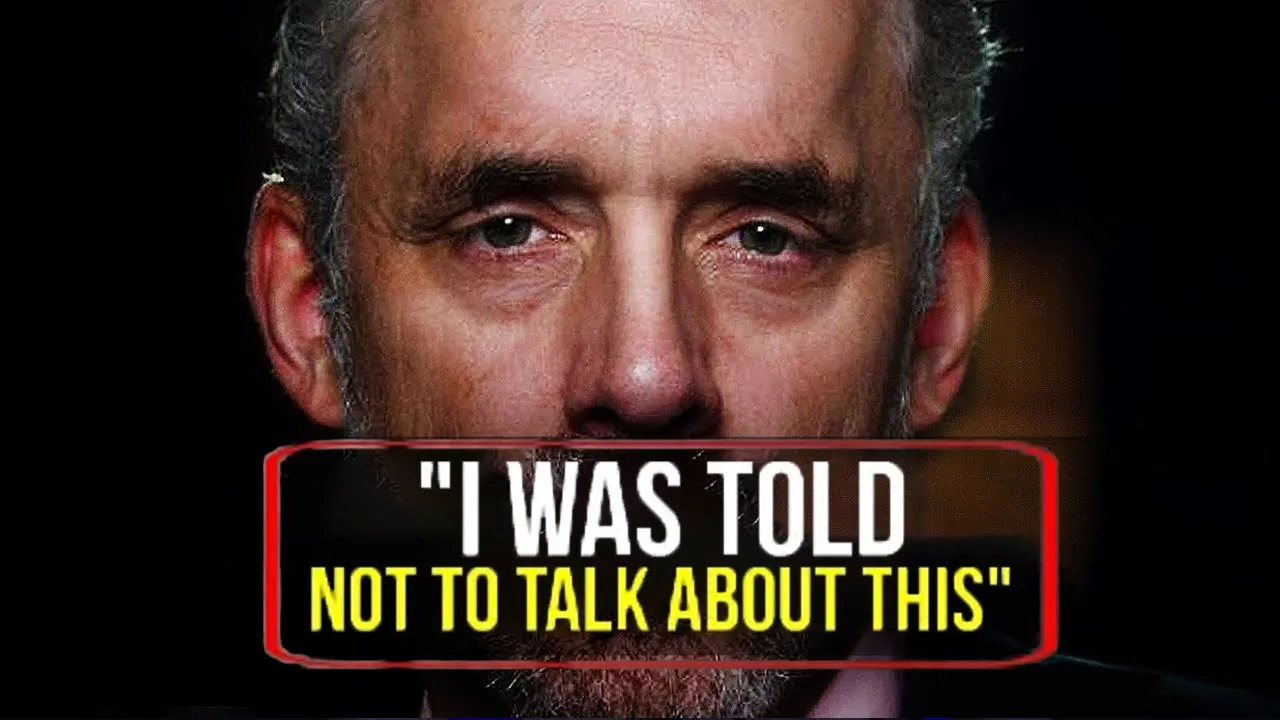
Jordan Peterson: The Science Behind Self-Esteem (Does It Exist?)
Added:The Big Five Personality Traits (OCEAN model) and how they are measured in modern psychology.
The psychological definition of neuroticism, including its relationship with negative emotion and threat sensitivity.
The psychological definition of extraversion and its connection to positive emotion and social engagement.
The concept of construct validity in psychometrics—how psychologists determine if a trait exists as a distinct entity.
The history and scientific critique of the 'self-esteem movement' in education and parenting.
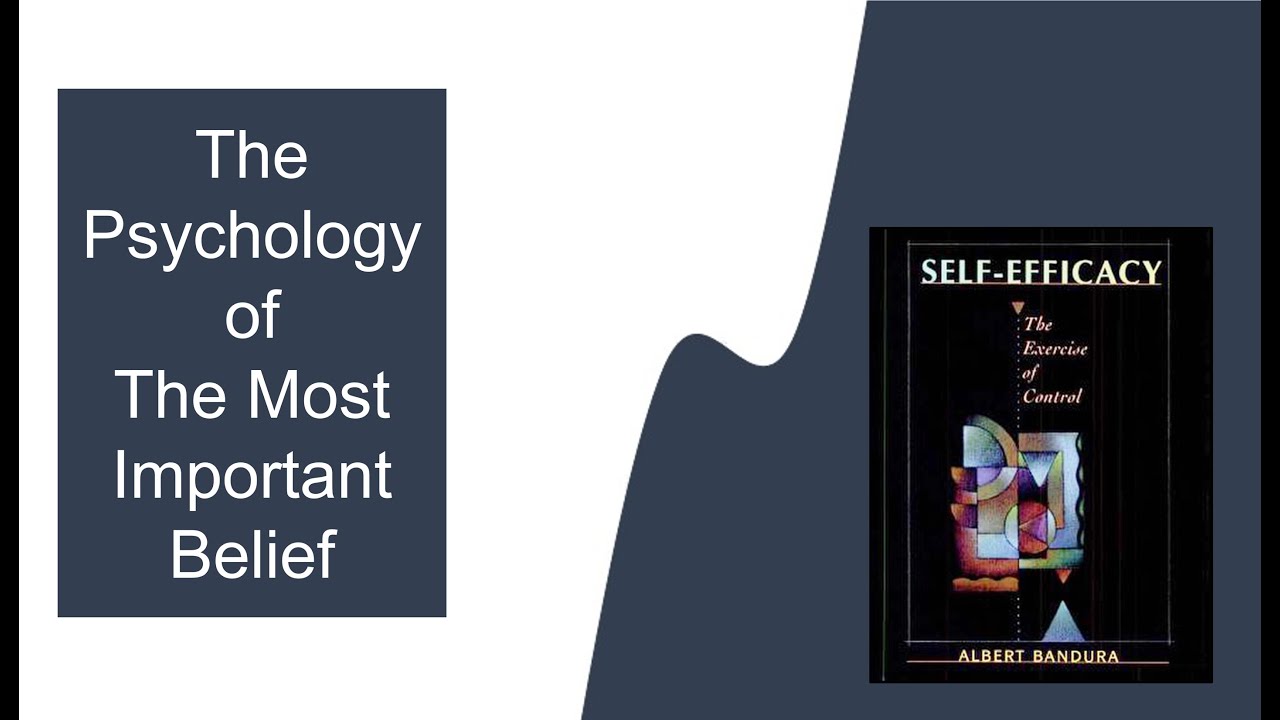
Albert Bandura's theory of 'self-efficacy' as a more behavioral and localized alternative to global self-esteem.
Clinical approaches to managing high neuroticism and low extraversion (such as Cognitive Behavioral Therapy) rather than focusing on boosting self-esteem.
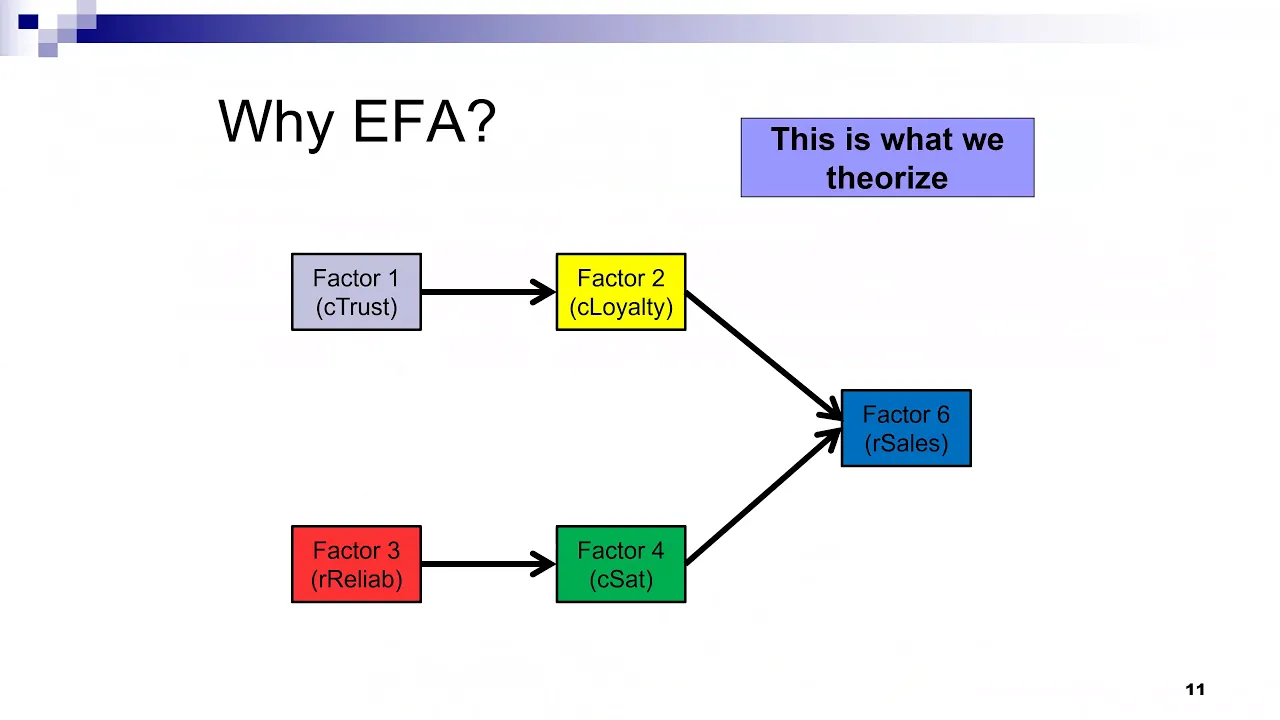
Advanced factor analysis and structural equation modeling used to study overlap among psychological constructs.
2.2M views49.6Klikes9:05Original Release: 2018-10-14
here's some things I think don't exist so if you're gonna predict anything in the real world here's some things not to use I don't think self-esteem exists there's wrote really one scale the Roman taffer oddity made a self-esteem scale that's pretty good but the standard one is the rosenberg and i can't remember how many items it has 15 or something not enough items to really be reliable I think there were yeah 25,000 published papers on self-esteem figure 10 grand a paper which is good true you know comparatively conservative estimation so you can do the math 25,000 times 10,000 so that's the total amount of research funding that's gone into looking at self-esteem it's like well what's self esteem it's a word actually it's two words right but you know and it's sort of something you think you might have or not have but but that's a figure of speech that's not an empirical phenomenon and so most of your artists most of extroverts most of extraversion is just your autism as it turns out it's like if you have a lot of negative emotion you don't feel that good about yourself well isn't that a surprise you have a lot of negative emotion you know and if you want to fix it up a little bit then you can also subtract positive emotion from that because if you have a lot of negative emotion and you don't have a lot of positive emotions so that's neuroticism - extraversion then your self-esteem is even lower you know and then maybe over time conscientiousness starts to make a bit of a difference right because if you're conscientious and you work hard you can start to see that that's paying off and taffer Audis done some work that seems to sort of indicate that but you know the first thing that happened is everybody went on a self-esteem bender even though the measures were pretty appalling and even though you could you know model it with the big five and then one of the things that happened as a consequence of that was that the whole California school system started to teach students self-esteem it's like a what makes you think you should have high self esteem like maybe you're a miserable little worm god only knows right it's not the case that you should have a good opinion of yourself in every bloody situation you know what if you're a bully who pounds people out in the schoolyard bullies by the way do have higher self esteem than normal so there because it's not like they're feeling bad about themselves when they pound you they're feeling bad about you and the best work you know the low self-esteem equals bully hypothesis lots of people believe that but if you read dan always who's the world's leading authority on bullying and who's actually done something about it what he says is that bullies have inappropriately high self-esteem which is why they think they're in a perfectly good position to pound you out if you happen to be on the playground so it's not like they're suffering from an you know neurotic weakness of self-image it's quite the contrary so anyways in the California school system they tried to teach kids self-esteem and you know there's no evidence that you can do that first because neuroticism is actually quite hard to shift so and if we knew how to treat it well hurray everybody would be thrilled about that but it's not easy and second there are people like what's-her-name gene twins she used to be a student of Roybal Meister's who claims that all that self-esteem training has just you know made younger people like you guys more what I call that narcissistic yeah because the self-esteem becomes disconnected from the actual accomplishment because you might hope well you'd sort of feel good how good should you feel about yourself well you know you might say well you should grant yourself the right to exist like you do everyone else you know that's sort of like a basic human right as a human being you're valuable and then maybe you should sort of think you're about as valuable as other people roughly think you are that seems about right right so the right amount of self-esteem would be your perception of your value within the context of a group it's got to be something like that you know so there should be a concordance because like maybe you need to improve could well be you know and are you going to improve if you're feeling really good about yourself well the answer to that is well we don't know how much misery about yourself do you have to have before you're motivated to improve yourself none well that doesn't seem right but we also don't know whether it's shame or guilt or anxiety or pain or you know these negative emotions that motivate you now it's clear that if you have enough negative emotion that can paralyze you but that's like depression and and and you know psychiatrically high levels of anxiety that's not like low self-esteem so that's a problem I don't believe that working memory and executive function are distinguishable from IQ especially G our research we've done a lot of it I've at factor analyzed a battery of 10 dorsal lateral prefrontal tests done given to 3,000 people it's a very big sample we haven't published this for a variety of reasons but one factor comes out and you know when Carol's rule for IQ was you take cognitive tests a bunch of them you factor analyze them you pull out the first factor that's fluid intelligence it's like well that's basically what we found and so if you look at the correlation between each of the single tests and the first factor it's only about 0.3 or 0.4 but that's also what you find in IQ tests you know each individual test only correlates with the aggregate at about point 3 but if you aggregate enough of them you get fluid intelligence and it's just as solid as a rock so emotional intelligence huh not only does that probably not exist because it's agreeableness you know how you always hear you need emotional intelligence to to thrive in the workplace it's like turns out that's exactly backwards disagreeable people do better as managers in the workplace so it's actually if you lack emotional intelligence you're more likely to be an effective manager so an emotional intelligence is a great you know indicator of sort of pathology and psychology because it was invented by a journalist you know you can't just have some word invented by a journalist and then go make a whole bloody you know Enterprise out of it you got to find out if it if it's really there and there's not a lot of evidence that it is and what does it mean anyways emotional intelligence what does that mean I can infer what you're feeling well is that IQ like are smart people better at that or like am i mirroring you in some way or do I care for you like maybe I can figure out exactly what you're feeling and I just don't give a damn you know is that still emotional intelligence well I don't know right yeah how would you separate that from sympathy or empathy and what and what if you're over sympathetic to someone it's that emotional intelligence like maybe you feel way too sorry for your children so it's like you're all empathetic and all that but you're not doing them any good or sometimes you would be but sometimes you should say you know quit whining go the hell outside because that's the right response sometimes so these things are not straightforward at all and of course emotional intelligence is generally measured with questionnaires and we know the rule for questionnaires what's the rule for questionnaires hmm that's right exactly it's measuring one or more of the big five either well or badly okay so and as far as I can tell that doesn't mean that personality has a five dimensional structure I'm not making that argument because who the hell knows I don't think it does likely because although it's very difficult to say but what the big five theorists have really demonstrated as far as I'm concerned is that if you factor analyze questionnaires what you get looks a lot like a five factor structure and you can do that cross-culturally and so I think we sort of nailed the question of how our questionnaires structured so you can't just invent some new thing and term it something and then pretend it's something new without testing it against and I would test it against IQ because that bloody thing we know for example IQ eats up most of the variance in disgust sensitivity scales you would think well why why would i q-- be related to disgust sensitivity it's it's inversely related by the way the smarter you are the less sensitive you are to disgust now I don't know if that's because maybe your cortical inhibition of underlying like limbic limbic motivational systems is better who the hell knows we don't know why but we do know that it's a major predictor orderliness also predicts but the thing about IQ is that it predicts things that you'd never expect so you should validate your scale against IQ and against the big five and not some trivial little ten item measure of the big five either because then if you use two questions per trait you're gonna have a lousy measure of the big five and if your stupid questionnaire predicts over and above that all that means is that you didn't test it against you know you didn't set it up for a good challenge you set it up for a week challenge so grit that's very annoying yes that's very annoying because it's clearly think it was correlated I think I told you this was correlated with conscientiousness at 0.75 I don't believe that optimism and pessimism exist I don't believe that promotion and Prevention exist
Up Next

7:02
Does Brain Training Work? Scientific Evidence Examined
@psyfile
67.3K views•2013-03-14

68:32
Cognitive Skills for Differentiated Instruction | Teacher PD
@BrainWareLearning
631 views•2017-12-17

9:55
Thinking, Fast and Slow: Daniel Kahneman Animated Book Summary
@FightMediocrity
2.3M views•2015-06-05

6:40
The Nocebo Effect: How Beliefs Can Cause Real Harm
@CGPGrey
10.4M views•2013-12-23
Related Study Plans & Knowledge Roadmaps
Structured learning paths in Psychology
psychology
Neuroscience of Creativity: Networks & Training
01Foundations of Creative Cognition
02The Cognitive Neuroscience of Insight & Fixation
03The Triple Network Model of Creativity
+ 1 more learning modules
15h4 modules
Explore Roadmap
psychology
Imposter Syndrome: Etiology & CBT Framework
01Defining the Imposter Phenomenon
02Socio-Developmental Etiologies
03CBT Fundamentals & Thought Distortions
+ 2 more learning modules
15h5 modules
Explore Roadmap
psychology
Adult ADHD: Executive Dysfunction & Scaffolding
01Neurobiology of the ADHD Brain
02The Core Triad of Executive Deficits
03Executive Dysfunction and Emotional Regulation
+ 2 more learning modules
12h5 modules
Explore Roadmap
psychology
Loneliness: Evolution, Neurobiology & CBT
01Evolutionary Origins of Human Connection and Loneliness
02The Neurobiology and Physiology of Chronic Loneliness
03Maladaptive Social Cognition: The Psychological Loop
+ 2 more learning modules
12h5 modules
Explore Roadmap