


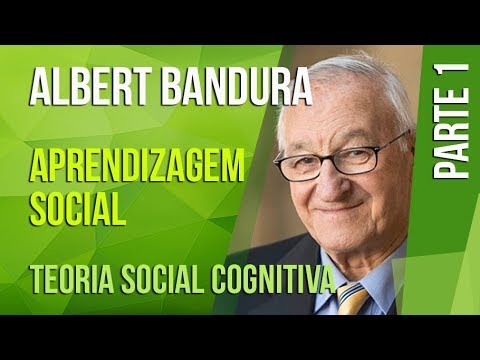

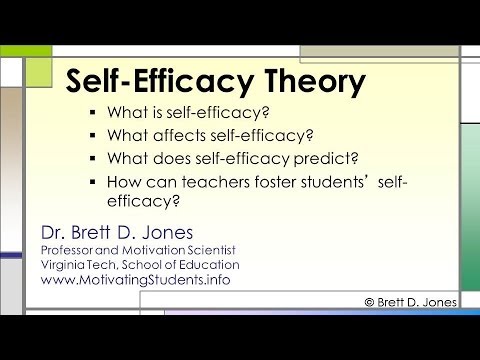




















Self-efficacy, coined by Albert Bandura in 1977, is the belief that individuals possess the ability to achieve desired performance levels, which significantly influences their motivation, effort, and persistence in tasks; according to Bandura's theory, self-efficacy can be enhanced through four primary sources: mastery experiences (personal success), verbal persuasion (encouragement from others), vicarious experiences (observing similar people succeed), and emotional/physiological states (good physical and mental health), with mastery experiences being the most effective method for building self-efficacy.
Bandura's Self-Efficacy Theory for Psychology Exams
Added:Albert Bandura's Social Learning Theory (specifically observational learning and modeling).
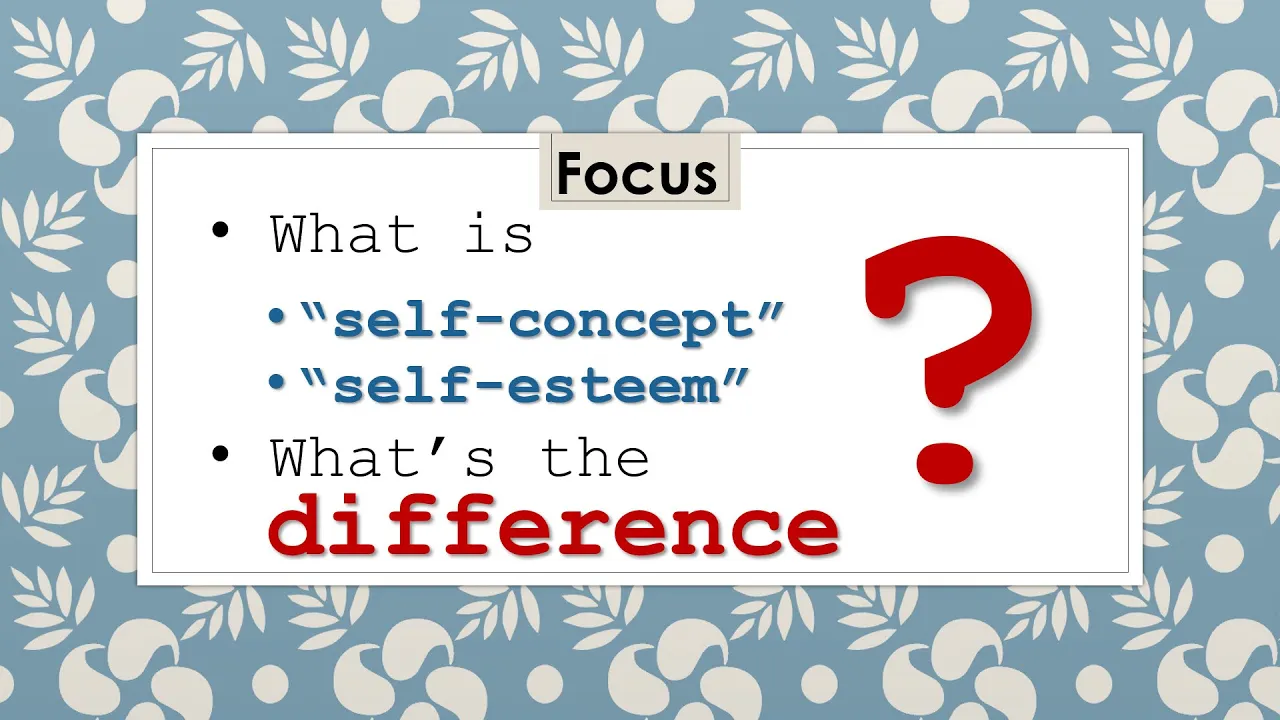
The conceptual distinctions between self-esteem, self-concept, and self-efficacy.
Basic principles of behavioral reinforcement and cognitive psychology.
The fundamental concept of human agency and how individuals exert control over their functioning.
A comparative analysis of Bandura's Self-Efficacy Theory and Julian Rotter's Locus of Control theory.
Bandura's model of Triadic Reciprocal Determinism (how environment, behavior, and cognitive factors interact).
The application of self-efficacy in clinical and health psychology, such as in Cognitive Behavioral Therapy (CBT) and addiction recovery.
The relationship between self-efficacy, achievement motivation theories, and Carol Dweck's Growth Mindset model.
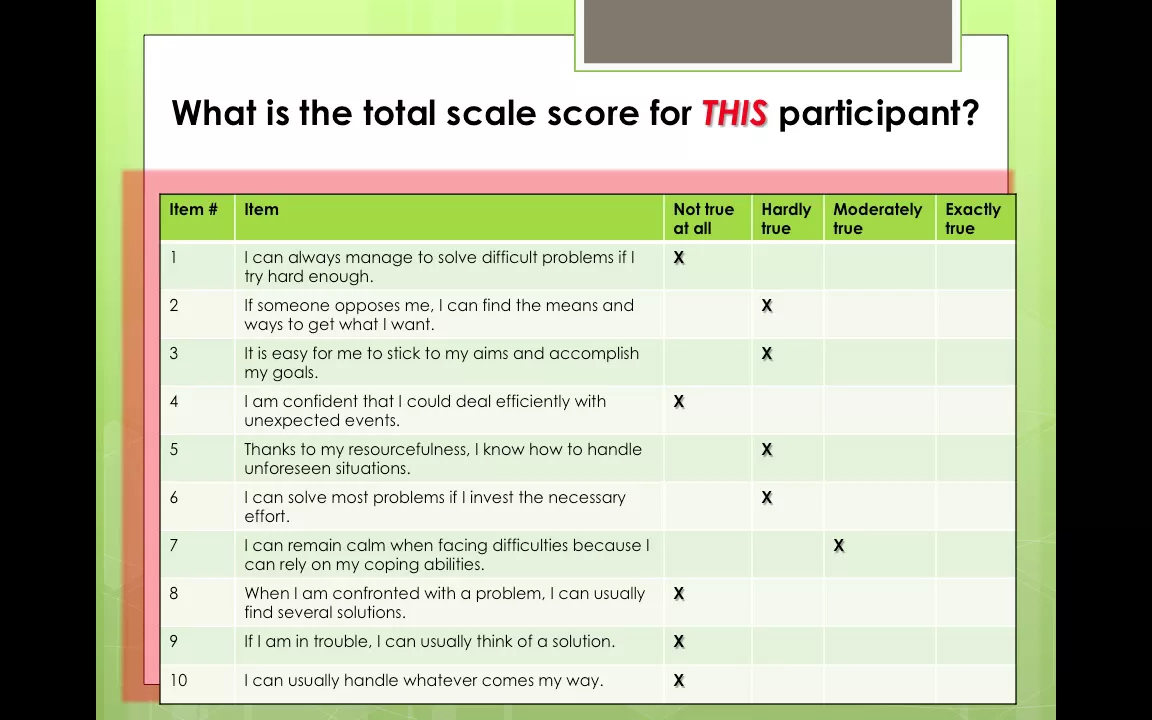
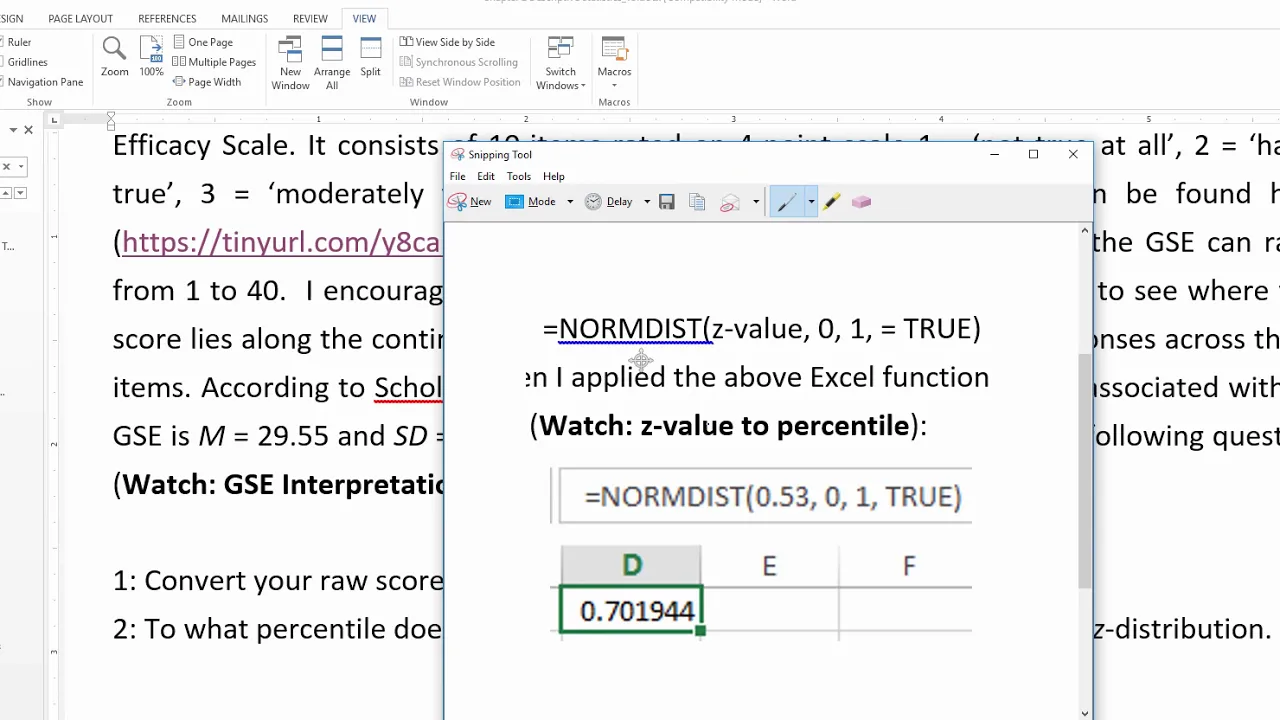
Methodological approaches to measuring self-efficacy using standard psychometric scales (e.g., the General Self-Efficacy Scale) for research.
459.5K views4.3Klikes10:42Original Release: 2022-05-13
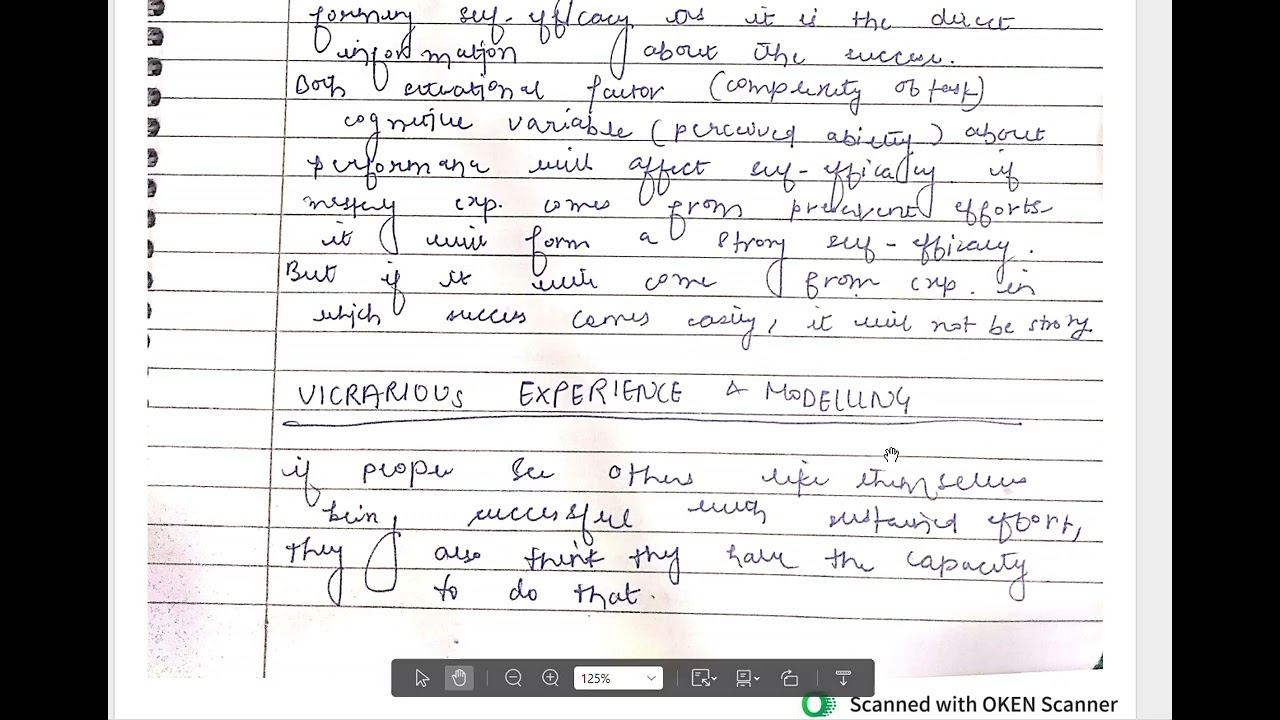
hello everyone i want to say one thing before starting the video success is not ultimate it is a ladder to read somewhere else to get something else similarly failure is also not the ultimate it also teaches us a lot to read somewhere to get something so success and failure are two sides of the coin failure only means i haven't got what i want but it also mean that i have not given up till now believe me if someone is failing means getting closer to success all they have to do is keep trying in the right direction with the right strategies according to me this is the key to success in this video we will discuss such a topic without no psychology entrance exam is complete this theory can help in solving two questions in every psychology entrance exams despite the theory being important we don't give much attention to this theory because sometimes the aspirant is not aware of it i am talking about self-efficacy theory so let's begin [Music] there are few more theories presented by bandura that are also important for psychology entrance examinations but if you are going to participate in any psychology entrance then don't forget to cover self-efficacy theory he also published a book by the same title in 1997 in which he discussed self-efficacy in detail like always in this video i will also present a question from this particular theory which i found in an entrance this year so it will help you to understand what kind of questions will be there in exams for more model questions you can visit the link that we have added in description as well as i already included the self-efficacy coined by bandera in 1977 they said self-efficacy means people's belief about their abilities to produce a specified level of performance that have an impact on events that affect their lives in simplified manner if it is difficult to understand in simplified manner we can say a belief that i have the potential to do something and get the desirable result if i do an effort then i will definitely get what i want like when we see someone dancing and when we feel i can also do it i can also perform this particular step then we get motivation to learn it we try to learn it but if someone considering a task is difficult and they feel that i cannot do it then it really increases the chance that he will not be able to do so because he will not get the motivation to learn that work he won't even try so self-efficacy is the belief that people have the ability to achieve desirable level of performance so if any individual having high self-efficacy they will think yes i have potential to do this thing they will take action if any individual have low level of self-efficacy even they will not try to do so so according to this theory individual can improve self-efficacy through four sources if their self-efficacy is low first mastery experiences second verbal persuasion third vicarious experiences and fourth emotional and physiological estates according to this theory mastery experiences are the most effective way to boost self-efficacy so if any individual doesn't have self-efficacy if they have low self-efficacy then mastery experience can boost them significantly because people are more likely to believe that they can do something new if the task is similar to something that they have done previously so if any individual having experience in past so they develop a belief that yes this time also i can do this activity this time i can also do this particular task one more thing if any individual if anyone performed any task successfully in the past that can boost their self-efficacy but failure can weaken them so only experience is not enough to boost self-efficacy instead experiences of success is critical to increase self-efficacy so if any individual having experience but that experience is related to success then individual can boost their self-efficacy second factor is verbal persuasion when people are persuaded verbally then they can achieve or master a task they are more likely to do that particular task so certain people in our life such as we can take example parents teachers coaches or sometimes counselor can strengthen our belief that we have the ability to do certain tasks or achieve something and self-efficacy will strengthen when verbal persuasion right from others can help person overcome from self-doubt so in a result their self-efficacy will improve they will be more confident about doing something because other individual telling them continuously that you have potential to do something you have capabilities to do something so individual will develop more confident about doing something doing that particular task third source of self-efficacy is vicarious experiences right it's a social modeling in a simplified manner to understand in a simple way we can say this is social modeling so when we see similar people and our role models doing something it creates a positive impact on our self-confidence specifically when we see people like us succeeded in something by their continuous effort then our belief also increases and we think that i also have the ability to do this particular task do that particular activity because they did it and they are like me so when we see people similar to us doing something succeeded in something you know by their continuous effort we also develop our self-efficacy and fourth factor is persons physical and emotional states physical and emotional states also boost individuals like yours and mine self-efficacy we all are aware that our mood physical and psychological health impact our ability so bandera said boosting your self-efficacy is a much easier task when someone is feeling healthy and well so enhancement in individuals physical and mental well-being that in simplified manner we can say good physical and emotional estate help to boost self-efficacy so people with a strong self-efficacy develop a keen interest in the activities in which they are participating build a strong sense of commitment toward their responsibility they handle frustration and disappointment very easily they will achieve more success in their life and people with low self-efficacy avoid challenging tasks believe that difficult task and situation are beyond their capabilities focuses on personal failures and negative consequences and quickly lose their confidence they're not trying to learn skills frequently so if any person has low self-efficacy then four ways are there to boost it like first i told you mastery experiences verbal persuasion vicarious experiences emotional and physiological states right so now it is the time for the question which i have taken from an entrance exam and i hope you can answer it very easily tell me your answer in comment box right any five individual will get a copy of latest psychology magazine so question is choose the correct combination of self-efficacy source option one mastery experiences commitment faith and technique option two strategies motivation technique and skills building option three prior experiences perceived ability well-being and social support fourth is coaching behavior perceived satisfaction well-being and social support i will mention the correct answer in comment box within two days or i will explain answer in next video i hope you must have learned something from today's video as well keep learning motivate each other and maintain your curiosity like a kid and as always if you have any doubt feel free to tell us by writing in comment box or in the message [Music] [Music] [Music] [Music]
Up Next
9:47
The Lost Art of Giving and Receiving Compliments | Stanford MBA
@stanfordgsb
12.8K views•2018-04-19

68:32
Cognitive Skills for Differentiated Instruction | Teacher PD
@BrainWareLearning
631 views•2017-12-17

9:55
Thinking, Fast and Slow: Daniel Kahneman Animated Book Summary
@FightMediocrity
2.3M views•2015-06-05

6:40
The Nocebo Effect: How Beliefs Can Cause Real Harm
@CGPGrey
10.4M views•2013-12-23
Related Study Plans & Knowledge Roadmaps
Structured learning paths in Psychology
psychology
Neuroscience of Creativity: Networks & Training
01Foundations of Creative Cognition
02The Cognitive Neuroscience of Insight & Fixation
03The Triple Network Model of Creativity
+ 1 more learning modules
15h4 modules
Explore Roadmap
psychology
Imposter Syndrome: Etiology & CBT Framework
01Defining the Imposter Phenomenon
02Socio-Developmental Etiologies
03CBT Fundamentals & Thought Distortions
+ 2 more learning modules
15h5 modules
Explore Roadmap
psychology
Adult ADHD: Executive Dysfunction & Scaffolding
01Neurobiology of the ADHD Brain
02The Core Triad of Executive Deficits
03Executive Dysfunction and Emotional Regulation
+ 2 more learning modules
12h5 modules
Explore Roadmap
psychology
Loneliness: Evolution, Neurobiology & CBT
01Evolutionary Origins of Human Connection and Loneliness
02The Neurobiology and Physiology of Chronic Loneliness
03Maladaptive Social Cognition: The Psychological Loop
+ 2 more learning modules
12h5 modules
Explore Roadmap