












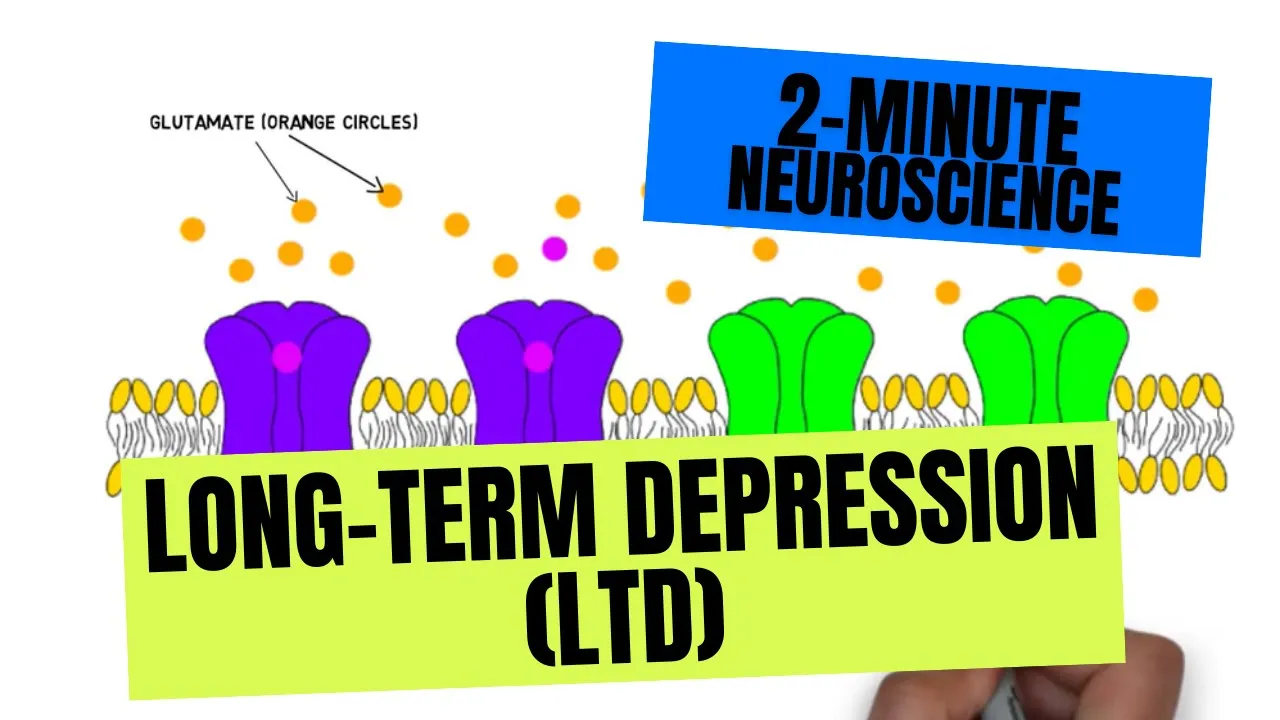







Memory formation involves synaptic plasticity at hippocampal-prefrontal cortex connections, where alpha-7 nicotinic acetylcholine receptors are essential for encoding (long-term potentiation) and alpha-4 beta-2 receptors are required for retrieval (long-term depression), demonstrating that different receptor subtypes regulate distinct phases of associative recognition memory.
What Are Memories Made Of? Neuronal Plasticity Explained | Dr. Zafar Bashir
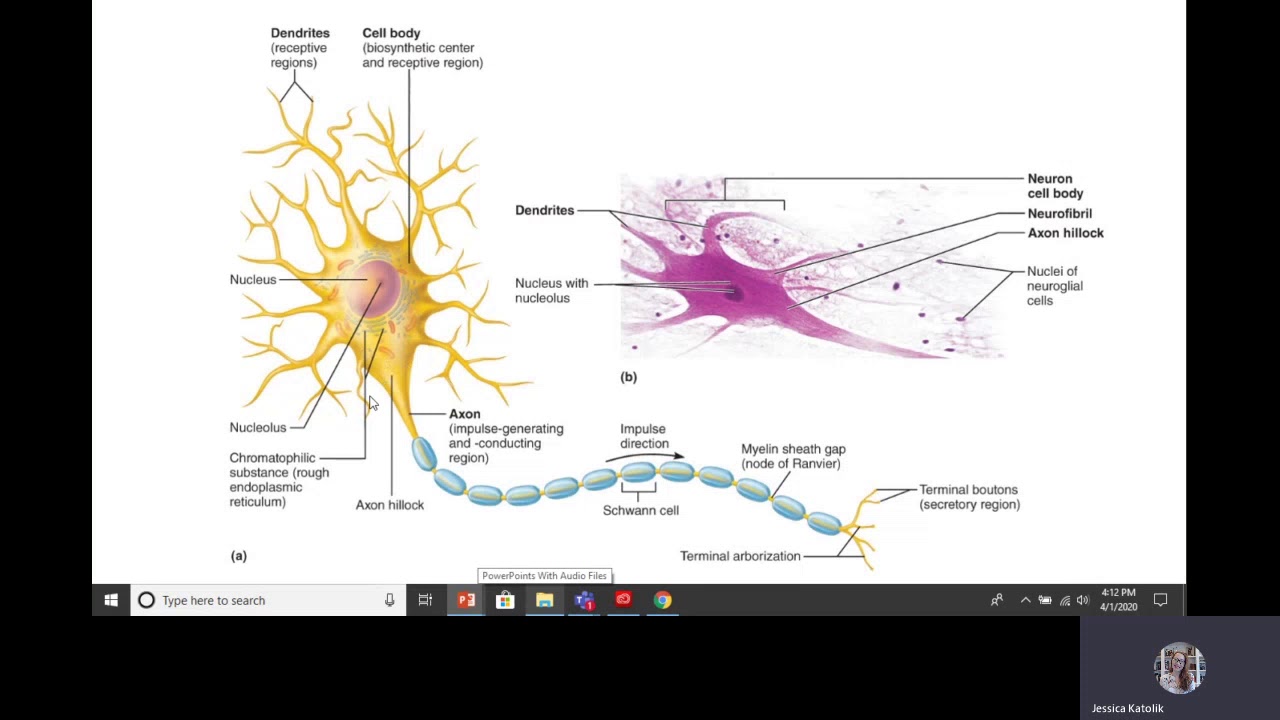
Added:Basic anatomy of a neuron, including dendrites, axons, and the role of action potentials in neural communication.
The fundamentals of chemical synaptic transmission, specifically how neurotransmitters are released into the synaptic cleft and bind to receptors.
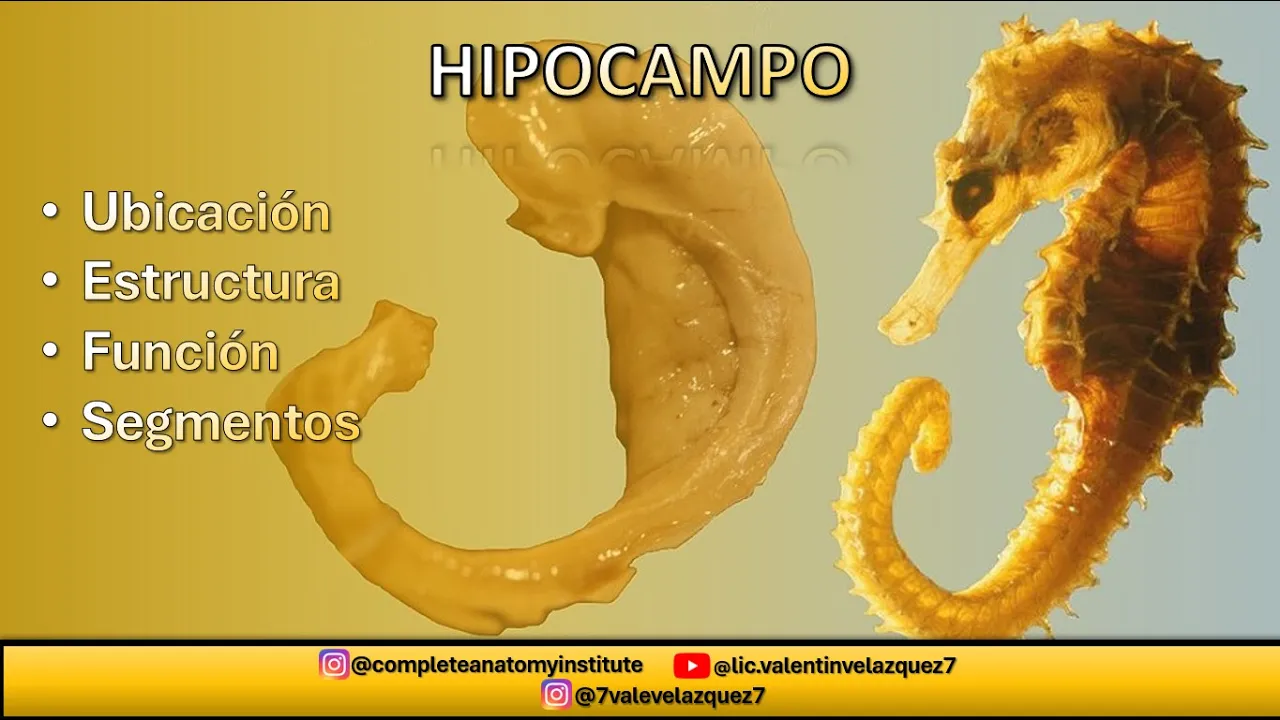
Introductory brain anatomy, focusing on the general locations and primary functions of the hippocampus and the prefrontal cortex.
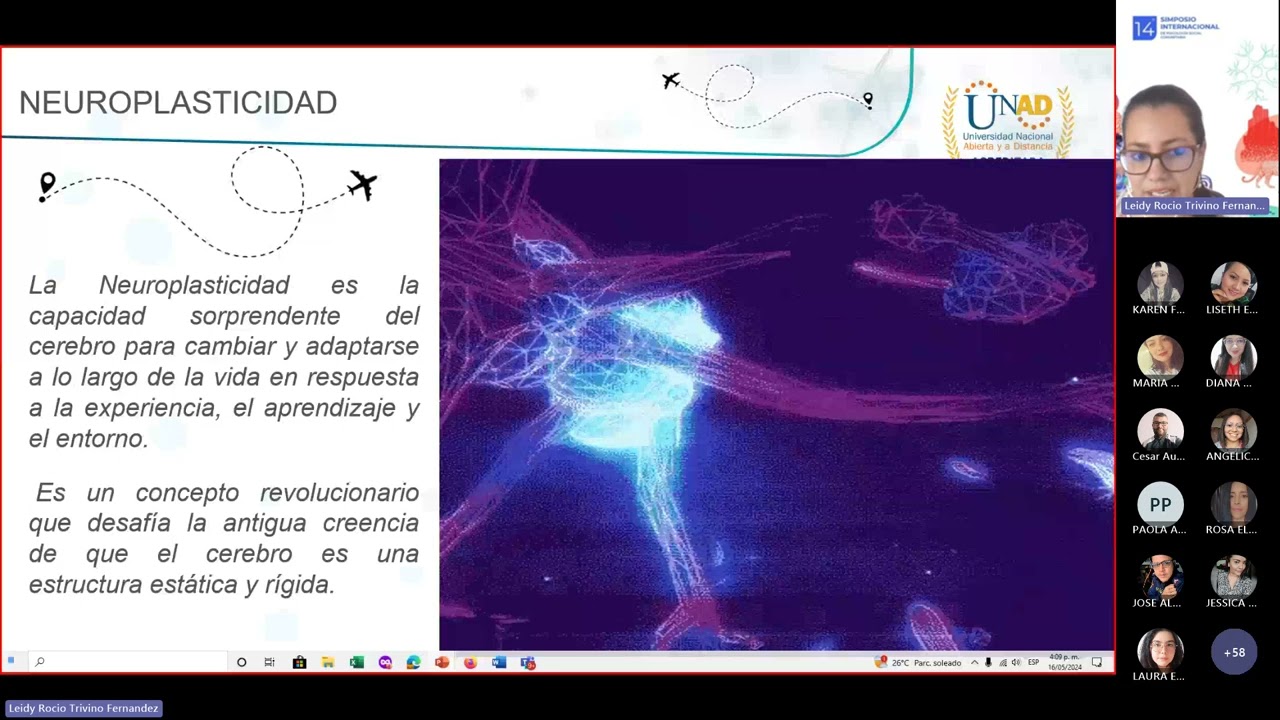
The core concept of neuroplasticity, defining it as the brain's capacity to structurally and functionally adapt to new information or environment.
The specific molecular and cellular mechanisms of plasticity, such as Long-Term Potentiation (LTP) and Long-Term Depression (LTD), including the role of NMDA and AMPA receptors.
The process of memory consolidation, explaining how memories transition from temporary storage in the hippocampus to permanent storage in the neocortex.
The clinical implications of synaptic plasticity, particularly how its impairment relates to neurodegenerative disorders like Alzheimer's disease and neuropsychiatric conditions like PTSD.
How lifestyle factors (such as sleep, exercise, and chronic stress) and pharmacological agents can enhance or hinder neural plasticity and cognitive performance.
299 views4likes1:41:57Original Release: 2022-01-06
and good afternoon in in uk and good morning in usa and really really early early good morning in australia i suppose if there's somebody coming from australia so this is so exciting um my name is and i take care of passpan and we are just so excited to start this webinar series um by by the first speaker is uh professor zafur bashir so let me tell you guys about passport password is the pakistan society of basic and applied neuroscience and the whole purpose of this society is to promote neuroscience in pakistan uh we want all those who are interested neuroscience to come together uh uh whether they are aspiring neuroscientists or they are neuroscientists who have already started uh to do perform good research and establish themselves in institutions uh so this is past one provides that platform passport does on a regular basis uh an annual little science conference and we have been um doing it now uh for the last seven years and this year in charlotte will be eight anc eighth annual neuroscience conference we also have been taking care of our dear students by giving a series of lectures called essentials of neuroscience course and enc 2022 will be sometime in july and august and that announcement is going to come so please uh don't forget to check the website of passport neuroscience this was formed in 2008 it stayed dormant for a while but now we are very active and we have a lot of members coming in and and the membership have started and for that purpose uh our website which is still in the forming phase uh is gonna give more information so the most exciting thing that has happened in 2022 is that we have started the neuro science educational webinar series what we realized that um there's a lot of talks on the uh on the youtube and a lot of talks you know webinars are going on about neuroscience but then what's really missing is uh uh for uh for us students in in pakistan to um understand neuroscience from the basics uh the how do you do research in that and have a good interactive discussion so that was the purpose of starting this webinar series which is called neuroscience educational webinar series the interactive part is is the best part about it and we are lucky to have the director of that news uh professor zafar bashir who will be kicking off this news webinar series by actually giving his lecture first now zafar bashir himself is a very uh you know his story is very inspiring uh so uh he was born near faisalabad in chapter dosochar so you know that's if those people who live in punjab they understand what what it means really right and from there he lived in send near dadu and then he moved to london and when he was six years old uh he uh did his bachelor's in university of newcastle uh bsc in in physiology and uh then uh he did his phd in uh uh in glasgow university of glasgow and his work was an epilepsy model in rats he is a very successful neuroscientist i wish i could do things that he has been doing and uh currently he's studying um memory using some uh innovative techniques optical chronic model which he will talk about as well as looking at the nmd receptors and and other interesting things so uh this is something that i would like to you do see uh if i can uh right okay here we go so so this this is the logo of passband accents that is basic and applied neuroscience and there's a reason that why it is purple because purple is a beautiful color first of all it's a royal color and the purple is because you know where i got my under science training that was purple so you know if if if zephyr had started this set then he would have made it red because he had university of bristol which is red color the twitter twitter handle is right over here uh a passband underscore group and whenever you talk about the social media about this webinar series please remember to use this hashtag news2022 that will be wonderful because we want to spread the word around so that more and more people come and enjoy this thing and i can't finish talking without mentioning the group that is so favorite to me and that's nsaid and that's a neuroscience interest group this is a group that was formed by the students in aku um fatima gahar is right here with her screen on she is the current president and uh and uh this group has reached out to a lot of other um institutions across the country and beyond the country to develop a network of ambassadors one of those brilliant minds in this group is is going to moderate this session and she's a third year student at aku and she comes from gujarat you know far out distance from aku [Music] and she is she is at aku trying to get the best out of the best institution in pakistan in medicine so she will be moderating that i think i have said enough and i will hand it over to you aja thank you thank you doctor um welcome everyone the webinar today will begin with a 45-minute presentation by dr zafur bashir followed by a 15-minute question and answer session and a 20-minute general discussion uh if you have a question you are encouraged and requested to raise your hand on zoom and unmute yourself when i call your name out you are requested to also turn on your video to make this webinar more interactive you can otherwise send in your questions in the chat box as well you can also circulate the link of this talk to the of the session among your colleagues who might be interested in joining i'd like to emphasize that for certificates it is essential to fill out the feedback form and the link of the feedback form will be provided to you at the end of this session dr zafar bashir you can begin now you have the floor very much indeed so first of all just to say thank you to everybody who's been involved with um setting up this uh seminar series it's i know it's been a lot of work for a lot of people and right at the very end i was asked if i would like to be part of it and be the chairman of the news series and i was happy to agree to that because actually all the work had been done for me so to everybody who's involved in setting up this series uh that's a fantastic achievement and let's just hope that it goes from strength to strength um as was said right at the beginning um this is a means of transmitting and encouraging the generation of ideas in neuroscience in pakistan with people both in pakistan but from outside of pakistan as well and hopefully encourage a generation of ideas discussion of neuroscience and encourage people to think more about neuroscience as a potential future careers for those of you who just starting out on your careers and for those of you a little bit more long in the truth uh perhaps think about collaborations as well how collaborations may be established with people both inside pakistan but outside of pakistan as well so hopefully this will stimulate ideas stimulate discussion and there are a whole series of speakers will be set up in the coming months from different parts of the world but also from pakistan as well from amongst yourselves as well so i would encourage you as already said to spread the word about the seminars um because it will provide information about the type of work that's going on out there both in pakistan and outside of pakistan as well the type of research that's being done the kind of techniques that can be used and hopefully you'll get a really broad sense of the type of neuroscience research that's happening and encourage you to think more about neuroscience in your future careers as well um so so the other thing i just wanted to say was it's um i don't really know the kind of breadth of people who are going to be in the audience i assume there's going to be a whole breath from students undergraduates medical students to those who are well established in the field as well so i'm aiming to try and start off the presentation uh with a little bit of an introduction to synaptic transmission and i hope um i won't be talking down to anybody and i apologize if i do um but it'd be useful just to start i think uh with a little bit of an introduction so that's kind of what i wanted to say right at the beginning other than i just remember that i forgot to say salaam to everybody so my apologies salaam alaikum everybody and it's a real pleasure and an honor also to start off this seminar series by being the first speaker so things can only get better from here so let's see right so share my screen [Music] okay so hopefully everybody can see that yes uh pointer let's get it right brilliant so what we're going to do now what we're going to talk about uh is the research that i've been involved in for a number of years now which is which started off and i'm not going to talk very much about that but started off looking at neuronal plasticity synaptic plasticity so that's trying to understand synaptic transmission so that's how do neurons talk to one another within the central nervous system and how is that communication modifiable so that essentially is synaptic plasticity neuronal plasticity and then more recently i've been interested in trying to understand how synaptic and neuronal plasticity can tell us about understanding mechanisms of learning and memory so that's essentially what i'll try and talk through this seminar and try to give you an idea about the kind of work that we're doing in my lab before i start talking about the actual research just want to do a little bit of an introduction um so this image here as you can all recognize into the human brain front over here back over here two areas that i'm going to concentrate on through my talk are this region here which is the temporal lobe which contains a really important part of the brain when it comes to learning a memory which is hippocampus and i'm also going to talk about this region here the medial prefrontal cortex which is in the frontal lobes now we know from lots of work these two regions are very important in learning and memory now what we don't know so much about is really the underlying mechanisms how these regions are important and that's the kind of work that i've been interested in trying to uncover and that's the kind of work that i'm talking to you a little bit about today so first of all how do we know that regions such as hippocampus and the prefrontal cortex are actually involved in learning and memory and in many ways actually this is only a very recent relatively recent finding knowing that there are specific regions such as the campus are involved in learning it's something that's only become about in uh the last few decades so only sort of the turn of the middle of the last century did we actually begin to appreciate that specific regions of the brains which the campus actually have specific roles in learning and memory so this is a classic example so this is the work that resulted from surgery that was conducted on a patient called hm um this patient died about 15 years ago and after that we knew his name which is henry blasen so in the states this chap henry malaysian had severe intractable efficacy and in the end it was decided by his neurologists and his surgeons this was back in the 1950s so nearly 70 years ago now that what they would do the only way of relieving this epilepsy was actually to conduct surgery which was to remove the hippocampus and parts of the temporal lobe so this is one mri scan from hm shown the regions where the surgery was carried out now if you take a number of these mr mri scans and put them together what you can do is you can look to see how much of the temporal lobe and the campus was actually removed and this is what's shown here on the left hand side so this is a normal brain and this is hm's brain and you can see here how much of attitude of the hippocampus and temporal lobes are removed all the campus on both sides and significant parts of the temporal lobe including parts of the perihrinal cortex and parts of the amygdala were actually removed and you can see that in this section here in this section here now in terms of the epilepsy this was a fantastic result because essentially the epilepsy was cured so hm was essentially cured from his epilepsy but the downside of the surgery was shown here and this is whether was that hm was unable to make any new memories and this is called antrograde amnesia so memories that hm had prior to the surgery were actually intact but anything that happened after the surgery hm couldn't make new memories so if he met a new person after the surgery obviously that would be a new person if he met that same person again an hour later he would have no recollection that he'd met that person an hour earlier now you can imagine that actually that's a very problematic for living a normal everyday life not being able to remember anything new and make new memories actually very difficult makes your life actually very very difficult but what it told us for the first time actually that there was regions within the brain that were specific to specific types of memory and this is what brought the hippocampus really to the forefront in terms of understanding memory but also understanding how synapses work and synaptic transmission works so those kind of experiments uh if you can call an experiment that kind of experiment tells us a little bit about if you've got a macroscopic understanding a particular brain region is involved in a particular type of learning it doesn't tell us anything about how the memory or the learning actually occurs so what we're interested in is there's a cellular understanding of memory what's actually going on at a cellular level what's happening at a synaptic level that actually allows memory to occur this image here this is an image which is taken from mouse brain and this is about two millimeters by a three millimeter about two or three millimeters um in each direction this doesn't show all the cells within this part of cortex it just shows some of the cells and these are color coded according to their different functions but what this shows is the complexity of a very small bit of brain in this case here just about two millimeters square of mouse cortex now when it comes to understanding how this bit of cortex works what you've got to understand is how the synapses work so how are neurons actually communicating with one another because what we believe is that actually it's the communication between cells that's actually important for understanding how memories work and how learning works now it says down here it's interesting fact that um each of these neurons may be connected to a thousand other neurons and if you do the maths that means that in a brain in a human brain there could be something like a thousand trillion synapses within the brain that's going to be impossible to understand what's going on at each of those thousand trillion synapses in the brain at any one time so what we have to try and do is try and simplify things down a little bit to understand how synapses work and what that can actually mean for things like learning and memory so if you want to understand synapses here's a very simple schematic of the synapse so this is a neuron a pyramidal neuron within let's say the brain within the cortex and that's this pyramidal neuron provides an axon here this is that's not this battle neuron which is then forming an axon terminal a bouton here that's forming a synapse with this next neuron and this is the postsynaptic neuron so this neuron here is forming a synapse virus axon and its axon but bouton onto this postsynaptic cell here and when an action potential travels down this axon this causes a release of transmitter from these vesicles and that transmission is released into the cleft here and that then acts on receptors on on the postsynaptic side so these post-synaptic receptors and that essentially is the basis of synaptic transmission so in some sense in senses it's very very simple process and that forms the communication between one cell and another and this is going on constantly in thousands and thousands and millions and billions of synapses in our brain at any one time so this is what's occurring when you're listening to me hopefully this is occurring in your brain it's laying down some memory of what i'm talking about so you can remember some of this later on so let's just go back to the hippocampus now so this is a cross-section through the hippocampus this is actually a reactive purpose but the structure of human hippocampus is essentially exactly the same as the bad hippocampus now one of the reasons people love working on hippocampus is because of its known involvement in learning and memory but also because of this beautiful structure this very regular structure here essentially what we have here these dark patches here these dark lines are very dense collections of different cell types here and then through this region here so this forms a very nice structure to actually work on now if we lay on top of this just a cartoon which illustrates what's going on here what we have in this region are a collection of cells these granule cells and these form the dentate gyrus within the hypothesis region which is here now the cells of the dentate gyrus's granular cells they send their axons as you can see here in red via what are called the mastery fibres the ca3 region of the hippocampus and these make synapses onto the dendrites of the ca3 pyramidal cells now the ca3 pyramidal cells here they have axons which then project via this region here which is called stratum radiatum and they make synapses onto the ca1 pyramidal cell dendrites so what we have is a beautiful little system here where you have input coming from the entering cortex makes synapses onto the granule cells indentate gyrus these make synapses onto the ca3 paranormal neurons these in turn make synapses onto the ca1 parameter neuron so this is a classic trisynaptic circuit within the hippocampus with an input and an output which goes from the co1 that comes to a bunch of different regions now hippocampus has been used extensively over the last decade to try and understand how each of these synapses work and what function of each of these synapses is in different normal behavioral functions so if you want to understand synaptic transmission this is a very simple system for doing this what you can do is you can place a stimulating electrode down here in the axons of the ca3 axons down here if you stimulate these axons these will fire action potentials and this will cause synaptic transmission that you can then record in the ca1 parameters now if you do that so this is a recording here this is showing a recording electrode um in the ca1 pyramidal cell so you can do recordings from individuals co1 pyramidal cells as shown here and when you stimulate these axons what you can get is a synaptic response which is shown here so this would normally in the cell be a depolarizing potentials as this would be an excitatory per synaptic potential in this case here this is a voltage clamp recording so what you're recording here is the underlying current that would be produced when these axons are activated and these produce epscs epsps in the dendrites where these synapses are located so this is the synaptic response that occurs when you stimulate the axons onto this cell here so what you can use this for is to understand what the mechanism straps synaptic transmission are you can work out the transmitters receptors that are involved you can work out what transmitters may modulate this response you can work out the plasticity mechanisms of this response as well so you can do a whole range of interesting experiments to understand synaptic physiology of transmission at each of these different synapses okay so let's have another look at synaptic transmission here again is our presynaptic neuron with the presynaptic boot on here it's releasing transmitter left onto the post-synaptic neuron here this is shown a little bit more detail here we have the saturday musical fusing it's releasing in green the transmitter and the transmitter is acting on these post-synaptic receptors here and here when the transmitter acts on these receptors it opens the channel in the receptor this particular receptor is permeable to this ion here which might be sodium red the sodium will flow into the postsynaptic uh postsynaptic cell dendrite and depolarize the postsynaptic cell and that's what produces this synaptic response here now in most central nervous system synapses the transmitter here in green is glutamine a very simple amino acid so most excitatory synapses in your brain the transmitter being released here is glutamate glutamate will bind to these post-synaptic receptors and that's a very simple way of producing synaptic transmission and the complexity of synaptic transmission occurs because glutamate doesn't just bind one receptor type it binds lots of different receptor types and these are a combination of iotropic receptors grouped here nmda receptors and preceptors knit receptors and delta receptors and these are linked directly to ion channels so you'll get an ion flow when you activate these receptors here they're also metabotropic receptors and these are g-protein-coupled receptors which type which link to intracellular cascades and so they will activate intracellular calcium levels and that will cause activation of for example protein kinases and phosphatases and so even though you only have one transmitter glutamate glutamate will act on lots of different glutamate receptors and that will have lots of different functions in a given synapse and the beauty of the system here is that different synapses in different parts of the brain will have different ratios different complements of these receptors so when glutamate's released depending on where the synapse is in which particular part of the brain the actual response that's produced here will depend on the complement of these different receptors they will be different in different parts of the brain the other complexity i should also add is that if just take for example the mda receptor is composed of different subunits and you have different complements of different subunits in different synapses so the site apps even though it looks very simple when you think about it like this and you have one transmitter actually the responses produced can be very very different under different conditions in different cell types in different parts of the brain and also on top of that you have different ratios of these and different complements these receptors during development so early in development you'll have different combinations of these for example in r1 and r2 2b receptors later on in age you have different ratios of the subunits of receptors and that will actually produce very different functions in the synapse with different diseases also you find that it changes also the combination and the complement of these receptors and with synaptic plasticity when you plastic elasticity occurs that will also change the complement of these receptors as well so often we think about synaptic transmission and just being a very simple process where all we have is an epsp that's the outcome of transmission but actually this epsb the regulation of this epsp the modulation of this epsp the way the cpsp changes with development with plasticity with disease a lot is going on to control and regulate the cpsp through here just different types of glutamate receptors on top of that which i'll talk about later on we have other transmitters which will also act on these synapses which will also act to regulate trans glutamate transmission as well so the synapse in one way we can think of it as just being a very simple gate which will produce a response but actually that gate is subject to very complex interaction and very complex regulation we'll talk a little bit about that later on okay um right so that's an introduction to synaptic transmission and a little bit about the basics of how we know a little bit about learning and memory what i want to now talk about and focus on is something about some of the work that we've been doing in my lab thinking about the neuronal synaptic basis of learning and memory the work that i'm going to focus on now is some work that we've done in the last few years was to looking at acetylcholine receptors specifically nicotinic receptor subtypes how those nicotine receptors regulate excitatory transmission between the hippocampus and prefrontal cortex and how that brings about synaptic plasticity and then how we think that modulates and brings about different phases of dissociative recognition memory so there's quite a lot to take in there and i'll try and go through this uh quite slowly in in the next slide set of slides um this work has been done in conjunction with marie sebek who is a phd student who's now post-doc in the lab and in collaboration with sue whatever who's at bath university and in collaboration with claire warburton who's a pi here at bristol university okay so what do we mean by what do i mean about associative recognition so associative recognition memory is remembering a scene such as this for example so we look at a scene like this this is actually a bike park in amsterdam not in bristol i cycle to work every day and when i cycle to work i park my mind in not quite such a busy bike park at this but nevertheless i park my parking park now the question is when i come along back at the end of the day to pick up my bike how do i know where my bike is how do i know where i left my bike now one thing is very simple let's just say this is my bike here i know my bike i've been riding it for many years so that's a single item you can treat your bike as a single item and you remember single items through processes that occur in the perihrinal quartet which is part of the temporal lobe and so we've been doing work for some years on the perihrinal cortex and how the perihrinal cortex allows us to understand single item recognition memories an automatic type of recognition memory i'm not going to talk about that now so just take my word for it the perigrinal cortex is involved in me knowing that this is my mic now i park my bike i come along at the end of the day how do i know how do i find my bike the way that we do that is we use associative recognition memory so there are various landmarks around here in this scene here so what the brain does again this is a very automatic process i don't have to think about i must remember that my bike is somewhere near this lamppost i must remember my bike is near this tree over here i must remember that my bike is next to this car over here we don't stand there having to remember these things again this is a very um sort of automatic type of memory but it's an associative recognition memory i remember where my bike is by using these various landmarks by associating my bike position with these various different landmarks over here and this is a very normal automatic type of memory and we use it every single day in our normal everyday lives and we do whatever we do in our normal day now we know different regions of the planet are involved in associative recognition memory there's lots of work that's gone on on in this in this sphere not just work we've done but lots of work going on around internationally looking for especially the recognition another medium prefrontal cortex is key the hippocampus is key parts of the thalamus such as the nucleus reunions and the medial dorsal and absolutions are absolutely essential for associative recognition members if you knock out the medial prefrontal cortex you have deficits and associative recognition memory if you knock out the medial doses or thalamus you get deficits in a sensitive recognition memory we've also been recently looking at the connectivity between these regions as well so we know now hippocampus connections to the medial prefrontal cortex are essential we know connections from for example lateral infrarenal cortex to the medial prefrontal cortex are essential for associative recognition memory so we've been doing quite a lot of work on looking at these connections between different regions and which ones are important and how they're important what i'm going to talk about today is just work that we've been doing within the connection between the hippocampus and the medial prefrontal cortex and how those are important and how plasticity between these connections might be important for associative recognition memory okay so the work that i'm going to describe is all carried out in either rats or mice now the way that we assess associative recognition memory in rodents is shown in this task here so basically what you have is you have a sample phase and a trial phase in which the encoding of this um this collection of objects is carried out and then the retrieval of the memory is parallel sometime later in this instance later but it can be any time span so what you do is you take a rat in this case here you put it in a up in an arena with four different objects in this particular arrangement the rat has allowed five minutes to explore these objects you then take the animal out give it three hours and you put the animal back into this arena but now you may notice that two of these objects have switched place now what the normal animal will do is spend more time exploring those objects those two objects have switched place compared to the two objects that have stayed in the same place and it will do that because it remembers the original association it remembers the association of these original location of objects so it remembers those and it will notice that these two have changed place and spend more time exploring these two so essentially what the animal is interested in is the novelty that's a that occurs in this phase here compared to here and we as humans do that as well when we encounter something like this we spend more time exploring and looking at the novel arrangement of items compared to the familiar ones what we simply do then is just plot up the time and at the time the animal spans exploring these novel arrangement objects versus the familiar arrangement of objects we take a ratio of those and we express this on a histogram like this a graph like this which we call here the memory strength anything that's significantly above zero means that the animal has now has remembered this original um sample phase where whether this is original phase sample phase over here and so that's a measure of memory strength and so what we look for if there's a deficit in memory is a decrease in this discrimination ratio or memory strength as it's called here so that's how we do most of the behavioral experiments so that's what's being described here again this is the same kind of experiment ignore for now this laser on laser off i'll come to that in a minute but essentially what we do is the same experiment here samples plays a test phase we run the controlled animals through this and the animal performs the task perfectly well and it's remembered the original um so you just remembered the original arrangement of these items here when you put in the space over here spends more time exploring moved objects compared to the unmoved objects and that's what is shown here so in this experiment what we're doing is we're looking at how important the connections between the campus and the prefrontal cortex are for this type of associative recognition learning and what we've done in the experiments here we've disconnected it and the way that we've done that is to use these optogenetic methods and so what we do is we use this viral technique to express this inhibitory option arch in the hippocampus and so use this adenoviral construct which is expressing arch in ca1 parameter neurons in the hippocampus so you inject this construct into the hippocampus this construct is taken up by hippocampal pyramidal neurons it gets um expressed in the genome of those pyramidal cells and those parabola cells then express arch and arch is also linked to this yellow fluorescent protein here and so the hip capital prandtl cells take up this protein it's then expressed in the prandtl cell bodies but it's also expressed throughout the axons of those pyramidal cells wherever those prandtl cell axons project to this image here is from the prefrontal cortex here so this is the preliminary cortex and infrared cortex and what it shows is it shows expression of the eyfp the yellow fluorescent protein which is showing us green here that's not that's not important so this is a fluorescent protein which we're using as a marker to show that we get an expression of this construct in the pyramidal cells and right throughout the importantly right throughout the axons which project to the medial proof frontal cortex so you can see the projection of this in the prefrontal cortex what we then do is put an option into the prefrontal cortex which is shown here and here and we can pulse laser pulses via these electrodes into the prefrontal cortex and the reason we do that is those laser pulses will then activate arch an arch this protein here which you're expressing in these axons is a proton pump and when that's activated what that does it hyperpolarizes those axons and essentially will depress synaptic transmission only at these axons from hippocampus in the prefrontal cortex all the other hippocampal projections other parts of the brain will carry on working as normal all we're doing now is preventing that transmission here in the prefrontal cortex so the hippocampal to the prefrontal cortex projections are silenced when we activate um this laser pulses into the prefrontal cortex so what we do is we do that experiment while the animal's actually doing the behavioral task and we've done that here during the sample phase so what we do is turn the laser on during this sample phase here then what we do is we give the animal a three hour delay put the animal back into the test phase and test to see how much time the animal explains exploring these pair of objects and these pair of objects and as you can see here when you turn the laser on during the sample phase and then to the test phase the animal now spends equal amount of time exploring this pair of objects and this pair of objects so what that's telling us is when we turn the laser on and inhibit transmission from the hip caps in the prefrontal cortex during the sample phase this animal hasn't made this memory for the associate for this arrangement of these different objects during the sample phase because it doesn't now recognize that the original arrangement of items as the control animals do that don't get laser stimulation so the same animals that have no laser stimulation during the sample phase the animals perform the tasks perfectly normal they spend more time in the test phase exploring these pair of tar these pair of objects compared to this pair of objects so what we've done by silencing this projection here is we've prevented the encoding we've prevented the learning of this arrangement of objects so that shows that the hippocampal to prefrontal projection is essential for object-in-place associative recognition memory this is just to show that this is a separate experiment showing that you can sign that we're actually silencing um action potential firing in these pyramidal cells so here's a control recording where the cells will fire action potentials but when you turn the laser on there's no action potentials being financed that's just a control showing that what we expect to be happening when we actually arch is to silence these projections that's just a controlled shedding that we can silence those that we're actually silencing those cells from fire okay so now what we're interested in having shown that those hippocampal prefrontal projections are essential for um certification memory what we're interested in is understanding how do nicotinic acetylcholine receptors regulate transmission between the improvement of the cortex and what's that got to do with anything with associative recognition memory so this is just a schematic showing the protection of the polymeric protections from um these regions here the ppt and ldt so that's the um potential pontine segmental segmentum uh which projects acetyl coating to various different parts of the hindbrain the brain stem the mu the cerebellum but the regions that we're interested in this nucleus bizarreness projection this is another projection uh conor section that projects extensively to the cerebral cortex which is what we're interested in yeah so these colonels projections project to the through the cerebral cortex and the frontal cortex the prefrontal cortex so we know there are heavier projections from the nucleus basalis to prefrontal cortex and this slide here just illustrates the two uh nicotinic acetylcholine receptor subtypes that we're particularly interested in in this project those are the alpha seven nicotine receptors and the alpha four beta2 nicotinic receptors and those are heavily expressed within the cerebral cortex so there are lots of r4 b2 receptors alpha seven nicotinamide receptors and also these other alpha four and five b2 receptors as well we're going to focus on that for these two hypothermia researchers for the purposes of this so in these experiments what we're going to do is we're going to run the same type of experiment behavioral experiments that i've described already but what we can do is we can now inject into the prefrontal cortex and antagonists of alpha 7 or alpha 4 b2 receptors at different times during behavioral tasks we can inject those inhibitors prior to the sample phase and that will disrupt the acquisition of the encoding phase and we can inject those inhibitors immediately after sample phase to interrupt the consolidation of memory or immediately prior the test phase to disrupt the retrieval of object in place associative recognition memory and this uh image over here it just simply shows the cannula so this is past the post experiment after we've done the experiments we just checked to see where the cannuli were so the injections are done by having an um in dwelling cannulary within the medial prefrontal cortex and those can be embedded within prefrontal cortex and you can run these experiments over several months and inject various different inhibitors into the prefrontal cortex at various times over over the course of several months during these experiments so the first experiment here is testing the role of alpha-7 nicotinic receptors in associative recognition memory using this antagonist called mia and so these experiments here are the same type of experiments i've described before we're measuring discrimination ratio which is a measure of memory strength and what we've done is injected mla to block alpha seven nicotinic receptors at various different plants but in the previous slide either testing the effect of these receptors on acquisition consolidation or retrieval of associative recognition memory you see from this slide here when we checked the antagonist uh to disrupt acquisition you can see that that completely blocks the acquisition of associative recognition of memory it has no effect on the consolidation phase and it has no effect on the retrieval of associative recognition memory so activation of alpha 7 nicotinic receptors are essential for the acquisition or the encoding of associative memory but are not required for consolidation or retrieval we've done the same experiment with this compound with dhbe which is an antagonist for alpha 4 beta 2 nicotine receptors so we're blocking the function of our four b2 nicotine receptors again to block those receptors during acquisition consolidation or retrieval what this data shows you is when you block out four b2 receptors this has no effect on acquisition no effect on consolidation that will prevent the retrieval of associative recognition memory so the activation of alphabet for beta2 negative receptors is important for uh long-term associative recognition memory retrieval but not for acquisition or consolidation of associative recognition memory okay so that tells us something about the receptors that are required within the pre medial prefrontal cortex for different phases of memory it doesn't really tell us very much about the synaptic processes or plasticity processes that are occurring in the medial prefrontal cortex so that's what we're interested in in the next few slides so what i've shown you also is that the hippocampal to medium prefrontal cortex projection is important for associative memory i've also just shown you that uh alpha seven nicotine receptors and our four beta2 nicotine receptors are important for different phases of sedative recognition memory so we wanted to understand something about the synaptic mechanisms between hippocampus and media prefrontal cortex and how those might be modified by activation of nicotinic receptors and how that might contribute to learning and memory so the way we do these experiments is we take a slices of medial prefrontal cortex much like the experiments i described with the hippocampal slices so we take slices of medial prefrontal cortex as shown here we take recordings from individual pyramidal neurons as shown here with immediate cortex and we can stimulate the hippocampal projections that come into the medial prefrontal cortex and then we can record synaptic responses as is shown here within these medial prefrontal cortex pyramidal neurons in response to the hippocampal input that comes in and makes synapses onto these cells now we're interested in understanding the plastic mechanisms that occurs at this hippocampal medial prefrontal now in order to induce plasticity of these finance this is a very classic uh protocol that's used so what you do is you pair the post-synaptic firing of action potentials in the parallels with presynaptic firing in the hippocampal projection and that produces in many different synapses in the brain that produces form plasticity called long-term potentiation and long-term potentiation has been thought of for quite a few years now has been really important mechanism in bringing about mechanisms that might underlie learning and memory so this is just a protocol that's induced it's a it's a protocol that's been shown in many different synapses to produce ltp and ltp is thought to be important for some of the mechanisms of learning and memory now if we deliver this protocol to the synapses that we're studying here which is the hippocampal to medial prefrontal cortex synapses shown here the arrow here indicates where we deliver this protocol so this is protocol we pair five epsps shown here with three action potentials in the postsynaptic cell and it's repeated 80 times at theta frequency and it's repeated theta frequency because these frequencies are very robust frequency that occurs within in the brain when we know that learning and memory occurs in the brain that's been shown a whole range of experiments in different animals including in humans as well so theta frequency repetitive activation is very important for learning and memory now if we do that experiment what we're doing here is as i've just said is recording epscs epsps in the post-synaptic pyramidal cell giving this protocol here which is shown by this simple arrow and we look to see what happens with synapse and essentially what happens it sign up to get nothing all we get is a very small increase in synaptic transmission shown here so the y-axis we have the amplitude of this response we get a very rapid increase but actually we get no long-term potentiation at all so this synapse doesn't show long-term potentiation as we were expecting under these conditions so this is experimental i've shown you when we give that pairing protocol it produces no plasticity no long-term plasticity at this hippocampal cortex synapse so because alpha 7 nicotine receptors are important in learning and memory in the prefrontal cortex what we thought we would do then is to actually stimulate these alpha-7 nicotinic receptors at the same time as giving this pairing protocol and see what happens what we found was that if you stimulate alpha-7 nicotine receptors in conjunction with the pairing protocol this is shown in orange the agonist we're doing is applying the agonist this animus compound is called pnu which is an alpha nicotine agonist that's the data shown here in orange what we find is that produces now very robust long-term potentiation and that long-term potentiation is blocked by the antagonist of alpha-7 receptors shown here in red so if we activate alpha-7 nicotine receptors and that produces long-term potentiation hippocampal prefrontal cortex synapse if we do the same experiment but now with the alpha-4 activation of the alpha-4 b2 nicotinic receptor the compound is called rjr we've used the alpha 4 beta2 agonist rtr and that's shown in this light green i guess what we get there now is long term depression so we've got a depression of synaptic transmission through activation of the alpha 4 beta 2 nicotinic receptor and that long term depression is blocked by the alpha 4 b2 antagonist this compound dhbe which is shown in the dark green so activation amount of seven nicotinic receptors produces ltp of hippocampal prefrontal synapse activation now f4 b2 receptors produce ltb at the previous you remember from the previous slides activation of alpha seven nicotine receptors is crucial for the encoding phase of associate defection memory after the retrieval phase activation of r4b2 receptors is required for the retrieval but not for the acquisition of associative recognition memory so that leads us to the question is this bi-directional plasticity you brought about through alpha-7 nicotine receptors now for these two receptors required for encoding and for retrieval of associative recognition memory um i'm looking at the time i'm realizing that time is running out very quickly so i'll try and do the next part quite quickly but also try and hopefully make it as clear as i possibly can right so what we've been looking at in the previous slides is the induction of ltp and ltd through the activation of alpha seven nicotinic receptors and alpha four beta2 nicotinic responders so what we wanted to do is find an alternative way of blocking ltp and ltd without interfering with nicotinic receptors this schematic here shows the processes some of the processes are involved in the expression of long-term potentiation so here's our glutamate synapse glutamine axons ampa receptors to produce the normal epsp now ltp occurs when a whole set of processes occur in the postsynaptic cell and those processes what they do is increase the number of amp receptors in the post-synaptic synapse and that increased the number of amp receptors is what produces long-term potentiation because you have more ampa receptors there are more amp receptors for glutamate to bind to and that increases synaptic transmission that's essentially the basis of ltp now one of the mechanisms that import is important for producing or for stabilizing these amp receptors of the synapse is this kinase here which is called pkm zeta so if we can interfere with pkm zeta we can prevent ltp from occurring without interfering with nicotinic receptors and the way to do that is to use a compound which is called zeta inhibitory peptide and zeta inhibitory peptide essentially blocks the functions pk and zeta and therefore should block ltp so in this experiment here this is another experiment that synaptic plasticity at the hippocampal prefrontal synapse and what we've done in this experiment here is used the compound zip which blocked the action of pkmz10 in conjunction with the alpha-7 nicotinic agonist which we've shown in the previous slides to bring about ltp so if you look at the purple dots what that shows is if we do that experiment previously produced ltp but now in the presence of the inhibitory peptide zip there is no ltp so when we block the action of pkm zeta we block ltp in the oranges control data this is just scrambled zip this is a zip is just a peptide and if you scramble the sequence of amino acids in this peptide then zip doesn't have the normal functions so it doesn't block the activation it became zeta and we get normal ltp in the presence of the agonist of alpha 7 and nicotine receptors now we can do similar experiments to block ltt so this is just a schematic showing how ltd is produced ltd is essentially the opposite of ltp so here we have synapse synapse and we have receptors and preceptor synapse and the way that lcd occurs is to remove amp receptors from the synapse so we have fewer outperceptions synapse which means there are fewer receptors for glutamate biotin so the epsp here will become smaller and that's essentially a mechanism of ltd now the way that receptor these ad presenters are internalized into the synapse here removed from the synapse is through it's shown schematically in this schematic here so here's an ampa receptor with a long c-terminal tail and the endocytosis the internalization receptors happens through a very complex process which involves this protein called ap2 and what ap2 does is binds to amino acids on the c-terminal domain and that binding is essential to internalize these receptors so if we can interfere with this interaction between the c terminal of the ampa receptors and this protein ap2 then we can prevent ltd from occurring and we can do that through using this peptide called blue r2 3y and that prevents the interaction between the ampa receptor and ap2 and should prevent the induction of long-term depression so again um physiology experiment shown here hippocampus prefrontal synapse and we look at the blue dots over here these experiments are done in the presence of this blue r23 white peptide which will prevent the internalization of these receptors when we do the experiment in the presence of the alpha 4 beta 2 agonist rjr we find that we can block ltd with this peptide and then shown in this greeny color here is a control experiment with another version of this peptide which doesn't block the interaction in this case here we get ltd so we can block ltd we can block ltp using these mechanisms here so now the question is what happens when we block ltp and ltd in a fully functioning behaving animal in the different phases of learning and memory so we go back to the behavioral experiments here with an animal which is running these tasks as i've shown you before and we can inject these peptides into the prefrontal cortex to block the encoding phase or separately to block the retrieval phase and when we put the zip peptide which blocks ltp into the prefrontal cortex we find that this completely blocks the acquisition the encoding of object in place associative recognition in memory but this zip peptide with blocks ltp has no effect on the retrieval phase of the sensitive memory and when we use the qr23 y-peptide which blocks ltd you see that it has no effect on the acquisition on the encoding of associative recognition memory but it completely blocks the retrieval phase of associative recognition of memory so if we go back to thinking about supposed machine memory as i described before and the connections between the hippocampus and the media prefrontal cortex this connection between medial cancer medial prefrontal cortex is an excitatory projection it's the glutamatergic synapse between the hippocampus and prefrontal cortex but this glutamatergic synapse is being modified is being regulated by the release of astar coding into the medial prefrontal cortex so what we think is going on during the encoding of associative recognition memory when i leave my mic here in the morning i'm setting up the encoding of associative recognition memory so the synapses between the campuses and medial prefrontal cortex the synapse here onto these pyramidal cells in prefrontal cortex are being modified by the release of a star coding and that's happening through the activation of alpha-7 nicotinic receptors which is causing ltp at this hippocampal to prefrontal synapse and that ltp is essential for the initial encoding phase when i come back in the evening to pick up my bike what's going on is that this synapse here between the hip campus and the prefrontal cortex with synapse here is um a glutamateric synapse that's being modified by the release facile coding which is now acting on alpha 4 beta2 nicotine receptors and we think this is acting on into neurons these are these are forbidden nuclear receptors are interneurons and this interneuron activity is what's crucial to produce them ltd synapses and this alpha four beats two niche receptor pre ltd is what's important for the retrieval phase of associative recognition memory allowing me to come back in the evening to find my bike and in order to retrieve the association of these different components of the scene here so i can find my bike so we think these are some of the different mechanisms that are occurring during the encoding and the retrieval phase of the associative recognition memory relies on these different glutamatergic receptors it relies on these different nicotinic receptors all the different phases of associative recognition memory okay so it's two o'clock now i was going to talk a little bit about another aspect of the work that we are doing here but i obviously don't have time to talk about that so i'm going to leave that maybe for an another time uh but that was going to be talking about specifically about the ca2 region of hippocampus and how that's involved in social recognition memory through the action of metabolic glutamate receptors and the interaction with these proteins here which are specifically found in co2 regions of campus which called rgs14 proteins that these are regulators of g-protein signaling and they regulate metabolism function and can work to bring about social recognition memory and that is active within the ca2 regions of the campus but obviously i haven't got time to talk about that now so i will stop talking and just say thank you very much indeed for your attention and i'm happy to take any questions i'm sorry that we're running a little bit over time thank you very much that was just wonderful all right thank you yeah thank you stop sharing my screen yeah sure thank you for such a captivating talk i'm sure the participants have many burning questions uh but before we move on to the questions i would request dr athar anam to give um a comment on this insightful talk that was not in the plan this was a this was a great talk i i thoroughly enjoyed that uh but let's let's make it an interactive session so you know anybody who wants to talk uh you know to dr zaffer about anything uh based on this research or anything else and we can all participate in it so let's open the floor and and if if nobody has altaf has a question they'll go ahead and then dr sami at the same time samia you're from uh well the last order where dr sam is from please family come conductors are for excellent talk and yeah rightly pointed by is that that it's it's really captivating so i was just wondering that the brain connection neurotransmitter specifically has more abundance in in inhibitory neurotransmitters the brain has more inhibitory neurotransmitters rather than the excitatory can you expand the the rationale of nature behind it the first question the second some people have a very good memory and others do not have is is it nature versus nurture right the second question is a very interesting question you could talk about that all day i think um so i'll just start with a simpler question the first one where you were asking about um inhibitory transmission and you are right to say that the transmission is absolutely essential for controlling the circuits within any particular region of the brain we've been focusing largely on excitation transmission um partly i would say because that's been the easier thing to do um uh so under so there's we know a lot about glutamatergic synaptic transmission we know a lot about the different receptors involved we know a lot about how synaptic plasticity is brought about by actions of these different transmitters and different subunits and different receptor types so there's a whole host of knowledge out there partly because it's been easier to do and so we've applied that to trying to understand some of the mechanisms of learning and memory when it comes to inhibitory transmission and every transmission is a little bit more complicated to work on so for example if you were to block an energy transmission in the prefrontal cortex to try and understand what's the role in individual in associative recognition memory it's almost impossible to do because what would happen is the animal will start to have seizures or that part of the brain you would have epileptic activity going on and that doesn't really tell us anything useful about when it comes to understanding what is the role of an energy transmission medial prefrontal cortex because there'll be seizures going on within the medial prefrontal cortex if you block an image transmission and so you don't know then if there is an effect on associative memory we don't know why that's happening it could be just because the brains just doesn't know what's going on all sorts of activity going on which is having no useful function whatsoever so to globally block liberty transmission is not that useful people have done those kind of experiments but the other way around where you actually activate uh gabaergic receptors so you can use things like muscular for example which is a gabaergic agonist and we've done experiments like that as well just to try and silence different regions so some of the experiments which i didn't describe but i said we know this region's important this region is this region is important sometimes experiments we've done by actually applying muskie mold into those regions to try and basically inhibit activity in that region just to tell us what if you inhibit activity in this region what happens so we've done those sort of other people have done those converse experiments so inhibitory transmission is a little bit more complex in many ways the other thing that i should just point out is an image transmission um there are lots of different types of inhibitory neurons as well and they are growing by the day there are hundreds of different types of limitation neurons um and so what we what people are doing now is trying to tease apart what the role of specific inhibitory internals might be because that allows us then to do much cleaner experiments so there are experiments out there now which you can do in appropriate mouse lines where you can silence specific types of engineers and we're doing some of those experiments now as well so we've got um so inhibiting your interneurons come in different flavors we have which are classified based on different proteins that are in those interneurons um if you are if for those of you understand this kind of thing i apologize i was also realizing i'm talking to people who might not unless necessarily have much expertise in in the details of this field so excuse me if i'm talking to people um who already know a lot about this so we have inhibitory neurons for example pv uh interneurons some interneurons um ndnf interneurons a whole range of different types of engineering so the kind of experiments we're doing starting to do at the moment other people are doing also is you have uh cree lines where which mouse lines which you can use to specifically silence specific types of interneurons so we can silence just pv into neurons in prefrontal cortex or just some interneurons in the prefrontal cortex and actually that's quite interesting pv into neurons synapse onto specific types of pyramidal cells some interneurons make very different synaptic connections to different types of pyramidal cells they also make connections onto other inhibitory neurons so now it is becoming plausible to ask um and to carry out much more clean well i guess i'd like to call them cleaner experiments where you can actually say something more useful about the role of an inhibitor engineer so we are now getting to the place where people are doing much much better experiments to try and understand the role of the libertarian generals and that's really important so it's a very good question because of inhibitory neurons actually are absolutely crucial in regulating activity within a brain circuit and so just looking at excitatory projections you're right tells us one part of the jigsaw but we have to understand how the interneurons are regulating those excitatory projections and controlling the activity within that circuit and controlling how parameter neurons are firing and therefore controlling the output of that circuit as well to neighboring brain regions but also other regions as well so yes that's a it's a very interesting question very important question it is something that people are now uh working on more and more it's something that we've started to do over the last few years as well but we're not at the stage yet where i feel comfortable sharing that data because the moment is still very preliminary um but maybe in a few years time will be a stage where where we have a better understanding of the role of the libertarian generals um i kind of deliberately spent a lot of time answering that question because your second question was one that's it's a lot more um is a lot more i guess um unknown the answers to that and you could spend a lot of time hand waving about the answers to that question so the question was some of us have much better memory than others why is that so i have a really bad memory to be honest my memory is absolutely awful um and i think the part of it i think is so the reason that some of us remember things better than others is one thing that's really important when it comes to learning and memory is attention and how much attention we pay to something how much attention we pay to what it is that we're trying to learn um and attention is very important it's always been known to be very very important and the tension processes in regulating memory are some is something that's been known for a long time to be really important so some of us now whether that's consciously or unconsciously will pay far more attention to something we've been told something we've been taught or just something that happens and it's happening sort of almost automatically mechanisms are in place that allow that attention to occur in some of us perhaps far more far better than it does in others but i think we can overcome that as well by consciously paying more attention to what's going on so you know if you're paying attention to the talk that i gave earlier on you'll remember some of those things better to if you were there and it was going on in the background and i'm not saying anybody was but you know if you're reading your emails or you're on twitter or whatever else and you're not paying attention to what's in front of you then obviously you don't remember the talk as well so i think attentional process is really really important so pay attention to what's going on and that's really helpful will really help your your memory i'm not going to say any more about that because we could talk endlessly if anybody so the other thing is anybody wants to chip in if anybody wants to contribute to the discussion i mean i don't pretend i have any of the answers never mind all of the answers um so if anybody wants to you know chip into yeah discuss questions please do yeah and so i will chip in there with attention and then and then probably it's part of that the association so so uh there was uh some some video uh uh on on youtube you know i i know i watch youtube too uh so where she was she had this wonderful photographic memory and a series of numbers and what she was doing she was associating it with the space and shapes and i think that's what i learned also that space for some reason uh has if you make space in space emotions attention as you said you know repeat repeatedness and all that thing uh makes the memory uh stick better so what she was doing was the numbers she was like putting the numbers in different spaces that she was as if he was walking around so so that's very fascinating but you know more fascinating is the way you put electrodes but you know what before i ask that question i think we have dr samya at the sleep uh let me let me ask her question dr samia can you introduce yourself where are you from and yeah my name is dr samya i am a consultant microbiologist i have one question annie where are you doctor where are you from okay wonderful um okay my question is any association with microbiome and neurotransmitters and memories because a lot of things i will study the brain development the gut flora is very important to develop the best memory that's an excellent question and it's something that's um being researched more and more nowadays uh the microbiome and how it might interact with and affect uh neurotransmission um so that is something that um is being looked at more and more it's not something that i know a great deal about um unfortunately um there are there there is some work going on in bristol that i know a little bit about where uh people are looking at microbiome and how that might affect um cognition um and how that might affect uh things like learning and memory and i like you say development as well so it's an area that is very very interesting in this area that people are looking at more and more now especially like you say in development um and i think people are looking in terms of things like some of the um some of things like for example how does that impact on um amino acid uptake through the gut and how and does that have any impact on on amino acids in in the central nervous system and does that control synaptic transmission then for example uh and can that lead to changes in cognition as well so i i do know that there is quite a lot of work going on in that field um i'm not sure that i can really say very much more useful i'm afraid though in response to your in response to your question other than that i do know that people are interested in especially something i know a little bit about is is that people are interested in knowing whether the microbiome interaction of the microbiome can alter um amino acid levels in the central nervous system and in the csf as well and does that then impact on things like transmission and cognition um unfortunately i'm going to have to kind of stop there because i'm going to start digging myself into holes if i try to say more about that field because it's not it's not my but it's worth it it's worth doing right in your simple experiment just like choose those which have better memory and then switch their microbiome and and see absolutely yes and i think those are the kind of experiments that people are doing that's not something we can do now we have doctor alia i hope that's the right way to pronounce your name if you can induce your name and yeah my name is and i'm currently a grad student at harvard university uh i'm doing a master's in psychology no no wait wait wait wait wait we should just like run right now how would you know so that's wonderful okay so all right good i have been interested in uh clinical psychology for a long time but you know in my last term i took a course with professor milberg who introduced us to uh neuropsychology and you know i'm sort of wavering now whether to do clinical or neuro but i'm really interested in the research that is going on in neuroscience but at the same time because of kovid i can't be on campus i'm doing it remotely i'm supposed to go there in summer so i was worried about being involved in research so um dr bashir uh mentioned about collaborations that are possible uh remotely even so can you can you explain that how how to get more involved in research while not being on campus in the uk or wherever the research is going on in pakistan as well that was great that this was this was exactly the discussion that we had a couple of months ago right right so yeah that's an interesting it's an interesting question how to do research um remotely so i guess so i guess a lot of it if you're talking about doing research remotely and not hands-on getting into a lab or into into a clinic doing research then it a lot of it comes through discussions i suppose uh and talking and so um through routes such as this but also also if if there is a need if there is uh you know if people feel that there's it's a useful thing to do is to think about setting up more sort of interactive seminars discussion groups so if there's a specific topic that could be useful for people to discuss in detail um then you can then one way might be to sort of set up a forum and within that forum you decide what it is that actually you want to talk about what are the kind of things that need to be dealt with what are the questions that people have but those would have to be questions that are that i think anyway would have to be discussed in advance so that everyone coming to that forum actually comes prepared so you know what the questions are going to be you know the kind of discussion that's going to be had so everyone can contribute to that discussion in a meaningful way so i think if you're talking about setting up some sort of remote collaboration some sort of remote way of working and understanding so for example you were interested in or a group of people were interested in let's say learning more about synaptic transmission synaptic plasticity then you know a simple way of doing that would be to set up a group would be set up a forum for a group of people who would come together and you could have sort of an interactive session or two whereby you could come along with specific questions and it could be a discussion about how do you actually do this experiment how do you do this and it could even be done whereby you could run an experiment for example or we could run an experiment for example live and show how the experiments actually are done rather than just describing slides of experiments so people interested well how does so you're telling us about these data but i don't actually get i don't understand well how do you get that data really what do you actually have to do i mean i'm showing schematics i'm showing some data but what is actually going on so i guess one way of doing it would be to actually set up a live virtual experiment if you were interested in understanding how do you record from single neurons what's actually going on how do you see these cells look that kind of thing so you know we could for example set up um something like that where we actually ran an experiment live and you know people would come into it and set up a forum like that you could ask questions well what's going on here what are you doing there how's this happening that might be one way of achieving something like that not quite sure if that's the kind of thing that you were thinking about the kind of questions that you had the kind of research collaborations that you were thinking about but that's just off the top of my head thinking out loud that's you know those are potential ways that this could be done i don't know if anybody else possibly of course possibly a physical space where a person is uh you know at an institution uh so so so you may be actually you as a fur bashir may be actually mentoring not a not a grad student only but actually the faculty also uh if let's say there's somebody who's interested in doing in neuroscience research on on this memory the connection between the hippocampus and prefrontal cortex um and i say okay you know we can have rats you know this is bench space why don't you discuss with zaful rasheed and i want to discuss with him and then he can mentor us how to do this and then we meet every week and you know go through the problem so that's what we're doing yes yes that answers your question i mean is that how you see uh doing it you're mute doctor i was yeah can you hear me now yes yes yeah i was talking about the research that gets published later so are you aware of any neuroscience research that is going on in pakistan in the hospital or in universities or anywhere oh there's a lot of research going on in here obviously not as as much as in in usa in north america but there's a lot of new science issues and that's why we have this society pakistan society of the second applied europeans and uh you know there are people who are working on memory in you know uh up in up north in nust uh torquay i don't know if he's here or not uh looking at you know different uh phytochemicals uh you know there is uh patch clamp analysis that happens at university of karachi where people are looking at the the response of uh different uh channels uh i mean just the name just one or two that but there are hundreds of research but obviously yes not as as big as as in in north america so so where where are you located uh doctor i'm an islamabad right now okay so so then get in touch with takeev in nast uh campus can you tell me his full name please and there are few other uh over there and i think uh fatwa do you do you know those uh certain names uh maybe maybe uh sharif would know uh they have been involved that so that whole lab has been was involved in the seventh annual little science conference so that would be great if you can get in touch with them um uh he and he works in the in the atar rahman institute i don't know the name of the institute that's which is part of the nurse so so uh this is very this is very uh neat uh the that electrode that opt that you put in there so how accurate is that and how thick are those i mean are they one of those one as as you put in for like uh going for patch clamp and things like that right so so the options that we're putting into the prefrontal cortex in that slide that i showed you to actually shine the laser light into into the brain those are um currently they're relatively big we're moving to much smaller ones now so the ones at the moment are i think it's about 100 microns um so they are still relatively large the next ones i think we're moving to a half the size of that so about 50 microns or so so they are the exerciser for neuron basically an average neuron right 50 microns 50 microns is getting down to very small yeah so that's that's so they they are much bigger at the moment but we are getting down to much smaller smaller ones um and so you can pulse the laser light through those very effectively so the question becomes about how far the laser light spreads how much of the surrounding brain tissue are we actually impacting on so there's a compromise between having optos which are small and doing less damage means that you're actually producing a smaller amount of light and affecting less cortical tissue compared to having a larger opt-road as well so it's getting that balance bright as well um there's kind of estimates that are made in terms of the um i don't remember them off the top of my head but we regularly do estimates about when we use this sort of laser pulse like how far um is the light going and what kind of volume of brain tissue are we actually impacting on and i seem to remember that the previous experiments that we've done now we're talking about something like i think it was about ooh so these are the older old clothes which are much larger you can get up to about something like about a millimeter cube or so of tissue that you can impact on again then it will depend on the power output and a variety of different functions about how much tissue actually you are affecting when you're doing doing this light stimulation you can do it with lasers or you can do now more increasingly with led as well so we're moving more towards using led light rather than the laser light um it's much simpler much cheaper um just makes life a lot easier to use leds rather than rather than lasers actually so we're moving away from using lasers [Music] how long do you do that like so after after uh how many days do you uh take your brain out so you can run the experiments in a in a single animal for several months and so we can um so we can we can run animals um at various times throughout through over the course of several months if we need to and so we can implant these optos into the brain and they're they're held within the brain with um onto the skull with cement um dental cement and they're very stable over several months and so we can run a whole range of different experiments in a single animal and then we will um once we finish with the animal then then we'll kill the animal and look to see where the options were just to check the location of the options and everything else as well so we'll do that after the experiments are finished anytime we should also assess all the um the expression of the yfp as well just to check to see that the viral expression of any options that we have that that that was all okay as well just to make sure that we have the option expression in the places that we would expect it to be as well because you have to make sure especially if we're trying to inject the oxygen into a very small nuclei it's fine if you're going into the campus that's relatively easy to do you can't really listen to the campus but if we're doing into for example nuclear reunions in the thalamus which is a very very small target so to do injections into that target you have to every single time just make sure that after the experiment of course make sure that we've got expression within the nucleus reunions and then um the the expression occurs along the projection the axon projections as well and sometimes we do miss the nucleus reunions and we have expression somewhere else not in the nucleus reunions and so then obviously we have to discount those experiments so all that data for so many months then goes to waste once you once you if we miss the target completely then it will be wasted it will be wasted it could be controlled experiments because we might find that in those animals actually we have no i'm sure your grad student gets a lot of uh flag for that right [Laughter] um these things happen i mean you know sometimes it's just so um that's the best that's life isn't it cool um is that any more questions there are lots of the chat and i don't know if somebody's checking the chat to see if there's any questions in the chat or not well there are some there uh there's a link then of dr turki somebody punifat maria's put in there so uh galia that will be your you would be interested in that one linkedin is there any questions in there yes sir there are a couple of questions um if the participants would like to unmute themselves instead they can unmute and ask the questions but they don't um from hasan bin he's thanking dr zafar bashir for an excellent talk he's a neurosurgery trainee at dao university and he wishes to know if an isolated lesion for example stroke trauma or tumor in the region of medial prefrontal cortex would result in loss of new memories uh memories formation as he learned about the connections of hippocampus and mbfc in memory formation okay so that's a yeah okay that's an interesting question so essentially what you're asking is if you have lesion prefrontal cortex which is going to produce deficits in neuronal function within that specific region of the prefrontal cortex what would that do to associative recognition memory now the brain as you well know is actually quite amazing so what we've done in previous experiments so this is all experiments in rodents is lesion one side of the prefrontal cortex and the other side will still carry on working and associative recognition memory in the way that we do the experiments in these rodents is unaffected so you can disrupt activity in one medium prefrontal cortex in one hemisphere immediately cortex the other hemisphere is still functional um now i should say that these tasks that we use are fairly sort of crude tasks they then they're not picking up really really sensitive measures of learning and memories fairly simple a fairly crude measure of learning and memory now with these fairly crude measures of learning memory thought producing a lesion in one hemisphere actually doesn't noticeably affect the behavior of the rats um if we had much more selective measures much more fine refined measures it may be perhaps we could find that there are changes if you if you have a lesion just in one hemisphere so i guess in response to your question is that certainly from our experience lesion in one hemisphere of you of immediately from the cortex doesn't seem to have any impact on the measures that we are looking at now what that would do in a human i don't know the answer to that well i i can i can give you the answer for that you know so uh so there are some illustrations over here uh altaf is a neurosurgeon so you know we we come across our patients brain tumors trauma and you know you remove this whole big chunk of you know prefrontal lobe and i tell you that man is still smarter than me you know after after four weeks so how does that happen i haven't been able to figure that out uh because you know what i haven't figured it out is that why is there so much redundancy it looks like i mean you you remove a small chunk of motor cortex and suddenly you have this a very dense you know hemiplegia or something like that but then you can pick chunk over here on the right side yeah and you know after a few weeks the person is as intelligent as anybody else yeah when you do a neuroscience so that's the same thing as in here and and i think this redundancy what's the evolutionary purpose of this redundancy i've never been able to figure so there's a lot of development in there and same thing happens with brain tumors so you know we have seen uh women i have a lot of patients with huge brain tumors either intra axial or extra axial you know just taking over the whole front the low on one side and the patient is totally normal i mean we do see somewhere so so you know i don't know what's what's the uh we don't have that i don't have an answer from the human perspective right there uh if you have any any thoughts on that buddy you removed a lot of tissue you know um during surgeries right yeah so um that's really interesting question and these are the recurring questions which happens to our mind as well that the nature nature has a kind of uh very broad view and then us we limit things in terms of minute details but nature has a kind of kind of a broader vision and that's why they have the nature has given us redundancy furthermore the broader vision is doesn't work for the the motor cortex where did the broader revision go there but there isn't there as well and you know so if you have a small lesion there and totally totally monopoly or hemiplegic right yeah but then then neuroplasty neuroplasticity also works there if that lien is still going yes if it's acute in certain then it causes any pleasure but if it's slow growing then the redundancy takes its uh function and then it covers it the other part is that we often remove amygdala and in in epilepsy we do immaculate hepatocharpectomy in epilepsy and we see that those patients memory is as good as as normal people have so because of this this you call it redundancy or or you can say that the cover-up that the rest of the brain take the function of other dysfunctional part okay great uh dr zafar do you want to make any announcement for the next uh uh month uh so it's going to be a first it's going to be uh the first wednesday of every month is that what you're planning to do as a director so the plan is um the first wednesday of every month at this same time um you would have a speaker and the next speaker then would be on i've got my calendar in front of me but whatever the first wednesday is that the second of february i think right right absolutely is that right so the second of february is when we would have the next speaker yeah um and it would be at roughly the same time we hope at the same time but obviously it will depend slightly on where the speaker is if they are unstoppable then it might be difficult to have exactly the same time as we have now if they're somewhere else then we may have to play a little bit with the time but we will make sure if there are any changes to make sure all announcements are made with plenty of notice and if there are any changes to the schedule at all then we have to make sure obviously that everyone is notified with plenty plenty of notice as well wonderful all lectures all seminars will be on the first wednesday of each month hopefully at the same time but we may have to change times a little bit depending on where the speaker is located thank you uh our worthy president wants to make some awesome question yes thank you doctor um so um this is fat mccoy i'm a medical student at the uh university and also the part of the neuroscience interest group at aku um thank you dr zappa for a very fascinating talk this was such an interesting topic and um i apologize if you had mentioned this before but i just wanted to know um how did you decide on selecting these two receptors to study on and um particularly how to do this to study on associative recognition memory so that is the first question and the second question is that you had mentioned that um so alpha 7 is important for memory acquisition alpha 4 beta 2 is important for memory retrieval um have you been working on which receptor is important for memory consolidation or has that been reported already okay thank you um so should we start with the last question first uh which receptor is important consolidation um that's an interesting question and we haven't really got to the bottom of that so um so most things that we tried so far haven't really produced very much effect on consolidation the only thing that has is when you guys inhibit nmda receptors so antagonism and nmda receptors seems to affect consolidation but most other things that we tried don't really seem to have had much effect um so that's the answer to that one and then there's another question on um why associative recognition memory i think um so why associative recognition memory so i started off um when i started looking at the role the link between synaptic plasticity and learning and memory i actually started off with something much simpler than that which is i mentioned in the talk which is just simple um recognition memory so visual recognition memories which is just recognizing that you've seen something before or not so for example this mug here have i seen that before or not versus another item and that is something that is very very simple type of memory and that relies on a bit of the temporal lobe called the peririnal cortex and that's where i started off and the reason for that was because i was interested in mechanisms plastic mechanisms of long-term depression and a colleague here was working on uh this process of visual recognition memory and it's shown that it relies on the perihrinal cortex and have done some in vivo recordings from neurons in the perional cortex and shown that there was a depression in the firing of those cells in peril cortex associated with just knowing that you've seen something like this before or not and i was working on synaptic mechanisms of long-term depression so we came together and started to think about well does that plastic mechanism of long-term depression have anything to do with this decrease in transmission that this person is seeing in vivo when animals are doing these sort of simple recognition tasks so that's where i started off and then from there it was a case of then thinking about well okay so we have a good idea now about that very simple type of memory uh let's move on to something a little bit more interesting a little bit more complicated uh which actually involves interactions between different brain regions so we were interested i was interested in how does one brain region communicate with another brain region and how is that communication then modified by other mechanisms such as acetylcholine receptors for example so that's why we got into associative recognition memory and also it was because that people here in bristol were developing some of these behavioral tasks to assess associative recognition memory as well so again things came together neatly at the same at the same time why nicotinic receptors in these specific types again we've been interested i've been interested in acetylcholine receptors and their role in plasticity for a long time and we've done work on on different types of memory showing that acetylcholine is as we all know a really important transmitter when it comes to learning and memory um and the reason for picking on nicotinic receptors was actually partly through the a lot of a lot of what happens in research happens because you talk to somebody you have discussion with somebody you chat to somebody and they say oh what about doing this about doing that so the nicotinic receptor work came out of discussions that we had with um sue wonnacott who works in bath and so we've been talking on and off for a little while about uh plasticity and she was she's been working on nicotine receptors for many years but in a completely different context and i didn't know anything about nicotinic receptors at all other than they existed i had no real experience of working with nicotine receptors or knew very much about their actions their functions what they did so we've been talking for a little while about nicotine receptors and so finally we thought okay let's bite the bullet and do some experiments on nicotine receptors and so we did a few pilot experiments then we did got a phd student together and then we wrote a grant together and it was more funding to do to do that work and so um it kind of essentially like a lot of these things came partly by accident partly because you happen to have a constant conversation with somebody who is interested in something that um is sort of in the back of your mind but you never really thought about well i need to focus on this question now uh and it all sort of comes together um at the right time and things sort of seem to work and come together and that's how a lot of research happens is that you know you have conversations with somebody and sometimes they move forward and some you get something useful out to them other times you have conversations with somebody and it never goes anywhere but you know you have to have these conversations if you don't then you would never know if they're going to go anywhere or not so that's kind of how a lot of this work how a lot a lot of what i end up doing um has come to be because you are in a particular place where other people are doing uh experiments and studying things which are initially you sort of think well that's kind of interesting but yeah i don't really see how we can interact but gradually gradually gradually you carry on having that conversation and then things come together so that's kind of how a lot of what i do has happened so i'd encourage people to always have discussions with other people talk to other people um and carry on those conversations even initially you kind of think well that was interesting but you know what there's no way i'm going to get involved in that because of some of the things i've talked to you about today i initially thought i'm actually really just interested in synapses and i don't really care too much about the associated memory or learning but you know if you carry on having those discussions then you can see where there's room for synergy where there's room to work together where there's room to collaborate actually that always makes things more interesting that makes life more interesting it makes your science more interesting um so yeah don't be discouraged from doing that and make sure that you have talked to people about what they're doing and tell them about what you're doing as well somewhere along the line some of these things and sometimes they won't but hey that's that's great so i think with that seven foot yeah so it's time for this interesting session to finally come to an end i'd like to thank dr zafar bashi dr athar inam and our entire team and the participants for making this endeavor possible participants are requested to please fill the news evaluation form to get an e-certificate your suggestions will help us to improve activities in the future you can keep eye out on our social media accounts for any upcoming events the links have already been shared in the chat box as well we hope to see you again on the first wednesday of the next month for our next session once again thank you everyone and stay connected and three cheers for zaful repeat hooray can i just finish by saying um so hafsah asked a question twice which we didn't answer i apologize about adhd and alpha seven abnormalities um i i'm aware that there is a there were trials i think and i get up i apologize don't know the details about it there were some trials that were looking in adhd patients about whether um activation or which would was was i can't remember if it was activation or inhibition of alpha 7 receptors would be a useful tool for adhd but i certainly know that there were trials uh so i mean it's probably easy enough to look up but i don't know any much more than that i'm afraid so that there is interest i know in hd adhd and alpha 7 receptors i don't know much more about that but please do look it up because i know there is information out there about that so finally just to say thank you everybody for coming along thank you everybody for participating and for staying through the almost two hours of the session now so um thank you for your time i know it's late where you are so i know you're probably desperate to get off and get some dinner and get yourselves home so thanks everybody thank you to the team and hopefully see you again next month yes everybody bye-bye
Up Next
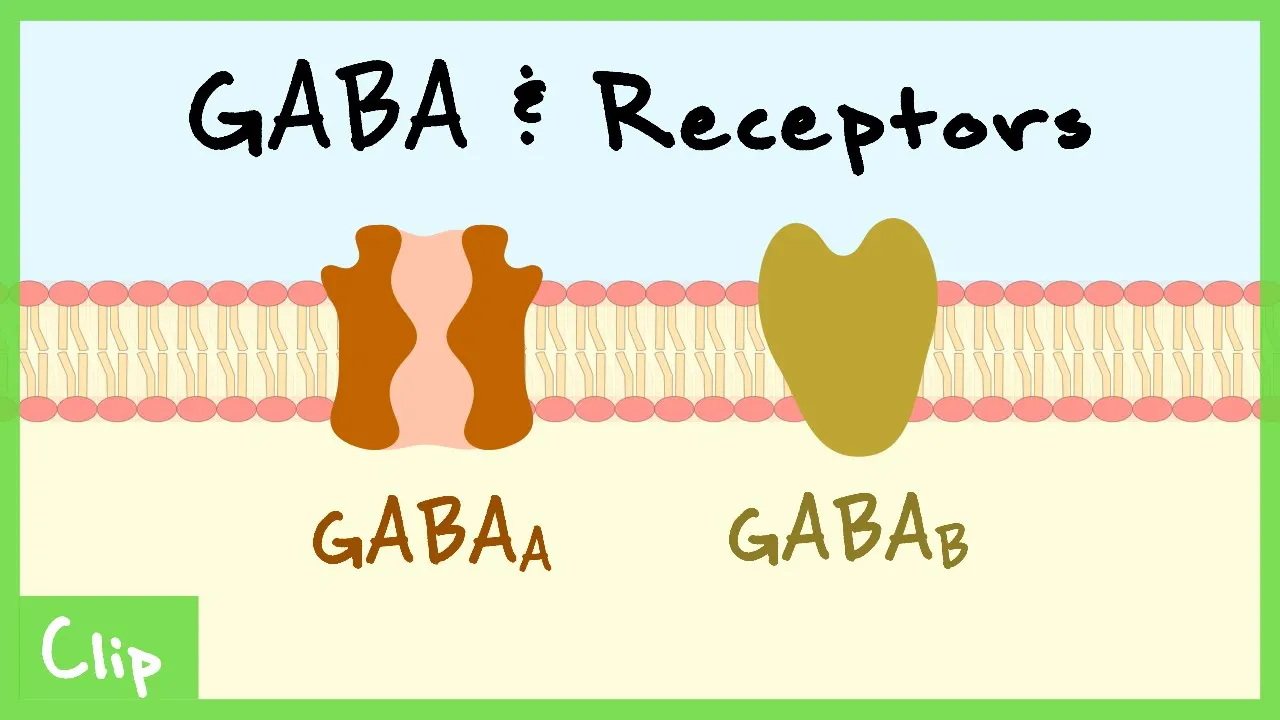
15:01
GABAergic Synaptic Inhibition: GABAa, GABAb, and Shunting Inhibition | Neuroscience
@sciencewithtal
31.9K views•2023-04-05
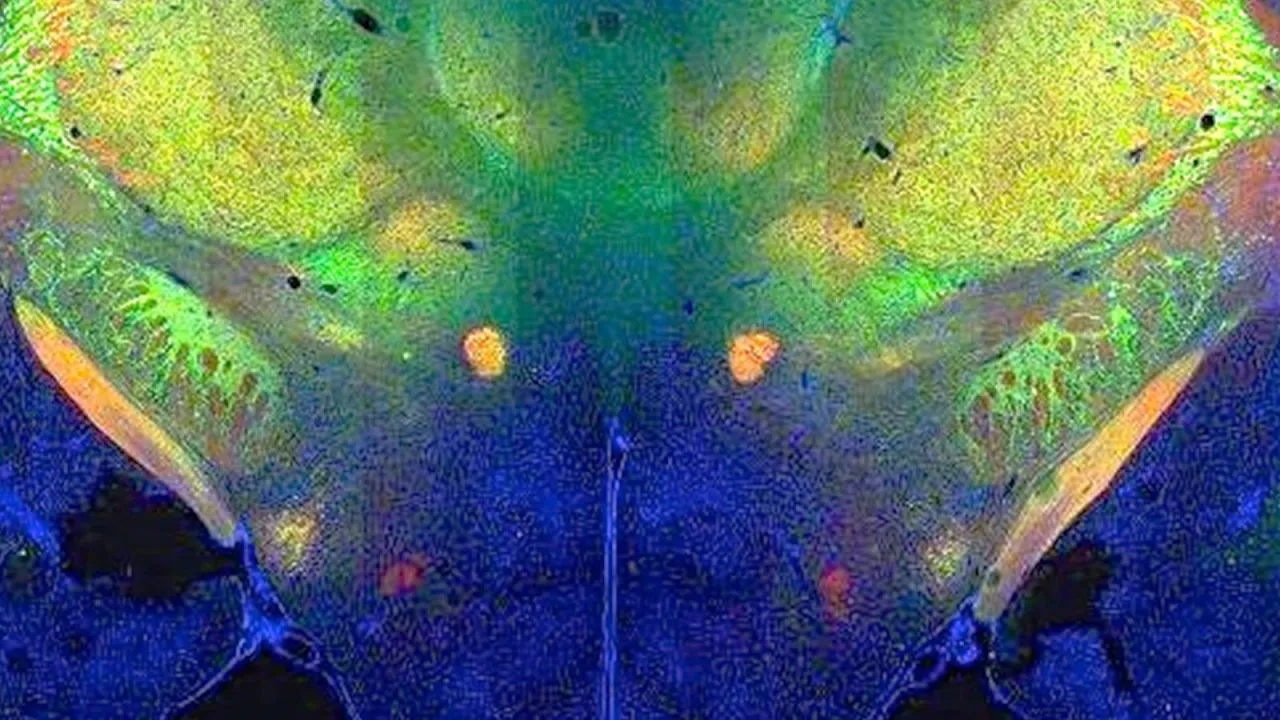
21:55
Deciphering Neural Circuits Controlling Anorexia in Mice | Richard Palmiter
@AllenInstitute
2.3K views•2011-10-10

4:10
Vagus Nerve (CN X): Anatomy, Nuclei & Functions Explained
@Alilamedicalmedia
305.2K views•2022-10-31
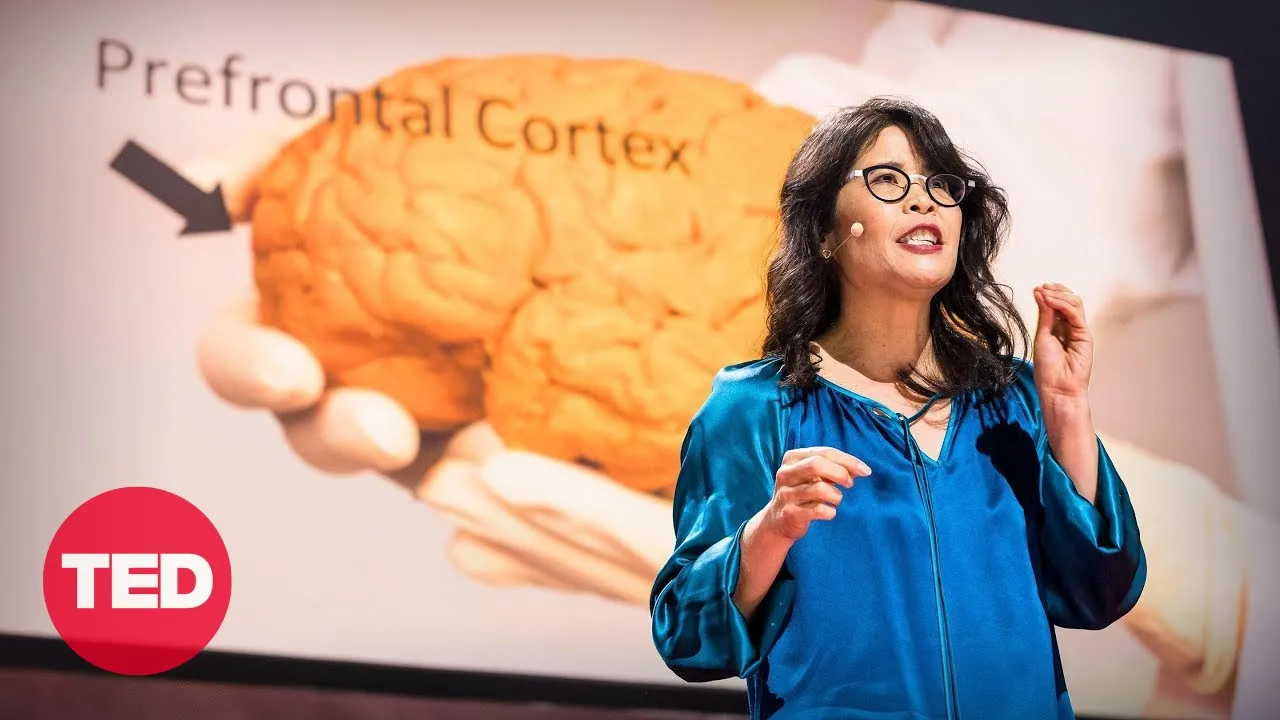
13:03
How Exercise Benefits Your Brain: Science Explained
@TED
11.4M views•2018-03-21
Related Study Plans & Knowledge Roadmaps
Structured learning paths in Neuroscience
neuroscience
Appetite Regulation: Brain Circuits & Hormones
01Foundations of Endocrinology and Brain Anatomy
02Introduction to Energy Homeostasis
03Peripheral Signals: Leptin, Ghrelin, and Insulin
+ 2 more learning modules
14h5 modules
Explore Roadmap
neuroscience
Neuroeconomics: Value, Risk & Brain Mechanisms
01Foundations of Neuroscience and Brain Anatomy
02Introduction to Neuroeconomics and Subjective Value
03Dopaminergic Prediction Errors & Reinforcement Learning
+ 3 more learning modules
18h6 modules
Explore Roadmap
neuroscience
Spatial Navigation: Cells, Grids & Brain Maps
01Foundations of Brain Anatomy and Memory
02Place Cells and Head-Direction Cells
03Grid Cells: The Brain's Coordinate System
+ 2 more learning modules
12h5 modules
Explore Roadmap
neuroscience
BCIs: Neural Decoding & Prosthetic Control
01Neuroscience Foundations: How the Brain Signals Intent
02Signal Acquisition: Recording the Brain's Activity
03Neural Decoding: Translating Brain Waves into Data
+ 2 more learning modules
25h5 modules
Explore Roadmap