




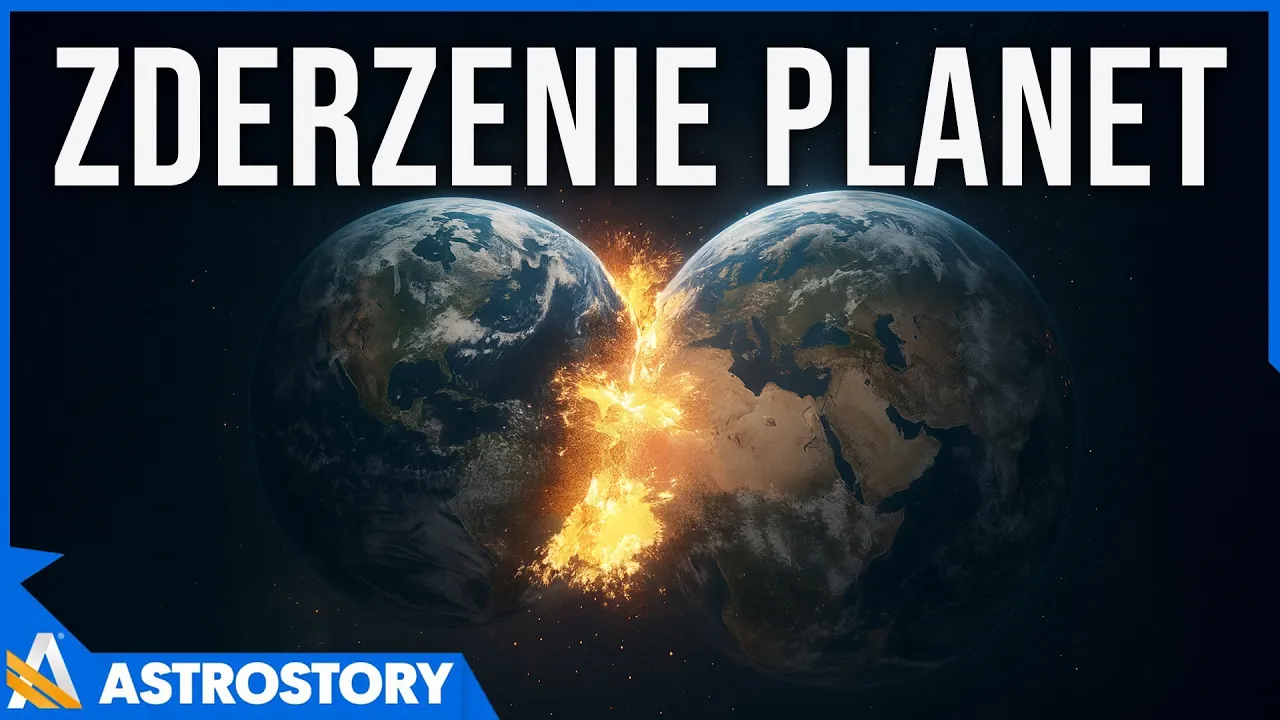











Tidal heating occurs when gravitational forces between orbiting celestial bodies create stress and friction, generating internal heat; this effect intensifies dramatically when bodies orbit extremely close to each other, potentially causing them to break apart, form rings, or be consumed by more massive objects like black holes, as demonstrated through simulations of Earth-Moon, binary planets, and black hole interactions.
Tidal Heating and Stress in Universe Sandbox 2 Experiments
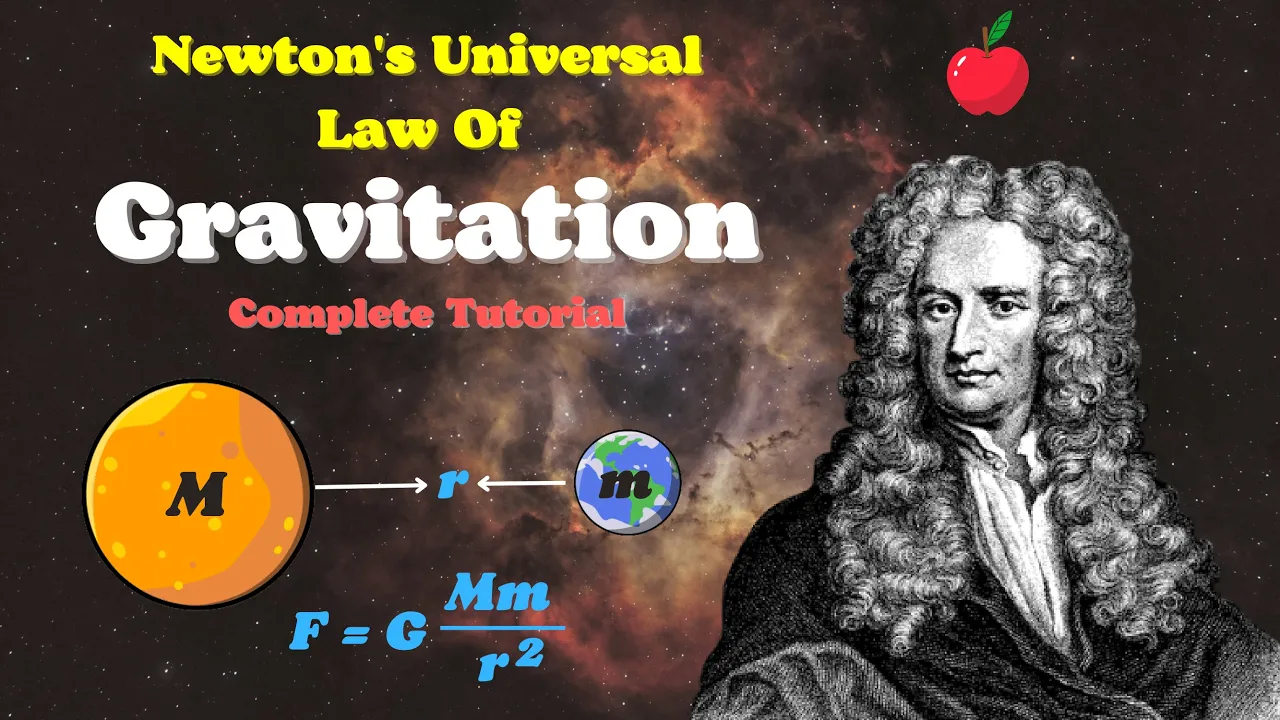
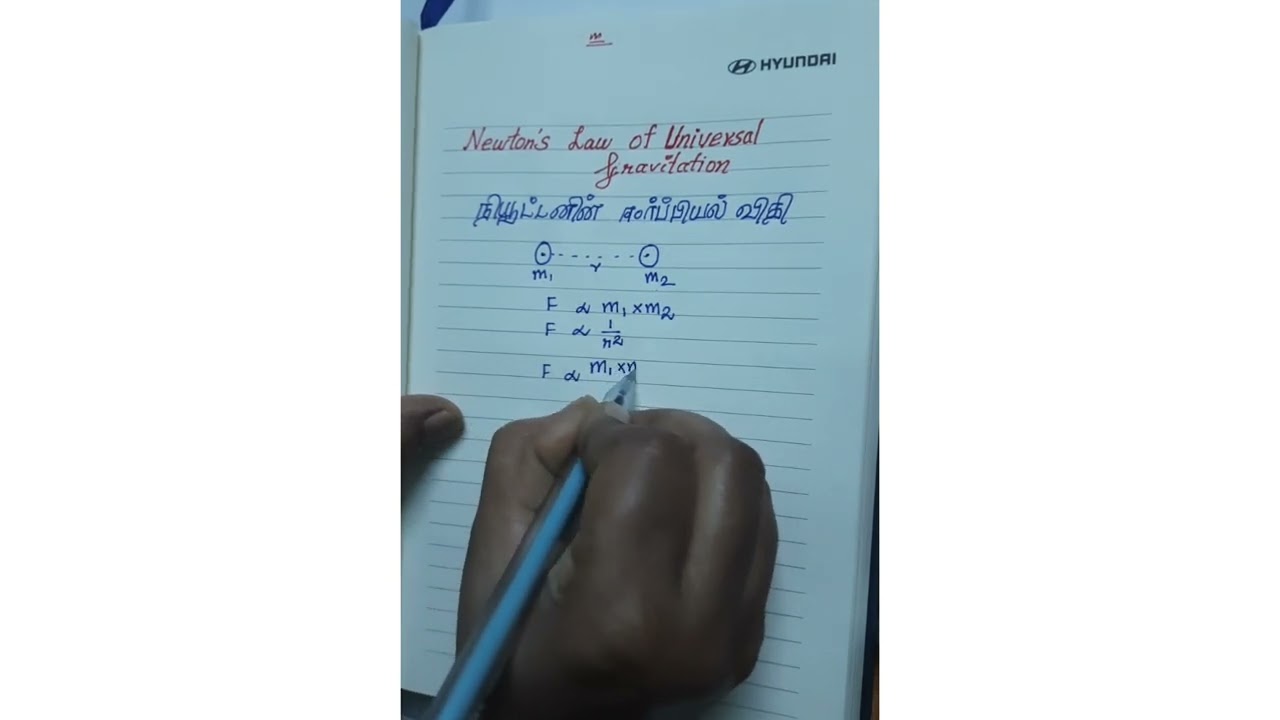
Added:Newton's Law of Universal Gravitation: Understanding how gravitational force decreases with the square of the distance between two masses.
Differential Gravitational Forces (Tidal Forces): The concept that gravity exerts a stronger pull on the closer side of an orbiting body than on its far side.
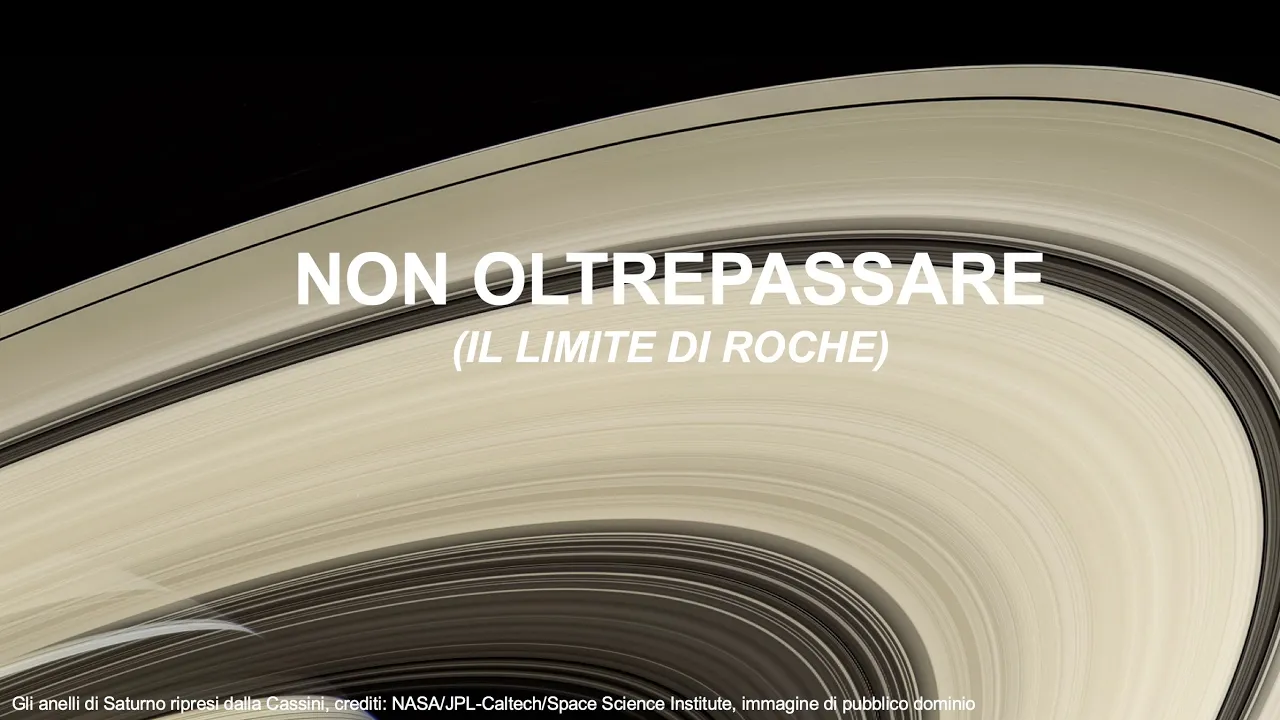
The Roche Limit: The theoretical boundary within which a celestial body, held together only by its own gravity, will disintegrate due to tidal forces.
Basic Orbital Mechanics: Familiarity with orbits, eccentricity, and how distance affects orbital speed (Kepler's laws).
Real-World Tidal Heating Case Studies: Investigating active volcanism on Jupiter's moon Io and the subsurface oceans of Europa and Saturn's moon Enceladus.
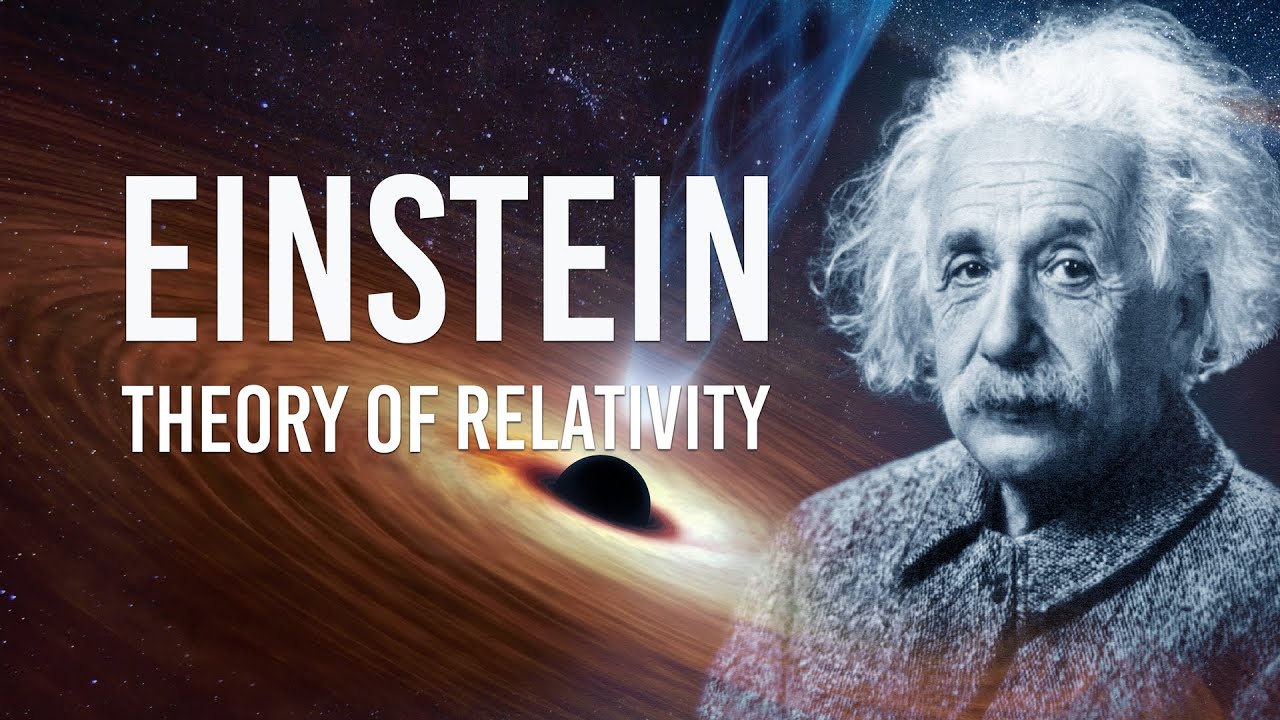
General Relativity and Extreme Gravity: Exploring how Einstein's theory of spacetime curvature explains gravitational effects near black holes, including severe spaghettification.
Tidal Locking and Orbital Evolution: Studying how tidal friction slows planetary rotation over time and leads to synchronous orbits.
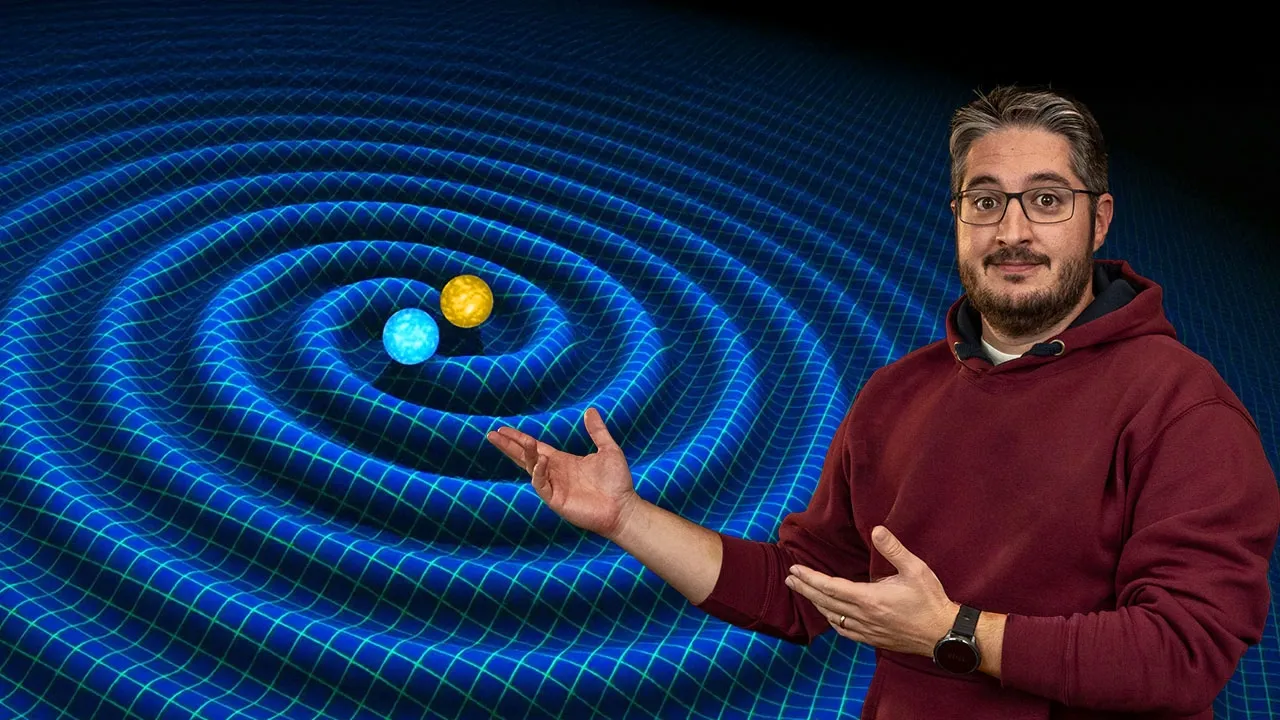
Gravitational Wave Astronomy: Learning how extreme tidal interactions in merging binary systems (like neutron stars or black holes) generate detectable ripples in spacetime.
167.2K views2.9Klikes10:50Original Release: 2016-10-12
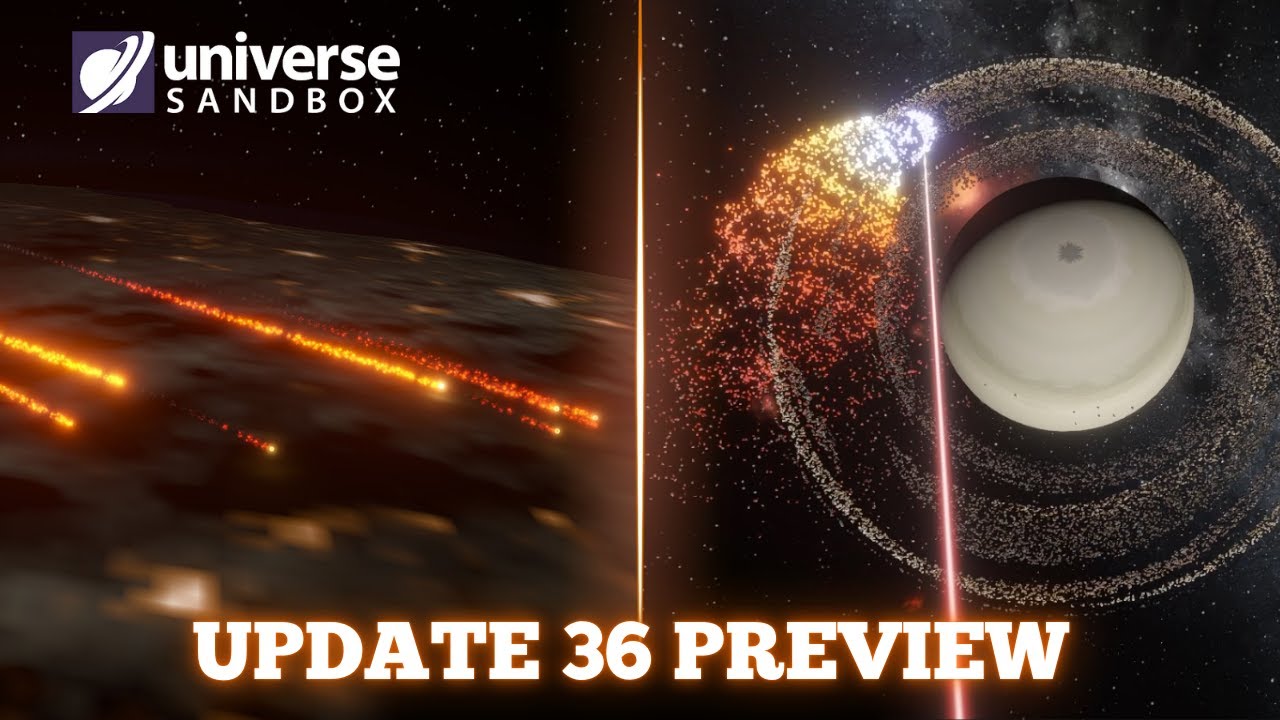
there is also something else in this update is that tidal heating tidal forces from those who aren't aware as when two bodies are orbiting each other let us take the moon and the earth for example there are forces there are forces acting on the planet there are tidal forces that's what causes all of the that turns all the oceans and causes a lot of tech not tectonic activity on the planet is the moon essentially pulling on the earth and the earth pulling on the moon and vice versa and that causes stress on the planet and that stress causes heating I think it makes sense in my head I think that's what causes the heating tidal tidal heating correct me if I am wrong I don't have a physics degree we are going to make the moon orbit the earth very very closely and we are going to observe using our scientific method will this heat up the earth in any kind of capacity so let's make it orbit super slow this down also or a bit super super close super super close ok the it's actually orbiting so close the moons orbiting so close it's ripping the moon apart - I love it - I have no words that is awesome oh my God look at that it's just following the orbit and there trickle and down look at it's actually going into the atmosphere hole Lee Jesus I want to do this with more things I want other moons to get ripped apart this moon is heating up I trust that this is how it works this would actually happened the moon is getting smaller I think too like they add damn this thing is this gonna be nothing in a second we are creating a ring for the earth I want to see if it eventually just becomes nothing like will it be will it get to a size where like it can actually be stable it will still be the moon but it'll be so small that it's just like the size of the International Space Station it's such a small ball such a tiny ball oh look at the ring is stabilizing it's a stabilizing in this orbit go moon go follow your friends in unison there in harmony we do not expect that that happens just so just think it's like oh tidal heating it just means that it's just gonna get hot it's like it might be exciting I just want to check it out because that was that was cool that is one of the coolest things I've seen happen like one of the biggest surprises events since I've recorded these I'm gonna make - or earth I had a fight for their dominance who's gonna be the dominant earth in this system here alright and their binary orbiting so they're gonna have stress on each other will they just merge together oh this earth oh god I'm kind of losing losing track here this earth is stealing the rings from the other earth he is sucking them all up and this earth is gonna get pissed and he's gonna be like no I want my rings back or maybe since they are equal in mass that this won't happen they'll actually orbit in unison so heat up the planet heat up enough keep spinning it around spinning it around spinning it around oh Jesus I think I just glitched the game out they finally hit each other alright I want to uh lets us do a blank simulation then so maybe you like maybe this is work with the earth let's try two moons orbiting each other so close they're gonna be like I don't even know bolos or something like a couple bolos and you're going hunting see that's that oh okay it's causing a swarm of bees to engulf the moon okay apparently when the moon's two moons are equal and mass orbit each other you get the bees the bees from space space bees and let's get Mars orbiting each other Mars is gonna orbit there roughly right there and let's slow it down boom oh god is it sucking the life out of Mars Mars it's getting so tiny oh my god Mars you're getting so small Mars are you okay Mars what happens when Jupiter sucks up Uranus are you gonna suck up your anus something's happening nothing's happening it's actually taking rocks from Uranus holy huh well that was different we're forming planets we just form another gas giant and then it fizzled out into more gas and then what's this it's gonna fizzle out and two more gasp what is going on here dad is different that is different police box we'll be right there insanely close to the planet huge difference in mass will the police box the zoom in there we go Jesus that is how that is what it's like being that close to Jupiter will the doctor survive the doctor is surviving the doctor is stronger than planets not really I think the doctor is invincible the doctor can handle anything I have to I have to try since we're talking about orbits when something when there are as a huge pull of gravity as something is like really close to a planet you get a lot of stress so of course I need to try this on a black hole I gotta throw a black hole into this let's just start out with good old Sagittarius a and we are gonna put the earth at the event horizon of Sagittarius a and let's see the effect on earth when the earth is about to get sucked into a black hole don't explode on me don't explode on me just yet alright earth that the event horizon this is milliseconds per second and I can't even keep track of the black hole are you heating up in any way this is 7 o it's happening the forest oh my god this is only seven seconds per second to all of the rocks are like getting sucked into the black or something no they're following oh my god we can't even comprehend what is going on Jesus we've got like that bounce the effect happening and we seen multiple rocks this is maple faster it's like earthquake holy it's orbiting around this black hole so damn fast stay centered on the screen Jesus the effect that it has on all of the rocks this is 30 seconds per second does keep in mind Sagittarius a is the center of our galaxy our Sun orbits Sagittarius a and earth is going around it the radius is that many many many many many many many many many many kilometers that actually pull out smaller than expected food still still we're orbiting it thinks insanely fast the force the force on the planet right now I'm surprised this thing is still standing the earth is about to reduce to rubble it's gone forever it has been consumed by Sagittarius a we actually just witnessed a very I think slow motion spaghettification of the earth but it just kind of broke it up into rocky pieces but it was getting elongated all the rocks were elongated along the black hole that's all it is I think that's all it is is that you had the he had the earth then you had the moon the earth was just spaghettify the until all the pieces got sucked into that gravitational object and that's all a black hole is it's just a really extreme version of a gravitational object where light cannot alright I'm thinking I am going to try and really come up with the strange strange scenario here are gonna have Mars our starting position here is Mars and we're gonna bring include out because we have to bring in Pluto I'm very disappointed that Pluto is not to envy the planet section blue is in the the minor section do you fear your minor section we're gonna have Pluto far sorry Mars picking on Pluto Pluto although Pluto is kind of starting to fight your Pluto's like a a Mars you're not that big and Mars this can be like oh yeah oh yeah and then Pluto's confidence is this no it's gonna try the spaghettification will happen that is that's basically what's gonna be going on here but that is just part one of this scenario we need to have a part two you have to throw a mix in here ah yes sooo Pluto is going to have Kara Keough Cherokee Oh orbiting it there we go we've kind of got like a weird double orbiting system going here but but I want to do something more Titan is going to orbit this entire system I guess Titans gonna be right here is it's gonna be like yo I don't know it's like you guys are fighting here Pluto's got like his small friend trying to confront Mars and it tightens like I don't know if I should intervenes like I don't really know them that well it's like I got like this bystander effect happening of Titan he's gonna be witnessing the fight okay alright let's see let's watch it sparkles happen here Oh Pluto I kinda got torn apart really fast and I couldn't really even tell what was going on too and it's like holy man Titans actually getting closer Titan what are you doing Titan it's gonna get torn apart maybe Mars it's like that's right go tell all the other Jupiter boots what you just saw I tore apart Pluto now is right get with me maybe Titan will just freezin if you're oh no oh god you're getting some of the Pluto blood all over me I can't holy and then in the middle of all of this fight let me just manage to a terraform Mars totally just made Mars habitable Pluto has the answers to everything look at this we got the constants we beat this maybe Elon Musk's dream come true all right we gotta analyze this do we have possibility of life we're losing all the water now what's happening is all the heating is it's Titans it's all Titans fault I think Titan is ruining everything we're heating up okay now they're starting to dance with each other Mars is getting heated up by Titan but Titans not really feeling any of the effects maybe Titan maybe he's like one of those quiet dudes who's like yo no I know I don't want to the pacifist I say Titan is actually heating up too it just hasn't really gassy atmosphere okay after fast-forwarding this a lot Mars now has an 80% similarity to earth we got the water this is working out splendidly but doesn't seem like there were like really tearing each other apart though I think these two are just destined to dance with each other so I think I will leave it at that I hope you guys enjoyed this because I certainly did and I will I'll see you all later [Music]
Up Next
32:15
Tidal Stresses and Cryovolcanism on Icy Satellites | Planetary Science
@LPIUSRA
245 views•2018-08-27
61:17
First Billion Years of the Universe with the Square Kilometre Array
@iaaudc
121 views•2022-05-26

6:25
Kepler's Laws of Planetary Motion Explained (Educational Astronomy Video)
@Peekaboo_Kidz
404.9K views•2023-02-17
6:10
Gamma-Ray Bursts: Cosmic Snipers Explained | Astronomy
@kurzgesagt
15M views•2016-07-31
Related Study Plans & Knowledge Roadmaps
Structured learning paths in Astronomy
astronomy
Reionization: Pop III Stars, IGM & 21cm Line
01Foundations of Cosmology & the Early Universe
02Population III Stars & Cosmic Dawn
03Physical Mechanisms of Reionization
+ 2 more learning modules
17h5 modules
Explore Roadmap
astronomy
Planetary Rings: Dynamics, Roche & Resonances
01Foundations of Gravity and Orbital Mechanics
02Tidal Forces and the Roche Limit
03Structure, Composition, and Collisions
+ 2 more learning modules
10h5 modules
Explore Roadmap
astronomy
Asteroseismology: Stellar Waves, Ages & Cores
01Foundations of Stellar Astrophysics & Wave Mechanics
02Stellar Oscillation Modes: P-modes and G-modes
03Mathematical Framework of Asteroseismology
+ 2 more learning modules
35h5 modules
Explore Roadmap
astronomy
Adaptive Optics: Physics, Engineering & Control
01Foundations of Wave Optics and Wavefronts
02Atmospheric Turbulence & Optical Distortion
03Wavefront Sensing Technologies
+ 3 more learning modules
35h6 modules
Explore Roadmap