






















Radio astronomy is a branch of astronomy that uses radio waves to observe the universe, revealing phenomena invisible to optical telescopes such as black holes, cosmic microwave background radiation, and neutral hydrogen clouds; it began with Karl Jansky's discovery of cosmic radio noise in 1932 and has since become essential for understanding the universe, with amateur astronomers now able to participate using affordable equipment like software-defined radios and simple antennas to detect signals from celestial objects including pulsars and Jupiter's radio emissions.
Radio Astronomy Introduction: From Jansky to Modern Amateur Observing
Added:The electromagnetic spectrum, specifically the properties of radio waves compared to visible light.
Fundamental wave mechanics, including the relationship between wavelength, frequency, and propagation speed.
Basic principles of optical telescope design, such as aperture size, light-gathering power, and angular resolution.
Introductory electronics, particularly how antennas intercept electromagnetic radiation and translate it into electrical signals.
Radio interferometry and aperture synthesis, exploring how arrays like the VLA or ALMA operate.
Astrophysical radio sources, including the physics of pulsars, quasars, and the Cosmic Microwave Background (CMB).
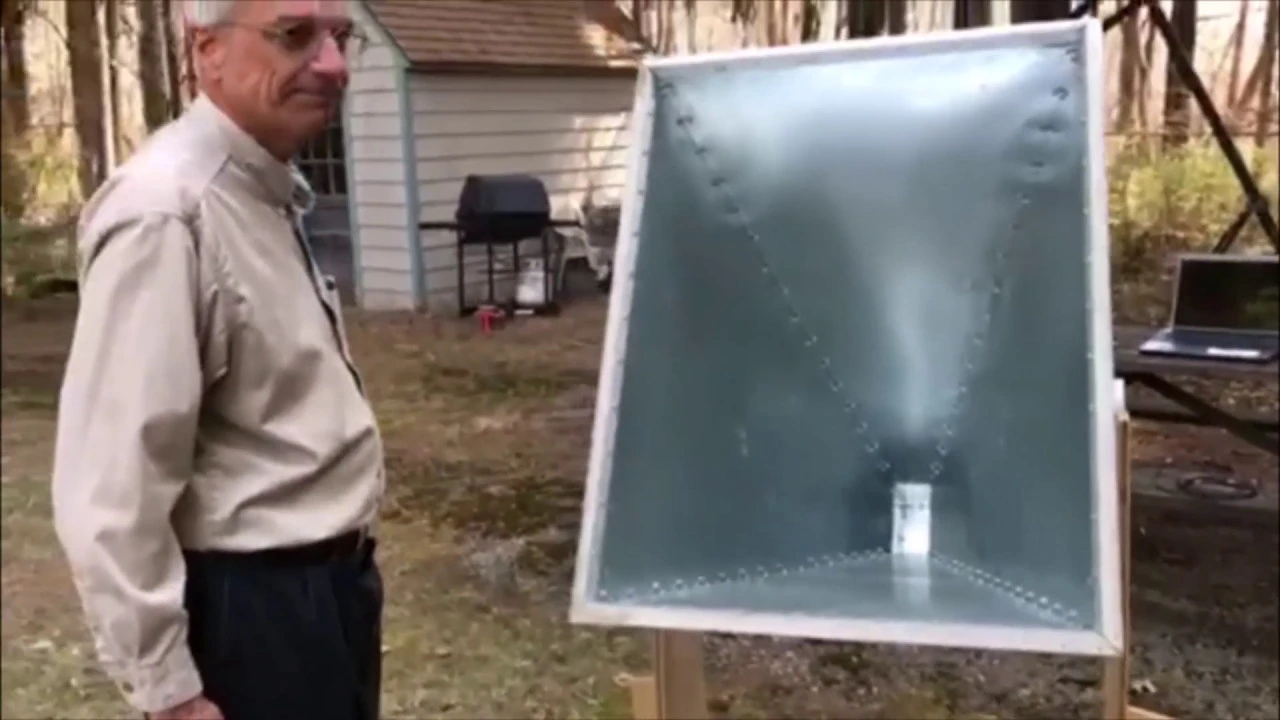
Amateur radio astronomy projects, such as building a horn antenna to detect the 21cm neutral hydrogen line of the Milky Way.
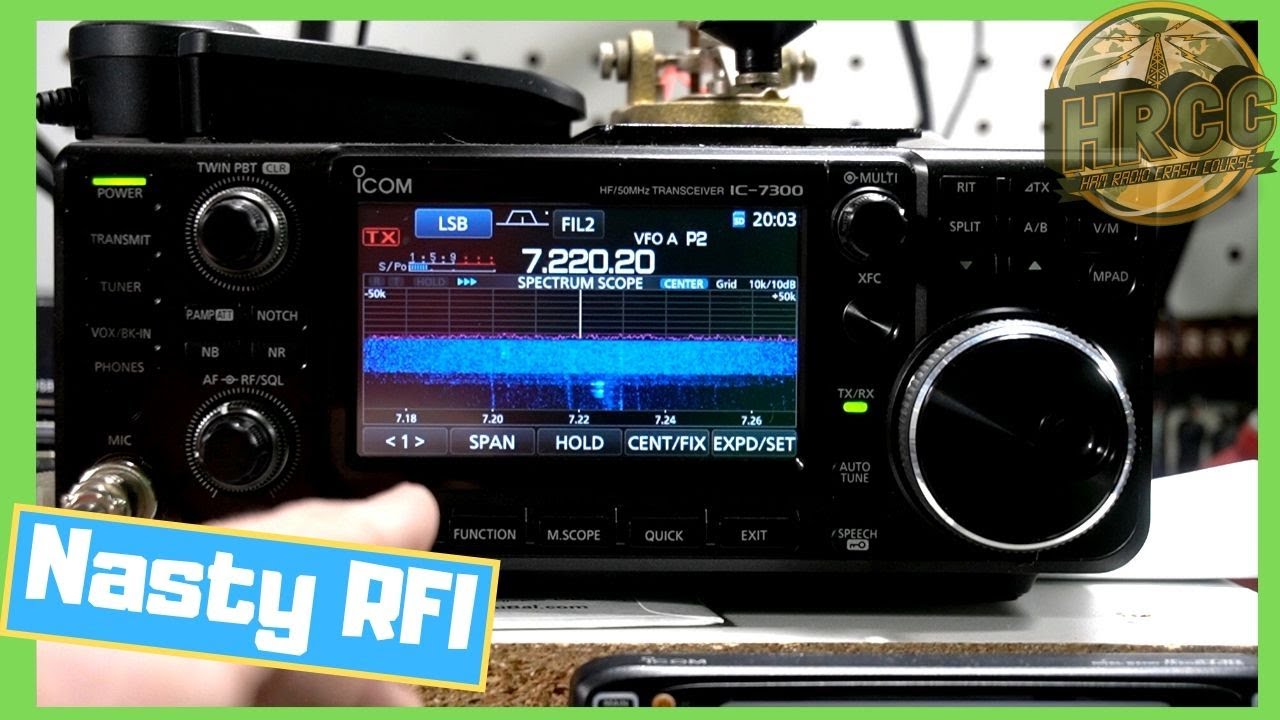
Signal processing and data reduction techniques, including filtering anthropogenic Radio Frequency Interference (RFI).
Collaborative Pro-Am initiatives, such as NASA's Radio JOVE project for monitoring Jupiter's decametric radio emissions.
18.5K views561likes41:52Original Release: 2022-07-20
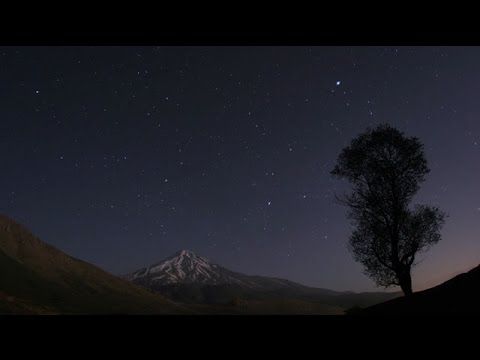
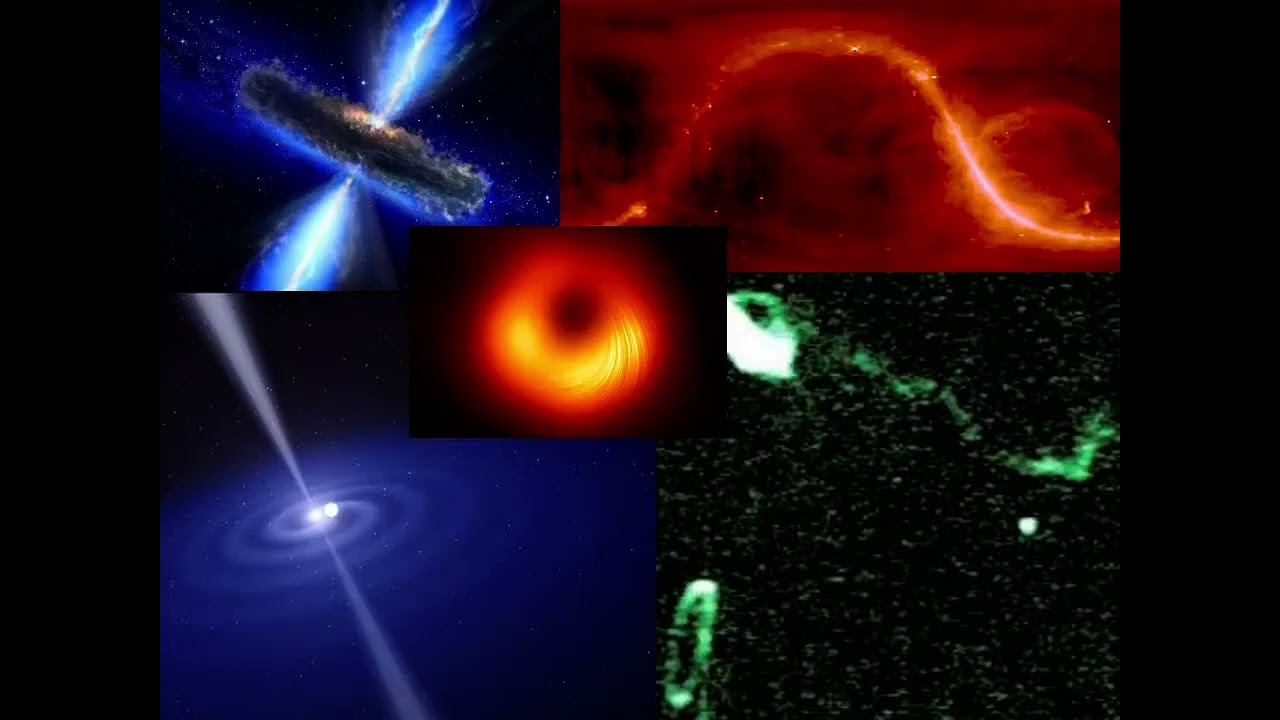
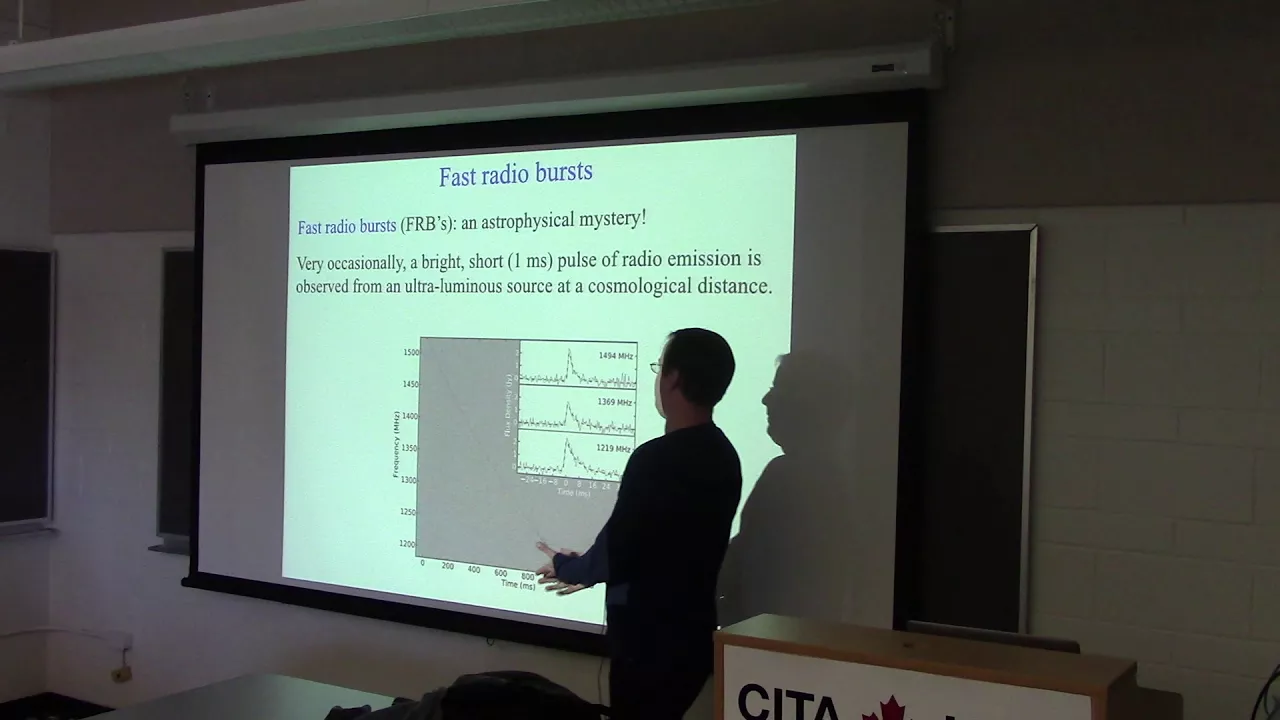
hello my name is ed harfman and i'd like to give you a brief introduction to radio astronomy radio astronomy obviously is the use of a radio to tune in the universe fact only a little over a decade ago over 65 of our knowledge of the universe was provided by radio astronomy astronomy is an ancient science or at least it is now it was probably started by ancient hunters who needed to know when migrations were likely to happen by noting when stars rose at certain times of the year and traveling to different regions they found their prey alternately farmers needed to know when to plant their crops again by noting when stars rose at certain times of the year and planting them they had better crops as those patterns were predictable and repeatable they knew the date and therefore knew it was time to plant their crops or travel to new hunting grounds given knowledge's power the knowledge eventually got obscured from the masses so that only chiefs priests and astrologers knew how to predict the night skies and their influence upon us fast forward to today and you find that astronomy has definitely become a science and a scientific hobby that anyone can get into and enjoy its use for power and mysticism has waned the basic physics is well known and understood and accessible to everyone just do a web search for understanding astronomy and you will get millions of pages to view and learn from to continue the astronomy lesson as the earth rotates upon its axis in 24 hours we see our closest star our sun rise and set looking towards the poles of our planet we can easily observe the star trails that are famous in photographs such as this one we orbit around the sun in a year and as we do so we start to get to real astronomy as the earth orbits the sun the background stars at a given time of day shift position this constant shift is what we have to adjust for in order to gather information and share it in a coherent manner this is where star charts come into existence standard star charts have been created over the years make them usable by everyone a convention of three items has been accepted first directly up from the earth's equator is zero degrees directly up from the north pole is 90 degrees north second at the spring or vernal equinox the line directly from north to south pointing straight up at the sun is declared the zero hour angle third greenwich england observatory is defined as the zero point for longitude by knowing these three items a simple equation will convert from the observer's current location and date and time to what would be overhead using any star chart this lets all observers agree about where they are looking in the night sky and therefore compare notes about what they observe there so what is up there from the smallest to the largest we have gas on average about one atom per cubic centimeter small bodies such as dust and meteorites that might be found in a comet's tail larger bodies such as the comet itself asteroids planets such as planet earth stars like our sun large clouds like the helix nebula galaxies such as the andromeda galaxy with the exception of the helix nebula all of these types of objects are visible to the naked eye note that each of these is constantly changing comets brighten and dim on their way through the inner solar system sun sunspots come and go nebula are either forming new stars or the results of stars dying galaxies collide every time we observe something it may be the first time it's ever been observed where does the information about the universe come from for astronomers electromagnetic or em waves are almost all that they have had to work with until the recent discovery of gravity waves we will only discuss em waves as these are the only things that can be observed by a hobbyist both optical and radio waves are electromagnetic waves the only difference between them is the color or frequency of the waves there are basically three mechanisms that generate em radiation the first is black body radiation for a solid everything above absolute zero gives off energy in a range of frequencies if your receiver is sensitive enough or your source is close enough then you can pick up that radiation this means that we on earth can feel the heat of the sun on a summer's day that is the good news the bad is that the curves or intensity drop by one divided by the wavelength multiplied by itself five times in other words picking up black body radiation other than from the sun or something on earth with a radio receiver is almost practically impossible for the ammeter a second source type is elemental or quantum emissions all elements and molecules absorb or emit energy at certain colors of light therefore if an element is somehow excited it will emit light at certain colors if it is not excited but light of that color hits the element it will absorb the light and re-transmit it at a later time in a random direction while this chart shows the optical lines for several elements there is quite a list of radio frequencies that molecules emit at that are important to radio astronomy in fact here is a part of that table this is just a small part of a long list of elemental and molecular frequencies that are important to radio astronomy notice quite a few are easily within the range of equipment that is commonly available you just need enough sensitivity to detect the emission and a quiet enough location to not have man's emissions drown out these signals the hydrogen line above is actually accessible to the beginner with the most modest equipment okay for those who took chemistry in high school or college you might remember the various emissions series for hydrogen the lyman balmer and other series none of these series got down to 1.4 gigahertz which is a well-known radio astronomy frequency for hydrogen so where does that admission come from the hydrogen line is given off as the spin of the protron and the electron go to the ground state it has a half-life when half of the atoms have reached their ground state of about 11 million years lastly on our list of source mechanisms is bremstrom grems troweling or breaking radiation is when a charged particle such as an electron is forced to change its direction either by another charged particle or a magnetic field an example of this is when electrons in the solar wind get deflected by magnetic fields of planets synchrotron radiation which is just another form of brimstrolling is when relativistic electrons are in a weak magnetic field this type of radiation is detected from jupiter in the 20 megahertz range as part of the radio jove project when you add up all of these various sources you find that radio signals generated by the cosmos vary with frequency and you can find that at low frequencies you don't need as sensitive equipment to easily hear the cosmos note that at about 73 megahertz that the galactic noise is very high and our atmosphere is relatively quiet this makes it easy to observe in this region sadly this is also where a lot of terrestrial transmitters operate so observing in this range is challenging but not impossible the water hole which is where the hydrogen line at 1.4 gigahertz is located is easy to spot in this graph as a low noise area from both cosmic and terrestrial interference the waterhole is observed by the various seti studies to try to find life elsewhere in the universe now practically there is another reason for radio astronomy to observe the cosmos this is the center of our galaxy in various wavelengths as you can see different wavelengths have different views of the exact same object each band has its advantages and disadvantages this illustrates the folly of thinking that what we see with our eyes is all there is to be known of our universe until telescopes were put into space only the optical and the various radio views were available to scientists radio is really the only way we can see the center of our galaxy from the ground if you look at the optical image you only see the dust that is between us and the center of our galaxy so what sort of information has radio astronomy provided that our eyes and optical telescopes haven't been able to provide some of the major discoveries include imaging a black hole non-thermal radiation from our galaxy and many other astronomical sources coherent maser line emission from interstellar ions and molecules cosmic microwave background radiation from the big bang neutron stars evidence for dark matter deduced from the hydrogen line rotation curves of galaxies and even dark galaxies extrasolar planets indirect but convincing evidence for gravitational radiation these and many other discoveries have made radio astronomy a key part of gathering knowledge about our universe history you say it's always interesting to see how something came into existence with radio astronomy you have some interesting situations and missed opportunities carl jansky is recognized as the father of radio astronomy working for at t he was tasked with finding out whether shortwave radio could be used for transatlantic communications he found three noise sources that would interfere with these plans human made such as the ignition systems from cars at the time natural earth such as thunderstorms and a faint steady hiss of unknown origin at first he thought it was the sun but using this antenna he found the noise source repeated every 23 hours and 56 minutes not every 24 hours and that the strongest source was in the constellation of sagittarius he published the results in 1932 while he wanted to follow up on his discovery that the universe was a radio source and proposed a 100-foot dish to at t a t was not interested and being of poor health he had to abandon his discovery and move on to other tasks his work and insight is honored by the community by declaring that the unit of power measurement in radio astronomy would be the janski a replica of this antenna is on the grounds at green bank observatory grot reeber was a ham operator and worked for several radio manufacturers designing receivers he discovered some of carl's work in 1932 and was inspired to build his own radio telescope in his mother's backyard he built this 31-foot dish and started observing the skies by the way this actual telescope is at the green bank observatory he started observing at 3 300 megahertz then 900 megahertz and was unable to observe anything but after moving to 160 megahertz he had success the spikes on these graphs are ignition systems from cars but the bottom of the curves showed the outline of the milky way and the position of the sun while these were interesting graphs people relate to pictures so he took a lot of curves and started making contour plots he surveyed the sky and produced the first plot of the milky way in radio frequencies some observatories were put together but the depression and world war ii initially interfered post-world war ii astronomers were concerned with other topics and they thought that most emissions would be thermal in nature and therefore radio astronomy would not add a lot of information therefore since optical had higher resolution at least at that time the thought was that you could learn everything from optical telescopes however in the 1960s that changed one event in the early 1960s was with martin schmidt who was using both radio and optical telescopes to measure the optical spectra associated with radio sources he found some very bright radio objects in the sky but initially could not find a bright optical object to associate with the source he had to use a 200-inch telescope at mount palomar to find his sources one object that he found at mount palomar was a quasi-star-like object that had remarkable properties such as a very high redshift sadly the radio telescopes of the time had very low angular resolution so the various astronomers were not convinced the object found optically was the same as the radio object source fortunately this object 3c273 was going to be occluded by the moon five times over the next few years therefore by monitoring the exact time it disappeared and reappeared they knew its location in the sky they then definitely found the optical object but a lot of confusion ensued as to what these things were and how far away they were the astronomers finally decided the objects must be very far away the only far away object that matched the observations was a supermassive black hole that was actively feeding this was the first recognized radio galaxy accidentally discovered by arno penzazz and robert wilson the cosmic microwave background was initially thought to be noise due to pigeon poop in the antenna they measured a temperature of about 3 kelvin wherever they pointed their antenna the steady state universe proponents calculated that a 2 kelvin temperature would result from scattering starlight as a non-thermal spectrum after more measurements were taken the radiation was shown to follow a thermal black body curve this was part of the body of works used to change the big bang from a joke into the leading candidate for how the universe was created and evolved in 1967 in cambridge england jocelyn bell burnell was studying under dr anthony hewish dr hush was studying the scintillation of em waves in the interstellar medium he had mrs burnell supervise the construction of a radio telescope out of over 2 000 dipole antennas and collect the data from that telescope while studying the data mrs burnell found something strange remember that at this point you had to use pen chart recorders to record your data so there were thousands of feet of charts to go through every single day a cosmic source was producing pulses at the rate of a pulse every few seconds mrs burnell brought this to the attention of dr hewish this source was designated lgm1 for little green men one after some reflection dr hush decided that the source was actually what had been a fringe theory from fritz zwicky to this point a pulsar dr hewish went on to receive the nobel prize which he shared with fred hoyle hoyle sharply criticized hewish and the nobel committee for leaving jocelyn out of the prize however in her own words i believe it would demean nobel prizes if they were awarded to research students except under very exceptional cases and i do not believe this is one of them fast forward 50 years and mrs burnell was awarded the breakthrough award on september 6th 2018 for her part in the discovery of pulsars and her vast leadership in the field of astronomy so what is a pulsar you might ask pulsars are the remains of a large star that blew up most of the star is blown off to form a nebula the core of the star is compressed until it becomes almost nothing but neutrons these stars are about the size of a large city about 10 miles across they provide for beamed radiation due to particles moving down the magnetic field lines to the poles this radiation can be exceptionally bright and due to the star spinning can appear as a flash at up to almost a thousand times per second hence the star pulses energy in that beamed radiation and is therefore called a pulsar a slowly spinning pulsar is b1933 plus 16 which is spinning about three times per second pulsar b0531 plus 21 has been observed optically for years by almost everyone who has ever looked through a telescope no one could see the flashing as the light was faint in comparison to the crab nebula that it hides within it spins at about 30 times per second and sounds like this a faster spinning pulsar is b197 plus 21 which is spinning at over 600 times per second just think these sounds are being made by something the size of a large city spinning multiple times per second i'll note that pulsars are only directly observable for each pulse by a very large telescope much larger than amateurs normally have access to these three discoveries and many other discoveries and realizations changed radio astronomy into a serious astronomical tool of discovery is the radio sky really that much different than the optical sky that we can see with our eyes this is a view of the sky at 408 megahertz you can clearly see the outline of the milky way in the center of the galaxy the brightest object in our radio sky the sun is visible there too however excluding the sun the brightest object is not our galactic black hole but rather is located in the upper left as a small object that is exceptionally bright cassiopeia a is that bright object as you can see on the left in an optical telescope the area is fairly plain but in radio the same area is dramatically different this object is the result of a supernova that is glowing in radio frequencies it is interesting to see what professional astronomers have to use and where so much of the knowledge of the universe has come from while the amateur is not able to get a huge dish the electronics available today to the amateur would be the envy of the professional astronomer of only 20 to 40 years ago this is the 500 meter aperture spherical telescope in china which saw first light in september of 2016 at 1600 feet in diameter this scope currently holds the brass ring for the largest single radio telescope the very large array or carl sagan array is another of the world's premier astronomical radio observators it has 27 movable radio antennae each 25 meters in diameter in a y-shaped configuration the antennae work together as one large antenna as the individual antenna move apart the resolution increases at their maximum distance of 34 kilometers apart the facility is able to get.04 arc second resolution hubble's resolution is 0.05 arc seconds how big is an arc second one arc second is approximately the angle subtended by a u.s dime at a distance of about two and a half miles the very long baseline interferometer or vlbi is actually radio telescopes that are located around the globe together they work as the vla does and create a telescope that is almost the diameter of earth in size by creative use of the distances between the various telescopes and a lot of computer power the vlbi has a resolution of 170 micro arc seconds this is how the professionals got their image of the event horizon of a black hole in 2019 and learned more about the magnetic fields in 2021 astronomers have also been using these telescopes to push einstein's equations to the breaking point while no new physics has yet been found the search continues as they gather new information while observing what is happening in the extreme environment around black holes and neutron stars this is the 100 meter radio telescope at green bank west virginia located in a radio quiet zone the site routinely does research in bands from 300 megahertz to 100 gigahertz the green bank telescope or gbt regularly observes signals in the microgensky area while this telescope does not have quite the resolution of the prior telescopes it is much more sensitive in other words the picture might be a bit more fuzzy but you get to see fainter objects however this was not the first huge radio telescope at green bank this is the original 300 foot radio telescope at green bank right before it collapsed on november 15 1988 a gusset plate failed which caused the whole structure to collapse the telescope had been in operation for 26 years it was designed for a much shorter life span but had its operation extended due in part to some of its many discoveries at that time the telescope was controlled from the building you see in the foreground which is very close to the scope so close that i-beams went through between the control room and the bathroom notice the brickwork doesn't quite match near the center of the photo the operator had just come on duty when the dish collapsed does the radio astronomy community work with professionals yes yes they do the amateur radio astronomy community is actively recruited to do observations there are several active collaborations going on now while the professionals have the sensitivity and resolution advantage without any doubt amateurs are able to monitor many bands and gather information from around the globe two of the most notable collaborations are the supersed program and the radio jove program which are in the slf and hf bands of this chart the amateur can observe in any of the bands shown super sid and radio jove are excellent projects to get started in radio astronomy observing in the shf band can be done in a limited manner very cheaply via the itty bitty radio telescope observing neutral hydrogen at 1.4 gigahertz is slightly more challenging than these projects but in some ways more rewarding in the hf and slf bands we use the ionosphere to our advantage as shortwave listeners can attest the ionosphere creates a waveguide that keeps low frequency signals trapped between the earth and the ionosphere whenever the ionosphere reacts to the solar wind from the sun the height at which waves get reflected changes if you had a transmitter to monitor you could just monitor its signal strength to detect changes in the ionosphere fortunately several transmitters exist around the world that are extremely powerful that are used at super low frequencies normally these transmitters are used to communicate with submarines we don't need to understand what they are transmitting we just need to know how strong of a signal we are receiving from them that premise allows super sid which is a stanford program to gather information about sudden ionospheric interferences the system works by monitoring blf radio stations which transmit at 15 to 30 kilohertz and watches their signal strength change whenever earth's ionosphere is disturbed by the solar wind the signal strength changes the system is easy to bring online for automatic data collection and upload to stanford the receiver is pre-assembled and creating the antenna is very easy technically the receiver is just a very low noise op amp and the sound card in most pcs the antenna is a simple loop antenna with that setup people around the world are submitting plots like these for professional research these plots were made of the signal strength of a 24 kilohertz transmitter on several days at a given location the signal strength is a direct reflection of what the sun has done to our atmosphere the observation of the radio universe shows the indirect effects of the sun and the cosmos upon our planet upper left a clear day devoid of flares from the sun upper right a day with several large flares these being m 1.6 and m 2.3 flares respectively the signal changes very quickly and over the course of an hour or two the signal recovers the graph on the bottom that day saw an amazing x 14.4 flare it took almost the entire day for the atmosphere to recover from this one flare's effect as a note the person that put this system together actually has the charts inverted from the way most of plots are usually displayed when you flip the chart over you get a nice shark fin another way to monitor the indirect effects of the cosmos on our atmosphere is to listen to fm stations bouncing off of meteorite trails a single antenna either fm or tv is all that you really need basically you point your antenna towards a restation that you shouldn't be able to receive and wait for a meteor to ionize the atmosphere and provide a brief reflected signal this can be done with a vhf ham rig or an sdr moving to direct measurement of an astronomical body jupiter has some interesting behavior that is easily observed with a shortwave radio when jupiter and io are in the correct positions you can hear a slide whistle effect however the behavior is more interesting if you look at a wider bandwidth than just the audio range with more bandwidth you see that the signal being received from jupiter is changing in intensity and frequency over a large range at the same time this effect is caused by electrons and ions caught in jupiter's magnetic field coming into the magnetic poles of the planet as they do they give off synchrotron radiation of increasing frequency as they get closer to the poles and its closer magnetic field lines there are two known interactions the l and s bursts they are relatively well understood itty bitty radio telescope is possibly the easiest radio telescope to put together and it is a great proof of concept just turn it on and you have a radio telescope at 12 gigahertz with a three degree field of view the only modification to the electronics over what is generally available is to the meter and that is easily done if you don't want to modify the meter there are websites describing how to use an sdr to monitor the output of the telescope cosmologically only the sun is visible terrestrially people trees and anything above absolute zero is visible this is a great proof of concept and a very cheap way to get started people who have started with these moved on to take feed horn from this onto a larger telescope to get a smaller field of view and more sensitivity nasa started the radio jove project to monitor the jovian system and is today still gathering and analyzing data from hundreds of sites around the world a side benefit is that this research is providing insights into our atmosphere here on planet earth births are not always recorded at all sites despite being relatively close by ionization pockets in our atmosphere are now known to play an important part in this behavior and are actively being researched as to their cause and size the receiver you see on the right is actually a kit that you assemble as part of the project people from around the globe get assemble them construct the antenna and record data this is a custom designed direct conversion receiver by the radio jove team one of its main features is a lack of automatic gain control now if you already have a decametric antenna and wanted to swap receivers you'd be well on your way if you wanted to want to use your own equipment the radio jove site has advice on how to do that as well let's listen to an l burst [Applause] most people are reminded of waves crashing into the shore and now an s burst most people are reminded of popcorn popping but when these bursts are slowed down this is what they sound like within the past year the radio jove team has released an update to the project rather than receiving a narrow ban from jupiter they are now using cheap sdr dongles to record a wide band from jupiter by using an sdr play receiver they can receive an eight megahertz wide band and few the jovian emissions as they span a wide frequency area and change over time the sarah group has been doing research and found that they can use off-the-shelf parts to build a simple hydrogen line system for about three hundred dollars while the antennas dipole is cut for 2.4 gigahertz it still works very well at the hydrogen lines 1.4 gigahertz an inexpensive preamp from new elec provides bandpass limiting to reduce rfi from local sources as well as amplification a cheap rtl sdr dongle is used as the receiver together with your computer you can observe the abundant hydrogen within our galaxy and with some work detect the arms of the milky way believe it or not pulsars are able to be detected by amateur radio astronomers as well okay not new ones but existing ones by knowing the cycle of the pulsar signal you can fold hours or in this case five days of signal into a detection as shown in the antenna by knowing the cycle of the pulsar signal you can fold hours or in this case five days of signal into a detection as shown for the antenna above steve only at the hawk rao used a three meter dish to detect a glitch of the vela pulsar and was co-credited in the professional community alert astronomers telegram with its detection now i mentioned a tv dongle or sdr as a receiver okay some members have access to really nice equipment and have detected a fast radio burst or frb these are single bursts emerging from objects at cosmologic distances traveling for hundreds of millions of years or even billions of years before reaching the observing telescope the nature of these frbs is unknown and subject to current research these are very rare events and the astropeeler group has observed a location in the sky for 90 hours with their 25 meter telescope they detected a pulse of 1.5 milliseconds with 100 megahertz of bandwidth centered around 1.3 gigahertz this detection on april 15 2021 resulted in an astronomer's telegram specifically number 14556 that was sent out and credited the many people involved in operating the facility this is notable accomplishment for amateurs regardless of what equipment they have access to additional other amateurs have detected mazars and magnetars with more modest equipment than this tv dongles are actually software defined radios and are the latest twist in radios and are causing quite a stir by using this type of receiver you are able to create a very sensitive and selective radio receiver relatively cheaply new elec has several sdrs that are based upon a popular tv dongle from the far east they have souped them up with sma connectors which are more readily available replace the clock with a 0.5 parts per million clock and an aluminum enclosure to minimize noise generated by the electronics these have a frequency range of about 24 megahertz to about 1.4 gigahertz costing between 20 and 30 dollars these are extremely affordable to get started in radio astronomy that said these are not the most stable devices for a receiver they are limited to only an 8-bit digitizer and have a limited bandwidth of only 3 megahertz that said that said they are still good receivers to get started with it is possible to build a hydrogen line radio telescope for not a lot of money possibly less than two hundred dollars the cheapest way is with one of the usb tv dongles these dongles have a wide bandwidth which is a plus in radio astronomy but they have poor resolution frequency and gain stability one step up is the fun cube dongle shown here for about two hundred dollars it has much better resolution and gain stability but the bandwidth is very narrow in comparison only about 192 kilohertz an example of what someone has done with a fun cube is shown here this is a scan from a fun cube receiver it has a clear detection of the center of the galaxy the antenna used was a 3 meter dish with a 1.4 gigahertz feed horn now there are some steps up for the serious radio astronomer this sdr has 12 bit resolution and almost 8 megahertz of bandwidth it also has several programmable pins for controlling equipment it also has a port that allows you to run off of a standard clock as in one that's maybe synchronized off of the gps signals coming in at about 170 dollars this is an excellent sdr to use gnu radio is a core piece to any sdr usage and its use in radio astronomy is no exception it allows for easy design of a receiver and then the raw processing of the data shown here is a sample sketch to perform pulsar reception there is a software community to go with all the hardware in radio astronomy while many packages have been ported from the professional realm such as tempo more than a few have been developed within the community itself on the commercial side some such as jim skye have a presence and published some of their works at very reasonable prices for people to buy and use some of jim's utilities include radio eyes a star chart program that presents the sky in radio rather than optical radio sky pipe is a standard used by many in super sid radio jove and many others mr skye also has some of his work available for free so even if you cannot set up an antenna and observe yourself there are other opportunities outreach helping with some of the software how do you get started with amateur radio astronomy have you got a shortwave radio receiver some wire hanging around if so you can tune in to jupiter and listen but like in optical viewing you can start on the easy items such as jupiter and progress to more difficult observing as your talents get refined as i mentioned earlier you can buy a great sdr for less than what some people spend on a single eyepiece is light pollution an issue well the good news is that in radio astronomy light pollution is not an issue at all in fact you can observe 24 hours a day the bad news is that electrical noise pollution is possibly even a greater problem than light pollution you need a relatively quiet area to set up your observatory if you go to the sarah website you can find help on how to determine whether a site is suitable as well as suggestions for tracking down interference just as you may talk to your neighbors about a poorly designed outdoor light you may have to spend some time tracking down bad power line insulators nearby electric fences with bad insulators arcing motors noisy led lights while a problem these are all issues that are actually easier to solve than bad lighting the fcc is your friend as rfi is a finable offense so large companies are quick to comply in the case of arcing motors or noisy led lights these are items that are often a problem for the owner the noise may be interfering with their tv or radio so they may actually thank you for tracking down that troublesome problem i'll say these issues are solvable and therefore should not prevent you from getting started there are also a lot of resources from fellow enthusiasts and online resources to help you find and solve these problems some final thoughts from mrs burnell before the ending if we assume we've arrived we stop searching we stop developing thank you for your time i hope i've given you the basic information to start thinking about radio astronomy as a hobby if you go to the sarah website and click on the education menu you can get a lot of good information additionally there is a lot of information on the radio jove site
Up Next

13:24
Radio Interferometry Basics: Two-Element Array Correlation
@AaronRobertParsons
39.3K views•2011-09-13
61:17
First Billion Years of the Universe with the Square Kilometre Array
@iaaudc
121 views•2022-05-26

6:25
Kepler's Laws of Planetary Motion Explained (Educational Astronomy Video)
@Peekaboo_Kidz
404.9K views•2023-02-17
6:10
Gamma-Ray Bursts: Cosmic Snipers Explained | Astronomy
@kurzgesagt
15M views•2016-07-31
Related Study Plans & Knowledge Roadmaps
Structured learning paths in Astronomy
astronomy
Reionization: Pop III Stars, IGM & 21cm Line
01Foundations of Cosmology & the Early Universe
02Population III Stars & Cosmic Dawn
03Physical Mechanisms of Reionization
+ 2 more learning modules
17h5 modules
Explore Roadmap
astronomy
Planetary Rings: Dynamics, Roche & Resonances
01Foundations of Gravity and Orbital Mechanics
02Tidal Forces and the Roche Limit
03Structure, Composition, and Collisions
+ 2 more learning modules
10h5 modules
Explore Roadmap
astronomy
Asteroseismology: Stellar Waves, Ages & Cores
01Foundations of Stellar Astrophysics & Wave Mechanics
02Stellar Oscillation Modes: P-modes and G-modes
03Mathematical Framework of Asteroseismology
+ 2 more learning modules
35h5 modules
Explore Roadmap
astronomy
Adaptive Optics: Physics, Engineering & Control
01Foundations of Wave Optics and Wavefronts
02Atmospheric Turbulence & Optical Distortion
03Wavefront Sensing Technologies
+ 3 more learning modules
35h6 modules
Explore Roadmap