














S-curve motion profiles, which modulate acceleration to eliminate infinite jerk at transitions (unlike T-curves with constant acceleration), theoretically reduce mechanical stress but often underperform T-curves in real-world rigid, high-speed automation applications due to uneven acceleration distribution requiring higher peak torque; practical experience in semiconductor and robotics shows T-curves consistently outperform S-curves when time constraints are fixed, despite vendors promoting S-curves for smoother motion.
S-Curve Motion Profile: Optimizing Jerk-Limited Motion Control
Added:Fundamental kinematics, specifically the mathematical relationships (derivatives) between position, velocity, and acceleration.
The structure and limitations of a Trapezoidal Motion Profile, including why step changes in acceleration cause infinite jerk.
The physical definition of 'Jerk' as the third derivative of position and its relation to mechanical resonance and vibrations.
Basic control system components, such as feedback loops, servo motors, and drive controllers.
Multi-axis coordinated motion control, where S-curve profiles must be synchronized across multiple interpolating axes.
Practical implementation of S-curve algorithms in PLC programming environments using standard motion control blocks (e.g., PLCOpen).
Advanced vibration suppression theories, such as input shaping, frequency-domain analysis, and active damping.
Servo loop tuning optimization techniques (PID tuning) specifically adjusted for jerk-limited trajectories to minimize settling time.
647 views10likes20:00Original Release: 2024-12-22
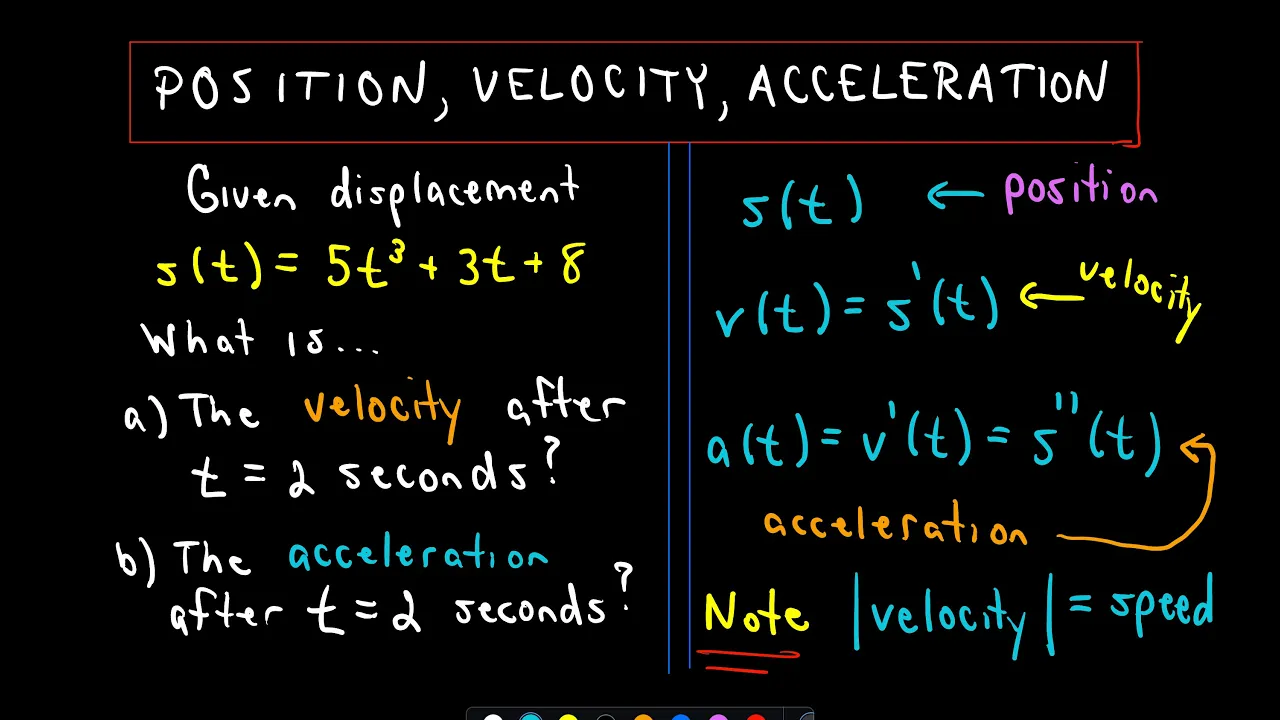
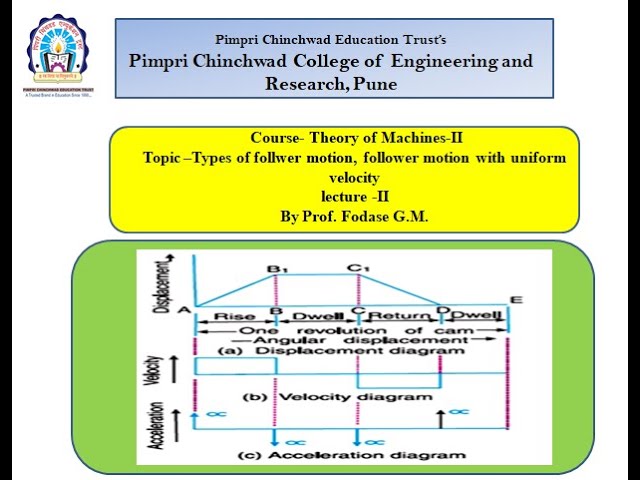
hello guys uh today I want to discuss es so previously in the previous videos I will put the uh link here or somewhere there so I discussed teacher after that motion profile why we need motion profile so this is a course so if you don't know anything about the motion profile this kind of thing you can watch the previous videos but for those of you who see the rest of the videos you can continue and uh understand what is SKF all about okay so without further Ado let's get started so this is how typical esur look like so this one is a I I think they call third order or fourth order I think this one is third order okay so okay so this one is a typical sare with a JK so yeah so it look like something like this okay so what what what's happening in this graph okay so the blue lines they are uh they are acceleration the green line is velocity and the red line is jerk okay you see in here even it is WR as okay so what will happen is that rather than we just if you remember the T we suddenly put our leg on the acceleration constantly right so in here we don't do like that so we have some sort of for file for the acceleration let me I show you the tve how the tve look like so if you remember the T the t is something like this so we have a constant acceleration in each side and after that the velocity was something like this right so in the scur we are not doing like this anymore in the SC we are doing some sort of modul ation for the acceleration let's go back to the es so this one is the ESC so if you see the acceleration is not constant anymore so we have some sort of profile for the acceleration okay so it's so this one is not a straightforward anymore so let me I explain why this is not a straight so first of all what is the motivation to do something like this okay so the motivation is something like this is the first the first starting point when you start this thing you have an infinite jerk okay what does it mean it mean that the slope of your acceleration is infinite because it's a constant value uh like this right so it is uh it is a vertical line right so this is the reason that the thing that it is is that perpendicular line right so this one this one is the reason that this thing it has a infinite jerk and those kind of things so based on the literature this is a very bad thing and many people also they say that this is a bad thing and this thing is uh mess the life up so later I will give my own personal experience with this one so uh in what what I would say is that in the real life and in semicon and in the applications that I work uh the literature and my uh hands-on experience was not really the same but this is the thing that literature CR and and after that uh I would say that I'm not very Diversified okay in terms of the type of application I did in the automation okay so I'm more toward rigid and fast fast movements but not all the applications they are rigid and fast so later I will discuss but based on the literature is what people they claim in the literature is that for certain application ininal Jer um does not perform very well so yeah so this is the reason that we do the escap so we want to smen out the motion okay so by smoing the acceleration okay so they said that this is not acceptable okay so what is J jerk is the rate increase of the acceleration so if that the slope of the acceleration okay so if you don't know what is jerk it is the slope of the acceleration for example in here your slope is infinite okay but if you for example if you apply something like a so your uh your your jerk is it won't be infinite anymore so you have some sort of slope so okay so how to do this so first of all this there is a cat when doing ESC escap is not like T very St if you remember in t we have two sort oftion right so one even t or t with the fter we have two condition okay so one condition is one condition was Triangle Drive another one was a full profile uh so if you remember it it me that it is something like this actually I I supposed to show you in the previous video just now I was searching for this video so after that I find out this one in my uh drawings from the past that I was teaching other people so it is like this if you don't have enough movement if you don't have enough position what will happen is that the profile it shrink and Shrink okay so this one is for T care so this is not for S but now the same same thing applies so in in t care is much much easier to understand this so if you don't have enough position so you can if for example they ask you to go one cm and the maximum speed that you can go for example is a speed of light okay can you reach to the speed of light no definitely you cannot to reach to the speed of light for example in one 1 millisecond with a electrical motor right okay so what will happen is that you cannot to have a full profile okay so how the thing will look like is it mean that at the beginning if your distance is very long you would have a full profile if you reduce on the distance this thing it become a smaller and a smaller and eventually it become a smaller and a smaller up to the position up to the point that you don't have any more max velocity anymore so this one is with a normal T care but you have the same kind of issue with the escar however we way more complicated okay all first of all all these graphs that you see is acceleration versus time okay acceleration versus time all of them they are acceleration versus time but now previously you had this issue only with position okay if the position is not enough now you would have this kind of problems but now you have the same problem with the velocity why you have the same problem with the velocity is that because if for example the max velocity that they give you is is too small okay of the because now you have jerk okay so you have a slope anymore right so you may not reach to the maximum so you become something like this okay so imagine for example the velocity that they give you it is two a small okay so for example they ask you to let me draw the thing imagine something like this okay so imagine they ask you to for example the maximum velocity that they ask you is this much okay if this maximum this one is your max okay so if this is not enough what will happen to you is that when you apply your jerk for example I want to let me I draw again under this one right okay so if I apply my jerk okay so I cannot for reaching to this guy I cannot to reach to constant acceleration you know if for example this velocity was higher for it was something like this maybe I could reach what do I mean it mean that I would become something like this maybe but now because the velocity the max velocity is too small this this one is a Max velocity okay I cannot reach any same thing with the position as well you know so for example okay for example you have two condition one one is for one is for velocity when the velocity is not enough you cannot to reach so you will have a triangle drive but Triangle Drive is for your acceleration but you have the same condition and this this one is for example for the position the position is enough but the velocity is not enough to have a full profile how the full profile look like for acceleration for p supposed to be like this this one it mean that both your velocity is enough and the position also is enough okay but if for example the position is enough but the velocity is not enough for example you would have a triangle drive on the acceleration another case scenario is that the position is not enough but your max velocity is enough so you will get a food profile for acceleration but you don't have a constant velocity another case scenario is that neither of them is enough it that neither you have enough acceleration or neither you have enough velocity or for example the the position is too small that your acceleration cannot reach so in total this this thing this thing is very nasty so in total it become last time I develop this one okay uh the second year that I was in automation I developed this one with another engineer so I I was I was a lead and after that I had one engineer he was the one who do the coding I was the one who do the calculation and those so at at the end after many years now he's himself he's a Al that he's a full grown expert in terms of motion but back in the days I was his senior so he's I know he's I'm very proud of you so yeah so what the thing it is that back in the days when we develop this things so it becomes seven condition and uh it is the the the formulas they are not beautiful so they are very complicated and so on and so forth so yeah you you get something nasty okay so but uh you you have to calculate you mean that before for example you're running the motion you have to calculate that okay do I have enough velocity do I have enough position okay after that if I have both enough so very easy if I have enough position but I don't have velocity my profile would be different it mean that the number of the phases is is become different okay so yeah so you have many many many sort of condition and this is not easy okay so in total it become seven condition so we previously we developed this okay but this one is out of the scope of the this tutorial okay but for example if you one day you are forced to develop this kind of things you can hire me so that's a story okay so what is the formula behind the entire thing it is this one okay so it say that um 1 / 6 of J T Cub okay plus 1 / t r t² plus VT plus X okay what is j g j is JK a it is acceleration and V is velocity and after that you just differential the entire thing so for getting velocity and acceleration okay it's simple okay so if you ask if you if you do the differential of this one so you will get exactly this one it look like a formula for the T right so the same things actually you can write the general formula for the entire thing but again beyond the scope of this thing okay so this is how you differential if you are you don't have any map background this is the way that we differentiate normally in different in the differential things we are doing we are subtracting for example the x minus for example on top and after that the t is on bottom so this one it give you the slope right so if you remember the normal mathematic this this so okay this one is something is important to understand okay so the differential of the position it become velocity the differential of the Velocity it become acceleration the differential of the acceleration it become J and the differential of The Jerk it become s snap okay after this is s snap is already something too what what what to say that it is too imaginary already you know even the jerk itself in the reality in my opinion it doesn't have that much of Ina okay I won't say that I don't want to say I don't want to generalize because again I'm from semicon background I'm from semicom background robocom background this kind of thing but both of all all the application that I was in they were fast and solid okay me that they were rigid and fast so yeah so it mean that I never work with some team with for 300 in a share ratio you know so yeah so for those application maybe my estment does not apply but for example all in all application that I worked in jerk I won't give credit to having something like a ESC as much as the vendors and suppliers they do right so the vendors and suppliers they want to sell so they have to differentiate them s so that is the reason that so okay so first you need to consider my background so as as mentioned I'm in rigid and rigid Spectrum fast back fast and rigid okay fast and rigid what what does it mean rigid so rigidity is very important okay so for example what is a non-rigid system okay for example something if a belt system is not really rigid okay so for example something something like belt it is not very rich okay something like a linear motor some something like this okay something like linear motor this these guys they are rigid as these things they are really rigid I can talk about the linear motors for an eternity you know the construction of the linear motor those kind of thing but these things they are very rigid okay these guys they are both precise and rigid okay but something like belt no this is not the case okay so my background is from some so these things they achieve both both fast and they are rigid so less vibration those kind of thing the what is the drawback cost okay but for example something like B and police system they are for example they are cheap but the problem that it is that you have more vibration they are less R for example they cannot to go for examp some they cannot to achieve for example for if this one Achieve 300 G pce system anything is positive but for example the police system for example if the acceleration of 300 G for is achievable in this one police system will will suffer okay so hey it cannot achieve the same performance okay so they can help to achieve those kind of things okay but this is my background okay so in my background okay so what what would haveen is that s in my background in all applications that I play okay in all application okay so in my previous com I'm doing robotic for since I was 19 and now I'm 20 I'm 34 years old now so I'm doing this thing for almost 15 years so okay in all application that I've working anytime somebody put a shotgun on my head and said that tune this system okay tune this system okay so there is a shotgun in your head and they say that tune make this thing as fast as possible okay with the least vibration as possible okay not even a single time ESC over pref if if mean that if you fix the time okay it mean that they ask you both time for example you do the same Motion in the same amount of time okay it mean that for example both of them they give you 10 millisecond they give you a very tight timing for example 10 millisecond and uh they ask you that for example in this 10 millisecond for example you can do this with t Cur and you can do it with s Cur every single time I over overperform with the T over esap okay and the reason that it is is also is this Okay the reason that it is is that if they fix the time they tell you that you cannot to extend the time this is the time that you have to follow okay so what what what I find out is that the reason the when you do the escar at the beginning you are moving a slower okay so when you are moving a slower in this part first portion of the thing compared to the T you are moving a slower okay so when you are moving a slower you have to compensate back right so in the second part you have to move faster it mean that you have more acceleration okay this one the system won't like it okay acceleration is more important than jerk okay why the acceleration it directly impact the inertia inertia or mass you are fighting your biggest concern when in the fast application your biggest concern is if for example you are not a vertical movement or you are not some we for for vertical movement there is a weight on you or this kind of things okay but for example if you are not for example some sort of weird condition for example you are in a for example linear state for example you just move something a straight forward or this kind of thing okay assuming in a typical motion application okay the main concern is always weight inertia if is something rotary the main concern is inertia what do I mean by that okay so just imagine this truck V versus this race car okay which one will move faster okay the race car why it has lesser weight when you have lesser weight you have lesser you need lesser force to move the thing right so that that is a very big concern okay so when you need a lesser weight to move the thing so you have more power to spare okay so the weight is the most important thing and beside the weight is more than the power the you you see your I want the better weight that I say your power compared to your weight okay so so when for okay for example imagine something like this for example something like for example something like this scenario okay that's for example I'm accelerating a slower after that I'm accelerating faster right so in the part that I'm accelerating faster I need more power at the beginning I'm working less on the second part I'm doing working more so what will happen is that this one is not good actually it's better from from from all applications that I did it is better that for example okay your acceleration I I could be wrong so I I really I up to these days I'm trying to prove that I'm wrong okay so in every application that I try to tune I try to try both give a shot to both SC and the TK okay but so far in all and again you consider that I'm from the rigid and fast application okay in every single application that I tuned this one overperform even that you have a constant acceleration but it is constant but it is lower it mean that the peak acceleration is lower so it mean that your Peak torque is lower okay compared to the something like for example T this in this one it shows very well you know because aeration and torque torque or for example even force all of them they are the graphs they are look the same the graphs if you put them on top of each other they are exactly the same the only difference is that the units is would be different so however this one the the thing that I say I could be very wrong especially Mishi actually this one is a paper from Mishi you have to definitely read it I will put it in this m I will share this m also this this one this it is about the inertial ratio and those kind of things it is a Bible you know for inertial ratio this paper is a Bible okay so you have to definitely read this one but for example for higher inertial ratio especially for example something like for example 300 inertial ratio okay 300 it mean that the weight for example the shaft of the motor is for example one if the shaft of the motor is one for example the weight that they put on the shaft is 300 okay so the statement that I'm saying could be very wrong okay so don't get me don't quote me on this okay so yeah so this is this so this one is other good example of the inertial ratio the escar so this one is all the paper so I already put all this in in the resources you can go look to it you see that how they the guys they doing this and these kind of things uh but to be honest with you um if you ask me in general okay the SC is first of all not all the vendors they do it implementing correctly it's me that the fullblown ESC that handle all the condition this kind of things okay suppliers not all of them they doing they don't doing it right okay this is a first for but even if they doing it right compared to the price that you pay for example the price T that you pay that for example you get a Sero drive that for example has for example all these uh these things okay doesn't work it it just doesn't work it if you are developing the Ser drive by yourself again doesn't work it why I have to consume this much of computation to do it okay so at least I I never I in in my applications I never could justify the SC so far up to this day but uh yeah so if you have a different experience please let me know you can put the things down below so in the next tutorial I will explain about the snap so it would be the higher order of this thing okay so if you are interested please watch so after that we go to the sign and those kind of thing so this one is a as as mentioned at the early of the video this one is a course you can see the previous videos you can see the next video thanks for watching and see you again why
Up Next

17:02
Embedded Motion Profile Engine with St-Curve Control
@SOLOMotorControllers
1.7K views•2022-12-29
30:32
Ultrasonic Transducers: Resonant Frequency Measurement and Horn Design
@imajeenyus42
229.9K views•2017-02-22
54:16
Polymer Environmental Degradation: Mechanisms & Stabilization
@iit
1.8K views•2012-07-10
33:39
How a Student's Question Saved a NYC Skyscraper from Collapse
@veritasium
22.8M views•2025-04-26
Related Study Plans & Knowledge Roadmaps
Structured learning paths in Engineering
engineering
Building Acoustic Levitators: Physics & Arduino
01The Physics of Sound and Standing Waves
02Piezoelectric Transducers and H-Bridge Drivers
03Arduino Programming: Generating 40 kHz Signals
+ 2 more learning modules
14h5 modules
Explore Roadmap
engineering
Building Peltier Cloud Chambers: Particle Tracks
01Cosmic Rays & Cloud Chamber Physics
02Thermoelectric Cooling (TEC) Fundamentals
03Custom Liquid-Cooling Loop Design
+ 2 more learning modules
18h5 modules
Explore Roadmap
engineering
Yagi-Uda Antennas: Modeling, Build & VNA Test
01Introduction to RF and Antenna Fundamentals
02Yagi-Uda Antenna Design Principles
03Antenna Modeling and Simulation in 4NEC2
+ 2 more learning modules
18h5 modules
Explore Roadmap
engineering
ECG Monitor Design: Op-Amps, Filters & Noise
01Electronics & Breadboard Basics
02Op-Amps and Instrumentation Amplifiers
03Bioelectricity and ECG Fundamentals
+ 2 more learning modules
18h5 modules
Explore Roadmap