

















Murano glass, produced on a small island in the Venetian Lagoon since 1291, represents centuries of specialized craftsmanship where glassmakers transformed molten sand at approximately 3000°F into exquisite works of art through techniques like squeezing, pulling, and shaping; despite modern challenges from cheap imitations and few young apprentices, the island's unique combination of skilled artisans, competitive tradition spanning 650 years across 25 generations, and ongoing innovation ensures its continued prominence as a global center for glass art.
The Art of Murano Glass: Craftsmanship in Italy
Added:The basic chemistry of glass, including the properties of silica (sand) and how flux agents lower melting temperatures.
The historical context of the Venetian Republic as a medieval and Renaissance trade powerhouse.
Fundamental concepts of glassblowing, such as the distinction between hot working and cold working techniques.
The geographic history of the island of Murano and why Venetian glassmakers were relocated there in 1291 due to fire hazards.
Advanced Venetian glassmaking techniques such as 'millefiori' (thousand flowers), 'filigrana' (filigree), and 'lattimo' (milk glass).
The economic history of guild systems, trade monopolies, and the strict legal protection of industrial secrets in historical Venice.
The influence of Murano craftsmanship on the 20th-century Studio Glass Movement and contemporary glass art.
The science of glass preservation, decay (glass disease), and conservation techniques for historical glass artifacts.
135.9K views2Klikes5:37Original Release: 2017-06-25
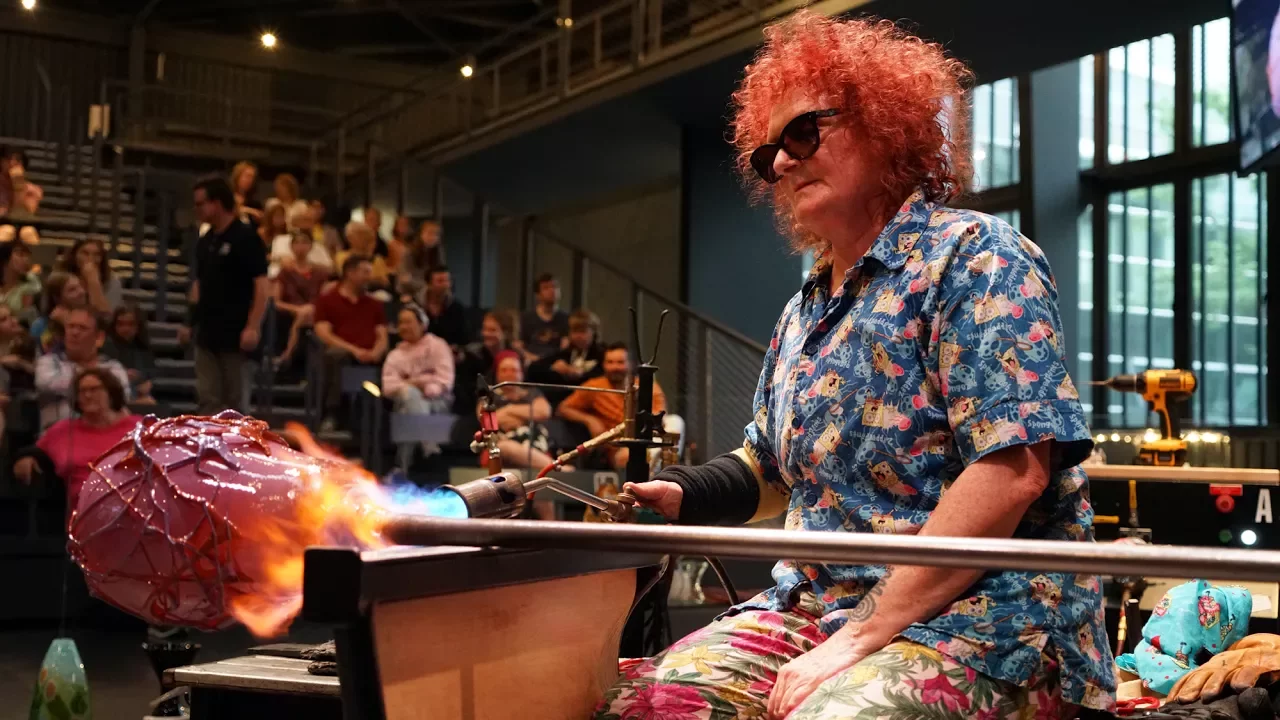
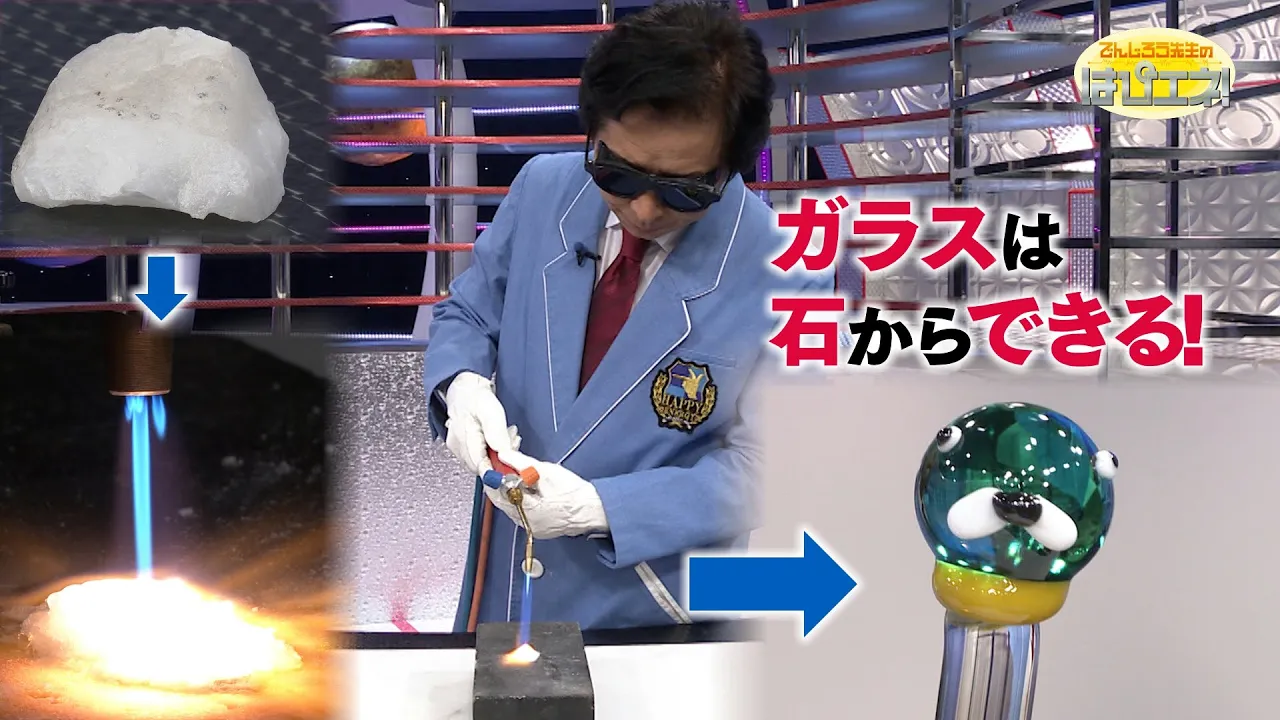
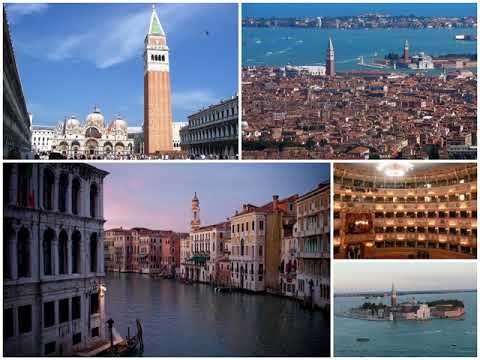
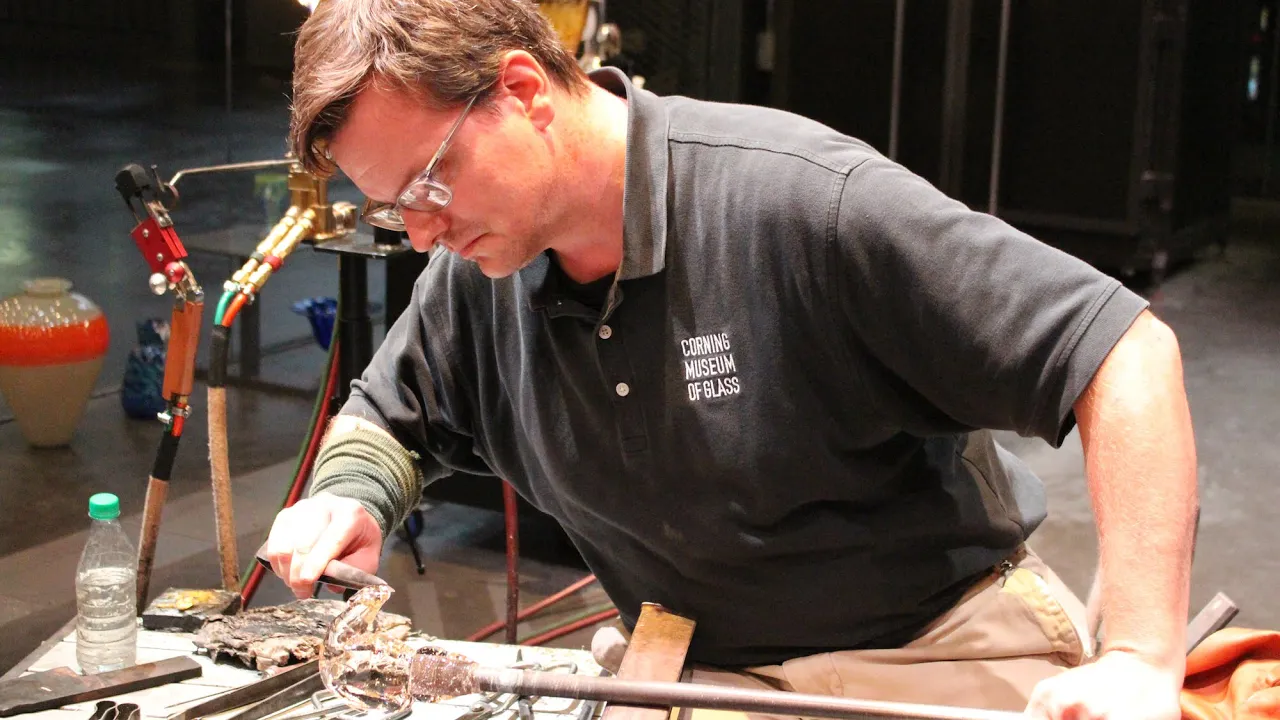
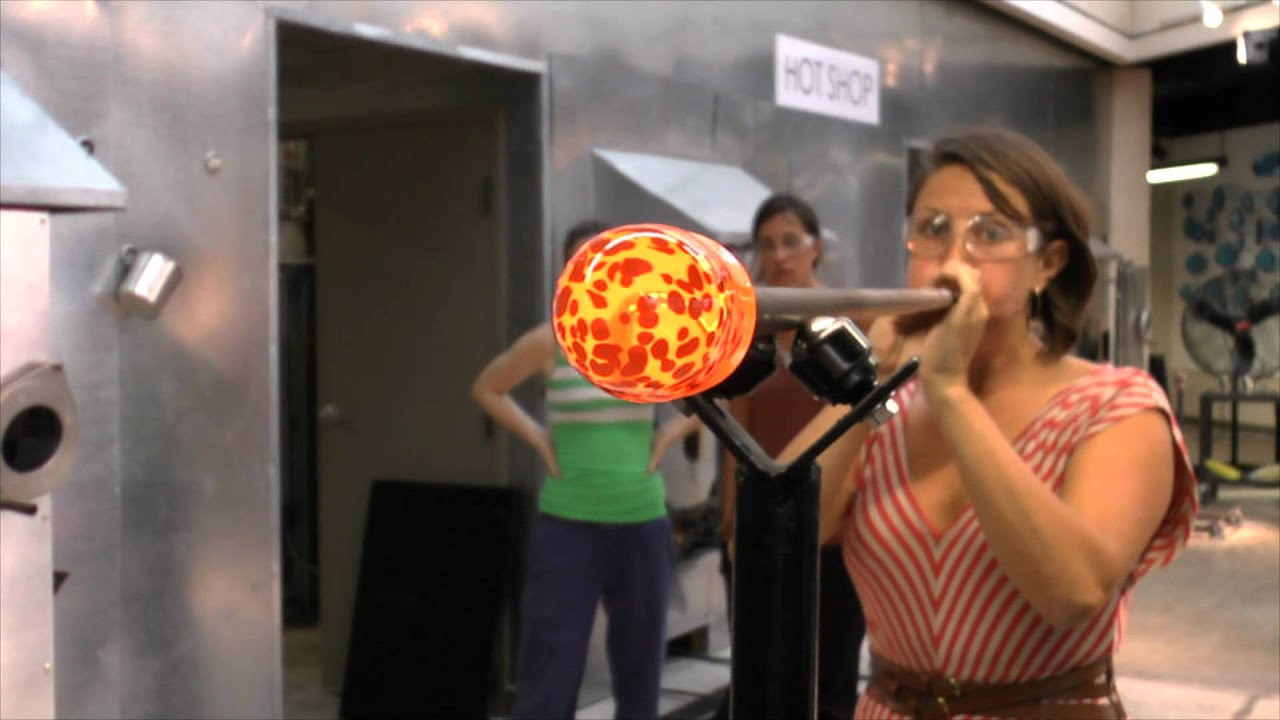
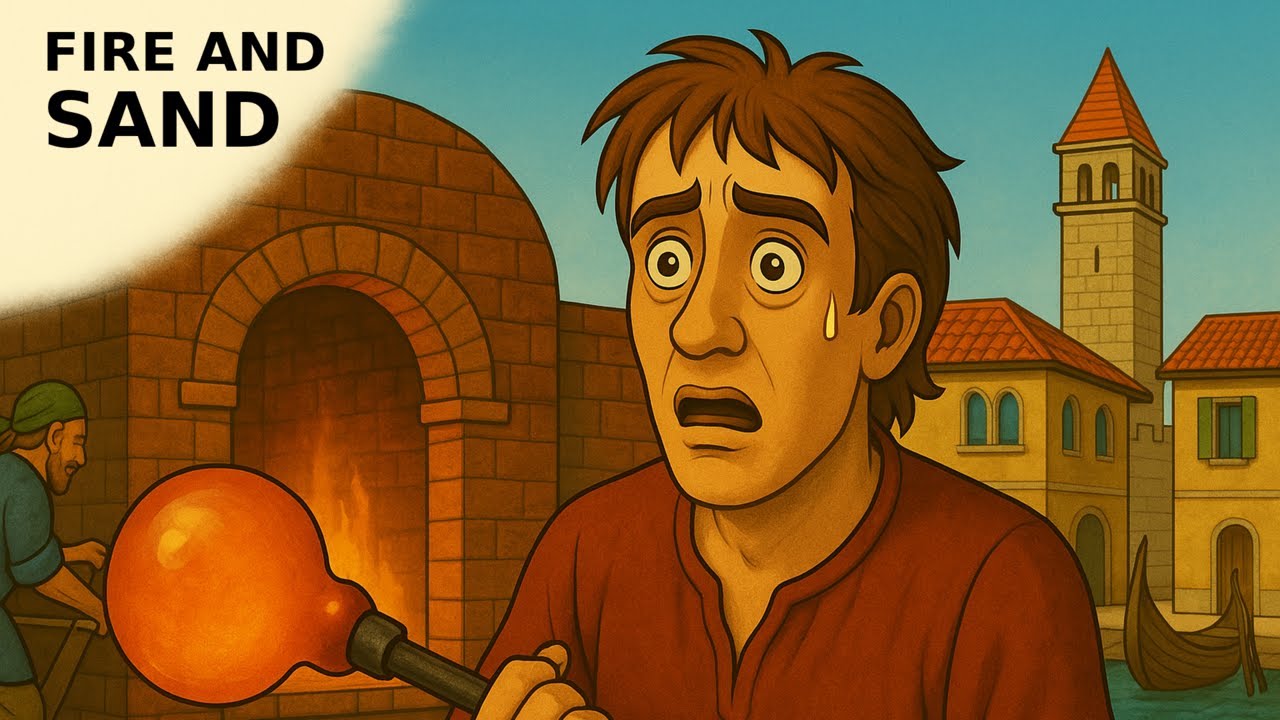
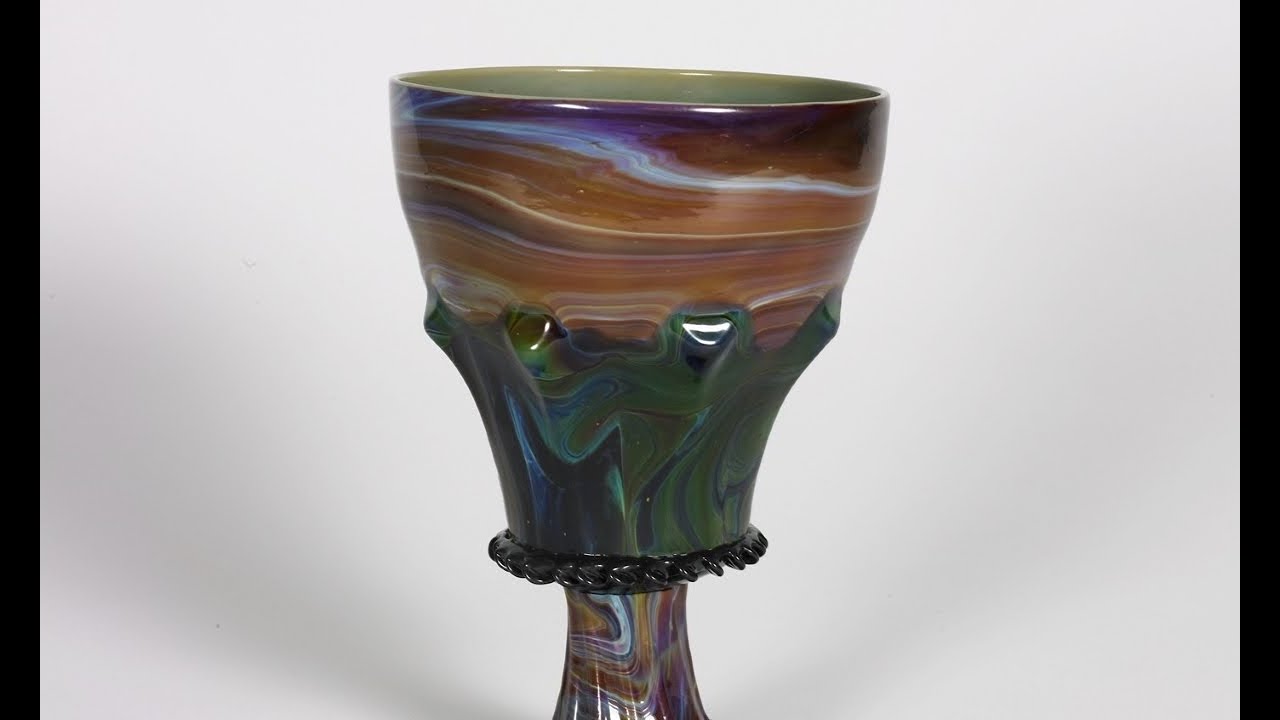
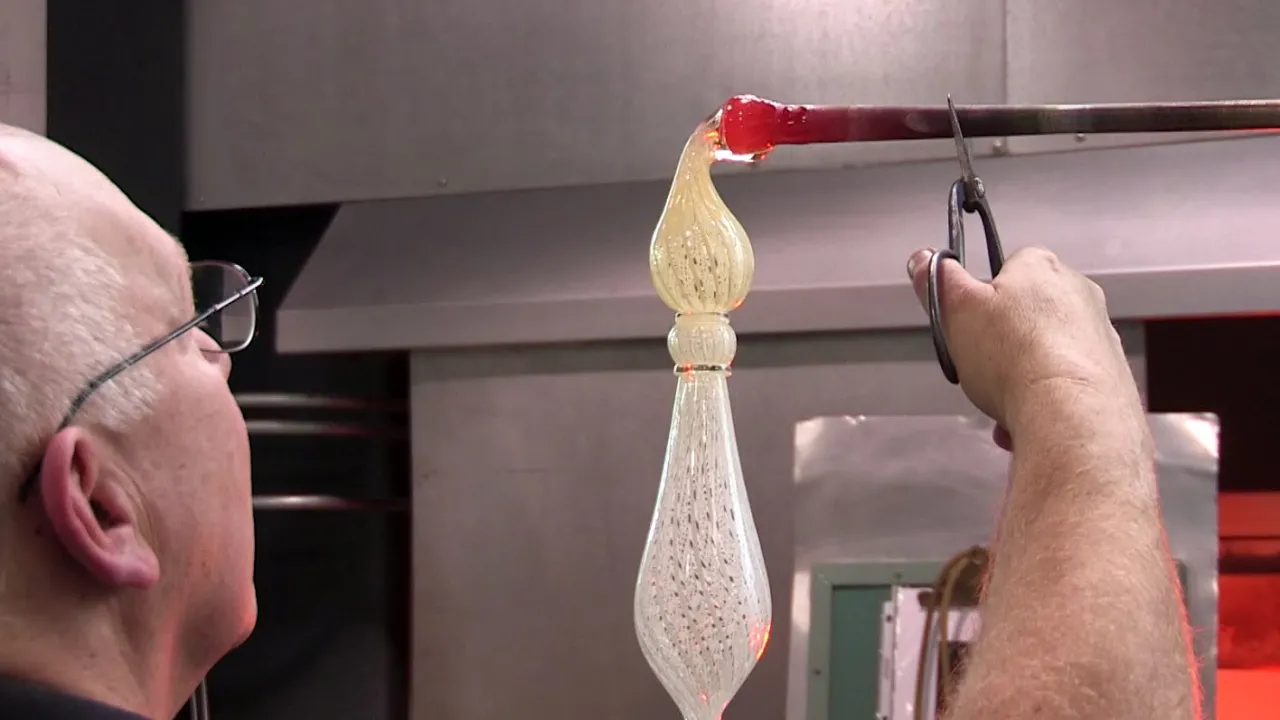
no doubt about it these three pieces are a glass act Prime examples of the Timeless craftsmanship to be found on the island our Seth D has visited the furnaces glow orange and belch heat and at around 3000° something almost magical takes place a sand mixture melts and becomes glass the molten concoction can then like candy be squeezed pulled or shaped it's a craft they've been perfecting on this Italian island for Generations how unique is Morano this island of glass makers Morano is the mecca of glass in this glass Mecca there's no mistaking the dominant industry Adriano Bango owns a studio here you know somebody speak about the secret of Morano but to tell you frankly the no secrets anymore what do you mean glass glass is is a chemical compound so from the point of view of the material itself there is nothing special in Moran what is special is still the ability of the Craftman that ability is also on display at the nearby fore or furnace of the Great Glass maker AR suo here few words are said the glass speaks and how it moves and hardens it's a silent Symphony in fact the lead glass blower is called mro the finished product commands a high price this piece retails for more than $1,000 your father was a master oh yes it was the the master of the Masters upstairs from the workshop Gino suo showed us some of his late father AR's work VI this was in a museum in Vienna yes so many of these pieces have been in museums Morano has set the trend for centuries and the suo family has had some practice your family has been at it for how long uh 650 yes 650 years that's 25 Generations how did Morano become this island of glassan Morano was an industrial settlement sigo explained the city of Venice was mostly made from wood and Venetian glass factories regularly caught fire so by order of the doj or ruler of the time glass makers were moved to the island of Morano in 1291 venice's Lagoon functions as a moat keeping Morano a fire safe distance from the ancient city putting so many glass makers on such a small less than a mile wide Island sparked competition and created in David landow's eyes something Exquisite can be indiffer and can be stupendous can be marvelous and can be nothing can be boring can be disgusting can be vulgar but can be exciting can be extraordinary it would be fair to say that landow a successful entrepreneur fell in love with glass we now have about know 2,500 and 2,500 pieces of glass toal Madness objects of his infatuation are on display at Lan Del vetro in Venice which landow co-created it's part Museum Part Institute and showcases the richness of Morano the creations of Italian Paulo venini and American Ken Scott you can see there's always a a a touch of something that makes the fish special landow notes this art form is struggling today due to cheap knockoffs from China and few were young people learning the craft glass has been made in Venice for a thousand years does it have another thousand still to go only I hope more it's only a question of creativity and that is what we always have Moran creativity the challenge to do new things the challenge to continue to have jobs this place has a pretty different feeling from some of the others here in Morano I hope so Adriano Bango shuns the world of old school chandeliers in glasswar preferring to work with contemporary artists and he wanted to show us this I am very proud of this this is my little dream in the drawer you see it's not yet open but Bango has transformed an old Workshop into what'll be a Museum of Contemporary Art in glass showcasing the Avant guard this chandelier is made from broken champagne bottles the traditionalist could say what you're doing here contemporary art threatens this great tradition of Morano glass well somebody might think so but in reality I'm not threatening anybody I'm advancing I'm trying to bring glass to another step glass making techniques were once a state secret in Venice and while today the process may be common knowledge the craftsmanship and knowhow of this place sets Morano an island apart [Music]
Up Next

3:42
Ancient Roman Mold-Blown Glassmaking Technique | Art Institute
@artinstitutechi
60.5K views•2013-04-16

12:54
Triumph of Orthodoxy Icon: Byzantine Art & History Explained
@BenCallan
2.1K views•2024-08-06

9:49
FastAPI vs Flask vs Django: Choosing the Right Python Web Framework
@TechWithTim
302.5K views•2024-05-26

1:42
Game of Thrones Opening Credits: A Cinematic Analysis
@gameofthrones
46.3M views•2011-04-18
Related Study Plans & Knowledge Roadmaps
Structured learning paths in General & Interdisciplinary Studies
general-studies
Elevator Engineering: History, Physics & Cities
01From Hoists to Safety Brakes: The Dawn of Vertical Lift
02Hydraulic vs. Traction: The Engineering Physics of Elevators
03Modern Speed, Safety, and Algorithms
+ 2 more learning modules
12h5 modules
Explore Roadmap
general-studies
Rubber: Material Science, History & Geopolitics
01Origins of Natural Rubber & Mesoamerican History
02The Chemistry of Natural Rubber & Vulcanization
03The Geopolitics of the Rubber Boom & Colonization
+ 2 more learning modules
12h5 modules
Explore Roadmap
general-studies
Containerization: Evolution, Logistics & Trade
01Ancient Trade & Bulk Cargo: Amphorae to Barrels
02The Industrial Revolution & Cardboard Packaging
03The Containerization Revolution: Malcom McLean
+ 2 more learning modules
12h5 modules
Explore Roadmap
general-studies
Textile Tech: Evolution, Labor & Global Impact
01Pre-Industrial Textiles: Handloom & Cottage Industry
02Mechanization: The Spinning Jenny to the Power Loom
03The Factory System & Global Labor Transformation
+ 2 more learning modules
10h5 modules
Explore Roadmap