












Prussian blue (Berlin blue/Parisian blue) is the first modern synthetic pigment, composed of iron in two oxidation states (Fe²⁺ and Fe³⁺) coordinated with cyanide groups, and can be synthesized by mixing ferrocyanide with ferric chloride, yielding a versatile material used historically in paint, ink, cyanotyping for blueprints, and even as a medicine for heavy metal poisoning.
Synthesis and Application of Prussian Blue Pigment: A Step-by-Step Guide
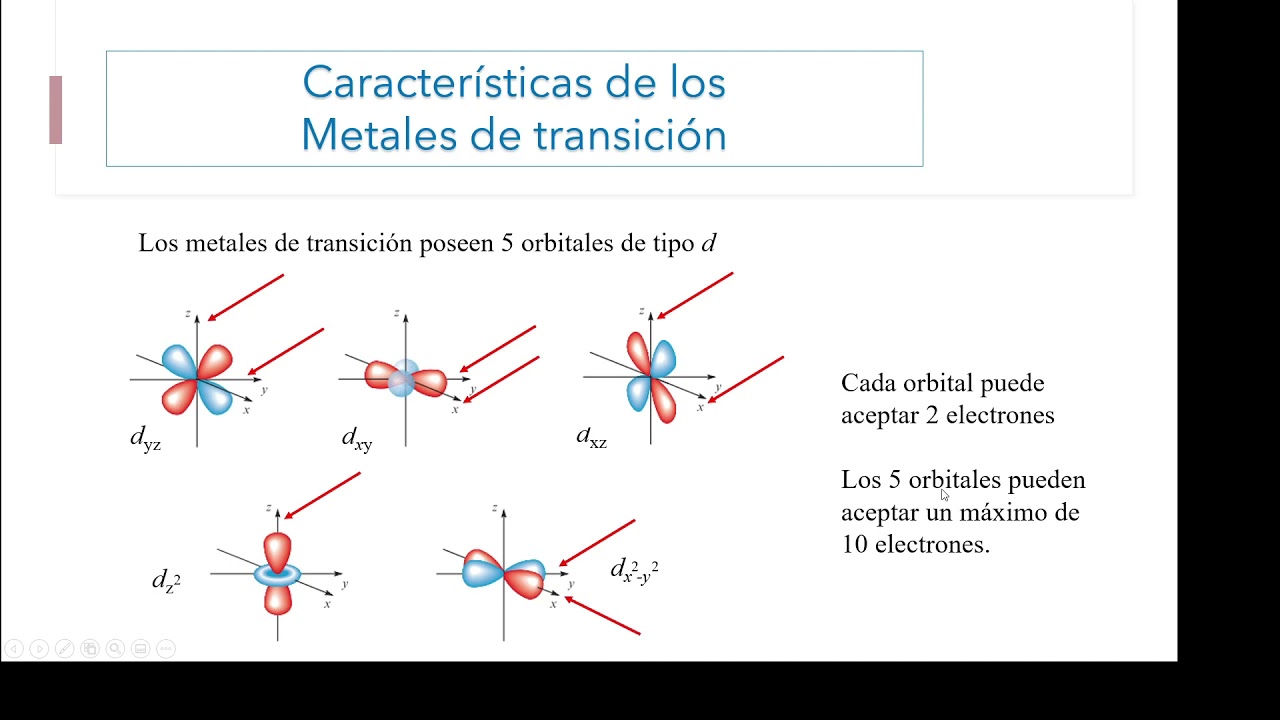
Added:Fundamentals of coordination chemistry, specifically transition metal complexes and ligands like the ferrocyanide ion.
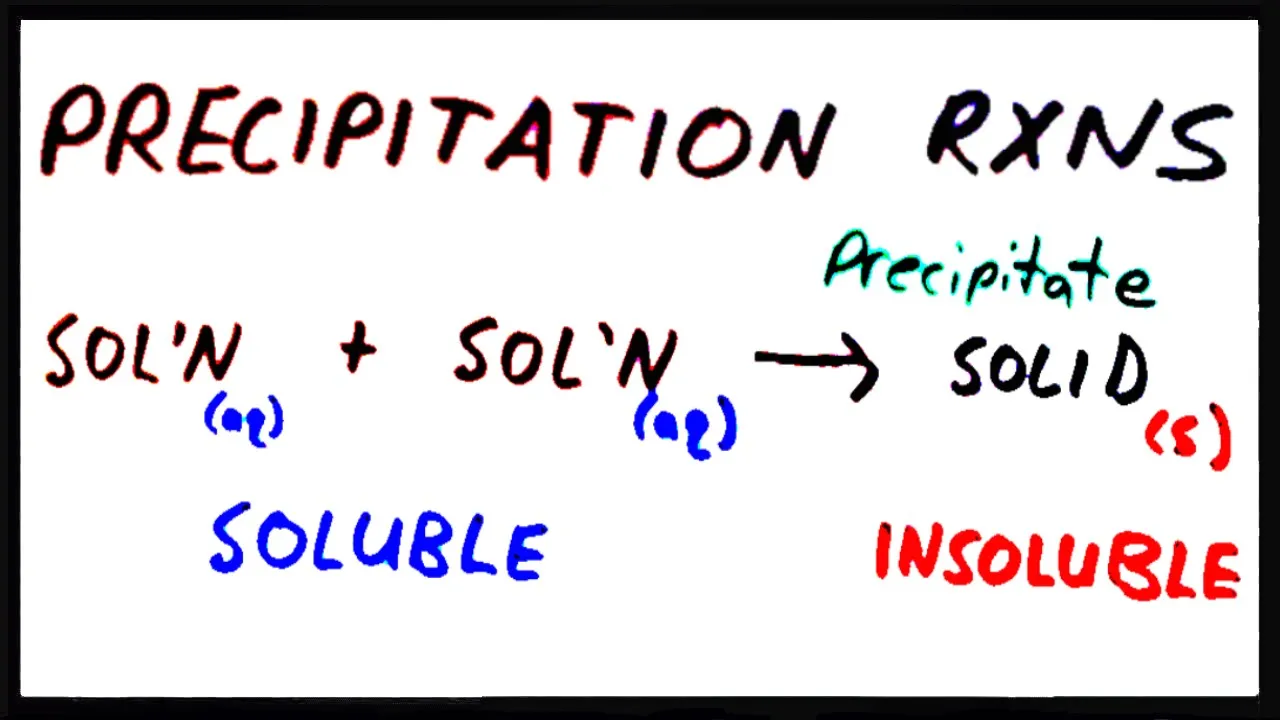
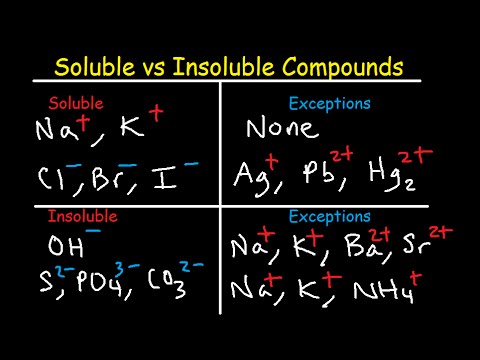
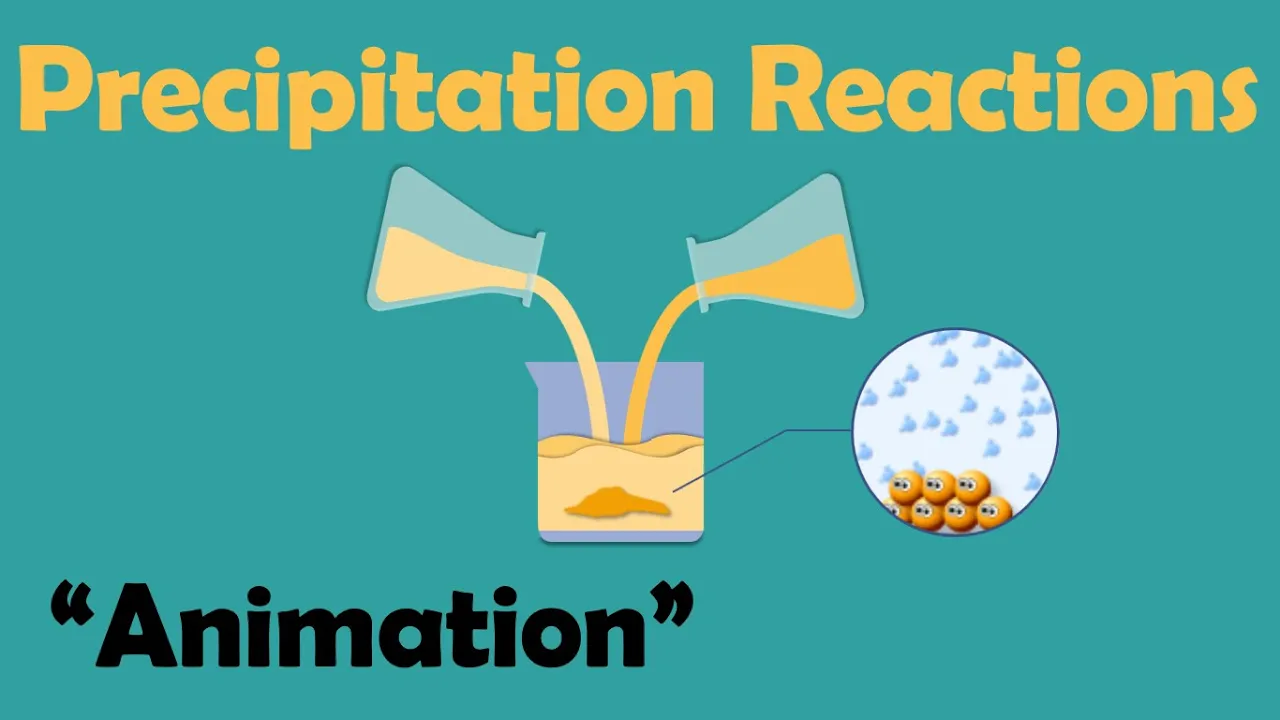
The principles of precipitation reactions, solubility rules, and how insoluble salts are formed in aqueous solutions.
Basic laboratory safety protocols for handling corrosive substances (such as ferric chloride) and techniques for gravity or vacuum filtration.
The physical and chemical distinctions between pigments (insoluble suspended particles) and dyes (soluble colorants).
The medical applications of Prussian blue, specifically its role as an FDA-approved chelating agent for treating heavy metal poisoning from thallium and radioactive cesium.
The materials science of paint formulation, exploring how different binders (like linseed oil, walnut oil, or acrylic polymers) affect drying times and film durability.
Advanced analytical techniques, such as Fourier-transform infrared spectroscopy (FTIR) and X-ray diffraction (XRD), to characterize the crystal structure and purity of the synthesized pigment.
The electrochemical properties of Prussian blue analogues and their modern applications in battery electrodes, electrochromic smart windows, and biosensors.
2.4M views73.2Klikes13:41Original Release: 2018-05-28
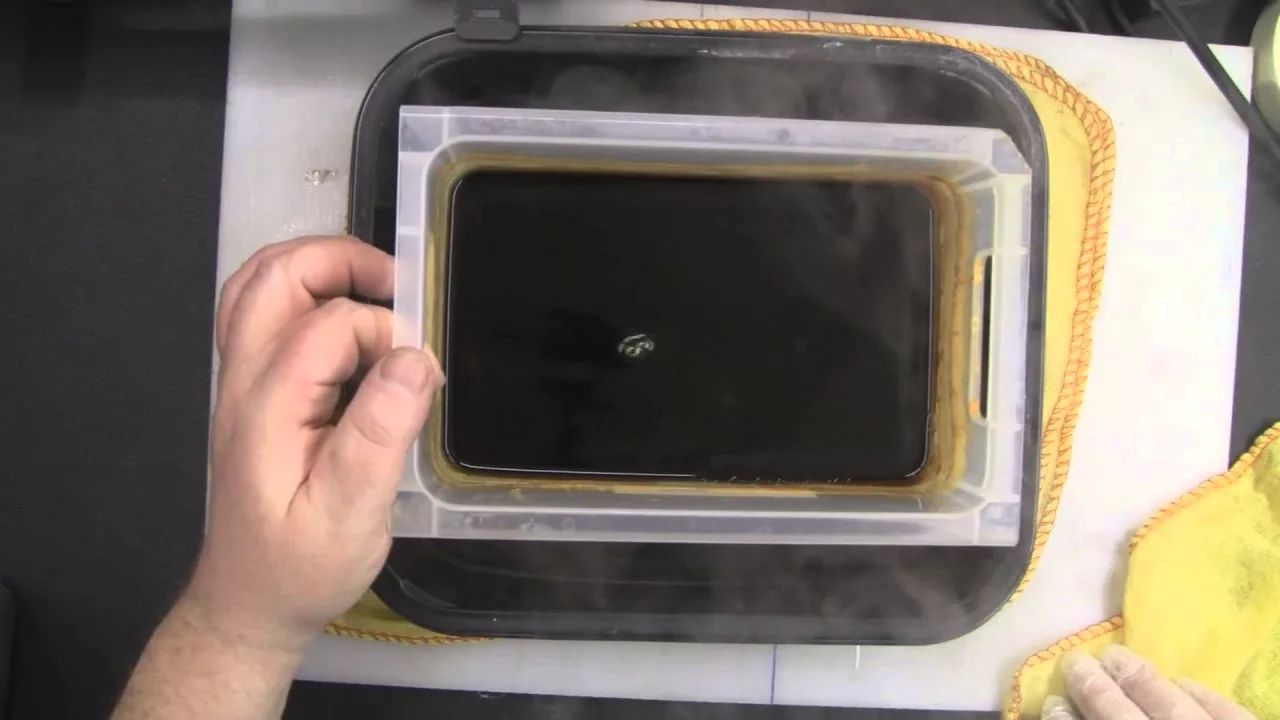
for this project I'll be making Prussian blue which was one of the first modern synthetic pigments it's also sometimes referred to as Berlin blue or Parisian blue structurally it's made from a mix of iron in its two oxidation states iron two-plus and iron three-plus the iron two plus ion is coordinated with six cyanide groups and then three of these groups are associated with four iron three-plus ions although it does contain cyanide it's generally not very toxic because the groups are really tightly bound to the iron the simplest use for Prussian blue is just as a pigment in things like paint and ink a more complicated use though is in a process called cyano typing where it can be used to develop images onto paper this is how most blueprints were made and it's well why they turned out blue it can be used to develop almost any image and I think the whole process is really cool one other potentially surprising use of it is actually as a medicine it's apparently quite good at sequestering certain heavy metal poisons in the digestive tract and it can prevent a lot of it from getting into the bloodstream this video is gonna be the first in a series of three and for this one I'm gonna be focusing on making and isolating the pigment in the next two though I'll be diving into the whole process of cyano typing the most common way to make Prussian blue is to mix a ferrocyanide salt with an iron three-plus salt like ferric chloride I wanted to make the ferrocyanide myself but as far as I know there isn't really an easy way to do it so I just ended up buying some from ebay if you do have what you think is a decent method though you should definitely let me know in the comments I can make the ferric chloride though using hydrochloric acid steel wool and hydrogen peroxide the acid in the steel wool are easy to find at the local hardware store and the peroxide is just from the pharmacy to start off I added two hundred and twenty-five mils of water followed by an equal amount of concentrated hydrochloric acid I mixed it around for about thirty seconds and then I added some small pieces of steel wool in total I'll be adding 50 grams of it but I wanted to start it off slowly just to make sure that the bubbling didn't get out of control what's happening here is a reaction between the iron and the steel wool and the hydrochloric acid to make iron to chloride also known as ferrous chloride and hydrogen gas the hydrogen gas is the reason for all the bubbling and it does pose a fire and explosion risk throughout this reaction a decent amount of it's going to be generated so it's important to do it in a well-ventilated area where it can't build up the reaction seemed to be quite well behaved and it didn't look like it was going to get out of control so I just dumped in the rest of the steel wall my time lapse said over the next nine hours with occasional mixing and most of it disappeared the green color of the solution was from the ferrous chloride but as it progressed it started to become black as far as I know this is mostly just carbon but there are probably some other impurities because steel wool is not a very high grade steel after the nine hours I stopped the time lapse and I just let it sit overnight by the next day the carbon and other impurities had sank to the bottom but there still was some undissolved steel wall floating on the top in theory I could have added more acid to dissolve it and stirred it for something like a day but for the amount that was present here I just really didn't think it was worth it the next step was to get rid of all this undissolved junk and I did this by just passing it through some coffee filters it did take a while but I was eventually left with this nice crystal clear solution of iron to chloride this iron ii chloride was then oxidized to iron 3 chloride using hydrogen peroxide in theory it's also possible to oxidize it by just bubbling air through it but that process as far as I know is kind of slow and this method is way faster the moment it was added this yellowy brown color appeared which was the iron 3 chloride in total I added 550 mils of the 3% peroxide mixed it around thoroughly and then poured it into a large dish I set up a fan off screen and I let it evaporate for a couple days then I started scraping it off the dish even though it was still a bit wet it was actually kind of a huge pain but when I eventually did scrape off everything I let the loose pieces dry for another day so in total this entire drying process too about three days but that's just because I let it air-dry I could have sped it up quite a bit if I put it in my oven the final yield was 214 grams of iron 3 chloride hexahydrate meaning that every iron 3 chloride has 6 water molecules associated with it I transferred it all to a nice plastic container and I was ready to make the Prussian blue the first step was to actually remake a solution of the iron 3 chloride so into this beaker I added 37 grams and then I filled it with water to around the 50ml mark in theory if I were even lazier than I currently am i could have just directly used the solution from earlier and skipped the whole evaporation step the major reason why I didn't do that though was because I didn't know what the exact concentration of iron 3 chloride was and I also wanted to have a proper dry stock of it anyway I let it stir for about 20 minutes but there was still some solid stuff that didn't dissolve to get rid of it I tried to do a gravity filtration but it was just way too slow so I instead set it up for a vacuum filtration which left me with a really nice and dark solution I dumped it all into a small beaker and I moved on to making the second solution that I needed this time I added 13.9 grams of potassium ferrocyanide and again filled it up to around the 50 mil mark I let it serve for a few minutes and it mostly cleared up but there was still some undissolved stuff so I shot in some extra water I let it stir for a bit longer and when it was crystal clear I took it off the stir plate I also took out the stir bar and at this point I was ready to make the pigment I'd normally just directly poured the iron chloride solution into this but I instead added it drop-wise because I thought it would look cool the moment it was added it immediately formed some little greenish blue Donuts of insoluble Prussian blue it also made potassium chloride as a side product but that just dissolved into solution from the top each drop kind of looked like I was making little jellyfish and I found it was kind of amusing I continued playing with it a bit but when I eventually got bored I just poured in the rest I stirred it for a few minutes and so much Prussian blue was made that it got quite thick to separate it off I just used the coffee filter I poured and scraped out as much as I could and then I washed the beaker with a bit of water when most of the water had filtered through I added some more just to wash it because this reaction used an excess of iron chloride the first few washings are tainted with this yellow color I just kept washing it until it was a greenish blue which I think took four rounds I let it sit here for a few hours and then I put it on some paper towel to dry it was important to not let it dry completely though otherwise it would have just stuck to the paper while it was still damp it was really easy to lift off and I transferred everything to a glass dish I put it in my oven for several hours and I was eventually left with some nice and dry Prussian blue then I put it all into my mortar and I crushed it up as best I could my final yield of the Prussian blue was 17 point 7 grams I really wanted to make some paint with it but at the moment the grain size was still a bit too big it needed to be a really fine powder so I just put it in my coffee grinder I ground it intermittently for several minutes and when I took off the lid there was some really nice blue dust I dumped it all out and it honestly still wasn't as fine as I would have liked it to be but it was more than good enough there were a lot of different paint types that I could have made but I figured the easiest was just oil paint I went to my local art supply store and this was everything that I picked up I got some brushes watercolor paper a knife some gesso and some linseed oil before we get started though I just want to give a disclaimer and say that I don't really know much about art or oil painting and everything I learned was just from some random tutorials what I'm doing here is mostly just for fun and it really shouldn't be used as a reference also try not to be too harsh on my technique and other stuff in theory for oil painting any paper can be used but apparently the heavy acid-free stuff works quite well regardless of the paper or a surface though it's a good idea to first treat it with something like gesso which is basically just a paint primer to do this it's actually quite easy I taped down the piece of paper I wanted to use and covered it with a generous amount of gesso when I felt like I had done a decent job I let it dry for a few minutes then on top of it I quickly gave it a second coating the paper slowly started to warp though so when it was try to the touch I lifted some of the tape and did my best to press it down I then left it overnight took off the tape in the morning and it was good to go off-screen I prepared two other sheets just like this one for a total of three now to make the paint the pigment just needed to be mixed with a small amount of the linseed oil this is one of the simplest ways to make it and a lot of oil paints are just a straight combination of oil and pigment from what I saw in line there's a whole proper technique to manually mixing the paint but I figured it was just the easiest to use a mortar and pestle it seems to work decently well on a small scale but if you want to make more than just the small amount that I did here I really don't recommend it I added about 2 grams of the Prussian blue and then I poured in some linseed oil I mixed it around and it looked like there wasn't enough oil so I added some more unfortunately though I added way too much and I had to balance it out with more pigment the final consistency of the paint depends a lot on the preference of the artist and I just stopped when I felt it was thick enough to get it out of the mortar I just scooped it out with my finger and scraped it into a small beaker I plan to use it all right away so this was fine but if I wanted to store it I would have sealed it in a paint tube to test my amazing paint I decided to draw some chemical structures this was literally the first time that I had ever done any kind of oil painting so it was kind of a mess just for fun I think in the comments you guys should try to identify the molecules here also feel free to point out any mistakes that I made because I almost definitely did in any case when I was done I let it dry for a couple days and this was the final scanned result the somewhat success of my first attempt gave me the false confidence that I needed to freestyle something to be fair I made it in less than a minute but it was still extremely disappointing and it looked like something a two-year-old would make I clearly didn't have the skills to work without structure so I knew I had to follow a tutorial for the next one a friend suggested a butterfly so I followed a step-by-step guide on how to draw one I ended up quiting halfway through because it started to get way too detailed and hard for me but it still turned out a lot better than I expected I moved on to painting it and this time I diluted some of the paint with a small amount of turpentine in the previous attempts it was a bit too thick and I felt like it might be easier if it were thinned out a bit I left the top portion of the paint undiluted though so that I could use a mix of both I originally planned to try to make the butterfly detailed but I ended up just coloring it all in when I was done I let it dry for a couple days and then I scanned it anyway that's basically how Prussian blue pigment is made and how it can be used in paint to make blue prints though the process is quite different and in my opinion really interesting instead of making and isolating the pigment it's formed directly in the paper it's also a light-sensitive process that uses different chemicals it uses potassium ferrocyanide instead of ferrocyanide and a light-sensitive iron compound like with this project I just bought the ferrocyanide but I made the new iron chemical myself there really wasn't much info out there though and I ended up just following some random old paper that I found thankfully to my surprise it actually worked really well and that's what we'll be covering in the next video I really hope to have it up within the next week so definitely keep an eye out for it as usual a big things goes out to all my supporters on patreon everyone who supports me can see my videos at least 24 hours before I post them to YouTube also everyone on patreon can directly message me and if you support me with $5 or more you'll get your name at the end like you see here as one final announcement my good friend just released his first album if you're into rap you should definitely check it out and show him some love [Music] [Music]
Up Next
10:24
Colour Chemistry: Cobalt Pigments Guide for Watercolourists
@TheSpinDoctor
7.5K views•2016-07-10

34:36
Frances H. Arnold Nobel Lecture: Directed Evolution in Chemistry
@NobelPrize
109.5K views•2018-12-08
22:39
Making a Ferrofluid: Magnetite Synthesis & Nanoparticle Coating
@NileRed
5.1M views•2018-10-17
17:31
Edible Water Bottles: A DIY Guide to Sodium Alginate Spherification
@ryan
10.5M views•2019-06-21
Related Study Plans & Knowledge Roadmaps
Structured learning paths in Chemistry
chemistry
Nanochemistry: Synthesis, Properties & Analysis
01Foundations of the Nanoscale
02Size-Dependent Physical & Optical Properties
03Synthesis Methods: Top-Down vs. Bottom-Up
+ 2 more learning modules
15h5 modules
Explore Roadmap
chemistry
Nuclear Chemistry: Decay, Meds & Fuel Cycle
01Introduction to Nuclear Structure and Radioactivity
02Decay Dynamics and Kinetics
03Radiation Interaction and Detection
+ 2 more learning modules
24h5 modules
Explore Roadmap
chemistry
Supramolecular Chemistry: Forces & Machines
01Foundations of Chemical Bonding and Intermolecular Forces
02Introduction to Host-Guest Chemistry
03Thermodynamics and Dynamics of Self-Assembly
+ 2 more learning modules
16h5 modules
Explore Roadmap
chemistry
Photochemistry: Excited States & Reactions
01Foundations of Light-Matter Interactions
02Molecular Orbitals and Electronic States
03Photophysical Processes and Jablonski Diagrams
+ 2 more learning modules
18h5 modules
Explore Roadmap