

















Cobalt-based watercolour pigments are a family of mineral pigments that share a common cobalt-positive ion in their crystal structures, creating a range of vibrant, granulating colours including Cobalt Blue (aluminate), Cobalt Turquoise (chromite), Cobalt Violet (phosphate), Cobalt Green (titanate), and Cerulean Blue (stannate), which all exhibit excellent lifting properties and work well together in limited palettes despite their different chemical compositions.
Colour Chemistry: Cobalt Pigments Guide for Watercolourists
Added:Understanding the Color Index International naming system (e.g., PB28, PY40, PB35) used to identify specific chemical pigments.
Familiarity with basic watercolor terminology, specifically the concepts of granulation, staining capacity, and tinting strength.
Introductory chemistry of transition metals, particularly how cobalt ions form complexes that absorb and reflect specific wavelengths of light.
The role of the binder (such as gum arabic) and water in dispersing pigment particles on a substrate.
Advanced safety protocols for handling heavy metal pigments, including inhalation risks of dry pigments and environmental toxicology.
The history and industrial synthesis of inorganic pigments, exploring how cobalt colors transformed the artist's palette in the 19th century.
Comparative analysis of synthetic organic pigments (such as Phthalocyanines) versus inorganic cobalt pigments in terms of lightfastness and mixing behavior.
Mastering advanced watercolor techniques that exploit pigment physical properties, such as using granulating cobalt pigments for optical color mixing and physical texture.
7.5K views195likes10:24Original Release: 2016-07-10
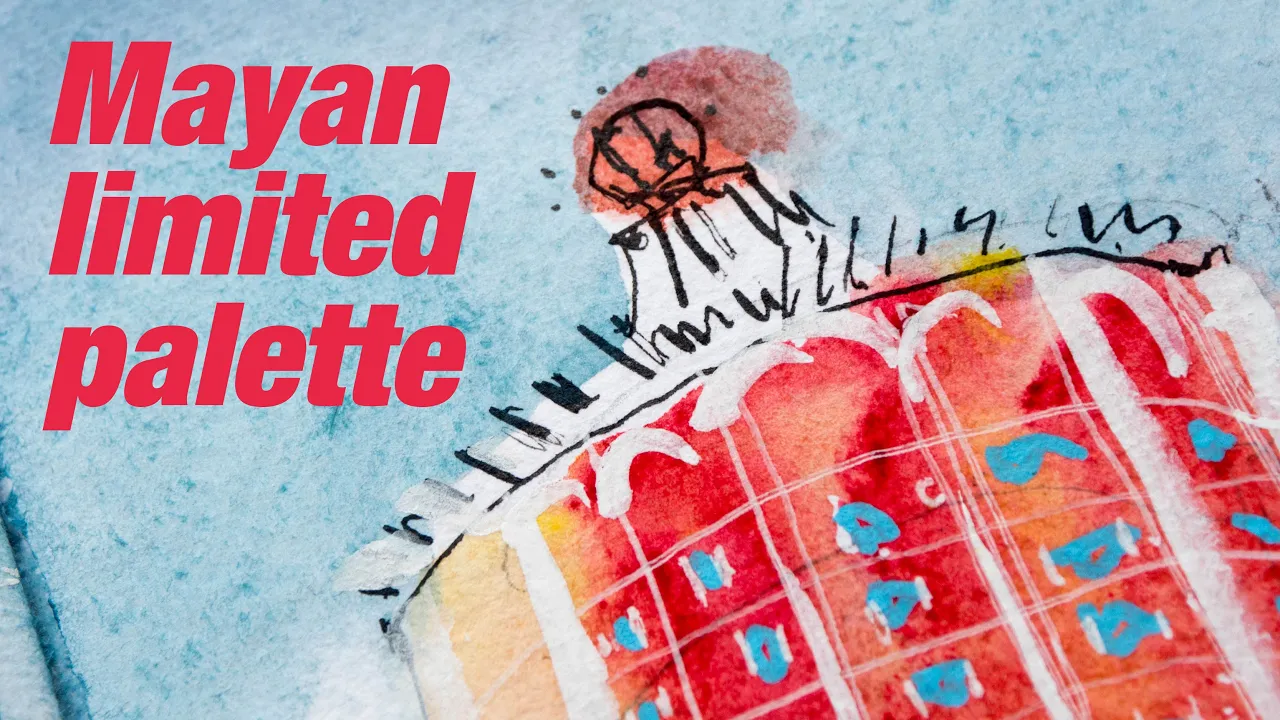
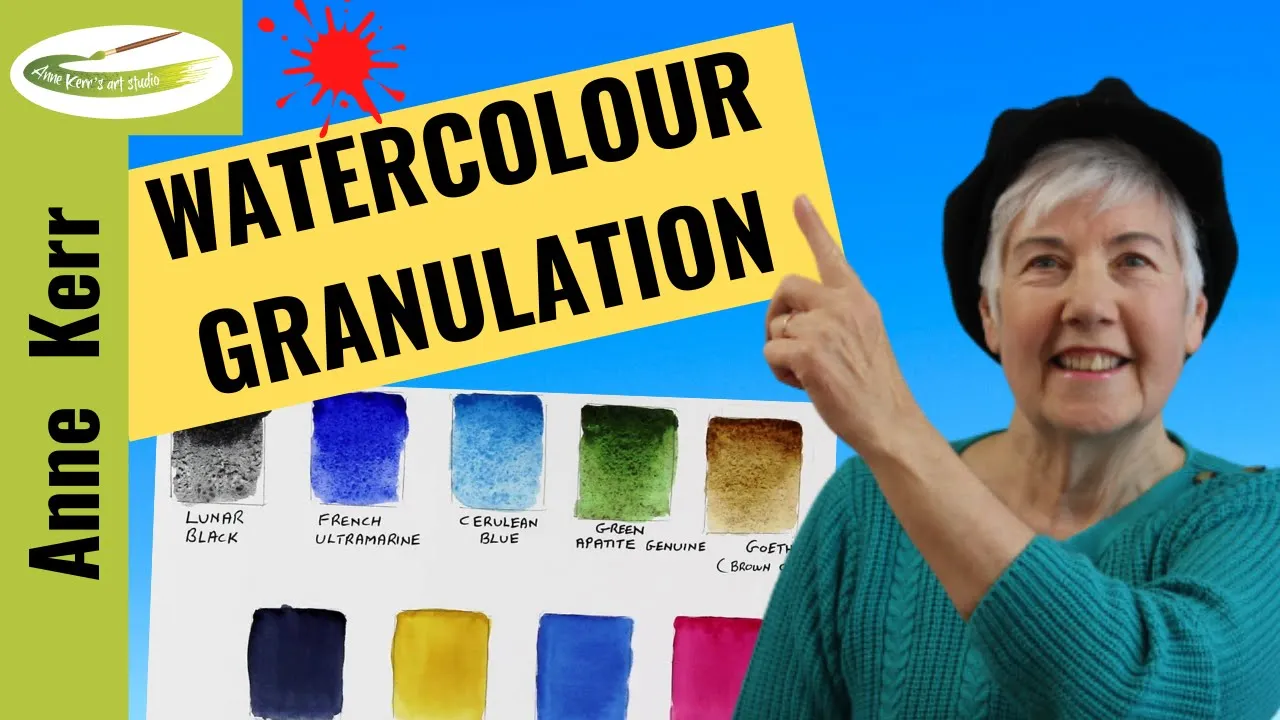
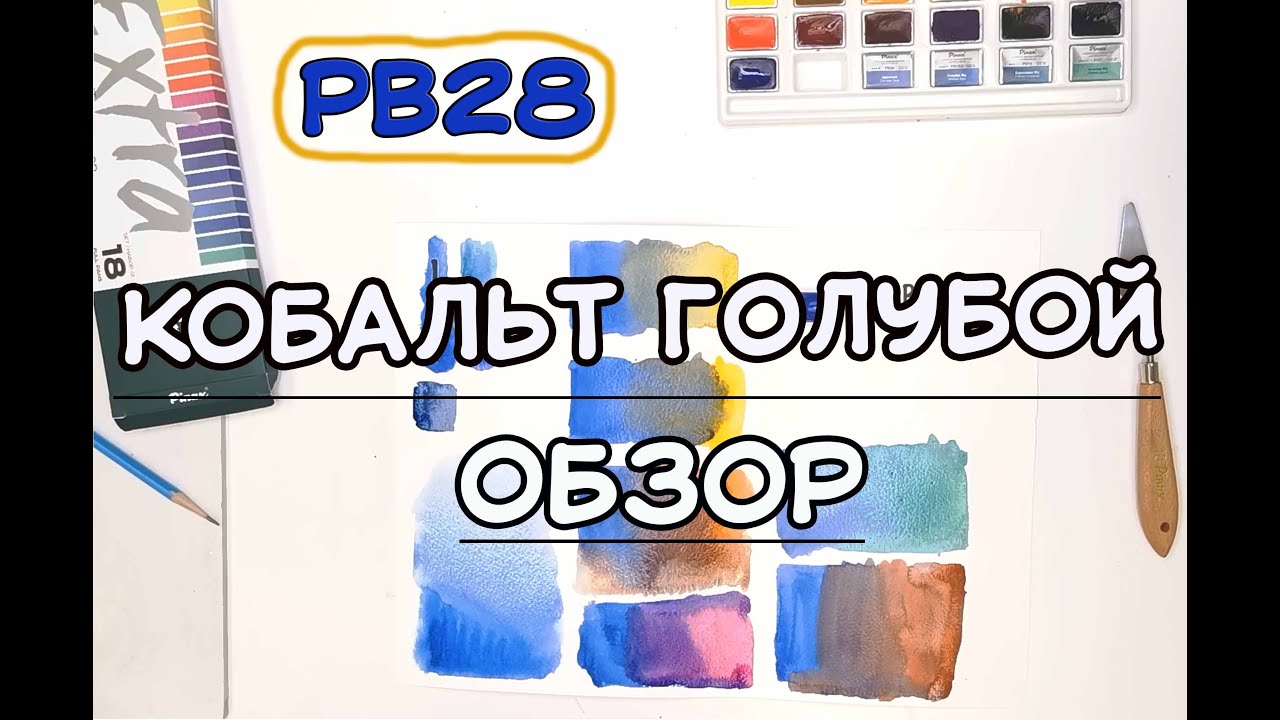
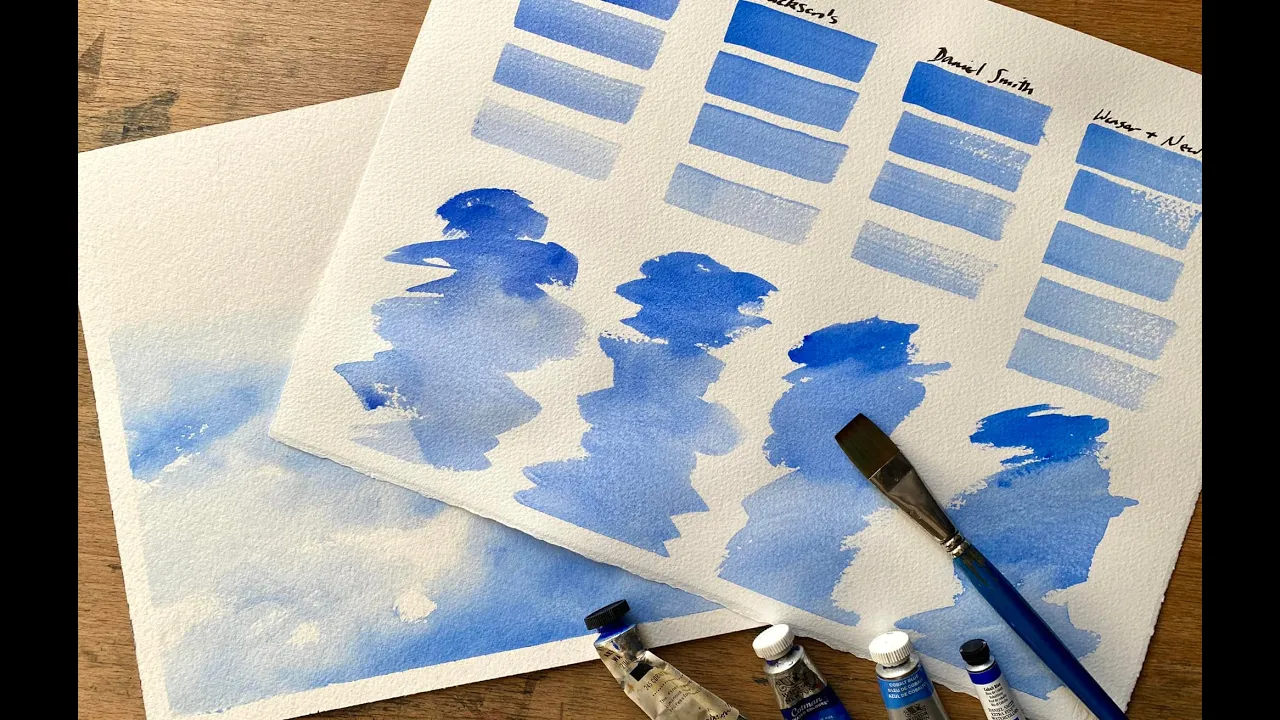
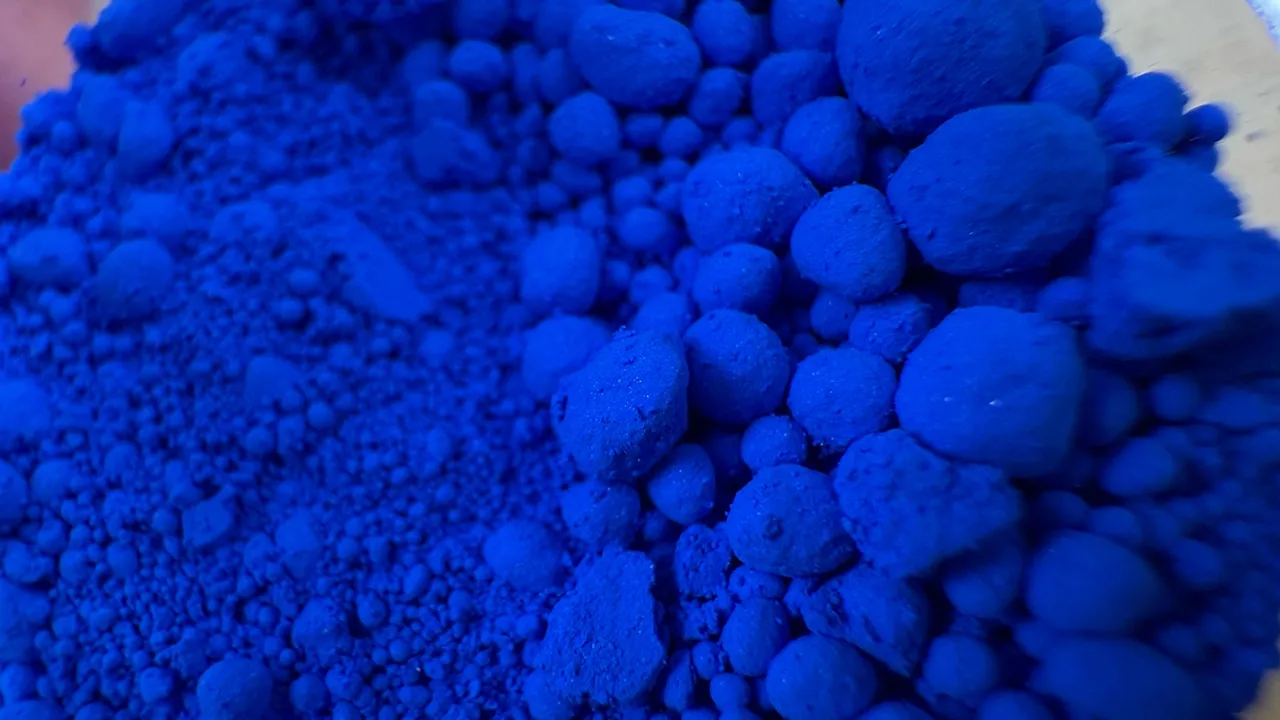
[Music] hello and welcome to another episode of color chemistry with me the spin doctor this time we're going to be tackling the Cobalt pigments now these are mineral pigments they are granulating they lift reasonably well and they are quite a nice varied group there is no other group of inorganic pigments that gives one the level of variety of color that we get with the Cobalts so let me just adjust the tripod a little bit and we'll explore them all so first of all and these are winter and Newton professional colors and I've got the um paint catalog number on the left so 016 Orin or orola if you want to pronounce it the French way otherwise known as Cobalt yellow so if you can't pronounce it call it Cobalt yellow it's a beautiful beautiful yellow and if you do it nice and thin it doesn't have any kind of gray Edge to it don't be disheartened when you get it from the tube it might look a bit gray dry it down in the palette and when you use it that gray just vanishes if you get a gray tone on paper you're using it too thick it works best nice and thin cobalt blue next 178 I think a popular favorite most of us use cobalt blue a fair amount it's a lovely color lift really well look at that granulation and this is not a very thick layer I haven't put this on very carefully I've just slapped it on and this isn't even watercolor paper this is just a sheet of card stock because I don't want to use my good watercolor paper just for a bit of demonstrating next cab off the rank we have 190 Cobalt turquoise again beautiful granulation nice teal color really really strong you can get it quite thin if you look around the edges you can get it reasonably thinly applied and you can see right here I've got it really thin just where it's just caught there right on the edge of the puddle Cobalt Violet next 192 this is an absolute favorite of mine I love this color it's a strongly granulating beautiful beautiful bright vivid purple and I really like this I find it really invaluable when I paint Botanicals it's just is nothing quite like this let me see if I can get this to autofocus I bet it won't do it there we go you can really appreciate the granulation and how you can layer it up which is what I did with all of these incidentally I painted them on once very thin and then I painted them on again a bit thicker that's how I kind of got these random puddles and finally Cobalt green or not finally nearly finally Cobalt green 184 I put this one on a little bit too thick to be honest again a lovely granulating green beautiful beautiful color and it goes well with Cobalt turquoise finally 137 Cerulean blue which a lot of people don't realize is a Cobalt color it's not the same as cobalt blue it's very different you may have a set where it is coded as pigment blue 15 that is a fake Cerulean blue you have got a phthalo blue with a granulating medium mixed in with it or you have chalk grains coated in phthalo blue true Ceridian blue is usually a Cobalt pigment and it looks like this what you'll notice if I zoom out and I'm going to turn the camera around so that you can see all of them together can you see that they actually all kind of go well together probably I would say these five go well together a little bit more than the Oro land does but there's a reason for that there's a chemical reason why these look more similar to each other then oh no and to explain it I'm going to start with cobalt blue sorry I had a technical issue there so I'm just going to have to reshoot part of this video as it didn't work too well Cobalt pigments just going to go through what they are and I'm going to start with cobalt blue it is pigment blue 28 which is a Cobalt illuminate so note the Cobalt if it's the first word that means it's the positively charged part of a compound the second part is the negatively charged part so the Cobalt is the positively charged part so it's acting like a metal normally would metals are normally the first part and okay aluminium is part of the second part but we'll work around that Cobalt turquoise is Cobalt chromite so it's compound with Cobalt and chromium and oxygen so this was aluminium and oxygen or aluminum and oxygen if you're based in the US and that's pigment blue 36 I made a mix up here when I was putting them out but Cobalt green is Cobalt titanate so Cobalt titanium and oxygen which is pigment green 50 and Cobalt violet is cobalt phosphate pigment blue 14 so Cobalt phosphorus and oxygen and finally Cerulean blue is Cobalt state which has nothing to do with Mr barathan Lord barathan oh he's dead it doesn't really matter does it um I know he's not dead in the books don't comment that um stan8 comes from stannus or stanum which is tin so it's Cobalt tin and oxygen and that's pigment blue 35 the odd one out if you like which I think I had just mentioned before the video cut out is aolan Cobalt yellow which is potassium cobal nitrite pigment yellow 40 note the Cobalt is in the second part of the compound so in terms of the crystal structure these have all got fairly similar Crystal structures and this is the odd one out of these ones the cobalt blue cobalt turquoise and Cobalt green these are actually all got structures in the spinel group of minerals so we've got blue spin spel blue green spinel and green spinel the phosphate and the stannate are totally different but you can see they've all got a similarity they've all got this granular quality it's a beautiful granulation and I really like particularly Cobalt Violet when I'm painting Botanicals Cobalt turquoise I think is kind of underused I certainly underuse it but doesn't it look pretty when we use it with Cobalt Violet lovely granular qualities there cobalt blue we all know and love that we use it a lot very granular it lifts really well down at the bottom here we've got the Cobalt green again granula goes really well with the purple and Cerulean again does really well now some people have serunian blues that are made of pigment blue 15 that's phalo blue what you've got is a fake one that's made by mixing chalk with phthalo blue to give a similar granular effect my advice Chuck it and buy a proper one because real Cerulean blue isn't that opaque and it works much much better gives you this beautiful granular texture that you just can't get with the fake ones or Hues as they're termed orola is quite different orola is firstly slightly soluble in water so it will stain very slightly now don't be worried by I don't know whether I've already said this cuz I haven't been through all the stuff that cut out but it can look a bit gray when you dry it down or when you use it from the tube if you dilute it with enough water when it dries on the paper you lose that gray so the camera's struggling to focus on it because it's so thin around the edges but I just wanted to show there is no gray very slight granularity not enormous but it will stain very slightly because it's slightly soluble so that tiny bit will stay dissolved and will stick to the page so you'll get a little bit of staining there that's the Cobalt group and I think it can be interesting sometimes to consider a whole group of minerals like these ones here and think about well actually these are all chemically related to one another and certainly these five look really nice together so it could be really interesting to paint some pictures using just those as a limited palette and see where you get with a Cobalt only picture now I know some people will be going but Cobalt's toxic don't worry about it because the amount you're using is pitiful I'm going to do a video on tox it of minerals in paints I promise and believe me it is really really small I did calculate for cadum red how many grams of paint you'd need to eat to harm yourself and it's quite a lot you probably feel quite sick just from eating the paint forget about the actual toxic effects um it's kind of overplayed I think um it was worse in the olden days when everything had high amounts of lead they don't anymore what I would say though is they are harmful to the environment so when you're flushing your paint water away please please use lots of water and make sure it goes into the sewers so if you live somewhere that has a septic tank you may be better off keep saving it up or pouring it into cat litter and sending it to landfill because I'd really rather these did not go into septic tanks where they could kill the bacteria that are necessary for your septic tank to function they're probably fine in the sewage works because if you think about how many millions of gallons of water leave the area you live in every day and head down the sewer they get diluted out so don't worry too much but do run them down with plenty of water because what we don't want to do is harm the bacteria necessary for the sewage Works to function and we also don't want these going out into rivers and so on in high concentrations I know some people pour them into their Gardens again I think that's probably worse than letting it go down the sewers if you're worried at all just soak it into cat L soak your paint water into a bucket of cat litter and then just put the cat litter into refuse to go into either incineration or landfill up to you so those are the Cobalts uh obviously there are other Cobalt containing colors but these are the main ones I hope you enjoy using them they're amongst my favorites thank you very much
Up Next

3:42
Scheele's Green: The Deadly History of Arsenic in Victorian Green
@AskAMortician
661.6K views•2015-10-19
83:56
Biocatalysis and Catalysis in Islatravir Synthesis | Merck Webinar
@SCIwheresciencemeetsbusiness
675 views•2020-10-08
10:06
1H NMR: Determining Number of Peaks from Structure
@MSJChem
59.2K views•2017-04-06

17:31
Edible Water Bottles: A DIY Guide to Sodium Alginate Spherification
@ryan
10.5M views•2019-06-21
Related Study Plans & Knowledge Roadmaps
Structured learning paths in Chemistry
chemistry
Nuclear Chemistry: Decay, Meds & Fuel Cycle
01Introduction to Nuclear Structure and Radioactivity
02Decay Dynamics and Kinetics
03Radiation Interaction and Detection
+ 2 more learning modules
24h5 modules
Explore Roadmap
chemistry
Supramolecular Chemistry: Forces & Machines
01Foundations of Chemical Bonding and Intermolecular Forces
02Introduction to Host-Guest Chemistry
03Thermodynamics and Dynamics of Self-Assembly
+ 2 more learning modules
16h5 modules
Explore Roadmap
chemistry
Photochemistry: Excited States & Reactions
01Foundations of Light-Matter Interactions
02Molecular Orbitals and Electronic States
03Photophysical Processes and Jablonski Diagrams
+ 2 more learning modules
18h5 modules
Explore Roadmap
chemistry
Coordination Chemistry: Bonding & Properties
01Introduction to Transition Metals and Ligands
02Crystal Field Theory (CFT) and Geometry
03Magnetic Behavior and Spin States
+ 2 more learning modules
14h5 modules
Explore Roadmap