




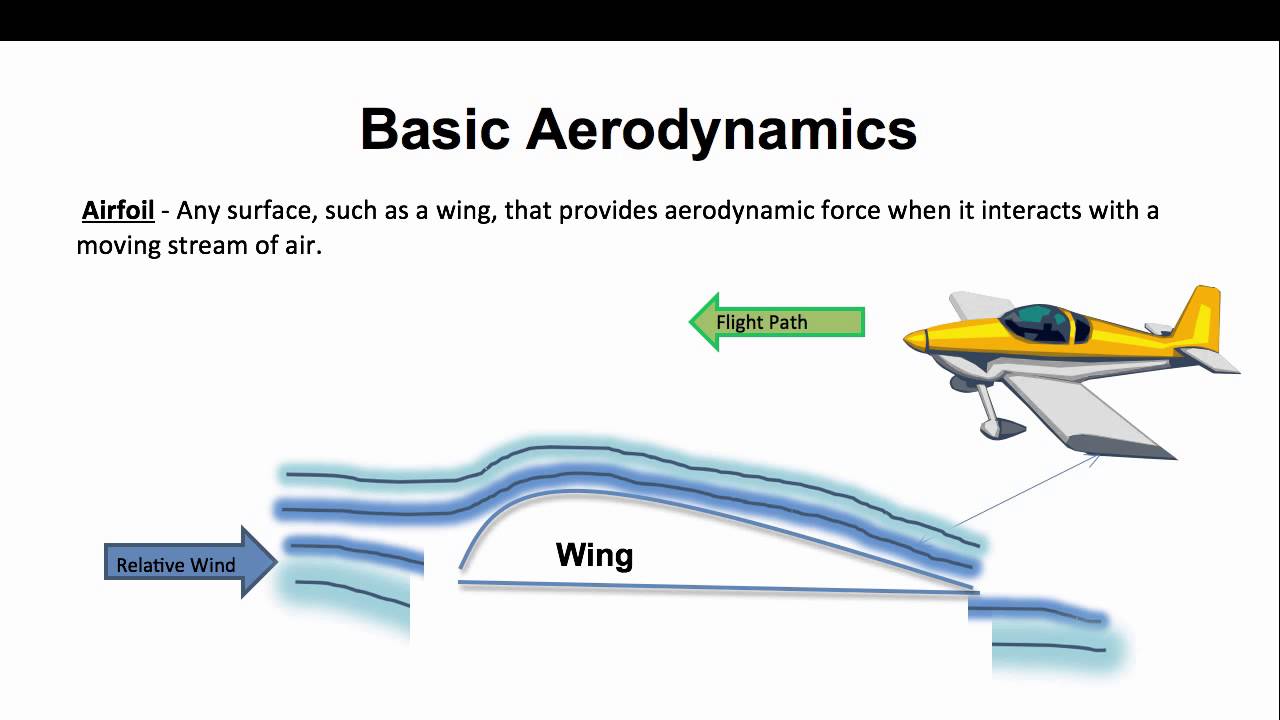















Quadcopter drones achieve flight through four counter-rotating propellers that generate lift via the airfoil principle, where each blade's cross-section creates upward force when air flows over it; the controller adjusts motor speeds to produce collective lift for takeoff and hovering, while differential speed changes between propeller pairs create reaction torques that enable pitch, roll, and yaw movements, allowing the drone to move forward, sideways, and in circular patterns by combining directional tilting with vertical force balancing.
Quadcopter Drone Flight Dynamics: Physics Explained
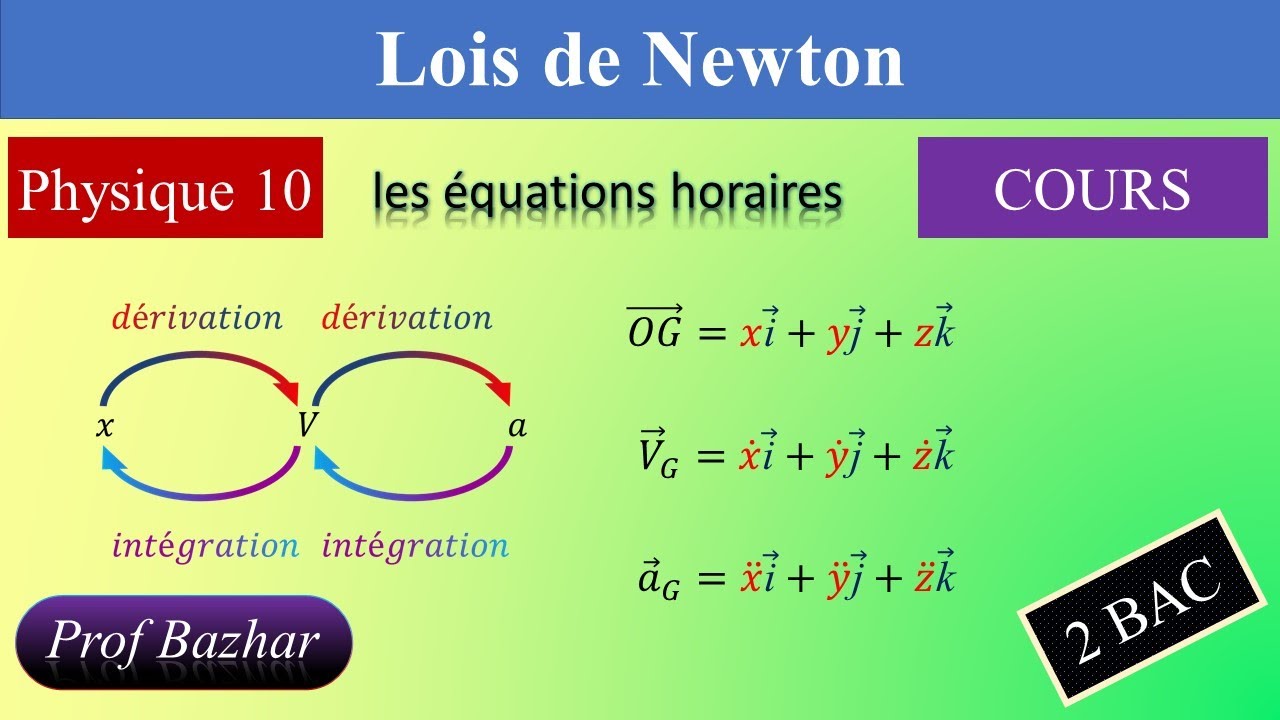
Added:Newton's Laws of Motion, especially the third law (action-reaction) and second law (F=ma).
Basic aerodynamics, specifically the concepts of lift, drag, thrust, and weight.
The concepts of torque, angular momentum, and rotational inertia.
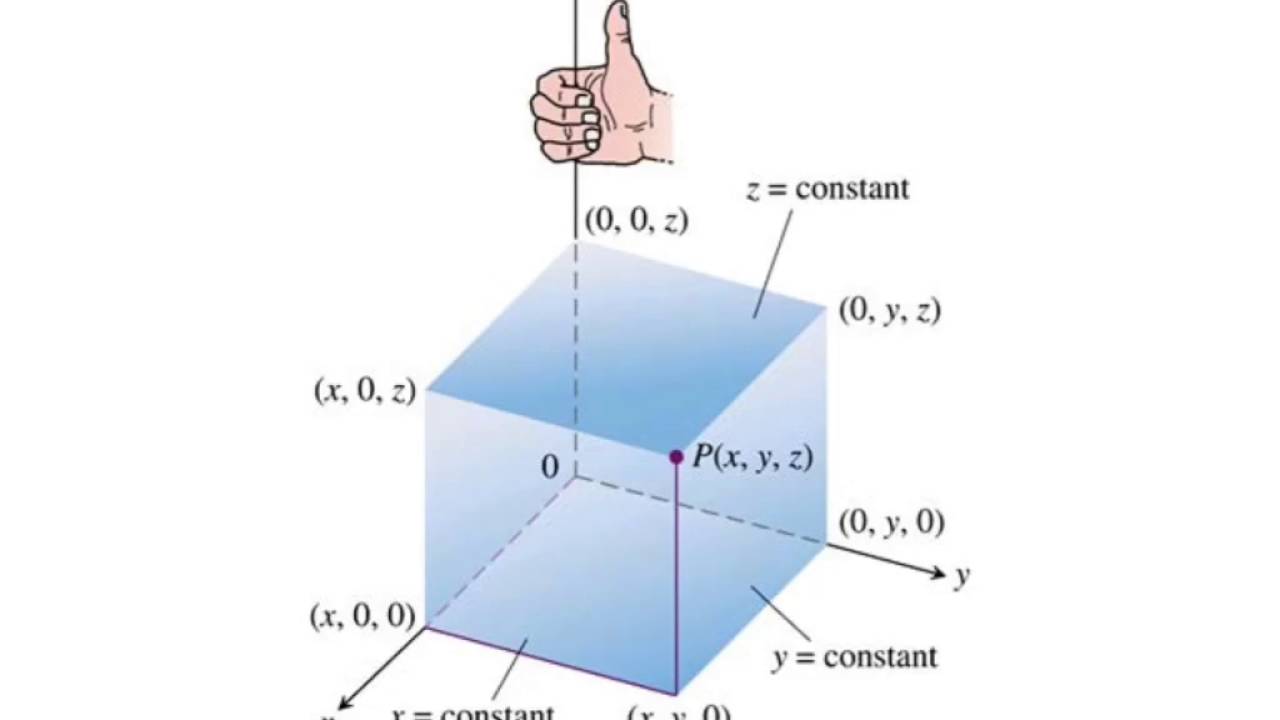
An understanding of the Cartesian coordinate system (X, Y, and Z axes) in three-dimensional space.
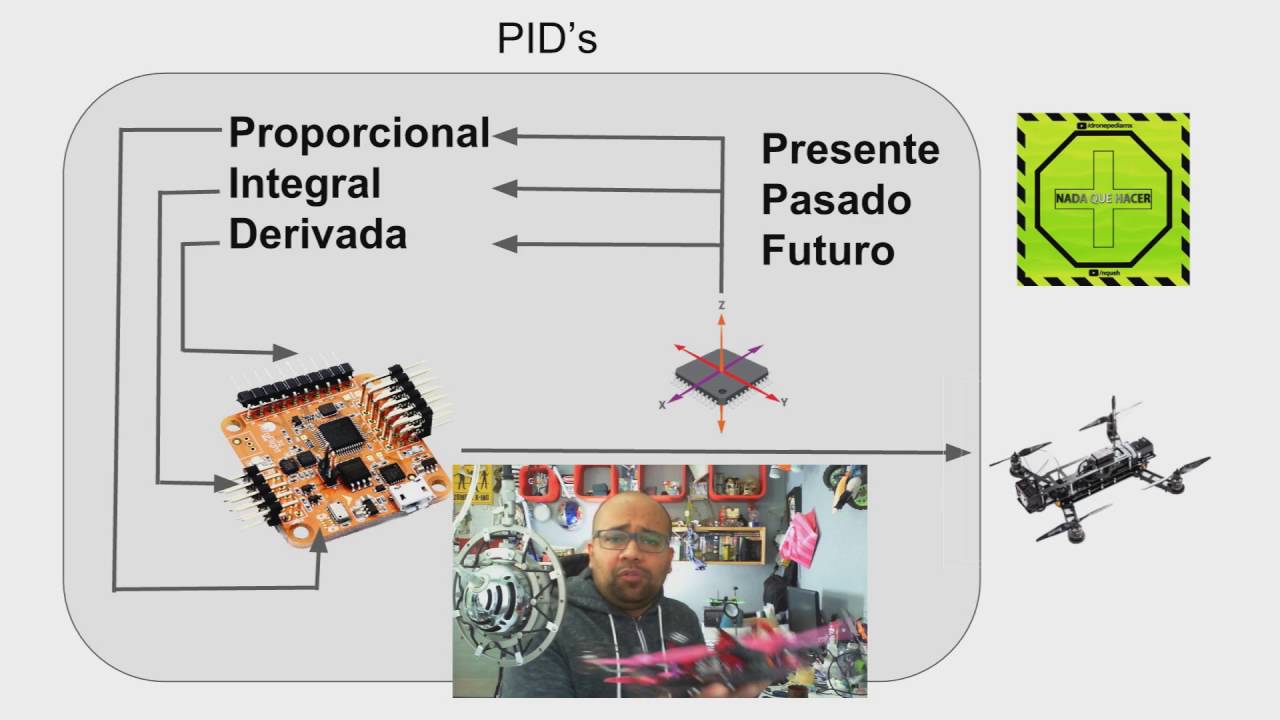
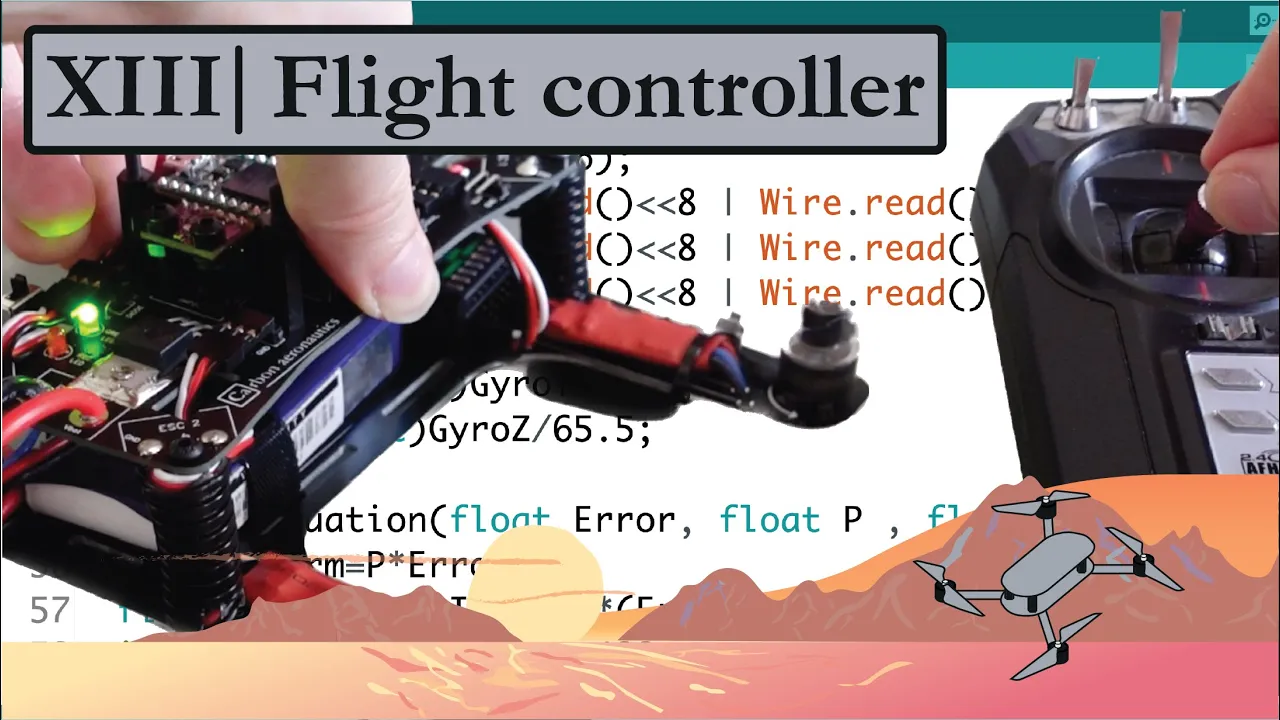
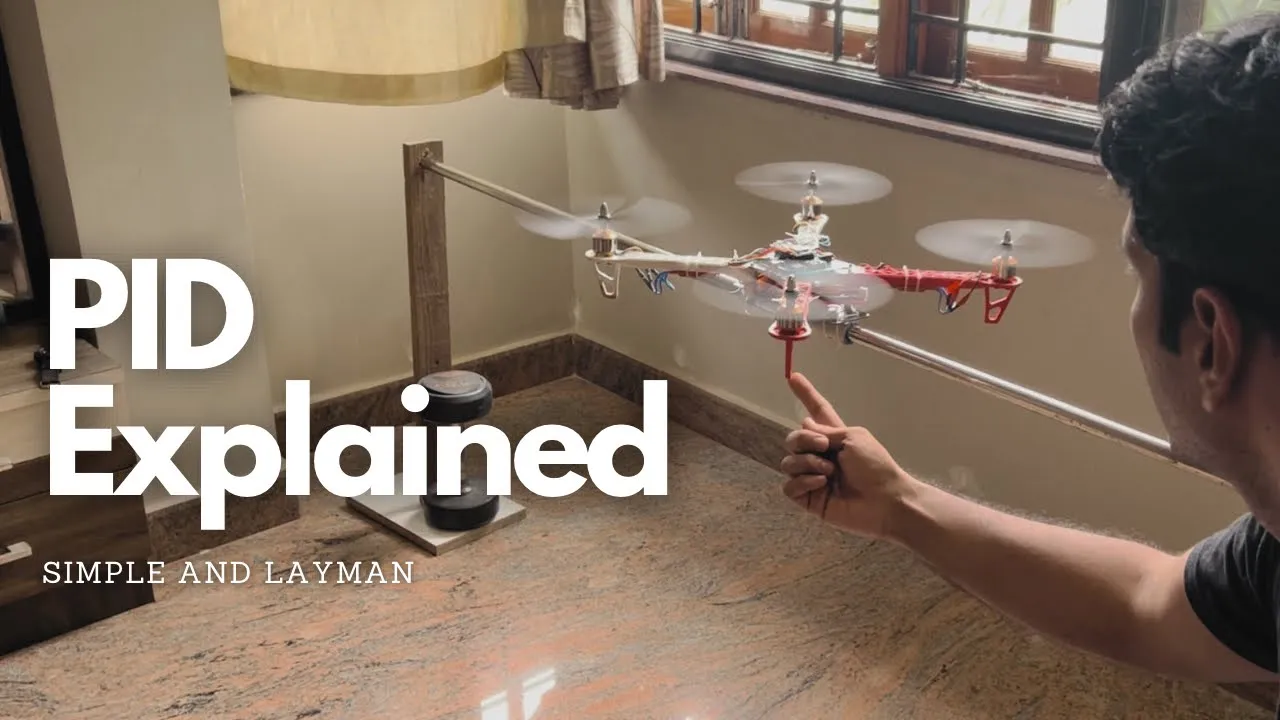
PID (Proportional-Integral-Derivative) control loops and how flight controllers stabilize quadcopters.
The function and integration of Inertial Measurement Units (IMUs), gyroscopes, and accelerometers.
State estimation techniques and sensor fusion algorithms, such as Kalman filtering.
Autonomous navigation, path planning, and obstacle avoidance systems in unmanned aerial vehicles (UAVs).
1.1M views21.9Klikes6:37Original Release: 2020-10-31
flying a drone is great fun you can do a nice takeoff like this you can hover it turn it into any axis you want and even show off to your friends with complex maneuvers but how do the flight mechanics actually work if you've ever found yourself wondering that that this video is for you drones use bldc motors which are outrunner types as you can see the propeller blades are attached to the cover of the motor the propeller blades are the most important part of the drone each cross section of the blade produces a lift force when air flows over the blade due to the airfoil principle the blade is designed such a way that the lift force produced along the length will be in the same direction on both parts of the blades allowing us to represent the total lift force produced by the drone blade as shown the controller is used to modify the motor speed the greater the blade speed the greater the lift force so how do we get from being on land to being sky high it's time for takeoff just increase the rotor speed as the collective lift force produced by the blades overcomes the weight of the drone it will lift from the ground this is known as the climbing stage when you've achieved the necessary height you can reduce the rotor speed until the lift force exactly balances the drone weight there we have it folks levitation more technically known as drone hovering in both the drone takeoff and hovering stages all the four propellers rotate at the same speed but do you notice anything strange about this visual you might have spotted that one diagonally opposite pair of propellers rotate in one direction and the other pair rotates in the other direction it might look strange but if all the propellers were spinning in the same direction the drone body would have spun in the opposite direction let's see why this is the case the stator of the motor is attached to the drone body the rotor of the motor turns because it is receiving a torque from the stator enter newton's third law of motion if the rotor is receiving a torque from the stator the stator will also receive an equal amount of torque but in the opposite direction from the rotor if all the rotors are spinning in the same direction the drone body will receive reaction torque as shown what would happen then the net effect of these four reaction torques would force the drone body to turn in the same direction of the reaction torque or in the opposite direction of propeller rotation by spinning the propeller pairs in the opposite direction we are in fact making the net reaction torque zero interestingly the same physics is used to achieve the yaw motion in normal conditions all the blades will be spinning at the same speed the yaw motion is produced by rotating one diagonal pair at one speed and the other pair at a different speed in this case the reaction torque will not cancel out and the drone body will spin as shown when you control the yaw stick of the remote control this is what happens let's learn about the other two angular motions of the drone pitch and roll the pitch and roll of a drone is controlled by the same stick and they work based on the same physics to pitch the drone forward the front propellers are spun at a lower speed and the back propellers at a higher speed this creates a different lift force at the front and back and thus a net torque the net torque causes the drone to pitch to roll the drone the same trick is applied but to the side pairs here one side pair is spun faster and the other slower once again the net torque forces the drone to go for a roll motion one interesting thing to note both in the roll and pitch operation is that even though you are changing the speed of the propellers when you add up the reaction torques produced by the motors it becomes zero this is the beauty of quadcopter drone design they make way for stable drone operation the beginning of this video we saw how to climb a drone now let's see how the drone is flowing forward or sideward assume you are pitching the drone forward after you achieve the desired pitch angle you brought the propeller speeds to the same value so that it won't pitch further the question is whether the drone can balance here at this tilted angle the answer is no to balance the drone we have to first balance the gravitational force suppose the propeller speed is such a way that the vertical component of the propeller force balances the weight here comes the issue the propeller force has a horizontal component as well even though the vertical forces are balanced the unbalanced horizontal force will move the drone horizontally this will cause a drag force on the drone's body the drone will increase its speed horizontally until the drag force matches the horizontal force in short to fly the drone forward you just pitch down the drone and balance it vertically the drone does the rest automatically moving forward to get the side motion the same physics is used roll the drone towards one side and balance it vertically so here's a question for you is it possible to move the drone in a perfect circle the secret lies in the physics of circular motion let's shake off the dust and brush up on our basic principles consider an object moving in a straight line when acted on by a force that is always perpendicular to its velocity the object will turn in a circle now you have the answer in your mind for example you can make the drone move straight by pitching it down now if you roll the drone as well you can easily produce a force perpendicular to the drone velocity this will make the drone turn in a circle if you've enjoyed learning about the interesting flight dynamics of the quadcopter drone why not check out the other videos in our drone series don't forget to be one of our supporters see you next time at learn engineering
Up Next
14:17
Fusion 360 Motor Mount Redesign for 3D Printed RC Plane
@redbaronrc
1.5K views•2025-08-17
30:32
Ultrasonic Transducers: Resonant Frequency Measurement and Horn Design
@imajeenyus42
229.9K views•2017-02-22

54:16
Polymer Environmental Degradation: Mechanisms & Stabilization
@iit
1.8K views•2012-07-10
33:39
How a Student's Question Saved a NYC Skyscraper from Collapse
@veritasium
22.8M views•2025-04-26
Related Study Plans & Knowledge Roadmaps
Structured learning paths in Engineering
engineering
Building Acoustic Levitators: Physics & Arduino
01The Physics of Sound and Standing Waves
02Piezoelectric Transducers and H-Bridge Drivers
03Arduino Programming: Generating 40 kHz Signals
+ 2 more learning modules
14h5 modules
Explore Roadmap
engineering
Building Peltier Cloud Chambers: Particle Tracks
01Cosmic Rays & Cloud Chamber Physics
02Thermoelectric Cooling (TEC) Fundamentals
03Custom Liquid-Cooling Loop Design
+ 2 more learning modules
18h5 modules
Explore Roadmap
engineering
Yagi-Uda Antennas: Modeling, Build & VNA Test
01Introduction to RF and Antenna Fundamentals
02Yagi-Uda Antenna Design Principles
03Antenna Modeling and Simulation in 4NEC2
+ 2 more learning modules
18h5 modules
Explore Roadmap
engineering
ECG Monitor Design: Op-Amps, Filters & Noise
01Electronics & Breadboard Basics
02Op-Amps and Instrumentation Amplifiers
03Bioelectricity and ECG Fundamentals
+ 2 more learning modules
18h5 modules
Explore Roadmap