








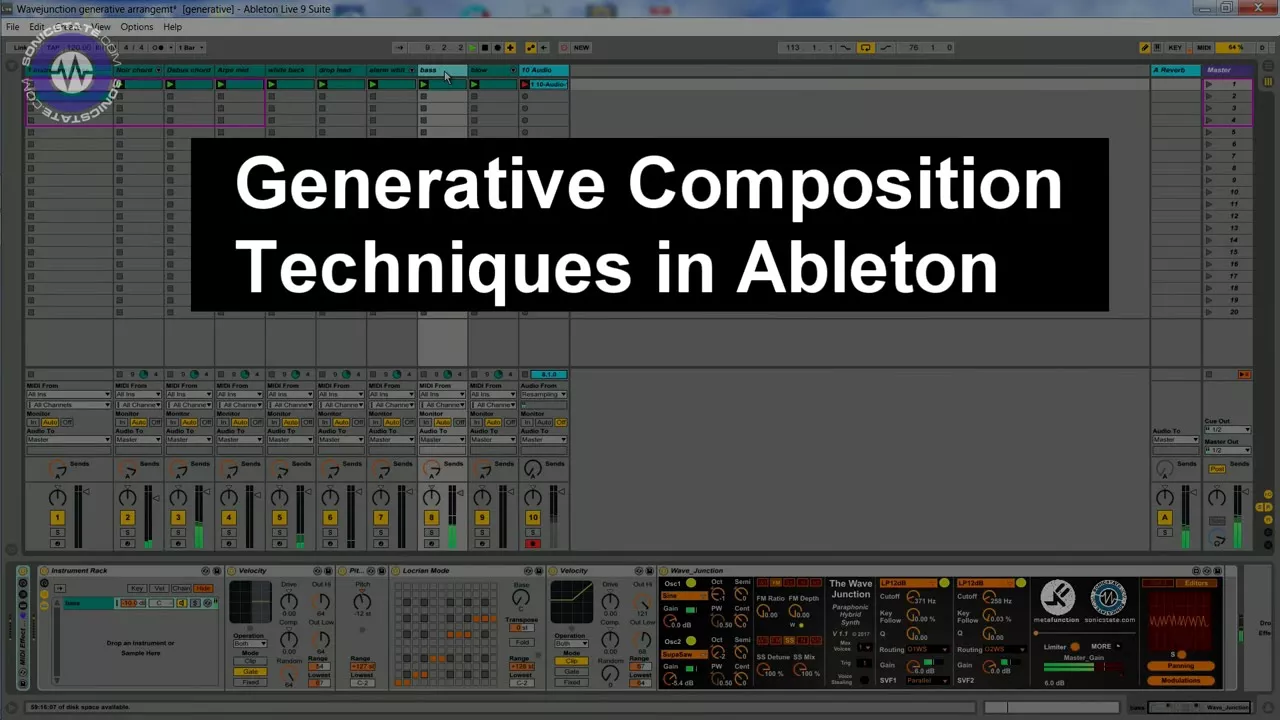



Ambient music is created through strategic layering of multiple sound elements, where each layer serves a specific musical function: FM synthesis with sine waves at different octaves creates evolving pad textures, while detuned saw waves with low-pass filters and LFO movement produce deep, moving bass lines; the key technique involves combining echo and reverb effects to create a continuous wash of sound, and adding static notes that remain unchanged throughout the track provides contrast to the evolving elements, resulting in a rich, immersive soundscape.
Making Ambient Music in Ableton: Brian Eno-Style Sound Design Tutorial
Added:Basic navigation and workflow within Ableton Live, including MIDI sequencing, instrument loading, and device routing.
Fundamental concepts of synthesis, particularly the relationship between carriers and modulators in FM (Frequency Modulation) synthesis.
Understanding the primary parameters of spatial audio effects, specifically decay time, pre-delay, and feedback in reverbs and delays.
Basic music theory suitable for ambient textures, such as sustained chord structures (sus2, sus4) and modal scales like Lydian or Dorian.
Implementing generative music systems in Ableton using MIDI effects, Follow Actions, and LFOs to create self-playing compositions.
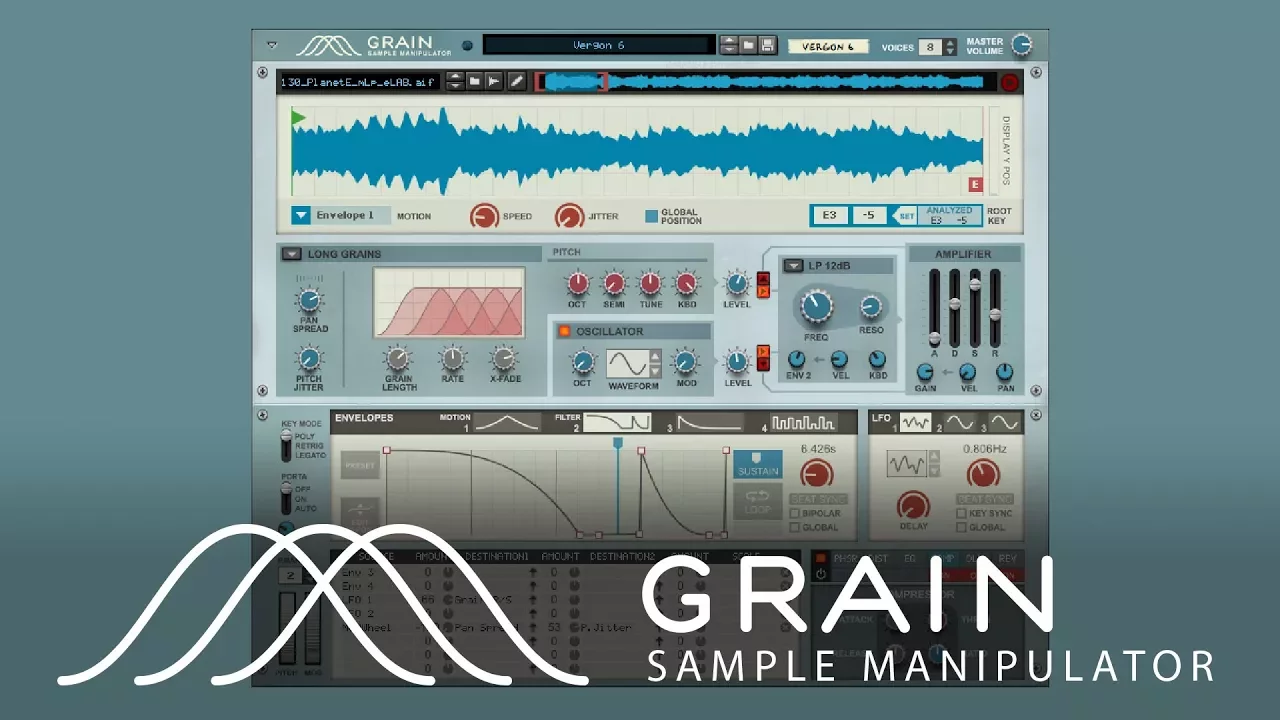
Exploring advanced sound design utilizing Granular Synthesis to chop and stretch organic samples into lush, evolving soundscapes.
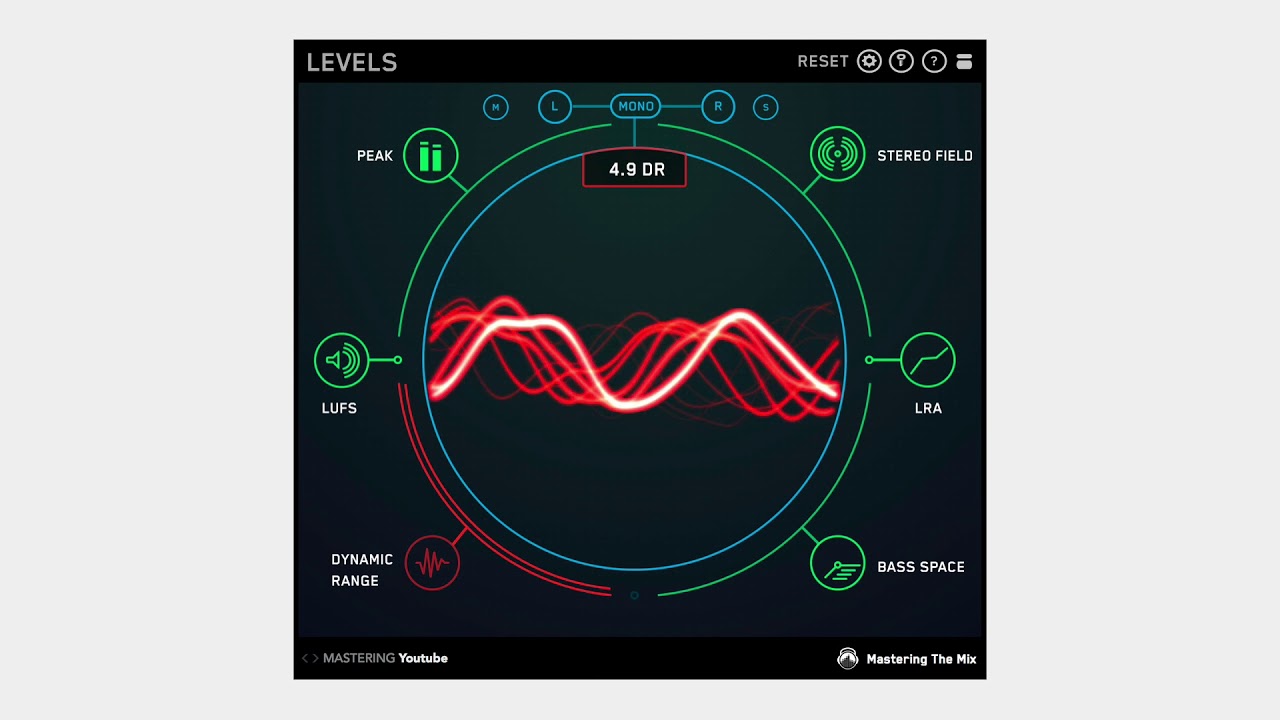
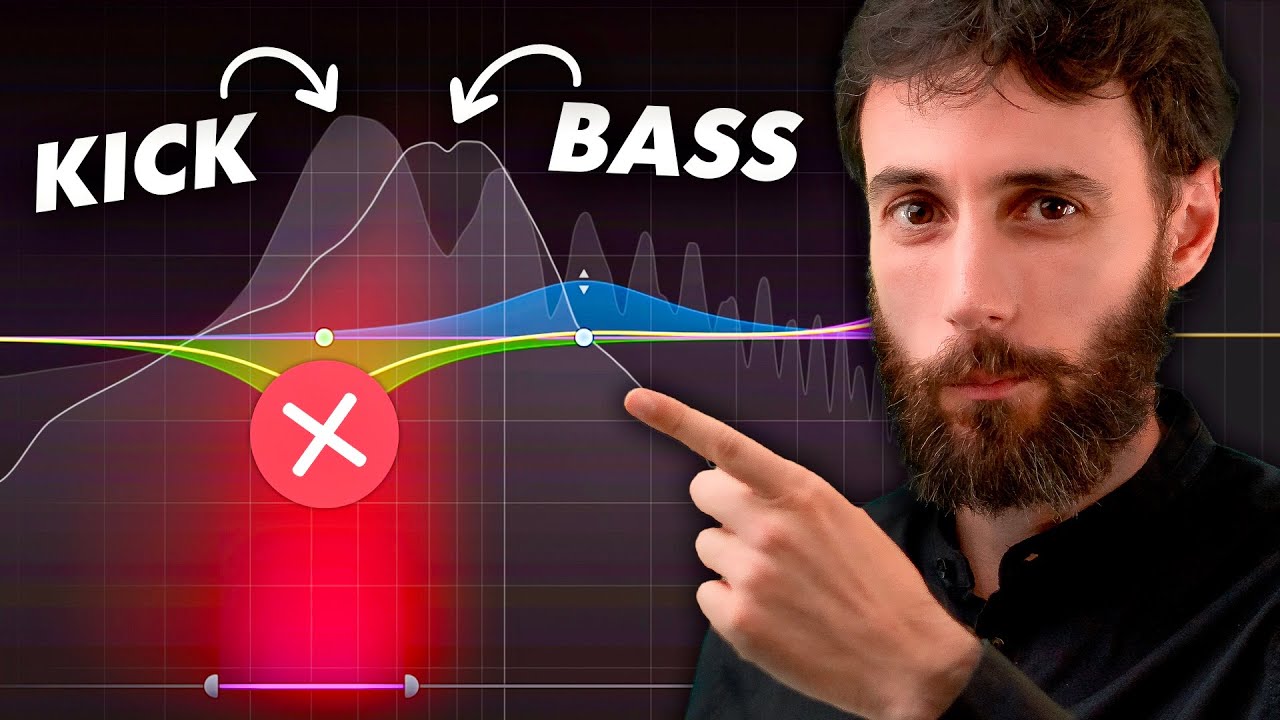
Mixing and mastering techniques tailored for ambient music, focusing on dynamic range preservation, managing low-end build-up, and wide stereo imaging.
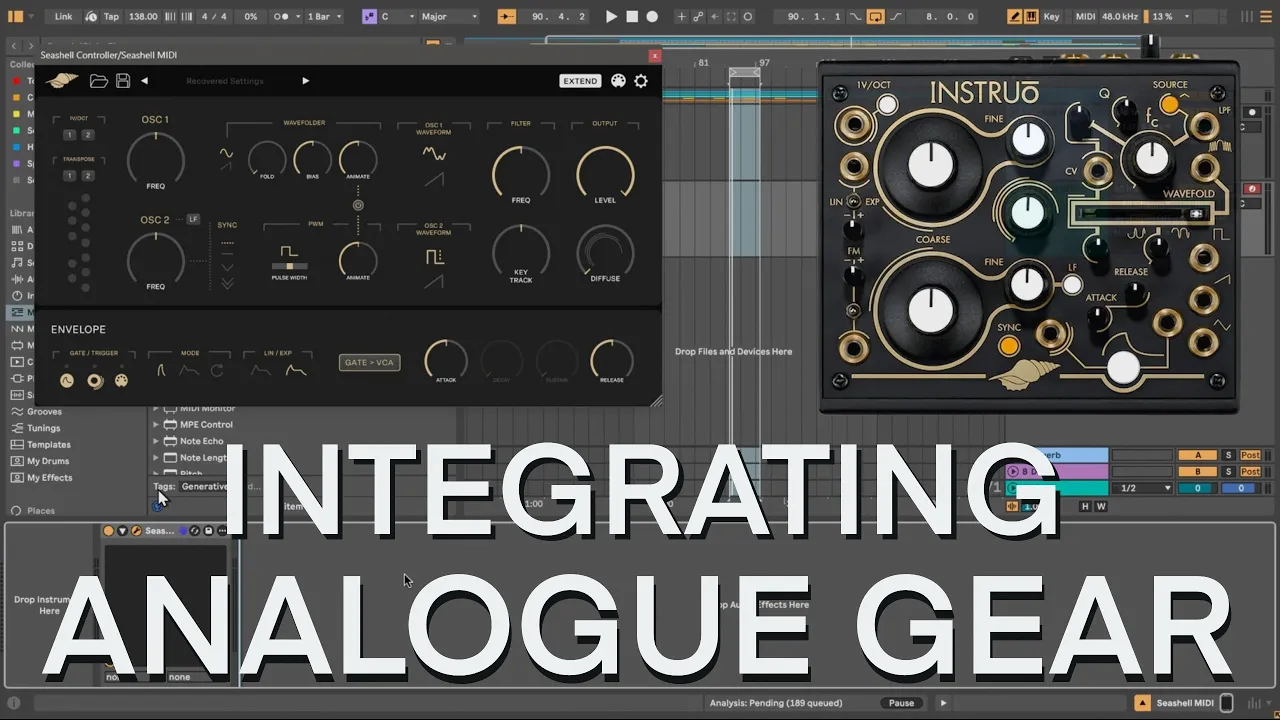
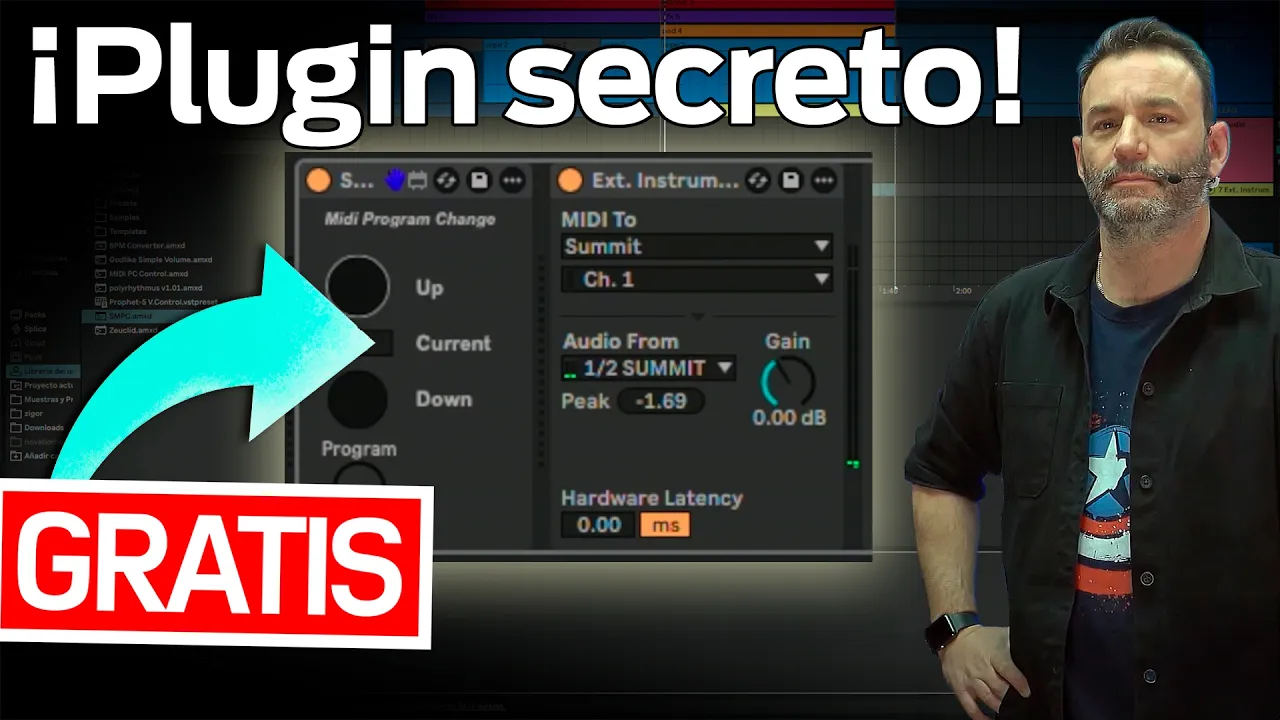
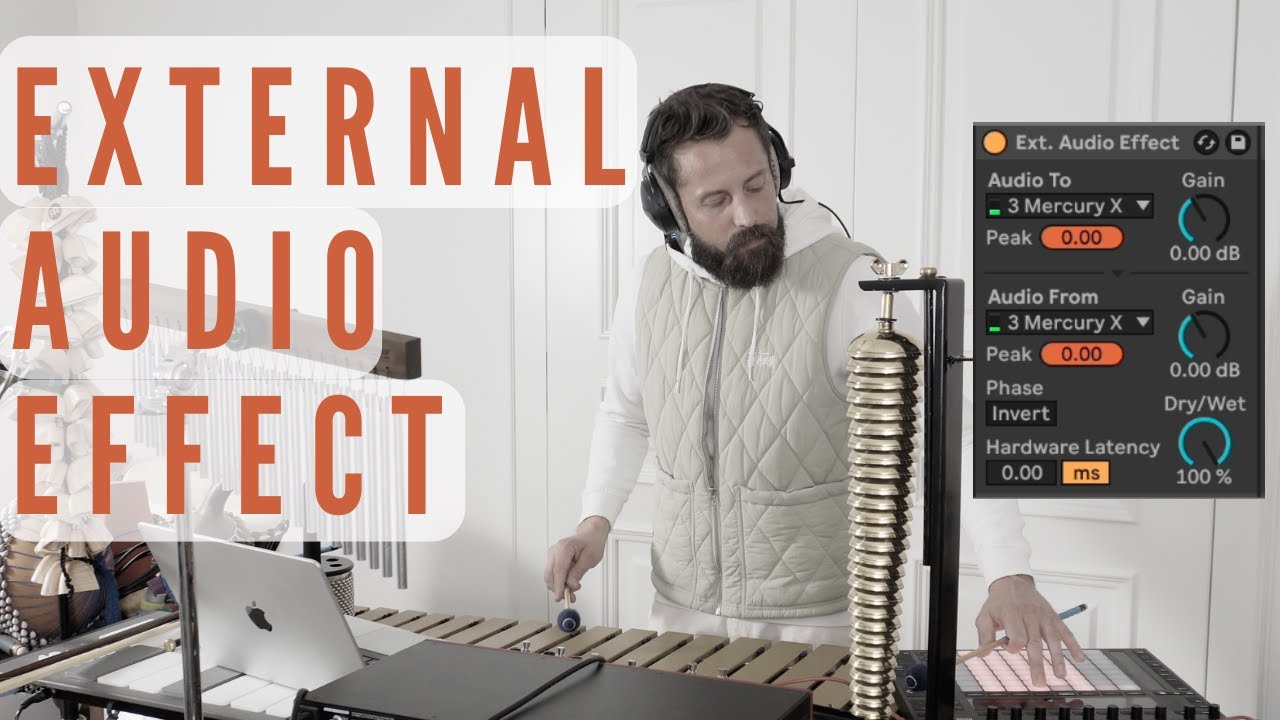
Integrating external hardware, such as guitar pedals or modular synthesizers, with Ableton Live for hybrid analog-digital ambient production.
84.1K views2.8Klikes13:25Original Release: 2019-08-04
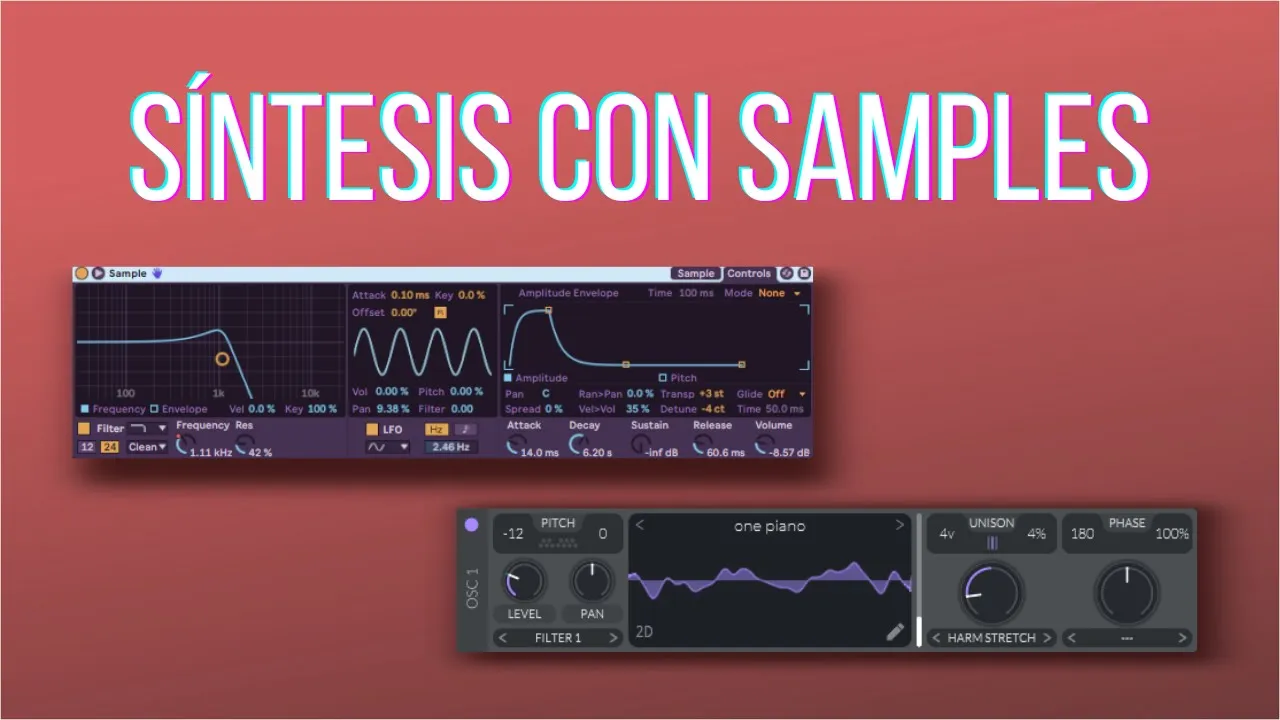
[Music] hey guys it's joining today I'm gonna be showing you how to make ambient music like Brian you know you get the project violin samples and mininum presents and everything from this video in the description for free and if you're a patron on patreon check there because it is available without a download game and yeah let's get started son this will be ready to try we're at 140 bpm the first thing I'll say for this video is honestly the BPM doesn't really matter in music it's like you know once you get to a certain point where it's just a bunch of like wash of sins or even like if it's following like a chord structure like here it's following a chord progression and it's got kind of like a structure it's it's still like you know the BPM isn't really that important like I'm gonna just try speeding up slowing it down whatever sounds good we're at 140 BPM the first time we have here is this first pad which sounds like this [Music] so what this is doing is it's just going between this G minor 9th chord and then this C minor 9th so yeah it's it's very simple just the same chord shape just five notes up yeah I'm pretty straightforward basically what's happening here is seam we have C minor would be like the root note and then G minor being the fifth but yeah so with this one it's more about the chord shapes like just kind of using a more interesting kind of thing like this like you know it's not just a basic major or minor chord it's a minor 9 so you're getting the minor chord and then a minor 7th and then a nice on top of that so it adds more flavor to it musically and the some of the swings made using operator and this is a pad an FM pad these kind of pads are very good for this style because it allows you to create some cool textures that you can't get with just like saw waves and square waves it's like if you make everything with just sine waves and saw waves and square waves and I'm not talking about using FM with those I'm talking about just subtractive and additive synthesis like that it can get kind of boring cuz it's like you know you're just working with the same sounds over and over but with FM synthesis you're able to create really interesting new fresh textures and interesting sense just by playing around with different waveforms like sine waves and stuff like that and playing around to different octaves at the rat so that's what we got here I've got these three sine waves doing some FM all the different octaves I've also got this detuned a little ZT really helps with the movement never have those going into a bandpass so here's without that and then with its even the bandpass really down to back it makes it a lot smoother and that's like in your face like that sounds cool too but for smooth ambient music definitely this it's bit better after that I have a bit of course this really helps with pad sounds as you probably know because it just kind of spreads it out and makes it a bit bigger gives it some more dimension never after that we have this echo and this reverb these are just giving it space and yeah you know what these come in I mean sounds like this I like using the echo and reverb at the same time because what's happening is and we just use the reverb you don't really get that full of a sound did you do but what's happening when you have the echo on is you're getting the reverb from the original one and then you're hearing the reverb of every single one of these individual echoes on top of it so it becomes a lot more of a wash I think kind of makes it easier to make something that you get in Austin as opposed to like you know it's just very clearly like okay here's one chord then here's another chord so yeah that was first pad next sound that we have here is the second pad which sounds like this this way the same mini as the last one there's the G minor nine I'm to the C minor nine and then for the seven this one it's made very in a very similar way you can see this is also just some FM synthesis with operator I'm just gonn three sine waves these are not 13 but they are all in different octaves and then they're going into a low-pass filter just set like this I've got an LFO on the low-pass filter just slowly moving it kind of gives it some movement it's like you'll see this with some of the other elements as well but it's it's a matter of like stacking up movement like that's how you keep this kind of stuff interesting right it's like by having some movement have any things changing and then you don't just want like one sound that's just sitting in the same place the whole way through playing this chord progression you have a few different sounds that are changing and evolving all around each other so that is what the xylophone does it gives some movement to this it's moving that filter it's also moving the volume oscillator B and then in doing so you're giving every it's like adding to the overall track with all the other things that have movement as well even if this one is very subtle C Y and then after that we just have a bit of course doing somewhere to that nice pad just spreads it out makes it a bit bigger sounding and then we have an echo as well as a reverb and with this one the same thing is the last one it's like when you put the echo into the reverb it really helps to make it truly ambient and truly like lost in space like that as opposed to you got just like some slight reverb after that we have this bass which sounds like this [Music] [Music] so with this base here the goal was secrete like a nice deep sub that has some movement to it when I was listening to Brian Eno's ambient tracks this is what he does a really good job of is he'll have a base like this where it's still giving you that deep sub but it's not just a sine wave it has some movement to it and if you listen to this you can hear that it's like getting quieter and not her and so basically the way that we're doing this here is using Dieterle you can see I have basically the Sun is made using analog cans and notes it's just following the chord progression they're just going G and then D sharp actually which is not exactly the same as the chord progression but if you listen it fits with that chord there it is the minor third from that chord there but it's just you know it's a little bit different but yes so what's happening here is it's just these really slow D Tunes here like I've got these two saw waves just very slightly detuned and then I have some unison on there and that's what's creating the movement because if I turn off this low pass filter you can hear it you guys agree you come here like morphing like that that's the detune if I turn up that speed you get more of that effect but it's not as smooth this is just a really good way to make it like really deep and smooth yeah like you said you saw waves detuned slightly going into a low-pass filter and then we got the amp envelope set like this I didn't have that little bit of unison like I was saying that's just giving it that last little bit of detuning yeah and then the only extra thing on there is just a bit of saturation this helps when you have a really warm base like this to kind of take it and make it not just like a sine wave but you're adding some warmth and some fatness to it seeing that is the base next time that we have here is this pad which sounds like this so someone is more of a journey son Isaac in here he's just playing this one note which just sits over top of the chord progression [Music] [Music] oh yeah you can get it just kind of sits over top of that counter like hangs out over the whole course of the track and this really helps to bring it to life because it's like you know when you hear music and you hear just like the most basic surface level things like if you hear say this was an ambient track which was just these pads in the space [Music] that's cool but it's like it's only one thing it doesn't really have like it doesn't really have anything to balance that if that makes any sense those were something like this comes in we have everything which is changing chords and moving and doing that kind of stuff musically and then we have this thing which just stays in the same place to provide some contrast so yeah the note this is playing is just D and yeah for the center on this one it's made using operator again really like using FM synthesis it's just such a good way to make interesting sounds that aren't just like like I said different combinations of saw waves and square waves and sine waves you see yeah we got four sine waves here and I've just got them detuned slightly they're all at different octaves and then I'll get those going into a low-pass here's without the low-pass you hear there's actually quite a digital and harsh sound but then the low-pass that was it back so it's just like a smooth pad so yeah don't be afraid to make big like harsh sounds like that though that's like the way you need to think of it it's kind of like you're creating your own waveform here so it's like when you do subtractive synthesis you take a very harmonically rich waveform so like a saw wave or a square wave which has a lot of high harmonic content like this and is very like often very abrasive and heavy like that and then you're kind of dialing it back this is the way the subtractive synthesis work so again think of it like this we're just creating like iron kind of saw wave type of sound and then we're doing subjectiveness on that so yeah after that I just haven't been a reverb just to give it some space and then I have this Auto filter cutting at the one this tends to add you can hear like when you make these cool FM Suns they definitely work but you can hear there can be a little bit of line in there so this is just cutting it out I'm cleaning enough I'm making room and that is it for that first journal and then the next sound and the last time we have here is the second turn back which sounds like this just waiting the same note just that D that the first one was playing and again the same thing you know and just adding some extra kind of musical stuff on top of the track and it's also kind of similar to what I was doing up here with these suits like view us and this is very deep and then this has a bit more brightness on it when you learn them together you get the best of both worlds same thing here this is very deep and this has that nice bright high end if you have just won them on their own it's not enough where it's just not as good but when you have both of them there you go it kind of you know it's like it's making up for where the other one left off and picking up and this one the other ones picking up with this one that's off so yeah for the second on this one it's making using analog what we got here is two square waves I guess you can also call them pulse waves we've got those going into you a low-pass filter you can see they're detuned a little bit and I've got a little bit of an allophone on the low-pass so this is like I was saying before it's like you know stacking up movement we have a lot of things that are just moving slowly and subtly throughout the track and it adds up and makes the whole thing something can has a lot of movement and just like it's very alive so that's the purpose of that LFO on the filter there even if it's like really subtle in this it makes a big difference in the overall track I've also got the amp envelope set like this and then we've got a bit of vibrato and a bit of unison as well and that is it front side of analog after that we have some chorus kind of spreading the Sun out making it a bit bigger then we have some reverb this is giving it the space as you can imagine and then the last thing we have on there and just an EQ eight counting up and on and that is it for this son yes so for this video guys I show you some techniques picked up on your making ambient music it can seem a bit daunting trying to make this big like soundscapes of this big ambient things but you can see if you just break it down layer by layer like this it's just about kind of like strategically going in and learning it up and getting a lot with a very little that make sense so see there's only three musical parts being played here but there's a lot of intricate stuff happening between them that makes it what it is look at me for this one guys I hope you enjoyed as always make sure to like this video as well as subscribe and let me know interesting this video in the comments like I said you can get the project file and samples mininum presets and all that stuff in the description for free and if you're a patron on my picture and check they because it's available let me down legate thank you so much guys and I will see you tomorrow with another video
Up Next
39:56
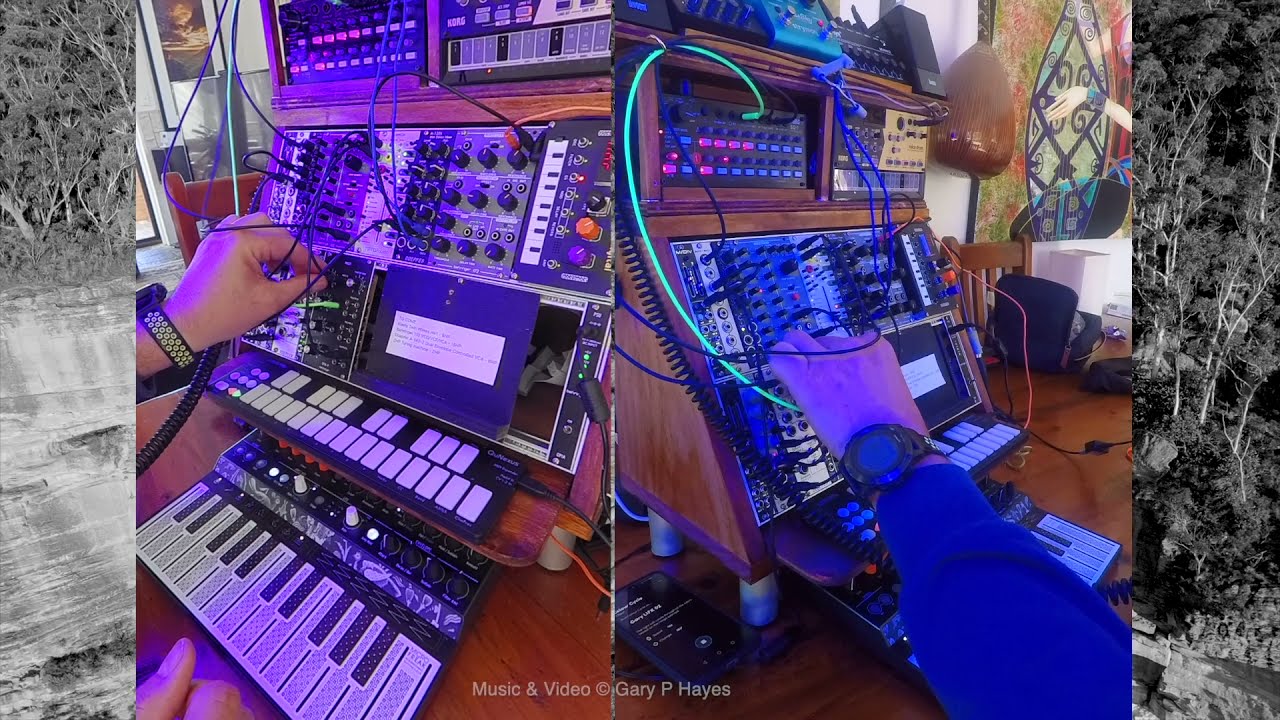
Ambient Eurorack Jam: Modular Synth Walkthrough & Sound Design
@GaryHayes
404 views•2021-04-12

12:54
Triumph of Orthodoxy Icon: Byzantine Art & History Explained
@BenCallan
2.1K views•2024-08-06

9:49
FastAPI vs Flask vs Django: Choosing the Right Python Web Framework
@TechWithTim
302.5K views•2024-05-26

1:42
Game of Thrones Opening Credits: A Cinematic Analysis
@gameofthrones
46.3M views•2011-04-18
Related Study Plans & Knowledge Roadmaps
Structured learning paths in General & Interdisciplinary Studies
general-studies
Elevator Engineering: History, Physics & Cities
01From Hoists to Safety Brakes: The Dawn of Vertical Lift
02Hydraulic vs. Traction: The Engineering Physics of Elevators
03Modern Speed, Safety, and Algorithms
+ 2 more learning modules
12h5 modules
Explore Roadmap
general-studies
Rubber: Material Science, History & Geopolitics
01Origins of Natural Rubber & Mesoamerican History
02The Chemistry of Natural Rubber & Vulcanization
03The Geopolitics of the Rubber Boom & Colonization
+ 2 more learning modules
12h5 modules
Explore Roadmap
general-studies
Containerization: Evolution, Logistics & Trade
01Ancient Trade & Bulk Cargo: Amphorae to Barrels
02The Industrial Revolution & Cardboard Packaging
03The Containerization Revolution: Malcom McLean
+ 2 more learning modules
12h5 modules
Explore Roadmap
general-studies
Textile Tech: Evolution, Labor & Global Impact
01Pre-Industrial Textiles: Handloom & Cottage Industry
02Mechanization: The Spinning Jenny to the Power Loom
03The Factory System & Global Labor Transformation
+ 2 more learning modules
10h5 modules
Explore Roadmap