














![[#3] Microcirculação: FORÇAS DE STARLING | MK Fisiologia](https://i.ytimg.com/vi/g8yHtk_xE0o/maxresdefault.jpg)





Blood flow equals the pressure gradient divided by resistance (Flow = ΔP/R), where resistance depends on blood viscosity, vessel length, and vessel radius; since blood flow is proportional to the fourth power of radius, even small changes in vessel diameter can produce large changes in blood flow, making vascular radius the primary mechanism used by the body's control systems to regulate blood flow to individual organs, while blood pressure generated by cardiac output controls overall systemic flow.
Blood Pressure, Blood Flow, and Resistance Explained (Hemodynamics) | Physiology
Added:Basic anatomy of the cardiovascular system, including the structure and functions of the heart, arteries, capillaries, and veins.
Fundamental physics concepts of fluid dynamics, such as pressure, flow rate, and resistance in closed piping systems.
The cellular composition of blood vessels, specifically the role of vascular smooth muscle in vasoconstriction and vasodilation.
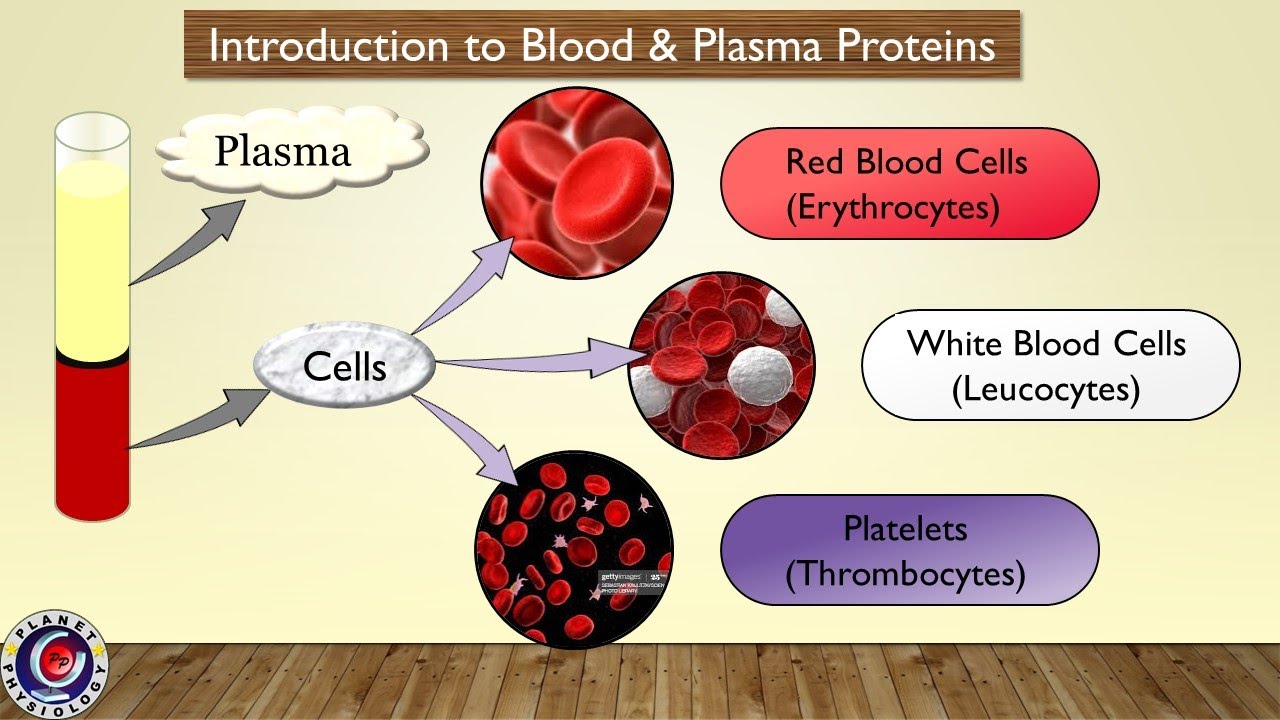
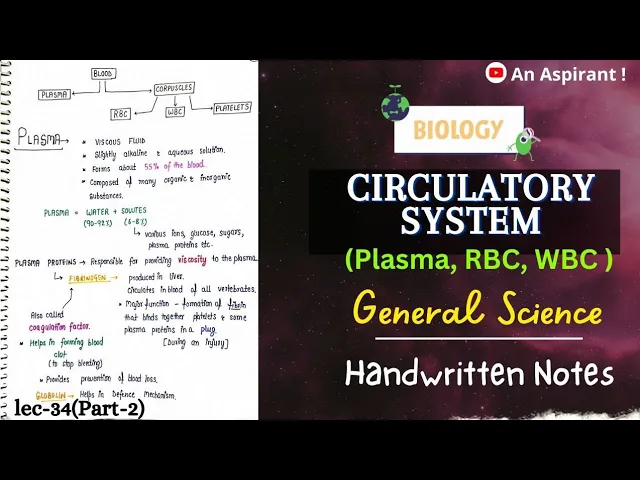
The basic composition of blood, including plasma and cellular elements, and how they contribute to fluid viscosity.
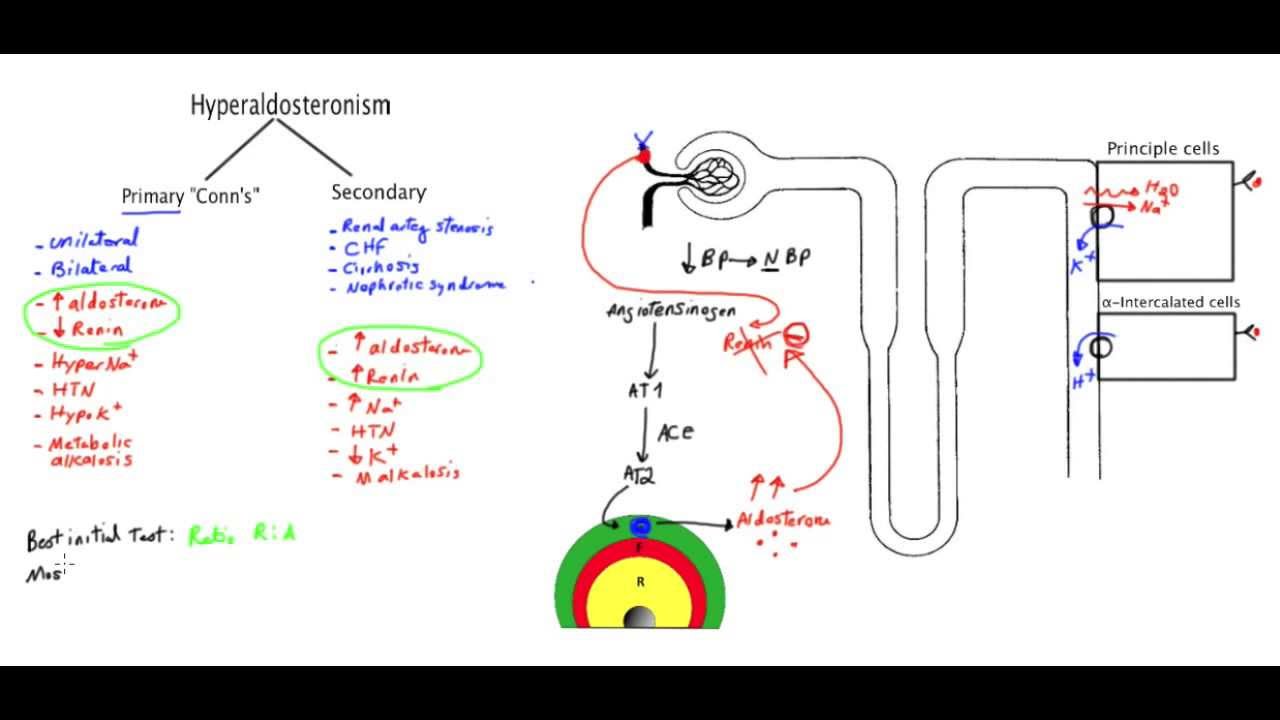
The physiological regulation of blood pressure, including neural pathways (baroreceptors) and endocrine systems like the RAAS.
Pathophysiology of cardiovascular diseases, such as hypertension and atherosclerosis, in relation to altered vascular resistance.
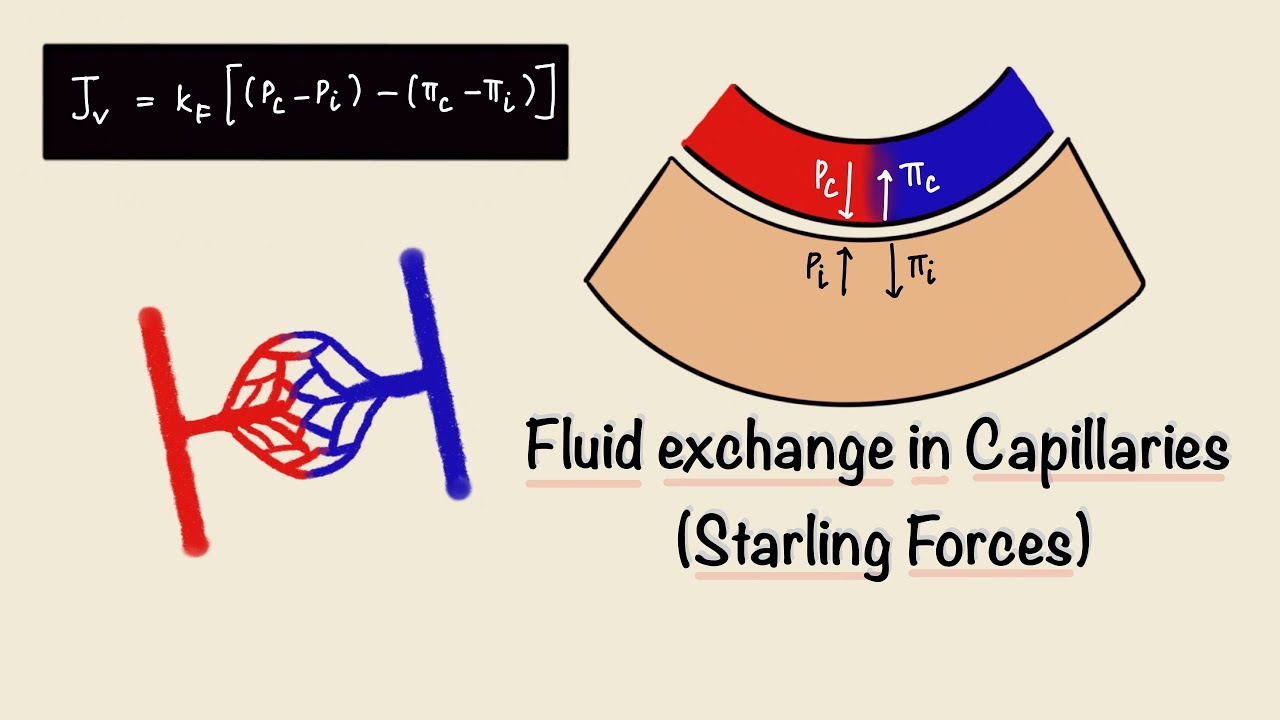
Microcirculation dynamics and Starling forces, which govern nutrient and gas exchange at the capillary level.
The concepts of cardiac output, venous return, and how local tissue autoregulation adjusts blood flow based on metabolic demand.
41.9K views1.6Klikes10:00Original Release: 2023-10-17
Welcome to nonstop neuron.com where learning medical concepts is as easy as watching cartoons. This video will make you fall in love with the hemodynamics of circulation. In this, we will see the most fundamental concept of hemodynamics: the relationship between pressure, blood flow, and resistance.
First, let's quickly revise what each one of these is.
Blood flow is the total quantity of blood, that passes through a given point in circulation, in a given period. For example, blood flow to the kidneys is a thousand milliliters per minute. Blood pressure, is the force exerted by blood, against the vessel wall. High pressure at one end of the artery, tends to push the blood. And resistance is the force opposing the blood flow. It depends on the viscosity of the blood, the length of the blood vessel, and the radius of the vessel.
Here the flow is equal to the pressure gradient, divided by resistance.
So what this formula is really trying to tell you? The pressure gradient means the difference in pressure between two points. It's like a slope.
The height represents the pressure here. The more the difference in pressure, or in simple words the steeper the slope, the faster the blood flows.
So by being the numerator, the pressure gradient is telling you that he… increases blood flow.
And regarding resistance, any opposing force like vasoconstriction, decreases the flow.
So the more the resistance, the less would be the blood flow.
So resistance in the denominator tells you that he decreases blood flow.
Ok… if that was too easy for you… let's go one step further.
In the video on resistance to blood flow, we discussed in detail how resistance depends on the viscosity of blood and the length and diameter of blood vessels.
If we plug in these factors here, we can see that the flow is proportional to the pressure gradient, and radius to the fourth power.
And inversely proportional to the viscosity of blood, and length of the blood vessel.
Don't worry, we are not going to do any math here.
Our body's control system is not interested in math.
He is just looking at these factors and thinking of which one to tweak - to control the flow.
First, let's consider length. Well, the length of the blood vessels is fixed as per your body size. So that factor is out of discussion right away!
The viscosity in turn depends on hematocrit. Now red blood cells' main job is totally different, and playing with them affects those functions as well.
So our body's control system is smart enough to not use viscosity either.
Now we have two factors remaining: blood pressure, and the radius of blood vessels.
These two are used to control flow. To understand their fundamental role, the analogy of height will help again. The heart is at the highest level of blood pressure in the entire circulation. That is because the pumping activity of the heart itself generates the pressure in the first place. The other organs are at lower pressure.
Connecting the heart to all the organs are arteries, in which the blood flows down the pressure gradient. In this context, the method to control blood pressure is to regulate the pumping activity of the heart, or in other words, the cardiac output.
When the pumping increases, the central pressure increases.
It increases the pressure gradient toward all the organs.
And therefore, it tends to increase blood flow to all the organs.
And when the pumping activity decreases, this central pressure falls.
And this tends to decrease the flow to all the organs.
In a nutshell, the primary role of pressure is to generate a driving force for the flow.
So its changes, tend to affect blood flow to all the organs.
So this was about the pressure gradient. Now let's see the role of the radius of the blood vessels. It's a wonderful tool when it comes to the regulation of blood flow. There are two beautiful things about it.
One is that it's related to the flow by the fourth power.
And second, it allows the regulation of flow, at the individual organ level.
First, let's see the importance of the fourth power.
As blood flow is proportional to the radius to the fourth power, its impact on blood flow is much more. By the very math we can understand that, if the blood vessels are constricted to half the radius, the blood flow decreases sixteen times.
And if they are dilated to double the radius, the flow increases 16 times.
Thus only a fourfold change in radius produces 256 fold change in blood flow.
Isn't that huge? But why the radius has this huge impact? Again there are two reasons. One is pure math.
The cross-section area of the vessel is pi R-squared.
So with an increase in radius, the space that blood gets to pass through, increases by the square function. And second, the blood mostly flows in a laminar fashion. What happens in this, is that the outer layer of blood experiences very high friction against the wall.
So it moves very slowly. The inner concentric layers, slip over the outer layer. So it moves faster than that.
This way, as we go to the center, the speed of flow increases.
The fastest-flowing streams are at the center. Now when the vessel gets narrower, it's these fastest-flowing streams that are lost. So the flow decreases exponentially, with a decrease in radius. And vice versa, when the vessel dilates… the new layer that develops at the center flows faster than all existing layers.
So flow increases very rapidly with an increase in radius.
Thus even a small change in radius produces large changes in flow.
So that's the beauty of the fourth power. But it's just one thing.
The other special thing about radius is that each organ has its own arterial supply.
So regulating the radius of the individual artery allows independent regulation of blood flow to each organ. This helps increase blood flow to only those organs where it is needed the most, without much changes in other organs.
In fact, some organs can regulate their own blood flow as needed, by a mechanism called autoregulation. All thanks to the radius.
To regulate the radius of vessels, we have many control systems like sympathetic and parasympathetic innervation, certain circulating hormones, and even autoregulation by the organ itself, as we just saw.
They cause vasoconstriction, or dilatation as needed.
Thus the radius of vessels is a wonderful tool when used by our body's normal control systems.
But in the wrong hands of pathological conditions, it can cause serious problems too.
For example, if a pathological obstruction in an artery, reduces the radius by half, the fall in the flow would be sixteen times. This huge fall in flow can severely compromise the function of the target organ. This is what happens in myocardial infarction, and stroke. So this was all about the radius too.
I hope you now have a clear idea - regarding what role these parameters play in the regulation of blood flow. We will discuss how they are controlled in separate videos. Before summarizing, I want to thank the sponsor of this video. It's me! You are watching till now, means you already know that I make wonderful videos to learn medical concepts.
So check out my website nonstop neuron dot com, to explore my entire animation video library.
It really makes learning medical concepts as easy as watching cartoons, just like this concept.
Now let's have a quick summary. Blood flow is equal to the pressure gradient, divided by resistance. Resistance in turn depends on viscosity, length of blood vessel, and radius of the vessel.
Among these parameters, blood pressure, and the radius of vessels are used by our body's control systems, to regulate blood flow to various organs.
For the regulation of pressure, the pumping activity of the heart is controlled.
This tends to affect blood flow to all the organs.
As flow is proportional to the fourth power of the radius, even a small change in radius can produce large changes in the flow. And obviously, to change the radius, the vessels are constricted or dilated as needed. This allows the regulation of blood flow at individual organs. That's it for this video.
Up Next

40:20
Cardiovascular Physiology | Blood Pressure Fundamentals Explained
@NinjaNerdOfficial
1.2M views•2017-08-01

48:47
Graphic Medicine: Comics for Collaborative Healthcare Communication
@nationalpatientadvocate
189 views•2023-12-04

10:28
Neuroanatomy: Central and Peripheral Nervous System Divisions Explained
@AKLECTURES
136.2K views•2014-09-20
3:05
Stages of Labor and Vaginal Birth | Childbirth Animation
@nucleusmedicalmedia
52.1M views•2017-08-18
Related Study Plans & Knowledge Roadmaps
Structured learning paths in Medicine
medicine
Abnormal LFTs: Diagnostic Workup & Pathology
01Liver Anatomy and Basic Physiology
02Introduction to Liver Function Tests (LFTs)
03Hepatocellular vs. Cholestatic Patterns
+ 3 more learning modules
12h6 modules
Explore Roadmap
medicine
Analyzing Blood Smears: RBC, WBC & Platelets
01Introduction to Blood Components & Smear Preparation
02Normal Morphology of Blood Cells
03Erythrocyte Pathologies & Morphological Variants
+ 2 more learning modules
12h5 modules
Explore Roadmap
medicine
Mechanical Ventilation: Waveforms & Alarms
01Anatomy and Physiology of Breathing
02Introduction to Mechanical Ventilation & Core Modes
03Ventilator Settings and Waveform Interpretation
+ 2 more learning modules
12h5 modules
Explore Roadmap
medicine
Neuro Exam: Localization & Stroke Syndromes
01Foundations of Neuroanatomy and Vascular Supply
02The Neurological Examination: Step-by-Step
03Principles of Neurological Localization
+ 3 more learning modules
18h6 modules
Explore Roadmap