







![Gier auf Geld [3sat Doku]](https://i.ytimg.com/vi/RD0Ss5P7jB8/hqdefault.jpg)


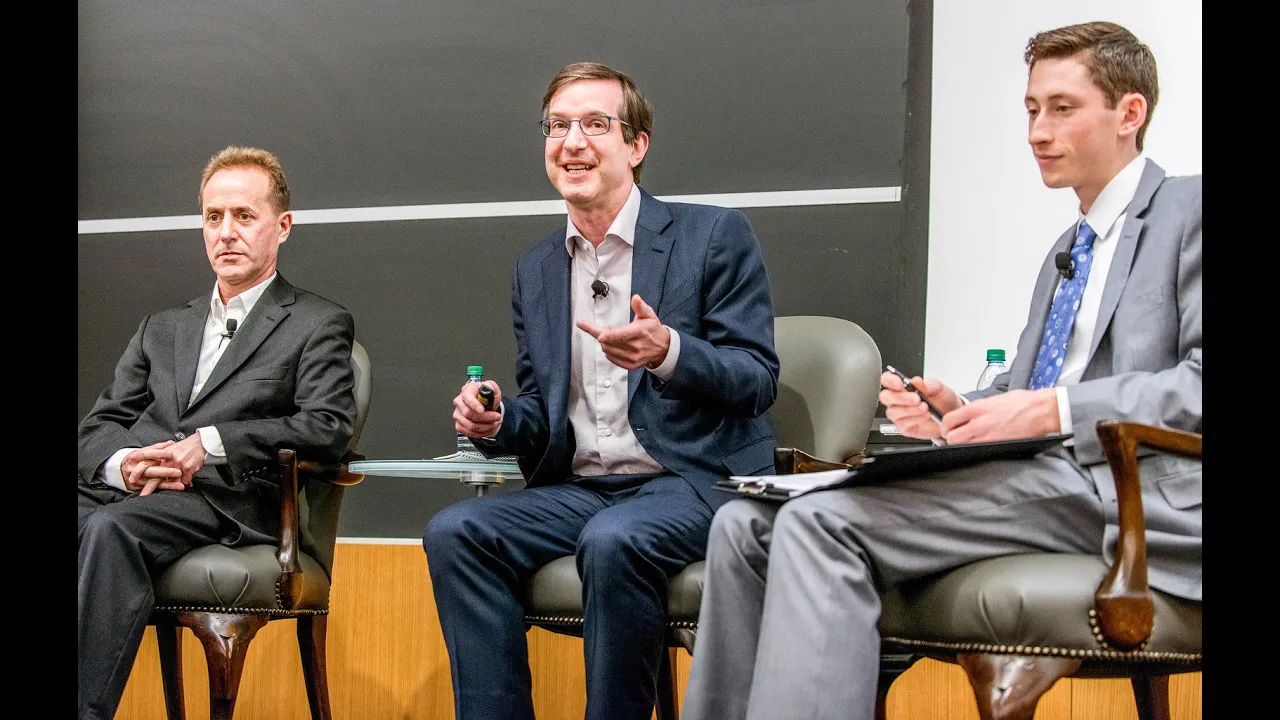
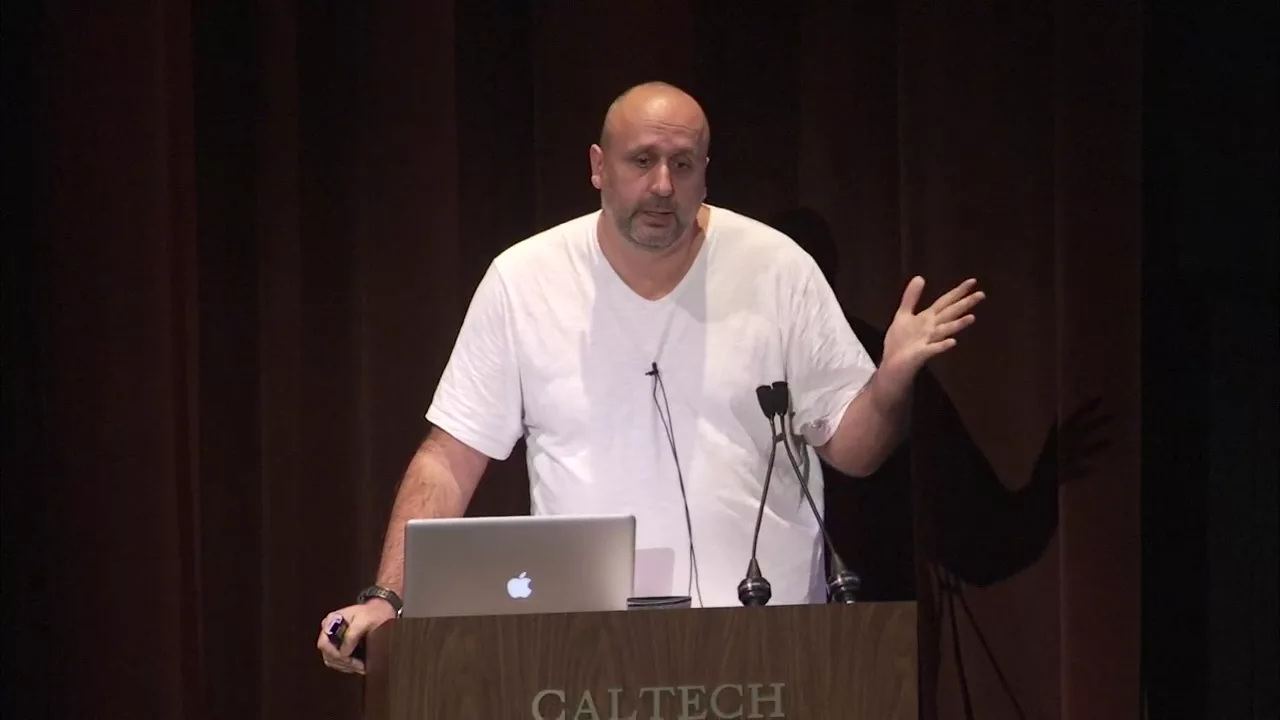






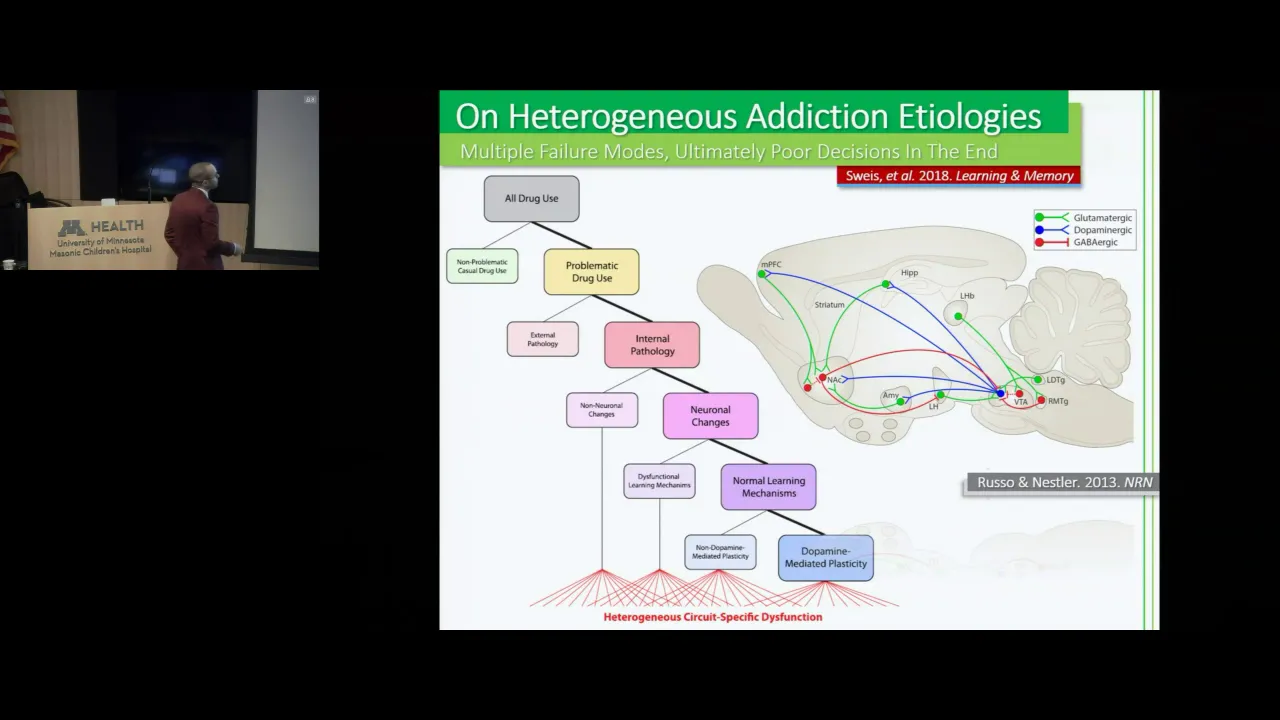



Neuroeconomics reveals that simple choices involve three key brain processes: valuation (assigning value to options), comparison (identifying the best option), and action implementation. The ventromedial prefrontal cortex encodes value signals, while attentional fixation patterns influence how these values are compared. In complex decisions involving self-control, the dorsolateral prefrontal cortex must integrate abstract attributes like health alongside immediate rewards, explaining why some individuals struggle with dietary choices while others maintain self-discipline.
Neuroeconomics of Simple Choice | Antonio Rangel | TEDxCaltech
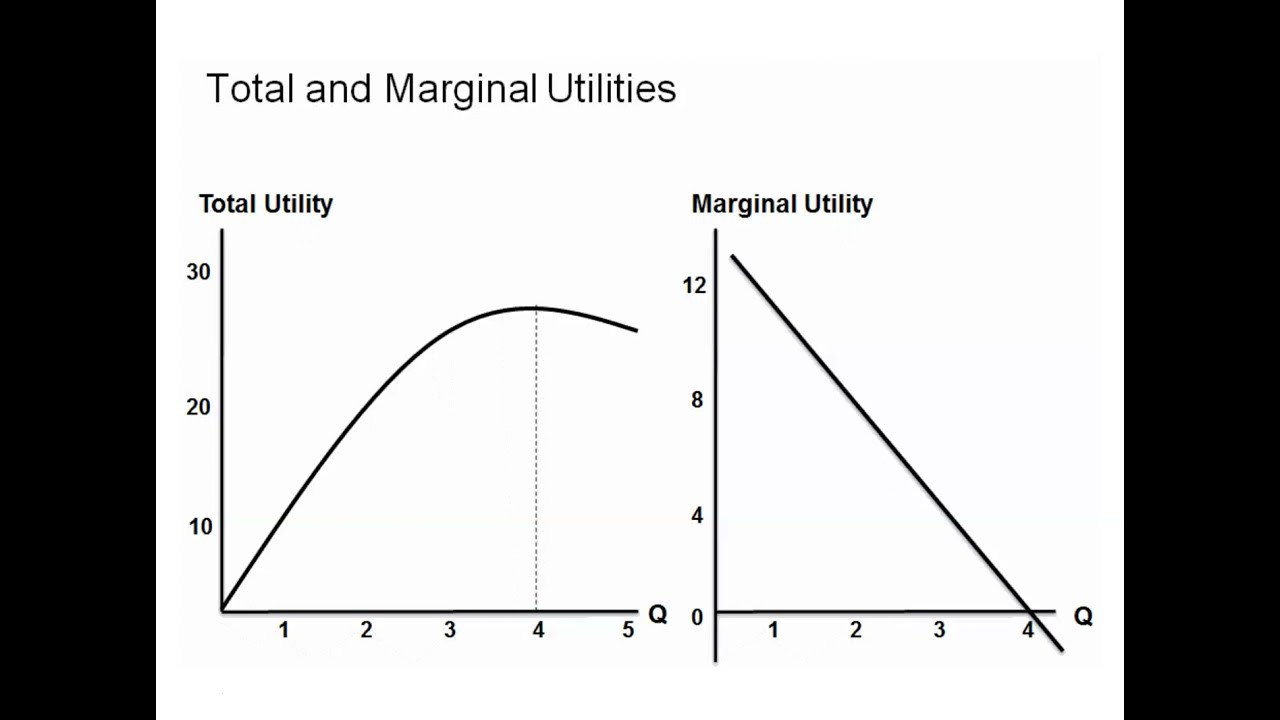
Added:Basic concepts of microeconomics, particularly utility theory and how classical economics models rational choice.
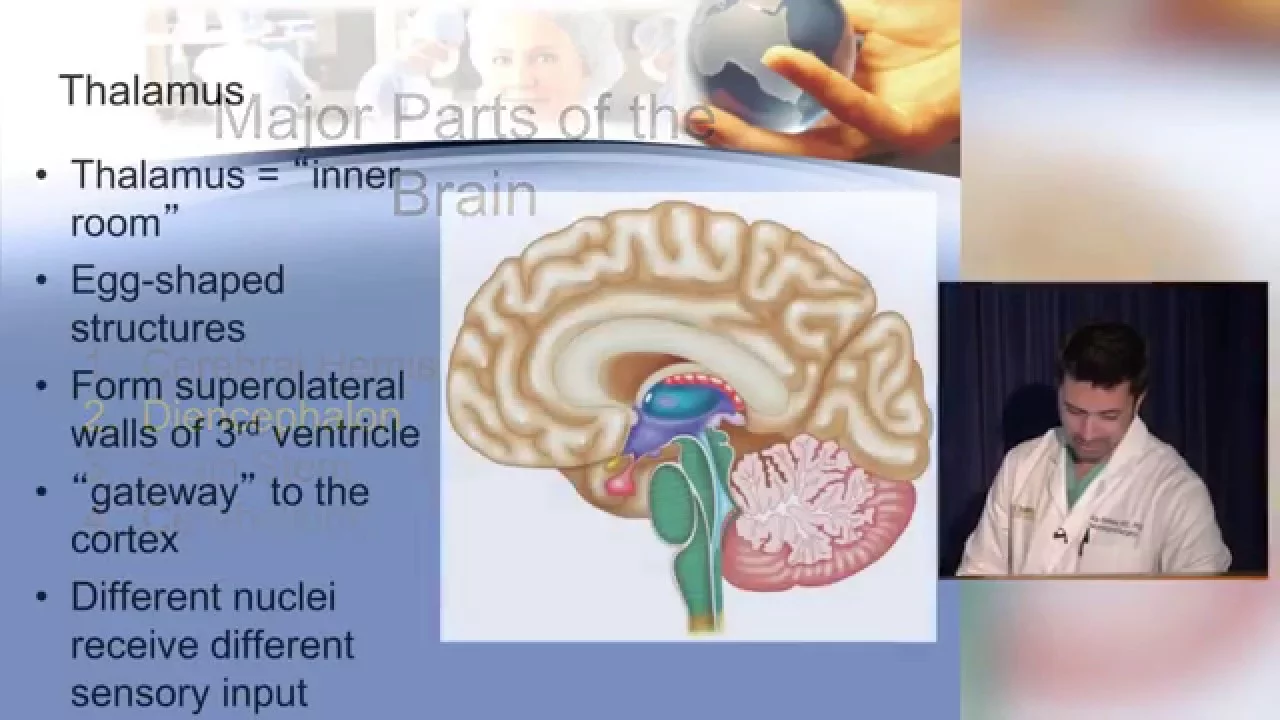
Introductory neuroanatomy, specifically the functions of the prefrontal cortex (such as the vmPFC) and the brain's reward processing systems.
Fundamental principles of cognitive psychology regarding selective attention, visual fixation, and information processing.
The core distinction between classical economics (assuming rational agents) and behavioral economics (integrating psychological insights).
Computational models of decision-making, such as the Drift-Diffusion Model (DDM), which mathematically explains how attention biases value accumulation.
The field of neuromarketing, examining how consumer preferences and choices are shaped by brand perception and visual attention in retail environments.
Clinical applications of neuroeconomics, studying how valuation and choice mechanisms are altered in psychiatric conditions like addiction, OCD, and eating disorders.
Choice architecture and 'nudge' theory, which explores how altering the presentation of options can guide public decision-making and policy.
41.8K views587likes12:33Original Release: 2013-02-19
human beings have a struggle from the beginning of time to understand human nature what we do what we do and we care about this question because we want to know what makes us who we are and even more importantly what we can become I am something called a neuroeconomist I work in this field because I really believe to the core of my being that the ideas and methods of this over time will allow us to understand the code of human nature scientifically for the first time now let me give you a couple of examples to illustrate how much that is still to know about human nature this young man is Sean Taylor he has become a minor celebrity on the web because he has managed to lose a ton of weight in a a ton of weight in a very public uh way a ton of weight that unfortunately he's going to be regaining statistically question what is different about his brain and about the brain of all of the beautiful people that I see in the audience that makes him struggle with his dietary choices but not you and what can we do to help him let me give you another example from the realm of moral and altruistic behavior that hopefully is self-explanatory what is different about Mother Theresa's brain and Barney made's brain that produces such different behavior and more importantly as a father what can we do to make sure that our children look more like her than like him the area of neuroeconomics that I work on wants to crack the code of human nature by answering three questions basically what are the computations that the brain makes in different decision situations how are these computations implemented by the underlying neurobiology by the wetware and how do these computations and this tissue give rise to the difference in Behavior and the subjective experiences and choices that we make don't be confused by the word computations all that I mean by that is which are the variables that get encoded by the brain in different episodes to give rise to decisions to experiences Etc now the vision of NE economics is a grandio one it wants to link for the first time the social sciences and the biological sciences and it wants to do it through the use of computational models the idea is that you need a computational description of what are the variables that describe human nature and the unification of the social and the biological science is going to come because these computational models if good enough are going to be able to predict the behavior and are going to be good descriptions of what the brain actually does now I work with my students and postdocs a lot in an area called Simple Choice to try to advance This research agenda what a simple Choice something very exciting is the simplest kind of choice that you can study in the laboratory so you approach a buet table there is an apple there is an orange if you want to consume the Apple you reach with the left hand and you put it in your mouth if you want to consume the orange you reach with the right hand and you put it in your mouth question how exactly exactly does your brain does that that's what we want to understand now here is a very high simple level model that will allow me to describe some of the things that we have learn so we think that three different sets of processes of computations are essential at the highest level the brain needs to assign values to the different objects under consideration and think of the value just as the brain best guess of how good or bad is going to be to consume the different things then these values need to be compared to presumably identify the best thing and once a choice is made a motor action for example moving the right hand needs to be deployed to implement the choice let me tell you a little bit of what we have learned about these processes so first valuation here's a very basic question is there an area of your brain that at the time you're making choices systematically systematically encodes the value of this stimula for the purpose of guing choices in other words is there an area of the brain that when your wife complains about your behavior you can say honey that area of my brain made me do it okay we have done a ton of every experiments trying to understand this and the bottom line is yes yes there's an excuse for your wife there is an area called the ventromedial prefrontal cortex which is about an inch between your mid behind your mid brow which it doesn't matter what type of decision you're making food choices charity choices gambling choices always seem to respond proportionally to the value of the stimuli and not only that we know from Myriad other experiments cared about other scientists by other groups that this area plays a causal role in choice if you listen this area you lose the ability to make good choices now let me tell you a little bit about the comparison process how does the brain compare these values and at that point the eager and the grav on the top are probably say wait Professor Rangel that one is an easy one I know just pick the best one and I want to tell you that fortunately things are a little bit more interesting than that okay so if you think that that's what's happening I'm going to put physical comedy to the use of science then this is what you will predict will have when you arrive to a convenience store you will work to the convenience store the items are there you will fix it on the middle and you will pick one of them okay that's not how normal people behave and by the way if you do that tell me about it because I know a good psychiatrist for you now most people will do this when they reach the community store they will walk the items are there they will fixate left right left and eventually choose one of them so basic question what is it that the fixations are doing in the process of comparing things and letting you choose one of them over based on the data we have accumulated over over the years we have propose a model that is depicted there called the attentional d diffusion model I would love to explain the math but if I do so given that this is stat the organizers will torture me so let me just pass the basic ideas for you which is actually very simple when you reach the convenience store your eyes move randomly from one place to the other you don't fix it longer in the best thing you don't fix it first in the best thing random but where you fixate matters the more you fixate on something the more you take into account the value the compar comparison process you waited more heavily okay this has some dramatic implications it means that attention is going to influence choices and there are experiments that we can do to test this thing and I want to give you a feeling for what experiments look like through a demo so if you're one of the lucky few please pick your control put it in your hand left finger on the T right finger on the F hold it there now I'm going to show you a picture a video that is going to show you two All American foots one on the left one on the right look at the video after a few moments of looking at it press left if you would like to consume the left one press right if you would like to consume the right one are you guys ready yes is it clear okay please watch the screen like a hog because here it's coming the experiment is coming watch like a hog and be patient I tell you they were all American Goods okay now while cadc accountants tabulate the results so I can show you let me tell you that we have run a version of this experiment many times on the lab and the basic idea of the experiment is this the model predicts that if an evil marketing person were able to control where your eyes fixate and get you to fixate more in one product than the other and your underlying preference were sufficiently close to each other they will reliably get you to pick one thing over the other the model predicts that the experiment is trying to test this and we can test this in the lab doing the obvious Way by showing one thing longer than the other and we reliably find that that is the case now for the moment of truth let's see what happens um with the audience so let's see the results touchdown we show you the Cheetos longer thank you guys you chose the Cheetos to verify my science so this is basically what we find in the lab now I told you that a fundamental property of this um neuroeconomic models was that they can account for the behavior and I just give you an example of that but also very importantly that that accurate depictions of what the brain is actually doing you can test them at two levels here I'm showing you an example of an experiment that we published recently in which we basically run the Cheetos demo hundreds of times in the lab inside an fmri scanner to test a very basic prediction of the model which is this ventromedial prefrontal cortex that encodes values should encode a signal that is attentionally modulated and in particularly it should always encode the value of what you're looking at minus the value of the other thing how much better is what I'm fixating on than the other thing and that is indeed the case okay now one basic question in neur economics is how do the processes that we have um identified and begun to understanding Simple Choice extend to more complex decision situation that say like self-control altruism it doesn't take a cc PhD to understand that these are not the same choices okay we spend a lot of time in the laboratory trying to understand what is different about these two Choice situations and the leading theory that we have is is described in this in this summary of a model the basic idea is that the brain computes values when it sees a stimuli by extracting features or attributes from it how sweet how much water it has Etc assigning value to each feature and then integrating back into a common value and a final value for the item the key idea though is that there are two types of features or attributes there are these attributes that tend to be very reliably computed how how much calories it has how well it will stast etc those are always there they're always counted but there are also attributes that are a little bit more abstract like Health like long-term income like future consequences that require an extra amount of cognitive effort for them to be represented by the brain and show up there and self control requires both of them to be counted properly when these more abstract things are not represented they don't get counted and we become myopic that's the idea we have tested this in a number of ways but one of my favorite ones was an experiment in which we bring good and bad dieters to the laboratory we ask them to make food choices inside the scanner and we see whether the theory has merried and this is the bottom line of what we find both good and bad dieters en code make choices B on the value that gets encoded in the ventromedial prefrontal cortex that drives the decision but there is a fundamental difference between good and bad dieters in bad dieters the ventr prefrontal cortex only cares about the taste of the foods that's the only information gets represented in good dieters another area of the brain in an area called the dorsolateral prefrontal cortex on the left around the temple Here Comes online sends information to the ventral prefrontal cortex to make sure that health attributes are also represented and therefore their value signals represent health and taste and get shown in the Behavior now I hope that this gives you a taste for the work that has been done in new economics at Caltech and around the world I want to tell you that I feel very lucky to live in an era and to work in a place like CCH where these questions are being studied thank you very much
Up Next

68:32
Risk and the Brain: Neural Basis of Decision Making Under Uncertainty
@DarwinCollegeLectureSeries
1.7K views•2020-04-02
21:55
Deciphering Neural Circuits Controlling Anorexia in Mice | Richard Palmiter
@AllenInstitute
2.3K views•2011-10-10
11:35
Heart-Brain Connections: Science of Interoception and Empathy
@TEDx
24.2K views•2018-01-23
13:03
How Exercise Benefits Your Brain: Science Explained
@TED
11.4M views•2018-03-21
Related Study Plans & Knowledge Roadmaps
Structured learning paths in Neuroscience
neuroscience
Appetite Regulation: Brain Circuits & Hormones
01Foundations of Endocrinology and Brain Anatomy
02Introduction to Energy Homeostasis
03Peripheral Signals: Leptin, Ghrelin, and Insulin
+ 2 more learning modules
14h5 modules
Explore Roadmap
neuroscience
Neuroeconomics: Value, Risk & Brain Mechanisms
01Foundations of Neuroscience and Brain Anatomy
02Introduction to Neuroeconomics and Subjective Value
03Dopaminergic Prediction Errors & Reinforcement Learning
+ 3 more learning modules
18h6 modules
Explore Roadmap
neuroscience
Spatial Navigation: Cells, Grids & Brain Maps
01Foundations of Brain Anatomy and Memory
02Place Cells and Head-Direction Cells
03Grid Cells: The Brain's Coordinate System
+ 2 more learning modules
12h5 modules
Explore Roadmap
neuroscience
BCIs: Neural Decoding & Prosthetic Control
01Neuroscience Foundations: How the Brain Signals Intent
02Signal Acquisition: Recording the Brain's Activity
03Neural Decoding: Translating Brain Waves into Data
+ 2 more learning modules
25h5 modules
Explore Roadmap