












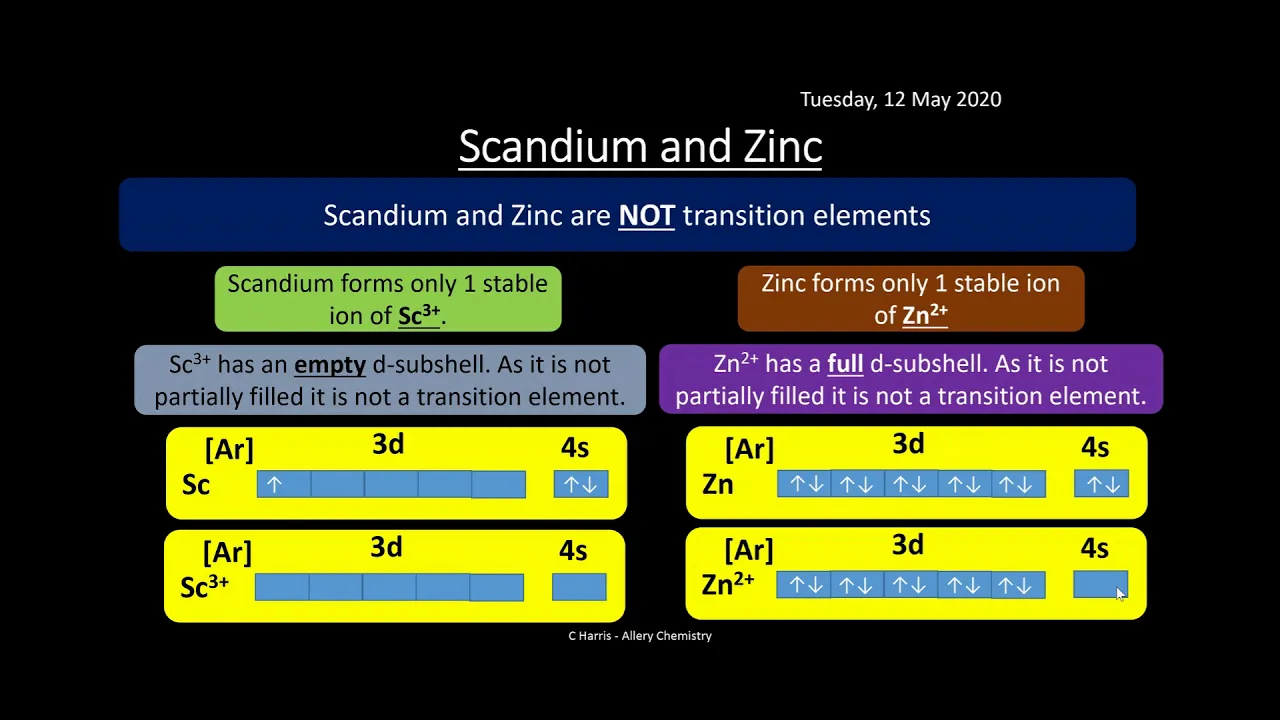








Transition metals are d-block elements that form at least one ion with an incomplete d subshell (9 or fewer electrons), characterized by properties including variable oxidation states, colored compounds due to partially filled d orbitals, catalytic activity, and the ability to form complex ions with ligands through coordinate bonds. The definition excludes zinc because it only forms Zn²⁺ with a complete d subshell (3d¹⁰), while copper and chromium are exceptions due to their stable electron configurations with one electron in the 4s subshell.
Transition Metals: Electron Configurations, Properties & Reactions (OCR A-Level Chemistry)
Added:Fundamental rules of electron configuration, including the Aufbau principle, Hund's rule, and the filling of s, p, and d subshells.
The concept of oxidation states, redox chemistry, and how to calculate oxidation numbers in molecules and ions.
Types of chemical bonding, with a particular focus on coordinate (dative covalent) bonding.
General trends in the periodic table, specifically the definition and location of the d-block elements.
Crystal Field Theory (CFT) to explain d-orbital splitting and the specific reasons behind the vibrant colors of transition metal complexes.
The mechanisms of transition metals acting as homogeneous and heterogeneous catalysts in industrial processes (e.g., the Haber Process and Contact Process).
Stereoisomerism in complex ions, including cis-trans (geometric) and optical isomerism in octahedral and square planar complexes.
The biochemical significance of transition metals, such as the role of iron in hemoglobin and the action of cisplatin as an anticancer drug.
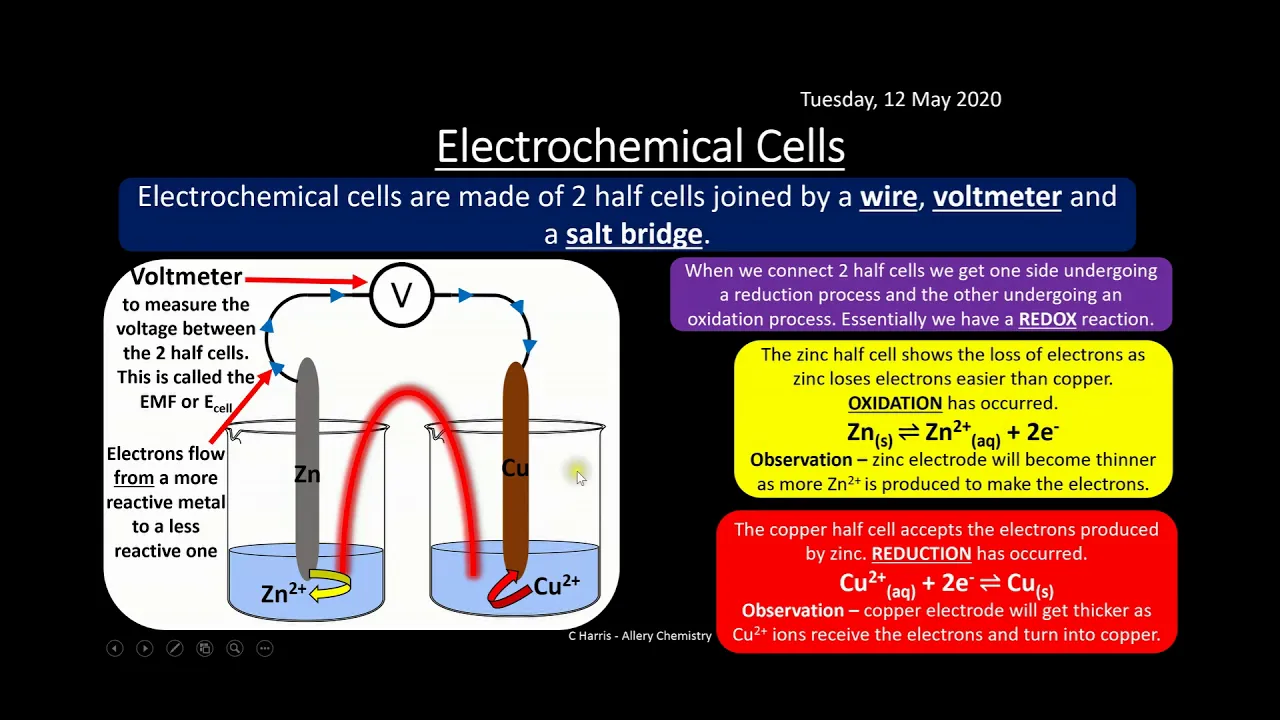
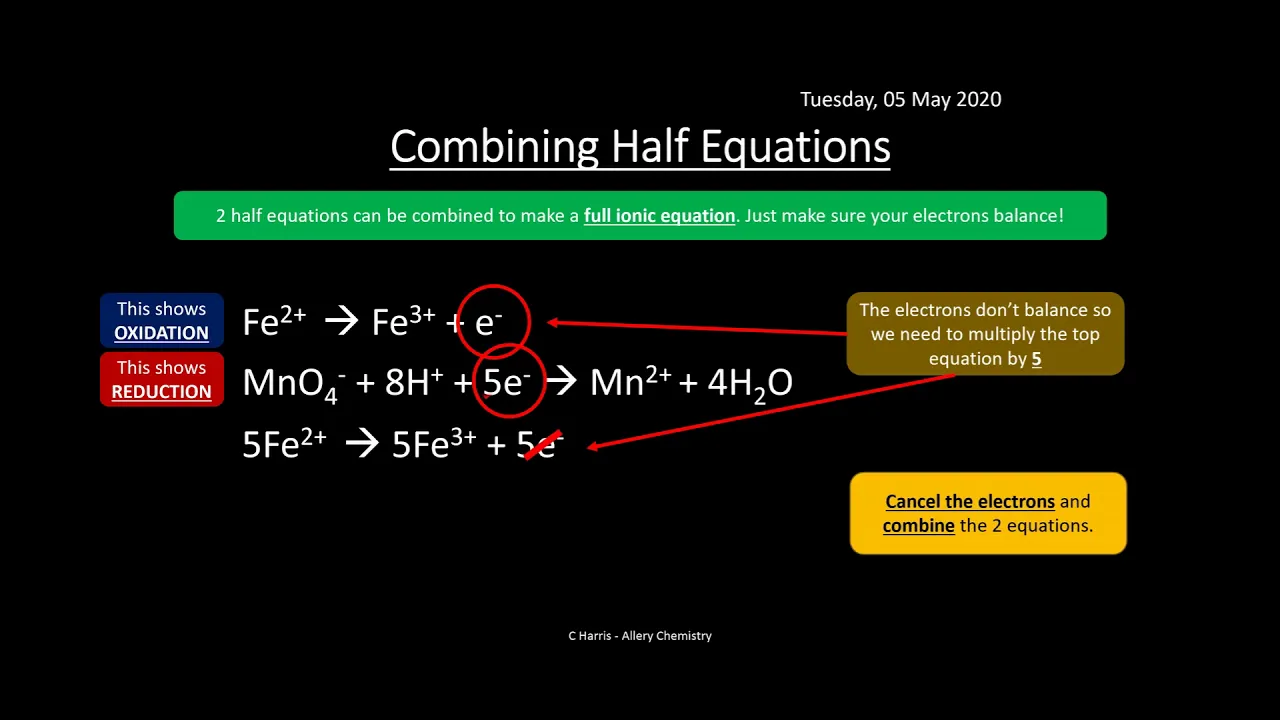
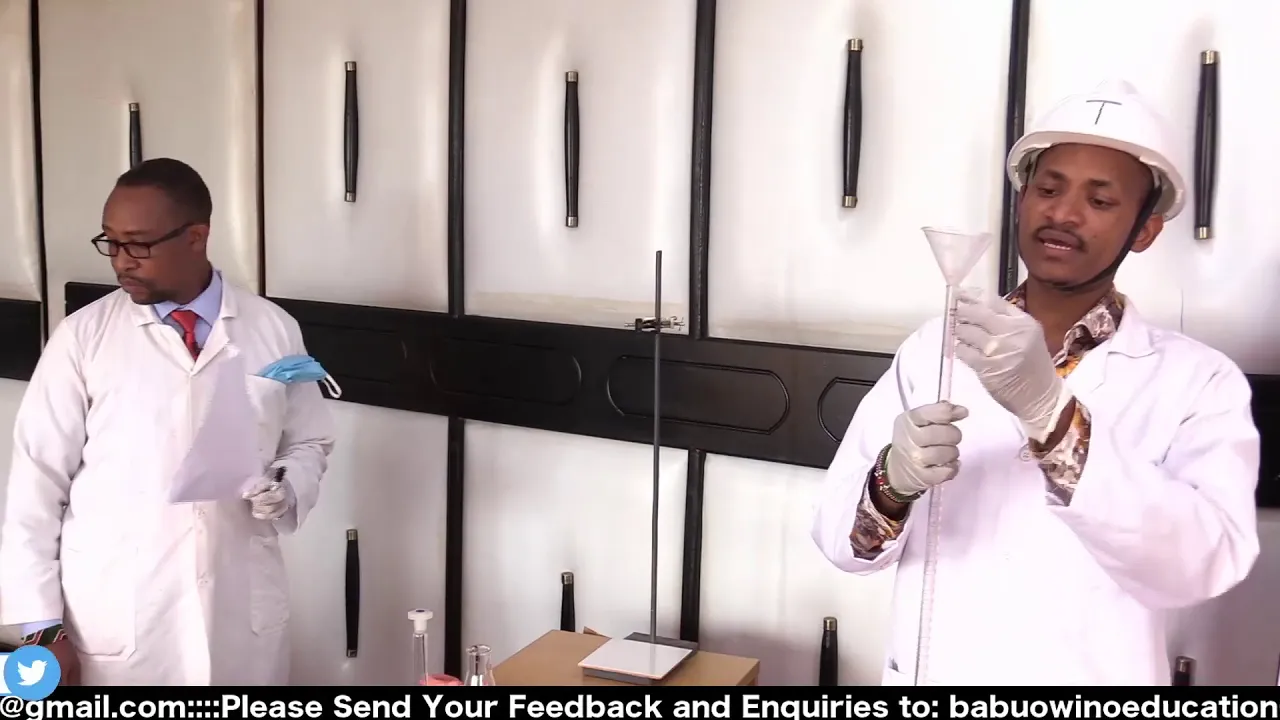
Quantitative analysis using transition metals, specifically performing and calculating redox titrations using transition metal oxidants like potassium manganate(VII).
27.7K views240likes21:31Original Release: 2014-04-21
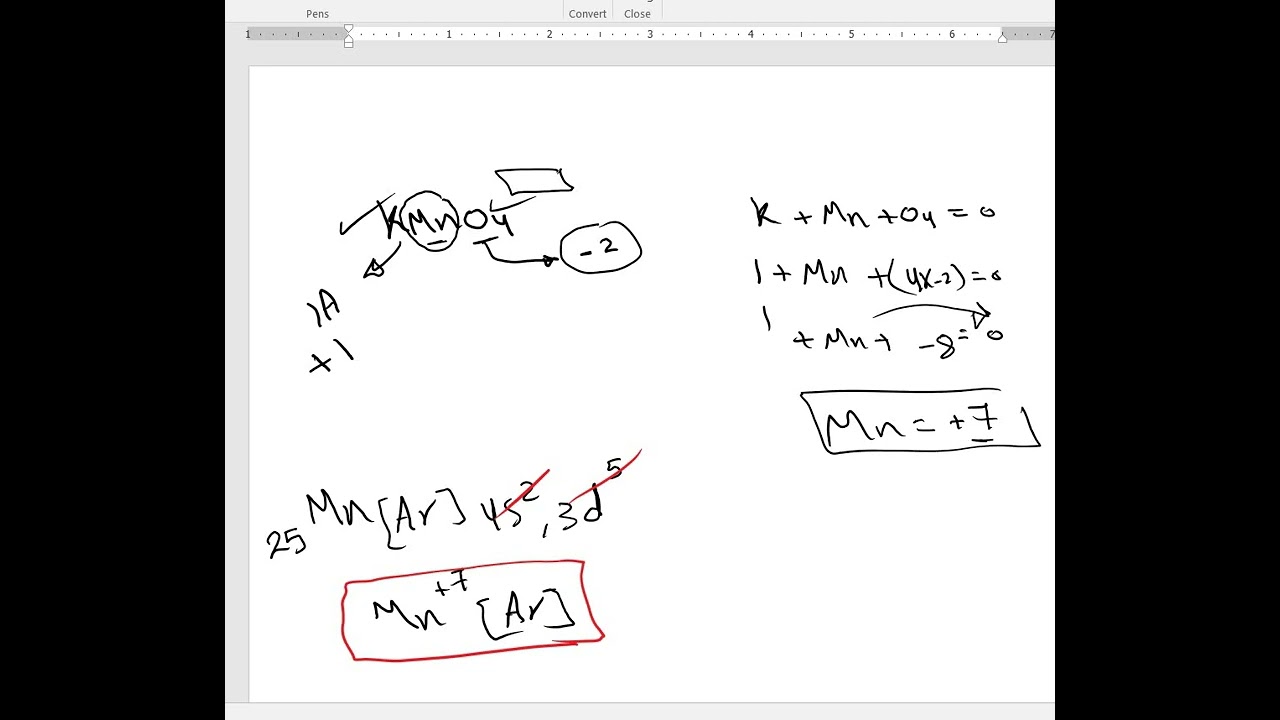
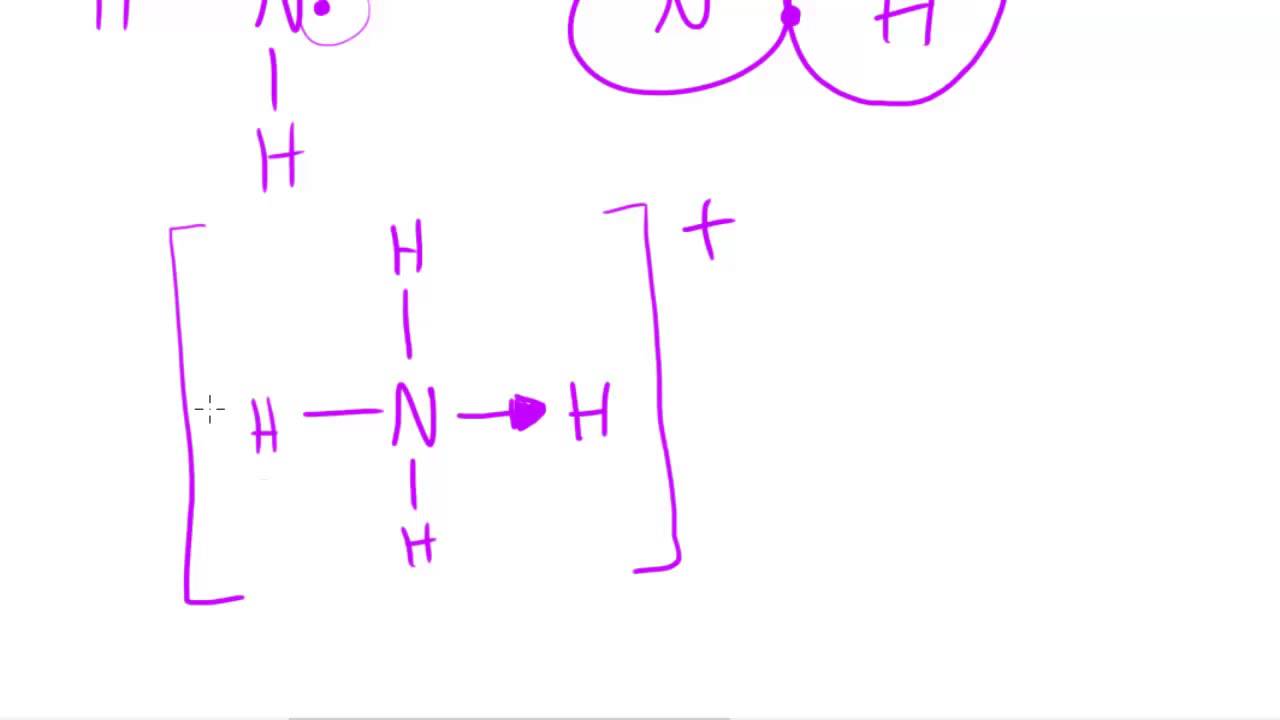
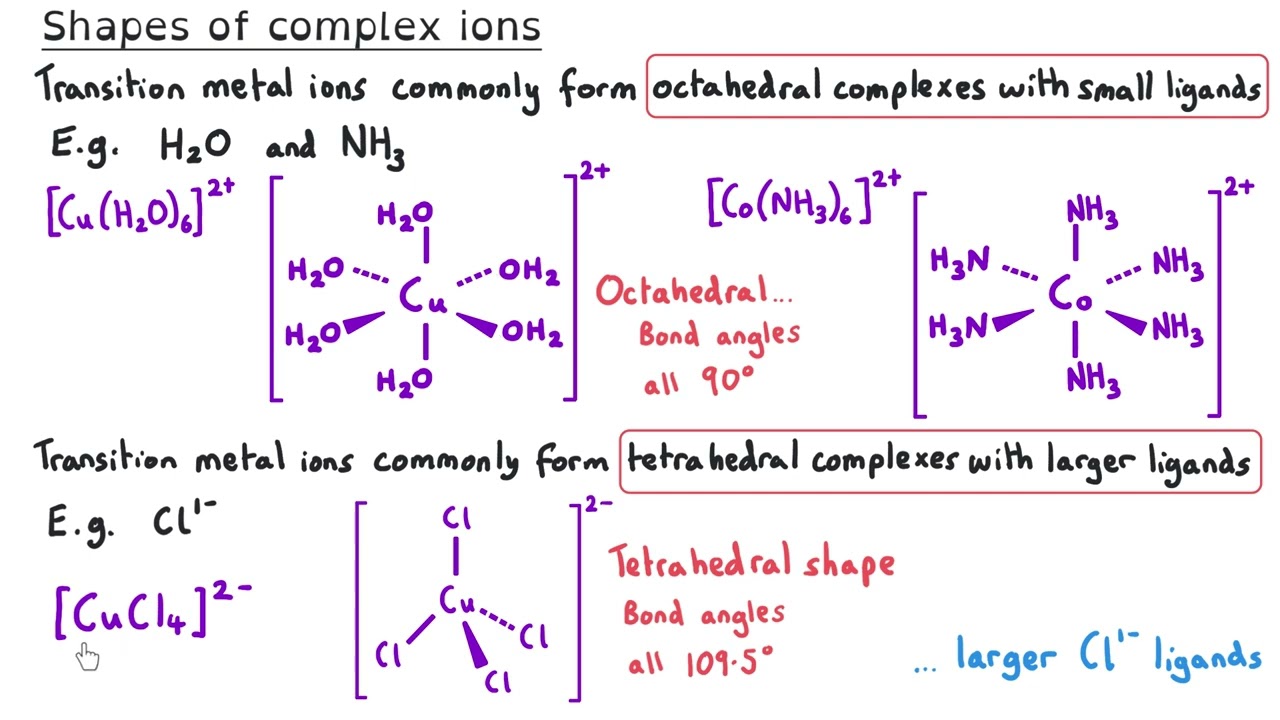
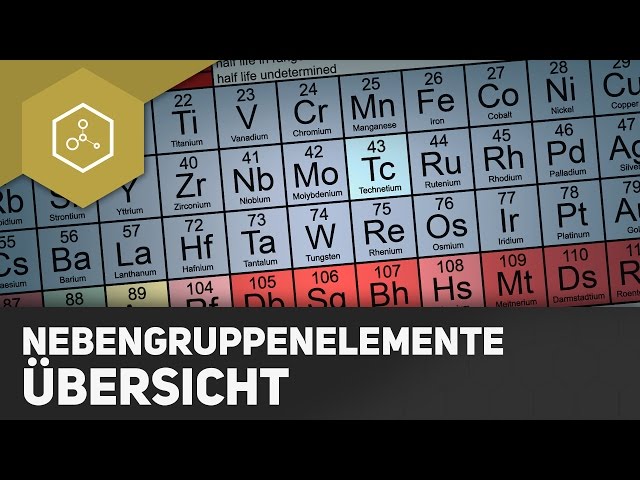
hello and welcome to my next video on transition metals a transition metal is a d block element that forms an ion with an incomplete D subshell so the D um Block in a periodic table is a bit between group two and group three so the ones that contain elements from I'm doing from left to right on the top row uh Scandium to zinc then we'll look at zinc and why it isn't a transition metal but it has to form at least one ion it can form more than one but it has to form at least one where the D subshell is incomplete a d subshell holds 10 electrons so one ion has to have at least nine or less so here are some electron configurations now a few things to remember um when writing electron configurations 4S comes before 3D and when you take away electrons the 4S is emptied first before the 3D so you'll see here on has the uh electron configuration 1 S2 2 S2 2p6 3 S2 3 P6 4 S2 3d6 but the ion fe2 plus is 1 S2 2 S2 2 P6 3 S2 3 P6 then the two electrons CU it's 2 plus it means it's lost two electrons have been lost from the 4S subshell meaning it's missed got no electrons in it's 4S and then it's just 3d6 6 is not 10 so it isn't incomplete D subshell so it is a transition metal now there are two exceptions you need to know that's copper and chromium and they're um why there are exceptions because they fill up only one electron in the 4S um subshell and they say this might be due to they have the most stable um configurations because the electron repulsions between the electrons are minimized and they say this because in Copper the 3D subshell is completely full and in um chromium um the 4S and 3D are both exactly half filter each um orbital which contain two electrons has one in it anyway here copper you can see 1 S2 2 S2 2 P6 3 S2 3 P6 4 S1 3d10 now let's say a CU copper 2 plus ion 1 S2 2 S2 2 P6 3 S2 3p6 loses one electron from the 4S first and then another from 3D meaning it's got 3d9 9 isn't 10 so it's got an incomplete D subshell and one of his ions so it's a transition metal and now to see why zinc isn't zinc is 1 S2 2 S2 2 P6 3 S2 3 P6 4s2 and 3d10 now zinc can only form a 2 plus ion so we have well it can form one plus but we say it forms up to a maximum of 2 plus so then 2 plus is 1 S2 2 S2 2 P6 3 S2 3 P6 loses two electrons from 4 S2 first so it's got no 4S electrons leaving just 3d10 that's a full D subshell so zinc is not a transition metal now this is as stuff knowing how to write the configuration so I hope you do know that properties now properties are transition metals firstly they got similar ones to All Metals so they are shiny they have a high density high melting and boiling point they can form giant giant uh metallic lates now other things they have variable oxidation States now if you remember oxidation numbers from um as unit one you should remember or remember what they are but it's example here vadium can form a v ion a v+ v2+ v3+ V4 plus and V5 plus and I've given two examples of compounds vadium forms we have Vo 2+ well V2 plus and v2+ you can see the difference now in v2+ we have an overall charge of one oxygen always has an oxidation number of minus two so something - 2 - 2 there two oxygen equals 1 well that is five 5 - 2 - 2 equal 1 so here vadium has an oxidation state five in v2+ it is something minus 2 equal 2 well that's four 4 - 2 equal 2 so vadium is an oxidation state of four so here variable oxidation States um and some other good examples you need to know about is potassium manganate which is K M4 and potassium D chromate which is K2 cr207 and what they have is they have these compounds in their maximum oxidation state so manganese can go up to plus 7 and chromium go up to plus 6 and they are found in these two compounds so it's a good two to look at the pottassium prangan and the uh pottassium di chromate and also all these um Mo form colored colored compounds and they all have a very specific compound CU When white light passes through their solution some of the wavelengths of visible light are absorbed and some aren't now the color that we see is the light that isn't absorbed so copper 2 sulfate appears blue because all light is being absorbed apart from the blue light color is formed by um partially filled D orbitals in transition metal ions so if the ion has no electrons in the D subshell at all it's not going to produce a color so you can have colorless ions as well now they can also act as catalysts so uh there are some examples in the book but catalst in the harbor process um you use iron in the contact process you use vadium oxide um in the hydration of alkenes use Nickel in the decomposition of hydrogen peroxide use um well suitable C catalyst is manganese oxide but you can also use pottassium iodide um yeah they can act as Catalyst learn all of these I've seen horrible questions they will literally list about five properties and ask you to name another three reactions now I'm going going to go through two of the main reactions that um transition metals can do there are four ones there's um acid base Redux precipitation and Lian substitution Redux reactions and acidbase reactions have been covered in different video so I'm not going to go through them on this one but I will go through precipitation and Lian substitution now precipitation reaction is when you just have two solutions are mixed to produce an insoluble compound and that insoluble compound suspended in a liquid is a precipitate yeah so here are some examples now these are the ionic equations now to make um a precipitation reaction we add sodium hydroxide because we want the hydroxide ions so you could do copper sulfate plus sodium hydroxide becomes copper hydroxide plus sodium sulfate but in this case we have the just the ionic equation with state symbols cu2+ aquous plus 2 O minus aquous becomes copper o hydroxide solid and all you just have to remember is how whatever the charge on this on the transition metal ion is that's how many molecules of O minus so fe3+ has 3 o minus becoming fe3 which is a solid and you need know the colors now copper solution is pale blue and it forms a pale blue precipitate Cobalt 2+ is a pink solution which forms a blue precipitate and then when it's expressed and not expressed um in the presence of air it produces a beige color ion 2+ is a pale green solution forms a green precipitate and when in air it oxidizes to form iron 3 plus so you get a rusty brown or brick red color fe3+ is a a pale yellow solution which then turns Rusty brown or brick red when it forms its precipitate now complex ions a complex ion is a transition metal ion bonded to one or more ligans by coordinate bonds so we now need to explain those two terms there ligans a li is a molecule or ion that can donate a pair of electrons with the transition metal ion to form a coordinate Bond so water H2O the oxygen has a lone pair it can donate it other examples NH3 ammonia can donate electrons cuz he's got a lone pair um thiocyanate scn minus can donate electron pair cyanide can donate an electron pair chloride and hydroxide you can see now a coordinate bond is one is a bond in which one of the bonded atoms provides both electrons for the shared pair basically it's a do dative coent Bond and the coordination number is the total number of coordinate bonds formed now I've given an example here of X um hexa aquac copper I believe it's the name uh does it say anywhere okay I believe it's ex aquac copper you don't need to know how to name them so don't worry here you have the copper iron centrally surrounded by water now six water molecules can donate their um lone pair of electrons to Copper and you get this 3D shape you get two molecules which are up and down in the plane and you got two which come out towards you and two which go away from you which means that all of them have a bond angle of 90° and as you can see my Badly Drawn angles I've drawn one 90° angle but the rest I've drawn as kind of L shapes that shows 90° all them are 90 degrees basically and this produces octahedral shape octahedral because there are eight faces and I've said CN which is a bit confusing because I said cide earlier CN for coordination number is six because there are six bonds now the ion is cu2+ water has no charge so the overall charge of the um complex ion which you put in Brackets is 2+ if all of these were hydroxide ions one minus you they count to the charge if cu2+ with 6 o minus becomes 4 minus overall and we write this when we're writing in equations you do square bracket CU bracket H2O close bracket 6 close big bracket 2+ and we call the liens we're using here that could form one coordinate Bond as monodentate liens and we'll look next at bidentate and multidentate bidentate means that the Lian can produce two coordinate bonds multidentate means it can produce however many now two molecules you need to know as B dentate ions you need to know which we well we call I is actually ethane one2 diamine and that's the nh2 ch2 ch2 nh2 you to know that and you need to know eano oh God I can't ethane diate and that is the um Co minus Co minus so it's basically like um a dicarboxylic acid but without the H's so remember there's a negative charge on them so they will affect the charge of the complex so here I've done cu2+ and as you can see the one molecule I've done it in um skeletal formula you don't need to draw the carbons skeletal you can see that each molecule forms two bonds yeah and there are three molecules around it and it produces a four minus charge it's basically same as mono dentate but they're just two two bond to each molecule and multi dentate you need to know of Eda 4 minus I haven't drawn it because it's quite hard to draw but um yeah you can see so it's got in the center it's got n ch2 ch2n and each n is connected to two ch2 Co minuses and so the N can donate a pair of electrons and each of the Oxygen's can so you have six possible um bonds being able to form so it will be able to bond just with that one molecule completely to another molecule or to a transition metal ion and it's important to say the coordination number is number of bonds formed so in the bidentate three molecules each have two bonds so it's still six there are still six bonds but they're just contributed from three molecules now stereo isomerism you can have ezed isomers here I firstly show shown you another type of shape you can get now you can get a square planner shape and this is where you have a molecule which has a coordinate number of four so they're arranged at the corners of a square and it's like an opedal shape without the lens above and below so it's just basically a flat plane and here we have copper two Cs and two nh3s and it's just say CIS and trans so CIS we have the um uh Lions on the same side on trans we have them in opposite sides this means in the Cy one the chlorines are 90° angles apart and in the um trans one they're 180° apart so you can also have it in um a molecule with six liens and again it's same just make sure when you do CIS and trans CIS the molecules are 90° apart and in trans they're 180 you also have Optical isomerism and this forms when you have um a complex an octal complex that contains multi- dentate or B dentate ions and you just do it like you do normal um Optical draw the molecule so you can see as I've drawn in the bottom the btom the shape is like a y but remember since it's actually got 90° Bond angles isn't quite a y it's like a y you look at it and then the opposite is the reverse y so just one's a sideways y one's the reverse sideways y I mean to be honest I can't really explain it much more than you just look at it and see how it's drawn so basically you just draw them Mir and then mirror it that's how you do Optical isomers now Li and substit the other sort of reaction Li substitution is a reaction in which one Li in a complex ion is replaced or substituted by another Lian so it makes sense on the first example we got hex aquac copper CU with 6 h2os plus 4 nh3s and that will the four nh3s will substitute with four H2O so you get CU NH3 4 H2O2 2+ plus 4 H2O it's pretty simple now what will actually happen is you when you add ammonia um you'll actually get a a pale blue precipitate forming first but when you add more ammonia U excess ammonia the precipitate dissolves and you actually get a deep blue solution now in this complex ion if you have two different sorts of ligans um each one will have different Bond length so you get kind of distorted shape you don't get a pure octahedral shape you get a distorted o octal shape now another example is with copper again but if you had four CL minus you can do the CL in Brackets in the uh new complex a CU bracket cl4 you don't have to I sometimes have and sometimes haven't um your choice you you won't lose marks to doing it or not doing it but the 4cl will substitute all six H2O because CL a chlorine molecule is bigger than a water molecule and so these chlorines have stronger repulsion so fewer chloride ions or liens can fit around the central transition metal iron and with these Lian substitutions you get as you can see um equilibrium occurring so um yeah so they can also um go in equilibrium reactions now you need to know a few examples you need to know the hex complex is pale blue when you substitute NH3 in so you get CU H2O2 nh34 you get a dark blue salute color copper with four chlorines is yellow Cobalt with six water is pink and Cobalt with four chlorines is blue that's what you need to know now there's an example of Lian substitution which happens in the body which you need to know about now naturally hemoglobin will contain fe2+ a transition metal ion which can form six coordinate bonds well it has one to globin we have heem which is the heem group and you have globin you have four coordinate bonds with nitrogen so you have one which can then pick up oxygen but that's what hemoglobin's role is it's found in red blood cells and it's to pick up oxygen now it will pick up oxygen at the lungs take it to the cells and oxygen will be given off and carbon dioxide will be put taken in its place and it's kind of the carbon dioxide and the oxygen have a Lian substitution reaction but the important thing is carb Caron monoxide carbon carbon monoxide can go into a Lian substitution with oxygen but the dangerous thing is that it is permanent so if you get carbon monoxide which is more likely to bind with hemoglobin than oxygen once carbon monoxide is bonded it will stay there permanently until the cell dies which I believe is about 40 days so after about 40 days your cell will die and you'll get a new one but for those 40 days that red blood cell is useless if the hemoglobin is bound to carbon monoxide now you don't need to know this in a huge amount of detail but just basically know hemoglobin contains um fe2 plus which can form um a complex ion and that it can go through Li substitution of oxygen with carbon monoxide when carbon monoxide bonds it is permanent and will not be substituted and finally the stability constant now this is very simple I'm not going to go through it too much because the stability constant is exactly the same as the equilibrium constant KC but except you don't have water so if you want to look at more how to do these look at the equilibrium constant video so equilibrium but what happens is if you have the reaction let's say hexa Cobalt plus 4 CL minus becomes cobalt chloride plus 6 H2O the stability constant is now remember it is um products over reactant so the concentration of co4 over the concentration of co2o six and the concentration of Cl minus to the^ of four cuz there's a four in front of the CL minus but on the top a product is water but you don't put it on the top you just ignore water and the reason you do this is because all species are dissolved in water which is in large excess and its concentration is virtually constant so there's not much point so basically for this slide watch my equilibrium video learn equilibrium constant and then when you're doing K stab just leave out the concentration water ignore it and that's all thank you for watching so in conclusion you have transition metals which are metals which form at least one Ion with an incomplete D subshell and um you have these you have to know the electron configurations and properties of transition metals you need to know the four reactions Lian substitution precipitation Redux and acid base Redux has been covered in the cells the chemical cells video and acid base covered in acids um they can form complex ions which are with liens and you need to know the stability constant so I hope that all makes sense as usual like comment um if you lik the video If it helped if you didn't like the video feel free to dislike but please tell me what you disliked about it so I can improve and help you there's anything you didn't understand leave a comment or email me and thank you for watching and goodbye
Up Next

21:56
Crystal Field Theory Explained: High vs Low Spin Complexes
@TheOrganicChemistryTutor
478.7K views•2021-01-03
83:56
Biocatalysis and Catalysis in Islatravir Synthesis | Merck Webinar
@SCIwheresciencemeetsbusiness
675 views•2020-10-08
10:06
1H NMR: Determining Number of Peaks from Structure
@MSJChem
59.2K views•2017-04-06

17:31
Edible Water Bottles: A DIY Guide to Sodium Alginate Spherification
@ryan
10.5M views•2019-06-21
Related Study Plans & Knowledge Roadmaps
Structured learning paths in Chemistry
chemistry
Nuclear Chemistry: Decay, Meds & Fuel Cycle
01Introduction to Nuclear Structure and Radioactivity
02Decay Dynamics and Kinetics
03Radiation Interaction and Detection
+ 2 more learning modules
24h5 modules
Explore Roadmap
chemistry
Supramolecular Chemistry: Forces & Machines
01Foundations of Chemical Bonding and Intermolecular Forces
02Introduction to Host-Guest Chemistry
03Thermodynamics and Dynamics of Self-Assembly
+ 2 more learning modules
16h5 modules
Explore Roadmap
chemistry
Photochemistry: Excited States & Reactions
01Foundations of Light-Matter Interactions
02Molecular Orbitals and Electronic States
03Photophysical Processes and Jablonski Diagrams
+ 2 more learning modules
18h5 modules
Explore Roadmap
chemistry
Coordination Chemistry: Bonding & Properties
01Introduction to Transition Metals and Ligands
02Crystal Field Theory (CFT) and Geometry
03Magnetic Behavior and Spin States
+ 2 more learning modules
14h5 modules
Explore Roadmap