




















![d-d Transition,color of transition metal complex CFT [Ti(H2O)6] 3+absorbs Green and appears purple.?](https://i.ytimg.com/vi/McbIkgwJJYw/maxresdefault.jpg)











Crystal Field Theory explains how the approach of ligands to a transition metal ion causes the five degenerate d-orbitals to split into two sets (t2g lower energy and eg higher energy) in an octahedral field, with the magnitude of splitting determining whether a complex is high-spin (weak field, more unpaired electrons, paramagnetic) or low-spin (strong field, fewer unpaired electrons, diamagnetic), and this splitting energy can be calculated using the crystal field stabilization energy formula.
Crystal Field Theory Explained: High vs Low Spin Complexes
Added:Basic coordination chemistry concepts, including the definitions of central metal ions, ligands, coordination numbers, and geometry.
The spatial orientation and geometric shapes of the five d-orbitals (d_xy, d_yz, d_xz, d_x^2-y^2, and d_z^2).
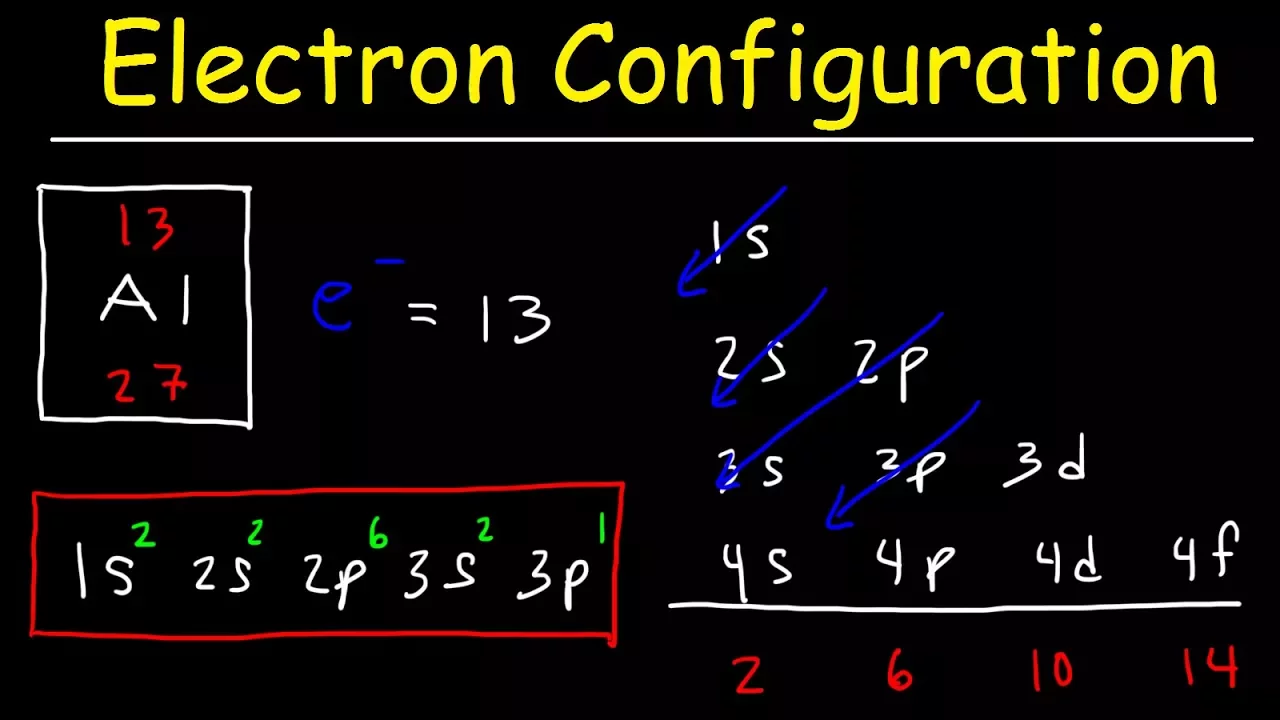
Electron configuration of transition metals, specifically how to determine the oxidation state and the number of d-electrons (d^n configuration) of a metal ion.
Fundamental rules of electron filling, including Hund's Rule of maximum multiplicity, the Aufbau Principle, and the Pauli Exclusion Principle.
Calculation of Crystal Field Stabilization Energy (CFSE) and its impact on thermodynamic properties like hydration and lattice energies.
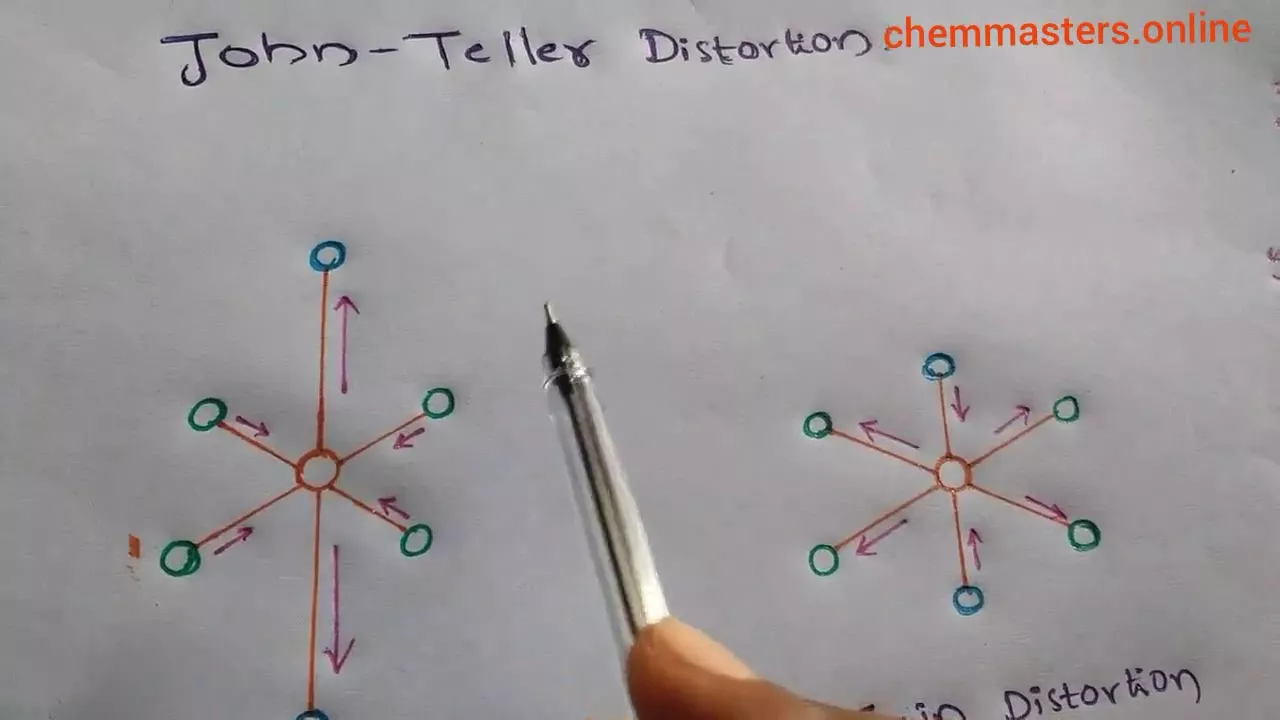
The Jahn-Teller effect and how it explains geometric distortions in certain transition metal complexes (e.g., copper(II) complexes).
Interpretation of electronic absorption spectroscopy (UV-Vis) of transition metal complexes, explaining how d-d transitions dictate color.
Ligand Field Theory (LFT) and Molecular Orbital (MO) theory for coordination compounds, which introduce covalent character to metal-ligand bonds beyond electrostatic CFT.
Quantitative magnetic properties, including using the spin-only formula to calculate and experimental determination of magnetic moments.
478.7K views8.8Klikes21:56Original Release: 2021-01-03
in this video we're going to talk about something called crystal field theory so you might be wondering what is crystal field theory it's an attempt to explain the colors of transition metal complexes as well as their magnetic properties so let's say if we have the cobalt three plus ion and we're going to react it with ammonia and so it's going to form this octahedral complex ion the reason why it's octahedral is because the cobalt is attached to six ammonia molecules and that shouldn't be a two plus that should be a three plus so let me go ahead and fix that now ammonia in this chemical reaction is known as something called a ligand it's attached to the transition metal ion cobalt three plus and what happens is that the energy of the d orbitals in the cobalt ion it changes as a result of this interaction with the ligand so let me give you a visual illustration so let's say this is the 3d orbitals of the free cobalt 3 plus ion so these are degenerate orbitals and the reason why they're degenerate is because they have the same energy and so they're at the same level now when the ammonia molecules approach the d orbitals there's going to be electron electron repulsion and so the energy of the d orbitals will increase now this right here is a hypothetical spherical crystal field it represents the energies if the entire cobalt ion was completely surrounded from all angles with ammonia so this is hypothetical now in actuality two of the five d orbitals will be higher than this hypothetical crystal field and three of them will be lower than this hypothetical crystal field but it's important to understand that these five they're all higher than the original 3d orbitals that exist in the free metal ion now for the rest of this video i'm going to talk about the energy levels of the new d orbitals with respect to those that are part of the hypothetical crystal field model so let's say these are the 3d orbitals in the hypothetical crystal field as we said before two of them will increase in energy and the other three will decrease in energy the first two will go up by approximately three fifths of the energy value and the other two i mean the other three will go down by negative two-fifths relative to these values now delta sub zero or delta naught it represents the crystal field split in energy for the octahedral case so that's what the o stands for now you might be wondering where do we get these numbers three fifth and negative two fifth where does that come from well to conserve energy if we multiply three fifth by two because two of the d orbitals went up in energy that will give us six over five and if we multiply negative two over five by three we're going to get the same thing just with the opposite sign so these two numbers add up to zero so what this means is that the two d orbitals that went up in energy is equal to the 3d orbitals that went down in energy because energy cannot be created or destroyed so the amount of energy that was used to bring up the 2d orbitals on top is equal to the amount of energy that was used to bring down the three orbitals at the bottom so now let's get rid of this the next thing you need to know is that the 2d orbitals i mean the two 3d orbitals at the top is associated with something called the eg set and the ones on the bottom is associated with the t2g set now the two 3d orbitals that went up in energy they're known as the d x squared y squared orbital and the other one is the d z squared orbital now the three that went down in energy for the octahedral case it's different for the tetrahedral case which we'll talk about later the three that went down it's the dxy orbital the dyz orbital and also the dxz orbital now let's talk about why that's the case so here is the cobalt three plus ion and it's surrounded by six ammonia molecules and it forms an octahedral molecular geometry now what we need to do is think of this system or think of these uh ligands or ammonia molecules as the negative point charges to understand why certain orbitals go up in energy and why others go down so keep that in mind think of the ammonia molecules as negative point charges so what we're going to do first is draw the 3d z squared orbital and so i'm going to draw four negative point charges one at the top and one at the bottom now my drawing is not perfect so hopefully you'll make the best of it now i'm going to draw the d sub z squared orbital in red so it's along the z axis let's do that again and here's the other portion of it and then it has something that looks like this so that's my rough sketch of the 3d z-squared orbital so this is the z-axis here is the x-axis and here is the y-axis in the 3-d coordinate system so as you can see it's along the z axis now what you want to take from this is that notice that the 3d orbital is pointing directly on this negative charge and this one too so it's directly on it and that is an unstable situation and this is why the 3d z-squared orbital goes up in energy it's because it's directly on a negative point charge it's directly on that ammonia molecule so make sure you understand that now the second one that i'm going to draw is the dx squared y squared sub orbital so let's begin by drawing the six negative point charges now for this one the orbitals are also pointing directly on the negative charges but notice that the orbitals are in the x-y plane and not in a z-plane so you can think of this direction as being x and this direction here is being y but going directly above the plane that's the z direction but it's not directly on the x-axis or on the y-axis as you can see so just to review this is the x-axis here and this is the y-axis but what you want to take from this is that the orbitals they're pointing directly on the negative point charges and because of that once again we have an unstable situation and so this is why the dx squared y squared orbital goes up in energy is because the orbitals are directly on those negative point charges now the other three are lower in energy than the first two d orbitals that we just drew because the orbitals are not directly on the negative point charges so i'm going to draw one of the remaining three so let's focus on the d sub x y orbital we're going to draw this the same type of molecule or geometry and notice the difference so the orbitals will still be in the x y plane but this time you have one orbital that is directly on the x-axis and then the other portion is directly parallel to the y-axis so this is the part that's parallel to the x-axis and this is the part that's parallel to the y-axis in the x-y plane now my drawn's not perfect but the way it's shown is not really parallel to the z orbital because this is really z this should be x and this should be y so i don't have a perfect 3d structure but the reason why this particular 3d orbital is lower in energy than the other ones as you can see the 3d orbital it doesn't point directly on a negative charge as you can see these two they're between this negative charge they're not directly on it and that's why this particular orbital is lower than the dx squared y squared orbital and the dz squared orbital now let's focus on drawing the crystal field splitting diagram we need to distinguish how to draw the weak field and the strong field splint diagrams so let's start with the weak field in a weak field diagram the split in energy will be very small so here are the three d orbitals at the bottom here are the two at the top so the split in energy is the difference between these two levels and so we have a very small amount of energy here now in the strong field case the split in energy will be much larger so here are the two at the bottom and here is the two at the top and so we have a much larger split in energy difference now as we said before the orbitals at the top is referred to eg and the ones at the bottom t2g now let's say if we have a d6 system so we have a transition metal with six d electrons how do we fill up these orbitals with those six electrons in the weak field case you need to fill it up one at a time you don't after the third one you don't want to pair up the fourth one with the first one because the energy difference is so small it's easy for the fourth one to go up and the reason for that is the split in energy is a lot less than the energy that's needed to pair up the electrons because anytime you have two electrons sharing an orbital there's going to be some electron electron repulsion and so you can refer to as the parent energy so because it's easier to put an electron on top in the weak field case that's where it's going to go the fifth one is going to go here now for the sixth one we have no choice but to start pairing it up so that's how you can put the electrons in the weak field case you want to put them one at a time before pairing it in the strong filled case after you fill the first three individually then you need to pair it up it's going to take a lot of energy to put the electron in this orbital because it's so much higher and so in this case the split in energy is a lot larger than apparent energy so in the strong field case you want to pair up the electrons at the lower energy levels before filling the ones at the higher energy levels so we're going to place the six electrons like this now the next thing we need to do is write the electron configuration for each system how can we write it for the first system for the first system in the t2g set notice that we have a total of four electrons so we're going to write t2g with a four superscript and in the eg system we have two electrons placed here so this is how we can write the electron configuration for the weak field situation now what about for the strong field all six electrons are in the t2 g set so we're going to write it as t subscript 2g superscript 6.
and so that's how you can write the electron configuration for these systems here's the next question for you which of these two fields represents a paramagnetic situation and which one represents a diamagnetic system on the left we have the most number of unpaired electrons we have a total of four unpaired electrons whenever you have a lot of unpaired electrons the metal or the ion in this case the transition metal complex that we're dealing with is going to be considered paramagnetic now you might be wondering what does that mean what does it mean for a substance to be paramagnetic a paramedic substance is one that is weakly attracted to an external magnetic field now what about the strong field case notice that there are no unpit electrons all the electrons are paired so we have zero unpaired electrons so this is known as a diamagnetic situation so this substance with this particular strong field diagram is diamagnetic and that means that it's weakly repelled by an external magnetic field now the next topic that we need to discuss is we need to determine which of these systems is considered high spin and which one is considered low spin what do you think so looking at the system on the left the weak field diagram is it associated with a high spin system or a low spin system so this the weak field is associated with a high spin system and the reason for that is because it contains the maximum number of unpaired electrons on the right the strong field diagram is associated with a low spin situation because we have the minimum number of unpaired electrons so that's another thing that you want to add to your notes there's one more thing that i want to mention with what we have on the board this right here is the crystal field split in energy and the next thing we need to calculate is the crystal field stabilization energy now i may have to actually let's go back i'm going to delete what i have on the right side so i can calculate the crystal field stabilization energy on the left so how do we go ahead and uh i mean how do we calculate this thing what do we need to do so recall that relative to the hypothetical crystal field diagram which is let's say over here the two orbitals at the top they increased by positive three fifths of the crystal field split in energy and the three orbitals at the bottom they decreased by negative two-fifths times delta sub naught so how can we use that to calculate the crystal field stabilization energy well let's focus on the electrons in the t2g set there's four of them and those electrons they're in d orbitals that went down by negative two-fifths of the crystal field split in energy so we're going to multiply those four electrons by negative two-fifths times delta-sub-naught now the two electrons in the eg set they went up by three-fifths of the crystal field split in energy now we also need to take into account due to the fact that there's some energy that's needed to pair up two electrons and so we're going to call it a parent energy and we only have one of those so here we have four times negative two which is negative eight and here we have two times three which is six negative eight plus six is two so when you simplify the math you should get negative two over five delta zero plus one p e so this is the crystal field stabilization energy relative to the hypothetical crystal field energy that's how you can calculate it now let's go back to the other one i'm going to redraw so the strong field case where we had six electrons in the t2g set so the first two energy levels they went up by positive three-fifths times delta naught and the three d orbitals at the bottom they went down by negative two-fifths so using this and based on a previous example go ahead and calculate the crystal field stabilization energy relative to the hypothetical crystal field energy so we have six electrons in the t2g set and so we're going to multiply them by negative two over five times delta zero and we have three sets of paired electrons so this is going to be plus three p e and so six times negative two that's negative twelve so our answer is going to be negative 12 over 5 delta 0 plus 3pe and so that's how you can calculate the crystal field stabilization energy
Up Next
6:58
CFSE for Tetrahedral High-Spin Complexes | Crystal Field Theory
@CatalystUniversity
14.2K views•2017-02-06

83:56
Biocatalysis and Catalysis in Islatravir Synthesis | Merck Webinar
@SCIwheresciencemeetsbusiness
675 views•2020-10-08
45:35
Intermolecular Forces: Hydrogen Bonding, Dipole-Dipole, Ion-Dipole
@TheOrganicChemistryTutor
2.5M views•2016-06-17

17:31
Edible Water Bottles: A DIY Guide to Sodium Alginate Spherification
@ryan
10.5M views•2019-06-21
Related Study Plans & Knowledge Roadmaps
Structured learning paths in Chemistry
chemistry
Nuclear Chemistry: Decay, Meds & Fuel Cycle
01Introduction to Nuclear Structure and Radioactivity
02Decay Dynamics and Kinetics
03Radiation Interaction and Detection
+ 2 more learning modules
24h5 modules
Explore Roadmap
chemistry
Supramolecular Chemistry: Forces & Machines
01Foundations of Chemical Bonding and Intermolecular Forces
02Introduction to Host-Guest Chemistry
03Thermodynamics and Dynamics of Self-Assembly
+ 2 more learning modules
16h5 modules
Explore Roadmap
chemistry
Photochemistry: Excited States & Reactions
01Foundations of Light-Matter Interactions
02Molecular Orbitals and Electronic States
03Photophysical Processes and Jablonski Diagrams
+ 2 more learning modules
18h5 modules
Explore Roadmap
chemistry
Coordination Chemistry: Bonding & Properties
01Introduction to Transition Metals and Ligands
02Crystal Field Theory (CFT) and Geometry
03Magnetic Behavior and Spin States
+ 2 more learning modules
14h5 modules
Explore Roadmap