This scene from Ken Loach's Cannes Film Festival entry 'Sorry We Missed You' depicts the psychological toll of economic precarity on gig economy workers, showing how constant job instability, financial debt, and lack of workplace protections create cycles of stress and exploitation that trap workers in perpetual economic hardship despite their efforts to improve their circumstances.
Ken Loach's Sorry We Missed You: Cannes Film Festival Clip Analysis
Added:Deep Dive
The history and characteristics of the British Social Realist movement in cinema.
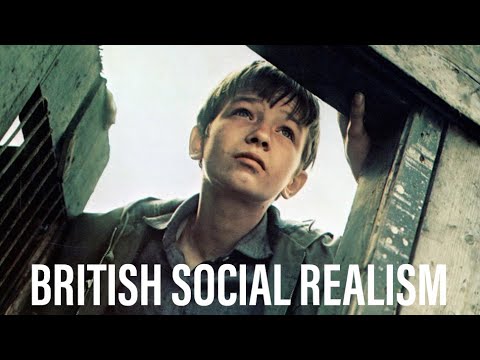
Ken Loach's “Kes” - British Social Realism
5K
British social realism is a significant movement in British cinema history that defines what British cinema is capable of. It is characterized by location shooting, non-professional actors, naturalistic lighting, stripped-back cinematography, and telling the stories of normal people and the social issues they face. Ken Loach's 1969 film Kes serves as the perfect case study for examining the conventions and history of this movement. The film tells the tale of Billy Casper and the struggles of everyday life for young people living in poverty in 1960s Britain. The movement endeavors to depict reality as genuinely as possible, representing Britain's richest gift to world cinema.
Click to watch →
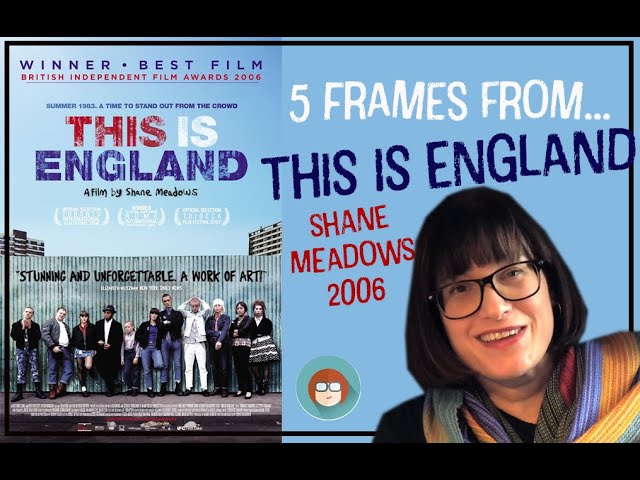
5 Frames from This is England
603
New British social realism differs from earlier social realism (like Ken Loach's work) by being slightly more cinematic and poetic while still maintaining realism. Key characteristics include working with unknown actors, extensive rehearsal periods, and allowing actors freedom to improvise. Directors like Shane Meadows develop consistent visual styles and recurring themes across their body of work.
Click to watch →

11 Brilliant British Films Hollywood Could Never Make
997
British social realism achieves authenticity through absolute commitment to regional and class specificity, using non-professional actors speaking in thick dialects. Films like Kes and This Is England depict working-class life without concessions to broader accessibility, presenting inevitable entrapment within socioeconomic conditions rather than narratives of upward mobility. This approach values authenticity over commercial viability, using people and discarding them because the people matter less than the authenticity they provide to documenting specific moments in British economic history.
Click to watch →

Rusty Talks Special English Podcast #1 with guest Ian Allardyce
373
Social realism is an art form that emerged 100-200 years ago, serving as a mirror for everyday working people's lives. In cinema, Italian filmmakers pioneered this style in the 1940s-50s post-WWII. British social realism followed, featuring directors like Ken Loach, Mike Lee, and Shane Meadows. The core philosophy contrasts with Hollywood's 'hyper-real' characters: social realism portrays ordinary people viewers can genuinely relate to, creating authentic emotional connections rather than escapist entertainment. This approach requires filmmakers to capture real-life authenticity.
Click to watch →

mod4all Hollywood UK Part 4 Strangers in the City
202
Sydney Fury made his British realist film 'The Leather Boys' (1963) at the Ace Cafe on the North Circular Road, then the mecca for bikers. He wanted maximum authenticity, filming without roping off locations. The cafe was not roped off, and people walked through shots without looking at the camera. This era emphasized 'don't fake anything'—no sets, everything filmed where it was going to be. Night was shot at night. These films dealt with mundane working-class life, a departure from previous films featuring upper-class characters. The movement featured hard-edged natural lighting with dark gray skies and brooding qualities, creating a distinctive look associated with early northern English cinema.
Click to watch →
Deep Dive
An overview of director Ken Loach's career-long thematic focus on working-class struggle and political leftism.

ZFF Master Class 2008: Ken Loach
378
Ken Loach focuses on working-class subjects for both artistic and political reasons. Working-class people have sharper life experiences closer to the bone, more intense drama, and richer language with vivid dialects, jokes, and nicknames. Politically, he believes change comes from the working class taking power themselves during crisis, not from above. This traditional revolutionary view makes working-class stories particularly relevant to how society develops. The working class has the best jokes, and their experience of life is much sharper and more intense, making them ideal subjects for cinema.
Click to watch →

Bread and Roses - Labour in Motion movie night with Ken Loach
1.5K
Ken Loach describes his own political education journey. He came from a comfortable working-class family but had a sheltered life at a selective boys' school. The big revelation came when he was 19 in the late 1950s during national service in the air force, where he lived with 21 other lads from all walks of life, including people who were desperately poor. This experience showed him the class factor of society. In the 1960s, he was involved in the new left, which was anti-Moscow, anti-Stalinist, and anti-capitalist. He learned the fundamentals of socialism, including the fundamental conflict between the ruling class and the working class, the function of the state, military, judiciary, and media. This political analysis provides a map and compass to understand political struggles.
Click to watch →
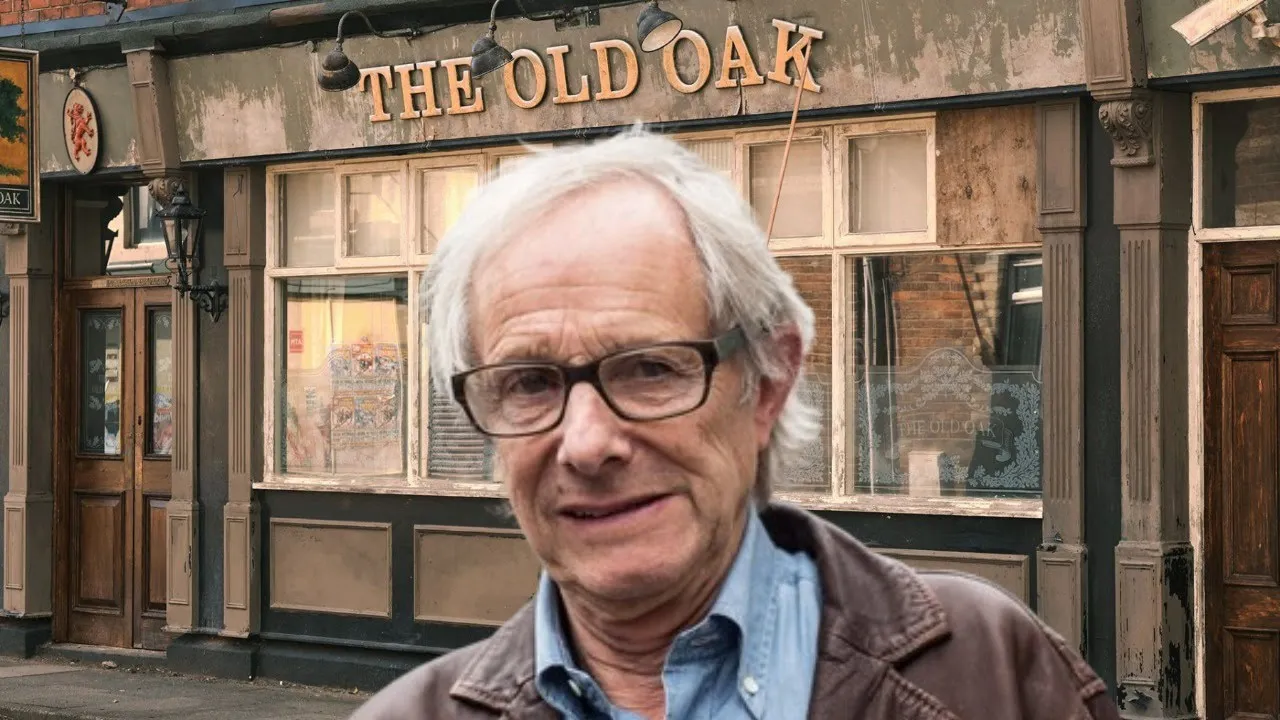
Ken Loach Discusses Final Film 'The Old Oak' and the Fight for Working Class Solidarity | Interview
162
Ken Loach, a legendary British filmmaker with two Palme d'Or awards, explains his filmmaking philosophy of using simple stories with small groups of characters to reveal broader social contradictions and systemic issues. His films, including 'The Old Oak' and the 'Trilogy' (Daniel Blake, I, Daniel Blake, and The Killing Fields), address the human consequences of neoliberalism, including the exploitation of working people, weakened unions, and environmental damage. Loach emphasizes that solidarity and unity are the greatest weapons against division and exploitation, and that people must trust their own experiences and evidence rather than propaganda to resist systemic oppression.
Click to watch →
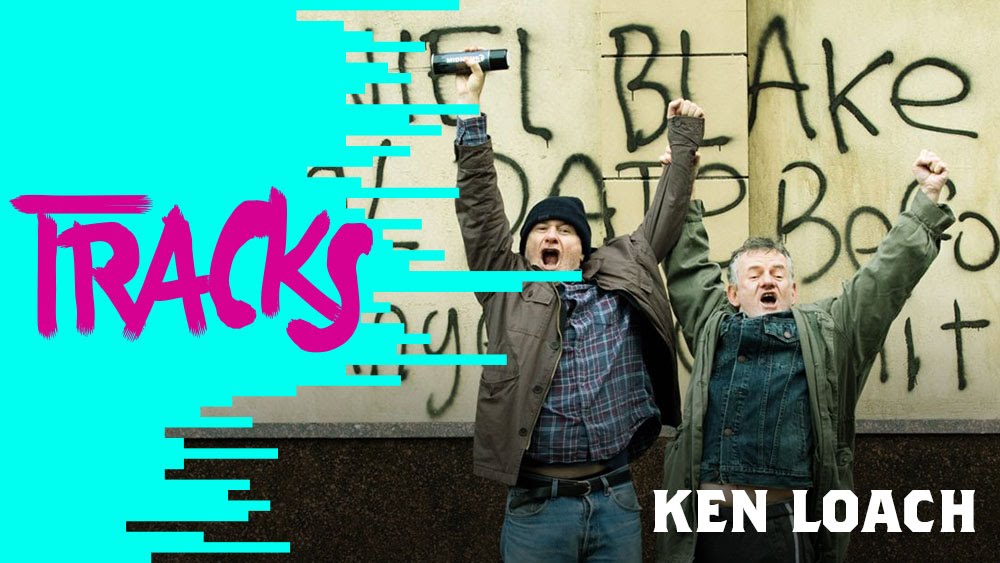
Ken Loach - Arte TRACKS
1.6K
Ken Loach was born in 1936 in Anmieten, an industrial town near Birmingham, to working-class parents who were politically conservative. Despite studying law at Oxford, he discovered theater and pursued filmmaking. In the 1960s, he collaborated with screenwriter Jim Allen, a working-class author who experienced class struggle firsthand. Loach joined the anti-Stalinist left, opposing both Moscow and Washington, and was anti-statist and anti-capitalist. During the 1960s, left-wing movements were tolerated because the ruling class felt secure. Today, with capitalism in crisis, attacks on left-wing movements have become brutal. Loach actively engages in politics, supporting Jeremy Corbyn's leadership of the British Labour Party and criticizing right-wing media manipulation that spreads misinformation about immigrants to push people toward the right.
Click to watch →

Ken Loach, le combatif. Cours d’analyse de films par Olivier Lecomte
772
Ken Loach's 50-year career was defined by unwavering commitment to social critique. Beginning at the BBC in the 1960s, he created 'Cathy Come Home' to expose welfare state failures. His 'Spirit of 45' philosophy championed the post-war welfare state, making Margaret Thatcher his primary adversary. Despite international recognition, he faced rejection in Britain, illustrating 'no prophet is accepted in his own country.' His films drew from anti-psychiatry theories and faced criticism for grimness, though he countered with working-class humor of survival.
Click to watch →
Deep Dive
The socio-economic realities of the modern gig economy, particularly zero-hour contracts and self-employed franchise models.

Shocking ! Le contrat « zéro heure »
12.7K
Zero-hour contracts affect 500,000-1 million UK workers, with 90% prevalence in some retail sectors. The UK unemployment rate of 6% contrasts with France's 10%, with proponents arguing these contracts benefit women, youth, and seniors. However, exclusivity clauses can trap workers in single employers despite no guaranteed hours. The Royal Family and major retailers use these contracts, with 350 Buckingham Palace employees recruited in one year. Employers avoid agency fees and social costs, while workers face 'Draconian' conditions. Some employers resist, preferring traditional employment with predictable hours and benefits.
Click to watch →

Globalistas - O capitalismo declara guerra à UNRWA
13.7K
The video explains how zero-hour contracts in the UK and US create vulnerability for workers, as they can be told to work only when there is work, but cannot take other jobs because they remain employed. The video argues this system contributes significantly to working-class poverty and represents a form of labor exploitation that benefits employers at the expense of workers.
Click to watch →

Watch CNBC's full interview with legendary short seller Jim Chanos
193K
Restaurant franchise companies have triple hidden leverage: they lease restaurants from investors, sublease to franchisees, and franchisees are highly leveraged. Many franchisees filed Chapter 11 bankruptcies during the pandemic. Gig economy companies (Uber, Lyft, GrubHub) face existential risks because their business models rely on labor arbitrage—keeping workers as independent contractors to avoid payroll taxes. When companies classify workers as independent contractors, they avoid paying half the payroll taxes that would otherwise be shared with employers. This creates fragile business models that may face regulatory changes requiring companies to pay full payroll costs.
Click to watch →

Limites da democracia no Brasil | VLADIMIR SAFATLE, LAURA CARVALHO E RICARDO ANTUNES
221.4K
The service sector grows exponentially while industrial and rural sectors contract. Zero-hour contracts create pools of available workers who can be called upon or rejected without consequences. This model, exemplified by Uber, creates precarious workers who must accept any assignment to survive. The algorithm controls pricing and worker availability, creating new forms of subordination that evade traditional labor protections.
Click to watch →

Poor Family Swaps Lives With Millionaires - Did It Change Them? | Rich House Poor House
247K
This segment reveals the precarious nature of zero-hour contracts through Ben's experience as a roofer. His income fluctuates dramatically—from £300 for six days of work to just £30 in bad weather weeks. This economic vulnerability forces the family into survival mode, with only £57 remaining after bills for food, clothes, and emergencies. The segment illustrates how unstable employment creates chronic financial stress, making it difficult to plan for the future or invest in personal development. It also demonstrates how small changes in circumstances—like losing a job or facing weather-related work stoppages—can push families into crisis situations.
Click to watch →
Deep Dive
Basic film analysis vocabulary, including concepts of mise-en-scène, naturalistic acting, and subtext.

How To Analyze Movies – Film Studies 101
807.5K
Mise-en-scène refers to everything that appears in the frame—costumes, locations, lenses, lighting, and all visual elements that result in what we see on screen. It encompasses the dozens or hundreds of choices that filmmakers make to create meaning. Cinema exists on a spectrum between pure realism (reproduction of reality) and pure formalism (entirely artificial). Most movies exist in classicism, combining realist elements (naturalistic performances, subtle editing) with formalist elements (musical scores, camera movement). In Home Alone, glossy Hollywood lighting, 35mm film, and realistic settings combine with musical scores and exaggerated camera angles to communicate Kevin's perspective.
Click to watch →

MISE-EN-SCÈNE là gì và quan trọng đến mức nào?
89.4K
Mise-en-scène (French for 'placing into a scene') is the arrangement of all visual elements within a film frame, including setting, costume, makeup, acting, and lighting, which work together to convey emotions, establish atmosphere, and express the director's artistic vision. The four main elements are: (1) Setting - the physical environment where the scene takes place, which can be real locations or studio sets, and includes blocking (actor positioning and movement) to establish power dynamics; (2) Costume and Makeup - which build character identity and world atmosphere; (3) Acting - the performance of characters, ranging from naturalistic to stylized approaches; and (4) Lighting - which controls viewer attention through qualities like intensity, direction, and color, with high-key lighting creating bright, cheerful scenes and low-key lighting creating dramatic tension.
Click to watch →

How to read mise en scéne | Visual film analysis explained!
175.6K
Mise en scène, a French theatrical term meaning 'staging,' encompasses all visual elements in a film scene—including costume, props, set design, lighting, and character appearance—that work together to communicate meaning without dialogue; effective analysis requires describing what you see literally, considering the scene's purpose, and understanding how visual choices serve the narrative, with binary oppositions (such as natural vs. industrial environments) often revealing underlying themes.
Click to watch →
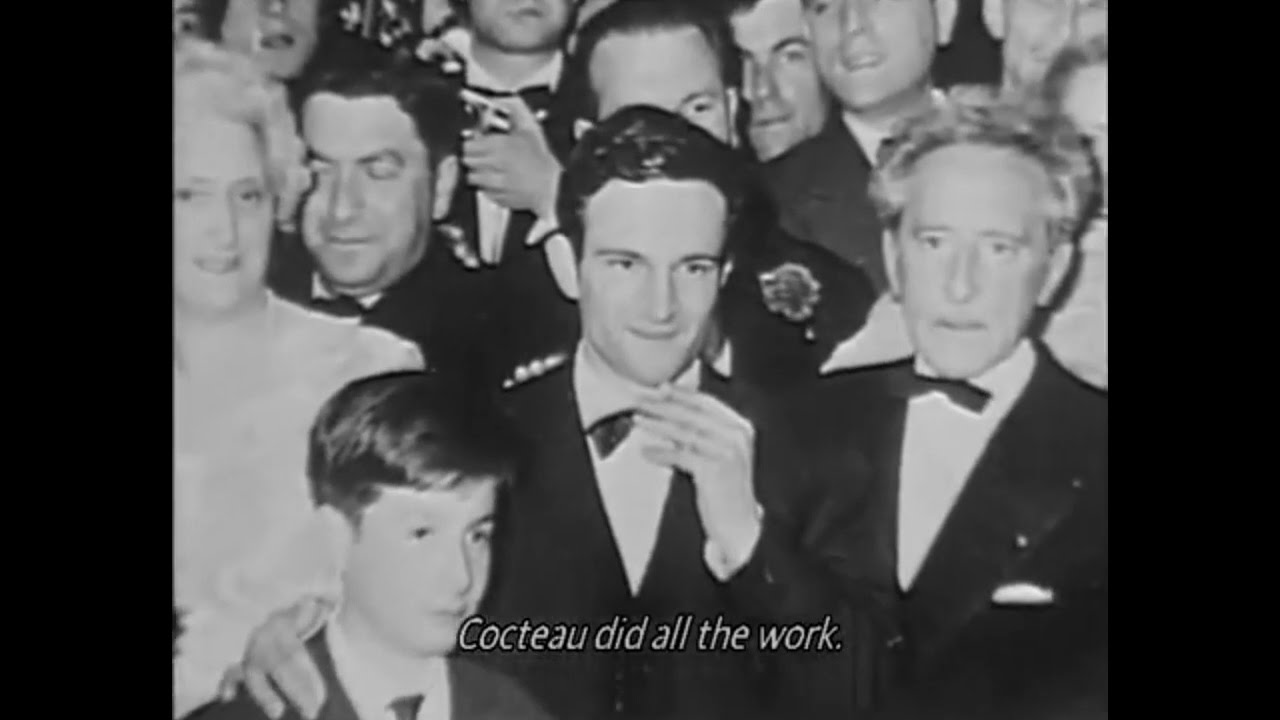
Cinéastes de notre temps -- François Truffaut Interview (1965)
7.6K
Truffaut's directing style emphasized naturalistic acting and subtextual communication. He avoided mechanical direction, instead liberating actors from technical constraints. Performances relied on subtle physical and vocal cues rather than explicit dialogue. Actors were encouraged to improvise within established parameters, using their own vocabulary and instincts. Subtext was conveyed through hesitation, eye contact, and body language, allowing audiences to read between the lines and understand characters' psychological states through authentic behavior.
Click to watch →
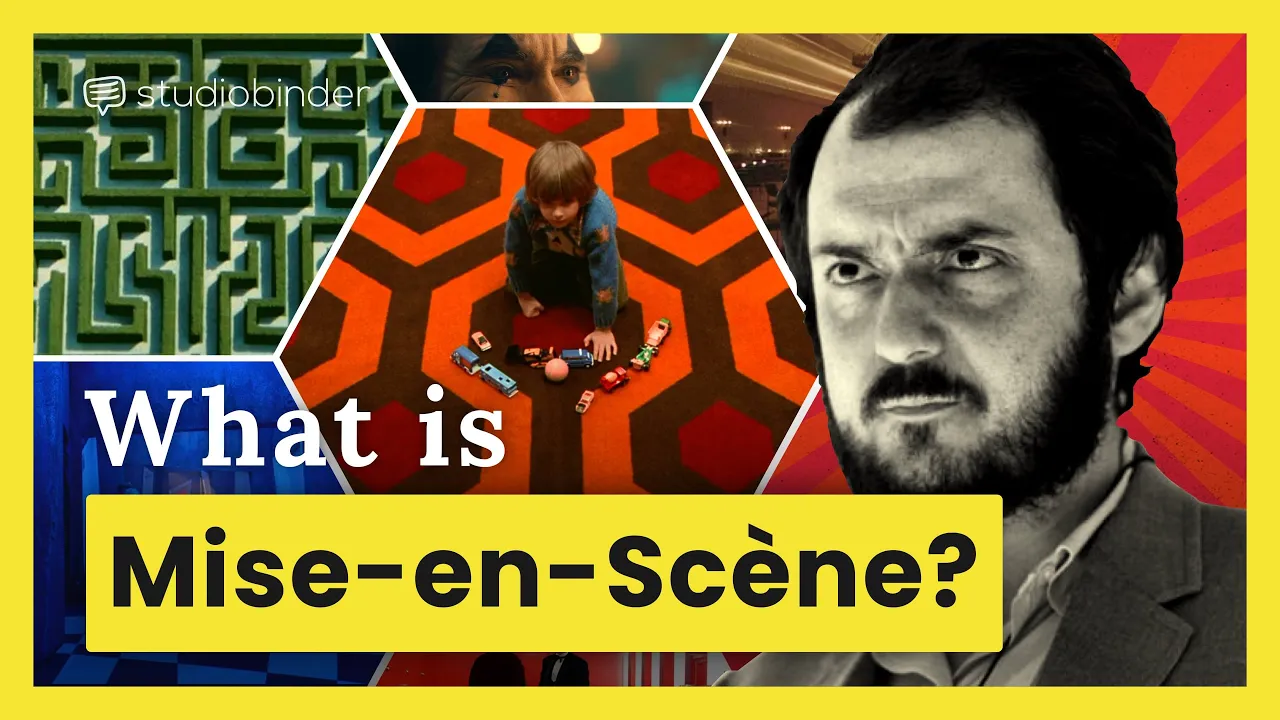
What is Mise en Scene — How Directors Like Kubrick Master the Elements of Visual Storytelling
897.5K
Mise-en-scène is a French term meaning 'placing on stage' that encompasses all visual and auditory elements in a film scene, including production design (props, set design, costumes), cinematography (lighting, camera framing, composition), blocking/staging of actors, and sound design/music. French film critic Andre Bazin championed it as a fundamental filmmaking approach, contrasting it with montage-based storytelling. Directors use mise-en-scène to create meaning within single shots, with two main traditions: naturalistic (realistic, familiar worlds) and theatrical/expressionist (exaggerated, stylized worlds). A master filmmaker like Stanley Kubrick demonstrates how every element—production design, cinematography, blocking, and sound—works together to create powerful visual storytelling, as seen in The Shining where a single shot conveys isolation and vulnerability through carefully arranged elements.
Click to watch →
Prerequisite Knowledge
- Concept 01The history and characteristics of the British Social Realist movement in cinema.
- Concept 02An overview of director Ken Loach's career-long thematic focus on working-class struggle and political leftism.
- Concept 03The socio-economic realities of the modern gig economy, particularly zero-hour contracts and self-employed franchise models.
- Concept 04Basic film analysis vocabulary, including concepts of mise-en-scène, naturalistic acting, and subtext.
Subsequent Learning
- Step 01A comparative analysis of 'Sorry We Missed You' with Ken Loach's other modern critique of the British welfare state, 'I, Daniel Blake'.
- Step 02An exploration of global social realism, comparing British filmmakers with international peers like Belgium's Dardenne brothers.
- Step 03An examination of how cinema can serve as a catalyst for labor policy reform and social activism.
- Step 04Advanced study of family systems theory in cinema, examining how structural economic pressures dictate interpersonal conflict.
Argument over Choices
Defending Hard Work
Argument over Choices
0:12Playing Section
- 1
A heated argument about career paths and future prospects.
- 2
One person criticizes the other's ambition and work ethic.
- 3
Discussion highlights frustration with limited job opportunities.
The Critique of Social Realist 'Miserabilism' and Melodrama
While Ken Loach’s 'Sorry We Missed You' is celebrated for its social realism, critics often argue that his filmmaking style leans into 'miserabilism' and heavy-handed didacticism. This counterpoint suggests that by focusing relentlessly on hardship and systemic victimization, Loach risks denying his working-class characters true agency, reducing them to tragic archetypes designed to elicit middle-class guilt rather than offering multidimensional portraits. Additionally, from an economic perspective, defenders of the gig economy argue that such films overlook the genuine benefits of labor flexibility, self-employment, and low-barrier entry to the workforce that modern platforms offer. This alternative viewpoint encourages students to analyze whether Loach’s cinematic style is an objective depiction of modern labor or a highly stylized, politically motivated melodrama that oversimplifies the complexities of the gig economy.
Deep Dive
A comparative analysis of 'Sorry We Missed You' with Ken Loach's other modern critique of the British welfare state, 'I, Daniel Blake'.

Sorry We Missed You - InThePanda à Cannes
12.8K
Ken Loach's 'Sorry We Missed You' exemplifies his signature social realism approach, depicting a dysfunctional English family where the father works 14-hour delivery shifts, the son has dropped out of school, and the daughter acts as a substitute mother, using their struggles to critique labor mechanization and systemic social issues while maintaining Loach's characteristic pessimistic yet humanistic vision of working-class life.
Click to watch →
![[Fil d'Actu #32] Blocage gouvernemental, Police instrumentalisée et un film social primé à cannes](https://i.ytimg.com/vi_webp/bThc03Susbg/maxresdefault.webp)
[Fil d'Actu #32] Blocage gouvernemental, Police instrumentalisée et un film social primé à cannes
19.2K
Ken Loach's film 'Daniel Blake' won the Palme d'Or at Cannes, depicting a man forced to work despite serious health problems due to bureaucratic absurdity. Based on real British testimonies, the film criticizes a welfare system that pushes people toward suicide. The film accurately reflects British society: unemployment statistics exclude disabled and sick people, mandatory 30-hour weekly volunteering exists for low-income recipients, and zero-hour contracts provide no job security. Over one million people needed food banks in 2015 despite low official unemployment figures. The finance minister dismissed the film as 'not reality,' highlighting the disconnect between official narratives and lived experiences.
Click to watch →

S07E75: 5 Filmes de Terror Real para o Dia das Bruxas! 💸🎃💸
2.7K
Ken Loach's 'I, Daniel Blake' and 'Sorry We Missed You' explore the platform economy where workers are classified as 'entrepreneurs' rather than employees. In 'Sorry We Missed You,' a delivery driver must purchase his own equipment (motorcycle) and pay daily rental fees, creating debt before earning income. The film shows how gig economy workers lack benefits, job security, or labor protections, while being expected to manage their own business operations. The protagonist must sell his family car to afford equipment, illustrating how platform capitalism transfers risks from corporations to individual workers.
Click to watch →

I, Daniel Blake Review: How Bad Could it Be? (A response to Toby Young)
63.9K
This video presents a comprehensive analysis of Ken Loach's film 'I, Daniel Blake' as a powerful example of social realism in British cinema. The reviewer, from Newcastle, England, explains how the film depicts the UK welfare system's failures through Daniel Blake's story—a 59-year-old joiner declared fit for work after a heart attack, forcing him into humiliating job-seeking processes. The reviewer argues that while the film is not enjoyable in the traditional sense, it is a masterpiece that exposes systemic injustice. The film's power lies in its human heart, showing how people at rock bottom find dignity and strength in each other through friendship and community. The reviewer strongly criticizes Toby Young's review as misinformation, citing government records showing over 2,000 deaths after 'Fit for Work' declarations. The reviewer concludes that the film's message about human connection and resilience transcends its British setting, offering universal lessons about humanity that resonate with anyone regardless of background.
Click to watch →

¿Asocia México su suerte petrolera a Trump? ¿Optimismo en evolución del COVID-19? #AstilleroInforma
70.2K
'I, Daniel Blake' (2016) is a film by Ken Loach that won the Palme d'Or at the Cannes Film Festival. The film follows Daniel Blake, a former factory worker who suffers a heart attack and is told he cannot work. He navigates a bureaucratic welfare system designed to make it difficult for people to receive assistance. The film critiques how social welfare systems can become obstacles rather than support for vulnerable citizens.
Click to watch →
Deep Dive
An exploration of global social realism, comparing British filmmakers with international peers like Belgium's Dardenne brothers.
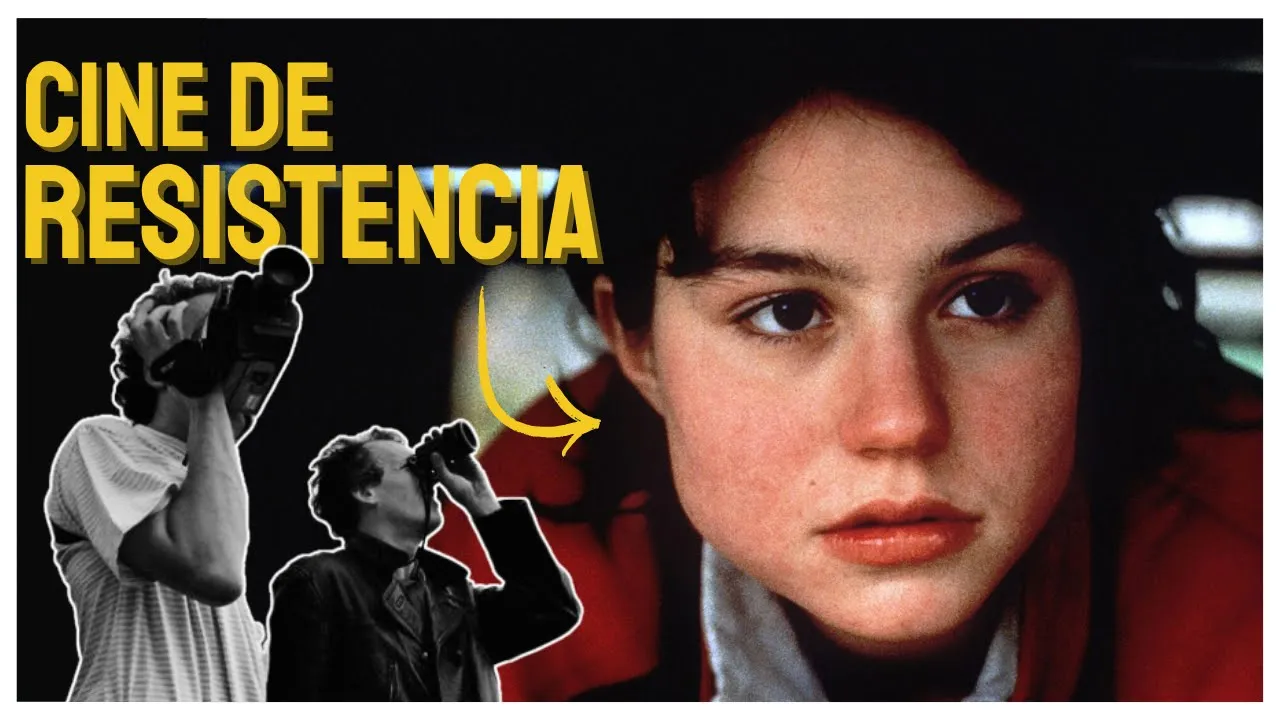
¿Por qué? Filmar una película con CÁMARA en MANO.
8.2K
Camera movement and image composition are fundamental tools that transform emotions, ideas, and narratives, guiding viewer gaze and constructing meaning. Orson Welles pioneered deep focus in Citizen Kane, enabling horizontal and vertical camera movements. The Dardenne brothers, Belgian filmmakers from Liege, developed a distinctive style through their background in acting and philosophy. They founded their own production company in the 1990s, maintaining total control over casting, filming, and editing with low budgets and small crews. Their films focus on adolescents and working-class people in 21st century Europe, beginning with the question 'What does it mean to be human today?' They maintain specific rules: filming exclusively on location with natural lighting, similar to Italian neorealism. Critics connect them to Robert Bresson's minimalist cinema, though they use handheld camera that stays one step behind protagonists. Their documentary-style approach creates narrative resistance—characters remain in shadows, ambiguous, generating truth. They embrace the paradox that 'the estetization of reality requires a desestetization of art.' Unlike British social realists, they paint protagonists crudely without sentimentality. They adopt character perspectives to tell authentic stories, with endings that are tentative and uncertain rather than typical happy endings. In a globalized world, simple stories seeking humanity remain relatable, but filmmakers must avoid ulterior objectives that reduce characters to propaganda vehicles.
Click to watch →

Marion Cotillard et Denis Ménochet s’embrouillent à Cannes | Vidéo Club
56.4K
The Dardenne brothers are described as filmmakers who create 'extraordinary' works. The participants discuss their unique approach to filmmaking, noting that they create films that are 'absolutely incredible' and represent their 'greatest work.' The brothers are known for their distinctive style of handheld camera work and social realism in Belgian cinema.
Click to watch →

Britain on Screen: Working Class Cinema and Social Realism | Video Esssay
4.8K
British social realism cinema distinguishes itself through gritty authenticity opposing polished mainstream productions. Directors like Shane Meadows ('This Is England') and Ken Loach ('I Daniel Blake') expose both the harshness and tenderness of working-class life. Meadows' film explores how working-class youth navigate identity formation, showing how Shaun moves from mockery to finding belonging in skinhead culture before confronting toxic nationalism. Loach's film provides a brutal critique of the British welfare system, depicting protagonist Daniel bounced between institutions like a tennis ball while struggling to access basic needs. These works share a commitment to believable realism that makes systemic failures emotionally stirring and socially significant.
Click to watch →

O Realismo no Cinema Contemporâneo - AULA 01: O que é um FILME REALISTA?
5.5K
The Dardenne brothers, Belgian filmmakers, create realist cinema focusing on marginalized people including immigrants struggling to survive. Their approach combines realistic themes with specific formal techniques: handheld camera work creating spontaneity, natural restrained acting, authentic locations, and a camera that integrates organically with character movements. Their camera functions like a seismograph, registering tension and action intimately. This creates a specific realist effect rather than a generic one. The camera's integration with character movement means it doesn't show everything or explain everything, instead proposing a creative perspective. This demonstrates that realist cinema can achieve authenticity through deliberate formal choices rather than mere documentary-style recording.
Click to watch →

Jean Pierre & Luc Dardenne interview on Young Mothers
266
The Dardenne brothers explain their social realism filmmaking approach, which centers on depicting marginalized individuals with empathy rather than political ideology, using extensive research and rehearsal periods to create authentic portrayals of young mothers in maternity homes, focusing on tenderness and human connection as counterpoints to societal brutality.
Click to watch →
Deep Dive
An examination of how cinema can serve as a catalyst for labor policy reform and social activism.

REFORMA LABORAL EN MARCHA I INDUSTRIA NACIONAL con Marcos ARAMBURU, Lia, Flor HALFON y CHARO LÓPEZ
56.1K
The labor reform eliminated the funding source for the National Cinema Institute (INCA), previously financed through cinema ticket sales percentages. This has sparked protests from the cinema industry, with international figures like Pedro Almodóvar signing petitions demanding the article be nullified. The speaker notes this as an example of how the reform affects various sectors beyond traditional labor, demonstrating the broader implications of labor legislation on cultural industries.
Click to watch →

Modernité et politique
199
Workers' organizations, particularly the Bourses du travail, developed early interest in cinema as a tool for social reform. These organizations initially projected fixed images (similar to lantern slides) and gradually moved to using actual films. The cinema was used for campaigns against alcoholism, with conferences accompanied by images and later films. Workers' organizations borrowed sequences from fictional films (particularly those depicting alcoholism) to support their campaigns, demonstrating an early form of media literacy and strategic use of visual media for political purposes. In 1912, the 'cinéma du peuple' was created by libertarians, with Eugène Bonaventura Vigot participating in pioneering efforts to construct films like 'Les Misères de l'Aiguille' that denounced the home work of women.
Click to watch →

மக்கள் இயக்குனர் பட்டம் கிடைக்க காரணமே இதுதான்!| Makkal Cinema | EP 04 | Director V.Sekar | N Studio
617
Social reform films can lead to actual policy changes. In the story, a mayor announced that the director's film led to the government providing monthly salaries to sweepers, demonstrating how cinema can influence government policy and improve workers' conditions.
Click to watch →

Ethel LaValley, Retired Secretary-Treasurer, Ontario Federation of Labour
194
Labor films play a vital role in renewing activism within the labor movement by addressing activist burnout and fatigue, helping people understand that labor is not just about making speeches but also encompasses culture and art of the population, thereby inspiring greater involvement.
Click to watch →

Biennale Cinema 2022 - Conferenze stampa / Press conferences (5.09)
114.3K
Director Lav Diaz explains that in the Philippines, the government doesn't really look at cinema as an influential or powerful medium. He believes that films can't just exist—they have to say something, move people, and push people to push on other people, and then it becomes a revolution. This demonstrates how filmmakers can view their work as a form of social and political activism.
Click to watch →
Deep Dive
Advanced study of family systems theory in cinema, examining how structural economic pressures dictate interpersonal conflict.
Lyddie (1996 British Movie)
882
Economic pressure could create conflict within families. The video shows a character being told that her uncle wants to sell the family land, and that she must understand that they are responsible. This illustrates how economic pressures could create conflict between family members over how to handle family assets.
Click to watch →

Death Comes as the End: 80th Anniversary Retrospective
1.3K
Christie occasionally used economic pressures as catalysts for family dysfunction and violence. The family's repeated funerals cause embalming services to raise prices, angering Otep and contributing to family tensions. Christie demonstrates that material scarcity compounds interpersonal conflicts, showing how Christie understood that economic stress can exacerbate existing family problems.
Click to watch →

Slums of Beverly Hills Full Movie Facts And Review | Alan Arkin | Marisa Tomei
2.9K
The film explores complex family dynamics under financial strain. Vian learns her cousin Rita is not serious about nursing school but instead focuses on romantic interests and has no life direction. Vian attempts to cover Rita's lack of progress when progress reports arrive. Mike becomes frustrated supporting his brother's family indefinitely and explores options during meetings between families. The father appreciates attention from wealthy friends' daughters but resists returning to his ex-wife. Vian and her father sometimes communicate in code. These interpersonal tensions reveal how economic hardship amplifies existing family conflicts, creates generational strain, and forces difficult decisions about loyalty, responsibility, and future aspirations within struggling families.
Click to watch →

Ipnosi di massa e disumanizzazione: la guerra invisibile - Paolo Menoni Gabriele Sannino
27.7K
The money-based system destroys family structures. Young couples with two children working with precarious contracts and flexible shifts become exhausted and have no time for themselves or their children. Love ends up at the bottom of the priority list. Fathers working 10 hours a day may not even know their children or spouses. Mothers who leave work to raise children feel useless because the only thing that matters is how much money they can produce. Families break apart over money, with adults telling their children they are worthless because they cannot find work.
Click to watch →

RECENSIONE Al cinema SORRY WE MISSED YOU di Ken Loach
129
The film demonstrates how economic pressures force families to make painful sacrifices. Ricky must sell his wife Debbie's car, which she needs for her work as a home care assistant, to afford the delivery van. This sacrifice creates additional burdens for Debbie, who must now use public transportation, reducing her time for rest and family. The economic system forces workers to compete against each other, even within families.
Click to watch →
Argument over Choices
Defending Hard Work
Argument over Choices
0:12- 1
A heated argument about career paths and future prospects.
- 2
One person criticizes the other's ambition and work ethic.
- 3
Discussion highlights frustration with limited job opportunities.
The Critique of Social Realist 'Miserabilism' and Melodrama
While Ken Loach’s 'Sorry We Missed You' is celebrated for its social realism, critics often argue that his filmmaking style leans into 'miserabilism' and heavy-handed didacticism. This counterpoint suggests that by focusing relentlessly on hardship and systemic victimization, Loach risks denying his working-class characters true agency, reducing them to tragic archetypes designed to elicit middle-class guilt rather than offering multidimensional portraits. Additionally, from an economic perspective, defenders of the gig economy argue that such films overlook the genuine benefits of labor flexibility, self-employment, and low-barrier entry to the workforce that modern platforms offer. This alternative viewpoint encourages students to analyze whether Loach’s cinematic style is an objective depiction of modern labor or a highly stylized, politically motivated melodrama that oversimplifies the complexities of the gig economy.
The history and characteristics of the British Social Realist movement in cinema.
An overview of director Ken Loach's career-long thematic focus on working-class struggle and political leftism.
The socio-economic realities of the modern gig economy, particularly zero-hour contracts and self-employed franchise models.
Basic film analysis vocabulary, including concepts of mise-en-scène, naturalistic acting, and subtext.
A comparative analysis of 'Sorry We Missed You' with Ken Loach's other modern critique of the British welfare state, 'I, Daniel Blake'.
An exploration of global social realism, comparing British filmmakers with international peers like Belgium's Dardenne brothers.
An examination of how cinema can serve as a catalyst for labor policy reform and social activism.
Advanced study of family systems theory in cinema, examining how structural economic pressures dictate interpersonal conflict.
59.5K views288likes3:27@theupcomingmagazineOriginal Release: 2019-05-14
how've you $40 all chipped it come on Stella Trish I am sad tell the truth what if I tell the truth does when I'm upon us just tell the truth I saw my winter jacket the guy X Jackie said for [ __ ] sake John what she cast that cost me a fortune I can't get another one what are you doing have you been on the train tracks in the reves a spreading that shite everywhere course it's [ __ ] and of course it's everywhere to advertise it it's like all the shitty advertising you see nowadays people trying to play them trying to get people to buy stuff that isn't in their league or saw supposed to mean can we just talk I'll set a shouting even his skills today said how many days awful feeling last month do you don't mean your mom we're gonna get dragged in they sent a letter about it last month said we're gonna get a fire love love I don't know what's got into you really don't you're the smart keep just like Liza you used to be in all the top sets what is going on just give yourself some choices made sad we've talked about this you could go early Oh Unni what and be like hot wings ba ba 57 grand in debt and what wouldn't in the course I'd not know getting smushed every weekend just to forget these problems of course I don't have to be some good jobs out there good jobs what good jobs otherwise if you just look cool down give yourself so much cheese yeah otherwise you're just gonna window by what would I do I'll [ __ ] nice do you really think I want that really yeah oh yeah of course I do I want to be like you yeah going from [ __ ] job to [ __ ] job working 14 hours a day I've been a part with everyone else's [ __ ] put it from one [ __ ] job to another [ __ ] job you're just going to end up a skinny let's give me it's your choice of escape isn't it ask if he doesn't come to you you go to it right I'm doing me best step maybe your best isn't good enough is it no it's not he said no I'm already better for you I'll wait better for Lizer so our [ __ ] they somewhat bad wonders yeah [ __ ] off or Cuba what do you want the best for you you know he works so hard how do you have you gone can you even look at me
Up Next

48:36
Plot in Cinema: Narrative Theory Explained | Film Studies Lecture
@iit
13.2K views•2013-05-10

23:14
Visual Analysis Essay: How to Analyze Graphic Novels in College Writing
@nataliepleimann5941
1K views•2020-10-14

4:55
Film Blocking Techniques for Directors: Space, Shapes, Lines
@StudioBinder
1.9M views•2018-07-23

4:00
Evolution of Darth Vader: Anakin Skywalker's Animated Journey Across Star Wars Films
@TellItAnimated
13.4M views•2019-03-30
Related Study Plans & Knowledge Roadmaps
Structured learning paths in Film Analysis
film-analysis
Sensory Cinema: Foley, Haptic Sound & Texture
01Introduction to Film Sound and Foley Artistry
02Micro-Sounds, Textures, and Extreme Amplification
03Haptic Audition and Film Phenomenology
+ 1 more learning modules
12h4 modules
Explore Roadmap
film-analysis
Breaking the Fourth Wall: Mockumentary & Satire
01The Invisible Wall: Basics of Cinematic Illusion
02Looking at the Lens: Direct Address & Character Glances
03The Mockumentary: Satire, Realism, and Complicity
+ 2 more learning modules
12h5 modules
Explore Roadmap
film-analysis
Analyzing the Long Take: Cinema, Space & Ethics
01Foundations of Film Grammar: Montage vs. The Long Take
02Choreography and Mechanics of the Simulated One-Shot
03Phenomenology of Film: Real-Time Spatial Continuity
+ 1 more learning modules
14h4 modules
Explore Roadmap
film-analysis
Anachronistic Music: Period Drama & Subversion
01Foundations of Film Sound and the 'Needle Drop'
02Traditional Authenticity vs. Revisionist History
03The Rise of the Anachronistic Soundtrack
+ 2 more learning modules
12h5 modules
Explore Roadmap