






















This video demonstrates how to apply Bach's counterpoint techniques—specifically prime (original), inversion (upside-down), retrograde (backwards), and retrograde inversion (backwards and upside-down)—to reinterpret Slayer's 'Raining Blood' riff, showing how 20th-century composer Arnold Schoenberg's serialism approach can transform chromatic metal music into a Bach-like fugue structure.
Bach's Counterpoint Applied to Slayer's Raining Blood | Music Theory Analysis
Added:Understanding of basic music theory, including intervals, scales, and chromaticism, which form the building blocks of both thrash metal and Baroque music.
Familiarity with the concept of polyphony and the basic definition of counterpoint (the relationship between independent musical voices).
Basic awareness of melodic transformation concepts, specifically 'Prime' (the original form of a theme or subject).
A general acquaintance with the musical style of J.S. Bach and the characteristic chromatic riffing of Slayer's 'Raining Blood'.
Advanced study of Fugal Analysis and 18th-century contrapuntal forms, such as Canons, Inventions, and Fugues.
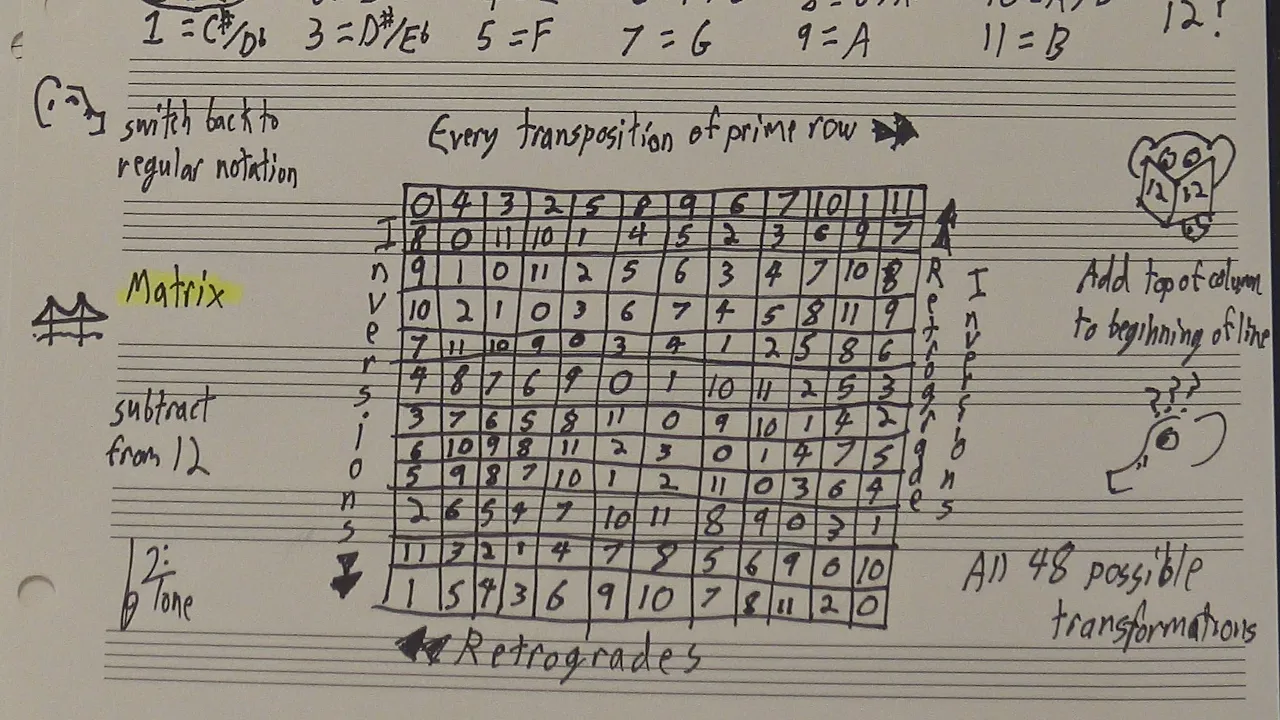
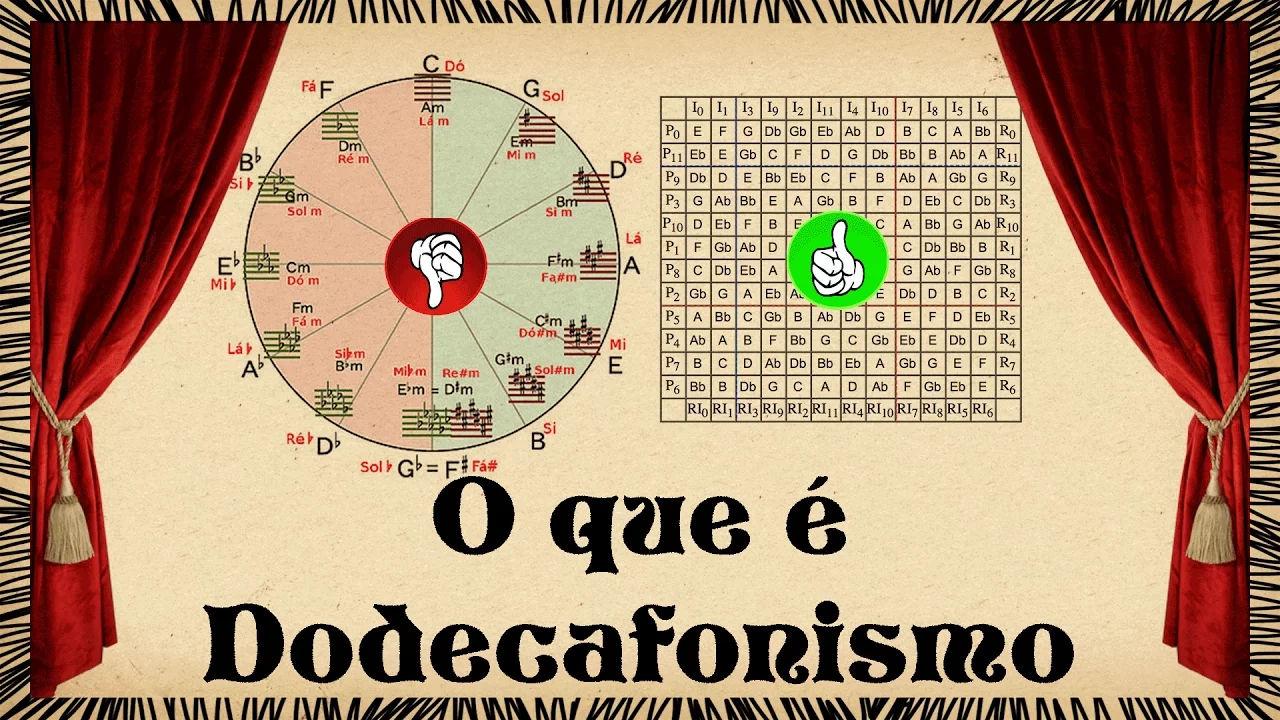
Exploration of Twelve-Tone Serialism (Dodecaphony) and the use of the prime/inversion/retrograde matrix in 20th-century classical music.
Practical application of contrapuntal techniques by arranging a modern non-classical song into a strict four-part Baroque chorale.
Analysis of Neoclassical Metal and Progressive Metal to understand how other artists integrate classical structures, scales, and counterpoint into heavy music.
1.1M views34.5Klikes4:54Original Release: 2019-03-14
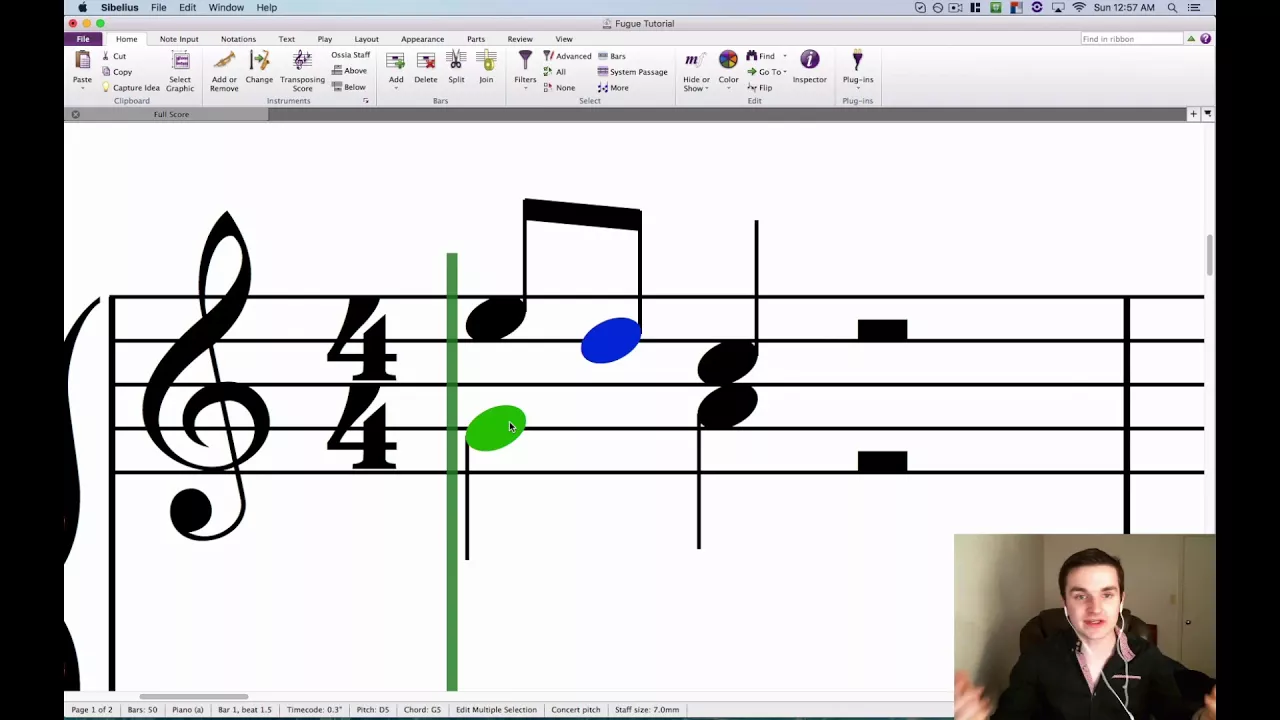
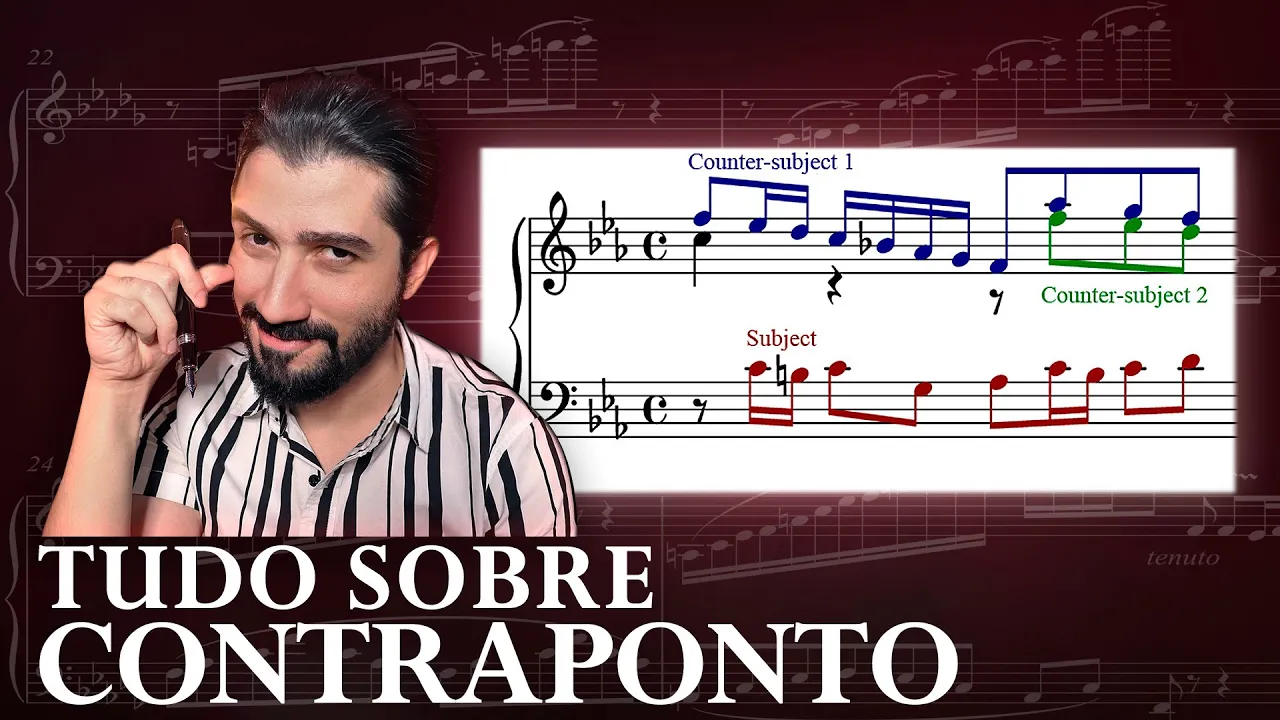
I'm shred master Scott and this video is called how would Bach place Slayer we'll take the thrash metal classic raining blood and reinterpret it using box prime inversion retrograde and retrograde inversion say what [Laughter] counterpoint is the interaction between two or more musical voices Bach's fugues and inventions are often cited as the best examples to hear this device in action will be using Bach's prime inversion retrograde and retrograde inversion to see how we might have approached the music of Slayer the question is will slay a rain blood on Bach's world or will the baroque master reign supreme [Music] all right let's get straight to it first up is the prime which is just the original riff [Music] you could make an argument this is an e-minor of some sort but it's very chromatic you got an a sharp F natural and a G sharp which all fall outside the e minor key signature next up we're gonna flip it upside down and this is what Bach called the inversion sometimes I feel a blood red rain coming on so if the original riff goes up the inversion comes down in the same interval but you just go the opposite direction this is also known as contrary motion and it's probably my favorite out of all of them next we've got the retrograde which is the original riff backwards [Music] if you start from the backend and go forward you can see that's just the original raining blood riff so if you don't have it a Ouija board handy and you want to release the demons in your life just play it backwards the feeling is new me now let's move on to the final variation here which is the retrograde inversion now here we take the retrograde and flip it upside down so the retrograde goes up a minor second here and we're heading down a minor second in the retrograde inversion down a major third in the retrograde up a major third in the retrograde inversion now I bet you're thinking herself but shred how did these all sound together and that's exactly what I've done the 20th century composer Arnold Schoenberg who basically invented serialism took box ideas of counterpoint and put them into an atonal context and since the rainy blood riff is so chromatic this works really well so let's have a look at what Arnold Schoenberg might have done to Bach's interpretation of Slayer [Music] I know what you're thinking that sounds amazing here's all the parts together at once I'm in Logic Pro here and we've got the prime up here in this voice which is the original I've got the retrograde down in the bottom and the horn part down here is doing retrograde augmentation which augmentation is just extending the length of the notes your guide slips way [Music] remember music theory should just be a slave to your own creative vision hope it and dump it until next time shred till you're dead [Music] yes I'm recording this in a van
Up Next

23:46
How to Improve Basslines with Counterpoint and Passing Tones
@NextLevelSound
1.5K views•2022-07-21

10:20
Mozart's Musical Dice Game Explained: History, Rules, & Fun
@webpianoacademy
5K views•2023-03-13

47:36
Understanding Diatonic 7th Chords in Major Keys | Music Theory Tutorial
@GracieTerzian
54.7K views•2022-03-02
10:49
Understanding John Coltrane's Giant Steps: A Music Theory Analysis
@Vox
10.4M views•2018-11-12
Related Study Plans & Knowledge Roadmaps
Structured learning paths in Music Theory
music-theory
Composing Galant Music: Partimento & Schemata
01Foundations of Figured Bass and Keyboard Harmony
02The Rule of the Octave (Regola dell'Ottava)
03Galant Schemata: The Building Blocks of Form
+ 2 more learning modules
30h5 modules
Explore Roadmap
music-theory
Decoding Overtone Series: Tuning & Drone Music
01Acoustic Foundations: The Physics of the Overtone Series
02Tuning Systems: Equal Temperament vs. Just Intonation
03Microtonality and Spectralism: Beyond Standard Pitches
+ 2 more learning modules
24h5 modules
Explore Roadmap
music-theory
Impressionist Harmony: Scales, Planing & RPGs
01Foundational Music Theory: Keys, Intervals, and Seventh Chords
02Impressionist Color: Chord Planing and Parallel Harmony
03Whimsical Textures: Pentatonic Cascades and Whole-Tone Scales
+ 1 more learning modules
14h4 modules
Explore Roadmap
music-theory
Negative Harmony: Axis Reflection in Indie Pop
01Music Theory Foundations: Scales, Intervals, and Triads
02Functional Harmony and the Circle of Fifths
03Demystifying the Negative Harmony Axis Reflection
+ 2 more learning modules
16h5 modules
Explore Roadmap