











![[Music Theory in 5m #15] 5 Embellishing tones to spice up your melodies](https://i.ytimg.com/vi_webp/oFRO702P1mU/maxresdefault.webp)

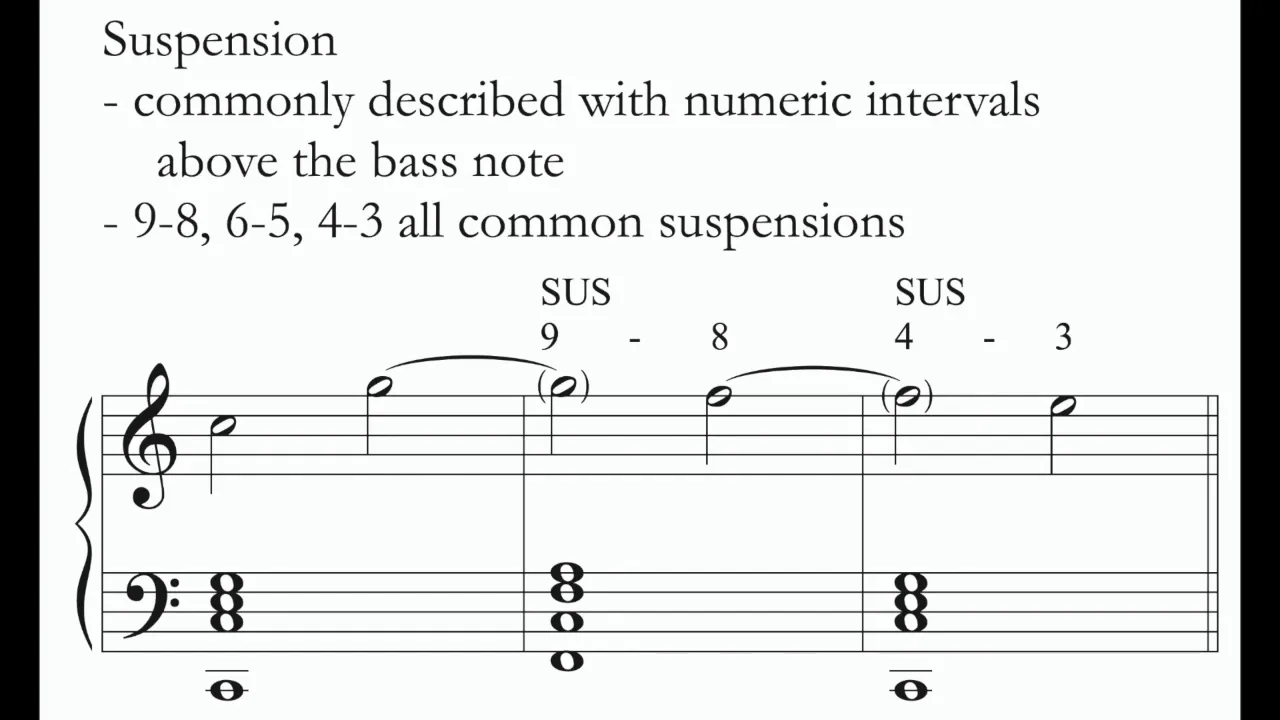


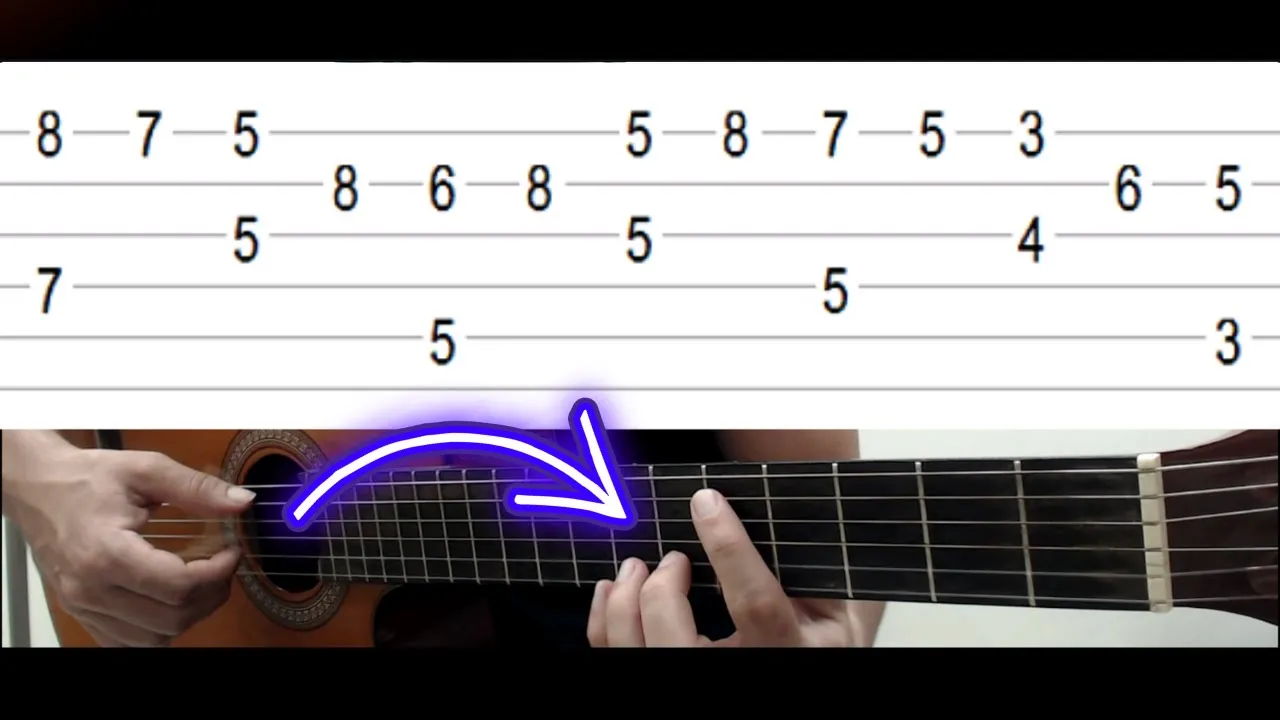
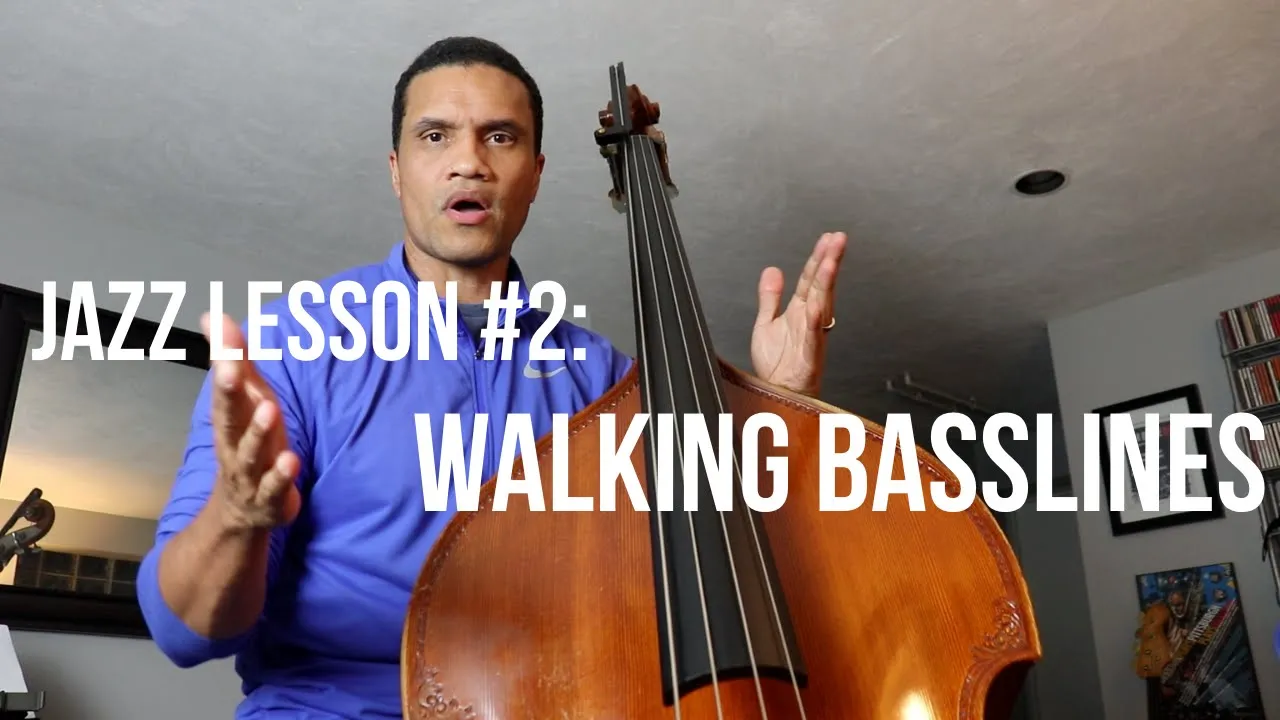



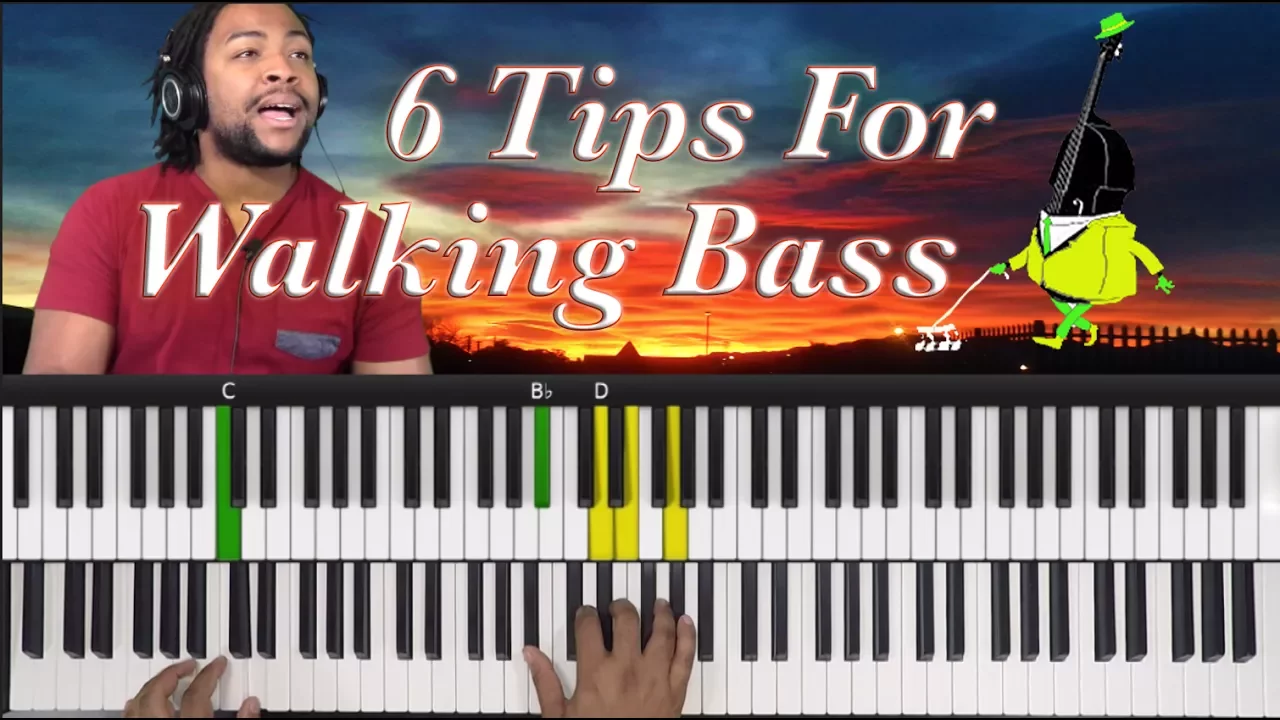
This video teaches a systematic approach to improving basslines by combining three key techniques: tracing (playing root notes of chords), contrapuntal motion (moving bass in opposite direction to chord progression to create tension), and passing tones (adding non-chord tones between chordal tones for subdivision). The instructor demonstrates how to start with simple root-based basslines, then progressively add contrapuntal motion and passing tones to create more complex, engaging basslines that add flavor without overwhelming the track. The key principle is to morph these techniques together strategically throughout a track, using them to build momentum and create an 'unwrapping' effect that keeps listeners engaged.
How to Improve Basslines with Counterpoint and Passing Tones
Added:Fundamental understanding of major and minor scales, key signatures, and scale degrees.
Basic knowledge of chord construction, including triads, seventh chords, and how chords function within a key.
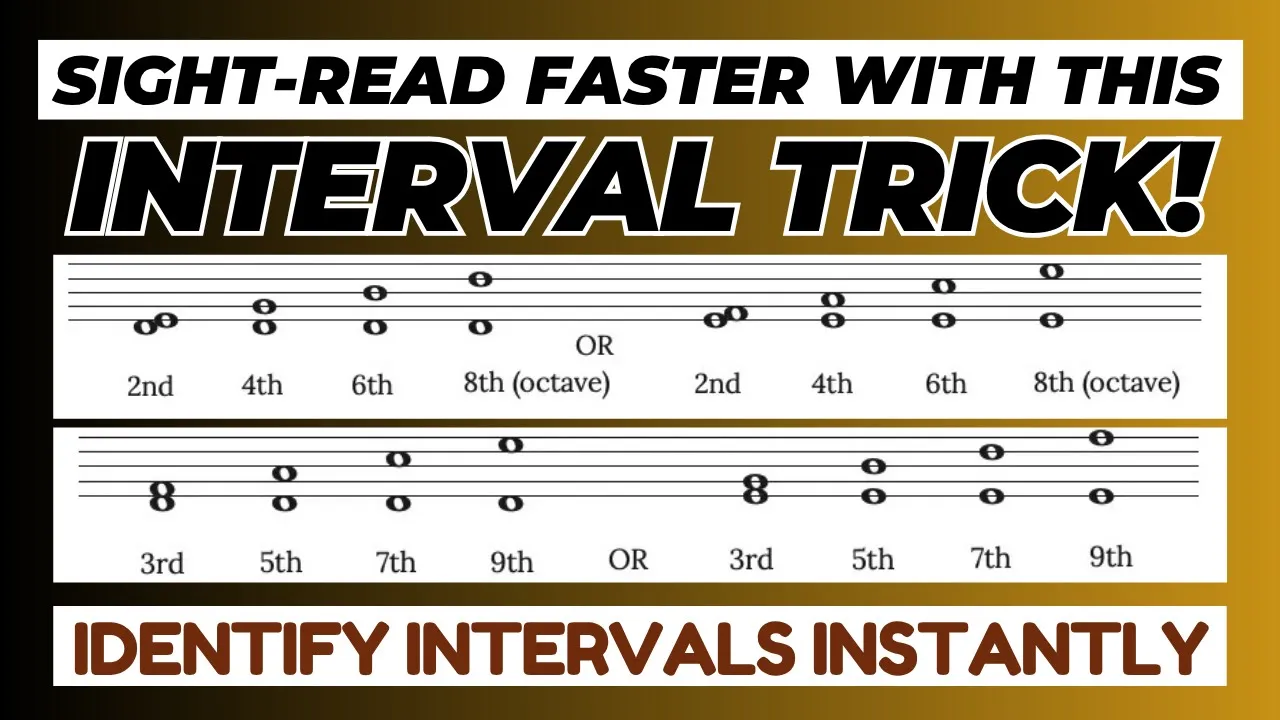
An understanding of musical intervals (such as thirds, fifths, and octaves) and how to identify them on a staff or instrument.
Familiarity with the traditional role of a bassline in outlining harmony using root notes and basic chord tones.
In-depth study of classical Species Counterpoint (specifically first through fifth species) to master rigorous voice-leading rules.
Exploration of advanced embellishing tones, such as suspensions, retardations, anticipations, and chromatic passing tones.
Analyzing the contrapuntal basslines of historical composers (like J.S. Bach's Two-Part Inventions) or modern jazz walking basslines.
Application of these concepts to four-part harmony (SATB writing) and multi-instrumental arrangement.
1.5K views55likes23:46Original Release: 2022-07-21
all right baselines um okay so i have a a very systematic way of teaching slash looking at baselines is i want to go through this in a very systematic pedagogical way of looking at it in reality chances are you'll probably um you know use your ear you'll have some sort of inclination as to where you want to start or something like that but my point is is i find that sometimes people kind of have a here's my baseline i sort of took the root of everything which is fine but two sessions ago people brought in their tracks where they had bass lines where it was just basically the root of everything and what we did is we started shifting things over and like and adding uh just different nuances each time and all of a sudden the track even though the track itself stayed the same by making these tiny little baseline changes it kind of was like almost an explanatory of like what it did but it just sort of added this fresh flavor each time and it didn't it took away any boxiness in a weird way it took away the feeling that can sometimes happen an edm of this sort of cut and paste like oh this is exactly the same thing that's happening in the first verse as the second verse it took away any of this stuff and it felt more like an unwrap like unrolling out of a piece so sometimes if you write a track and you've got your baseline what i would suggest is in the you know first round of editing kind of go back and then maybe just chart this out for yourself play around with them see what you like combine them i like the end of this one the beginning of this one i'm going to make my own version of this and and you know play around with it so this isn't like hard you know like you have to always do this every single time you make a baseline i just want to go through it in this manner to just sort of chart it out okay so i put this in a minor so i we came up with a chord progression last class we just did a minor to our c um to our f our six and our seven so we basically have a one three six seven it happens a lot in pop edm too that's uh film scores too it's a good common one all right so if we were to what i use this is not a like legal theory book term but it's my term um i'm copyrighting it right now um is uh to trace my baseline and i mean this by like i'm tracing the root i'm taking the root for whichever which way this moves up if my i'm keeping everything in triad form for a hot second okay so here's my a c right and i call it trace because it feels like this you're hearing this in your chord and your bass is sort of just tracing that okay so that tends to be where most people start so then the second one i want you guys to start trying with is thinking of playing around now with different i'm keeping everything quartal for a hot second so ace is my or my only choice is ceg are my only choices right now fac for my sixth quarter my only choice is gbd only choices okay we're kind of limiting some stuff it's not that to say that you can't get fancier later on we'll get there too but these are where i'm drawing from first so with my a [Music] um now instead of tracing and everybody moving upwards i want to create a little more tension there so one way that i would go about it is i'm going to choose a different letter name for my second chord and i'm going to try to go the opposite direction because my chord progression is going up to c e g so i'm going to try to force somehow my baseline to go downwards so that i get this nice pop of contrapuntal motion okay so a i could go down to c totally doable i could go down to e totally doable i'm gonna choose to do a stepwise base at this moment so i'm gonna use my g [Music] do you see how that one thing kind of thickens it up it makes it a little more complex little just different flavoring right so we've got [Music] then for f i'm going to go down to f and i'm going to keep this as like a little walking bass line [Music] so i kind of go back to the tracing a little bit right so if i combine the two now and this is what i want you guys to sort of take away from this you can start to combine these and make these all other kind of creatures so if i do first time my four-bar melody i'm going to do it trace then the second time i'm going to add one little moment of contrapuntal motion i don't want to switch it up too much all at once just one little moment [Music] did you see that one little choice sort of just wakes this thing up to me um and and the nice thing about it is is your melody lines and all the other stuff sound designs anything else you have going on this is not gonna necessarily mess with it because you've probably already harmonized to this c chord or this a chord right no matter what inversion it's in no matter what it is you're still playing with those players so it's you can kind of go back and do this like you know third or fourth round down a little bit um okay so now i'm going to set my challenge to try to make everything contrapuntal in motion so that the baseline does not start to trace this okay so we have a then i'm going to go down to e then while this goes down to f this is going to go up to f and then i go up to g and i'm guessing i'm going up to g in this example that i have written so that's the one little moment i don't have contrapuntal motion so let's listen to that compare let's go let's go from the first one the tracing of all the roots to the third one [Music] so now we're just getting different warmth of these chords the next one in that uh contrapuntal one we got a we could make a bigger jump down to c i like this one too now this one's nice because maybe i would use this right before exactly and that's my point jake too it's like i'm i want to teach these to you is like a separate concept but really at the end of the day compositionally i want you to just morph them all together first one trace it second one do this one third one like put them all together because that in the end is what makes it so great is that it's not like it's an unpredictable baseline because we're we're staying within our colors but it's a little it keeps the listener a little like on their toes because it's not just like oh right it's just doing the same route again and it's doing the same route again it's starting to just be like oh he he jumped down and then he's walking up and now it's all going down or it's all going up it just creates this nice little thing and you know if you pull it kind of goes back to this sometimes um if you pull most people that are listening to track are they going to be like wow you know what uh the second time the baseline happened that contrapuntal motion was amazing no but they're going to feel it and that's really what we're after we're after just capturing this feeling for and giving it to the listener right so now this one by ending on the d right so let's just stick with this for one second um then what did i do f [Music] by having this d this is the fifth of my seventh chord right so here's my g chord which is seven in a here is the fifth on my g chord right by having the fifth in the bass to me it starts to be a little bit it's i'm not saying it's a deceptive cadence but it has a deceptive feel like it's not resolving is it is it a chordal tone a hundred percent so it's all kosher it's all cool it's there's not like a dissonance going on but that fit it feels like it's hanging off a little bit like unresolved to me and it's a perfect time to then have it go into the chorus or have it go into a bridge so you know play around with your bass lines of leaving them maybe stable maybe on the one on the one or the three and then maybe if you know you're you're at a spot at the end of you know one of your sections maybe you put the fifth in the base and that kind of leaves it so that it's like and now we're going to this direction so let's just now keep putting them all back i'm gonna go i'm gonna do the trace one just to keep coming back to that first the root then i'm gonna do a e f g and then the one that's all contrapuntal okay [Music] and now maybe it goes into the coda or something like that right do you see how it's just like all of a sudden the height of the story is just it just has a nice feel and it's something that's you know slightly subtle in your track uh it's not the main synth that people are going to hear but they're going to feel that kind of constant motion and it has this beautiful much more of a like unfolding of the track and that contrapuntal motion really let me put it up just an octave it's a little low so that um [Music] just really has this nice uh it feels like to me what i envisioned compression if i could see it you know this sort of feel it's it's my it's the composition version of compression to me it sort of feels like it just fattens up this sort of track right cool now let's do with now so i always started on the tonic with that one it's probably a good choice to start with your tonics it's it's only in the sense that you kind of want to make sure your listener feels sturdy and stable at first however there's a ton of examples where you would not want that and maybe there's a track that you don't want that especially in film scoring and things like that you might be forced to really they don't want that there so let's play around with not starting with that a okay so now we can start with our c so we could have and it sounds good too and it's nice because it creates this little pattern and it's kind of has a nice little direction with it why this goes up the left hand goes down right while the left hand right hand goes down left hand goes up and now everyone goes out cool so now it has to me instead of starting with that real kind of you know super tonic kind of not the super tonic but like uh uh i can't say supertonic can i because that means another key uh a a strong how about that a strong tonic shining with that to me that's like a very different color starting with your e2 right it's just a very different start so i would say if you do do that have a real purpose for it have a real like you have to feel very strongly about it if you feel passive like and i just want to be different let me start on a c just be careful it's going to bring a lot of emotion and a lot of something that you have to be willing to just know that that's the way your track is starting it's totally fine in some cases you're going to actually reach for that and be like i gotta do this right now because that's the moment that's the feel i need um but to start off your whole baseline uh can you know it can certain genres it can be a little tricky so now what happens if we don't want our bass to just feel like it's sort of even though we have some nice counterpoint now we have some nice sort of you know it it matches up it goes contrapuntally we have this these nice flavors now what happens if we don't want our base to feel just like on the one two three four we don't want that total sort of straight rhythm sometimes you do want it and the thing with bass lines is unless it's a very specific genre the bass is really there to provide the stability so just remember sometimes less is more with bass like i said unless it's a very distinct genre where it's a real real main player just make sure if you have a lot going on in your uh you know you've got arpeggios and and chords and a singer be careful the bass should really be there to hold everyone together don't make them like a whole nother lead character that's sometimes where people's track starts to get a little busy so just use this next one in very specific spots of where uh you want to add something be careful not to like just stack it on top of 18 other things so uh now if we start if we want a little subdivision feel we're going to start using passing tones these passing tones are going to create these nice little distances because then now up till then up till now i've stayed with this entire all chord tones i'm not really going outside my colors if all i have if i have like a pink purple and blue i've been playing with pink purple and blue now i'm gonna start to say yeah i'm gonna do pink yellow purple blue and i'm gonna start adding a little kind of other colors that were not part of my original mix okay this is nice because not only does it break the subdivision down you can have them as sort of um syncopated notes you can they just offer a dissonance and they're going to offer a nice little color too to it so uh one little thing with passing tones it's implying that it's between a chordal tone right so you start with a chordal tone the passing tone is the dissonant tone then you have to go to another quartal tone okay so it's sort of like consonants dissonance consonants as a sandwich okay so let's do our a chord we're going to start with e so that i can walk to my d and now so all of a sudden now we're getting like a whole nother set of flavors [Music] now i'm going to try to create a line and that's what i wanted to do with this is i what if you feel like you want this baseline to just feel like it's walking down or maybe it should feel like it's walking up so i created this bass line with passing tones right and now the bass line's starting to have this whole little melodic line so to speak right you really at some point could take this line and she and and have it in some sort of high synth in the background panned around you know so now we're starting to get a little bit in this gray area of the baseline is starting to get a little melodic now so uh let's put this with the chords um [Music] so now to me this baseline is really taking on a different personality let's just go back to our tracing ones where it's just the root and when i see just the root i don't mean it in a bad way like just the root is sometimes what is exactly needed so we want to use all of these you you all of these colors are good options just the art of composition is knowing when to put this one when to put this one i'm going to morph this i'm going to take half of this half of that that's the creativity that's this but these are kind of our creating our colors [Music] so now my little two bar melody thing for barmelody is now just in a little bit of a different range and i even like starting sometimes simple with sort of that trace baseline of keeping it like i'm not going to give you all my cards away yet right and so like for instance in in several several tracks that i've helped people with we've done just that where maybe the first time we hear things [Music] let me keep it simple again now we're going to slowly start to unravel just a little bit and that would get me into something else maybe i have a different chord progression at that point then maybe like the third minute into the track now right so maybe i've given you a chorus now back to the verse of course now i'm back to the verse but now this is going to be like the last verse or the last b section before you know i don't know the song ending or the build and i want to have just a little i want to i feel like okay you've heard what i've had to say i don't want to lose any momentum i got to turn this up a notch um but i don't want to keep i want to keep my vocals the same and i want to keep my chord progression the same the first thing i would reach to is my bass line and that's when i would start putting in the subdivision [Music] and then you can keep going you could go up right so i just made that last little part off the top of my head but you see how like all of a sudden if you kind of can think about it in a systematic way it's almost how your baseline should progress in the song if i give you the passing tones up front pulling back is gonna sound like oh why'd she pull back it's why are you taking that away you want this to be part of what makes your track build and you want this to be part of what makes your track grow and feel like it's constantly being creative and and it it helps definitely with those marks of like what else can i add i don't want to add too much more to my track but i feel like i'm at that point now where it's starting to be like and let's do this section again or something um bass lines are so uh they get skipped over a little bit sometimes with that do you see how by adding those we sort of then start to have our bass lines take on a little bit of a melodic feel because this one doesn't it feels very sort of more typical baseline good structure for sure good support but then when i have that all of a sudden i'm getting this melody and you can really sometimes you can find really fun little melody moments in your base that can then you know you could take little elements and play around with just that of that beginning of base [Music] right so you're just taking these little moments when you get a cool little melodic bass line you really can kind of play with uh like i really like that little da da da and take it out put it in some sort of little you know atmospheric thing or maybe it goes slower you really can start to play around the more your bass lines get a little more intense i hope this was helpful like i said i i teach it in this way to sort of be able like it's good pedagogically but at the end of the day take a piece of this and a piece of that you know what i like the ending the uh i want to start with all the c's but i really like the ending of tracing it play around it's not like a sign it's not like a hardcore rule that you have to only once you start the contrapuntal motion you have to do all of it it's about figuring out how to do all of them and then use your ear make good choices uh say you know what my baseline's feeling a little repetitive here what can i add hey let me add some passing tones a little syncopation there it's about starting to sort of be able to soup them up so at the end of the day in your track i want to hear like six versions of these that's that's where this baseline really should go and that being said certain you know genres they want to be more minimalist so that's fine too but if you're looking to have more of a base presence play around with this stuff and um we didn't have time but like also remember you can put your chord progressions in inversions right i kept it in uh root form just for us to see where the root was i think it's easier for everyone but in real life you'll probably have you know uh a three six four you'll have these in inversions and so that will all add another flavor um but i didn't want to really take away from the baseline i wanted it to kind of shine that's why i kept it in route but in your compositions don't keep everything in root have fun with it make the chords and versions to learn more about next level sounds online music production courses please visit nextlevelsound.com [Music]
Up Next
20:00
Sampling Techniques in Justice's Cross: A Detailed Analysis
@diggingthegreats
307.3K views•2024-04-26

10:20
Mozart's Musical Dice Game Explained: History, Rules, & Fun
@webpianoacademy
5K views•2023-03-13

47:36
Understanding Diatonic 7th Chords in Major Keys | Music Theory Tutorial
@GracieTerzian
54.7K views•2022-03-02
10:49
Understanding John Coltrane's Giant Steps: A Music Theory Analysis
@Vox
10.4M views•2018-11-12
Related Study Plans & Knowledge Roadmaps
Structured learning paths in Music Theory
music-theory
Composing Galant Music: Partimento & Schemata
01Foundations of Figured Bass and Keyboard Harmony
02The Rule of the Octave (Regola dell'Ottava)
03Galant Schemata: The Building Blocks of Form
+ 2 more learning modules
30h5 modules
Explore Roadmap
music-theory
Decoding Overtone Series: Tuning & Drone Music
01Acoustic Foundations: The Physics of the Overtone Series
02Tuning Systems: Equal Temperament vs. Just Intonation
03Microtonality and Spectralism: Beyond Standard Pitches
+ 2 more learning modules
24h5 modules
Explore Roadmap
music-theory
Impressionist Harmony: Scales, Planing & RPGs
01Foundational Music Theory: Keys, Intervals, and Seventh Chords
02Impressionist Color: Chord Planing and Parallel Harmony
03Whimsical Textures: Pentatonic Cascades and Whole-Tone Scales
+ 1 more learning modules
14h4 modules
Explore Roadmap
music-theory
Negative Harmony: Axis Reflection in Indie Pop
01Music Theory Foundations: Scales, Intervals, and Triads
02Functional Harmony and the Circle of Fifths
03Demystifying the Negative Harmony Axis Reflection
+ 2 more learning modules
16h5 modules
Explore Roadmap