














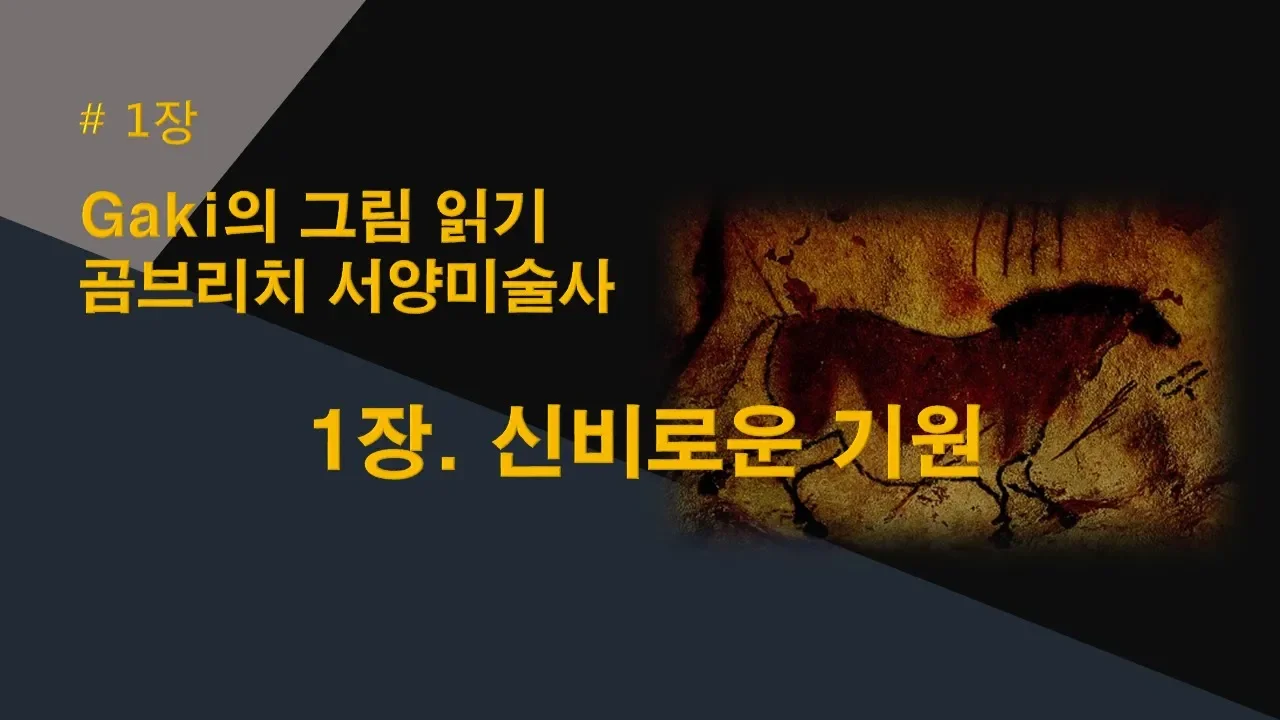

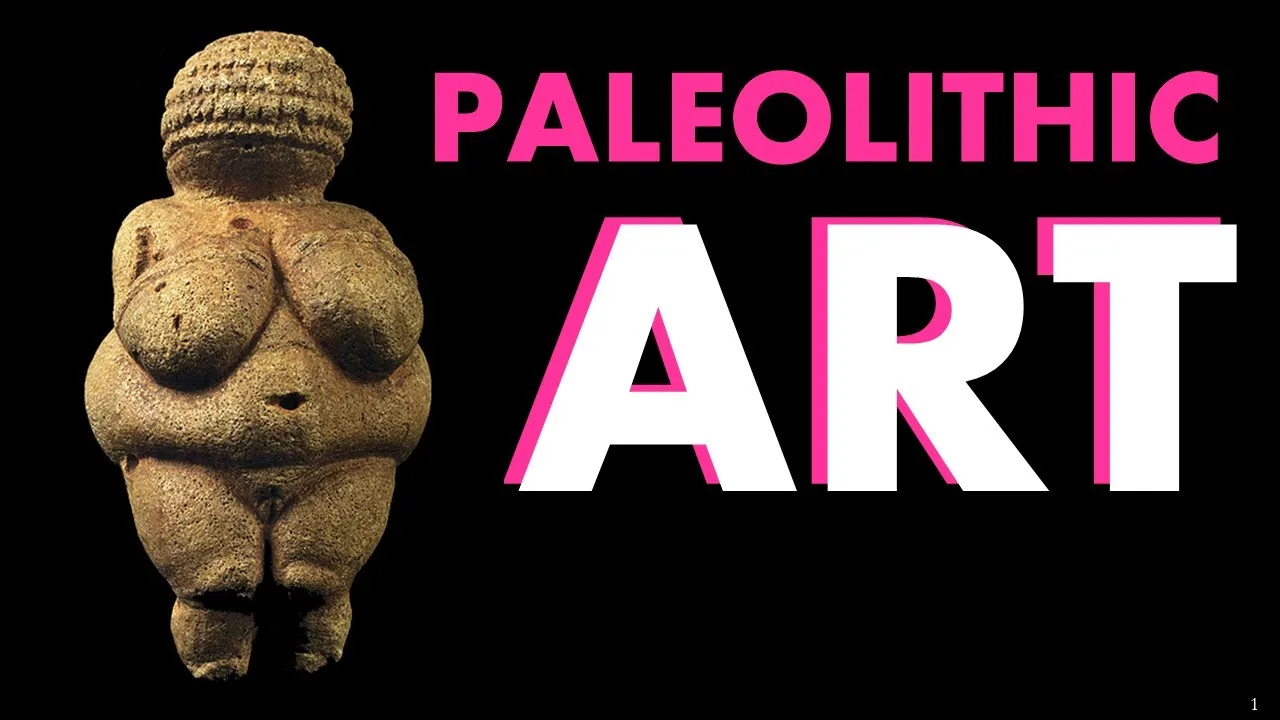





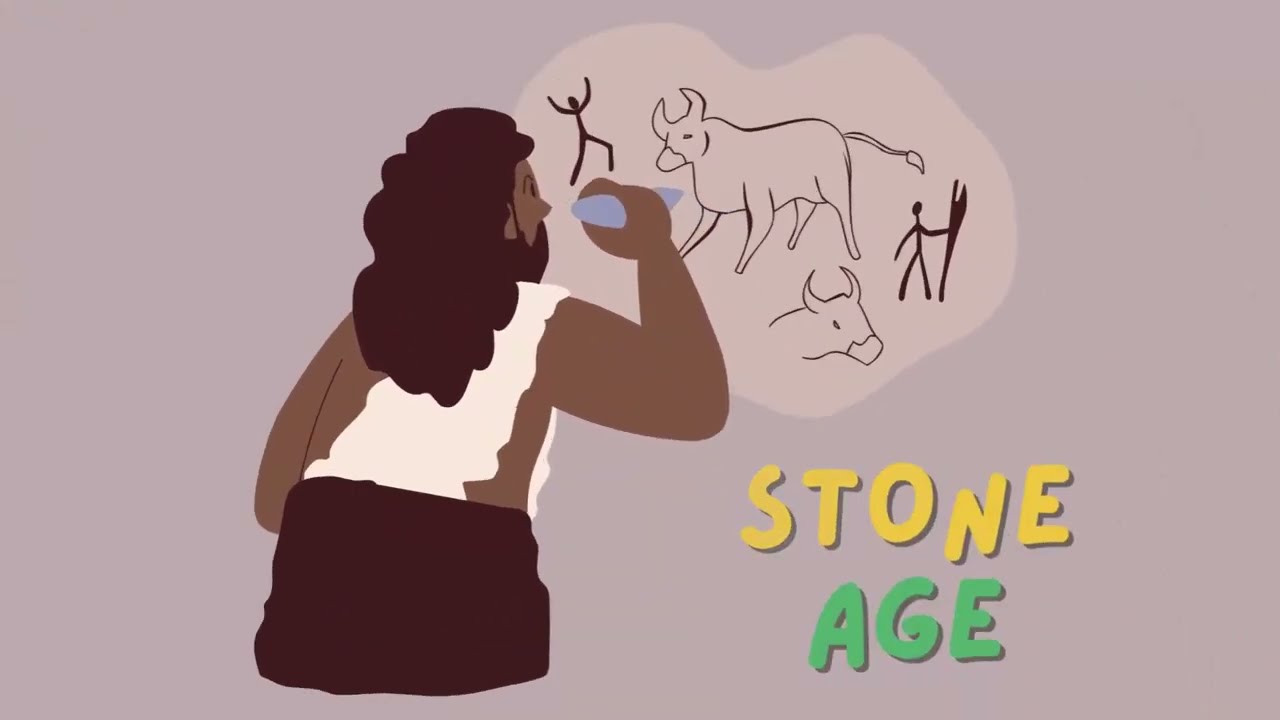






Paleolithic cave art, dating from approximately 35,000 to 15,000 years ago, represents humanity's first sophisticated attempt to communicate abstract non-genetic information through visual imagery, marking the cognitive revolution that enabled our species to transcend evolutionary constraints and form ever-larger cooperative groups by transmitting accumulated knowledge across generations.
Paleolithic Cave Art: Altamira, Lascaux & Chauvet | History Lecture
Added:The basic timeline of the Stone Age, specifically distinguishing the Paleolithic (Old Stone Age) from the Neolithic (New Stone Age).
The concept of cognitive evolution in early Homo sapiens, including the emergence of symbolic thinking and abstract expression.
An introduction to archaeological dating methods, such as radiocarbon dating, used to establish the age of prehistoric artifacts.
The environmental context of the Upper Paleolithic period, characterized by the Last Glacial Period (Ice Age).
Theories of prehistoric ritualism, shamanism, and 'hunting magic' as explanations for the purpose of cave art.
The transition from Paleolithic parietal art to Neolithic art, reflecting the shift from hunter-gatherer societies to agricultural communities.
The conservation and preservation challenges of ancient sites, including the creation of replica caves (such as Lascaux II) to protect the original pigments from degradation.
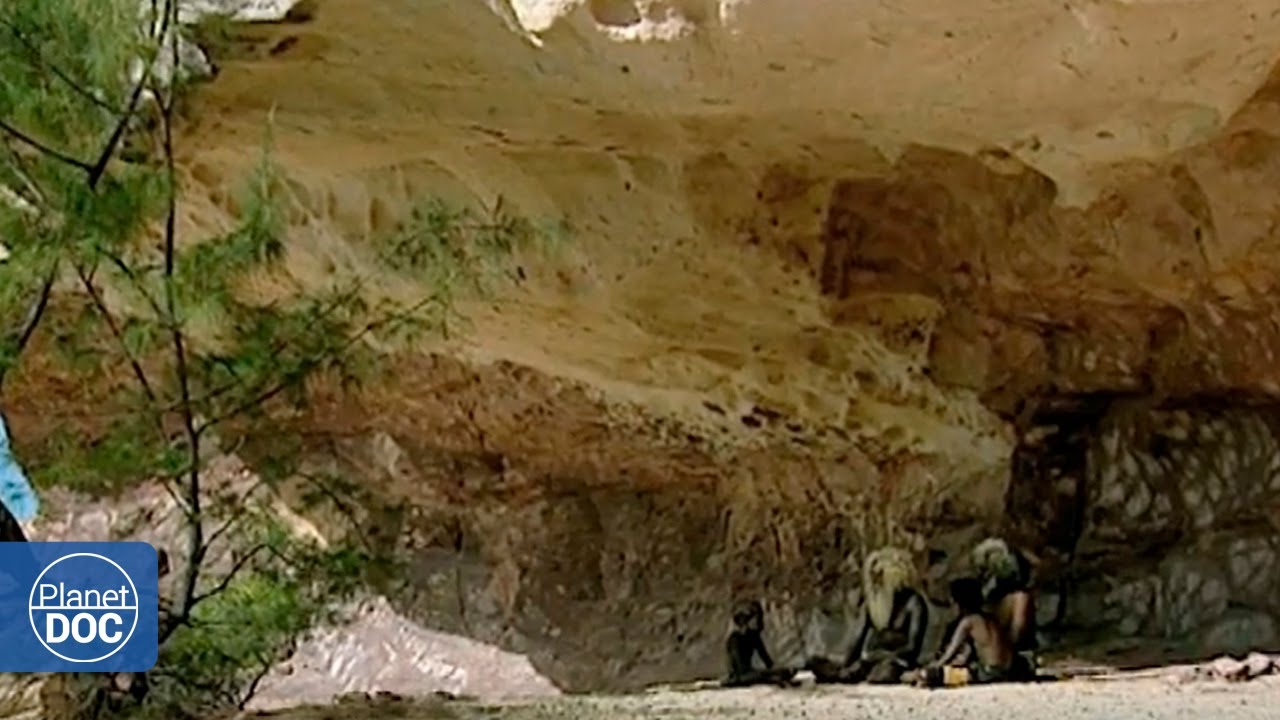
A comparative study of global rock art traditions, including Australian Aboriginal rock paintings and San rock art in southern Africa.
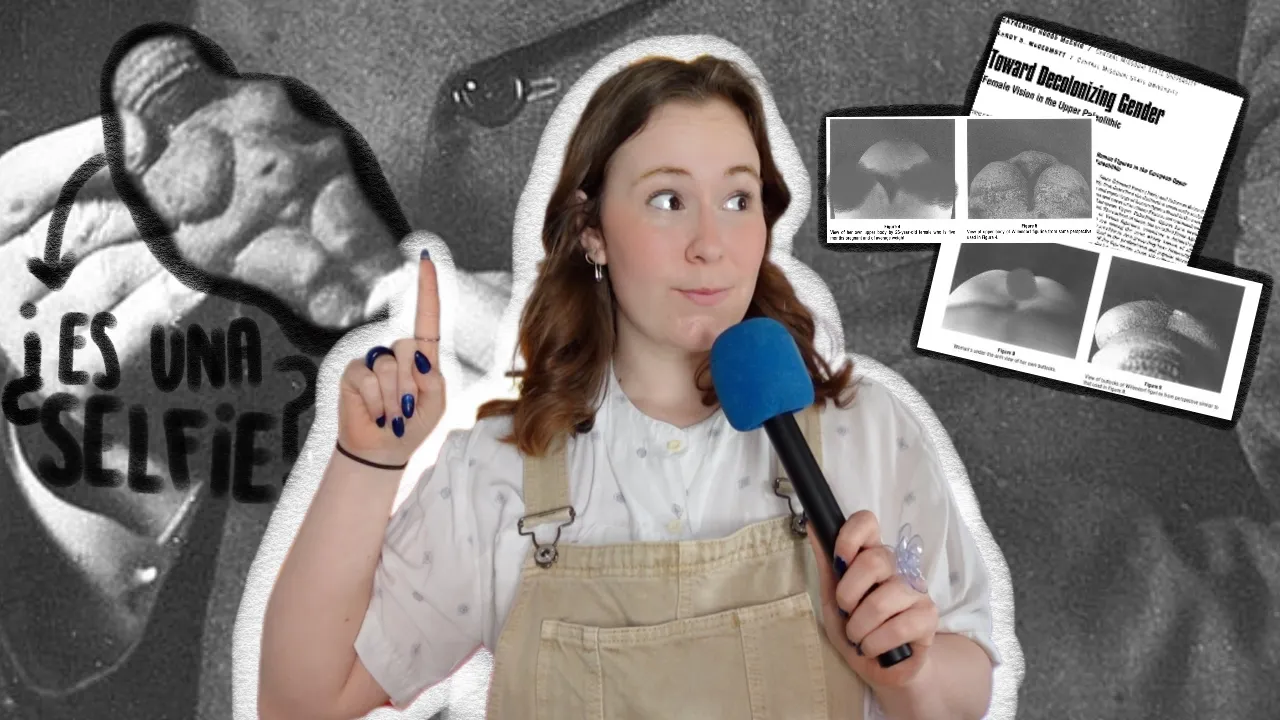
The study of Paleolithic portable art, such as 'Venus figurines' and carved tools, to contrast with fixed cave paintings.
1.4K views43likes1:09:12Original Release: 2024-06-14
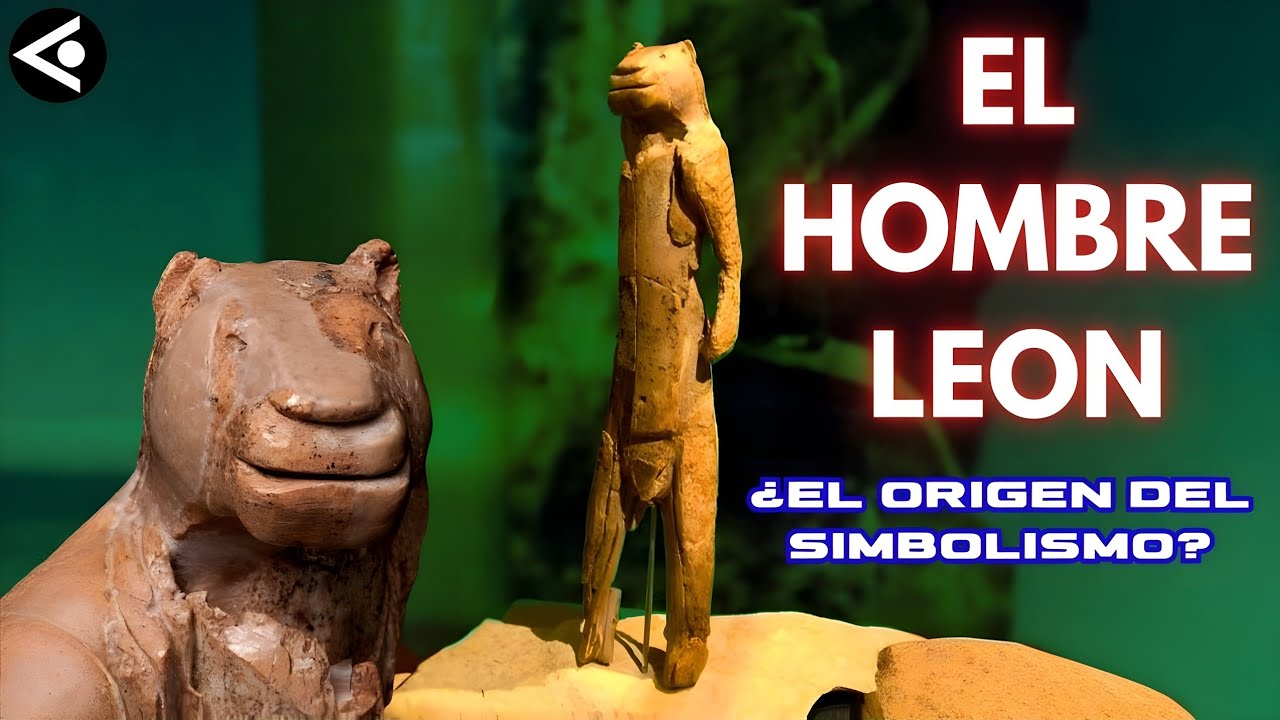
greetings I'm Justin Jacobs professor of history at American University and today's lecture is Paleolithic cave art this is one of those topics where it's just it's so much fun and there's so many blow your mind insights into what we're going to be examining today that I get excited just about you know just thinking about this topic this is also one of those topics where I actually have a little bit of jealousy towards any of you who are uh learning these things for the very first time because I remember that sense of excitement sometimes you get an adrenaline rush when you learn something that just kind of it seems so profound and rocks your world um and so I have jealousy actually some Envy uh at those of you who are going to be able to learn about this stuff for the very first time today cuz I remember what it was like my first time and how it was just so exciting uh you know I'm sure you've seen some of these images before this image of this bison right here is something that I had seen it was in my mind um you know long before I knew what it was where it was or what it might have meant or just how to contextualize it how to make sense of it cuz you're not going to learn what actually means I can assure you that um but you will have a sense of how do I contextualize this how do I make sense of it even if the image itself can't necessarily be translated into an exact meaning uh that's what we're going to aim to do here today so and getting ready for this topic let's let's sort of begin with the story of how the most spectacular cave paintings ever were discovered now the cave of Altamira we're going to look at three caves today and the the one that was was discovered earliest was the cave of Altamira Altamira is nestled among Limestone Hills that rise around the village of santiana delmare about 2 miles from the uh uh the northern coast of Spain now in 1868 the dog of a local Hunter uh became trapped uh within some rocks and had to be freed by his owner this then con uh revealed the concealed entrance uh get used to dogs playing a very prominent role uh in the discovery of a couple of the caves that we're going to be talking about today the hunter the owner of the dog then decided after seeing this concealed entrance um that he would show it to the local land owner the guy who actually owned all of this land uh a man by the name of Marcelino Sans de saola uh For Whom the hunter did occasional odd jobs and was familiar with roaming around his land now saola had an amateur scholarly interest in prehistory but he didn't follow up at the time uh on the Revelation uh that there were see some black painted signs on a wall just inside the cave uh this didn't necessarily Peak his interest all that much at the time period this all changed a decade later it took a decade after the cave was initially discovered but th toola to have an experience that would make him want to dive a little bit deeper uh and explore the cave more in 1878 sou duola attended the Paris world EX Exposition uh to exhibit his beans chestnuts walnuts ma things that were grown the products of uh of the land that he owned and while he was there he saw displays by French Scholars of prehistory at the time the French were the leaders in the study of the field of prehistory that is you know before we have writing and agriculture way way back in time um and he saw some exhibits by these French prehistorians of ancient artifacts and tools um and he saw that and he it kind of peaked his and he thought you know what that cave uh that uh my hunter found a decade ago I should probably go explore it a little bit more maybe I'll find stuff similar to this so in 1879 the very next year when he gets back he returns home and he disgu uh to explore this mysterious cave a little bit more in depth this time he brought his daughter the little six-year-old Maria husa s saola um now Maria husa was not doing what her father was doing the father uh was intent on finding artifacts and tools that might be on the ground and he's digging in the ground to find these sorts of things but as a little kid she's looking up into the sides and she's the one uh who actually sees the first uh uh images uh that had probably not been glimpsed by a human being in about 14,000 years while her father is digging on the cave floor She shouts out M Papa buos Look Papa oxom she was probably the first person in 14,000 years to see the famous bison on the great panel on the ceiling of the polychrome chamber there's a historical photo of little Maria husa on the left and here are two actors playing her and Antonio Banderas playing her father uh in the film Altamira recreating this very famous scene this is the polychrome chamber and the the the ceiling the sort of images that she would have seen and that were soon to become so famous now the reception of sou toola and his daughter Maria justina's Discovery at the time was skepticism and hostility the revelation of prehistoric color paintings not just crude stick figures or ugly figurines um or just one color maybe just black charcoal on the bare surface of the rock that was too sudden and too bold for most people to accept at the time see alamira here we're looking at the ceiling again with its mixture of colors was the most visually spectacular spacular an eye catching of pretty much any cave art that would ever be found anywhere including all the way up to the present day there's really nothing in terms of both execution style and color uh that ever will surpass the Bison that you're looking at right here um this is an anomaly however what you're looking at here is an anomaly some only 3% of all Paleolithic cave art has any sort of mixture of colors whatsoever most of it is monochrome or B Chrome you know one color at most black on the bare rock surface or perhaps one other color and that is it so the best cave art was found first and no one was prepared to accept it certainly not those French Scholars who didn't like the idea of an amateur prehistorian from Spain telling them that they had found something so much better than what they had found remember how early this all is the first neandertal uh uh skeletal remains were found only in 1856 and Darwin's theory of evolution had only been published in 1859 so we're just barely two decades Beyond this now um no one imagined that primitive humans could have produced such refined and sophisticated art they were still seen at the time as largely primitive stupid brutes all right who would be incapable so this must all be an elaborate hoax the acceptance of Altima's authenticity was only triggered by the discovery of other cave art sadly 7 years after sa duola had died so he went to his grave thinking that the world thought that he was a travesty and that he was a fraud it was in 1895 a cave in the dong region louth in France was found with similar bison depictions and the remains of an ancient lamp that was one of the big critiques of the French prehistorians it said you have no evidence that of of a form of lighting portable lighting that was brought into this cave how could they possibly have had the light to produce these paintings um well finally the French themselves find some evidence of stone pain Paleolithic lamps in which you uh pour some animal fat or oil into it light it up you have enough of these in a cave and you'll have just enough light to be able to produce your paintings this then solved the riddle of how they could have drawn in supposedly pitch darkness and it pleased the French historians very much that they found this in a French cave rather than a Spanish cave since then more than a hundred years of additional insights and discoveries have since occurred though nothing has ever equaled what a little girl saw in 1879 I think I said she was 6 years old sorry she was 9 years old at the time period now today's lecture is going to introduce three of the most important visually stunning and best preserved of All European cave Arc we're going to look at uh Al alamira in Spain and then two two uh caves in France Lasco and CH though cave art exists on every continent for some reason the greatest quality and quantity are still found in European caves is this random luck uh is this just that Europeans have been deliberately searching them out longer uh we don't know uh but is still undeniable that for some inexplicable reason the most sophisticated an extensive program of Paleolithic cave art is to be found in European caves this has absolutely no bearing on the identities of these modern day Nations and we're talking 15,000 years uh uh separated in time and distance these ancient people who did this were not Frenchmen or Spaniards by any stretch of the imagination whatsoever right now what is the significance of all of this always like like to have a bird's eye perspective before we dive into the nitty-gritty details cave art represents the most visually sophisticated traces of what paleoanthropologists that's what the kind of people who study this stuff professionally are called uh it represents the most visually visually sophisticated traces of What paleoanthropologists Would S call our species unique ability to turn non genetic information into complex structure right so it's a mouth we are able to turn non- gentic information into complex structure every life organism can turn genetic information into complex structure you don't even have to think about it your body has the information passed down through your genes and it produces these miracles of life like fingers and eyelids and eyelashes and all these sort of things you don't have to do it it just it just happens right but to turn non gentic information into complex structure meaning things that you absorb external stimuli your observations of the natural world around you and then to take that information and rework it in complex ways to create things like tools and clothing and buildings that's complex structure uh that is uh uh created through our digestion of of uh uh non- gentic um information right this structure all right the complex structure produced by non- gentic information that only our species can really do do in the form of whether it takes the form of tools or spoken language in turn facilitates complex communication and thus cooperation with large numbers of other humans through complex visual signs long before the first written scripts were ever developed all right we need an an an an ability to come up with abstract signs uh that allow us to uh uh communicate with with one another in a way far more precise and sophisticated uh than any other life form is able to do to facilitate larger group organization otherwise Homo sapiens maxes out at around 150 200 individuals and then beyond that we just can't have we just can't keep a large group together we need to be able to have communication that allows us to do that uh these sorts of signs that we create can be in two forms figurative and non figurative and both of them are a necessary precursor to forming ever larger Cooperative groups capable of transmitting stored knowledge across Generations all right something that no other animal organism can do a figurative sign is basically something that's drawn that looks like what it's supposed to look like it's a depiction that is reasonably accurate of that of of a real life counterpart this here is a megaloceros an extinct form of a giant deer um and it's supposed to actually look like that so it's figurative non-figurative is the series of dots and maybe that rectangle as well in which you don't know exactly what the meaning is supposed to represent some sort of meaning is being communicated here but it's not simply a counterpart of this number of dots out in the world um you know it's it's something a little more abstract than that that's non-figurative something that doesn't look like it's real life counterpart or maybe doesn't even have a real life counterpart with these two forms of information transmission our species can do something that no other life form can we can transcend evolutionary Time by outpacing our evolutionary comp competitors and using the accumulated knowledge of the ages to build civilizations and get a leg up on all of our natural competitors in the world right every other life form is sort of in an arms race with other species and every single time someone gets a little bit of an edge someone else sort of catches up uh tweaks their their their competitive abilities and manages to catch up and there's this natural form of checks imbalances it's hard to really leap over and get a technological transformation that no other species can catch up to humans alone can do that humans alone can do that we today I mean the knowledge that I'm passing on to you here today is the accumulation of over A Century of study by people who are now dead right the the ability to read a book that was written 500 years ago and basically enter the mind of someone who's been dead for 500 years do you have any idea what a miracle that is that's such a miracle every time you open a book of someone who is alive life it's a miracle someone who's not here present with me I'm entering their mind by reading words they've managed to put down on paper complex information transmission and it's even more of a miracle when those people are dead for hundreds of years and then we pass that information along it accumulates so so we are the beneficiaries of thousands tens of thousands of years of information transmission across the generations of turning non- gentic information into complex structure and then pass the knowledge of how to do that onto the Next Generation so they don't have to reinvent the wheel all over again and they can just build on top of it this gives us an advantage that no other species has this is why humans dominate the world today we have no great physical gifts as as Homo sapiens but we do have what paleoanthropologists refer to as a superb brain yeah they could have come up with a cooler word but they came up with superb brain uh that's actually the technical term for it our superb brain store and transmit the accumulated knowledge of thousands of generations and billions of humans who have ever lived oh it's a lot of complex structure in the form of language and tools and knowledge Paleolithic cave art is showing our super brains in action in all of its glory for the very first time communicating complex structure across both time and space all right the things we can communicate are mind-boggling when you sit down and compare it to what other life organisms are able to communicate we can have we we we we invent the concept of time time isn't a thing it doesn't actually exist in the world we invented the concept of time we live in yesterday tomorrow today 3 weeks from now 10 years ago we we we live in these abstract invented artificial delineations of the passage of time my dog it's always now it's always now all right uh it's not always now for us it's always now and it's always yesterday and tomorrow uh that's an example of the abstractions of something like time something that seems so simple and obvious that we've invented and we can use it to organize our cooperation with other human beings and get into these massive groups of Nations Empires whatever that no other species stands a chance of when they're in direct competition with us Paleolithic cave artti is showing this process of information transmission uh communicating complex structure across time and space for the very first time they're leaving records Visual and written records of this happening we may not always know exactly what it means prepare to be disappointed if you came to this thinking you're going to know exactly what that non-figurative series of dots means you're not but you're going to know what it represents in the evolution of our species and how it contributed to all the uniqueness of what we do and our dominance on this planet let's look at the archaeological context our time frame is going to be from about 35,000 years ago that's the Chauvet cave the one will'll end on to about 15 to 13,000 years ago that's the two caves of altimira and Lasco all this think about it is kind of just before the era just before the dawn of Agriculture chronologically this is part of what is known as the upper Paleolithic Era which runs about 50,000 to 10,000 uh years ago in human prehistory next stages after this are going to be the Mesolithic and the Neolithic youve probably heard of that one before the new stone age and then finally the beginning of Agriculture and dense urban community ities some Scholars refer to the upper Paleolithic and the art forms that uh and what they represent as marking the beginning of some sort of cognitive revolution in our minds what does that mean well anatomically our bodies anatomically Homo sapiens has been Homo sapiens roughly 150,000 years ago all right 150,000 maybe to 200,000 years ago these numbers always shift with with every new fossil discovery but ballpark it 150,000 years ago anatomically we've been the same as we are today but it was only around 50 75 to 50,000 years ago all right after our species second and final dispersal Out of Africa that the archae prehistorical archaeological record rapidly begins to diversify and we start to see more complex forms of Art and symbolic abstract thought that previous homonyms related species or even earlier Homo sapiens all right back when we were anatomically homo sapiens the earliest ones had not demonstrated all right previously earlier Homo sapiens and closely related homonyms like ostr opius and Neanderthals had evinced some form of modest yet deliberate aesthetic sense for instance they would do things like this they would transport objects that were curiously formed by nature and move them deliberately somewhere else seems like a simple thing but it actually is quite momentous 3 million years ago an ostop theine transported naturally formed red Iron Stone resembling a human face 20 mil into a cave in South Africa this was not bored into it to resemble a face it naturally appeared like this through erosion processes in nature so they didn't make this but someone an an an ostop theine a closely related species ancestor uh was affected by this they they they saw something in this and it meant something to them and they deliberately transported it to another location for some s of purpose that is lost to us today that's a deliberate action worthy of note there were things like hand axes uh the shafts are always uh uh disintegrated but the actual blade itself which is what you're looking at here uh often survive hand axes hundreds of thousands of years old were often fashioned to feature a naturally preserved fossil shell in the center right now the shell was not deliberately put here but when they created the axe blade they decided that they were going to create it in such a way so so that a fossilized shell was maintained in the center that's a deliberate aesthetic Choice often times you'll find things like this non-figurative lines and other geometric shapes um parallel lines and whatnot that have been etched onto various bones and antlers like this then sometimes you'll find etchings of animals on Ivory on antlers and on deer bones right we also find shells with holes that have been bored through them so that some sort of textile STP rope whatever or necklace could be put through them and used for display and then perhaps most famously we have crude figurines uh crude figurines in the uh uh Millennia really just on the eve of the Paleolithic cave art if the earliest Paleolithic cave art that we have is about 30,000 years ago 35,000 years ago then these sculptures are roughly around that same time as well these are crude figurines representing uh hum humanoid forms sometimes as on the right Lion Man uh in concert with the hybrid animal as well um and these also show us that complex abstract thought uh Conjuring up the idea of spirits and gods inventing things that cannot be empir empirically verified or seen um it's going on in in our our little noodle up here we're inventing these these ideas no other species can do this and then we communicate these ideas to other human beings and somehow use it as a cultural social adhesive to allow ow us to grow in greater numbers rallying around whatever these things represent to us these abstract Concepts we're taking advantage of our superb brains for social and cultural cohesion right toward the end of the last ice age however we start to see the first sophisticated paintings and artistic compositions ever to survive and trust me the ones we actually see are going to be much higher quality than this image that you're seeing right here uh upper Paleolithic cave art reveals insights into the final stage of cognitive development before the Agricultural Revolution one which allowed us to colonize every single ecosystem on Earth by turning non- gentic information into complex structure like paintings right that is complex structure non- gentic information what's out there in the world and then turn it into complex structure you got your pigment you got some sort of a brush or a pad and then you've got your idea of what you want to do a rock surface and you're putting all of these things together to communicate something abstract to another human being's brain all right let's get started start off with Altamira here's your map of Altamira from an aerial view I don't if you can have an aerial view of of you know if you could slice off the off the top layer of the cave perhaps you don't have to go far to see the most spectacular art in Altamira the great panel of those bison first scene by little 9-year-old Maria husa is on the ceiling of the first room on the left within the apply named polychrome chamber all right one Spanish archaeologist once referred to the polychrome chamber is quote the cinee ceiling of Paleolithic art referring to sort of the cysteine chapel of Paleolithic art the great panel has the famous Bic Chrome bison two-colored bison all dated to an average of 14,500 years ago the entire composition is nearly 60 ft wide at its longest axis a length it is going to be equaled only by the hall of BS that we'll see at Lasco now the ceiling is low enough here you get an idea of how low the ceiling is the ceiling is low enough anywhere from about 4T to 8 and 1/2 ft that the entire composition cannot be seen at once what does it highlight what do we see here well as you can already tell it highlights the prevalence of Bison throughout Paleolithic cave art of the some 30 or so figures on the great panel 27 of them are bison the prevalence of bison in Paleolithic cave art in European caves will be matched only by horses here we're seeing horses uh at The Cave at Lasco uh sorry excuse me at Chau uh at Lasco the third cave we also have uh this wonderful figure a potbellied yellow horse sometimes inexplicably referred to as a Chinese horse I don't know where they got that let's refer to it as a potbellied yellow horse um and here just note for now the strange non-figurative sign uh uh right on top of the H's uh uh neck area looks kind of like the clippers for a haircut or something like that um once sample of 2,260 cave art figures revealed that there were uh 610 horses and 510 bison which collectively accounted for 49.5% of all depictions in Paleolithic cave art or roughly half meaning that half of all depictions are bison and Horses by contrast humans are rarely depicted such as the semi stick figure that you see over there on the left humans are rarely depicted and when they are it is usually in Stick figure form combined with animal in this case a bird head uh uh uh features in the cave of Lamar uh 115 realistic human depictions have been found this is probably the biggest exception to uh depictions of human beings that are not simply stick figures uh there was actually also uh this really cool example of a mass of squiggly lines uh from which uh using computer analysis they were able to remove some of the lines and realized that there was a image of an elderly bearded man uh lying behind all of the lines on top of it now the polychrome chamber bison also reveal the standard Paleolithic uh artistic techniques and motifs such as animals are often depicted suspended in space without any obvious ground level beneath them right uh as a result because they're suspended in space and not on any sort of realistic ground they generally do not interact with any sort of adjacent figures suggesting that it's not that they're not trying to depict a live herd a realistic herd in which they're sort of you know uh uh uh uh grazing together and whatnot they don't interact with each other usually um and they uh are suspended in space uh without any ground beneath them we're going to see exceptions to this later on because exceptions are really cool and fun but those are exceptions remember this is the rule right this is what you most often find also they are almost always shown in a side or a lateral profile the polychrome chamber animals all face either left or right never toward or away from the viewer so perhaps thanks goodness you're never looking directly at the butt of a bison conversely they're almost never looking directly at you in a very eerie staredown in which they might start to charge at you although we'll see a pretty cool exception later on uh usually but not always they are sexless occasionally with incorrect Anatomy they also show no sign of Correction or revision rubbing things out you know or obvious that something was drawn on top of something the implications of no Corrections is that these are probably Specialists these are not amateur doodlers there was someone who had this special skill that was cultivated and they were deputed uh to go into the caves and execute these paintings and they did execute them with a high degree of skill and and accuracy and since they know what they're doing and they're quite good at it it's it's clear that those anatomical imperfections are not a result of making mistakes uh realism was not necessarily the goal they not necessarily trying to depict these things exactly as they exist in nature and they weren't bothered by anatomical Perfections if there was another reason which is often lost to us if there was another reason why they were depicting it in this particular way so they knew what they wanted to paint and they knew how to paint it the polychrome chamber also highlights two other themes the standard color palette and the integration of natural Contours of the rock wall surface into the composition what about the color palette well uh the color palette was comprised mostly of what we might refer to as Earth Tones colors such as black red yellow and brown the kind of colors that you find naturally and dirt you know and uh uh the colors of the soil the colors of the earth very rarely you might find white as well not the white of a pale rock surface but actual white pigment uh black predominates among all the Earth Tones black uh is the one you see the most 48% of all cave VCH or roughly half is done just in Black outlines with nothing else this is followed up the second uh uh the second place runner up is red for some reason all homonyms that means that includes Homo sapiens and other closely related species all homonyms such as monkeys and whatnot love the color red for some reason they've done chest with monkeys in which the monkeys will always gravitate towards the red color perhaps as associated with what blood looks like when it comes into contact with oxygen and whatnot we're not sure but homonyms love red uh and we see this reflected as a second runner-up place of the color used after black in cave art as well Cave Rock natural surfaces were integrated into the composition as you can see so dramatically in this raised bison um natural Contours cracks and protrusions were used to guide outlines and bodily features this practice could help accentuate things like the body forms as you see here or ribs or shoulders or a general perspective in the cave of Loco in a section called The aial Gallery we have the cow with a collar who has a bulging rib cage and shoulder blade uh where they've integrated the natural curve of the rock surface to create these features of the animal a bear in Chauvet makes use of his surface protrusion to highlight its ER as well sometimes entire natural formations like a curiously shaped stalagmite or stalactite or a hole in the wall were used to similar effect as well the Salon Noir section of the Neo cave in France has a cavity in the wall a natural cavity in the wall that someone must have thought resembled a deer head why did they think this because if you look closely you'll see that uh etchings that appear in the form of antlers and go all the way up to the the the the de years head have been added someone has added these into the composition right above a natural cavity in the wall that from a frontal perspective perhaps looks like a deer who has leaned down to drink water or something like that so they put antlers coming out of it the horses tail section of altum has two rock protrusions that have been decorated as masks these masks are only visible when you turn around and leave the horse's tail not when you enter there would have been some deliberate reason for doing so but that reason is lost to us the great panel in the polychrome chamber also has the commonly seen hand stencils or hand prints these come in both the positive form and negative form positive hand stencils and negative hand stencils whether it's filled in or whether it's just the outline and it's the outside of the hand that has been filled in with pigment these can be Standalone just a whole series of hands or they can be in proximity adjacent to or even within the bodies of animals as well hand stencils are common in Paleolithic art every where here's easily the most famous One the cave of hands in Argentina positive handprints um are pretty simple to do all right you simply paint the underside of a hand with pigment or rub it on it put the hand on the wall and voila you've got a positive hand print that's where the color is inside but negative hand stencils where it's just the outline of the hand and the color is outside the outline that requires a bit more work and we have some interesting insights that have come from studies of this for this you you had to put the hand on the surface and then you had to put the pigment around the hand now there's many ways to do this you can put the pigment in some sort of a tube or a reed and you could spit it out and put spit it out over the hand and it would go on the surface you could uh find a pad a pad of animal skin leather uh algae or moss and dip it into the pigment and then do it you know meticulously all the way around spraying from the mouth would have been easier and quicker but obviously that's very unpleasant you ever tried putting paint pigment into your mouth and swishing it around and then spitting it out yeah that's going to be pretty gross and interestingly enough we also found uh we as if I'm the one doing the research I'm telling you the results of research that paleoanthropologists have done uh they also found that this is potentially toxic and look at this famous this wonderful example all black hand stencils that were done in charcoal based black pigment were shown to be blown from the mouth but those in manganes based black pigments were applied with a pad what does this mean this means that they must have learned the hard way that manganes is toxic when accidentally ingested but not charcoal so they very quickly realize that they can blow pigment from the mouth it's easier and quicker although somewhat unpleasant but you it's fast um and if you're going to do this make sure you do it in with charcoal-based black pigment because if you accidentally swallow some it's not going to kill you where when they had manganese-based black pigment they always applied it with the hand cuz some poor fellow died when they put that in their mouth and by the trial of uh you know trial and effect they figured it out and stopped doing it I know what you're asking the big question that everyone wants to know what did these hand stencils mean and I'm going to give you an answer that I'm going to give several times over the course of this talk and you're just going to have to accept it I'm sorry your guess is as good as mine and I don't mean that flippantly I mean that sincerely it could mean I was here it could be a signature of some sort it could be a mark of property maybe all these hands are show are tell announcing to the world that you know this tribe who paints their hands in this particular way owns this cave and the land around it we don't know it could Mark a sacred place um they didn't leave us the evidence that would allow us to determine what these things meant now you'll find many books and people out there who are very willing to say this is what it means and usually they'll try to make parallels with modern-day uh Hunter the descendants of modern day hunter gatherer peoples the Aborigines of Australia are a very popular case study for this and I'll say well here's what they did when the first Europeans contacted them um heck they're only separated by 15,000 years away and half and half the globe it must be an identical practice I am of the camp the scholarly camp that says whoa Nelly hold up and let's be a little more conservative here that is a huge leap of faith um and I am much more likely to say you don't know we don't know what is important here what I really want you to take away from this is is not what this means cuz no matter what anyone else tells you we can't possibly know what it means that meaning is lost what is not lost is the big important picture this is our superbrain at work we are transmitting complex abstract ideas to other human beings it's serving as some sort of a social glue to expand Beyond a group of 150 people and cooperate uh at scale and that should be sufficient for you this is our superb brain at work this is the evolutionary advantage that our species allow us to get the cheat code that no other species is able to engage it's we see it going on here and when that when you understand that the little details don't matter as much anymore what does it matter exactly what this meant it shows our Super Brain at work how we dominated the world uh um uh by creating artistic images like this that represent some form of complex ideas complex structure non- gentic information translated into complex structure and then communicated to other human beings who who did know what it meant you can be certain that they knew what this meant at the time uh and probably for many generations afterwards but eventually that is lost and we don't know what it is anymore because they didn't leave any written records obviously moving on to our next cave let's start looking at Lasco in France the cave of Lasco was discovered in September 1940 in south central France just months after the German invasion and occupation of France four teenage boys went looking for an underground passage to an old Manor House in the village it sounds so cliche right like it's a Scooby-Doo episode but that's what they were doing um and instead they found a narrow crack in the ground covered with brambles that had been recently exposed when pine trees fell over in a storm and their Roots pulled up a mass of soil beyond the soil was the entrance to a cave and get this they had a dog with them of course right just like s uh uh the hunter for sou Tua did the dog went in uh into the exposed crack fell into the cave curious little dogs right we love them but that's the sort of stuff that they do and then the teenagers followed the dog widened the crack themselves and went in to rescue their dog wonderful story right um the Hall of BS in the Rotunda is the first room after you enter there's the entrance on the upper left of this uh aerial view map and the Hall of bulls is going to be the first one now we're going to look at it right here there it is the Hall of bulls isn't that magnificent this is dated to about 177,000 years ago uh so several thousand years before Altamira but the Hall of bows is is technically a misnomer it is actually the Hall of orox a related form of ball that is now extinct uh and the Hall of horses those are what you see here the hall the composition spans about 50 ft and has the most majestic overall composition and the largest animal depictions from prehistoric times it also contains the single largest depiction in prehistoric Western Art a 18t wide Oro one of 52 orox uh in Lasco it also has a very strange figure on the far left here you have the entire composition on the bottom left and then you've got my zooming in of the portion I want to talk about here a very strange figure on the far left with spots and two horns unable to classify its hybrid Parts as any animal known or unknown Scholars have instead taken to calling it The Unicorn which seems a strange Choice since unicorns have but one horn more likely they mean unicorn in the sense that it's very unique uh and unprecedented and probably this is an imaginary animal that was conjured up by the minds of the people who painted this um for what reason we don't know but there was definitely going to be a reason behind it that people at the time would have understood what this meant now the hall Bulls also makes use of a rare imaginary ground level see that dark band of naturally colored Rock about five ft above the actual ground level of where this guy is standing this makes the animals look a little bit less suspended in space and more like they are in motion right remember we can always talk about Exceptions there are always fascinating exceptions to the rule so perhaps those two Oro at the center are actually facing off one another about to lock horns perhaps this however you know keep in mind is pure speculation and there's still lots of suspended animals here if you care to look right off the top of my head there's a hortz who's suspended he's certainly not on the ground not all the animals here are actually on the ground uh so you know we already have some anomalies to the exception uh that need that make make you think twice about what sort of uh conclusions you're going to make here unlike the low ceiling at the polychrome chamber at Altamira the depictions on the rotunda at Lasco are about 11 to 13 ft above the current ground level here's a good uh photo that illustrates how high above ground level they are back when tourists were allowed to uh go into the cave on a regular basis um so if they were that high up scaffolding some sort of scaffolding had to be used uh in order to reach that high comfortably where you could draw these massive paintings especially since we know that the ground level was actually lower it seems like this was actually 19 ft above ground level at the time that people were actually going in and drawing these original paintings so you're wondering where are we going to find evidence for wooden scaffolding well the wood is long gone but in the nearby a seal Gallery uh Scholars have found uh a series of 20 holes in the wall that were stuffed with Clay presumably to hold the ends of wooden branches in place and there you then can connect the wooden branches with leather and various other types of ropes and string put uh you know animal skin over it and before long you've got scaffolding that you could climb up safely and comfortably and have the time that you need in uh in order to paint these things on the wall all in all the depictions at Lasco reveal the prevalence of horses and orox as is evident in the Hall of bulls the moment you walk in this underscores the fascinating disconnect in nearly all Paleolithic cave art and archaeological sites between animals depicted and animals eaten for instance horses are most frequently depicted at Lasco but comprise less than 1% of The funel Remains the remains of animals at Lasco only one reindeer is depicted in the entire cave despite reindeer comprising 89% of the thel remains that have actually been recovered in the ground in the cave and outside the cave this is a massive disconnect between art that was depicted and food that was eaten this art versus food disconnect is also evident at nearly every other cave including Altamira where they ate mostly Red Deer but Drew mostly bison other caves show that they drew ibec but didn't eat icks or they ate reindeer but Drew mostly horses or depicted mostly Mammoth but with no mammoth in the archaeological record nearby this consistent and overwhelming disconnect seems to refute one popular theory that cave art was a form of hunting magic almost like a voodoo doll maybe here in Neo cave uh here's the Bison on the bottom here is this line right here is this showing that he's being pierced by a spear or an arrow or something like that uh well that's one very popular theory that you you'll hear propounded by many people who call themselves experts um but you really don't know this is the case um they were not depicting necessarily what they ate uh because usually there's a huge disconnect between what's depicted and what's actually being eaten and the missiles the Spears and whatnot may not even be missiles uh they're interpreted as that very often but it's not always clear that's what they are and it's very rare actually only 3 to 4% of all Paleolithic cave art has any sort of depiction of a missile of some for some sort and often times if you sort of analyze the different mineral layers you find out that missiles were drawn first and then an animal was drawn later on top of that Soul uh so it's not necessarily clear if they were meant to go together by the person who drew it sometimes there are thousands of years separating uh paintings that are right next to each other or on top of one another uh thousands of years is a long time that's a very different type of Clan or person who is now uh uh imposing a different meaning on this site our need to impose meaning upon inscrutable cave art is nowhere more evident than in the ominously named Sha nowhere are the sort of tantalizing But ultimately unanswerable mysteries of most Paleolithic cave art exemplified better than in the shaft access to the shaft is scary and difficult originally you could only descend by rope over a straight drop off of a cliff that went down for 26 ft those four Teenage French boys who first discovered the cave get this they actually went all the way into the shaft by themselves before there was any sort of a ladder and they lowered each other down by rope in the pitch Darkness with only their flashlights can you imagine doing that and how courageous uh they were um and you know skitted in order to survive that as well once below once we've reached the bottom of the shaft we find probably the single most famous depiction of any Paleolithic cave art in anywhere in the world it's an eerie depiction it has often been interpreted as follows it supposedly shows an enraged bison with its entrails hanging out having been pierced by a spear uh its tail is now lashed up in anger and its horns are ready to charge presumably at the man who tossed the spear into it and allowed its uh intestines to spill out the line at the stomach is interpreted as a missile of course but that's controversial we don't necessarily know if that's what it was intended to show the stick figure man not quite a stick figure because he's got two lines for his torso but nevertheless uh there is a stick figure man uh who's wearing or a bird mask uh head or a helmet or a head headgear of some sort and uh I don't know how else to say it there's no other delicate way to put it he appears to have an ere an erection as well uh and he's being knocked over by a charging bison I don't know about you seems like a very strange time to get an erection but that's what the interpretation says is going on here and then next to the man there is a staff of some sort with a bird on top of it a bird head staff we don't know what all this stuff means uh and then if you actually take your view out further further and get a wider perspective you realize that that's not the end of the composition further to the left is a totally aloof rhinoceros there were rhinoceroses in Europe at this time period and he's totally aloof he seems to be completely unaware of this incredibly dramatic scene that's going on over here just to the right um this is the only rhinoceros depicted in all of Lasco as well and he's got six neat dots uh uh painted in right underneath his tail and behind his rear end this scene has given rise to so many theories about cave art being used for some sort of initiation ceremonies overseen by shamans usually based on ethnographic parallels with so-called primitive hunter gatherer societies today um I think and some scholars believe that these are recous Reckless speculations that are separated by enormous distances of time and space there's no way to test these hypothesis to even know if you're right or wrong see that's a bad hypothesis when you put forth a hypothesis about what something means and there is no way to test it that's that's worth nothing that's just what you think all right uh I am not of the camp that says you can look at Aboriginal Australians and their Shaman initiation ceremonies um in you know the 19th century and say that's exactly what we see Happening Here 15,000 years ago are you kidding me I'm not going on board with that all right unless you have a time machine and you can go back and you can converse with the people who drew this you have no idea what this incredibly enigmatic mysterious depiction means in the shaft okay we have no living informance no oral histories to access no written texts so let's stick with observable patterns that recur however since our sample size of what actually survives in cave art is like way less than 1% of what was actually produced even common patterns can be disl lged by the discovery of a single new cave as the cave of Chau our third and final cave will show there's the entrance to chave uh this was discovered relatively recently December 1994 in Southeastern France by three professional speleologist that's a fancy word for people who like to explore and discover new caves who go splunking for a living as always there were initial fears that this was an elaborate hoax but eventually it was not only verified as authentic but also sign ific anly older than altimira or Lasco altimir and Lasco are about 15,000 to 17,000 years ago the artist Chauvet is at least 30,000 years old putting it much closer to that Lion Man and that Venus figurine that we saw uh at the beginning of this lecture as well this is twice as old as altimira or Lasco so chave is a reminder of just how preliminary and precarious our knowledge of Paleolithic cave art is since only a fraction of the whole actually survives this is evident first and almost immediately in the type of fauna that are depicted in chave of 26 officially identified figures in one survey 47 are rhinoceroses that's 22% or just over a fifth of all figures representing cumulatively 75% of all known depictions of rhinoceroses in all Paleolithic cave art right discovery of one cave just shatters the representational proportions that we've seen so far horses and bison which are by far the most commonly depicted fig fauna elsewhere are only the fourth and fifth most frequently depicted figures in chave but it wasn't just the Rhino chave also has a prevalence of big cats uh 36 or 177% uh of all depictions they have a prevalence of bears there are 12 Bears depicted there or 5.5% of all Bears and the uh these are very rare in other caves chave also has two uh Paleolithic anomalies things seen nowhere else I might use a literary term Hapa Lum haax lomon refers to a word in an ancient text that only survives in one manuscript has no evidence of it ever surviving anywhere else that's a haa lomon uh sorry my old English uh roots and and English undergrad are are uh betraying me here and P cave art we here we have an owl and chave traced in what is known as Mo milk uh a soft sort of clayish surface where you can just trace it with your fingers is the only owl depicted anywhere in Paleolithic cave art and a panther in the bottom right also in chave chave is probably most famous for its evidence of bare remains chave was definitely home to Cave Bears but it's not clear if the Cave Bears preceded humans or if humans preceded the Cave Bears or if there were multiple occupations and reoccupation by both species clearly you couldn't produce cave on the walls with Cave Bears living next to you that's not going to be tolerable but claw marks are ubiquitous on the walls of chave and some of the walls have been rubbed Smooth by torsos Bears itching themselves and rubbing their torsos against the wall it's very distinctive and can be identified skull chamber which is what we call this is also defined by a floor filled with bare prints and Bare Bones strewn about including more than 30 bare skulls in the center of the chamber there is a conspicuous Gray stone block with a bare skull balancing precariously on top with the fangs hanging over the edge this must have been placed there deliberately I mean come on the odds of a cave bear dying in this position laying over the rock the rest of the body being cut away or disintegrating and only at skull in this exact position that didn't happen all right human beings put this skull in exactly this position that then gave rise to many sexy theories about a bear cult being practiced here um however the block has been shown to have fallen naturally this isn't some sort of altar that was moved here deliberately by humans for ritual purposes and the skull could have just as easily been children playing around we have evidence of children's footprints in these caves children accompanied their parents into the caves and if any of you have children I do you know that children get bored very quickly while their parents are doing work and just easy to imagine my kids would do this exactly if there'sa uh uh Cave um Cave Bear skulls littering the ground all over some 30 of them kids are going to play with and it's easily possible that some kid put this here and and walked away and that was the last time any human being was there um you know that's how easy it is to come up with an alternative speculative theory that you cannot prove so don't try to speculate we don't know what this means the have no idea if this is evidence of a be cult uh just because this skull is here on top of a rock another rarely depicted animal can be found in what is known as the lion panel look at that how magnificent it is even though it's pretty much just one color black on the natural rock surface look what they've been able to do with the skill of their drawing here we see a rare prevalence of felines I'm going here's the overall panel uh and then I'm going to show you the individual section we're going to zoom into there it is we see a rare prevalence of felines on the far right and a striking Montage of lion heads almost like they give the impression of motion like they're in a herd running around here or almost like an animation flip book it's pretty remarkable uh further to the left at the center of the composition outlined there in a red box stands an awkward young woolly mammoth who is ascending vertically it appears on odd ball-shaped feet this is not the only oddly depicted mammoth in chave we also have a mammoth who appears to have three magnificent tusks I count one two three that is not an illusion there's definitely three right there as for the suddenly abundant rhinoceros the left side of the lion panel gives us seven of them at once there's the rhinoceroses there rhinoceri and then we zoom in and you can count seven distinct rhinoceros uh horns um in sort of a diminishing perspective right almost like the Bellows of an accordion in diminishing perspective not to be outdone we have another exception remember the these are mostly anomalies they're exceptions to the rule this is not normal but that's why they're so cool to look at here we have an extraordinary bison who is straddling a curve in the wall to the right of the lion panel right the Bison is drawn an almost unprecedented partial frontal perspective with his head turned 90 degrees from a side profile body to look unnervingly directly at the viewers one of the only examples of any animal depicted in Paleolithic cave art that is looking right at you if that's an unnerving I don't know what else could be not only that but this perspective is only made possible by utilizing the natural curve of the rock wall around a Bend chave also includes a rare depiction of motion and interaction in fact though most Paleolithic cave art floats around apart from its surroundings in Splendid isolation every cave has a few notable exceptions in chave the panel of the horses has two rhinoceroses locked in combat I'm looking at these guys right down here uh those are not floating around they clearly have their horns locked in to one another to the right of this tent scene we also find the apply named bison with with seven legs whose many limbs appear to give the appearance of motion now we don't know if this is the intent of the original painter but it's undeniable that it looks like there is either one bison sort of in comic book fashion whose legs are multiple legs to show the appearance of motion or they're trying to show a diminishing perspective and there's another bison behind this one and thus the additional legs are the Bison that are partially obscured behind them but only the legs can be seen we don't know which one is intended here but there's uh perhaps there's some sort of motion intended as well at Lasco motion is seen in a pair of crossed bison uh in the passageway leading up to the shaft the overlapping hind legs are depicting two bison who are intimidating one another with the one on the left shedding its winter coat some irresponsible uh uh pontificators have even said that this is evidence of the change in climate at the time period uh no no it's not we cannot make Reckless speculations like that uh they shed their coats that's almost certainly what this is showing as well you can see these are clearly intended to be interlocking they even left little white spaces here to uh indicate which legs belong to which bison as they're crossing over one another not far from the crossed bison is one of my favorite depictions not because it's so skillfully executed it's actually fairly crude I just think it's so Charming the five swimming Stags at Lasco nearly 10t above ground so some sort of scaffolding was also necessary to paint this uh uh depiction as well they appear to lift their head heads above an imaginary River provided by a natural a naturally dark band of rock which apparently stands in for the river that they're swimming through but even here our confident depictions about what we see are jolted by inexplicable Oddities for instance between the antlers of the second to last stag are seven conspicuous red dots in the original image you can only see six of them clearly uh uh Scholars who've done computer analysis on this think that there's seven uh I usually go with six because that's all you can confidently say you can actually see here with the naked eye but nevertheless the point is is that there are non-figurative signs in between the antlers of the uh second to last stag what do they mean we don't have a clue but clearly they meant something and maybe it would have been a different meaning if it was in a different stag uh or three dots instead of six you know all kinds of possibilities these non-figurative signs are everywhere once you start looking for them they can be circles they can be lines they can be geometric shapes some caves have nothing but non-figurative signs no animals at all in chave uh we have this lovely depiction it's an animal a bison presumably that is made entirely of dots all three of our caves are filled with non-figurative signs including things like dots lines grid irons uh crosses clubs rectangles with stripes uh sometimes they're depicted as a single sign uh or in groups of signs sometimes they are next to animals or they are inside of animals here is a black and white depiction so you can get a clear idea of sometimes the signs being out sometimes in uh and then the actual uh color images of the various signs the the the grids over here on the bottom left this little sign that looks like a a a hair clipper above the potbellied Yellow Horse some sort of lines right here above this orox uh uh snout and then all these lines weaving in a very particular fashion go lines dots uh beneath a yellow potbellied horses uh horse um chave also has two non-figurative signs not seen anywhere else a what looks like something like a shaded butterfly or moth on the left there or maybe even a stingray although I doubt that um and then on the right what looks like a large creepy insect of some sort as if these caves weren't creepy enough you have to look at things like this as well we have let's be honest with ourselves we have no idea what any of these non-figurative signs mean it is believed that they do not represent the sounds of speech and that they are not the precursors to an actual written script certainly they are intended to convey a message of some kind an abstract message from one superb brain to a next but as to what sort of message from this vantage point today once again say it with me your guess is as good as mine you couldn't prove your guest one way or the other uh uh even if you wanted to there are other Mysteries as well why did they paint in some areas but not in others some compositions such as the polychrome chamber at Altamira and here the Hall of bulls at Lasco uh were clearly designed for public viewing right a bunch of people in there looking at what they see but others such as those at the bottom of the shaft in Lasco are exceedingly difficult to access a few were even impossible to reach and thus had to be drawn blind so to speak by reaching around an obstacle into a dark space were these intended only to be seen by supernatural beings and sometimes natural elements of the cave are aren't used within the composition but rather to frame the entire composition look at this cool one there's two natural columns in the foreground here on the left and the right side of of of this Photograph two natural columns in the KAC cave in France were painted red that's not natural red pigment those columns were painted red to frame a red IEX that has been drawn so as to be perfectly framed in between these two columns at pesh Merl cave uh you have a a cave that uh the rock face itself is already shaped in the form of a horse's snout so they've likely encouraged the drawing of a horse head there you also see here a lot of negative handprints around adjacent to the animal and a bunch of dots both inside and outside of the horse and then there are the acoustic and the lighting of these caves lighting they have nothing like the perfect lighting that we have today the vast majority of images I've been showing you in this lecture uh are brightly lit with flood lights and whatnot and it's a perfect image where you can see everything on the bottom is much more likely what they would have seen all right you would have a flickering light it would have been much more creepy uh it been much darker around you um and likely the the cast of the light and shadows and the flickering was a part of the experience of what you were uh uh seeing and communicating uh at the time as well and then there are the Acoustics uh Scholars have done some pretty Innovative studies here they've been able to show that when they go inside certain rooms and yell and beat drums in what night a site that I'd love to see Scholars doing that some of the most densely painted Chambers produce the highest decb of sound stealthy feline rooms produce fewer decb while empty undecorated rooms sometimes produce no decb at all so we can imagine that the placement of pictures was determined by the ceremonies or rituals that were likely carried out there we can imagine that that is all far better to stick to known patterns in data and the data says that realism was not necessarily the goal most animals of course are indeed broadly recognizable at the level of genus sometimes they even allow us to uh identify extinct animals as is the case with the megaloceros or the Roaring stag in The aial Gallery at Lasco if I was thought if I was ever brave enough to get a tattoo and I'm not uh I would want to get a tattoo of the megaloceros I love those magnificent antlers May me get on my shoulder here I'm just dreaming I'll never actually do it um however Anatomy age and gender are rarely apparent they were not trying to draw faithful representations of what they saw hunted or ate to be sure large herbivores do comprise the majority of images but they weren't the large herbivores actually eaten or hunted near the caves deer which they ate in great quantities are among the most crudely drawn figures of all you would think if they were constantly hunting and killing deers and cutting the carcasses open they would have a really good idea of what the anatomy looked like and can draw really realistic Deer uh but the most realistic depictions were of the Bison sure they killed a few bison but it wasn't the most commonly killed animal it's pretty dangerous deer was the most commonly killed animal and yet look how fairly crude these Charming swimming Stags actually look carnivores birds and fish which they also would have eaten are rarely depicted while reptiles insects plants and rodents which they would have seen on a daily basis and lived among are totally absent all right so they're deliberately choosing what they're going to depict these things have meaning abstract meaning that is being communicated to other brains we don't know what that meaning is but something's being TR uh is being transmitted here a handful of human likenesses confirm that they could have drawn more if they wanted to but they didn't really want to apparently the only part of our anatomy worth depicting was our hands and we don't know what those stencils mean I was here I own this this place is sacred the only thing we know for certain is that nothing was random everything was pregnant with me meaning of some sort but those meanings are now lost to us no doubt an important message was being communicated but that message was not intended for us living 15 to 30,000 years later it's likely that some form of animal exploitation is involved but just to speculate here what if one potbellied yellow horse with the hair clipper non-figurative sign above it was intended to represent its actual living counterpart that you're going to go hunting hting while another potbellied Yellow Horse with 24 dots drawn in a very specific pattern beneath it simply was intended to represent a clan that wears the hides of this animal in its rituals once you get going with this sort of stuff the possibilities are endless every time I give this talk to the public I'll have almost every single question is what do you think about this sign or this meaning this and every time I answer is well that's interesting but you have no way to prove or disprove that we do not know what it means all right as such it is imperative that the caves are preserved so we can reassess their content whenever new caves like chave come to light unfortunately access was once so permissive that altimira and Loco suffered Grievous damage from mold and discoloration at the height of its popularity Loco allowed 2,000 visitors per day each of whom emitted 20 lers of carbon dioxide can you imagine both caves as a result are now closed to visitors and if you want to see uh get an experience of these caves you'll have to go to nearby reconstructions in visitor centers they are quite good reconstructions uh but nevertheless they are reconstructions you cannot get into the cave unless you're a handful of four or five scientists who apply and are admitted for very uh short periods of monitored time otherwise you're not getting in there uh there is one interesting exception the German director famous director Warner Herzog has a a documentary called Cave of Forgotten Dreams in which he was able to get exclusive access to go into Chet and film it I recommend watching that it's absolutely fascinating to see them being able to go in but again that's special permission you and I are not getting that permission now with so many restrictions and Mysteries sometimes it feels like we know a little more than little Maria husa 150 years ago but I think the bigger picture is clear if we don't obsess over details and we'll end with this enigmatic mysterious image from the shaft that has been interpreted Reckless ly uh so so many times and the bigger picture is this Paleolithic cave art was a sophisticated form of knowledge transmission facilitated by the cognitive Revolution which coincided with the second and final dispersal of our species Out of Africa some some 75,000 to 60,000 years ago good thing we're finishing up here because they're mowing the lawn uh uh in in in in in in in in the yard right next to me we don't know what type of knowledge they communicated but the fact that they communicated anything abstract across time and space is significant in and of itself and should be enough to satisfy both you and me the ability to communicate with each other through complex signs and imagery that is to turn non- gentic information into structure in the form of language or tools was essential to the formation of larger groups of homo sapiens and helped to create our superb brain Paleolithic cave art is one example of our spe secret cognitive weapon that is we can transcend The evolutionary constraints of time and space to form Ever larger groups based on the expression of abstract thoughts for both the living and those not yet born right remember you can open up a book and access the thoughts of the English poet John Milton who lived 400 years ago come on don't tell me that's not an absolute Miracle no other species can do anything like that at all and then I can rework his thoughts I can build upon them all right that's what our species can do it's absolutely incredible it's like we have a cheat code for evolution every other animal has to play by the rules and in this arms race watch all their competitors eventually catch up but we don't Homo sapiens doesn't have to play by the rules it's just not fair and cave art shows their unfair advantage in action other animals transform mainly only genetic information into biological structure they can't necessarily pass on the accumulated knowledge across time and space all right they might have Instinct but the instinct is very different from accumulated abstract knowledge passed down through our brains right so in the final analysis our ancestors our Collective ancestors weren't painting what they saw they were painting what they thought and that gives our species the cognitive advantage over every other organism on the planet and provided the organizational tools to build civilization itself right we may not know exactly what they thought but the fact that they are depicting abstract thoughts in their mind for consumption by other brains that is the takeaway message hope you've enjoyed this talk uh and now you can envy people the next time that they get to learn about this stuff for the first time ever thank you very much and take care
Up Next

4:52
Hannah Höch: Cut with the Kitchen Knife, Dada & Berlin Chaos, 1919
@smarthistory-art-history
73.3K views•2020-08-25

114:18
Christian Iconography: History, Theology, and Meaning | Fr. Panayiotis Papageorgiou
@Trisagionfilms
58.8K views•2020-02-21

7:48
Ukiyo-e Art: History, Woodblock Printing & Influence
@japanathand
6.3K views•2023-06-08

16:34
Earliest Depictions of Jesus in Art: 10 Ancient Images Explained
@UsefulCharts
5.9M views•2022-06-03
Related Study Plans & Knowledge Roadmaps
Structured learning paths in Art History
art-history
Gothic Cathedrals: Engineering, Light & Society
01The Birth of the Gothic: Romanesque to Suger's Vision
02The Structural Triad: Pointed Arches, Ribbed Vaults, and Flying Buttresses
03Theology of Light: Lux Nova and Sacred Geometry
+ 2 more learning modules
14h5 modules
Explore Roadmap
art-history
Pre-Raphaelites: Realism, Symbolism & Critique
01The Victorian Art Establishment and Academic Formula
02The Founding of the PRB and Radical Realism
03Medieval Revivalism and Literary Symbolism
+ 1 more learning modules
8h4 modules
Explore Roadmap
art-history
Street Art: From Subways to Art Market
01Subcultural Origins in Philadelphia and New York (1970s)
02The Subway Era and Style Wars (Late 1970s - 1980s)
03The East Village Scene and Early Gallery Crossover
+ 2 more learning modules
10h5 modules
Explore Roadmap
art-history
Classic Maya Art: Iconography, Glyphs & Ritual
01Foundations of Classic Maya Visual Culture
02Deciphering Maya Hieroglyphs & Text-Image Integration
03Sacred Geography and Cosmological Architecture
+ 2 more learning modules
14h5 modules
Explore Roadmap