




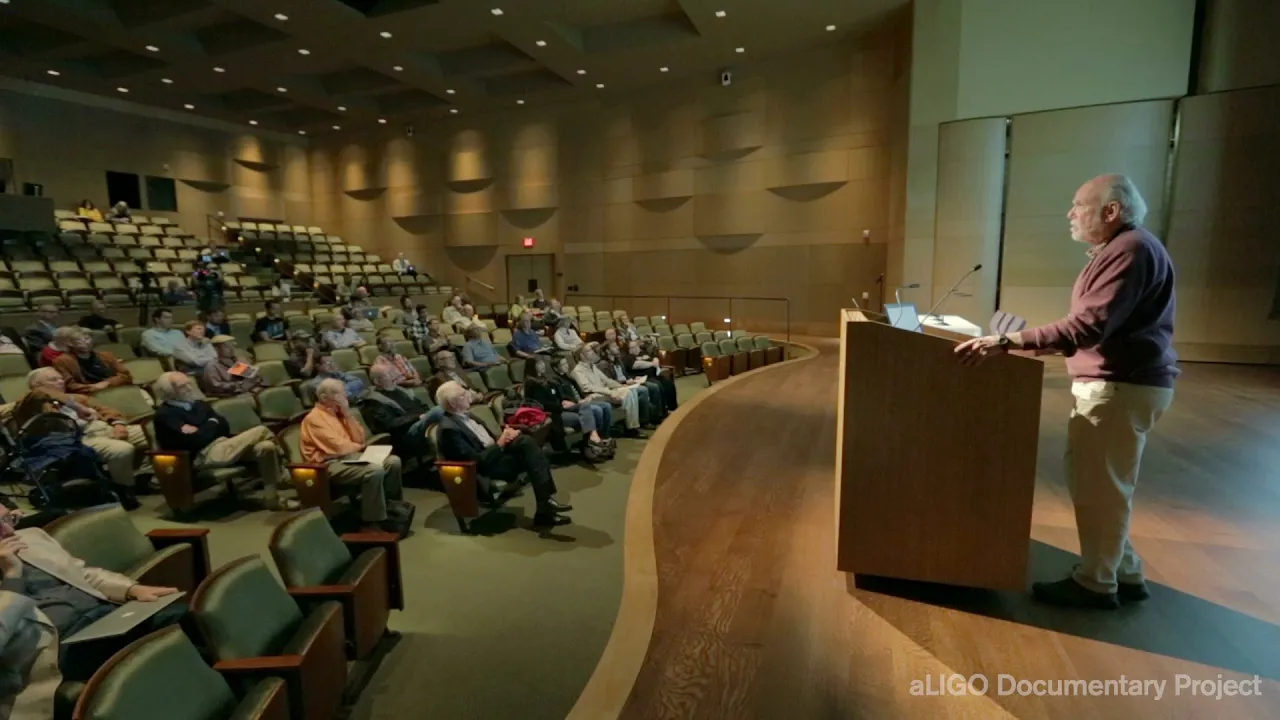




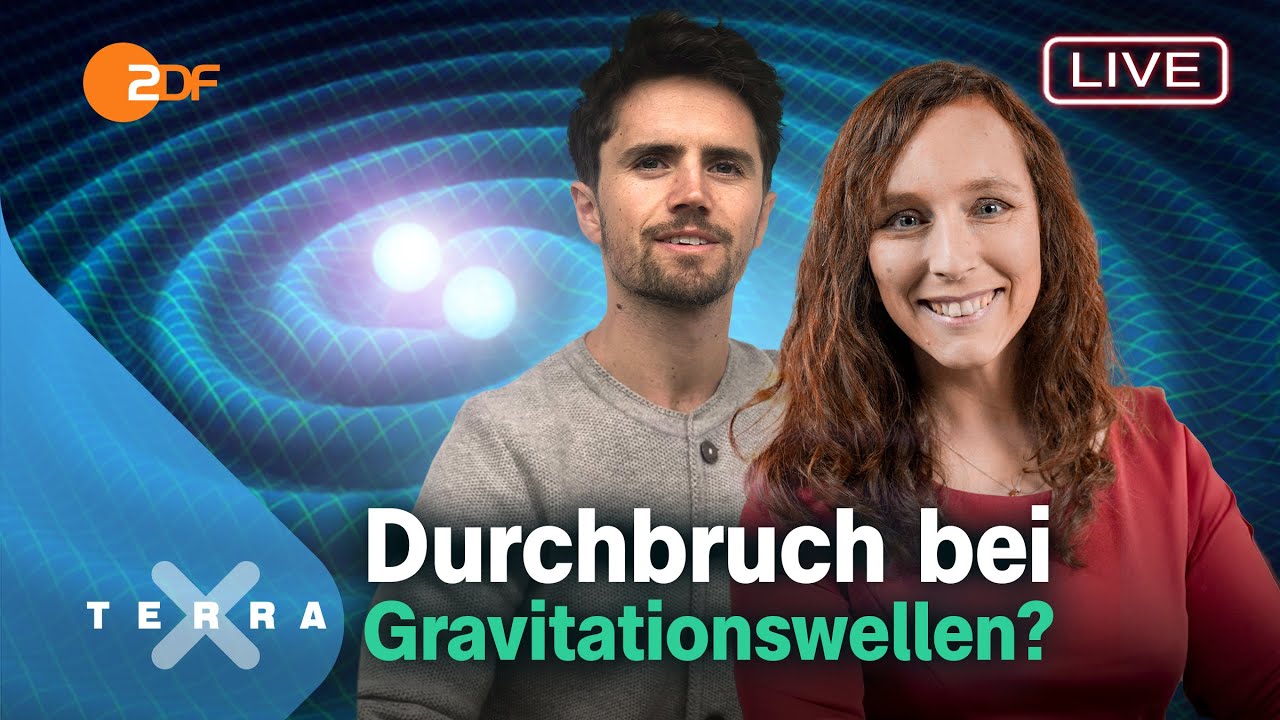


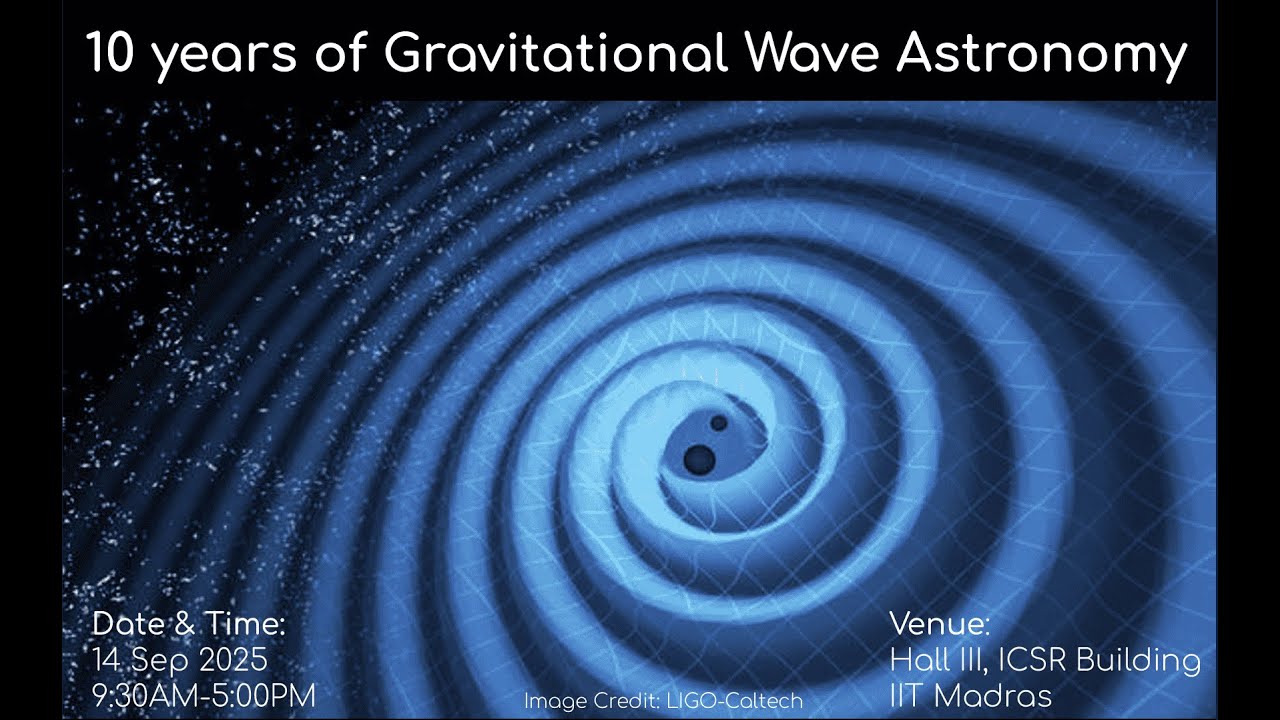









This video illustrates how scientific research involves not only technical expertise but also navigating institutional constraints, committee approvals, and ethical considerations, as demonstrated by Albertine's journey from academic success to conducting independent research on cosmic energy and gravitational waves.
Chocky's Child Prodigy: Cosmic Energy & Radio Telescope Research
Added:Fundamentals of Radio Astronomy: Understanding how radio telescopes collect and analyze electromagnetic radiation from deep space.
The Theory of Gravitational Waves: Basic knowledge of Einstein's General Relativity and how cosmic events generate ripples in spacetime.
Introduction to SETI (Search for Extraterrestrial Intelligence): Understanding the historical and scientific methods used to scan the cosmos for technosignatures.
The Scientific Method and Academic Peer Review: Understanding how new scientific claims are tested, debated, and validated by the global scientific community.
Advanced Gravitational Wave Observatories: Exploring next-generation detection technologies, such as the space-based LISA (Laser Interferometer Space Antenna).
Astrobiology and the Fermi Paradox: Studying the mathematical probabilities of extraterrestrial life, including the Drake Equation and theories on why contact has not yet been established.
Cosmic Microwave Background (CMB) and Dark Energy: Investigating the fundamental forces and relic radiation shaping our understanding of cosmic energy.
The Sociology of Scientific Revolutions: Analyzing Thomas Kuhn's paradigm shifts to understand how academia reacts to radical, disruptive scientific discoveries.
28.6K views244likes24:51Original Release: 2013-01-03
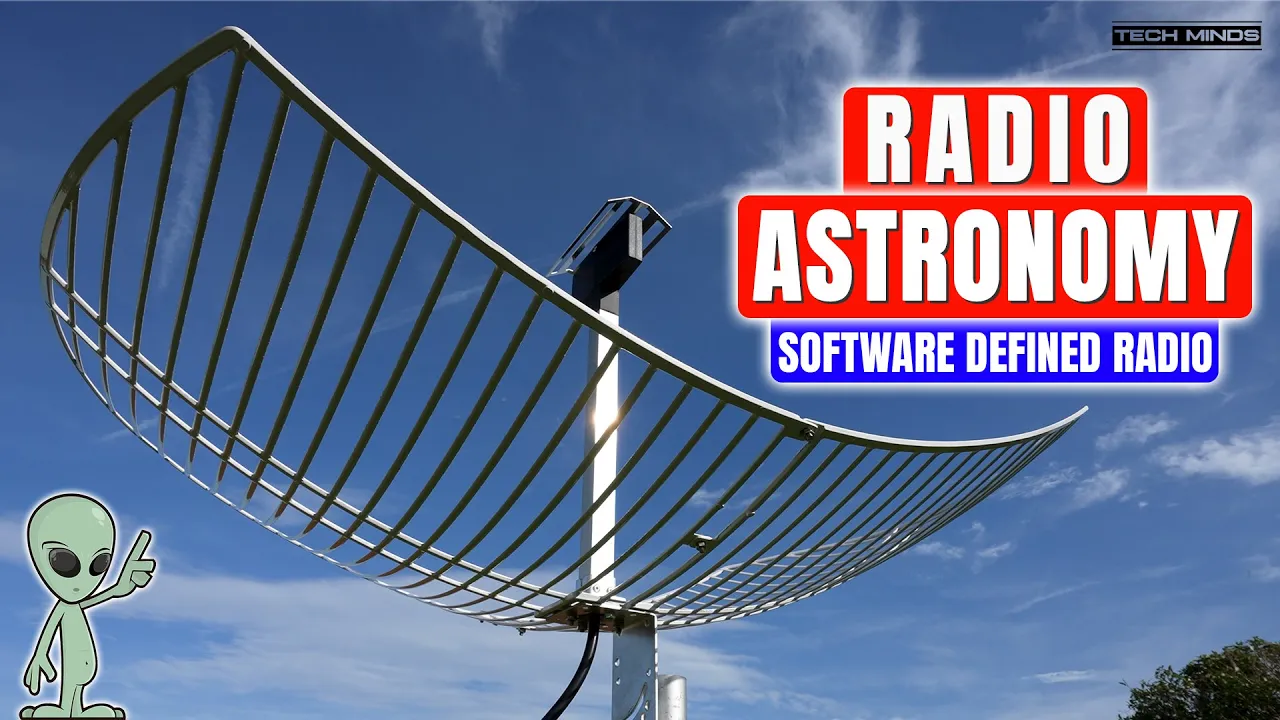
[Music] [Music] so [Music] there they are is yours up yet i don't know i can't see yes there well done we showed them didn't we fantastic matthew ah very well 105 minutes so you better come and clean up all right what's this i guess cambridge albertan yes i wonder how she's done she's got to start first whatever that is did she indeed that's pretty good in fact it's pretty fantastic especially after only one year she was top of the whole exam list well i suppose with chucky when did you hear i didn't think the results were published yet they went up a few minutes ago and how i guess of course not telepathy she must be thrilled she is congratulations on your marvelous achievement buddy now the important question is what are you going to do next i'm afraid you can't collect your degree for another two years we know that regulations you have to keep nine terms before you can graduate it's a city regulation well not for the average undergraduate we don't get many people who can complete the course in three terms like you in fact i don't believe we've ever had anybody before not in 800 years i'd like to do some research of course but what cosmic energy cosmic and antigravity anti-gravity that's an interesting idea could there be such a thing could there be such things as quarks yes my word young lady you do choose the most difficult areas anti-gravity indeed where would you ever begin anti-gravity i should begin with gravitational waves in space oh i see you're moving over from pure mathematics to astrophysics that's right professor do you mind no no it's very interesting you'll have to let me have some proposals something a little bit more specific and then the university can consider [Music] of course well i don't know it may look primitive to you but for us it's very nearly the latest thing what are you doing here just looking why wait a minute aren't you albertine mayer oh yes our famous child prodigy hmm you often go around talking to yourself no i was just thinking out loud i see i didn't know anybody was here obviously not who are you beatrice little doctor little i'm an astronomer do you use this telescope of course otherwise i shouldn't be here which brings us back to my question what are you doing here i'm hoping to do some research research you into what cosmic energy and gravitational waves what makes you so sure either of them exists oh i know i mean that's why i want to research them to find out we're not planning to use this instrument no but i thought if i'm going to be working in astrophysics i ought to know as much as i can about what other people are doing i suppose that's fair enough as long as you don't interrupt or try and interfere with my work no where you tell me about it all right come along and this is our largest and highest resolution instrument five kilometer earth rotation synthesis radio telescope consisting of four fixed and four movable dishes on an east-west baseline why synthesis because it synthesizes the image we would have obtained with a single very large dish or rather the computer does and all the signals are fed into it over a period of time so it's all controlled by a computer yes of course the computer steers the instrument and processes all the signals once it's set up and programmed we can leave it to get on sometimes nobody goes near it for days i don't know what sorry just thinking out loud again please may i see the rest of the observatory very well come along i'll give you the guided tour [Music] and this is the control room the mainframe computer isn't here of course i'll show you that in a minute but this is the main control desk wow it doesn't look too complicated no it has to be simple it's designed for professors to use and you type the instructions on the computer keyboard here exactly we can give the computer a cue of items to be observed over a number of days like this first of all we access track that's what we want it to do and then the name of the object if it's already in the memory say 3c48 that's object number 48 in the third cambridge catalogue and then the time we want it to happen say 1500 hours on the 23rd there how are you getting on fine now you think you'll be able to do enough to convince them it's worth giving us the money yes of course i do don't worry all right bedtime now though best leave it for tonight okay dad i'll just finish this bit it'll only take a minute not too long mine you must get your beauty sleep you know good night daddy hi darling see you in the morning oh chucky that'll have to do for tonight you have done well i am very pleased with you thank you it's very interesting and i am enjoying it that is good but i'm very tired now i understand your mind needs to rest appetain yes that radio telescope yes it is very primitive yes but even so it could be good enough what for to locate the position of my own planet do you really think so that would be terrific yes it would only be necessary to get into the computer which directs the telescope i could do that through the phone line if i knew the phone number and computer code i know [Music] zero the code nine six one four three seven two [Music] we're in now what now we have to give it a new program and then we can start the search brilliant [Music] those are the right coordinates albertine let it search there [Music] fascinating utterly fascinating so you think it's an acceptable subject for research professor speaking for myself i have no doubts no doubts at all thank you but you must encounter your chickens my dear is there something wrong i'm not the only person you have to convince there's a committee there's always a committee surely if you recommend us you must realize that money is very short these days there's a limit to the number of projects that we can afford to finance but it must be obvious this is important work yes that's what they all say my work is important no the truth of the matter is that most of our funds are already allocated for the coming year there's only one grant still available oh that's all right if there's still one grant available there is but you're not the only person who wants it there's at least one other very good candidate who's that beatrice little doctor little the astronomer that's right do you know her yes i have met her then you'll know how exciting and how important she thinks her work is but surely professor no matter how interesting her work is it can't be as important as albatine's you think not what is it she's investigating a new binary star yes but what we're talking about is the discovery of an entirely new form of energy boundless energy from an unlimited source what we are talking about mr mayor is the search for boundless energy it's not quite the same thing as its discovery is it theories are one thing proof is quite another it does exist i know it does and i know i can prove it very well then in that case young lady we must do our best to make sure that you get the grant right where do we start i suggest that we publish this you wouldn't object of course not all right then leave that to me and then you want to give a public lecture on it i'll see what i can arrange what on earth what's going on my program [Music] i am looking but i don't know what i'm supposed to be yes i seeing that chalky radios yes yes but they are special secrets why how they are messages you mean somebody is actually sending you yes an intelligent life form more than that oh this is very exciting for me why chockie what is it they are my people [Music] chucky that's brilliant brilliant i'm so happy so happy [Music] professor ferris dr little what are you doing here someone has been interfering with my program i better try some for you but i don't see why is that all you can say it's more than tiresome professor it's downright disgraceful yes yes weeks of work mucked up the telescope realigned on an entirely new heading intellectual vandalism that's what it is but what has it to do with me someone has managed to break into the computer and make use of it to play with the radio telescope but who you may well ask i wrapped my brain wondering who could be so irresponsible and then i realized i caught her snooping around the observatory i've even been foolish enough to show her around and explain things to her to whom why to that infant prodigy of yours you can't mean aberdeen mayor that's exactly who i do mean that precocious brat now that she thinks a telescope is a wonderful toy i find that very hard to accept have you any proof of what you suggest come in good morning professor oh i'm sorry are we interrupting no no no this is dr little mr mayor albertine i think you've already met yes hello dr little how are you dr little is here on a rather serious matter oh really it seems that somebody's been making illicit use of the radio telescope do you know something about this of course she doesn't how could she very easily i'm sure albertine yes i knew it do you realize what you've done to my program i'm sorry i was always very careful to put everything back where it was well what use do you think that is you little fool that telescope is set on a continuous program it has to go on without any interruptions for several weeks i'm sorry i didn't realize it's too late to be sorry the damage is done i have to start all over again albertine i can't imagine what you're thinking of i'm sorry i didn't know i promise i won't do it again there you've had your apology and a promise i think we might put the whole thing down too shall we say youthful indiscretion i'm very sorry dr liddle i i had no idea albertine was doing anything like that you have my word there'll be no repetition shall we leave the matter there then dr little i suppose sir excellent now perhaps you'll have some coffee no thank you have a great deal of work to do good morning good morning albertine how could you well i dare say it was only curiosity and no permanent harm has been done so let's leave it there shall we thank you we have more important things to talk about like this lecture you're going to give in london you mean that song it certainly is and you better make a good job of it if you want that ground [Music] congratulations thank you i'm most impressed you must have done a great deal of traveling no not exactly don't tell me they're painted from photographs no well uh they're really just impressions of how matthew imagines the places oh i understand from what you've seen on films and television and so on something like that yes in that case i'm even more impressed quite remarkable albertine matthew isn't this exciting hello mr mayor hello matthew well you must be very proud one-man show at your age no prouder than you must be hello albertine congratulations on your results thank you mr cool of course having chalky around certainly helped well even so it's a marvelous achievement should have got a first in any case it would have taken longer that's all say two years instead of one come and show me your pictures okay i've done a new one of the windmill wait until you see it now she could be with chalky i mean she's coping very well i must say i still find it all rather difficult i know what you mean well yes sir she came ah excellent and they're obviously still communicating with each other i'm very interested keep up the surveillance [Music] the term cosmic ray is applied to elementary particles usually protons electrons or nuclei of atoms which travel through space at a velocity close to the speed of light some ninety percent of these particles are protons the hydrogen of nuclear when high speed cosmic ray protons collide with hydrogen atoms in the interstellar medium nuclear reactions take place between them and number of pions are created these pions are unstable and decay almost immediately to produce a pair of gamma rays with an energy of about 100 mega equating this to a gravitational wave force delta f the electromagnetic noise in gravitational wave units is therefore the aim of these experiments will be to identify and eventually collect gravitational waves from black hole events in galactic nuclei and stellar collapses which are both impulsive sources and continuous sources such as binary stars pulses in the crab nebula thank you i enjoyed your lecture very much albertine but i must say i found it rather theoretical this grant is essentially for practical work now should we decide to give the grant to you do you really believe that you can achieve successful experiments yes of course i do well well i'll fancy that now i wish i could be so certain of success every time i started an experiment um quite quite surely albertine you can only say that you hope your experiments will succeed no i know they will nonsense girl nobody can possibly say that i can albertine please i admire your confidence but you must be aware of being overconfident you know statements like that are irresponsible i know more than i'd expect from someone who can interfere with somebody else's work what do you mean but you haven't heard about this girl getting into the radio telescope that incident was not to be talked about dr little agreed dr liddle was furious and i can't say i blame her the whole program was ruined that's not fair i said i was sorry and she promised indeed you did in this very room but what did the girl do she managed to make a connection with the computer controlling the radio telescope oh and then fed in her own program when she was using the telescope like an expensive toy i was not that's not true oh dear that's hardly the sort of behavior one expects now is it as well it's exactly the sort of behavior i'd expect from an immature child and how can we possibly give our one remaining research ground to someone who is so irresponsible i wasn't playing with it i was searching for a planet well that's not so difficult there are billions of them out there not like this one oh and what is so special about this one is it inhabited or something if you must know yes albertan alberta and did you manage to find this planet no but we did manage to make contact with some of the beings who've colonized other planets but little green men with horns and eyes in the middle of their forehead no it's not like that we had messages signals from them oh you made contact with intelligent life forms you did something the world has been trying to do for centuries i think i've heard enough thank you albertine but you've got to believe me it's true i have a friend from outer space yes i am albertine's friend my name is jockey you
Up Next

6:29
Funding Your Revocable Living Trust: Asset Transfer Guide
@dallawfirm
66.2K views•2022-12-10

26:22
Walking in the City: Urban Rituals and the Flâneur in Contemporary India
@PSBTIndia
1.9K views•2016-08-02

9:49
FastAPI vs Flask vs Django: Choosing the Right Python Web Framework
@TechWithTim
302.5K views•2024-05-26

1:42
Game of Thrones Opening Credits: A Cinematic Analysis
@gameofthrones
46.3M views•2011-04-18
Related Study Plans & Knowledge Roadmaps
Structured learning paths in General & Interdisciplinary Studies
general-studies
Artificial Light: History, Tech & Human Impact
01The Pre-Electric Era: Fire, Oil, and Gas Lighting
02The Incandescent Revolution and Grid Electrification
03Gas Discharge and Fluorescent Illumination
+ 3 more learning modules
14h6 modules
Explore Roadmap
general-studies
Elevator Engineering: History, Physics & Cities
01From Hoists to Safety Brakes: The Dawn of Vertical Lift
02Hydraulic vs. Traction: The Engineering Physics of Elevators
03Modern Speed, Safety, and Algorithms
+ 2 more learning modules
12h5 modules
Explore Roadmap
general-studies
Rubber: Material Science, History & Geopolitics
01Origins of Natural Rubber & Mesoamerican History
02The Chemistry of Natural Rubber & Vulcanization
03The Geopolitics of the Rubber Boom & Colonization
+ 2 more learning modules
12h5 modules
Explore Roadmap
general-studies
Containerization: Evolution, Logistics & Trade
01Ancient Trade & Bulk Cargo: Amphorae to Barrels
02The Industrial Revolution & Cardboard Packaging
03The Containerization Revolution: Malcom McLean
+ 2 more learning modules
12h5 modules
Explore Roadmap