























This video explores how popular vocal groups have evolved stylistically over time, using 'Twinkle, Twinkle, Little Star' as a demonstration piece: Barbershop groups established foundational rules with specific chord structures; The Singers Unlimited pioneered multitracking technology to expand arrangements beyond traditional four-part harmony; The Real Group created a big band sound using only voices with percussive elements; Take 6 synthesized various 20th-century styles including gospel, R&B, and pop; and Pentatonix represents the modern era by connecting these historical innovations with contemporary pop audiences through sophisticated vocal arrangements.
Vocal Group History and Styles: A Musical Journey Through Arrangement Techniques
Added:Understanding of basic vocal ranges and voice leading (Soprano, Alto, Tenor, Bass / SATB).
Familiarity with foundational music theory, specifically triads, basic chord progressions, and interval relationships.
Concept of musical texture, particularly the distinction between homophony (block chords) and polyphony (counterpoint).
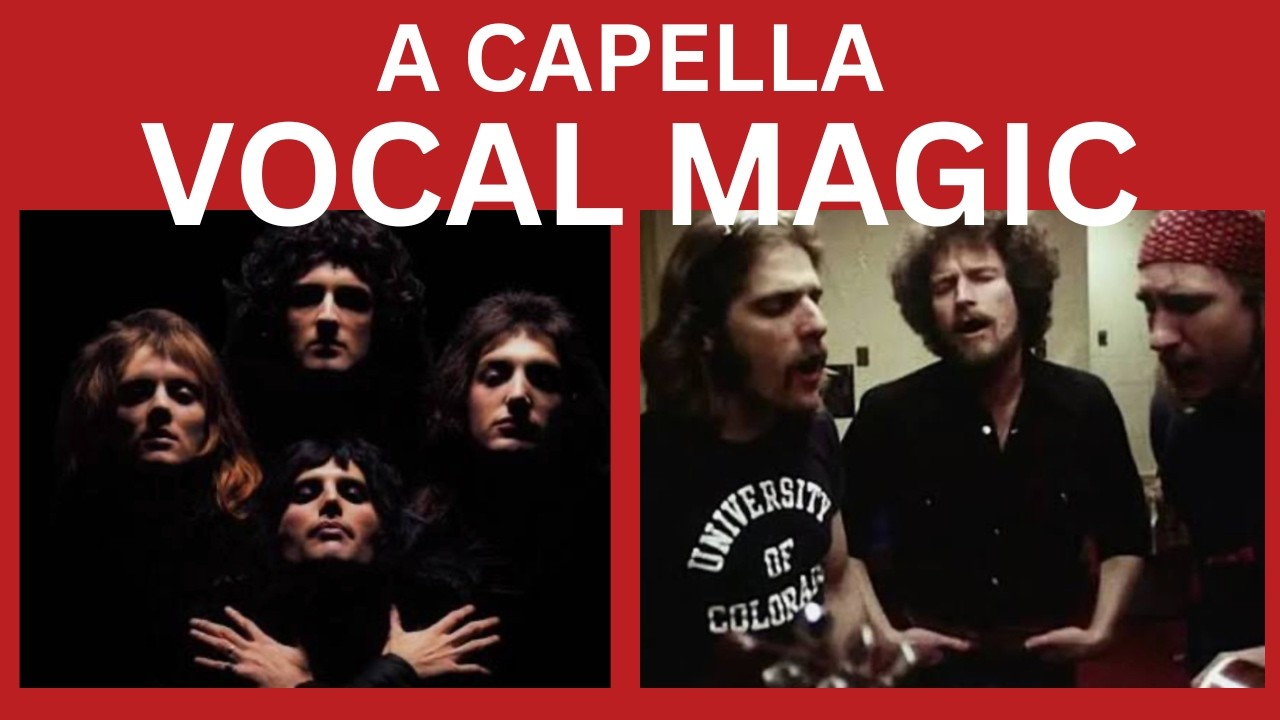
The definition and historical context of 'a cappella' singing (performing without instrumental accompaniment).
Practical vocal arranging techniques, focusing on the rules of traditional barbershop harmony versus contemporary pop arranging.
Advanced jazz harmony and close-voicing techniques used by groups like Take 6 and The Real Group (e.g., 9ths, 11ths, and cluster chords).
Modern vocal production and technology, including vocal percussion (beatboxing) techniques, live looping, and microtonal tuning in studio recordings.
A deeper exploration of specific vocal eras, such as the Doo-Wop movement of the 1950s or the Renaissance madrigal origins of modern vocal ensembles.
163.2K views5Klikes5:07Original Release: 2017-02-22
Here's a fun exercise where we'll take you through a familiar tune: "Twinkle, Twinkle, Little Star," but imagining how various popular vocal groups might have performed it.
it's a journey through history but also a bit of an arranging, harmony and theory lesson.
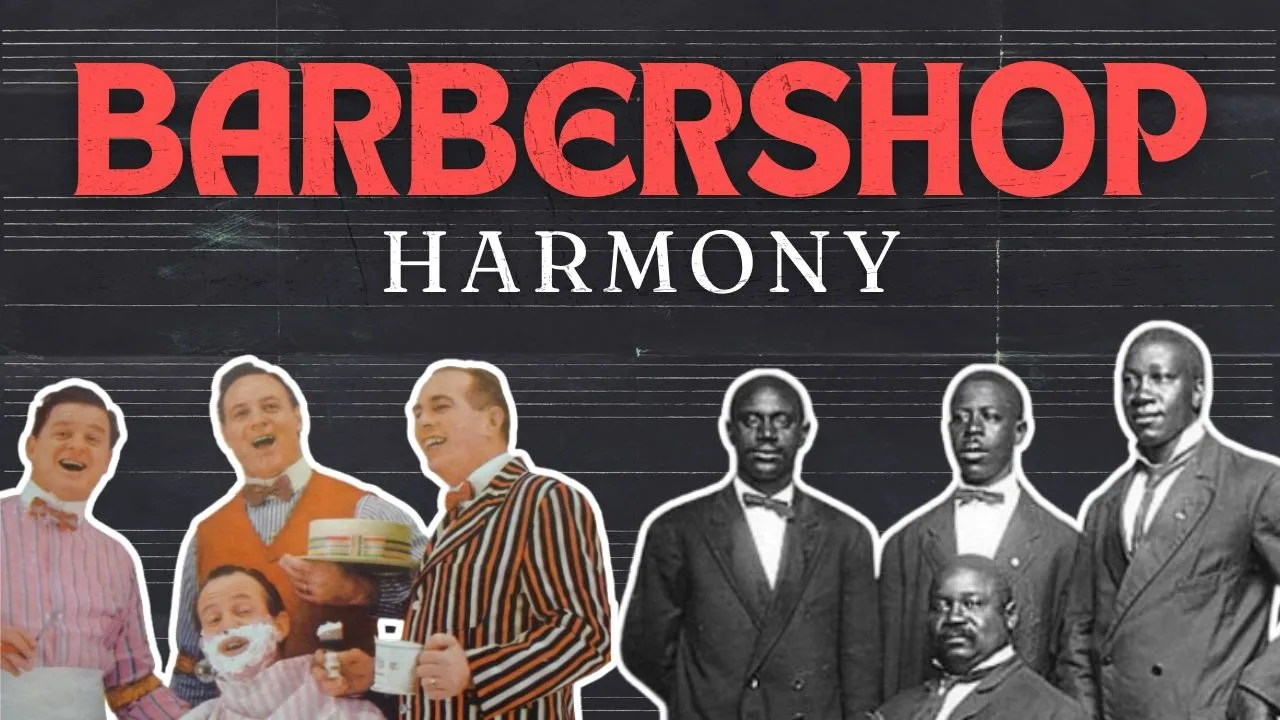
Barbershop became prominent in the early 20th Century, but it's still sung quite a bit even today.
You'll only find certain chords, at least according to the rules of contestable barbershop singing, although they're not always in root position.
Keep an eye out for the dominant sevenths, and also look at where the melody falls within the 4-part voicing.
You might not have heard of The Singers Unlimited, but their influence was extremely important on the groups that came after them.
Since they were exclusively a studio group, even though they only had 4 members, they could take advantage of multitracking technology to expand their arrangements to 6, 8, or even more parts--hence the "Unlimited" in their name.
Listen for the lush sound and smooth voice leading in all the parts, despite the complicated harmony.
In their earlier years, The Real Group, a 5-part mixed group based in Sweden, took a lot from the classic jazz and swing traditions and created a big band sound with only voices.
You'll even hear the bass adding a bit of percussive hi-hat sound, which gives even more of an illusion of a rhythm section.
One of the defining characteristics of The Real Group is how clever they can be in their arrangements, so, to pay homage to that, we threw in a musical quote in the next excerpt.
See if you can spot it.
If there were ever a group that could seamlessly meld pretty much any popular music style of the 20th Century into one signature sound, It's Take 6. They cover just about the entire vocal range of The Singers Unlimited, borrowing a lot of their jazz-based harmonic structures, but now we've got gospel, R&B and modern pop thrown in.
You'll also notice a characteristic "top 3 plus bottom 3" arranging device in this next version, which really brings that gospel-pop edge to the fore.
These days, it's hard to think of a cappella or popular vocal music without Pentatonix coming to mind. The groups we've already covered really provided the foundation for a group like Pentatonix, but the way they connect with modern pop audiences through a contemporary sound and just incredibly good singing is why they deserve so much credit.
Let us know which is your favorite in the comments and ask any questions you may have.
We'll be answering as many as we can!
Up Next

95:55
Retrain Your Brain: Harvard Neuroscientist on Trauma, Emotions & 4 Brain Characters
@TheDiaryOfACEO
2.8M views•2025-11-06

26:22
Walking in the City: Urban Rituals and the Flâneur in Contemporary India
@PSBTIndia
1.9K views•2016-08-02

9:49
FastAPI vs Flask vs Django: Choosing the Right Python Web Framework
@TechWithTim
302.5K views•2024-05-26

1:42
Game of Thrones Opening Credits: A Cinematic Analysis
@gameofthrones
46.3M views•2011-04-18
Related Study Plans & Knowledge Roadmaps
Structured learning paths in General & Interdisciplinary Studies
general-studies
Artificial Light: History, Tech & Human Impact
01The Pre-Electric Era: Fire, Oil, and Gas Lighting
02The Incandescent Revolution and Grid Electrification
03Gas Discharge and Fluorescent Illumination
+ 3 more learning modules
14h6 modules
Explore Roadmap
general-studies
Elevator Engineering: History, Physics & Cities
01From Hoists to Safety Brakes: The Dawn of Vertical Lift
02Hydraulic vs. Traction: The Engineering Physics of Elevators
03Modern Speed, Safety, and Algorithms
+ 2 more learning modules
12h5 modules
Explore Roadmap
general-studies
Rubber: Material Science, History & Geopolitics
01Origins of Natural Rubber & Mesoamerican History
02The Chemistry of Natural Rubber & Vulcanization
03The Geopolitics of the Rubber Boom & Colonization
+ 2 more learning modules
12h5 modules
Explore Roadmap
general-studies
Containerization: Evolution, Logistics & Trade
01Ancient Trade & Bulk Cargo: Amphorae to Barrels
02The Industrial Revolution & Cardboard Packaging
03The Containerization Revolution: Malcom McLean
+ 2 more learning modules
12h5 modules
Explore Roadmap