




![Skibidi Toilet: Emergence | Official Trailer [SFM - Remake]](https://i.ytimg.com/vi/Wdbjmp-33wU/maxresdefault.jpg)











Property dualism, which holds that there is only one physical substance but two distinct kinds of properties (mental and physical), fails to maintain mental causation due to the interaction problem (how non-physical properties can affect physical ones), the exclusion problem (mental events are causally overridden by physical causes), and the incoherence of strong emergence (something cannot emerge from what it does not possess). These fatal objections demonstrate that property dualism inevitably lapses into substance dualism and cannot adequately explain the relationship between mind and body.
Why Property Dualism Fails: Mental Causation & Emergence
Added:The mind-body problem: Familiarity with the basic philosophical debate regarding the relationship between consciousness/mind and the physical brain.
Substance Dualism vs. Physicalism: Understanding the distinction between Descartes' two-substance view and the view that everything is ultimately physical.
The core thesis of Property Dualism: Knowing that it posits a single physical substance (the brain) that possesses both physical and non-reducible mental properties.
The concept of Emergence: Distinguishing between weak and strong emergence, and how mental properties are argued to 'emerge' from complex physical substrates.
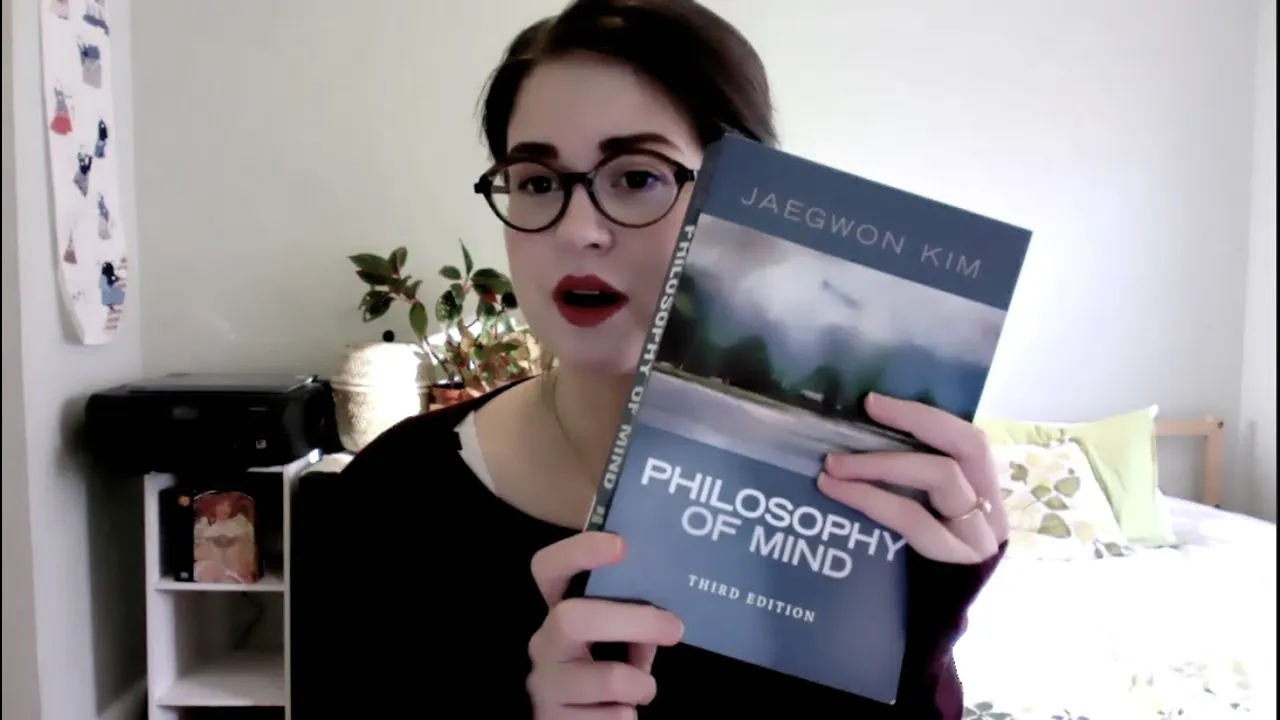
Jaegwon Kim’s Causal Exclusion Argument: Investigating the formal philosophical dilemma that challenges how non-physical properties can have causal power in a physically closed universe.
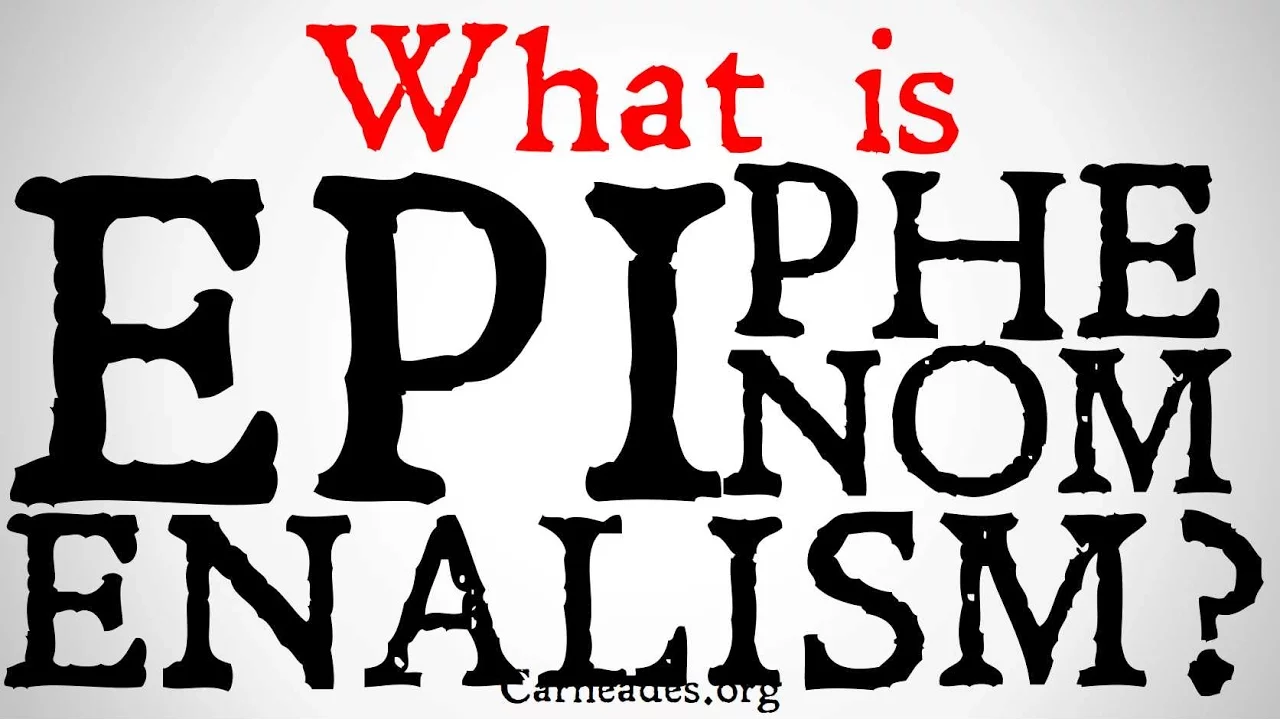
Epiphenomenalism: Exploring the counter-intuitive philosophical stance that mental states are mere byproducts of physical brain activity and have no causal influence on behavior.
Non-Reductive Physicalism and Functionalism: Analyzing alternative theories that attempt to preserve the distinctiveness of mental states without resorting to dualism.
Anomalous Monism: Studying Donald Davidson’s attempt to reconcile the causal efficacy of the mental with the lack of strict psychophysical laws.
3.8K views115likes10:00Original Release: 2021-08-01
property dualism is the view that there is only one substance the physical yet there are two distinct kinds of properties mental and physical the mental is also usually held to be emergent from the physical and it's this version of property dualism that i will be addressing in this video i will be going over the main objections to this view by arguing that it fails to maintain mental causation substance monism and emergence objection one the interaction problem we have the same problems as we did with substitute students how exactly do these mental properties have an effect when they have no location when they can't exert any physical force because that's not the kind of thing they are so how would that actually work it's just as great a problem for property journalism as it is for substance journalism property journalists are also positing non-physical entities fundamentally new entities and uh if these have to interact with the physical world on substance journalism they'll have to own property journalism as well isn't that just as baffling and strange as descartes theory why should we think anymore that mental properties can have an effect on physical properties it makes no difference if we change the word substance to property there's still this problem of how the non-physical and physical can interact this is widely acknowledged by scholars and even in the stanford encyclopedia of philosophy's entry on mental causation problem one is property dualism and it states the arguments against soul body interaction now couched in terms of properties could enter again here for example if you were worried about the mind body nexus for souls it seems you should also wonder how non-physical properties can find any traction in the physical world william lykken writes that the interaction problem is widely thought to be fatal to substance dualism but there is no obvious difference in the case of property dualism how could a non-physical property causally affect physical ones any more than could a non-physical substance the property dualist can try to hold the brain as a nexus like descartes but that doesn't bring us any closer to understanding how it makes any sense for the non-physical to interact with the physical okay another leading objection to property dualism is known as the exclusion problem kim's exclusion argument can be stated as a logical syllogism major premise all physical events are caused by preceding sufficient physical causes minor premise mental events are realized in physical events conclusion the physical events that realize mental events have preceding sufficient physical causes in other words mental events are not causal even if they appear to be because particle on particle causation is a sufficient account of how events unfold all causation boils down to particle and particle causation which is a level where mental and moral descriptions simply don't apply the property dualist cannot deny the second premise without contradicting their own commitment to emergence so the only move for them to make is to deny the first premise to deny the first premise is to deny causal closure and this leads to over-determination which is unacceptable since the interaction problem and the exclusion problem are fatal then property dualism entails there is no mental causation but there is mental causation which means property dualism is false it must be rejected objection two a lapse into substance dualism now the claim that property journalism leads to substance dualism or that the commitments of property journalists should commit them to substance dualism has been made by a few thinkers before and i have in mind here two papers in particular by uh susan schneider in 2012 and dean zimmerman in 2010. another important paper worth noting is why i am not a property duelist by jon searle as i'll explain later in susan schneider's paper she writes that the two currently leading views of the nature of substance are the substratum theory and the bundle theory the substratum theory holds that objects as natures are not exhausted by their properties over and above their properties substances have substrata a core that bears properties but is not itself a property in contrast the bundle theory holds that substances are bundles of the properties they possess both of these theories entails that properties are part or all of the metaphysical nature of the substance so either these mental properties bundle together to form a mental substance or there is a mental substratum that bears the mental properties which would make one a substance duelist so no matter which way they go the bundle theory or the substratum theory they will fail to maintain substance monism and will lapse into substance dualism this failure to maintain substance monism is a fatal inconsistency and the problem is made all the more apparent when coupled with strong emergence strong emergence seems to require a form of substance dualism and this is the point made by dean zimmerman and john searle as surah writes in his paper the official claim is that consciousness is a property not a thing object or substance but that claim is inconsistent with the conception of consciousness as something that is over and above that the brain gives rise to if you consider uncontroversial properties of the brain like weight shape color solidity nobody says these arise from or are over and above the brain and only in a special sense can some of them be described as emergent and certainly not as emergent from the brain the official claim is that consciousness is a property not a thing object or substance but that claim is inconsistent with the conception of consciousness as something that is over and above that the brain gives rise to this conception requires that consciousness be a separate thing object or non-property type of entity the dualism and property dualism forces them to postulate a separate entity ironically the very dualism of the property dualist picture makes it impossible to state the theory without implying a version of substance dualism saying the mind is a property of the brain while also being over and above the brain is like saying i have a tattoo of myself on my entire body only 2 inches taller just as there needs to be a body in order to bear the tattoo there needs to be a mental substance in order to bear the mental properties to learn more about this objection i recommend watching ralph weir's lecture why property duelists should be cartesians objection 3 the incoherence and inexplicability of strong emergence but if it's not identical if something new so to speak comes out out of matter the mind emerges from that that's hard to understand how something that is not at least in a primitive form already present in matter could emerge out of it so the slogan is nothing can give what it does not possess so if matter doesn't at least possess the some primitive form of mentality how is it able to produce complex form of mentality the purely physical processes don't really allow for the emergence of these novel features not absolutely novel if you think about the way the physical world operates it seems to be one largely of increasing compositional complexity where the basic features or properties remain the same and large-scale complexity is a matter of physical relationships developing amongst the constituents you won't get a strong emergence out of that weak emergence the idea that a macro level system is composed of micro level parts is relatively uncontroversial and is at least a concept we can model coherently but strong emergence this idea that something metaphysically distinct can arise is akin to saying one plus one equals three as mark badeau puts it strong emergence is uncomfortably like magic how does an irreducible but superveniant downward causal power arise since by definition it cannot be due to the aggregation of the micro level potentialities such causal powers would be quite unlike anything within our scientific ken this not only indicates how they will discomfort reasonable forms of materialism their mysteriousness will only heighten the traditional worry that emergence entails illegitimately getting something from nothing [Music] in conclusion property dualism suffers from three fatal problems the interaction problem entails this view is incompatible with mental causation the main theories of substance and the commitment to strong emergence entails this view is incompatible with substance monism and finally the irreducibility of mental properties is incompatible with emergence if one is going to commit themselves to substance monism then they must commit themselves to property monism as well or they will inevitably face these problems you
Up Next

51:18
Arguments Against Physicalism | Philosophy of Mind Lecture
@MindChat
2.3K views•2023-11-08

164:01
John of Damascus on Holy Images: A Theological Defense
@BannedBooks
139 views•2026-04-25

68:32
Should We Destroy the Machines? Big Tech Surveillance Critique
@TheStoriesWeTell303
167.9K views•2025-11-30
4:57
The Myth of Sisyphus: A Greek Legend of Eternal Punishment
@TEDEd
8.6M views•2018-11-13
Related Study Plans & Knowledge Roadmaps
Structured learning paths in Philosophy
philosophy
Frankfurt School: Critical Theory & Culture
01Foundations of the Frankfurt School and Critical Theory
02Horkheimer & Adorno: The Critique of Instrumental Reason
03The Culture Industry and Mass Deception
+ 2 more learning modules
12h5 modules
Explore Roadmap
philosophy
Philosophy of Language: From Frege to Austin
01The Linguistic Turn: An Introduction to Language in Philosophy
02Gottlob Frege: Sense and Reference
03Early Wittgenstein: The Picture Theory of Meaning
+ 3 more learning modules
15h6 modules
Explore Roadmap
philosophy
Feminist Epistemology: Standpoint & Injustice
01Introduction to Epistemology and Feminist Critiques
02Sandra Harding and Standpoint Theory
03Donna Haraway and Situated Knowledges
+ 2 more learning modules
12h5 modules
Explore Roadmap
philosophy
Environmental Philosophy: Ethics & Deep Ecology
01Foundations of Environmental Ethics & Anthropocentrism
02Biocentric Individualism and Animal Liberation
03Ecocentric Holism and Deep Ecology
+ 1 more learning modules
10h4 modules
Explore Roadmap