












Primary Sclerosing Cholangitis (PSC) is a chronic progressive liver disease characterized by inflammation and fibrosis of the bile ducts, causing bile reflux and liver damage; diagnosis relies on elevated alkaline phosphatase and gamma-glutamyl transferase levels indicating cholestatic injury, confirmed by magnetic resonance cholangiopancreatography (MRCP) showing characteristic bile duct strictures, with treatment focusing on managing symptoms like pruritus (itching) through medications such as ursodeoxycholic acid, cholestyramine, rifampin, and naltrexone, while monitoring for complications including cholangiocarcinoma, inflammatory bowel disease, vitamin deficiencies, and osteoporosis.
Understanding Primary Sclerosing Cholangitis: Symptoms & Management
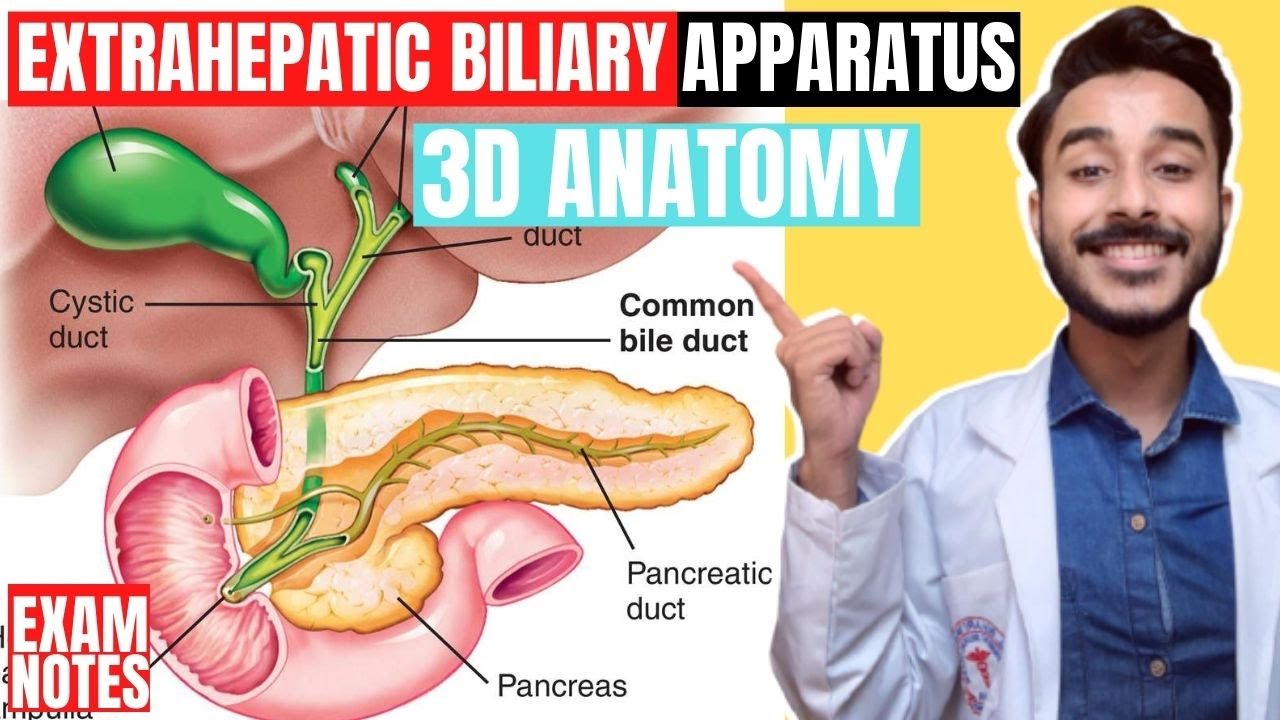
Added:Anatomy and physiology of the hepatobiliary system, specifically the structure and function of the intrahepatic and extrahepatic bile ducts.
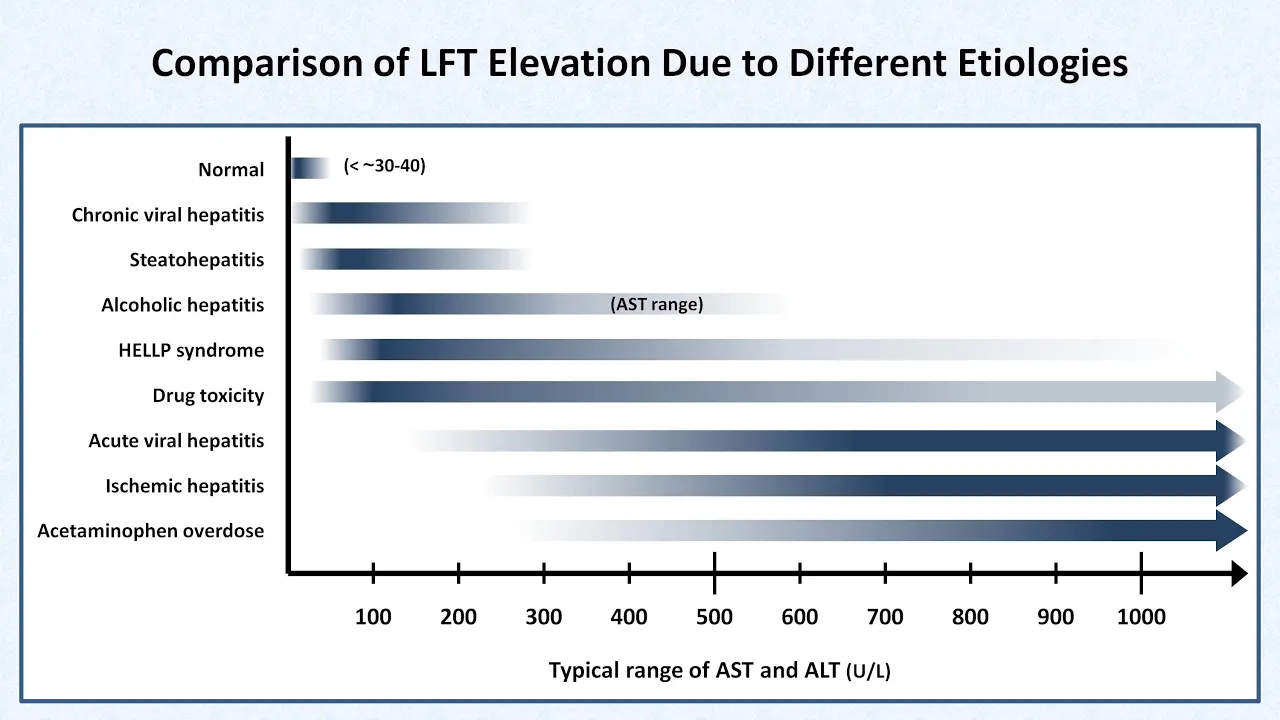
Basic understanding of liver function tests (LFTs), including alkaline phosphatase (ALP), bilirubin, and transaminases (ALT/AST).
Fundamental concepts of autoimmune and chronic inflammatory diseases, as PSC is an immune-mediated progressive disorder.
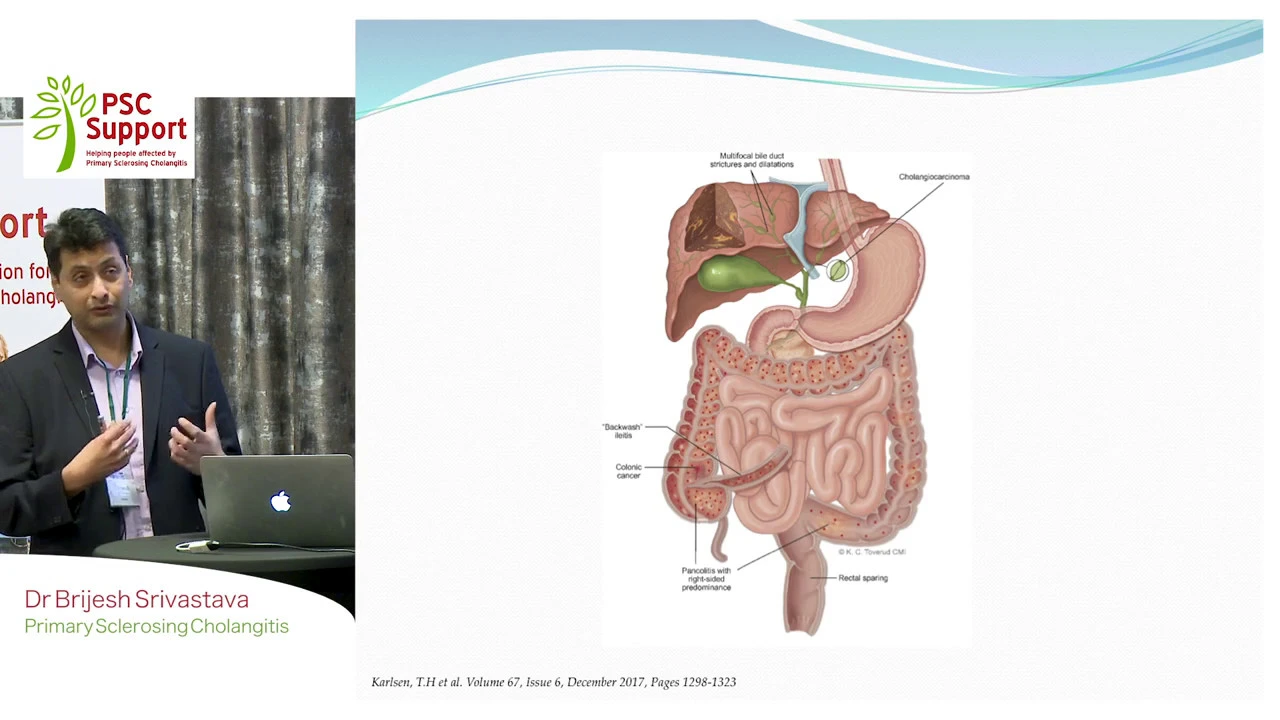
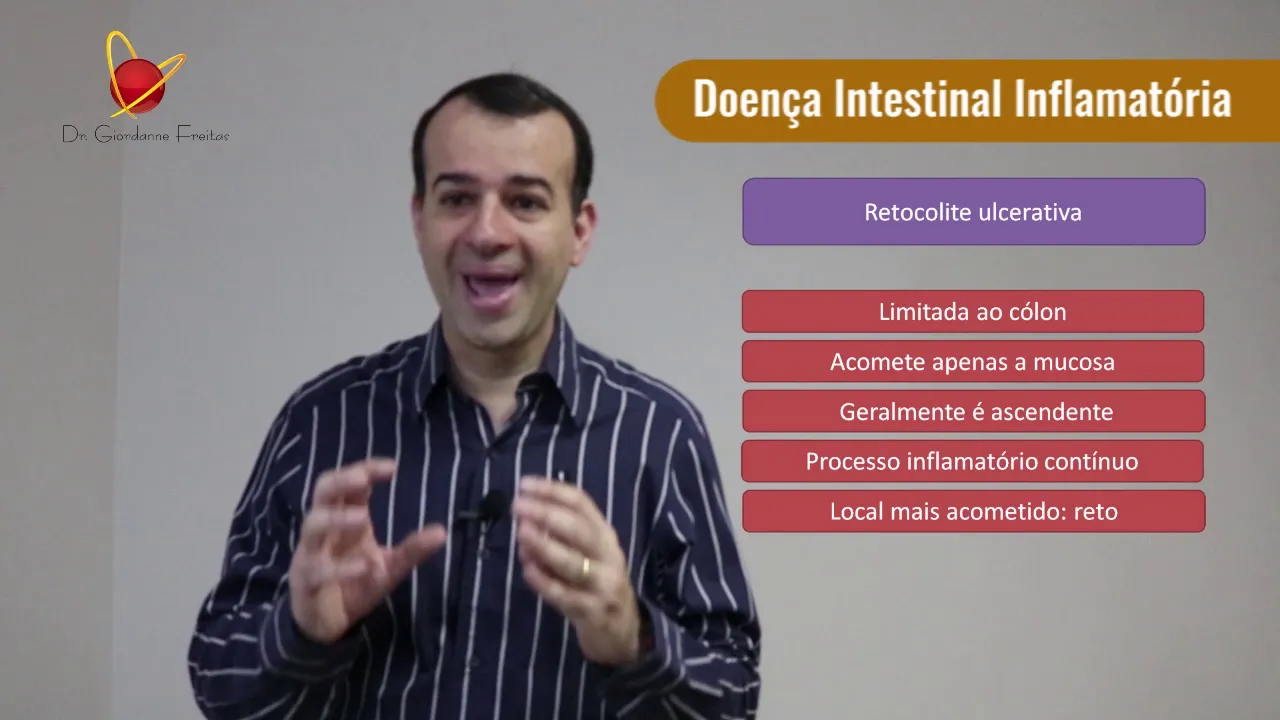
The clinical relationship between Inflammatory Bowel Disease (IBD), particularly Ulcerative Colitis, and hepatobiliary complications.
Advanced diagnostic imaging techniques for biliary diseases, such as Magnetic Resonance Cholangiopancreatography (MRCP) and Endoscopic Retrograde Cholangiopancreatography (ERCP).
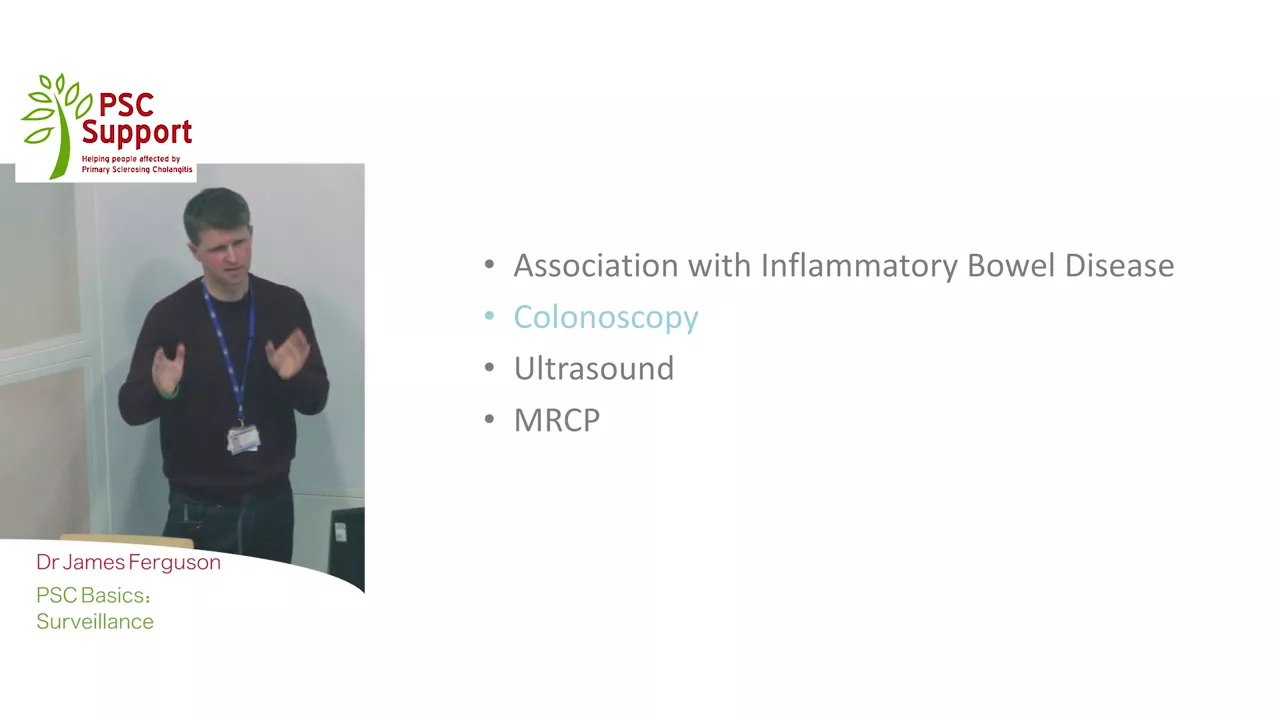
Surveillance protocols for major complications of long-term PSC, including cholangiocarcinoma, gallbladder cancer, and colon cancer.
The evaluation process, indications, and outcomes for liver transplantation in patients with end-stage liver disease caused by PSC.
Current clinical trials, emerging pharmacotherapies (such as obeticholic acid or norUDCA), and the management of overlap syndromes like PSC-AIH.
890 views13likes1:27:04Original Release: 2022-05-09
good evening my name is mary vias i'm the president of psc partners seeking a cure canada and together with ricky safer ceo and founder of psc partners seeking a cure welcome to the first of three pre-conference webinar series the basics of psd everything you want to know about understanding test results and managing your symptoms next slide please this webinar and the upcoming conference are made possible with the very generous support from our community sponsors and we thank you next slide please this uh today's webinar and our entire conference is being co-hosted with harvard university dr josh corzanick from brigham women's hospital and dr dan pratt from mass general hospital our two co-hosts and we've been working with them for over a year to come up with a wonderful agenda for our conference and while this conference is virtual and we're sad that it can't be in person this year we want you to know that as always we will have the features that make the annual conferences so great education sessions peer groups social times and also we have our usual mentor mentee program as well so before we get started here's a reminder to save the dates for the 2022 annual conference june 2nd through 5th we're hoping to open registration any day now we're just waiting for information from our virtual events platform and then it will open uh conference as i said co-hosted and this year with the launch of our international collaborative research network during the conference we will be introducing several new programs that will accelerate psc research be sure to join us for engaging keynote speaker dr david fagenbaum on friday june 3rd to learn about the psc partners strategic research plan and be sure to learn about it and join in our two think tank sessions we need as many patients and caregiver voices as possible in these interactive sessions you'll also have the chance to learn about two of psc partners promising new long-term research projects and watch for the options of joining a meet professor session where you can ask any questions you have pertaining to psc for those of you who have attended past conferences our typical conference educational sessions will be held this year as pre and post-conference sessions starting today and going through december this year so watch for our messaging any day now to register and stay tuned next slide and now let's get started with the basics of psc i'd like to introduce our moderator and conference co-host dr dan pratt dr pratt is assistant professor of medicine at harvard medical school and director of the autoimmune and cholestatic liver center at massachusetts general hospital dr pratt's particular area of interest is autoimmune and cholestatic liver diseases including psc dr pratt is the head of the psc registry at a mass general hospital we can't thank him enough for helping us plan our exciting 2022 conference i'll turn it over to you now dr pratt thank you so much ricky it is an absolute honor uh to be here and speak with this audience and i must say we're really excited about the upcoming conference the amount of effort that has gone into coming up with i think is a really exciting program has has been wonderful to see so given the time constraints i'm going to jump right in and we have two excellent speakers after mine and we're we're really happy you're all here tonight so my title is psc diagnosis and treatment strategies in 2022 so i can next slide please and so i wanted to start by talking a little bit about the basics which is production of bile so as we are all aware the disease of the bile ducts it's the bile which often causes a lot of the problem so i think understanding a little bit about where it all begins is helpful and a key part of the bile production are the bile salts themselves so it's the bile salts that are so important for the absorption of fat and also a fat soluble vitamin so an important part of liver health is your liver's ability to produce bile salts to secrete bile salts and then to have them get all the way down through the bile ducts into the intestines where they need to be to do their job the other one i wanted to highlight for you on this slide is bilirubin that hepatocytes also excrete the bilirubin and that's important because it can be a marker of disease both the dysfunction of the liver cells and cells but also blockages in the bile ducts like we might see in a condition like psc so if i could have the next slide please so then the next step here is the bile after it's secreted into those tiniest bile canaliculi it makes its way down these tiniest the bile ducts eventually finding its way to bigger bile ducts and then bigger and bigger bile ducts we go to the next slide and eventually those bile ducts become large enough that they can be seen with standard imaging with mri scanners cat scanners and this sort of thing but if you look these are larger bile ducts in the liver they find their way down this is the right bile duct in the left bile duct they come together to form the common hepatic duct and then on into the common bile duct and they drain out into the first part of the small intestine called the duodenum and remember your gallbladder sits right here just below the liver and it's there as a reservoir for bile and it's very important that it releases the bile at the appropriate times with meals to allow for digestion and absorption so this schematic i think is a good one because it highlights some of the disease issues we face with psc and this is a chronic progressive cholestatic meaning it involves a backup of bile liver disease marked by inflammation and fibrosis of the intrapatic and or extrapatic biliary tree what do some of these terms mean well if we could make a line sort of saying where does the liver end it'd be right about here so any of these bile ducts above this line are within the liver or intraopatic and everything below that and of course the gallbladder is as well are outside the liver or extra paddock so if you hear those terms that's what we're referring to the other thing i liked about this slide was the way that it highlighted the stricture so this close-up is of this stricture right here which is that narrowing and you can see how tight it is and you can imagine the bile is coming down and hitting the stricture and actually refluxing and it's the reflux of the bile which can be so damaging cause secondary injury and those bile salts as important as they are for our digestion when they're retained within the liver they are very toxic with detergent like properties and so they can cause damage but what's important about these strictures is they can either be inflammatory because this is an immune related disease or they can be fibrotic and when they get to the point of fibrosis and scarring of course they become much more difficult to manage what we know about psc is it's commonly and tantalizingly associated with colitis either ulcerative colitis or crohn's colitis this is an association we haven't been able to unravel completely in fact the cause of psc remains unknown uh despite a lot of people working really hard at it and we have as yet no proven therapies although there are things that can be done we'll talk about that and of course it can progress onto biliary cirrhosis and portal hypertension and some patients do require liver transplantation next slide please so how do we diagnose psc well as the clinicians the way that they usually come to deliver doctor's attention is that someone's checked lfts and found them to be elevated in a cholestatic pattern what does that all mean if we go to the next slide please so lft stands for liver function tests and you're going to get used to hearing that term but i think it's actually good of you all to understand a little more what the what they actually are because what's interesting about it is most of the liver function tests don't measure a function of the liver they measure other things but two that actually do measure a liver function are the albumin and the prothrombin time and these measure the synthetic function of the liver so these are proteins that the liver cells make and so as the liver gets more damaged and and less well the albumin goes down and the prothrombin time which is a clotting test that's made up of a bunch of different liver proteins actually becomes more extended as the blood's less able to clot tests that detect either liver cell dysfunction or bile duct obstruction that's where the bilirubin comes in so we see patients with a high bilirubin it can be either a signal that the liver is is really quite sick and those liver cells are incapable of even excreting the bilirubin out of the cell or it could be an issue with the blockage in the bile ducts it's important obviously to differentiate those two and then the final group are the tests that we actually use to detect liver injury these are the ones that usually indicate to everyone hey there's a problem here and then it's our job to say well what might that problem be and the two groups are the amino transferases the alt and the ast and then the second group is the alkaline phosphatase and the closely associated gamma glutamine transferase ggt if i could have the next slide please and the way that we lo use these lfts is the pattern can be very helpful in terms of figuring out where the injury lies and if you have a hepatocellular injury with the primary damages at the liver cell level then you have marked increases in the alt and the ast and lesser increases in the alpha and the ggt and uh so think about somebody who has a viral hepatitis and viral hepatitis is the the viruses are directly attacking liver cells uh the other one is the cholestatic injury and this is where you have marked increases in the alka foss and the ggt and lesser in the alt and the ast and this is the classic pattern of diseases like psc or pbc we'd have the next slide please so uh if we next slide so now if we have lfts in a paper elevated in a cholestatic pattern in a patient with known uc or crohn's colitis we're going to very quickly think oh could this be psc and the way that we determine that next slide is that we go on to do cholangiography and the gland geography simply means uh that these we are imaging the bile ducts and there are a couple of ways that we can image the bile ducts to look for those strictures that we saw that would be either mrcp which is magnetic resonance clangio pancreatography or endoscopic retrograde chlangiopancreatography ercp so what is the difference between these two if we could have the next slide please so the mrcp on the left-hand side this is a non-invasive test you do have to go inside the scanner and for some people with claustrophobia as you might imagine it could be a little bit challenging but the only invasive part is having an ib place so you can be given iv contrast dye the ercp is invasive it involves often general anesthesia and the passage of an endoscope down through the mouth into the stomach and to the first part of the small bowel whereas which is where that bile duct comes out and so there are they can then access the biliary tree in that fashion the mrcp is is magnetic waves there's no radiation the ercp the endoscopists do have to use fluoroscopy which is radiation because they need to have a a way of actually seeing the bile doctor in the test and we'll look at pictures the mrcp is the choice is the diagnostic tool of choice for psc it should always be the first choice we never use an ercp for diagnosis of psc the ercp should be reserved for when an intervention is likely to be needed and two possibilities are there's a little stone in the bile duct that needs to be removed or we have a really tight stricture that we think we're going to want to dilate and sample we can pass a little brush up into the bile duct to brush it the mrcp is not only used for diagnosis of psc it's then routinely used as part of our screening protocols for calangiocarcinoma so it's done repeatedly at various intervals depending on what your physician feels is correct the other thing about the mrcp is that we can not only see the bile ducts we're going to see the entire upper abdomen so we see the spleen and some of the other organs which can sometimes be helpful in assessing patients whereas ercp doesn't have that ability next slide please next one and so this is a picture of an mrcp and just a highlight for you again if we could draw that line between inside and outside the liver would be about here so everything above is intraopatic and if you look there's a stricture right here with some dilated ducts so this is intraopatic disease but the other thing to note is that boy this bile duct is really quite dilated and if you follow it down it gets narrower and narrower so there was concern there was a stricture here in the very distal part of this bile duct and mrcp and if we could have the next slide please and here's what an ercp looks like you know it's an ercp because here's the endoscope coming down through the stomach there's a little catheter going up into the bile duct and as the radia as the endoscopist injects contrast using the fluoroscopy you can see that the bile duct turns dark and this allows them to really look for stones and to look for those strictures with more detail if we go to the next one please oh i'm hearing that we can't see the mouse pointing items out so i apologize i'm trying to point to things and i didn't realize it couldn't be seen so if you look here um team this these these two are actually the same patient so again on the right hand side you can see that dilated bile duct going narrowing down and on the left hand side you can see that's the exact same bile duct there and so what you see is as they head down to the very bottom there's a stricture there which was dilated and sampled and happily there was no cancer and with the dilation the patient actually did quite well if i could have the next slide please and uh have the next one so if we've done our mri it looks diagnostic of the strictures that we've talked about what's really important is radiologists cannot tell psc from other types of sclerosing cholangitis so next slide what's really important is that every patient with newly diagnosed sclerosing cholangitis should have blood tests to assess for other causes including a ca19 ca199 to assess for bile duct cancer and igg subtypes to assess for igg4 associated disease and that's really responsive to steroids really important to identify if we go to the next slide please and next so how about if our mrcp is normal or non-diagnostic and we're still concerned this could be psc you have the next we would proceed to a liver biopsy one more please what we're looking for then is looking for evidence of small duct psc so involvement of those ducts that are too small to be seen uh with imaging yet still this can be consistent with psc if we go to the next one so what do we see on the biopsy and this is a classic finding on the right hand side if you guys i hope can see uh there's a bile duct there with rings of pink around it and those are the concentric rings of fibrosis that we see this is a classic uh bile duct onion skinning lesion so we see that maybe 10 of the time very specific for psc but more likely next slide we're going to see this sort of a finding which is where you see rather than one duct in the middle with lots of fibrosis around it i hope you can appreciate there are a bunch of little uh ducks and i apologize i can't point a bunch of little ducks around the edges and what happens as the liver responds to the injury of the bile duct being damaged it actually tries to produce newer bile ducts to take that role and sadly these bile ducts don't function but that's called bile ductular reaction so i could have the next slide please so the primary treatment we're going to shift gears and i really want to talk about treatment here with the rest of my time knowing that there is no fda approved therapy for psc but we also need to know there are a number of promising therapies being evaluated right now but until we have an fda approved therapy it's important to know the treatment of any form whether it be pharmacologic or endoscopic that results in biochemical improvement is potentially a benefit to the patient so in other words we shouldn't be just doing nothing in fact we should be trying anything so if i could have the next one please so why do i say that well there's lots of data like this one and and what this study showed published way back in 2013 the investigators were only interested in saying if there's an intervention which improves the serum alkaline phosphatase so the sap you see at the top of the screen there stands for serum alkaline phosphatase if you can improve that to less than 1.5 times the upper limit of normal so an outpost in the mgh lab normal is up to a hundred so this would be less than 150 then those patients have significantly better outcomes than the patients for whom there was no improvement in the serum alkaline phosphatase regardless of what was tried so the point being if we can improve the serum alkaline phosphatase that our patients can potentially do better next slide please so what are the things we can try well one of them is to try ersodeoxycolic acid well this is a medicine this is a bile salt it's a uh more hydrophilic or water-soluble bile salt i say it's a kinder gentler bile salt than some of the kino deoxycolic acids and some of the others that are typically in bile that are more detergent like so what we know about this is that there was a standard dose erso trial this is on the right hand side of 13 to 15 milligrams per kilogram per day and what they showed in this trial was that they could improve the liver biochemistries and i've underlined it just to make the point that we've just said if you can improve the liver biochemistries there could be some benefit sadly in this particular trial which wasn't a huge trial but they weren't able to prove uh improve hard clinical outcomes so the feeling was it didn't work and then they said well if a little bit of verso doesn't work maybe a lot will work and so the bottom part of the slide in blue shows the high dose or so trial of 28 to 30 milligrams per kilogram and that one sadly was stopped prematurely for futility but also because they were concerned about toxicity and so high dose was definitely out standard dose seemed to improve the liver test but they couldn't prove improvement in outcomes so that then led to the thought well if we don't do standard dose maybe we could do intermediate dose underlined in red in the middle of the left side and but the point i want to make from this and this is what most of us i think do who treat a lot of patients with pse well try or so i use it in a standard dose but the key thing here is you have to prove that your patient has some benefit from it so in other words we'll start our patients on or so see if they tolerate it well because you're not going to continue a medication that they don't tolerate when we don't know that it benefits them and then after a period of time typically six months if you can show that the alkaline phosphatase improves to greater than 40 percent um greater than 40 reduction from baseline or you better yet normalize it then we will continue it indefinitely whereas if not then you stop it and you consider other therapies but erso can be an important part for some patients with psc but a key thing in psc as you all know it's such a heterogeneous disease that some patients respond to this some don't and this is one of the many mysteries that will hopefully unravel with time is what's the difference between patients response to various therapies we go on to the next one and i'm just going to briefly mention this because nor udca is a neat uh alteration on erso what they've done is they simply uh have taken off one of the methylene side chain groups and so it's a little bit altered and if you're into the chemical compounds it's at the very top there but what was neat about this alteration is that as opposed to the nor udca having to be secreted by the liver cell traveling all the way down the bile duct all the way into the intestines to be reabsorbed by this simple alteration in the in the in the urso it gets reabsorbed by the calangiocytes in the liver the bile duct cells so it immediately gets sent back around into the hepatocytes through what they call the cola hepatic shunt what that does is it produces this protective bicarbonate rich choleresis from the bile duct cells you have all of this wonderful bicarbonate coming out to soothe those injured bile ducts we go on to the next one and so what they found was in fact as they increased the dose of the noroso they had a consistent improvement in the uh in the alkaline phosphatase as one might expect so if we could go on to the next one please um the next thing is the altering the microbiome so here's a completely different strategy guys one of the theories of psc is that the microbiome has a significant role so if we can alter it in a positive way perhaps it'd be benefit and where this comes from in terms of data supporting it is some of the antibiotic trials that simply show that with antibiotics you could in some patients have improvement in the outfast anytime you use chronic antibiotics you have to remember there's a theoretical risk of development of antibiotic resistance we go to the next one but oral vancomycin in particular has gotten a fair amount of interest and traction and but when you look back on it it actually came from a very small uncontrolled trial in in pediatric patients that seem to show dramatic results there was interestingly a retrospective review of a large consortium database in pediatric patients that showed no change in clinical outcomes for patients treated with oral vanco versus urso versus controls but i want to make the point that with larger groups like that you may be you may be diluting out the smaller group of patients who would benefit from it some those of us who use oral vanco will use it like i mentioned with the urso where patients who want to try it once they understand the risks and the benefits they'll go on treatment and we monitor their biochemical response and if they're responding we'll consider continuing it we go on please i'm not going to spend any time on this for the sake of time because i'm getting uh reminders to wrap it up um but on the feet with their another way to alter that microbiome in a more aggressive way would be to do a fecal transplant so this was a small study that we did which showed that in the patients who are strong in grafters on the right hand side you could actually have a positive benefit on the alkaline phosphatase so they may altering the microbiome may have a role to play if we go to the next one but my area of interest is not only the microbiome but more importantly the immune response to the microbiome and so if we go to the next one that the way the immune system works along our gut is we have these sentries these innate immune cells called dendritic cells they're constantly sampling the bugs in our the lumen of our gut and so you can imagine if there's a bad bug there it identifies it signals the alarm whereas if things look fine then everyone can stand down but what happens if there's something bad there the dendritic cell acknowledges it next one and then the dendritic cells will migrate down from the mucosa next one and they actually go to the lymph nodes where they meet up with these naive t cells and at that point depending on the environment you end up with a more adaptive immune response as well but in patients where there might be genetic issues altering the way that their immune system functions which is one of the theories in psc that those patients have a more exuberant and more sustained immune response to triggers that that shouldn't cause that degree of response we go on to the next one and i'm going to wrap it up with the conclusions so psc is a progressive liver disease that results in strictures of the bile ducts we have that strong association with inflammatory bowel disease we'll hear a little more about from dr bond the causes is yet unknown there's no proven treatment yet diagnosis is based on clangiography obtained with mrcp but any therapy that improves the liver biochemistries may be a benefit for the individual patient and so i will wrap up my piece there and if we could go on to our next speaker and i want to introduce dr emily befaye and emily is a graduate of the university of chicago school of medicine and then came to boston for her residency at brigham and her fellowships both gi and advanced liver fellowship at mgh and we were very happy when emily agreed to be the medical director of the liver transplantation program as of uh last november so welcome emily she's going to talk about symptoms of psc thank you dan for that kind introduction i am very excited to be here with all of you tonight and hope we can continue to provide useful information and discussion on this very important topic and so without further ado i will uh next slide perfect um just briefly go over as you heard from dr pratt um some of the the basic pieces and how they play into the symptoms that can develop and so as uh dr prider previously mentioned you know psc is a disease of the bile ducts this bile being trapped in the liver can result in damage and in some patients this damage can cause symptoms and if you go to next slide what i was really hoping to focus on here is a graphic of some of the most common symptoms in psc we'll plan to go over each of these in detail and review some of the why behind why they may be developing and in certain cases potential treatment strategies before going into the details i think it's important to emphasize that many patients with psc can progress very slowly many people may not have empty any symptoms particularly early in the disease and if you have psc it doesn't mean you'll develop all or any of these symptoms each patient is very individual and your symptoms and treatment plan will need to be adjusted sort of based on or tailored to a specific case next slide um and so the first symptom we're planning to review was paritis sort of another name for itching next slide um and to start here um i didn't want to highlight the details um but just relay overall that it is a pretty complex process as is sort of the treatment of the evaluation of it it involves the skin the brain and your nerves and as an example in psc we have bile acids that can accumulate not just in the liver but also in your skin and your skin has interceptors these may be activated by substances like the bio acids and this activation sends a signal through the nerves to your brain along with having itch receptors we have mechanical receptors in the skin and these receptors respond to scratching that may initially actually provide feedback to the brain that reduces itch so sometimes when you're scratching you scratch and there's an initial relief but then afterwards it gets worse and that often has to do with the fact that the itching also um induces increased production of some of the substances that send the signal back sort of creating this vicious cycle and so um all of it's saying that it can send ongoing signals to the brain that promote further itching and different places or pieces in this process is how we try and target options for therapy next slide so if going back to normal anatomy um which we also reviewed with dr pratt here is a picture of the liver the liver shown in gray the bile ducts in green and the first part of the small bowel just shown here in pink you can see that bile drains through the common bile ducts down into the small bowel and again next slide this is a picture um his dan had also showed of some of the anatomy that might take place in psc so showing these strictures these dilated and these narrowed areas where bile may build up again not just building up in the liver but also in the skin next slide in paritis what we do find is that it tends to be more severe in the limbs so particularly in the soles of the feet and the palms of the hands it is often exacerbated by heat or contact so irritating materials like wool it can be associated with diurnal variation or circadian rhythm changes where it's worse late in the evening or overnight it's often exacerbated during pregnancy which is different than a lot of our other autoimmune conditions which tend to often actually come under control in pregnancy and then it doesn't always correlate with histological progression or severity of disease meaning early on people can still have the paritis even if they have mild disease or people with really significant disease a lot of strictures or areas of narrowing in the liver may not have significant paritis so that does tend to be pretty specific the other thing to say here is this itch can be it can be very uncomfortable um it's usually described by patients as a different type of itch than they experience when for example they have a bug bite or a mosquito bite they'll often describe it as deeper or feeling like it's coming from the inside and then it's unique this liver edge being different next slide listed here are some of the we think of as non-pharmacologic so non-medicine-based therapies are measures that may help with itch um in some studies they've been shown to be successful at decreasing paritis and stabilizing the skin cells or promoting excretion excuse me a file and so these include decreasing the water temperature of a shower or bath so not taking very hot showers and baths using a moisturizing soap and avoiding soaps that have additives like deodorants or other things that might be irritating not drying off completely after shower or bath or actually applying lotion when the skin is still damp to help with absorption um some of the lotions that like sarna are things with menthol and camphor might be more alleviating and relieving and then next slide we're moving on to talk about some of the therapies or medical options this is a slide i was going to spend a little bit of time on um in regards to paritis and the options for patients why we may choose some the stepwise fashion and what some of the limitations may be the first step is cholestyramine it's basically an orally non-absorbable what we call anion exchange resin and so it acts by removing potential proteogens um something that might be itchy so these bile salts from the circulation by binding them so if you're taking it orally it's in your small bowel as bile is dumped into the small bowel through our bile ducts it's bound to this and then excreted through the stool it is a first-line therapy it's been shown in a number of large trials and meta-analyses to really significantly improve cholesterol parietas and liver patients the challenge with it often is that it has to be spaced out from other meds and meals so they often say four hours before or after any other medications which can be a challenge if you're taking a number of meds the reason that it needs to be spaced out is it can interfere with the intestinal absorption of these other medications which you want to avoid the other thing is that it doesn't have a great taste and it can be improved by maybe adding it with something else flavoring fruit juices etc but it's still not particularly palatable and it can be associated with some other gi related side effects so some people it might give some constipation or some looser stools some abdominal discomfort and bloating and so if people can tolerate it it really is quite successful but sometimes there's limited tolerance based on the timing of when you need to take it excuse me and some of the gi side effects in patients who don't tolerate cholestyramine on the next line of therapy is for famine repentan is an antibiotic it's often used as a second line agent the mechanism of how it works um its anti-peridic mechanism is not entirely known um it's thought to reduce certain types of auto toxin levels these are some of the things that may contribute to the signaling that we showed in that first slide singling back to the brain that you're experiencing itch and so it's thought or postulated that this is maybe how it works um in a number of randomized controlled trials it's also been shown to reduce itch and has been accepted as sort of second line therapy due to this um the side effects with rifampin um are usually more mild but some people do experience nausea or some um excuse me nausea looser stools some have decreased appetites lower levels of reporting headaches more rare to have things like fever rash or flushing but most of these side effects are actually transient you know if people can get through it for the first few days they tend to dissipate or resolve um and they fully resolve with this continuation of the drug um it isn't that however that can have more rarely but liver-related side effects so hepatitis increase of those liver liver numbers like the alt and ast that dr pratt talked about it can have some impact on blood counts a certain type of anemia or low platelets or some injury related to the kidneys and so while those are more rare they are significant so monitoring happens with initiation of the drug and a need for discontinuation if any of those side effects do occur the third line therapy is naltrexone so naltrexone is what we call a new opioid receptor antagonist both naltrexone and naloxone fit in his family and both of them have been used it's recommended as we show here as the third line therapy for cholestatic paritis in particular we move on to it sneeze i apologize when one of the first two therapies are intolerable um the reason that this medicine is felt to work is because uh opioids are endogenous opioids so the amount of natural substance that we have in our body are increased in cholestatic paritis at least in animal models so it's about the likely mechanism here is reduction of those by blocking the opioid receptors and reducing kind of pain pain signaling and a modifying itch um a significant concern i guess with the use of this one maybe i shouldn't say significant but one of the concerns is it precipitates initially um for many patients an opioid withdrawal like reaction and so patients are on narcotics it's not a good medicine because they're actually going to be combating each other when you try and use them it's not an option in those patients but even patients who are not on narcotics they will describe sometimes the sense of feeling very unwell or sense of doom when they start the medicine so we tend to start it at a very low dose and slowly up titrate and again this is one where when you get through the first few days a lot of those symptoms resolve entirely but it can be striking when you first start to take it if um you're not aware or able to take it in a time when you have a little bit of a lot a lot on your plate in terms of activity or other things going on so that if you are having side effects you can work through it and then the fourth line therapy um listed here is circulating sertraline is a selective serotonin reuptake inhibitor or an ssri it's used frequently or prescribed as an antidepressant or an anoxiolytic for anxiety it's recommended sometimes in conjunction or after other therapies have not been successful the rationale being that serotonin and things that modulate serotonin are also felt um to help in the perception of paritis or the perception of discomfort and in doing so help improve itch it's usually started at a lower dose so it says here 75 to 100 but oftentimes people may start even lower and up titrate as well as they tolerate um patients with itch who have gone through all these therapies and not have success um sometimes or candidates or sort of salvage therapy or other interventions but a lot of these are not particularly well studied and they um there haven't been large trial to show success and things like ultraviolet phototherapy or certain endoscopic procedures to talk about drainage of bile these are all things that maybe on an individual basis may be discussed with providers but not something that largely has recommendations on next slide oh and this comment down here was just to note that sometimes before people go through cholestyring rifampin naltrexone circling they're put on antihistamines these for different patients may have may have an impact they're not uh considered as first or any line therapies and cholestatic or liver-related paritis but they do have sedating effects so for some people at night taking things like um diphenhydramine or benadryl can be useful atarax is something that you see at certain times but again they're the mechanism acting through which they work is um is not something that correlates with particular efficacy in in labor-related disease itch i should say next slide all right um and so moving on to the other symptoms i was going to group here um sort of three of them together um this is fever chosen shakes and talk a little bit about cholangitis abdominal pain and also fit it into some of this is jaundice or yelling at the skin next slide so as dr pratt had gone into to start i think it's helpful to step back for a minute and review the term cholangitis and so as you see in many places in medicine the suffix itis means inflammation so arthritis inflammation of the joints pneumonitis inflammation of the lungs colitis inflammation of the colon and again cholangitis inflammation of the bile duct next slide i think it's helpful to think about psc as a chronic colitis and note that there are different types of colitis and bacterial colitis is more of an acute cholangitis next slide we think about psc more so as a chronic medical condition and bacterial cholangitis may be helpful to think about it more so as an episode next slide i think that was just a graph i guess shown here and so patients with psc well they may have the chronic condition the cholinergic condition can also have acute episodes of cholangitis that's what we wanted to focus on here next slide so what happens during an episode of cholangitis this is sort of going back to normal anatomy shown here um so in the upper sort of left is all of the organs that sort of that sit in your abdominal cavity and zoomed in in the larger part is the liver the pancreas sort of shown in yellow in the first part of the small bowel shown in pink again when bile drains from your liver it drains down through all the bile ducts that were up in the intrapatic portion of the liver like dr prep mentioned down through the common bile duct into your small bowel you can see a few drops of it coming here in our small bowel of millions of bacteria and normally the bacteria remain in the bowel and not up in the biliary tree we usually think about our bile ducts or our biliary system as being sterile without bacteria in it but in certain situations bacteria can travel up from the small bowel up into the biliary tree the most common reason to actually get cholangitis sort of infection or inflammation of the bile ducts which can lead to fever and other symptoms which we'll talk about is actually gallstones you know some people have gall stones they're sitting in the gallbladder which is this green sort of balloon-like structure on the liver here they can move out of the gallbladder into the common bile duct and when they do so the common bile duct gets dilated so the size of the stone so the common bile duct increases to the size of the stone and then bacteria can travel up from this pink part of the bowel you see up into the bile ducts and with a stone in the absence of psc you can remove the stone and the bile flow goes back to normal however in psc next slide when the ducts are narrowed or sclerosed where there's inflammation the bile may get caught or bacteria may move up and get caught in these pocketed areas and it's much harder to get the for example sometimes the bacteria out next slide so when that bioflow is impaired instead of just simply removing a stone or maybe it is a stone in tse that you need to remove sometimes when the bacteria get up there there's a constellation of symptoms you experience and that can be fever coming from the bacteria that are in a place they're not supposed to be the bacteria can also move from outside of just being stuck in the biliary tree into the bloodstream and that's often when you'll have the shakes or other symptoms of systemic infection infection that's going throughout the body um that's when also if you have blood cultures or things drawn that we can note bacteria that are in the blood for many patients this is a constellation sort of three symptoms it's the fevers it's the right upper quadrant pain so where our liver sits that pain that can be in the right upper part of the abdomen and if bile is significantly blocked so not sometimes just minor narrowing or more limited slow flow but obstruction of flow then jaundice can develop and that's the buildup of bilirubin that can contribute to yellowing of the eyes or yellowing of the color underneath your tongue or yellowing of the skin when you can see based on the color of your skin enhanced pigment next slide and so in bacterial cholangitis or if there is microbial challenges up in the biliary system the way the goal of management is actually trying to remove bacteria and so first line therapy is often antibiotics and so in some patients who maybe have more mild episodes of cholangitis or a pfc patient who has these chronic sort of isolated episodes sometimes there may be a plan to have antibiotics on hand so you can take it to try and keep some of the symptoms at bay or for more significant symptoms people may have to come in they might have to get iv antibiotics there may be other sort of plans and so how to monitor your temperature how to look for sort of the symptoms how to look for what the plan is depends on history some patients never have episodes of cholangitis they've never had one and they never require one other people may have recurrent episodes or have certain anatomy so certain structures like dr pratt talked about there may be an inflammatory one that resolves in time there may be a fibrotic one that requires intervention and so sometimes if you have an episode of cholangitis and we want to try and get to the source and make sure that we're clearing the bacteria oftentimes people will have imaging to look at if there's any new structures that developed sometimes there's the word called the dominant structure maybe there's a large structure in the common bile duct one of the ducts that can be accessed by one of these procedures an endoscopic retrograde collagen photography or ercp like dr prep mentioned and that's where we would go down through the esophagus into the stomach and into the first part of the small bowel as shown here and then a wire is put up into the biliary tree and maybe you have to dilate one of those structured areas or try and at least pull out some stones or sludge or anything else that may be causing obstruction to improve the bile flow and again try and clear the bacteria from the system in addition to antibiotics or procedures that may be needed there are medicines to be used during episodes of cholangitis so tylenol things to help treat fever or pain there are also things that are focused on i mean again these are sort of the mainstays when we talk about treatment of bacterial cholingitis we really do try and avoid in psc procedures where we go directly into the bile ducts for example with drains or to leave indwelling stents as much as we can try and not do that that's often the goal next slide um here um i was just um stepping back to say just quickly about yellowing of the skin or jaundice that both of them can be symptoms associated with psc while in general we we stuck fevers chills abdominal pain and jaundice and together with cholangitis you don't have to have all of these together you know you can't have any of them in isolation and sometimes over time there might be some of the intra padding or other bile ducts impacted by psc which lead to a chronic elevation for example in the bilirubin and this doesn't have to be associated with paritis or with pain or with fevers chills or symptoms of infection it can just be an isolated symptom on its own um and it's not uncommon in in psc next slide and the last symptom i was going to talk about here um was fatigue fatigue is something that is very common in patients with psc and in some studies it's reported as the most common symptom and wanted to touch briefly on what we think about in fatigue associated or pfc associated fatigue excuse me and some of the things we want to make sure happen next slide and so in general when we talk about fatigue it's different than tiredness so tiredness we describe is something that is very common in all of us but often relieved with sleep or rest fatigue is the overwhelming sense or tiredness that isn't relieved by getting those things again as just previously mentioned it is a pretty common symptom in psc but it doesn't have to relate to the severity of disease and so some patients can be very early in disease and experience fatigue for some patients late in the disease don't have fatigue it doesn't necessarily correlate the exact mechanism that causes psc is unclear um it's felt to probably be a contribution of different things in different patients so it could be disturbed sleep patterns it could be related to discomfort or pain that may impact sleep or be something entirely separate it could be related to autonomic dysfunction so our ability or our body's ability to regulate certain tone of our blood vessels that can contribute to our blood pressure or how we move from lane to sitting to standing and what that does to our blood pressure and perfusion to the brain could be related to psychological distress depression or comorbid illness things like inflammatory bowel disease or other conditions that are associated with psc next slide i think it's important to relay you know what we think about and what your providers can do to help fatigue is very common and because it's common in psc it doesn't mean that all fatigue in patients with psc is actually resulting from the psc there are a number of other conditions in which we can see fatigue and it's really important that those conditions are being excluded and what i mean by that is thyroid conditions anemia vitamin deficiencies inflammatory bowel disease that all diabetes and depression that they're all also being evaluated separately and treated accordingly next slide and while there's no specific treatment for fatigue and psc itself um there have been a number of cases and some studies more recently that have suggested that exercise in patients with psc may actually be helpful in in reducing that symptom and so it is something that's also been recommended next slide and i think i know we're not taking questions now i'll hand it back over to um to dr pratt thank you so much emily that was wonderful all right next up we have doctor euron bond and euron is a harvard medical school graduate who then went down to columbia to do his residency and we were lucky enough to have him come back to her his gi fellowship and advance liver fellowship at mgh and i'll just mention that emily and erin were both in the same fellowship class so that was needless to say a heck of a class that we had but you run europe thanks so much dan for the kind kind introduction good evening everyone thanks so much for the opportunity to speak with you all today i'll be discussing not psc itself but some issues that can come along with psc so here's the plan for my talk we will discuss cholangiocarcinoma which is cancer of the bile ducts low levels of certain vitamins called fat soluble vitamins inflammatory bowel disease and an associated increased risk of colon cancer and finally bone disease osteoporosis slide the good news is that we can screen for most of these things and try to catch and treat them before they become a problem so let's start with cholangiocarcinoma which is cancer arising in the bile ducts in or just outside the liver cholangio means bile duct and carcinoma means cancer cancer is when cells that make up a part of the body start growing uncontrollably and can invade into nearby structures or travel to other parts of the body in this case it's the cells that create the walls of the bile ducts that are overgrowing in the bottom left there we have a cartoon of the wall of a bile duct and the abnormal orange brown cancer cells are growing and disrupting the normal yellow bile duct cells about 10 to 15 percent of people with psc will develop cholangiocarcinoma at some point and an individual's risk of developing clangiocarcinoma depends on how severe and extensive the psc is cholangiocarcinoma can occur in different places along the bile ducts in psc it usually does not occur deep inside the liver as what is called intrahepatic chlangiocarcinoma instead it often most often occurs in the part outside the liver that's extra hepatic or distal change of carcinoma or right where the bile ducts leave the liver that area is called the hilum of the liver and cholangiocarcinoma there is called hyler or perihylocalangiocarcinoma psc is also associated with an increased risk of gallbladder cancer next thing please so many experts think it's a good idea to screen for clanger carcinoma to try to catch it early when there's the potential to cure the cancer and before it causes significant symptoms or complications except in cases of very mild psc we usually recommend getting screened for collegiate carcinoma every six to 12 months depending on the severity of psc screening for clanger current sonoma can also look for gallbladder cancer we typically screen with a type of mri called mrcp that you heard about in which the mri machine is specifically tuned to look at the bile ducts that's the calangio and the pancreatic duct as well that's the pancreatic part of clangio pancreatography so on that test we're looking for a major stricture or narrowing that's more pronounced than the others this is called a dominant or relevant structure these big strictures can be signs of cancer although oftentimes these structures are benign that is not cancer cancer or not it's useful to know about these strictures because further evaluation for cancer is warranted and regardless of whether cancer is present opening up the narrowing with an endoscopic procedure can be helpful to let the bile flow through and prevent infection bacterial cholinergists that she just heard about so this is an mrcp image from a patient with psc you can see the bile ducts light up but here at that arrowhead you can see well you see that there is no bile duct there this is where it's really narrow the site of a dominant structure so to screen for clingy carcinoma we usually combine mrcp with a blood test called ca199 ca 99 is a protein that is normally made by cells in the body but is made in higher amounts by cholangiocarcinoma also pancreatic cancer it's a little tricky because ca-99 can also be elevated for other reasons like from an infection inflammation or a bad bile duct blockage also not all chlangiocarcinomas produce high amounts of ca199 so you can see that neither test is perfect but when used together they can raise an alarm that something is going on and trigger more thorough testing next slide please well then how do we actually diagnose colangiocarcenoma once we find something suspicious on mri or blood testing the next step is undergoing that endoscopic procedure ercp with this procedure a camera is placed through the mouth into the stomach into the beginning of the small intestine where the bile duct connects small devices can be placed into the bile ducts from the small intestine samples can be taken from the bile ducts themselves so in this picture in the top right contrast or dye is injected into the bile ducts and an x-ray is taken to get a more detailed look at the structuring in this case a brush is used to scrape off cells from the bile ducts to try to capture some of those cancer cells shown again here in the bottom left cells captured by brushing can be benign meaning not cancer or atypical meaning they look a little strange atypical cells can raise the question of cancer but in the setting of psc the bile ducts are already a little atypical or strange looking so this designation often isn't so helpful if cancer cells can be captured on the brushings then the diagnosis is made the report may say adenocarcinoma which is a general term for certain types of cancer including chlangiocarcinoma there are additional tests that can be done on the sample to help understand whether there might be cancer there or not specifically these look at the dna inside of cells to see how abnormal the cells are a newer way to look at the look at and sample the bile ducts is called chlangioscopy which can sometimes be a helpful next step if the diagnos diagnosis is not clear uh after ercp so with this test a tiny camera is actually placed into the bile ducts from the small intestine on the bottom right there uh there are pictures from collangioscopy and with this procedure you can actually take tiny forceps and try to get a biopsy a chunk of the bile duct wall to get a bigger and better sample than you might typically get from just an er cp brushing next slide please so the treatment of cholangiocarcinoma depends on a lot of factors but generally for extra hepatochlangeocarcenoma cancer affecting the body outside the liver the goal is surgical resection cutting out the cancer from the bile duct with surgery and reconnecting the bile ducts if the cancer is right at the edge of the liver in that hilum it is sometimes hard to cut out and reconnect everything there because this is also where the blood vessels enter the liver so sometimes that the cancer is really just focused in that one spot but cutting it out is not possible liver transplant can be used to take out the old liver and bile ducts and put in new ones from a donor and potentially cure the cancer chemotherapy and radiation treatment may be combined with either surgical resection or transplant or used on their own to help treat chlangiocarcinoma next slide inflammatory bowel disease or ibd is a problem closely associated with pse ibd is a disease where the intestines get inflamed probably as a result of the immune system inappropriately attacking the bacteria that are hanging out inside of us and the intestines get injured as collateral damage most people with pse will develop ibd at some point in their life and it's usually the form of ibd called ulcerative colitis less commonly there's crohn's disease or indeterminate colitis which is ibd that shares similarities with both of both of the other types colitis to be clear means inflammation of the colon so ulcerative colitis affects continuous portions of the colon shown on the right side there and starts at the end at the rectum and works its way backwards crohn's disease to the left can be patchy and can actually affect any part of the digestive tract from the mouth to the bottom although the colon specifically is always affected in psc crohn's disease can have the tendency to form strictures not of the bile ducts but of the intestines in this case as labeled in that diagram although most people with psc will develop ibd the opposite isn't true most people with ibd don't have psc ibd can be can cause a a variety of symptoms including abdominal pain diarrhea uh blood in the stool and um intestinal obstruction usually from structures and incidental crohn's disease ibd associated with psc is usually milder than ibd in the absence of psc although unfortunately that's not the case for everybody the other thing is that the activity of someone's psc and ibd don't necessarily go together so just because someone's ibd is acting up doesn't mean their psc is going to be acting up too next slide please so because ibd is so common with pse people with psc are recommended to undergo colonoscopies every five years to check if the ibd is developed during a colonoscopy this is what a normal colon looks like on the bottom left and moving to the right the pictures show increasing severity of inflammation in the colon from mild to severe the mayo score listed above the pictures is one way to classify the severity of ulcerative colitis based on how it looks on colonoscopy biopsies are taken during colonoscopy looking for what's called chronic inflammation of ibd that is signs that the inflammation has been an ongoing problem and will continue to be a problem as opposed to acute inflammation which is something else that can be seen on the biopsy results which is from short a short-term problem like an infection that might come and go it might not be related to ibt next slide please colitis treatment is complicated uh and out of the scope of this talk but i will say there are numerous oral injectable and iv medications available for ibd and new treatments are being evaluated all the time the current treatments are mostly targeted at modifying the immune system and an ongoing area of research as you heard about from dr pratt is whether altering the microbiome the bacteria that live in our gut can play a role in treating colitis and maybe the psc as well next slide ibd alone is associated with an increased risk of colon cancer the risk of colon cancer is even higher about threefold higher in people who have both psc and ibd so this is another good reason to know if ibd is present colon cancer in folks who have pse and ibd can occur at a very young age with about half of people developing cancer at an age less than 49 if they're going to be developing cancer so it was recommended that people with ibd and psc get colonoscopies every year this is to check for signs of colon cancer but also for signs of dysplasia which are changes in the cells of the colon that are on their way to becoming cancer but haven't become cancer yet so this cartoon depicts a small area of dysplasia that is growing into a cancer over time if dysplasia or cancer are present the treatment options include snipping out the problem area during colonoscopy or surgery to remove part or sometimes all of the colon chemotherapy can also be helpful in certain situations next slide another issue that can come up with psc is the deficiency of certain vitamins namely vitamins that don't mix well with water so instead in the intestines they need to mix with fats and bile to be well absorbed and used in the rest of the body if the bile is having a hard time getting past the strictures in the bile ducts then less of these vitamins are going to be absorbed in the intestines specifically these vitamins are vitamin a d e and k the risk of vitamin deficiency increases with the amount of stricturing in the bile ducts many experts screen for deficiency of these vitamins every three years or so although this like all the other recommendations have to be tailored to the an individual situation when these vitamin deficiencies get severe people get symptoms like what's displayed here on the right side of the screen so night blindness with vitamin e deficiency bone fragility with vitamin d deficiency nerve and muscle problems with vitamin e deficiency and easy bruising and bleeding with vitamin k deficiency if a vitamin deficiency is found taking a specific supplement for that vitamin can correct the problem for most people adjusting one's diet is not enough to make up for the deficiency next slide pse is also associated with thinning of the bones at the bottom of this slide is a cartoon of what a zoomed in picture of bone looks like when the bone starts to thin that's called osteopenia when the bone gets so thin that there is a significantly increased risk of fracture that's osteoporosis the risk of osteoporosis is higher in folks with both pse and ibd it also increases with age vitamin d is important for bone health as we just discussed but that's not the only reason why bones thin in pse and ibd there's probably something else going on here preventing the bones from staying strong that relates to the bile and psc and the inflammation of ibd but that's not yet completely worked out so it's recommended that people with pse get bone density testing with a dexa scan done every two to three years because there are medications that can help strengthen the bones and help prevent fractures of osteoporosis is present next slide so to summarize people with psc are at increased risk of clinician carcinoma or body cancer but screening with mrcp and ca199 can help pse is associated with ibd and colon cancer both of which can be identified with colonoscopy vitamin deficiencies can be caught with blood tests and treated with supplements if needed osteoporosis can be found with a bone density scan and treated to reduce the risk of fractures that's my talk thank you for listening thank you so much iran that was terrific and so i if i could have emily also come back on and at this point we'll go ahead and take some questions and answers we've got some really good ones here guys i hope you're both ready so emily i'll let you answer this one because this is you know this is something that a lot of patients ask and i think it's a good one too maybe you'll you'll have an easy answer for them but now the question is i have no symptoms even though my liver enzymes are very high how can that be i think that's a it's a it's a very important question and in many ways um you might get some different answers but i think big picture um when we think about symptoms there are varied symptoms and different reasons that you may develop them and so one brief way to kind of think about it is the liver when we actually talk about innervation and other things it's not super highly innervated aside from the bile ducts and the liver capsule itself and so when people have an acute hepatitis and the liver swells they may experience discomfort from stretch or if certain things are happening with the bile ducts significant structures or back up there may also be symptoms in some patients they really the innervation is such that they don't experience those symptoms and if there aren't really large dominant strictures or things causing bacterial episodes of cholangitis you really may be pretty symptom free which we hope would continue that's a good thing and so um the goal is always to still try and you know as dr pratt said if there's therapies other options down the line things that could bring the alkaline phosphatase down um we'd want to do that and then we'd also just want to make sure too that there isn't anything else going on for example an image that showed you know a question or findings that look like psc but anything else that's contributing to the liver test being abnormal perfect thank you emily next one iran i don't know whether you'll uh know this is p rach to pediatric patients is there an age that you found should bone density scans start in pediatric patients i honestly don't know the answer to that one [Music] yeah i'm not not as familiar with the pediatric population i mean generally the bone thinning you know wouldn't be expected to occur at such a young age since it's a very chronic process um but you know many of these things are not completely worked out in terms of when screening for certain things should be started and oftentimes it should be kind of personalized depending on the on the situation so you could imagine someone with um uh you know very severe psc and um you know ibd as well might start at a younger age whereas some of the milder disease might start at an older age terrific thank you iran the next one uh is i read today of a norwegian study that said the elf test is better at prognosticating the course of psc than the mayo algorithm what is the else test is it just another algorithm of common blood tests and what do you think is the best way to look at progression recognizing it is variable so there's some stuff to chew on guys um you know just for the group that you're you're absolutely right the the elf test is another way to try to look for fibrosis so one of the holy grails of any sort of psc related research would be if we had a bio chemical test that would that would accurately determine progression and fibrosis so this is exactly the sort of thing that we're looking for i don't think the elf test is quite ready for prime time there's some pretty good data in pbc and certainly in nash it's been looked at uh but for uh psc uh we're not quite there but but we may get there but your your point is well taken boy if we had that sort of test it would make our clinical trials a whole lot easier and one of the things we'll talk about at the conference actually is is endpoints of therapies and and so i thought that was a terrific question uh next question i will see a bunch of popped up holy smokes uh you run maybe i'll have you answer this one can vitamin deficiencies have long-term permanent damage beyond osteoporosis or can the impacts be mitigated slash corrected upon supplementation so these days um it would be very rare for the vitamin deficiencies to cause any long-term permanent damage one because we're looking out for these things and um you know often catch them before they're even symptomatic or we're catching them when they're in the kind of early symptomatic uh phase um you know particularly long-term vitamin a deficiency could possibly result in some you know blindness that is night blindness that is uh irreversible but that would be very rare these days and um i think that's that's probably less of a concern for someone who is being actively followed and monitored perfect thanks iran uh emily um i'll give you this one how do you help patients who are young adults determine the pros and cons of living donor transplant versus weighting based on their risk for developing cancer that's um that's a wavy question so i think um but a really excellent question so i think this gets at something that i didn't touch on in symptoms related to um i guess two aspects of what you consider liver transplant um in psc we think about liver transplant patients have progressed to what we think of as biliary cirrhosis and so maybe they don't have cholangiocarcinoma concerns but they have psc that's moved on to give them persistent jaundice or portal hypertension or system symptoms where they have fluid accumulating really impacting their quality of life and so in patients who were thinking about transplant maybe for those reasons or because they've developed cholangiocarcinoma or maybe precursor or something to suggest that they have earlier dysplasia something going on in the bile duct and that transplant could be curative remove that risk of cancer living donor transplant is a type of transplant where instead of deceased donor someone comes forward to offer part of their liver and using part of the liver has a number of things we have to consider you know does this patient or is this patient recipient sick enough that they really need a whole liver can they do okay with a part of a liver and how you know what are sort of the risks and benefits of considering live donor because in those situations unlike a deceased donor there's also a risk to the donor so i would say it's very individual but i think when you're talking about living donor for philangiocarcinoma and you're at a program that has expertise in living donor there will be a lot of conversations both on the donor side and the recipient side to really talk through if that's the right thing for the recipient and there may be more specific questions you have but i think there's so much that becomes individual at that level it's probably easier to leave it a little bit broad i don't know dan or erin if you have no i think that's absolutely right and it's a hard uh decision that all these discussions have to be held individually for sure because circumstances are so specific to the individual the next question is one related to pregnancy so are there any risks to or during pregnancy what do i need to be aware of before getting pregnant i just got diagnosed with psc early stage and do my kids have a higher risk of psc so i can tell you i've had a number of my psc patients go through successful pregnancies even in later stage disease i think it is important to know that that you're probably at higher risk for having issues with paritis and cholestasis in the third trimester we see that with both psc and pbc but with i think it always is good to have a high risk ob person as part of your team when you're at that point but the expectation would be the early stage psc you will absolutely have a healthy pregnancy and in terms of the risks of the kids while we don't fully understand the genetics there clearly would be some increased risk but it is tiny thankfully so i think it's exceptionally rare to have across generations at least in my experience so not something you have to worry about for your kids either so i think you'll do really well all right next one here's another challenging one i'll leave it to either one of you want to grab it so my gi recommended doing an eus to rule out other issues related to ideology the bile ducts i'm not sure about doing it i read that endoscopic procedures and patients with psc are associated with the risk of complications such as cholangitis pancreatitis bile duct perforation so what do you guys think any role for eus and psc i see iran coming right off his mute so he's ready to jump in i'm happy to give my opinion but also happy to hear uh you know any any disagreement or alternative views so i mean i i think that endoscopic ultrasound can be very helpful in specific situations i think you know we have to keep in mind that uh endoscopic ultrasound is uh to agree degree a significant degree a lot less invasive than ercp since we are not going into the bile ducts and and and not uh you know risking the chance of bothering the pancreatic duct as well endoscopic ultrasound itself is just a question of of looking uh of course there's the risk of the endoscopic procedure anesthesia involved and putting the ultrasound probe you know into the digestive system it can be pretty in my experience it can be particularly useful if we're looking for whether some stones might be lodged in a particular place it can also be useful for looking at if there's a concern for some kind of growth whether um you know a thickening of the bile duct wall or something in the pancreas that needs to be looked at further and so of course if something is going to be biopsied or sampled you know there's some risk associated with that but i think that um it's my experience it's a it's kind of a targeted situation where there's something specific that we're trying to identify that was particularly useful to see on ultrasound but i'm eager to hear what other folks think no i think that's exactly right you and i think it's it's um usually for those very specific reasons that euron said you're worried there is a stone there but i don't really want to instrument the biliary tree that's where the risk of pancreatitis comes as euron said so um i i think it could very much have a role depending on your particular circumstances and so it may be a very reasonable choice there was a question i'll give this to dr bethay related could you talk a little bit about portal hypertension such as severity and what can be done once you have it um that's a great question and i think something that all of us uh regularly give sort of talks on just related to portal hypertension in and of itself um but we we think about it is um a backup in the portal system so as we eat as we do things as we digest we have all these veins that drain our intestines and feed through a network of veins up to a large vein called the portal vein that goes up to the liver and when your liver gets scar it's sort of like a resistance in the system a clog in the pipe and there's backflow so if i if we think about the portal vein going up to the liver and you're pinching the top of the hose and that water or the blood is sort of there's a back pressure and symptoms that can develop the three things we hear about most commonly are sometimes fluid build up so people can get ascites or fluid buildup in the belly they can get dilated veins as part of that black back pressure excuse me but they can also if scar is forming in the liver and total hypertension is developing you can have encephalopathy or other symptoms that also result we don't typically grade portal hypertension sort of based on imaging or what we see in the lumen when we go down an endoscopy but we do say that it's normal if for example someone to measure the pressure that we have in the portal system for it to sort of be via something we call a padded venous pressure gradient if we go down we sort of inflate a balloon up in the veins that drain the liver and we try and get a sense of how much pressure we're experiencing across the liver less than six is normal six to ten is portal hypertension and greater than ten or twelve is when people get clinical symptoms and so sometimes we can grade it that way and try and think about ways to bring down the portal system or to use medicines to treat symptoms medicines like diuretics to treat ascites in the belly ways to ban dilated veins in the esophagus to try and what we call obliterate them or get them to go away so there's not a risk of bleeding way sometimes you do shunt procedures to actually bring down that pressure measurement so you don't experience some complications but it depends on the individual on what things we might consider terrific thanks um all right next one uh i can take quickly it says is there are still hopeful therapies for us that have entered cirrhosis from psc and so you know the the one of the key research areas in psc which we hope they'll come to fruition is anti-fibrotic therapies so a number of companies uh have been working on this the gilead silo fexer trial was particularly interested in looking for fibrosis uh changes and there are actually a number of very interesting looking antibodies that are going to be coming out which may target very specific targets that may have anti-fibrotic properties so yes i think there is a chance that as long as cirrhosis has not progressed too far that they're going to be opportunities for those uh patients and so absolutely um and so i think it's important i always say that i think patients with psc if they can deserve to be at least seen once at a center that has an active research program because there are often opportunities coming up to be participating in clinical trials if that's something you might be interested in as well let's see the next one i did have one here sorry their bunch coming in guys are they're all bumping down very quickly uh let's see oh here's one i am trying to get on uh the liver transplant list and if and when i get a liver transplant can psc come back again wants to field that one i can i can at least all right yeah um it's a really good question the short answer is we don't have great specific numbers in terms of ranges and percentages of recurrence in general it's rare to come back some studies have just suggested it does come back over time in relation to some other risk factors um some of them being you know the immunosuppression neuron post-transplant the amount of untreated inflammatory bowel disease other things that sort of may play in there's been some historic you know suggestion that colectomy at the time of transplant or other things may reduce the risk but there's nothing that's panned out long-term and it's not something that's routinely recommended um and so what we what we typically say is if someone's sick enough to require you know transplant we try and make sure that they're on a good amount of immunosuppression that we taper it carefully to limit episodes of reduction rejection that may kind of prime the immune system maybe for an autoimmune type related condition that could recur like psc but in general we're talking about less than 20 recurrence rate um it is more common over time but the longer you are out from transplant and different studies sort of have different percentages here um but if people need a transplant we wouldn't say recurrence post is something that would move us against it we just try and monitor closely make sure we do everything to limit the recurrence that we can in an associated question i'll ask you quickly only someone asks are there differences in psc and recurrent psc are they the same disease are they different diseases you know what what what is this yeah there's another easy one for you yeah i think then that probably gets a little bit too some of what you said about when people are diagnosed is it psc or is it a secondary you know cause of cholangitis meaning that after transplant you can have other reasons the bile ducts get injured so unlike our liver which has dual blood supply from the portal vein and hepatic artery our bile ducts are largely fed by the hepatic artery and after transplant you have a pedic artery that's been manipulated you know you have a donor one and a recipient one and they come together and there's an anastomosis and there can be a narrowing there can be reasons that blood flow is maybe impaired and there's something called ischemic helangiopathy you know other things that can develop in a transplanted liver that aren't necessarily primary sclerosing cholangitis but a different type of cholongitis that develop and so that's much more common than recurrent psc and so looking at anatomical or other reasons that you might have strict strain or dilation of the bile ducts that's something separate that has to be looked at perfect thank you not only is there's a really good one here which is is worth answering for the whole group why should improvement in quotations be the only measure of a treatment why wouldn't no worsening also be a measure if you have a mild case and don't worsen isn't it a pretty good outcome and it says i'm thinking of vancomycin and absolutely i think in psc you're right we stability is good and you know the hard part is with a lot of the therapies like uh urso and vancomycin and these things what we've always used is our outcomes guys are related to biochemical outcomes so that you're right the alkaline phosphatase has always ruled the day as we and and i showed you data that suggested the outcost does correlate with outcomes and so that's one of the reasons why if we can find other biomarkers that are better at determining out long-term outcomes that's really the way to go because i'm with you if we have an anti-fibrotic drug in psc i would say that stability of fibrosis is a win um some of these others it's it's always the issue of what is the fda going to accept and so that's a big part of what the discussions will be as the group and as part of the some of the interesting studies and exciting stuff that psc partners will be starting soon so a lot more to discuss at the conference coming up let's see i had one here i wanted to ask iran oh well you talked about it in in um your talk at least the association between them is there you know what is your theory i want to hear your take on psc and colitis you know what what are these because why do you have some patients who's had their colectomy 20 years ago and then developed psc and you have others who develop colitis only after they've had a liver transplant how do you reconcile these issues yeah well that's a that's a tough question and i'm going to give you my answer but it's going to be uh we're going to be clear that these we're talking about hypothesis space okay and that we're not nothing here is proven so i think that um you know i think that one reasonable um kind of idea is that it's not the same process that is causing both things simultaneously like we know from the histology the the if we take biopsies of the bile ducts we take biopsies of the colon in the setting of both active diseases they look very different it's not the same process occurring in one place another that's different than in other diseases for example sometimes in i saw there's a question about igg4 media disease other diseases you might look in two different tissues and you might see the same process and you treat them you know accordingly so it stands to reason that there is some secondary effect here and i think something very plausible is something originating from the microbiome the you know interaction between the immune system and the gut bacteria you know produces certain factors are they metabolize their you know digestive products from the bacteria or certain um cytokine signaling molecules from the inflammatory cells that go and then instruct the immune system around the bile ducts to become scarred it's a secondary you know downstream effect is at least what my hypothesis the issue here is that both the immune system and the microbiome are so incredibly complex if you look at the diversity of microbiome from one person to another within one person over time there can be a lot of changes and so this can you know kind of help explain why there's such differences in manifestations of ibd and manifestations of psc before transplant after plant transplant mild intrahepatic small dot extra hepatic and so anyway that's that's what i'm going for for now but we'll see as further research gets done on the microbiome and the mechanisms we'll see uh you know in 10 years when we're sitting here we'll see where we're at terrific terrific and i'll just mention uh one other related one was getting at the diet issue guys so someone asked please elaborate on diet changes that may help alter the microbiome in a beneficial way and of course as euron said we we don't know what the optimal microbiome is so as a result knowing exactly how to manipulate things to produce that is a real challenge there will be a at the conference as another teaser there will be some data presented from the low sulfur low protein diet study which was uh partly through uh psc partners so people are starting to work on dietary changes as a way to treat psc and hopefully we'll have more information on that soon it'll be exciting so i see ricky's back so all right this has been great especially the q and a sessions been wonderful so thank you doctors pratt buffet and van for your really phenomenal summary of of the basics of psc and i think both for newly diagnosed patients and those of us who've had psc for years we all really learned a lot you beautifully explain the disease itself the symptoms current and future therapies and associated conditions so thank you so much this has been phenomenal a great start to our conference okay next slide okay a few reminders before we finish today one please join the patient registry and learn more about that at the conference if you don't know much about it now um if you're newly diagnosed or if you just want to talk to someone else about psc we have a mentor program please think about joining that listen to our monthly podcasts on all different topics related to psc visit links on our website to our coven 19 and vaccine information if you're not on our mailing list please sign up now um for that and also follow us on social media um especially now as you as we're coming up to the conference and new information will be coming up quite often um upcoming events you all know about the conference but we have two more pre-conference webinars we have a newcomer orientation on thursday may 12th from 6 to 7 30 mountain time our next pre-conference webinar is the basics of pediatric psc which is thursday may 26th from 6 to 7 30 mountain time and again the conference june 2nd through 5th and our kickoff of the second annual walk 83.01 fundraiser starting saturday july 9.
please visit our website as always at pscpartners.org and canadians also please visit pscpartners.ca so thank you everyone for joining us tonight and please join us the other pre-conference webinars and certainly at the conference thank you so much you
Up Next

24:20
Liver Function Tests Interpretation: LFTs in Clinical Medicine
@amplemedicallectures
133 views•2024-08-02

48:47
Graphic Medicine: Comics for Collaborative Healthcare Communication
@nationalpatientadvocate
189 views•2023-12-04

10:28
Neuroanatomy: Central and Peripheral Nervous System Divisions Explained
@AKLECTURES
136.2K views•2014-09-20
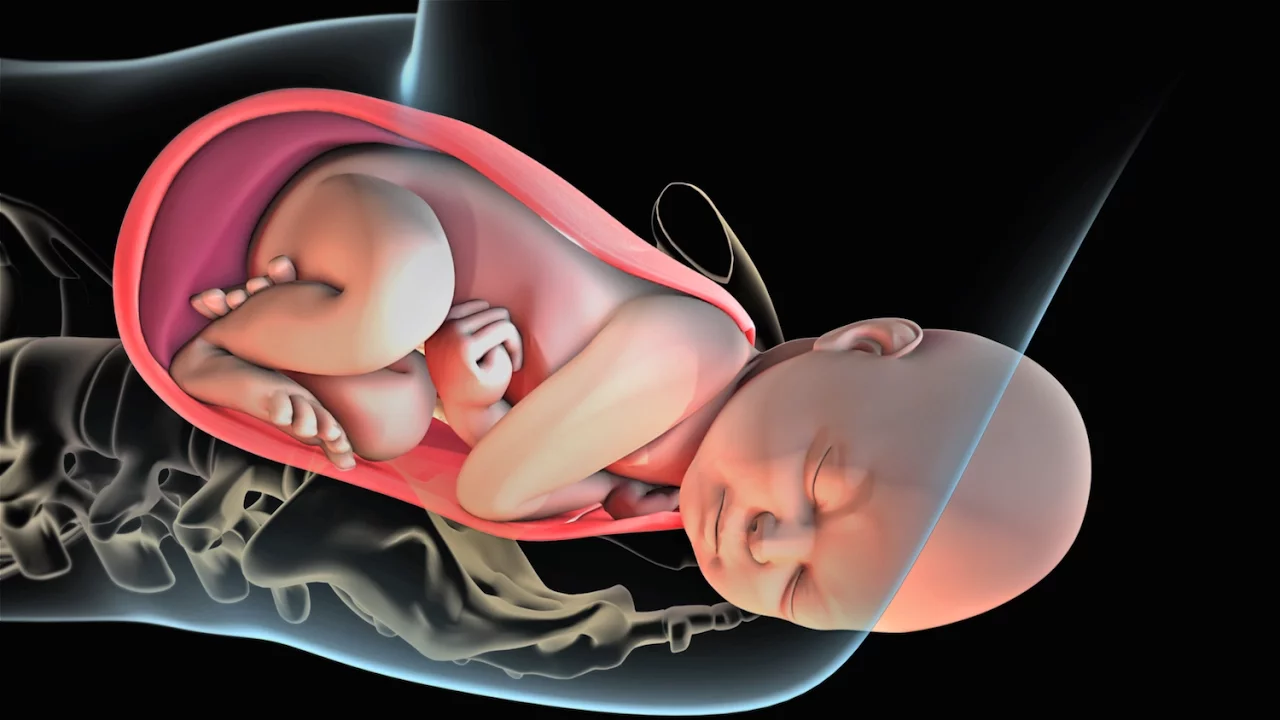
3:05
Stages of Labor and Vaginal Birth | Childbirth Animation
@nucleusmedicalmedia
52.1M views•2017-08-18
Related Study Plans & Knowledge Roadmaps
Structured learning paths in Medicine
medicine
Abnormal LFTs: Diagnostic Workup & Pathology
01Liver Anatomy and Basic Physiology
02Introduction to Liver Function Tests (LFTs)
03Hepatocellular vs. Cholestatic Patterns
+ 3 more learning modules
12h6 modules
Explore Roadmap
medicine
Analyzing Blood Smears: RBC, WBC & Platelets
01Introduction to Blood Components & Smear Preparation
02Normal Morphology of Blood Cells
03Erythrocyte Pathologies & Morphological Variants
+ 2 more learning modules
12h5 modules
Explore Roadmap
medicine
Mechanical Ventilation: Waveforms & Alarms
01Anatomy and Physiology of Breathing
02Introduction to Mechanical Ventilation & Core Modes
03Ventilator Settings and Waveform Interpretation
+ 2 more learning modules
12h5 modules
Explore Roadmap
medicine
Neuro Exam: Localization & Stroke Syndromes
01Foundations of Neuroanatomy and Vascular Supply
02The Neurological Examination: Step-by-Step
03Principles of Neurological Localization
+ 3 more learning modules
18h6 modules
Explore Roadmap