












![Loin D'Hollywood (Ep. 3) [Français]](https://i.ytimg.com/vi/C4rq9TEwJY8/sddefault.jpg?sqp=-oaymwEmCIAFEOAD8quKqQMa8AEB-AH-BIAC4AOKAgwIABABGEQgWShyMA8=&rs=AOn4CLB5CdGj22tCeSiVmikGBXMWqQFa6w)






Cinema serves as a dominant mythic art form in modern society, functioning as an 'affect machine' that provides temporary transcendence through spectacle and narrative, compensating for the deprivations of modern capitalist life; this is exemplified by Murnau's 'The Last Laugh,' which uses sophisticated camera techniques and genre conventions to create emotional resonance while critiquing the alienating effects of industrial capitalism and the commodification of human dignity.
Cinema, Myth & Modernity: Analyzing The Last Laugh | Lecture
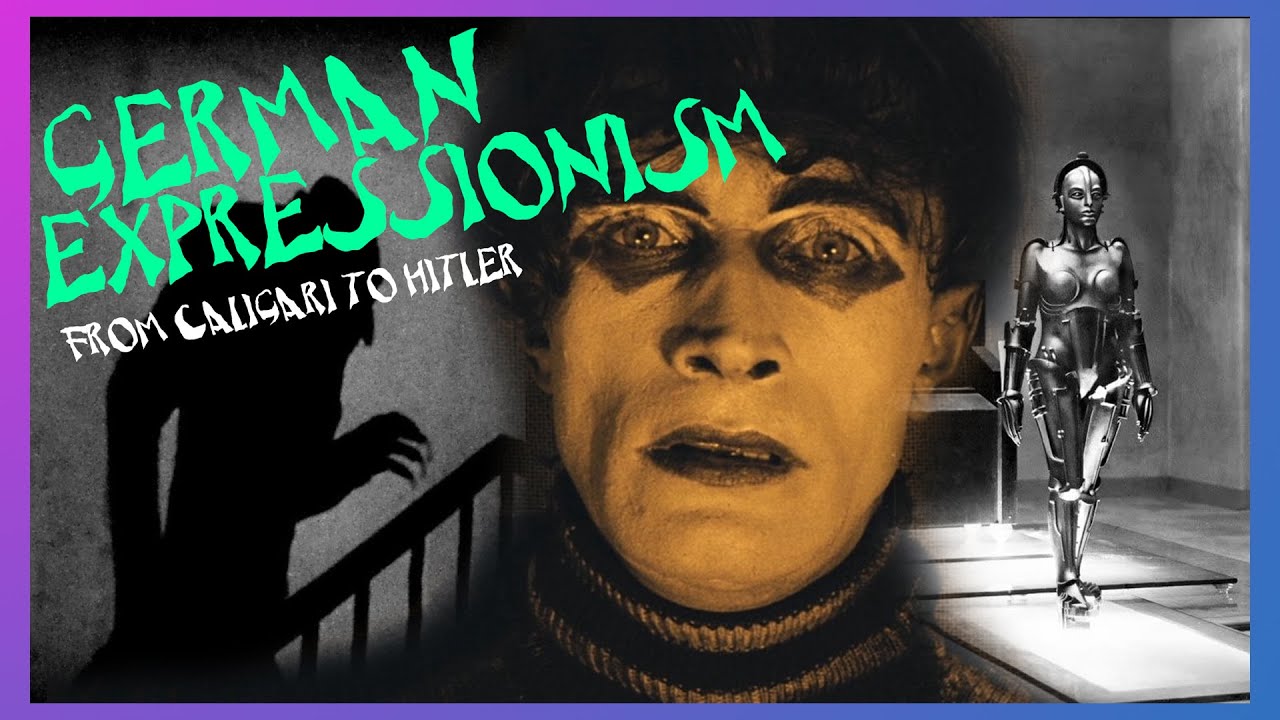
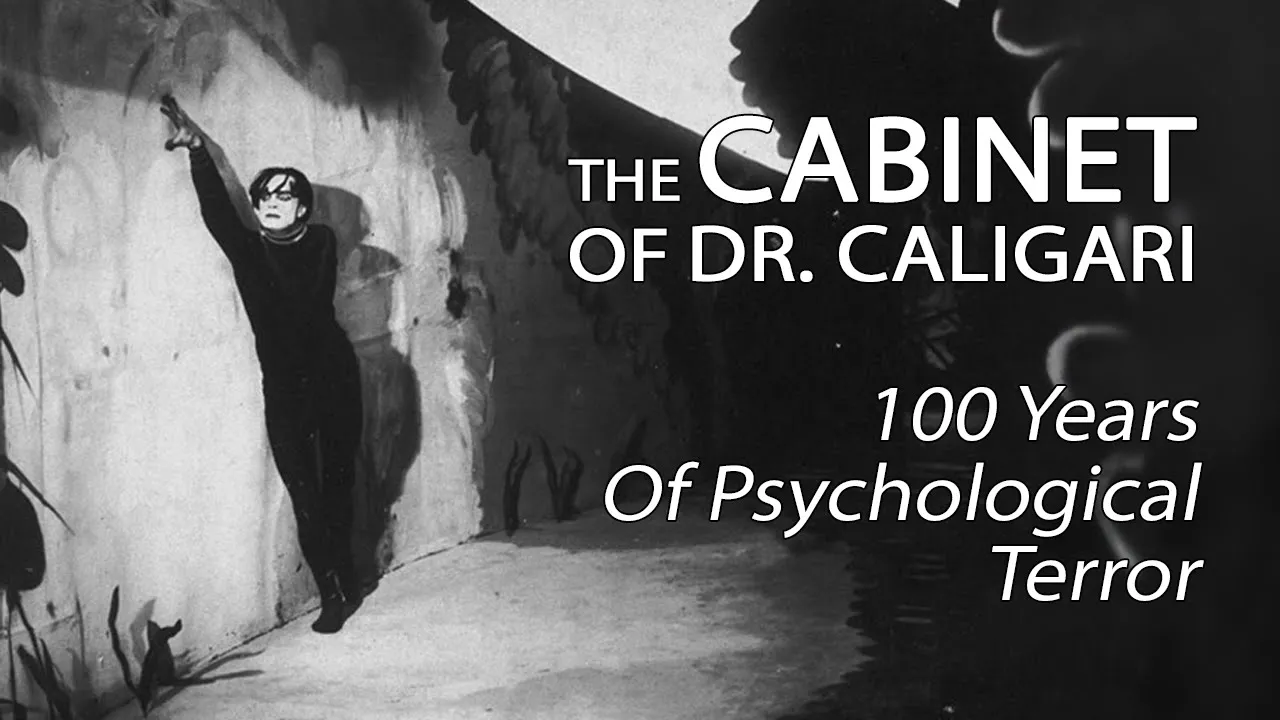
Added:Introduction to Weimar Cinema and German Expressionism, including the stylistic and thematic works of directors like F.W. Murnau, Fritz Lang, and Robert Wiene.
Fundamental concepts of silent film aesthetics, particularly the reliance on visual storytelling, mise-en-scène, and the innovative 'unchained camera' (entfesselte Kamera) technique.
Basic sociological theories of Modernity, focusing on the psychological impacts of urbanization, social stratification, bureaucracy, and alienation in early 20th-century Europe.
Introductory critical theory regarding 'myth' and 'spectacle' as cultural mechanisms of illusion, identity, and social control.
Advanced analysis of F.W. Murnau’s transition to Hollywood and his enduring influence on American cinematography, particularly through his film 'Sunrise: A Song of Two Humans'.
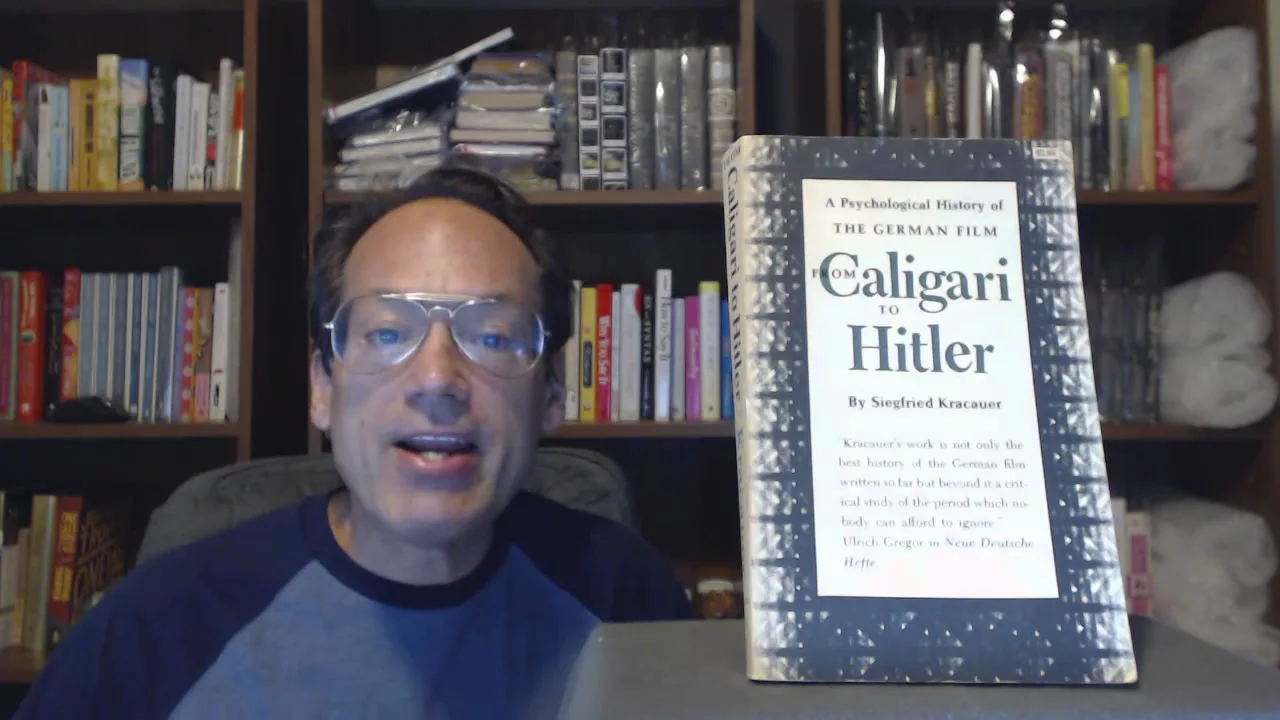
Siegfried Kracauer's psychological history of German cinema ('From Caligari to Hitler') to understand how 'The Last Laugh' reflected the collective subconscious of the Weimar Republic.
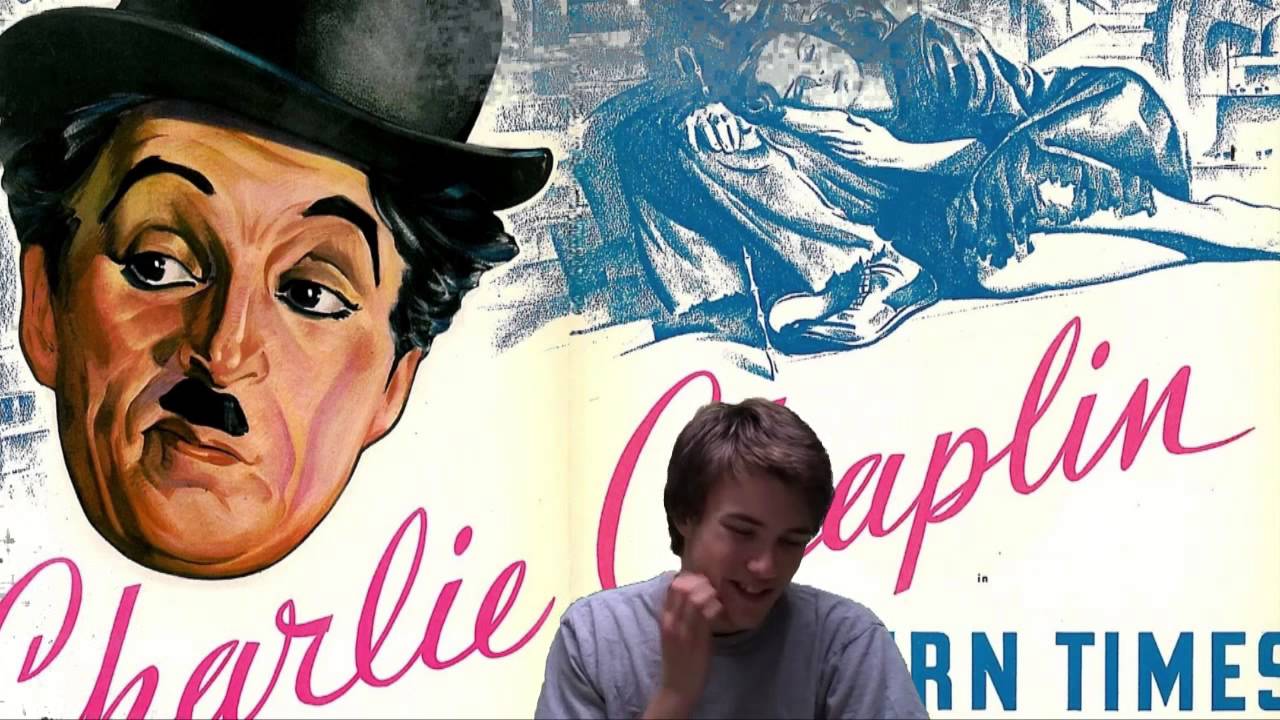
Comparative cinema studies analyzing critiques of industrial modernity across silent-era masterpieces, such as Fritz Lang's 'Metropolis' and Charlie Chaplin's 'Modern Times'.
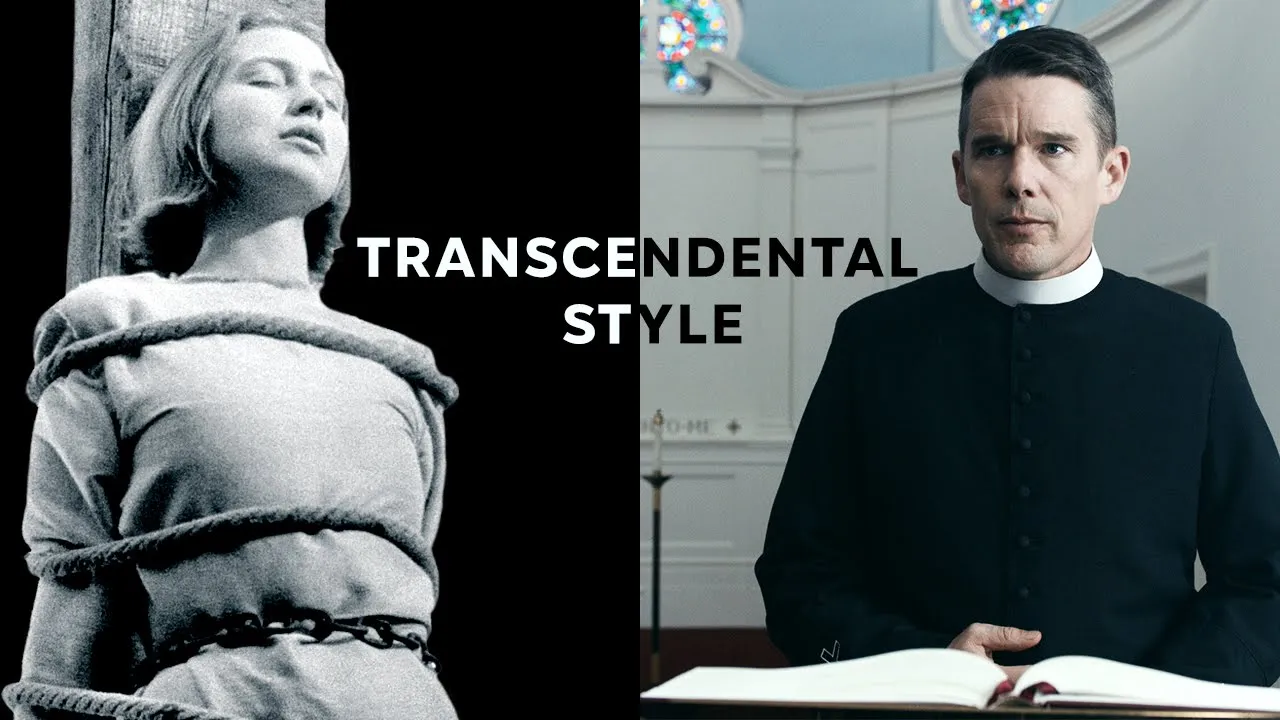
Exploration of the 'Transcendental Style' in film theory, studying how narrative structure, pacing, and visual motifs are used by directors to evoke existential or spiritual transcendence.
560 views11likes1:44:31Original Release: 2020-11-22
okay hi everyone i think i'm live uh i i ran the beginning of this tape well i was fiddling with something so if it was blank for a while don't worry i guess maybe i'll stick that on the announcements so uh let's set the table here i'm going to be lecturing on the last laugh um the silent movie you have the youtube link to a good copy um i also sent you uh stills from the movie and um when you're listening to this lecture and in a minute i'll invite you to pause so you can if you can pull up that uh those still because i i've got the stills here i haven't really figured out how to share them it seems awkward i don't want to screw up the recordings so uh i'll be looking at the stills i'll describe them but if you want to really follow along two ways to follow along one would be to have the youtube video and just every now and when i'm talking about a scene you can run the scene if you want or you can watch the movie again when i'm done talking anything you want to do but basically there's three this lecture has three sources there's me talking to you now on this tape there's me on this tape referring to uh stills where i've also written my notes and then there's the movie itself so there's no set rule of what's best you can pause me watch the movie pause the movie watch me um pause the movie and me and and spend some time with the stills you know just mix and match among those three the advantage of a still shot is it it allows you to see um how did how the director murnow in this case mur and ea you how he's framed the shot that the disadvantage of the still obviously is it's still it's not moving so in cinema studies it's it's productive to go from stills to clips um because if you only do clips things go by fast and and although the clips produce an effect it's hard to it's harder to analyze and study how that effect was achieved um so film is really cinema and now social media and video are the is the dominant art form of our time it's also one of the dominant forms of expression and so painting and literature has been around for centuries um cinema began in 1895 more or less at least as at the beginnings of an entertainment model and it was initially just a novelty the very first uh movie and you can find it on youtube i might even post it it's uh train entering the station by the lumiere brothers it's about it's about 50 seconds long and it's just a regular train regular schedule and there's no actors or anything it just pulls in mission and doors open and people walk out and walk past the camera which uh they don't really take any notice of and that was it and it was a very popular movie it was and because you get to see the train coming around the corner and there's anecdotal stories that people were actually made that made them nervous uh to have the train come toward them so to speak even though they knew they were in a cinema and these were just shadows on the screen but it did show how the suspension of disbelief that you know i'm watching a train not just not shadows uh really worked because they didn't know they thought people would say this is silly i'm just watching light and shadows getting splashed over the screen but people immerse themselves quite readily um and they and then in the lumiere brothers you know there were other movies but not this one sort of caught the eye of people and i think it's because of the way the lumiere brothers found an angle where the train comes in and comes around and it stops and the angle is such that the people get out and then they complete the camera and then they go past the camera so it's really a voyeur's view um it doesn't it doesn't feel like a newsreel where you're just being shown something from a distance so it it seems personal and looking at people uh and it does provoke the voyeur in all of us that that's the safety of watching and looking as you wish in the dark um not not to say it's perverse or some kind of peeping tom thing although that also will get used a little bit but uh boy you're in the fullest sense of the word the safety of watching others where you when you yourself are not being watched um because if there's a close-up uh a famous close-up thomas edison where uh no it was the great train robbery uh 1909 where the bad guy turns with a gun and fires it right into the audience um and that also startled people not least of all because it broke what's called the fourth wall you know you have the three walls when you're watching a scene in a room and if an actor turns out looks into the camera and says what do you think you suddenly you it breaks it also breaks the suspension of disbelief you don't believe you're in a bar somewhere anymore watching two people have a conversation you're suddenly like oh yeah i'm watching a movie and there's a camera and this guy's talking to the camera so usually the fourth wall is not broken but there are ways of making you feel suspense making you feel watched in a way uh hitchcock was a master at this and what he liked he liked to work with the differential between what the character on screen knows and what you know and some time most of the time with hitchcock he you know a bit more than the character so you can see dangers that they don't um famous example in psycho where where one of the the sister trying to find out what happened to her sister has gone into the old house thinking that the only person there is an old lady with a super old lady at the wood but we it's actually a serial killer who dresses up as his mother as part of his psychosis and and that he's he actually has killed her sister and could and might well kill her too so she's not that worried we're terrified and in the audience we're like and there are stories of people shouting at the screen like don't go in there don't go in there um and we're terrified of some what's gonna come lurching around the corner so that's that's an example where you feel um what the the word we use is sutured you know when you when you get a cut on your finger that goes a bit deep and you need a couple stitches that's called suturing so think of the screen it's one part of your cut and you is the other part of your cut and if it's too deep uh then you need to take stitches and bring the two pieces of skin together so they can heal so the way that works in movies you know the movie actually happens between the screen and you i mean something happens on screen something happens in you and the third the the sum total of that which is greater than the sum of its parts happens in between the screen and you so obviously a movie that's simply screened and no one's there on a certain level doesn't happen and if you're just there looking at a black screen nothing happens you stay with your own thoughts but when you watch a movie the movie uh affects you and then that the way that it affects you further affects how you watch the movie so that's why directors are so important and why great directors are sought after that their their works are sought after and uh because they know how to use that space so well and then in that sense they're like it's like poetry uh think of the images as words and think of one image next to another image as provoking a metaphor so if he ate says what rough beast his hour come round at last slouches toward bethlehem uh to be born that image of a beast slouching and so on it is evoked and it's not in any single word that yates used it's it's some total of words he uses the word rough and uses the word beast and he uses the word slouched and all of them are important each word adds to the vividness and the tonality of the image and uh so great vectors are like that too but you want to ask yourself when you're analyzing is always images are like word joists and in a shot in the is is a word choice so a close-up is like a word choice why did the director do a close-up why didn't he shoot it from far away or reverse the question why did he shoot it uh why did he shoot it far away and why not a close-up and roughly speaking at the time the last laugh was groundbreaking in that it had but used one title card it's an hour and 20 minutes i think um and title cards these are silent movies obviously so don't turn up to sound okay you're not going to hear them um and title cards were used but they're and they they can be somewhat effective but they're usually also a little intrusive like you the directors don't love cutting to a title card where the woman says uh how dare you um presume i'm a married woman let's say and and that's the scene but they have to cut to the title card so that you know what she's saying and it as opposed to you know my husband at home why don't you come in it would be very different title cards and in a lot of the movies you kind of tell not so much even lip reading although once in a while you can tell if it's if they're shouting something but uh you could probably tell whether a married woman is inviting a lover into the bedroom or is outraged that a man thinks he has the right to enter when she's a married woman so two completely different scenes and then the body language will convey that so you you can keep you try and keep title cards to a minimum but what mourinho did is he he made the camera mobile he's he was the first one to uh and the cameras were pretty heavy they were very heavy in 1895.
this is 1925 and in those 30 years uh some new cameras um either still quite heavy like it'd be hard for a single person to pick up even the the smaller cameras but mourinho did things like he put it on a dolly uh and these are now we call them zoom shots because it's done with lenses you just turn the lens and then i mean not a close-up but they had to literally push the camera forward into the face of the actor to get a close-up they couldn't do it with lenses so they literally called it a dolly shot because they had it on the camera was on a dock and sometimes they call it attracting shot because they actually use tracks um you know like like what we have on spadina with the trolleys where they they can they could roll the camera forward and this film had become more sensitive uh to to the light so they were increasingly able to go into the studio and they weren't it wasn't the only um available light that they could use and we saw that with dr caligari that that was done entirely in the studio uh last laugh is a combination there's some indoor shots that are studio and then there's lots of shots of the city and there's still that sense of uh found footage in a way like there's a lot of shots of the city where clearly not everybody in that shot is aware that this is a movie or they're being filmed it's a busy uh intersection and people are crossing and cars are going by they're not all extras they're not that's not all designed and then the actor will wander out um and there may be some extras in some scenes i mean the people who live in the village are are acting in in that scene um so there's let me let me set it up a little bit more why you know why are movies such a dominant form and when i say movies in cinema i i know that you know nowadays um there's streaming and movies are so available you can watch them on your phone um although it's not i don't think it's as fun we have such a tiny screen i think the big screen definitely makes a difference and a lot of great directors are very aware that this is a big screen so it's their canvas and uh so especially with older movies or like say a kubrick's 2001 or or the shining for that matter anything by cooper clockwork orange uh you didn't it's you don't get the full experience uh you're in a in full-on scene and also the dolby sound i mean sounds getting better and home theaters are getting better um so we're getting close to duplicating something like a systematic experience and i'm i'm old enough to to really love movie theaters and and the whole thing of going to the movies and getting popcorn whether it's with my wife of you know 20 years or or what i can remember of dates or even going with my buddies after uh track meet you know we would get we would eat pizza and soda and go watch the movie houses back then they only had one film they weren't multiplexes uh so sometimes it got a little tedious because they kept the sound of music there for like a year until we were like change the damn movie um and so there wasn't in as many movies now there's 5 000 channels and each one of them has 5 000 things and you know 70 percent of it's not great 20 is good 5 great something like that but uh so you're surrounded by all this but but um you have to appreciate that in seeing the last laugh you would go into a single movie house um it would there be a projector in the back the beam of light shining that you could see and then i feel if you were to turn your head and then there'd be the screen and they i think they used to allow smoking in in movie theaters not in my time but in the early early days so sometimes if you look back you could see the smoke going up through the the beam of light so there was a whole atmosphere then you were in the dark uh with other than whoever you came with you were in the dark with complete strangers who just happened to get a ticket so there was a strange it wasn't totally it's not totally unlike a church in the sense that you don't necessarily know everyone in your church or your congregation or your temple or mosque but you don't need to i mean you still feel collected collective even if you've never seen them before because they're you're in the mosque they're in the mosque or the church and so right you have that in common and uh it's easier you can strike a conversation after a mass or a ritual without so much trepidation because if nothing else you you're all there to worship or to perform you know a ritual not an addiction but a ritual that's trying to help you see how you're doing see how you're doing in your own life and and in the lives of those people you care about and they're doing the same thing so uh it's not quite the same in the movies but i think movies they were built like almost churches if you look at you wouldn't know that now i mean cineplexes now half the time now look like gigantic trailers uh trailer houses some of the better ones have a little mystique and there's a couple old ones still one on bloor that shows documentaries a lot that give you just a vague idea one on queen street uh sort of queen and paid me a little further east they're pretty cool that one's a little run down if i had some money i would help them refurbish it i mean i have some money but i don't know i have enough for that um and movie theaters the covet is dealing is just may give them a bit of a death blow i'm afraid as far as because even the studios are trying to figure out ways to deliver i guess mulan has already the live action mulan uh was seemed pretty expensive but they streamed it you know it's never been in the theater it would have been still the blockbusters still pull people into the theater the superhero movies especially where the sound actually is a huge part of it the sound effects um and the spectacle very spectacular but whether the stories stick with you or not the the imagery is uh is and i'm going to be talking about spectacle because uh a spectacle is different than an image even though a spectacle is an image a spectacle is using imagery to promote a sense of transcendence this is where movies are going to be important because the whole class will even talk about the loss of transcendental certitude cinema is not going to restore transcendental certitude but it can evoke a feeling of transcendence that in the sense of being carried away by the movie you know so you cry you scream or you feel you know you really hate a character or you really love a character or you really you hope for the best for a character or you want to see a character get what they deserve because they've been bad to other people all those things mimic transcendence for the for the two hours of the movie or the hour and a half of the movie that that immersion it feels like a transcendence and it doesn't it doesn't last beyond the movie really um although it can a little just in the sense of wow i love that movie that was a great movie you take you take it into your day or even your week and uh maybe you know you see what you saw with or you can just see other people who happen to see it like that wasn't that amazing i loved that scene where such and such happened and i don't know how they did that but that that incredible you know they jumped from one building to another or that moment when she found the letter and realized that she'd been a lie all along you know these are these are transcendent moments they they're not religious and they're not particularly speaking spiritual but think of cinema as an affect machine it's a very strange art form because it requires a machine um painting doesn't require a machine i mean you can and you can type your novel on microsoft but it you can also use a pencil uh as as many people did before so uh and you can and of course graphic art is a thing now so you can use machines to do art you can use machines to help you type your novel you need as graphic novels which is some combination but the machine isn't central to the aesthetic to the way that the art form is delivered without a movie without some kind of machine there's no movie um and we've got from movie projectors to dvds uh most many of the projectors in regular cinemas now are are digital um and uh so they're not strictly speaking projectors anymore but there's it's still machinery and then you still need some kind of light source to shine through whether it's pixels or light coming through film that's been exposed um and of course there were there were no in the silent movies went up to about 1929 and then they slowly started to switch over into sound 1930 1931 a little creaky for a while and the theaters had to retrofit because they weren't set up for everything had to change it it was quite a even the way they filmed they had to have suddenly you have to have microphones uh and if you've seen singing in the rain it's a 1950s in technicolor musical about the early days of cinema which is uh i mean it's done for fun and with songs but uh you'll get a sense of how the studios were a little bit of an uproar and many of the top silent stars either barely spoke english or spoken with a heavy accent and most of them were unable to translate into sound because no one wanted to hear a thick russian accent or german accent they they just lost work they had got you know they were very expressive and the silent film stars uh are very good with expression and there's a famous movie called sunset boulevard um directed by billy wilder from 1950 about an aging silent movie star who's kind of crazy and i don't do any spoilers because it's a great i'll try to do this for it's a really good movie if you ever get a chance uh but the scene there's one scene in particular where where she's gotten a little crazy and she can't you know she lost her career years so um and she's trying to plan a comeback and it's all in her head it's pretty delusional but this screenwriter is playing along because she has a lot of money um and pays him a lot he doesn't think this he has no delusions that this movie will ever go anywhere but meanwhile he's getting paid so uh but there's just to see what checks she likes to sh she has a cinema theater in her house and she likes to project over her own old movies and there's a scene where this would be a close-up and gloria swanson who was a silent movie star actually stars in sunset boulevard as the crazy former silent movie star and she wasn't crazy but she was in fact so they actually have her his wife in what was well as a silent movie from the 20s and there's a beautiful close-up and uh she said look at that um we didn't we didn't need sound we had faces and it's it's a great remark just like we told the story with our face and there's a real myth out there that um that you know immediately as soon as cinema had sound any movie the sound was better than every movie ever made that's silent and that's so untrue and i i hope you can appreciate that with the last laugh which is uh it can hold its own with any movie in the last 100 years because one of the advantages of silent movies and this may have helped cinema develop as an art form is you had to tell the story with images or try to as much as possible so the old edictive don't tell show was crucial in in silent movies because no one wants to go watch title cards you know one after another telling a story you can just read that you don't think there's no there's no fun in that so the last laugh was the first uh movie to tell the entire story with um with cuts edits close-ups and they put the but they they put the camera in a bicycle at one point in the scene where uh where the doorman is drunk uh and everything is kind of swirling around there's literally a man riding a bicycle around in a circle with the camera in the basket so and then this was you had to be incredibly inventive because they didn't have the kind of lenses that they would have now um so you couldn't zoom and and they didn't have special effects the way we understand them in the studio they didn't have green green shots you know nothing that none of that sort of thing that star wars uh took such advantage of with all the safer lightsaber fights and things like that they really didn't have that they just had they learned to cut film and splice it together again so they could make people appear and disappear um and things like that but some of the camera shots in the last laptop were were and really far kind of extraordinary um and also the way mono puts together his tracking shots often his tracking shots because a tracking shot is one where the camera is following someone while they're walking down the sidewalk a a zoom or dolly shot is where the camera goes straight in in into the close-up a pull-away shot is where it starts in close-up and pulls slowly back to show you more and more this can be suspended too because in horror movies you know it's a you can pull back the camera and at a certain point you can see that the killer is hiding behind the drapes uh and you didn't you didn't know that either because the camera was in the guy's face and so now you're terrified because now you know where the killer is and this guy doesn't but a moment ago and you didn't either um and we all know about pop-out scenes in horror movies which are typically seen as a little bit low rent and too easy that everyone everyone startled if something just jumps into screen but it does show how the screen itself what's on screen what's off screen is is always operative and you remember in dubliners i was telling you how much uh joyce james joyce likes to use this sense of a present absence like in the sisters what's wrong with father flynn that that's and cinema can't help but do that all the time so cinema is it's and joyce learned i think a bit from cinema uh and but but no matter what you're looking at in cinema you're not seeing everything um and it's what i call imaginary plenitude so we you know in a movie you get immersed in it and you start to feel like um that you're the warrior and you're seeing all that there's worth there is to see um but that's not an imaginary planet so it feels reassuring like you're in charge you're sitting in the dark and you kind of think that the director's choices are your choices like you want you decided to take a close look at this guy's face and you decided to pull out and see the whole city and i mean you know you didn't actually but you just you trust the director on a certain level that that the next cut he did is the cut that you would have done or need to do and there's some truth to that but again it's choice so in addition to asking why a close-up why a tracking shot also ask yourself what's what's on screen what's not um what enters the screen what leaves the screen uh and then another common technique that griffith developed american director that's used all the time is called parallel editing and that's that's quite simply where you show a house that's burning in a woman who's caught in the upstairs and then you show a fire station with the men jumping onto the truck and then you go back cut to the house cut our truck now the fire trucks on the road cut to the house cut to the fire truck is it will it get there in time will it get in time and that suspends and we understand that both things are happening simultaneously we understand that every time we're watching the fire truck race toward the house the house is still burning and every time we're watching the house burn we know the fire truck is still racing toward the house so we've got to double consciousness otherwise it wouldn't work we'd just be like oh my god i don't want to watch a woman burn to death so i'm out of here why am i watching a stupid truck drive down the road all day so you have the parallel editing creates a third feeling it's not in either shot like a a fire truck just going down the road isn't that all that suspenseful house burning is is is dreadful but not necessarily suspenseful um if you don't know that they're that a fire truck may or may not get there in time and typically they would um because movies were trying to be entertaining um prohibition actually helped cinema in america because the all the bars closed down because liquor was illegal and a bar was not not too hard to retrofit into a movie studio because they were long and so they would make a small theater they would buy the bar for next to nothing uh because of everyone the liquors all gone underground and just speakeasies and and then they'd have a little theater 20 30 people and then they could still make a dollar it kind of reminds me of the way people are scrambling right now because we don't have prohibition we have coated and and so take out places restaurants take out places are trying to figure out how can they convert more to take over we've got another lock down sorry guys let's get through this together for 28 days i i have a feeling it's probably good for us but it's like the worst vegetables ever you know like horrible broccoli like nobody wants to eat it i don't want to eat it but i'm don't want go with just rage on and on forever so maybe we should but but i've been doing more take out i've been trying to support i live on near the danforth which is a nice area it has a lot of family-owned things and that's hard you know they're not so worried about tim morton's although even there look their franchises are often locally owned so real people are have their livelihoods um even though it is a giant it's a big corporation they have a little more leeway because denmark has enough money to keep paying rent as a corporation um whereas a fully family-owned business uh then they have to come to terms with the landlord i haven't hopefully the landlords will understand that they can't expect the same rent return right now so if everybody tries to look out for people and not just say i don't care covet or no covert then then the business will have to leave because it can't pay that rent with no business anyway sorry for that aside but i like to keep things topical and remind you that uh 1900 and 2020 aren't you know just on different planets that's that was the point of an extra credit which i'm enjoying reading by the way and i am putting comments on it when i can and on that extra credit of watching the movie um blood in the mobile and i would i i'd urge you to read the comments certainly obviously if it's your comment because what i'm i'll tell you what i'm doing mostly is i'm taking the best sentence or two out of your out of what you wrote and i'm and then in the reply i'm i'm posting your sentence and then give making a brief note and what i'm really saying is so this could help you to study for the final whether whether you wrote it or not when you're reading what i pasted into the reply you're reading what i think is a strong sentence or two um and uh and then usually i try in my comment to indicate why i liked the connection that the writer made so it's it's kind of a workshop for for a good answer to the final not so much the journal but definitely the final um and i so i'd encourage you to read through some of them and even if you don't read the entire student reply for whatever reason um i mean post go down to the reply and i will have pulled out a sentence i like and made a comment so i think it's worth your time it's just fun it's brows and whether you whether you post or not it still could help you uh and i think watching blood and the mobile would help you too um see the topicality of that uh heart of darkness and and um mining for cobalt in the congo uh is shockingly similar with some you know interesting differences which some of you guys are pointing out too and that that's the whole point of the final is what's similar about these quotes and how is their emphasis different so look look thinking of heart of darkness and blood in the mobile obviously they're incredibly different and they're remarkably similar and exploring that is exactly the dynamic that you bring to bear on the on the final exam uh okay um so what i'm going to do i put up a file and i'm looking at it right now but i don't know how to share the screen so you if you want you can have it on hand and you can always pause me and and look at it and come back to me uh the first still i put on this is a still of the of the suitcase in the rain so the first scene um is about 10 minutes long or maybe and it's a very busy hotel called the atlantic it has a revolving door which becomes a tremendous metaphor and a lot of that is in my notes but the revolving door is a modern invention um doors used to open in and out so the fact of the revolving door is showing us how modernity is accelerating um more people can get in and out of that hotel and in and out of department stores so hotels and department stores um and are the biggest uh venues that would use revolving doors and still do if you go downtown here um and it's it's just an interesting metaphor because people are coming in to buy and they're leaving with what they bought and it's accelerating consumption so it's a it's a great metaphor that renault makes a huge uh bit one of one of the special effects later is it when the doorman's drunk there's everybody he did you're seeing inside his mind and there's just a revolving door and he's standing but the first scene is it sets up the the rest of the movie um because uh well yeah well i'm probably the first sort of three scenes but in scene one we see that the doorman is going he's put in a position where he's gonna lose his job in scene and that he loves his uniform and it's it's very grand in scene two we see how much the village the villagers where he live lives worship the uniform and they wait for him and he seems to he's a spectacle this is how a spectacle works it seems to unify like we have this hotel it's super busy and the doorman is actually ornamentally speaking the doorman is important because and the uniform is pretty almost gaudy but it it stands for the hotel so if the hotel is confusing the doorman isn't it's kind of it's supposed to work who needs a doorman with a revolving door that he's already excessive um and there's a boy who just his job all day long is just pull on the on the on the bar so that the guests can go out even more easily and he looks like a machine so it's in how the machines make the workers mechanical the doorman though is is ornamental he's not supposed to he doesn't even he's not working the door there is no the kid is and anyway it's a revolving door so he's supposed to he blows his whistle a lot he's like a traffic cop and the occasion is it if it comes to that uh and if it's very busy and it's rainy then he can grab a bag too and he what's interesting is is he's he's clearly older and and he knows it that's what's so interesting but like uh the still and that i have in this this thing i posted for you is you have this giant close-up of a giant suitcase on top of the car and mourinho has lit it from above so that it glows um but it makes it kind of makes it look sinister so it doesn't look like the object it looks like something dangerous and it is because uh he's too old to really move a suitcase like that and clearly he's been able to avoid trying like typically the younger people are doing it and so nobody would really notice um and you can see that he he's very reluctant to even go attempt the suit because he blows his whistle and he looks frantically left and right and he blows it and blows it and he blows the whistle and and the guy on top of the car it's like let's go i mean i'm just pouring rain and i gotta get uh i gotta i'm a taxi i gotta get out of here so he finally feels like this he has no choice so he does it and he even does manage it and he staggers into the hotel with this gigantic suitcase on his back but it's exhausting and he actually looks like he even hurt himself a little like pulled a small muscle so he's not thinking a whole lot about it he he collapses in a chair to catch his breath but then we see the the kind of cold efficiency of of bureaucracy uh because there's a manager and he looks he helps somebody out he looks around he can't spine the doormat and so that's a problem the hotel has to have a doorman in front of it he looks around for the doorman and when he sees the doorman kind of in the chair trying to recover he takes out the pad and the pencil and he starts writing in it and meanwhile the boy has brought him a glass of water or something and there's a there's a deliberate contrast between the managers who basically now is seeing this doorman as a faulty socket or um a light bulb that's that's dimming but what do you do with that when a light bulb starts blinking and then is about to burn out you you unscrew the light bulb you throw it out and you screw in a new light bulb and that's i've said i think i've said this in other lectures that's one of the problems with the 20th 21st century is with the increase of the pepsi myths particularly the myth of efficiency people are disposable because it's more efficient to just get rid of the older guy and get a new guy and this 1925 this is the weimar republic this is germany in between the two wars hitler is in jail right now writing mind conf how he got arrested for an attempted coup mein kampf is going to become a bestseller it was going to become a dictator world war ii would break out in 1939 so that's 14 years from now this is the same 1925 is when mrs dalloway has said but that was in london they won the first world war this is in berlin or look i don't think they identified as berlin but it is and and uh things are not the same germany had runaway inflation even though you see wealthy people here they these are one percenters maybe even point five percent or say there was there was a very very thin layer of wealth and then and then you know kind of crushing there's virtually no middle class because the inflation uh they kept printing money to try and deal with having to pay war reparations to everybody they lost to and uh after a while you literally needed a suitcase of cash to do any kind of grocery shopping and so then there was a black market it was so it was really a mess and the place was rife for somebody to come in like hitler blame the jews for for the economy insisted we really hadn't lost the war just like trump says he hasn't lost the election um and that gave people pride again that kind of denial um i mean obviously there's no recount about whether whether germany lost the war or not like what we're going through right now or what the u.s is but he said that we were sold out that the army wasn't in that bad a shape it could have fought on but the jewish industrialists financiers had made enough money and this was the story um in fact the german army was depleted and when when the us entered the war with three million people three million soldiers says they couldn't hold up uh england and france were able to to regroup um and they served so they just surrendered in the trenches and everybody slogged back home uh so that's the that's the atmosphere behind this movie and so partly we're seeing why fascism is and mourinho couldn't have predicted hitler really although he would have read about hitler because he just had a trial um where he was put in jail and uh the man's not a fascist what what's interesting is how people are desperate for a feeling of transcendence to find something above them something other that the religion is still in retreat uh and so that the uniform is is sacred it's like a chalice or something and that's also why they'll be so brutal to him when when he gets fired gets replaced by a younger man they take his uniform they give him a job in the basement and basement washroom um and the villagers really turn on him because he steals his uniform and so he can go back home in hopes that nobody will notice that nobody will know he doesn't actually work as a doorman anymore he can just appear in the doorman which is kind of how propaganda works it persuades you that something is substantial when in fact it's just a spectacle we've seen a lot of spectacle in politics um you know speeches at mount rushmore and uh at the lincoln memorial and the spectacle is impressive but the substance is pretty much absent uh so much then that's the power of spectacle is it feels important even when there's nothing there that's particularly valuable even the half the halftime ceremony now sometimes those musicians are quite talented obviously springsteen or beyonce um but it's a tremendous amount of spectacle and it's lasts only like 20 minutes and it's a marvel of machinery that they're able to get beyonce out there and and she can dance and have her stage and then it's all gone again so they can play the second half of the football game and i think part part of the spectacle is the apparatus it's just kind of i mean nancy is great obviously but just watching them put together everything that that she needs to bring her her spectacle and i don't mean that people who do spectacles are all one of talent she's she does and and so directors but with politicians often and hitler was good at staging spectacles the nuremberg trials and so enough trials that was after the war the nuremberg rallies and the trump rallies are are high spectacle um whether whether kind of the the emotion is not based in you know policy discussion and that's an easier thing to get caught up in um and simple things like lock her up or lock him up and drain the swamp you know reducing things to slogans uh kyle hitler obviously ziggy heil was uh and and then you know putting the hand up like that in in unison that that respect and doing things in unison uh looks efficient and efficiency looks powerful and strong but it it breeds a contempt for the week quote unquote because he's a doorman you know there's no retirement party there's no pension there's no health plan that i can see um he's not so different than those well he's quite different actually but marlowe noticed that the slaves not the slaves but the the natives in the congo were replaceable it's easier to work them to death than take any care of their health because there was enough of them so they were just thrown out like like burned out light bulbs and to a degree uh the doorman is also um disposed of uh worked until he can't work and then thrown down into the washroom which they present to him as a big favor like you because he worked for so many years we're gonna let you clean the bathroom in the basement that's his you know retirement plan i'm hoping for a better retirement plan i think i've got one um i'll you know i'll clean my own bathroom but you know you have a uft has a pension i've been paying into it for 27 years or something like that so when this old doorman can't pull the suitcase off of the car anymore whatever the equivalent of that is um i'm not going to be banished to some you know job in out of sight um and then there's ohip and and so on so i'll be fine but that's not this is a very precarious economy and uh and still is and i'm lucky i mean i have a lot more security than lots of people in this economy um especially again especially in the u.s no you know national health care the lot there's not much of a safety net there's there's better safety net in canada i've lived in both countries lived in the us for my first 30 years and here my my subsequent 30 years so i've gotten i know both cultures and i'm dual citizen too lately identifying a little more as canadian than an american though i i maybe i'll soften that if if uh well biden win i just want i'm hoping that he gets the senate so he can actually do more and get this damn vaccine out but anyway um so the you know mourinho sets this up this is where cinema can be kind of powerful because even before you know what's going to happen there's something about the way he shoots this suitcase that draws your eye to it it's it makes you kind of nervous like why you know this gets to choice why does morneau spend so long and a close-up and and why why is this suitcase literally glowing um and that didn't that wasn't just you know oh i don't know i guess the light i mean he had spotlights that were hung above it that are that are not on it took a lot of time he had a crane um so you know he worked for this shot and the weird thing about cinema is it tends to hide the apparatus so that you can stay immersed it so you're not going to show the crane and show the light shining on the suitcase sometimes avant-garde directors like to show the apparatus they make movies about movies and let's talk a little bit about that when i get to charlie chaplin and uh modern times um movies are also you know i've told you that the great myth of of modernity is that it's a time without myths and then i gave you the pepsi myths and uh synonym our most mythic art form right now because which is and religions have done this for a long time you know i can't speak for all religions with with much clarity but certainly catholicism which i grew up in in christianity generally the stained glass window um is like it's like a still from a movie and in the church i went to as a child there's something called the twelve stations of the cross uh which is when jesus was crucified he was given a heavy wooden cross that he had that he himself had to carry all the way to the top of calvary hill where he would be crucified with two two thieves that happened to get caught up at the same time and there are 12 moments like there's a moment where a woman steps forward and wipes the sweat from his brow and that's one station at the cross and then there are prayers to go with each state um so from the beginning to the top of the hill to when he finally says father forgive them for they know not what they do um into your spirit into your hands i commend my spirit this is the last words of christ and then uh and then the the presumably mortal um part of christ dies and three days later according to easter and ritual he's resurrected and ascends into heaven as that's one religion so but as a kid there were 12 stained glass windows in the church and they went all the way around the church and each one depicted one of the 12 stations of the cross so that theoretically you know if i turn my head quickly i was watching a movie um and so the religion certainly the religion i grew up in a lot of others they use images a lot and they use that they like to use imagery some i mean painting if you go to the renaissance it's like all they ever painted um was mary virgin mary and the baby jesus and uh moses and the three wise men and and so on so painting was really really important michelangelo of course painted the sistine chapel and the famous uh moment where god's fingers reaching down to touch adams uh so these these were transcendent i mean these kind of like movies will be this is another connection to religion is is it the churches mosques uh and i've been in mosques i've been in uh temples and i've you know the architecture can be somewhat different but the the attempt to promote the possibility of transcendence is it seems to be a part of any religious architecture that i've seen um the cathedral of notre dame uh for instance you know the the buttressed ceilings it seemed to go heavenward the uh the cool stone beautiful stone steps the wooden pews everything is the first thing is it shuts out time as as as a temporal structure and promotes time as as infinite so sometimes when you walk into a church and the door big giant heavy door shuts behind you you can you can literally feel the switch from uh oh it's to 215 i better get my drive being before they close to wait this time there is no such thing as time and we're all it's it's there's infinity um and there's mortality and there are all these people before me and there'll be all these people after me and so what do i think of all that and then you're in a then you're in a you've taken you've stepped out of modernity uh into a into a respite i suppose uh where you can where you can pray and meditate and go to confession in the catholic uh faith and you know traditions in islam like praying in the direction of mecca at certain times of the day that that's a way to just produce that just touch that for a moment then you you know get up and go to your zoom class uh and and so on uh punctuate your day with reminders that yeah this temporal this is a temporal secular world and i'm a part of it and i'm that's not all so there are different ways of attempting transcendence in the middle of the day of course advertising takes advantage of that particularly with the soda commercial so um you know have a coke um join the pepsi generation and then they'll show somebody drinking and they're really trying to depict it as a as you know praying toward mecca or uh stepping in to see into the stained glass windows to to say a prayer it's like the soda the taste of the soda the fact that the soda is presented as giving you a sacred pause um and a communal pause but it's that's just the advertising it's just so it's just carbonated water um there's nothing sacred about it uh it's the way it's advertised and even the slogan coke is it is actually you know in the old testament god is at one point says i am the alpha and the omega i have no beginning and i have no end and this is often you'll have to substitute your own knowledge of a higher being a yahweh or uh allah whatever it might be but but one thing that the almighty god tends to embody there's no beginning and no end um and so the slogan of focus coke is it so coke is it what's it coke what's coke it the alpha and the omega no no beginning no end and it's a circle and it's depicted a circle this slogan of coca-cola so coca-cola is actually saying that it's god uh coke is it i am the one true god the alpha and the omega i have no beginning and i have no end and but you're the can of coke in your hand is not saying you're not being told the can of coke in your hand is god you're holding god in your hand what you're saying is coke is it and you're holding some of it so drinking a coke is like going to communion or whatever your equivalent ritual might be where you participate in in the transcendent uh by buying your coke and of course every coke is the same as every other coke so you're drinking the same coca-cola as as taylor swift or you know justin bieber or uh trump who likes apparently likes diet pepsi um and it's it's the same can you can't buy a better can of coca-cola than uh than jeff bezos you can buy the whole you can buy the whole damn company and still gonna have the same can of coke that you have and so that that makes it feel communal and that's one of the ways that mass production can also promote descendants because millions millions and millions of the same thing are produced and your iphone 6 is the same as everyone else's iphone 6.
and that's why moving up to an iphone 7 or 8 or i guess soon maybe 12 uh feels like a miracle or um like your faith has uh that's gone up a notch somehow and apple's stores uh with their not stained glass windows but they tend to be made out of glass and they often have the ones the flagship stores at least the ones in new york and elsewhere that i've seen have a cathedral-like atmosphere but it's not it's not quiet it's it's a cathedral to modernity i mean there's the genius there's people who walk right up to you with their little walkie-talkies or whatever they have and they punch buttons and tell you how long the weight will be and and it's incredibly efficient but i always feel like i've stepped to do the cogs of a machine and i'm just moved along holding my poor little laptop which has somehow lost faith with the internet um so uh and in the hotel in this movie called the atlantic it does it's super busy and and kind of noisy and it's a hub that's so so it's always things like the department store but it's a hub of modernity opposite of the church um and yet it's still trying to achieve transcendence um and make people feel special if they have money and that's going to be the great joke of the movie if you want to call it that that when once this once the doorman has been as humiliated as he possibly can be once the village people too have rejected him because he was unworthy of the uniform they want to continue to worship and they felt betrayed by him because he wasn't the uniform and he was a fake and a fraud and that means that he tripped them in and that they were looking at a symbol of transcendence that wasn't transcended so when so they ate him they would respond to a uniform again i mean the nazis were very big on uniforms the stormtroopers and the ss had stunning uniforms leather and and very imposing and spent enormous time having those uniforms designed so morocco couldn't have known that exactly but he does kind of predict it that the german people are lost they're desperate for an authority figure and authority figures wear uniforms um and that and they become authority figures uh so he's in camera knows warning us that this devastated culture without leadership is going to respond to whatever authority figure can wear the uniform and it would matter um that hitler lied all the time and that he eventually you know killed six million innocent people in concentration camps that his east they thought he had the uniform they didn't think about who hitler was um the uniform was enough the spectacle the spectacle is is really important in modernity because it um it hides the rhizomatic it's the new way to hide the rhizomatic nobody was saw what hitler was doing behind the scenes um we haven't seen a whole lot of what trump's doing behind the scenes and and um and even the spectacle at halftime you know it's great and i i've got no complaint about it but a lot of people who are struggling they might have lost a job and they do get to enjoy the super bowl and i don't begrudge that for a moment but what i'm saying is it's compensation for a deprivation that it can't um repair and it's the same with the movies they offer compensation like a love move hollywood romance can reassure you that love is possible whether you're falling in love in love or going through a painful breakup the hollywood romance is is a recognizable genre because it um it shows the problems of love and then it shows usually it's two people who work it out like they have a misunderstanding they almost never see each other again and then somehow something happens um whether it's sleepless in seattle i'm not sure what the notebook i suppose these that i'm trying to think of movies you guys would uh might know um sometimes they're kind of played for laughs but it's like pretty woman which is kind of a classic so you might know that uh but really what they're saying is true love transcends modernity and most of us believe that matthew arnold started that's kind of the first hollywood romance when he turns to that woman and says ah love let us be true to one another for the world out there you know and you see that in romance the the lovers um they bond together in love and then it doesn't matter that that the modern world is so cold and um you know in fact richard gere's character is a cold financier and uh julia roberts plays a co she has to harden her heart in order to to perform as a prostitute so both of them are frozen and they only can melt by meeting each other he he stops being a kind of frozen angry son of of a father who deserted and she stops being the the wounded daughter of a mother who kept telling her she was a bum magnet and not any good that's something i'm getting into in my class this coming this winter b75 or six it's uh professor flynn is listed um and she's gonna be helping with the administration of things but i'm gonna do that i'm gonna take the lectures so if you want more lectures from me next winter uh a11 and or b76 and let me just mention you i'm sure you know it but u of t has decided to start winter semester a week later so january 11th not january 4th uh time is but to keep track of it's not clear why time matters as as much but it it does still so i just thought i'd mention that so you want to notice how the suitcase in that shot is is shot like a sacred object and it's a it's an effect brought about by the lighting and in a moment this suitcase will alter the fate of the doorman he'll be exhausted lifting it down so in many ways the cinema has taken place in the modern world of the way we communicate myths which throughout history have been stories the history and the beliefs of society to which we belong and as we saw with pepsi myths the myths offers an overarching belief that allows us to be collected um i would i've it's been called the social imaginary so in order to have a society you have to um you have to imagine that one is possible otherwise you know you look around downtown toronto where a society but how would you know it everyone's going in 100 different directions and you get shots like that but we know we're canadian we know we're torontonian we know or university of toronto whatever it might be because there is an imaginary which doesn't mean it's not true or even that it's an illusion it's just that we imagine that others people also imagine something similar to what we imagine shared values of some kind so you can't have a collective without a social imaginary uh it doesn't mean we agree on everything it'll mean it means we agree on really really big general things um and different societies have different social imaginaries uh and so the pepsi myths are strong um generators and they and they sort of provoke and refresh like coke um the the social imaginary and in that sense it's not all bad especially if having had this class you have some idea so you don't feel lesser than that ads don't make you feel like you're not pretty enough or rich enough or if you know that you don't have to literally internalize their judgment um social imaginary can be somewhat reassuring in any event so myths are necessary to have a society that was true the greek myths in the past and it's true of our myths now because myths are the dna of stories and so you can tell a story but what makes a story resonate is is that it connects somehow to a myth myths are our stories but they're stories from which other stories come so they don't change myths that much but the myth of efficiency would permit some kind of story and this movie in modern times they put back against the myth of efficiency they're like well there's something inhuman if you take this efficiency too far because what happens profit becomes more important than humans and uh and then humans become disposable and anonymous and they become very quarrelsome with each other and it hurts it actually hurts the social imaginary if you push any part of the myths that uphold the social imaginary too far you risk ripping the society that that would happen with nazism that the collective myth germans had a special connection to the world or even that white blue-eyed people were were genetically superior that that became the social imaginary and it permitted the uh uh you know the extermination of millions of many million jews but not just jews any gay people who are gay political activists um they all disappeared into the camps and that's because he had their manage to shift the social imaginary over into a new zone where the reason germany is in such bad shape is the white blue-eyed blond-haired people have been tricked and depressed by all these uh sort of dirty foreigners so the or i mean there were lots of connections of the jews to rats and to vermin and to um disease uh they were presented like a virus that fed on the body of the nation and that was came as a relief to people who were feeling you know depleted like there was something and someone to blame and hitler was very effective at that and obviously when you when you deprive people chronically and at a deep level you're setting up and we've seen this in the states too you're set you're setting up uh if not civil war certainly civil strife people are gonna have road rage attacks they're gonna shout at people in walmart they're gonna uh maybe even shoot into a crowd or or as as we've seen so uh unfortunately this can sometimes suit the authority figures to have the if the people are fighting among themselves they're easier to govern um and that's why unification at the grassroots level can be a powerful thing when when we can manage it because these figures are no they're only as strong as we allow them to be because their power is the aggregate of what it is we bestow upon them like if we're the ones who if we say we want you to do whatever you think is right because we think you're perfect that can set up a dictator and a monster um and it's tempting because we all wouldn't mind having a all-knowing parent god slash politician who loves us and always looks out for us and always knows what's best for us it's a nice thought it doesn't it may exist in in the cosmic sense of a god but it doesn't exist with politicians they're they're good politicians there's terrible politicians and you know as yates warned us the worst are full of a passionate intensity and the best right are lacking in conviction so be careful who your leaders are there are leaders who want you to give them your power so they can use it over you and anyone else they want they're not asking for your power so they can look out for you a good parent does that a good parent will say i'm sorry you can't you know you're 13 you can go to a party with uh high school kids are going to be 19 18 19 and whether it's going to be drinking i'm sorry you're 13. and they're like i hate you you're ruining my life it's like i'm sorry and uh in fact you're not ruining their life you're trying very hard to make sure they don't have a terrible experience and parents aren't perfect either obviously and struggle to know when they can let the that that the independence of the kid push the boundaries and and when they feel like you can't know this team but there's too much risk in this situation so i'll take the heat for they're saying you can't do it because i love you but it gets complicated right well yeah you do i hate you i think yeah yeah well okay but i love you uh then the door slams but that's parenting ending and growing up um so so that's just to give you an example um myths are mass-produced as incentives to induce mass consumption so the the the linkage between mass production and mass consumption is advertising that's why i'm so obsessed with it because that's that's where the rhizomatic is both covered up and revealed in in the ad in the connection between the deprivation of having american factories to mass produce and the uh the the compensation of being able to go to department stores or amazon.com and order the products that make us feel better but it's it's a loop that doesn't have a whole lot to do with our humanity it's it's all economics and that's why i think we're more and more the age of economics because economics the new religion we uh recover from the deprivations of production by indulging in the compensations of consumption just write that sentence put it on an index card um so um the you know for instance a car ad does not simply show the car in fact after time they don't even show the car but it showed a car in the desert with a mountain range behind it and the slogan this is actually a slogan conquered the wilderness for for a jeep or something and such an appeal perhaps into much more than whether or not we want a car or need a car it's it stands in for progress the pioneers the work ethic the ability to drive over any terrain that becomes a psychological metaphor this this jeep will get you through a difficult rubble strewn road and and you can easily see that paralleling like i'll get through this rough spot in my relationship with parents or or i love her or whatever my boss uh i lost my job i'll be all right because i have this jeep and you can confuse like i don't have a job right now but i can drive up mount rushmore or something therefore i'll be all right um so again it isn't necessarily all bad unless you rely on it exclusively because having a four-wheel drive in itself is not going to get you a new job but if it helps keep your confidence up so long enough to have a good interview then you know it hasn't been a bad thing so it's a lot about balance but the thing about conquering the wilderness you know we know now that conquering the wilderness leads to global warming whether you think it's an even immediate threat or not there is clearly pollution so automobiles pollute and um we are we're part of nature we're part of the wilderness too and and so this conquered the wilderness makes it seem like we're gods who can that aren't part of the wilderness but if we conquer the wilderness we conquer ourselves because we we're all on planet earth there there you know there's there are no um passengers on planet earth someone has said we're all this here we don't get to step off the train of planet earth if one at least not yet uh and who knows when and then that when we could live on mars or something um so going to the cinema with its ritualistic genres and plots is like attending religious activity although it's more about restoring faith in the social imaginary than in collective faith but the deprivations overcome in the movies are actually the deprivations we cannot overcome in modern capitalist society which is why we'd like to see them overcome in the movies it's like it's like a mass for the two hours that we're in there there's there seems to be a god who can see that the right thing uh happens star wars would be this would be a dominant um example of this it's a very it's very very self-consciously mythic with the force you know there's the bad dark side of the force and there's the good side of the force and and in the short term you can get more done with the dark force but in the star wars myth the dark forces is capitalism and imperialism and the death star and blowing up entire planets with a laser beam and in the short term capitalism and and the dark side seems way more powerful than than lily yoda running around you know talking weird um but ultimately the dark side of the force is is a corruption of the light side and we see that what that does to darth vader as he becomes more and more machine so you know he's the dark side is also the mechanical the efficient um darth vader does not permit failure he squeezes his hands together and you're done um and then you're replaced you know they just drag your body off and then another doorman pops up so um so the spirituality movies have an almost sacramental capacity to provide the viewer and experience a transcendence because the genre formula appears to resolve unresolvable problems and now the last laugh would be called a melodrama which is the most religious like of all the genres because in melodrama you see the you get rewarded for being good and used and for sacrifice so that the the ending that gets tagged onto this movie is deliberately almost ridiculous because renault is pushing back against the other melodrama literally solves your problems in in the modern world so he this guy some rich guy had just said well i will give all my wealth to into whoever's arms i'm in when i die and apparently he was in the washroom this rich guy and he died in the arms of the washroom attendant who used to be the doormat so he's now a millionaire and everyone has to bow to him and he gets to walk through the doors of the hotel and and the new doorman has to salute him and he's just transcended everybody and everything and it's completely unbelievable but uh because his melodrama could have ended where he's just helpless and hopeless and stuck in the washroom but it doesn't and so typically melodrama shows somebody kind of gets broken down and then but because they basically are good it's a wonderful life is a good example that's often shown on christmas is a great melodrama been directed by frank capra uh with jimmy stewart he is a good guy his whole life and he's just getting hammered again by financiers um and he gets to the point where he just wants to to jump off a bridge so this family will at least get the life insurance and that's when the movie turns around and it's like no goodness god just get uh pushed out of this life and i know i'm trying to avoid spoilers but uh he's he he realizes he realizes his importance but more importantly the town appreciates him and there's a triumph over the cold-hearted manipulations of of the banker um who who wants to take over the the the little trust uh loan company that that jimmy stewart runs at reasonable rates because if he gets a monopoly on loans then he's gonna have you know terrible rates that will just change the town and wreck people's lives so so in it as a genre the melodrama allows the sake to emerge from the secular it allows a miracle to take place and and the miracle doesn't fix anything in the world beyond cinema uh not even necessarily in the film itself the doorman is ground down the suicidal depression by his place in the in the capitalist order and he has vaulted at the top by randomly winning a rich man's inheritance and and as he leaves in the final scene the young doorman sues him um so just to further i'm going to try to start trying to draw to a close but um with the withdrawal with the withdrawal of transcendental certitude and the resulting shift from soul to self just to go back to stuff that was even before the midterm uh the modern man in the modern world tends to prefer the sign of power to the two actual power uh it prefers a copy of that a spectacle to the original it prefers a representation that makes them feel good to reality it prefers an appearance that makes them feel better too whatever the essence is behind that appearance so illusion is sacred and the truth has become profane in in this concept so the craving for spectacle you know half half time at the super bowl is preferred to relationship relationship is not spectacle it's harder because sacredness is held to be enhanced in proportion as the as the illusion increases and even as the truth decreases especially when it's an inconvenient truth and a difficult truth so when an authority figure says i know what where all the problems are and i alone can solve them they move toward illusion and spectacle but they become much more reassuring than an authority figure that says this is going to be hard i'm not able to end covid by flipping a switch um we've been hearing about trump's plan and he's never shown it to anybody biden's at least talking about his plan but when he does and i'm not saying mine is the next second coming of christ either but i'm just he at least has a plan and he also is modest about it he says it's gonna be really hard it's gonna take a lot of hard work it's gonna be still be months and we gotta this is how hard it's going to be to produce this is how hard to distribute and that's not as fun or reassuring as i figured an authority that says i have a plan you don't have to hear it it'll work i mean there is no plan right now kobe's raging seems to be virtually no national uh containment strategy um so the highest degree of illusion comes to the highest degree of sacredness and the hotel is a spectacle the uniform is a spectacle and we get a scene where when the rain stops where he uh takes off his rain gear and it's it's spectacular in every every sense of the word um the the sun just comes out you know it we see the sun strike uh his uniform um the movie is actually split in in a way it's almost a parallel editing situation where we there's two sets there's the there's the hotel and then there is the village and and they seem very different uh they're very different i mean it feels like you almost go back in time every time he comes through that archway the village is very modest and people are looking hanging out the windows and having a little wedding in a traditional way and that's deliberate in the same way that in arabi the boy goes from the street market wherever mr shouting and he says i felt i bore my chalice through a throng of foes to the araby bazaar which is like the atlantic hotel well at least an early version it's got electric lights and and the boy tries to worship there and he gets kind of body slammed um at the end when he realizes what i'm doing i thought i was transcending and now i'm just i just got dropped i saw myself as a creature i looked up into the dark and saw myself as a creature like boom hits the sidewalk um and that's that's what happens with uh artificially induced transcendence as a result of a spectacle that feels so uplifting but it's if it's fake if it's an uplifting it's based on illusion and obscuring the truth it's like a drug again where you get high and then you crash um that can happen in all kinds of ways not just from taking a a particular drug um so notice that that as soon as you get and the lighting changes when you get the scenes in in the village and people you know they look pretty tired and they're not well lit all the time um and the factory so a factory is like a site of mass production and the hotel's like a factory i mean all those people who are there to staying there have money and they're consuming at a ferocious rate and you're shown that regularly literally the the will be shown eating like a pound of caviar like a mountain of caviar at some point it says this is crazy excessive liverpool consumption of actual food but and not just any food but like super expensive food but you also see the night watchman who's befriended him at its lowest so the doorman has and there's some nice there's some relationship here he's brought the doorman with him because he's the old guy who paid any attention to him when he was down and he he's shown entering with like i don't know except like ten boxes of the ribbons on them he can hardly he just looks scared he has no idea he's got a beautiful coat on now and uh this there's a kind of rags to riches literally and this will be played up in something like pretty woman as well uh where julia roberts will go shopping and the first time she does she gets booted out of the store and that's that probably i guess the most iconic scene is when she goes back with all that and finds that lady who humiliated her and it reminds me of the revenge of gene reese or the revenge of sasha uh from good morning midnight because she said you know all of a sudden she has all this money which i should never had which the doorman never had and and we love those those movies make us feel so good because it doesn't usually happen that way you know when we get when we endure microaggressions or we look in the window of renfrew and realize that um everything it's a cruel democracy we can all see these gloves let's say on a beautiful mannequin um and lots of us can't afford them and i'm not saying it's the end of the world but you notice things like that just the way sasha says oh my god if i had that black dress that i saw that i was going to get on a discount i would add some confidence because i would have looked better and blank wouldn't have crushed me or at least that's the way her thinking goes um so the factory is the site of mass production and then the mall is the site of mass consumption and each under writes the other in a continual loop so work in the factory um conf compensates is where you try to find get the money so you can afford the compensations for the deprivations endured in factory then the factory is the main production of commodities but the spectacle is the main production of the social imaginary and it dictates how to use the commodities as props to perform masculinity femininity and self-confidence and the villagers in the above still which is on your other piece of paper they they make no impression now there's men or women or people who are outstanding in any way it's the archway in the back that awaits the entrance of the uniform which is the representative of the spectacle and all of these nondescript people will take inspiration that they're related to this spectacle as as one might in the super bowl where they sing the national anthem and it's a big deal and they have jets flying overhead while they sing it so everyone can say well i may have lost my job and i could lose my house and and my marriage is in bad shape and and my kid has a is having a substance abuse problem but i'm part of this um i'm part of this religion and this the problem is those jets are not god they're they're not going to look down on you and give you strength to talk to your son and get another job and do all those things that are relational so the spectacle is a shortcut it makes it seem like as long as you're part of this spectacle your relationships will just work out but it's got nothing to do with it uh and we saw that the airplane in mrs dalloway and the expensive car it doesn't didn't help septimus um communication is health spectacle is is a social imaginary that can make us feel part of something larger than ourselves it makes us feel like our problems will work out but it's because it's not actually religious um it it doesn't give us the strength to to work on our relationships in fact worse than that it gives us the illusion that our relationships don't have to be worked on um but everything happens at the relational level just like a movie or it happens in the space in between you and the screen the the the magic of relationship happens in the space between you and the other person where you try and see them and don't use them the vampiric thing is using other people's compensation for your deprivations so uh what you can you get out of that loop and it's hard because the entire modern economy is based on but can you get out of that loop and i think falling in love is if we could define it at all this is kind of that moment where you're not looking for compensation from the other person for your deprivation and you want you each start sharing with the other how exhausting it is to be in this in a world where everything's compensation deprivation and then you become a couple and you try and and pool your resources and then you know one one person will listen if you've had a bad day and you listen they've had a bad day and both of you will feel better because neither one of you is trying to just make yourself feel better at the expense of the other which is what dorian gray does all the time spends his whole life compensating for his sad childhood um so the doorman's appearance uh ends ends every day and his appearance when he's going back to work begins every morning so the sun the sun seems to literally set and rise on on him and on his appearance in the uniform but he's not the uniform and he of course has made that mistake too a president is not the presidency um the mistake that being made currently that where our president seems to think he is the presidency but in fact he was he was simply a representative of what the presidency means and his time's up and the democracy has wants someone else to occupy the presidency but since he can't see the difference um he does i mean literally i don't think he understands that um he's like i'm the presidency and so what where would i even go and it's like well you leave and then biden comes in and he's president and then you've left the presidency and now you're someone who was president uh i'm happy to explain that to him if he wants to give me a call um so with the uniform gone the doorman will cease to be because there's there's nothing that he has the accumulated results of the economy indicated by the rise and fall of the inscrutable and divine stock market keeps track of this generalized sliding of being into having and then having into appearing so appearing not being having is not being so first you have to be and then you appear to have which is presented as being but you're twice removed from being being is not doing being is not having being is not appearing it appears it is a part of all of those but if you lose yourself in thinking that you are your appearance then to be is to be seen and you're completely at the mercy of the view the gaze of others so there's a there's a great shot in in the movie where there's multiple eyes staring at him when he's been humiliated and they know that he doesn't have the uniform anymore and it you know it crushes him live by the sword dive sword if your sense of being adequate is based on how people look at you that can be easy when people you know are excited about you but that means you're also set up to get smashed like the end of arabic i mean for instance i i often get praise for lectures which i really appreciate but i try i try to make sure that i'm not my lectures i'm not the effect my lecturers have so if my lectures have gone really well i'm i'm happy you're happy you're kind enough to tell me but that's still not who i am because if i if that happens and then i i give some you know as anyone could some bad lectures or lectures aren't interesting and and then then suddenly the gaze is hostile and people are saying professor leonard's uh means too old he's not making sense anymore whatever it might be and then if i were like this doorman that would be my uniform that i'm a good lecturer and then one day i wouldn't be able to lift the lecture i wouldn't be able to lift the heavy suitcase and the university of toronto would make a note and say and then next day i'd come in to teach my class and be this new young exciting funny prof and uh i don't i don't know that i'm necessarily you know love that but uh i'll be okay i think because i'm not a revolving door here i i have a i have a sense of myself that is more than my lectures um and so it's nice to be praised for the lectures but i try not to make that a necessary part of my self-esteem and of my self-confidence um because it's getting it mixed up where i'm now dependent on student evaluations let's say uh and so i'm i feel like a failure if they're bad and i feel like a god if they're good that's not that's scary i mean lebron james the great basketball player said that he doesn't he appreciates the cheering but he doesn't take it in because he knows there'll be games oh him i'm not sure since he plays spectacularly every game but uh if he said if you live applause you'll die by the applause a very very good point and and he's a great great player and one one part of that i think is he just concentrates on his game and you can applaud it or you can boo it it's just he's going to do lebron james and not be pushed this way or that way by your applause or your lack of applause and obviously other teams might uh it's not very sportsmanlike but then they could be mad that he came in and scored 50 points and you know beat the team so so you it's you don't want to live and die by the gaze of others um that thornton grey really does that he uses people but he's trying to live in the gaze of when they love him and when they don't he discards them like a burnt out light bulb and finds somebody else but he's in a very fragile position and it finally catches up with him that he has no idea who he is he has nothing inside him telling him that he's any good all he has is these gays that he keeps using up and and discarding so people are again like a drug and he's going to go through withdrawal when it's not working anymore uh and for him that well lord henry says you're going to go into withdrawal as you get older so he doesn't change but he gets tired of the painting and once he wants to change that um so so the compensation deprivation and and i i have a thing in my thing i've posted for you about air jordans and what sacred objects these sneakers are and how much they are attempting to compensate for uh if you can buy a pair but these activities produce a further self-alienation that increases discontent if if your object is to feel better in yourself because you've bought an air jordan there's nothing wrong with buying an air jordan necessarily and of course there is the rhizomatic that these sometimes are made in sweatshops and other places where people are being exploited but he put that aside the commodity like the movie never shows evidence of its own apparatus it doesn't show what produced it because i would take away the sacred allure if the person if somebody being paid 28 cents an hour was standing next to the pair of air jordans that you wanted to buy at foot locker that'd be a really different experience than having a salesman say yeah here's the new air jordans so commodities act like they were born out of the air um they had this you know miracles that just came from heaven i've been in nike stores where they they literally put that put a picture in there the spotlight on the nikes makes them look like a chalice or you know whatever sacred objects might be in a faith that that you know that they're very carefully lit um and objects are sacred because they are both the object they are a chalice is just a cup but it's positioned in such a way that it represents a god and it's the same with the uniform and uh of the doorman like it's just a jacket um but like an air jordan it's it's heavily ornamentalized because that supposedly connects it to the transcendent but neither air jordan nor that uniform it has any connection it's like if there's there's no transcending god it just seems that way and that's why spectacle is it operates like religion but it's not religion because there there is no actual spiritual dimension that it that it invites to explore so the so that the problem is um consuming creates a self-alienation that can increase discontent but that makes the modern subject a more reliable consumer because you consume again and again and again and you'll never reach a limit on the amount of commodities that you buy because it's not the thing bought that bestows a temporary feeling of transcendence it's the act of buying it you all know that feeling i think of going to the mall and you get pretty excited you find the thing you want and you bring it home and it loses a certain enchantment once you own it once you have it uh you it can't be the anticipatory object anymore which well we don't have it yet like one of my kids was talking about an oculus rift or something um some kind of immersive head gear which i can't say i'm very keen on but another story um and you know i i mean they have me around to keep telling them but i i can when they were younger as well they like i know that toy will complete me then it's like no no i don't i'll get to the toy but it's a toy it's not going to complete you i guarantee it in fact you know lots of times i will try not to buy toys because i could literally see them in the corner as an unused piece of plastic within a month so i would try and find at least some i mean if they were desperate for toys like tickle me elmo or something and i'll do it but i know it's gonna be tossed in the corner and sometimes i like to get them like a rock collection or a jigsaw puzzle even or something that has a certain interactivity even a board game um those get discarded after a while too but uh but chess if anyone's watching the queen's gambit good lord i watched the first episode of that with my 14 year old and i had no idea about the story and i did i don't know spoilers but she's an orphan and he's like one flew over the cuckoo's nest the way they were handing out tranquilizers and then they weren't and then kids were withdrawn horrifying my poor fortune you always like i don't want to watch this i want to watch it i don't want to watch this i want to watch it it's fascinating i didn't know i was like you don't have to watch this i don't want to watch it but i do i was like oh my lord so we paused and we fast forwarded once or twice and then he went back uh and i was like man he said it's the right thing he's 14. i don't know he's but he wanted to i was very clear like we don't have to do this but he was just freaking out because this girl at least in the first episode she's nine but still i think a 14 year old is seeing that struggle with independence and fears of abandonment and discovering a talent out of nowhere that she's got this incredible ability that chess and then and then getting affirmation from people first first the janitor and then the the local high school guy who runs the chess club uh all right no more than that i'm getting into spoiler country uh so i gotta move to a conclusion i don't even know how long this tape is mine is going obviously there's a fast forward button too but uh pay attention to okay i'm just gonna sorry and i really gotta go down to my kind of final comments they're all they're all here and i i've uh it's a 69 69-page document but don't worry it didn't it probably assumes how much i um wrote it's probably nine or ten pages but it's i did it in between uh all of the stills um uh in the final the final shot as he puts the the you know well i should say the final scene is when he goes back with the uniform and he's kind of accepting his fate and just allowing himself to become a non-person um it's really kind of tragic and slow motion he gives the uniform back to the night watchman to put back in the closet and this would be the natural end of the film uh that he's finally broken and it wouldn't be unlike the end of good morning midnight where sasha invites the guy next door even though he's been kind of a creep uh and the night watchman puts his jacket around so it's it in a moment of desperate lowness there's and this is what my sense of the end of good morning midnight is as weird as it is i let the guy next door to come spend the night with you she's at such a low point that she needs it's the only thing it's going to keep her connected to uh to to humanity and and maybe be a starting point for the next day um that's not the only way to read the endings where it's it's i tend to mean a little bit optimistically she could also be you know moving toward a suicidal depression um and if the movie ended here we would wonder the same thing about the doorman is is he kind of accepting his humanity in which case the good then the good news would he be he'll have to learn to not care so much what the villagers think so the next time when he goes home and they're like haha you're such a big fraud he can just it's not going to be fun but he can just be like yeah whatever you know i that i get it i disappointed you i was a transcendent symbol in your life and then i turned out to be just a person just like you just like i am now sorry i disappointed you but i don't have to go jump off a building because of that you know you have you're playing a role here too um and that's not a bad way to push back when if you're feeling shamed or humiliated by some like sorry i disappointed your needs but i'm still a person here so i you can stop shaming me and maybe we can talk about this a different way um so this would be the natural end of the film and the title card would come up and tell us that but and then add the title card says this is the end obviously um but that's this is too upsetting and this is where renault is making a cop on film on movies like ah this is an entertainment i i made you a movie of what it's really like in the weimar republic right now um but i'm this movie needs to sell this new movie needs to bring people into the theater and we're all depressed and so he's too much of an artist to to try and sell the ending in fact it was it gets cartoonish and i think that's deliberate um it's not shot like the rest of the movie there's there's even lighting he's not using the lighting anymore this is the sense of bread lifts but it's too much it's a it's obviously a fairy tale so he says a title card says uh it will make up a new ending that will be uplifting and it's why the director is drawing attention to the commercial function of cinema and agreeing to dictate that problems unsolvable in the real world get solved in the world of film which for the duration of watching the movie is is uplifting but that doesn't mean the movie is another kind of commodity that it offers compensation for people who are deprived and that's another reason movies became dominant unlike theater because they were so cheap the the working you know the audiences of early film were were overwhelmingly working class and movies what was seen as a suspect cheap art form by the middle class upper middle class and certainly the wealthy class who didn't go to movies at all they went to theater and they went to opera and actors who had to go to make the money with film would often not want to be credited because they were trying to make a living in the theater and the movies were suits were seen as really vulgar so a theater artist didn't want to get and that slowly changed until being a movie star um was that gave you huge power and they could then go to a theater production and you could you'd be able to afford it because you're a movie star uh movies were a nickel that meant that people who worked in laundries and and people who worked um you know in menial jobs where they barely could put food on the table but they still had a nick so they could afford a compensatory experience and they flocked to the movies and they built hollywood but hollywood was built on nickels and they never could go near a theater theaters were you know 20 30 times the price of a movie and of course the movie people could afford that because they didn't they weren't staging a live production where they had to pay them that pay people every night to go do the same production again they did the production once they filmed it um a lot of the actors in the early days just got hourly wages they weren't stars there was no star system they didn't have agents they were just people who got hundred bucks for the day or or less chaplin was the first person who began to realize that people wanted to see his movies chaplin movies and he began to demand more money and he got it because he was right you could say that there was a new comedy at the movie theater and people would say okay you could say there's a new chaplain comedy and there'd be a line around the block and so chapman figured out you know i i deserve a taste of that you can't just all go to the studios um so unlike a typical hollywood movie the director morneau uh breaks the fourth wall and make sure that the audience knows that it is a formula even as he then gives it to you and the subsequent scenes are exaggerated and cartoonish and they center around excessive consumption of goods of clothing or food almost a premonition of the way the zombie movies you know it's funny how genre horror movies and romance movies are not as different as they sound um except in the horror everything goes wrong like the romance of of the man and the woman in get out that recent movie um you know they're in love supposedly um and that is a nightmarish relationship and he doesn't realize it and in fact it's not a relationship at all but she's seducing it to bring him to her family home where horrible things are going to happen i'm avoiding a spoiler so that could have been a romance if if in fact if the family had been nice you could just totally change that genre and they would have been like wow this is so exciting and let's plan the way um and it would have been a romance um but she in fact was leading him to being having his organs harvested basically um so that was a bit of a support but you'll have to figure out how that even happens uh okay i gotta stop i'm sorry if this has gone a little longer and one advantage of tape is you're not all sitting out there you know saying when is this guy gonna shut up i gotta go eat or something you can pause watch 20 minutes do something else so that's my apology i suppose i will be here wednesday 11 to 12 doing my usual uh usual thing okay i hope you're having a good day and uh i'll see you on uh on wednesday bye
Up Next
5:10
Fourth Wall Meaning: A Guide to the Concept in Film, Theater, and Literature
@iswearenglish
596 views•2025-02-10

23:14
Visual Analysis Essay: How to Analyze Graphic Novels in College Writing
@nataliepleimann5941
1K views•2020-10-14
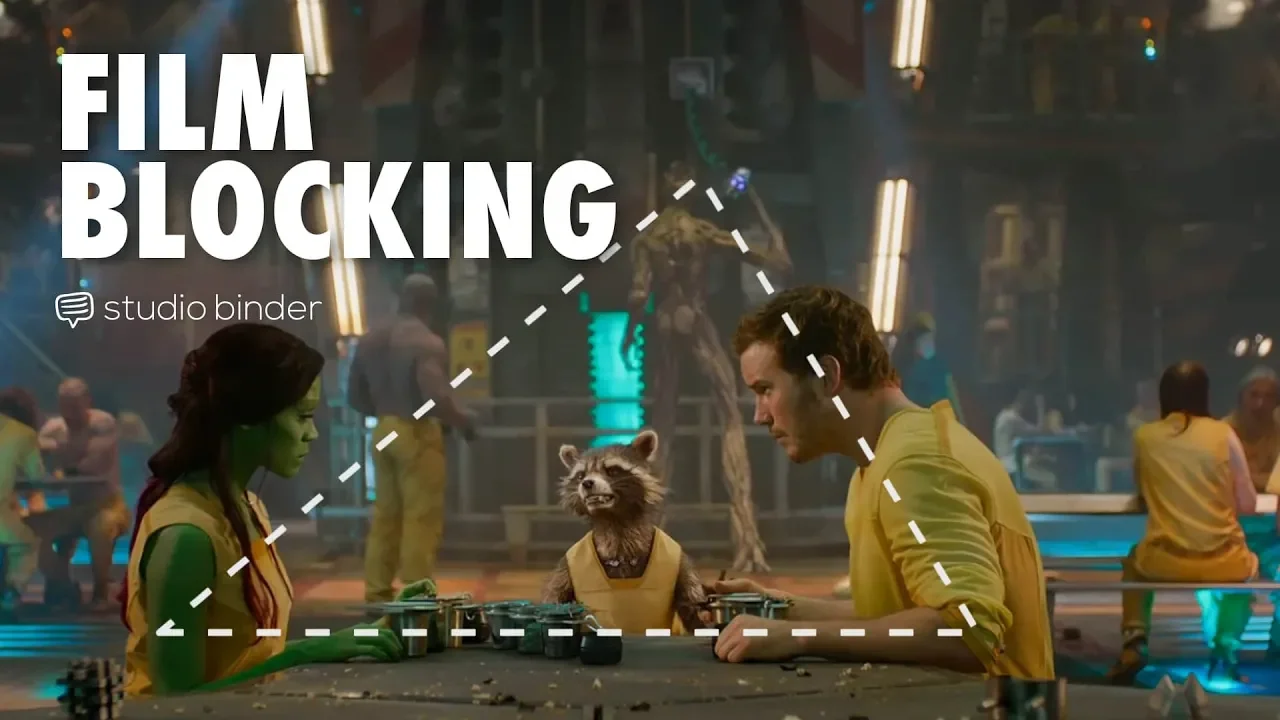
4:55
Film Blocking Techniques for Directors: Space, Shapes, Lines
@StudioBinder
1.9M views•2018-07-23

4:00
Evolution of Darth Vader: Anakin Skywalker's Animated Journey Across Star Wars Films
@TellItAnimated
13.4M views•2019-03-30
Related Study Plans & Knowledge Roadmaps
Structured learning paths in Film Analysis
film-analysis
Sensory Cinema: Foley, Haptic Sound & Texture
01Introduction to Film Sound and Foley Artistry
02Micro-Sounds, Textures, and Extreme Amplification
03Haptic Audition and Film Phenomenology
+ 1 more learning modules
12h4 modules
Explore Roadmap
film-analysis
Breaking the Fourth Wall: Mockumentary & Satire
01The Invisible Wall: Basics of Cinematic Illusion
02Looking at the Lens: Direct Address & Character Glances
03The Mockumentary: Satire, Realism, and Complicity
+ 2 more learning modules
12h5 modules
Explore Roadmap
film-analysis
Analyzing the Long Take: Cinema, Space & Ethics
01Foundations of Film Grammar: Montage vs. The Long Take
02Choreography and Mechanics of the Simulated One-Shot
03Phenomenology of Film: Real-Time Spatial Continuity
+ 1 more learning modules
14h4 modules
Explore Roadmap
film-analysis
Anachronistic Music: Period Drama & Subversion
01Foundations of Film Sound and the 'Needle Drop'
02Traditional Authenticity vs. Revisionist History
03The Rise of the Anachronistic Soundtrack
+ 2 more learning modules
12h5 modules
Explore Roadmap