![Manifest DESTINY [APUSH Review Unit 5 Topic 2] Period 5: 1844-1877](https://i.ytimg.com/vi/ACaigPuJa3k/maxresdefault.jpg)
![Manifest Destiny, Explained [APUSH Review]](https://i.ytimg.com/vi/JVrwXC0AnIk/maxresdefault.jpg)


![ROMANTICISM, Explained [AP Euro Review—Unit 5 Topic 8]](https://i.ytimg.com/vi_webp/g-lJHHeBR4g/maxresdefault.webp)




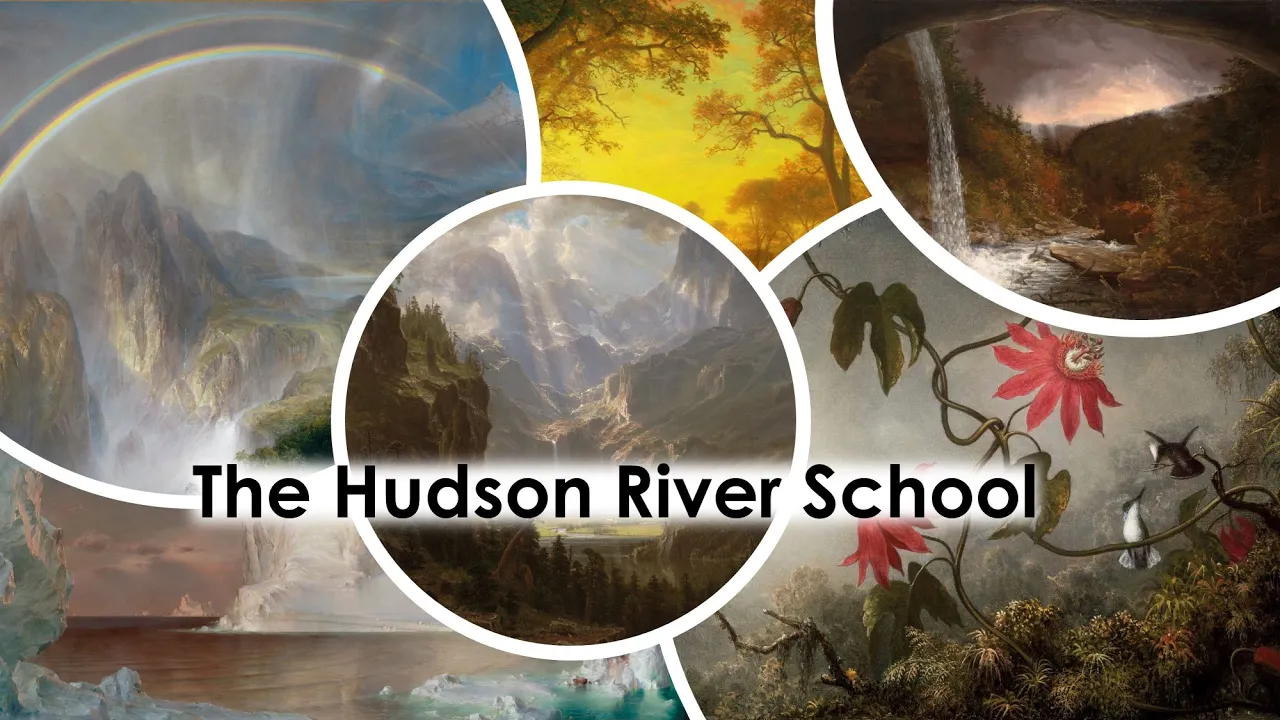
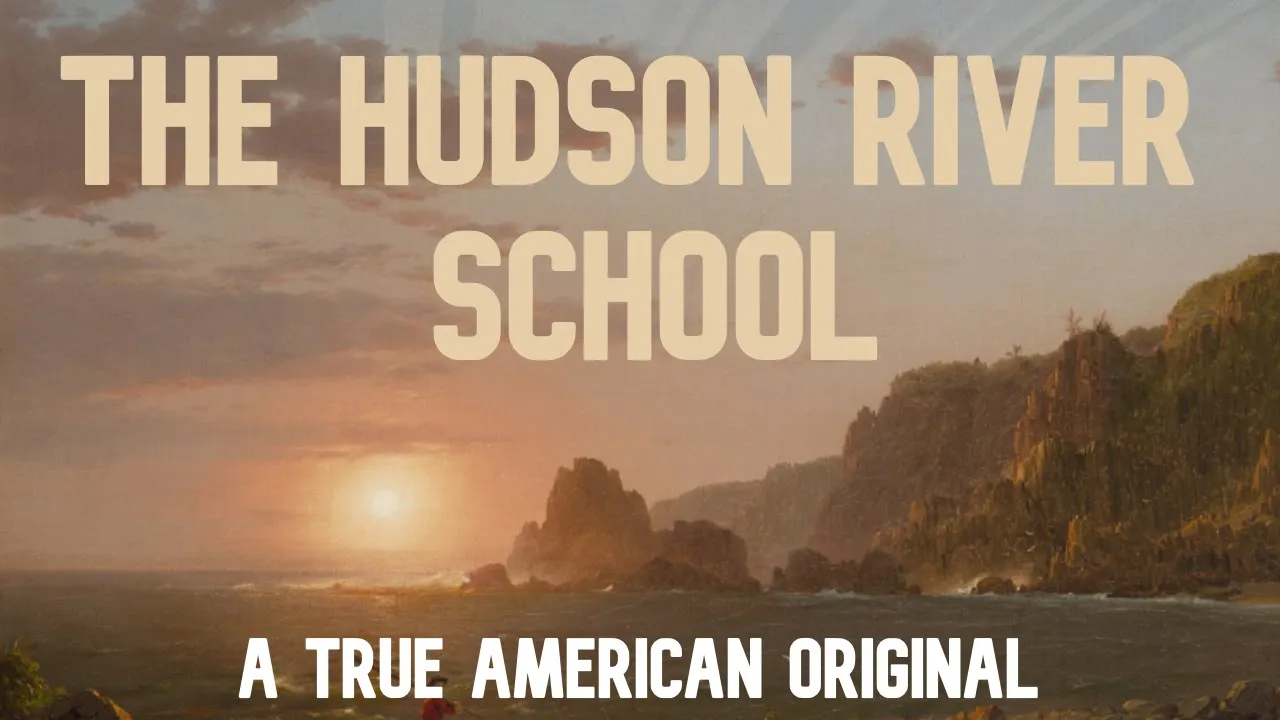









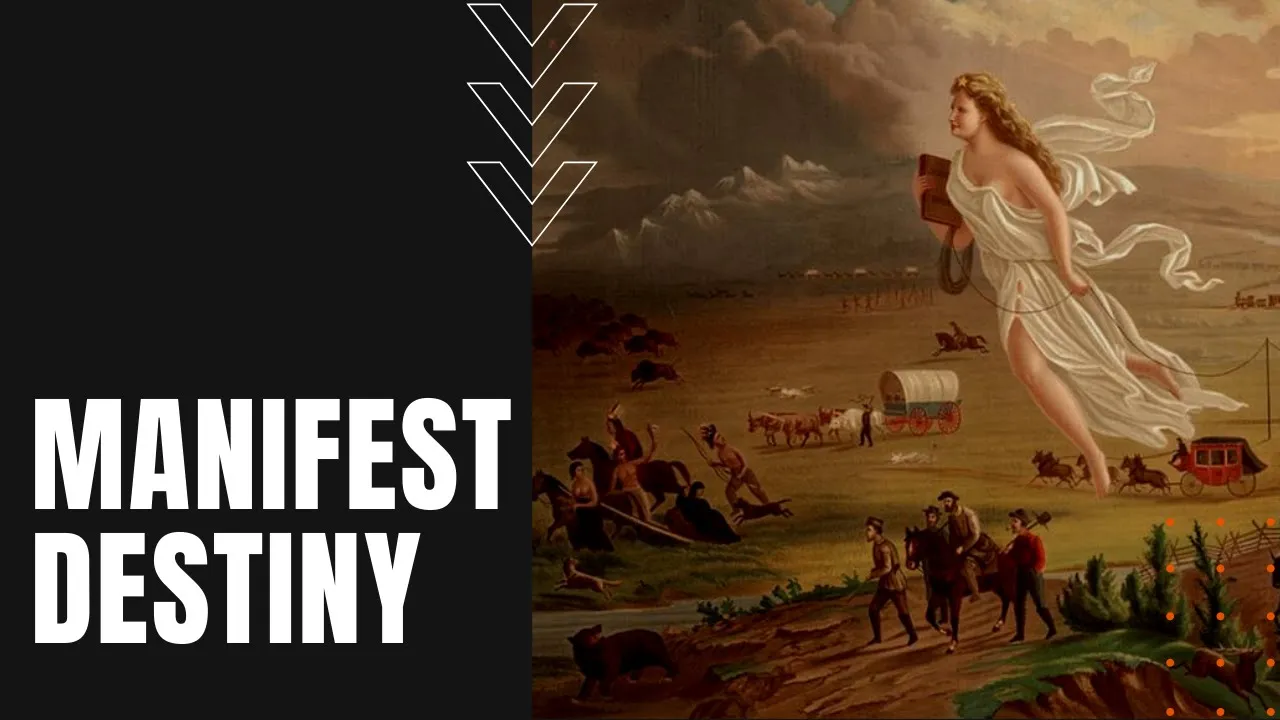
Thomas Cole's 1836 painting 'The Oxbow' (View from Mount Holyoke, Northampton, Massachusetts, after a Thunderstorm) represents a pivotal moment in American art history, where the Hudson River School founder used landscape painting to symbolize America's transformation from untamed wilderness to cultivated civilization, reflecting the nation's manifest destiny and divine providence through the contrast between storm-ravaged wilderness on the left and peaceful pastoral scenes on the right.
Thomas Cole, The Oxbow: Hudson River School Analysis
Added:Understanding of 19th-century American history, specifically the concept of Manifest Destiny and the rapid westward expansion.
Familiarity with the European Romanticism movement and how it prioritized emotion, nature, and individualism over Enlightenment rationalism.
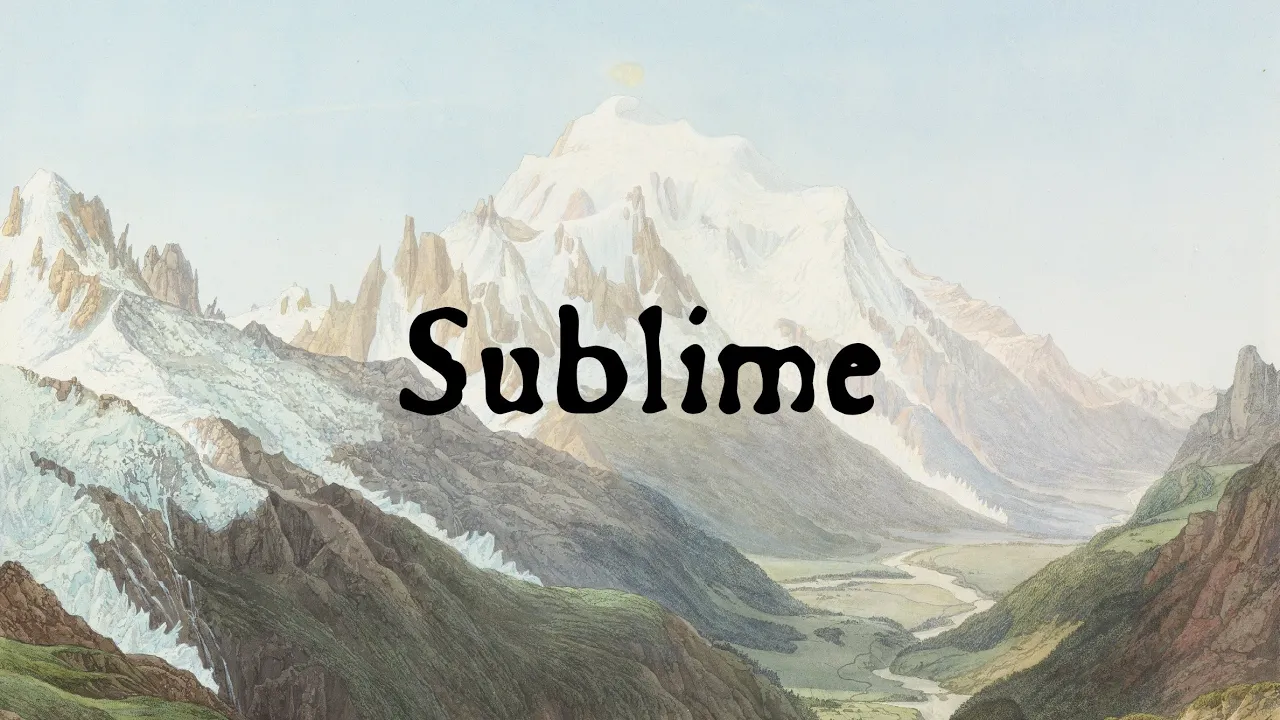
Basic knowledge of the aesthetic theories of the 'Sublime' (as defined by Edmund Burke) versus the 'Pastoral' or 'Picturesque' in art history.
An introduction to the Hudson River School, America's first major art movement, and its focus on depicting the native wilderness.
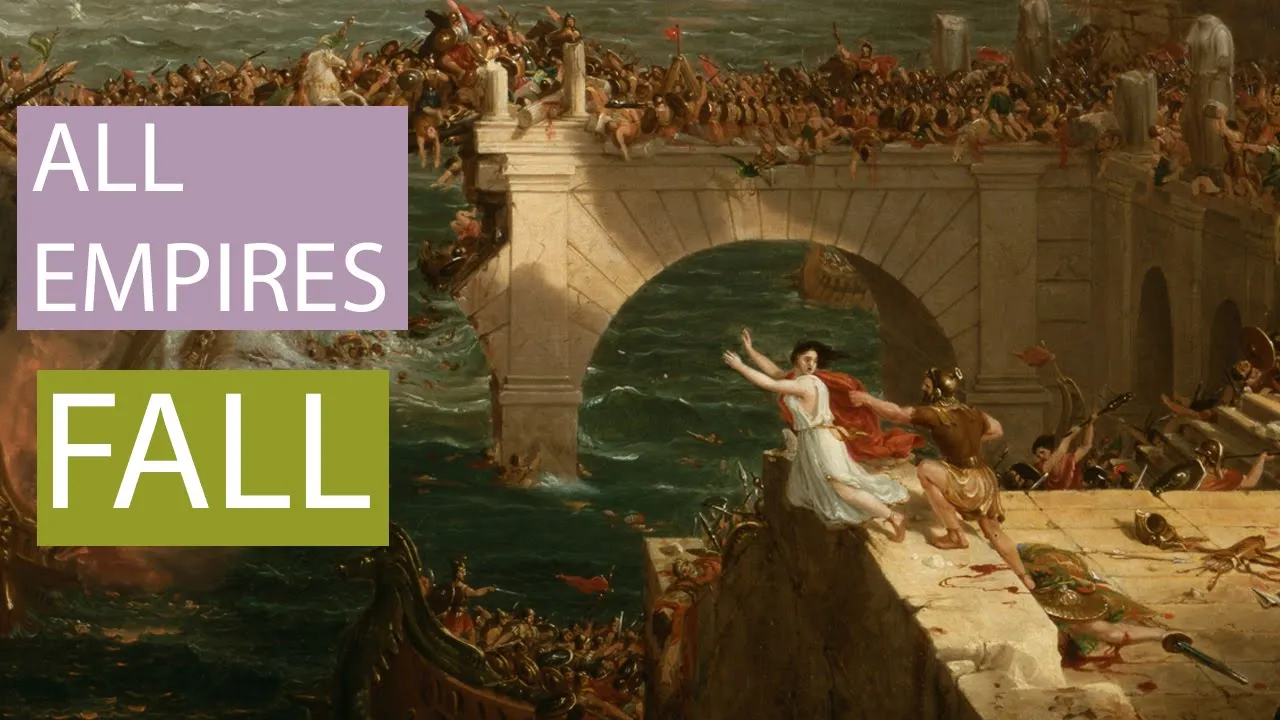
An in-depth analysis of Thomas Cole's multi-canvas allegorical series, 'The Course of Empire', which expands on his views of civilization and nature.
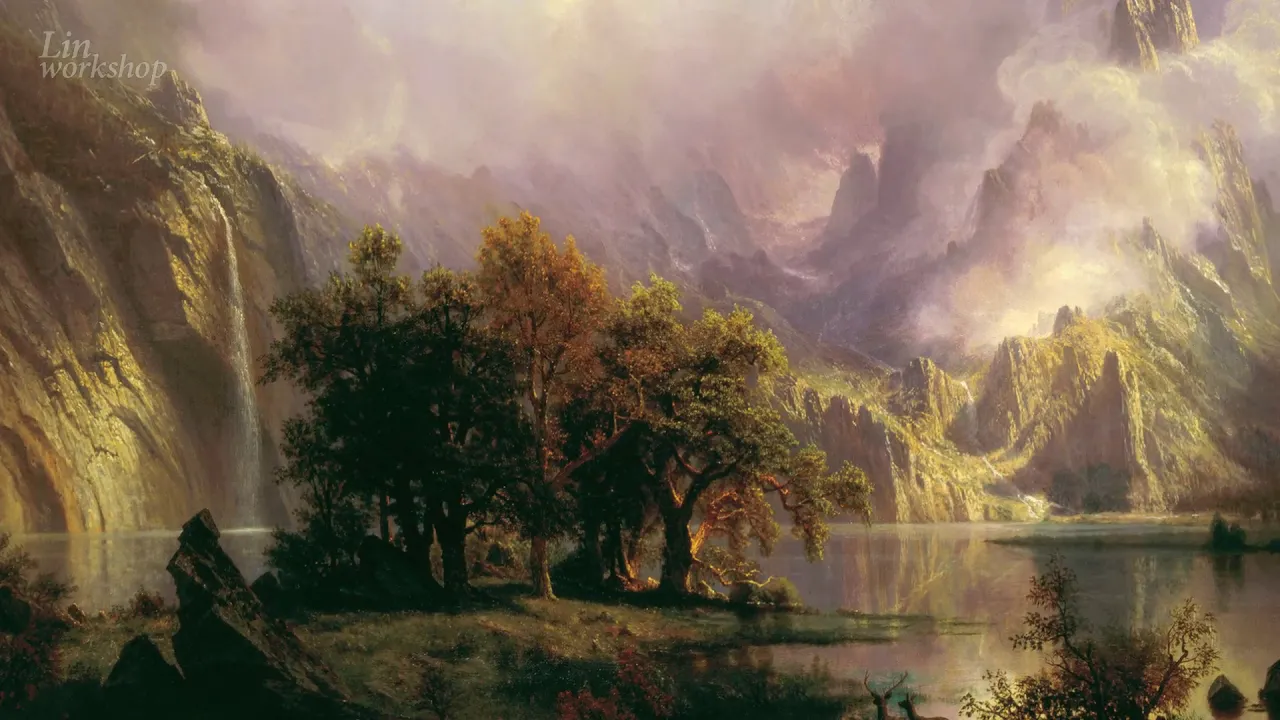
Comparative study of second-generation Hudson River School artists, such as Frederic Edwin Church and Albert Bierstadt, who documented the American West and South America.
Exploration of the connection between 19th-century landscape painting and the birth of the American national parks system and early environmental conservation.
Critical examination of the ideological omissions in nationalist landscape art, particularly regarding the displacement of Indigenous populations.
159 views0likes3:40Original Release: 2021-01-09
we're in the metropolitan museum of art looking at thomas cole's view from mount holyoke northampton massachusetts after a thunderstorm the oxbow right but we know it is the oxbow it's a hudson river school painting by thomas cole who's credited with founding american landscape painting landscape painting was ranked very low by the academies in europe and painting was ranked very low in american society that's true and when americans didn't want paintings they didn't want grand mythological scenes they wanted portraits or landscapes or views like this one and this is a view of a well-known unusual natural scene the place where the connecticut river bends back on itself this is a really large painting i think it's five or six feet wide and five feet high and that speaks to the importance that thomas cole wanted to give to landscape painting landscape painting considered this lowly genre but here made not only large in size but coal even here in this view trying to say something more with landscape when we think of thomas cole we think of the course of empire or the void of life these moments when he tries to use a landscape to say something big but something big is hidden here too this is really ambitious and it's not just landscape it's about transformation it's about time it's about kind of metamorphosis well it's about america and what america is going to become so on the left side we see a storm-ravaged landscape we see a broken tree we see rain pouring down birds that seem to be frantic as they fly through the sky we can even make out a little bit of a lightning bolt at the extreme left so we have what art historians and art critics at the time even referred to as the sublime an image of nature that is wild and untamed and frightening and awesome this untouched wilderness this virgin forest was seen in stark contrast to the built environment of old europe and so here was a promise of the new it was america as a new eden and this is so different than what coal gives us on the other side which is americans settling this virgin landscape transforming it into cultivated plots of land into areas to graze their livestock into places to settle and build homes and the storm is passing the sun is coming and there's a sense that this settling of the land is something which is ordained by god which is approved by god and this is really tied in with the american notion of manifest destiny that americans were meant to detain this landscape that this was ours and in fact at least one artistorian has looked at the hill in the center of the painting and read in that hebrew letters when looked at from above and in reverse from god's viewpoint they seem to read from the hebrew the word shaddai which means almighty referring to god so that idea that this is god's plan and god has blessed america now in our historical terms what this is is the transition from the sublime to the pastoral pastoral being a peaceful idea of landscape of man inhabiting landscape with a sense of tranquility and peacefulness and we can see that in all of these anecdotal vignettes that cole gives us if you look at the lower right corner of the painting for instance you can see a ferry that's been carefully rendered you can see people that have been let off at one side and people who are now crossing over to the other and a pathway that goes down to some farmland and places where sheep are grazing and our eye can travel up and back through the chimney stacks of a few houses here and there up through a valley where the sun is shining between two hills and up to those bright clouds and the sunshine and that sense of promise there's also a wonderful specificity that i think is very much meant to entertain and to represent the particularity of nature if you look at the left side you can see there's fungus that's growing out of the blasted tree trunk you can just make out a bird on one of the blasted bows but probably the most fun is at the bottom center of the canvas the artist himself looking back at us and next to him just slightly up the hill is his supplies his umbrella that will shelter him a portfolio a chair but that chair is also a cross and so we understand not only the passage of time here the transition from wilderness to a paradise that man is creating but we also understand this all within a christian context his portfolio which has his name on it reads as the signature of his painting also reads as a tombstone for the artist so there is that sense of the passage of time but i want to go back to over that used a moment ago and that was entertain because here we are first half of the 19th century there's a middle-class audience and a new rising merchant class from which cole is drawing his patrons but there is this real need to entertain to exhibit these paintings and make them fun for people to look at this is not complicated it's not mythology no it's something that everyday americans could relate to and really fall in love with
Up Next
4:15
Niagara by Frederic Edwin Church: Sublime American Landscape Art
@FreedomProjectMedia
302 views•2021-08-13

114:18
Christian Iconography: History, Theology, and Meaning | Fr. Panayiotis Papageorgiou
@Trisagionfilms
58.8K views•2020-02-21
7:48
Ukiyo-e Art: History, Woodblock Printing & Influence
@japanathand
6.3K views•2023-06-08

16:34
Earliest Depictions of Jesus in Art: 10 Ancient Images Explained
@UsefulCharts
5.9M views•2022-06-03
Related Study Plans & Knowledge Roadmaps
Structured learning paths in Art History
art-history
Gothic Cathedrals: Engineering, Light & Society
01The Birth of the Gothic: Romanesque to Suger's Vision
02The Structural Triad: Pointed Arches, Ribbed Vaults, and Flying Buttresses
03Theology of Light: Lux Nova and Sacred Geometry
+ 2 more learning modules
14h5 modules
Explore Roadmap
art-history
Pre-Raphaelites: Realism, Symbolism & Critique
01The Victorian Art Establishment and Academic Formula
02The Founding of the PRB and Radical Realism
03Medieval Revivalism and Literary Symbolism
+ 1 more learning modules
8h4 modules
Explore Roadmap
art-history
Street Art: From Subways to Art Market
01Subcultural Origins in Philadelphia and New York (1970s)
02The Subway Era and Style Wars (Late 1970s - 1980s)
03The East Village Scene and Early Gallery Crossover
+ 2 more learning modules
10h5 modules
Explore Roadmap
art-history
Classic Maya Art: Iconography, Glyphs & Ritual
01Foundations of Classic Maya Visual Culture
02Deciphering Maya Hieroglyphs & Text-Image Integration
03Sacred Geography and Cosmological Architecture
+ 2 more learning modules
14h5 modules
Explore Roadmap