









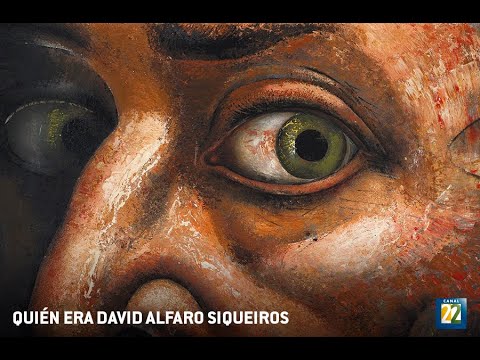

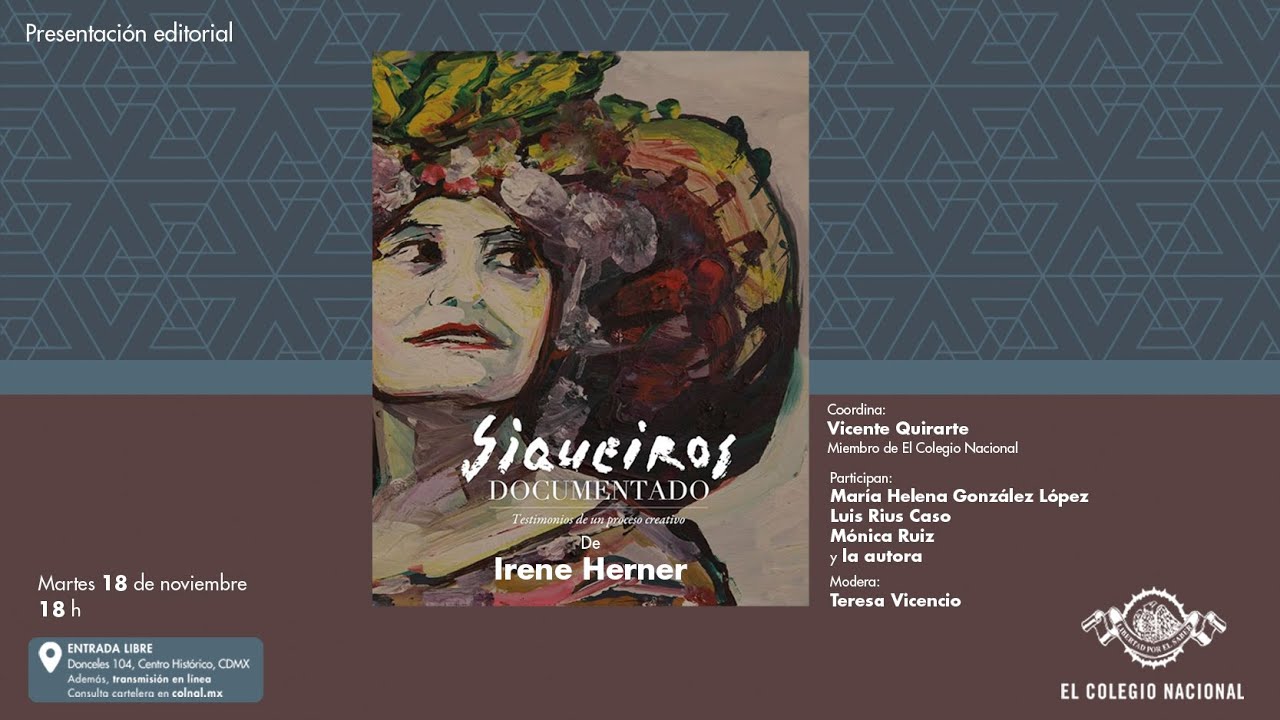


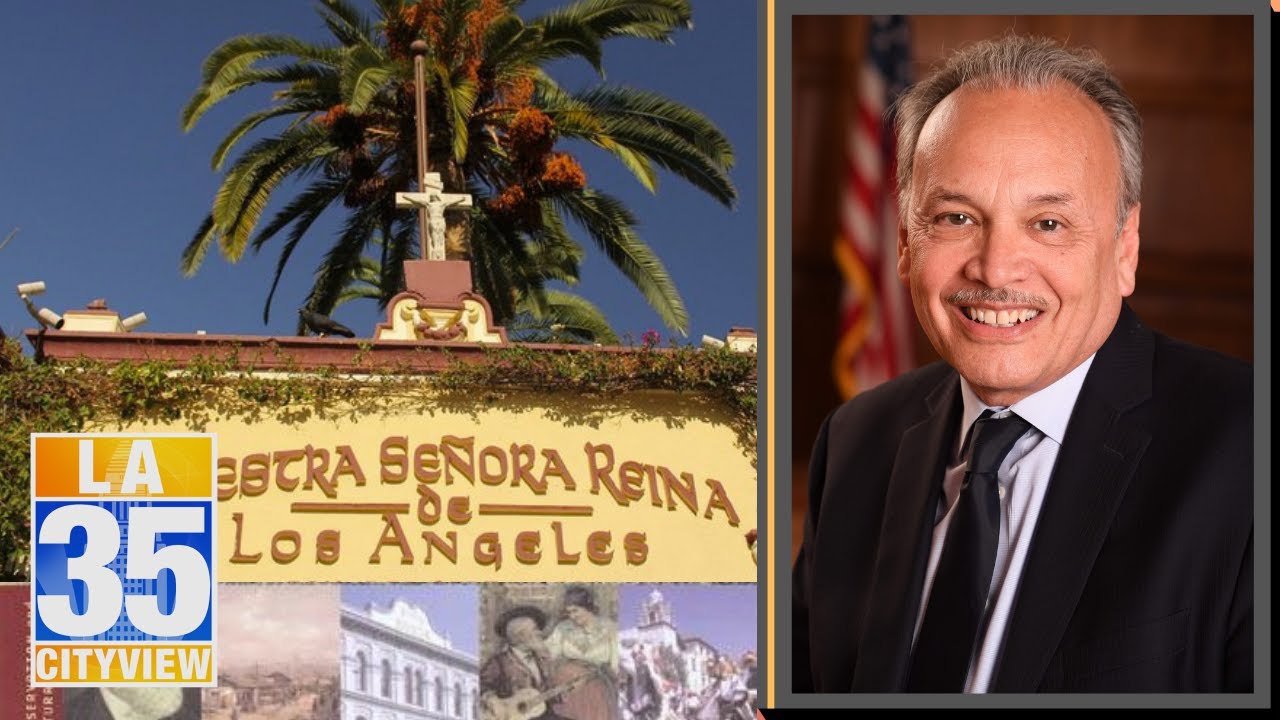
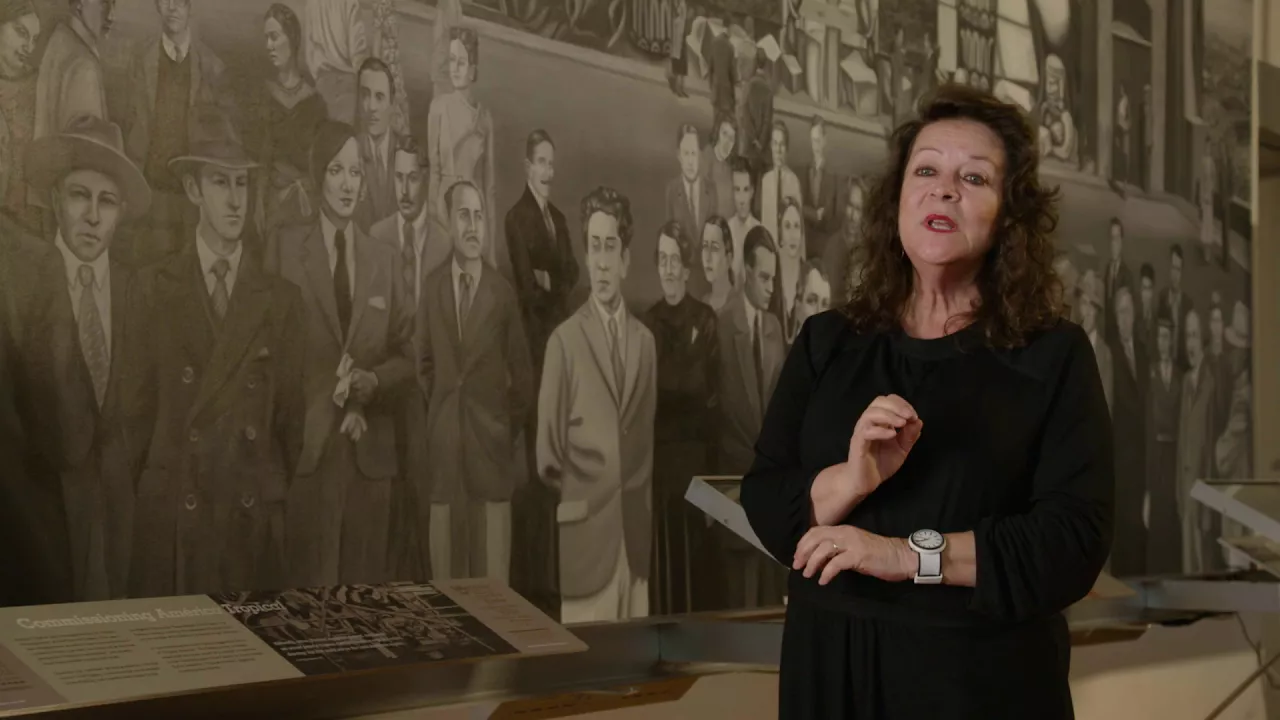

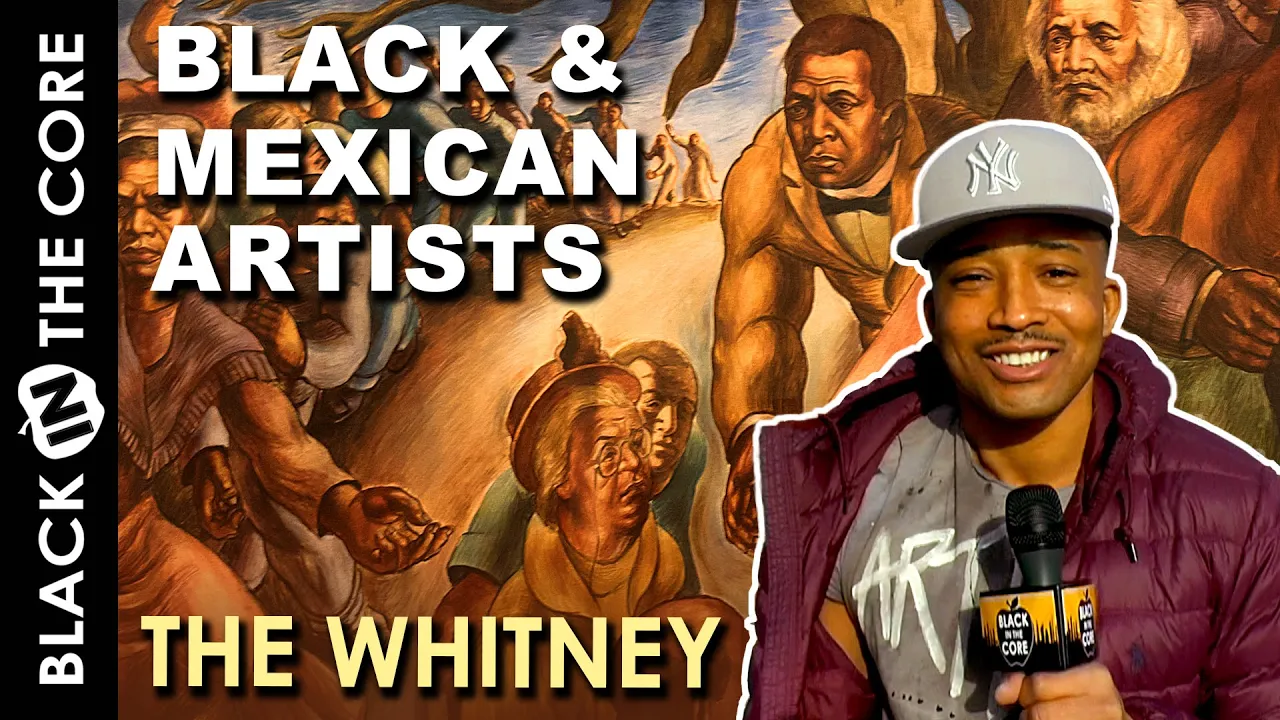


David Alfaro Siqueiros (1896-1974), a Mexican muralist who served as a soldier in the Mexican Revolution and was imprisoned for communist activities, pioneered revolutionary art techniques including industrial paints, spray guns, and action painting methods that profoundly influenced American artists like Jackson Pollock; his controversial 1932 mural América Tropical in Los Angeles, which depicted a crucified Indigenous figure under an American eagle as a direct critique of US imperialism, was censored and whitewashed but later rescued by the Getty Museum, exemplifying how public art can serve as a powerful political statement challenging dominant power structures.
David Alfaro Siqueiros: Murals as Political Resistance in Mexico and LA
Added:Historical context of the Mexican Revolution (1910–1920) and its role in reshaping Mexican national identity and state-sponsored art.
The core philosophy of the Mexican Muralism movement and the trio known as 'Los Tres Grandes' (Diego Rivera, José Clemente Orozco, and David Alfaro Siqueiros).
The concept of public art as a medium for social activism, political propaganda, and Marxist/socialist ideology.
The socio-political climate of Los Angeles and the United States during the 1930s, particularly regarding labor struggles and anti-Mexican sentiment.
The technical and material innovations pioneered by Siqueiros, including his use of industrial paints (pyroxylin), airbrushes, and 'polyangular' perspective.
The censorship, white-washing, and subsequent 21st-century conservation of Siqueiros's controversial Los Angeles mural, 'América Tropical'.
Siqueiros's influence on the American avant-garde, specifically his interaction with Jackson Pollock at the Experimental Workshop in New York.
The legacy of Mexican Muralism on the rise of the Chicano Art Movement in the United States during the 1960s and 1970s.
429 views18likes10:15Original Release: 2026-01-08
Have you ever stood in front of a mural and felt like it was arguing with you?
Like it wasn't just pretty, but actually calling out a whole political system.
[music] That's exactly what happened to me with a mural in Los Angeles painted by one of Mexico's most explosive artists, David Faros. [music] Today I want to tell you why this mural was censored, almost erased, and why Cicos might just be the most radical of Mexico's great muralists.
My holiday's mission was [music] very clear. Go to LA and see with my own eyes a mural by David Alfaro. [music] For decades, people thought it was lost.
Then the Getty Museum stepped in, rescue what was left, and brought it [music] back into public view. But let's back up a little bit. Who was [music] David Faros? He'd like to say he was born in Santa Rosalia, today called Camaro in the state of Chihuahua on December [music] 29, 1896.
His father, Cypriano Alfaro Palomino, was a lawyer from Arapo Wanauato and his mother Teresa Ciceros Feldman was the daughter of Filipe [music] Ceros, a poet and a politician from Chihuahua. In recent years, a birth certificate turned [music] up that place his birth in Mexico City. So even his birthplace is a bit [music] of a debate. Very on brand with someone who loved conflict.
Politics was in his blood. One grandfather had been a politician and the other had fought in the army of Benito Huarees. So it's not surprising that Cicos grew up with a mind that was just as interested in political theory as in painting. Ciceros also had a very strong education for his time.
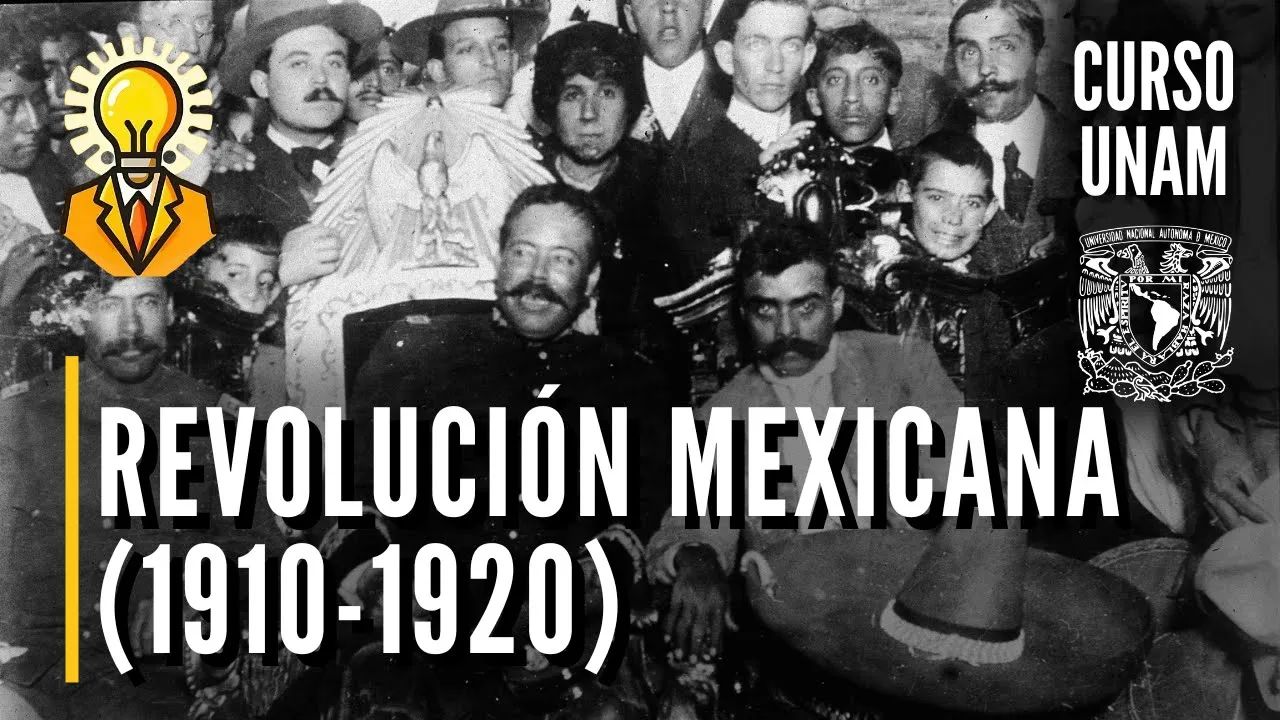
>> [music] >> He studied at the Klejo Franco, then at the National Preparatory School, and later at the academy of San Carlos. But history interrupted his studies [music] because Mexican revolution exploded. In 1913, he was already collaborating as a war correspondent in the newspaper Laanguardia.
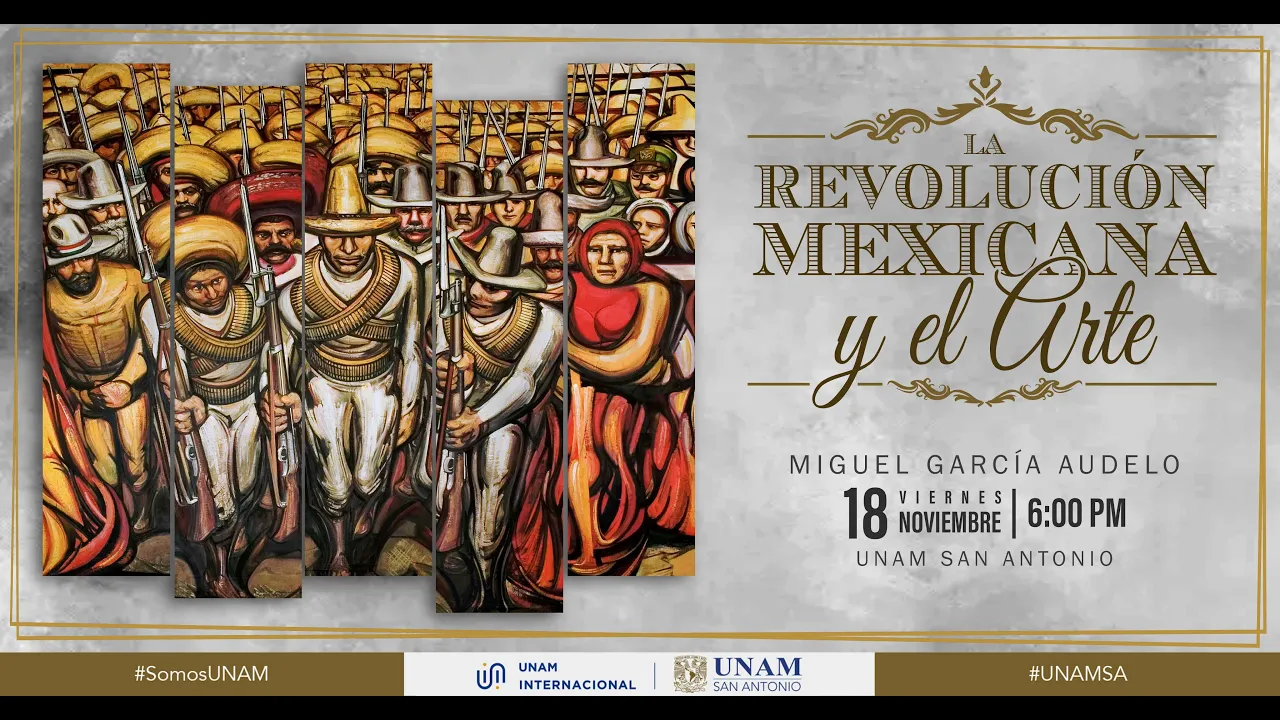
A year later, he joined the constitutionalist army and fought in battles across states like Kalisco, Wanauato, Kol Lima, and Sinaloa, just to name a few. Cicos wasn't just a painter who talked about revolution. He literally went to war. He was good enough as a soldier to reach the rank of capital. After the revolution, Cicus was into Europe to continue [music] his artistic training. He went to Spain, France, Belgium, and Italy. [music] He met deor Rivera and soaked up cubism, futurism and other avenuard movements in Europe. [music] When he returned to Mexico, he joined Ria Jose cleto Rosco and others to paint some of the first murals at the national preparatory school [music] in Mexico City. Murals that tried to show a new Mexico, [music] one rooted in its indigenous past, but headed toward a modern and industrialized future.
[music] For Cicados, art wasn't decoration. Art was a democratic weapon.
It had to be understood by everyone and it had to engage ideas and politics.
[music] Art for him was a way to wake up society. That's why he helped organize a syndicate of technical workers, painters, and sculptures. [music] In 1925, he even stopped painting for a while to dedicate himself [music] fully to labor organizing. On May 1st of 1930, his communist activities landed him in prison for a year and it was there in [music] jail that he went back to painting. In 1932, Cicos was invited to LA to paint murals and teach at the Shinard School [music] of Art. This would become a turning point in the history of art in the Americas. Remember LA at the time, [music] Hollywood was booming. The city was to link itself as a modern, glamorous, and historic [music] all at once. A place where the Olympics and the American dream could be achieved under the glow of the star system. Cicos was asked to paint a mural on the rooftop of the Italian hall overlooking Alva Street. The [music] brief, it was very simple. Give us sunshine, Mexican folklor, prehispanic ruins, happy peasants, [music] and a sweet tropical fantasy of the past. basically make us a cute Mexican postcard. Ciceros [music] was offended so he paint completely the opposite. At the center of the mural he placed a crucified indigenous peasant.
[music] Behind him a prehispanic pyramid above him the American [music] eagle bursted on the on the cross like an empire literally pressing them thick jungle and heading in that jungle. Gera fighters taking [music] aim at the evil with their rifles. This clearly wasn't a postcard. It [music] was a direct brutal critique of US domination over Mexico.
Their reaction obviously [music] scandal, outrage, and censorship. Within just two years, the mural was covered in white [music] paint. In the 1960s and 70s, with the rise of Latino CHO movements, people began to dig into the history of America tropical. They realized it was like the ancestor of the street art that now covers so many walls in LA. [music] Then in the early 2000s, the Getty Museum took on the nearly impossible task of stabilizing what was left of the mural and conserving it so that public could see it again. What you see today is a fragile survivor, but a very loud one. So after feeling censored in LA, Cicos went back to Mexico and threw himself into politics again, which soon put him at odds with the Rivera.
Eventually he concluded, "This isn't my place anymore." So in 1936, [music] he returned to the US, this time to New York, hoping his ideas would find more room to [music] breathe. In New York, he founded a desic experimental workshop.
And this is where he really pushed painting [music] into the future. His idea and the one he was working since [music] the beginning was very radical. If art wanted to be revolutionary, then its techniques and materials also had to be revolutionary.
He pushed his [music] students to use industrial materials, not just oil and canvas. He encouraged them to swap brushes for tools like spray guns, the same kind used for painting cars. He had them put canvases on the floor, moved around them, and work from the unexpected angles. [music] He insisted they use their own bodies in the creative process. [music] And one of his most important lessons was about artistic accidents. If paint drips or splatter away you didn't plan, you don't wipe it away. You incorporate it into the final piece. One of the artists who passed through this workshop was Jackson [music] Pollock. Ciceros didn't invent Pollock's signature dripping or action painting, but definitely his experiments and ideas had a huge influence on the American painter. You can almost see the echos of Cicada's workshop in Pollock's wild floor level full body approach to painting. And meanwhile, Cicos kept being well Cicos. [music] He remained intensely political and he was banned more than once, [music] lived a kind of Roman exile and spent periods in prison. [music] He left works in Argentina, several European cities, including Venice, as well as [music] in Asia, Africa, and the former Soviet Union. Nearing the end of his life, the Mexican state decided that whatever they thought of his politics, [music] his art was impossible to ignore and to recognize. So he was awarded with the National Prize for Arts in 1966. [music] He died in Guavaka in 1974.
Of the big three Mexican muralist, Ria Rosco and Ciceros, the most celebrated today is probably Diego Rivera, but for me, he's [music] actually the least impressive. Cicos feels more powerful visually and ethically. His murals don't whisper, [music] they shout. He was never afraid of censorship in both Mexico and the United States. [music] He used painting to question regimes and the structures of power that most people prefer not to see or even to talk about.
From today's perspective, his belief in the possibility of a socialist or a humanist government in countries like Mexico, let alone in the United States, can sound naive. But the consistency and intensity of his commitment is hard not to admire. So if you are in the United States, you can actually go see his work. In Los Angeles, you can visit the American Tropical Mural, but just remember that Vintian hours can change between summer and winter. So please check that. In New York and in Washington DC, the museums dedicated to modern art have a vast collection of his artwork. And if you're in Mexico City, you're basically walking through a Cicero's universe without knowing it.
You can find his murals at the unam campus at the polices in the cast in the museum hill in the building of the secret at the salahos at the museum of modern art here in Mexico City and in many other places and other museums and galleries. So the next time you stand in front of a mural by Cayos, [music] try to see more than just this huge painting on a wall. [music] See the soldier who fought in the revolution. See the activist who went to jail several times for his political [music] commitment. See the teacher who pushed his students to reinvent painting [music] itself. For Cicos, art was not just about representation. Art was a political act. But what about you? When you look at his work, does it move you or does it make you uncomfortable? Tell me in the comments what do you think of Cicos. And don't forget to like, subscribe, and share it with someone who thinks murals are just decoration.
Up Next

3:32
Orozco Murals at Dartmouth: Art History & Legacy Explained
@dartmouth
7.3K views•2013-01-23

114:18
Christian Iconography: History, Theology, and Meaning | Fr. Panayiotis Papageorgiou
@Trisagionfilms
58.8K views•2020-02-21
7:48
Ukiyo-e Art: History, Woodblock Printing & Influence
@japanathand
6.3K views•2023-06-08

16:34
Earliest Depictions of Jesus in Art: 10 Ancient Images Explained
@UsefulCharts
5.9M views•2022-06-03
Related Study Plans & Knowledge Roadmaps
Structured learning paths in Art History
art-history
Gothic Cathedrals: Engineering, Light & Society
01The Birth of the Gothic: Romanesque to Suger's Vision
02The Structural Triad: Pointed Arches, Ribbed Vaults, and Flying Buttresses
03Theology of Light: Lux Nova and Sacred Geometry
+ 2 more learning modules
14h5 modules
Explore Roadmap
art-history
Pre-Raphaelites: Realism, Symbolism & Critique
01The Victorian Art Establishment and Academic Formula
02The Founding of the PRB and Radical Realism
03Medieval Revivalism and Literary Symbolism
+ 1 more learning modules
8h4 modules
Explore Roadmap
art-history
Street Art: From Subways to Art Market
01Subcultural Origins in Philadelphia and New York (1970s)
02The Subway Era and Style Wars (Late 1970s - 1980s)
03The East Village Scene and Early Gallery Crossover
+ 2 more learning modules
10h5 modules
Explore Roadmap
art-history
Classic Maya Art: Iconography, Glyphs & Ritual
01Foundations of Classic Maya Visual Culture
02Deciphering Maya Hieroglyphs & Text-Image Integration
03Sacred Geography and Cosmological Architecture
+ 2 more learning modules
14h5 modules
Explore Roadmap