
![[영어학기본개념뽀개기]임용영어학101:형태론#2](https://i.ytimg.com/vi/QtDeGer7wl8/sddefault.jpg)












![[Keio x ICU-LINC0039] Adam McCollum (Rutgers University)](https://i.ytimg.com/vi/7N4zI7Vq-9A/maxresdefault.jpg)


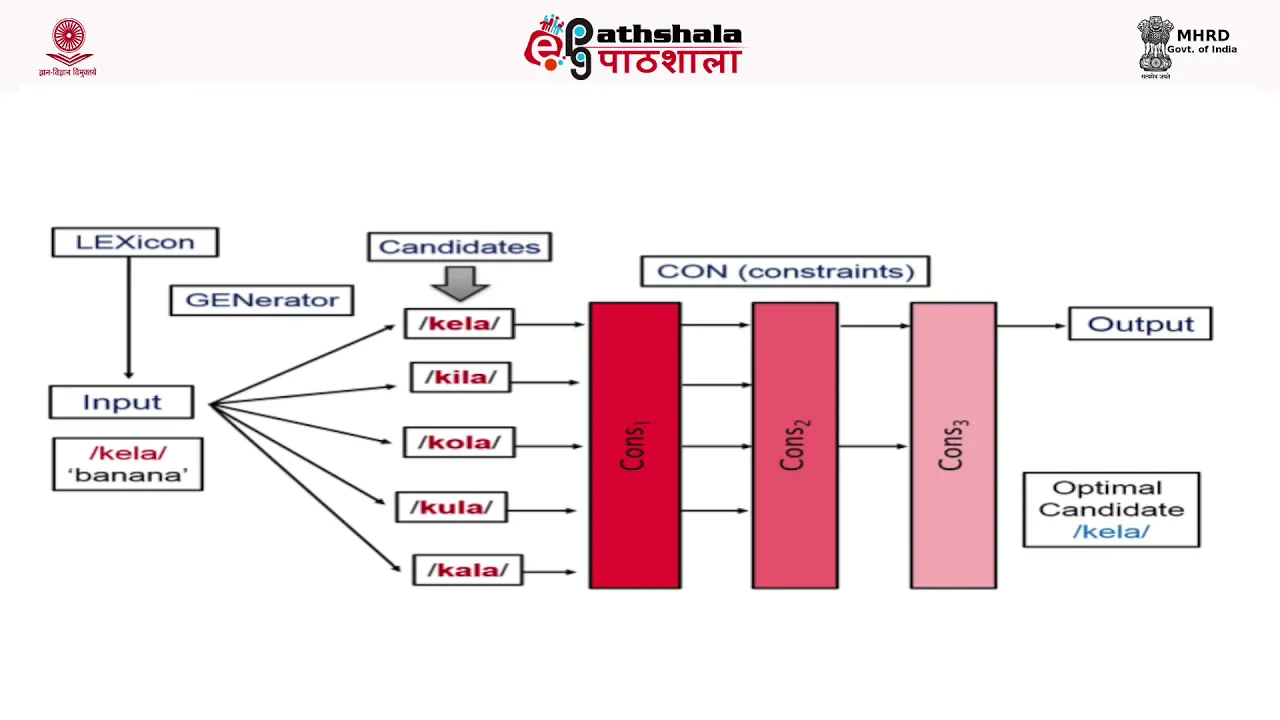
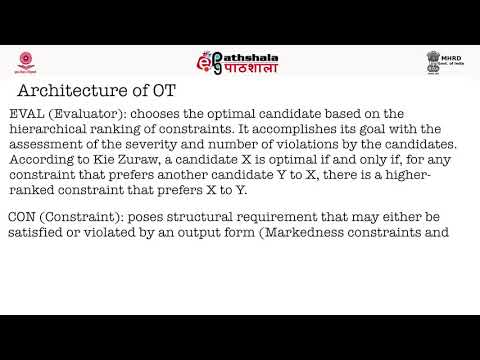
Optimality Theory (OT) is a constraint-based framework in phonology that evaluates competing phonological outputs (candidates) against a ranked set of constraints, where the optimal output is the one that violates the fewest highly-ranked constraints; this approach captures the tension between markedness constraints (which impose specific structural requirements on outputs) and faithfulness constraints (which preserve input-output correspondence), allowing linguists to model complex phonological phenomena like tone spreading and consonant cluster restrictions through systematic tableau evaluation.
Optimality Theory in Phonology | UC Berkeley Lecture Linguistics 115
Added:Fundamental concepts of phonology, including underlying representations (UR), surface representations (SR), and the concept of phonemes versus allophones.
The basics of traditional rule-based (derivational) phonology to appreciate why constraint-based grammar was developed.
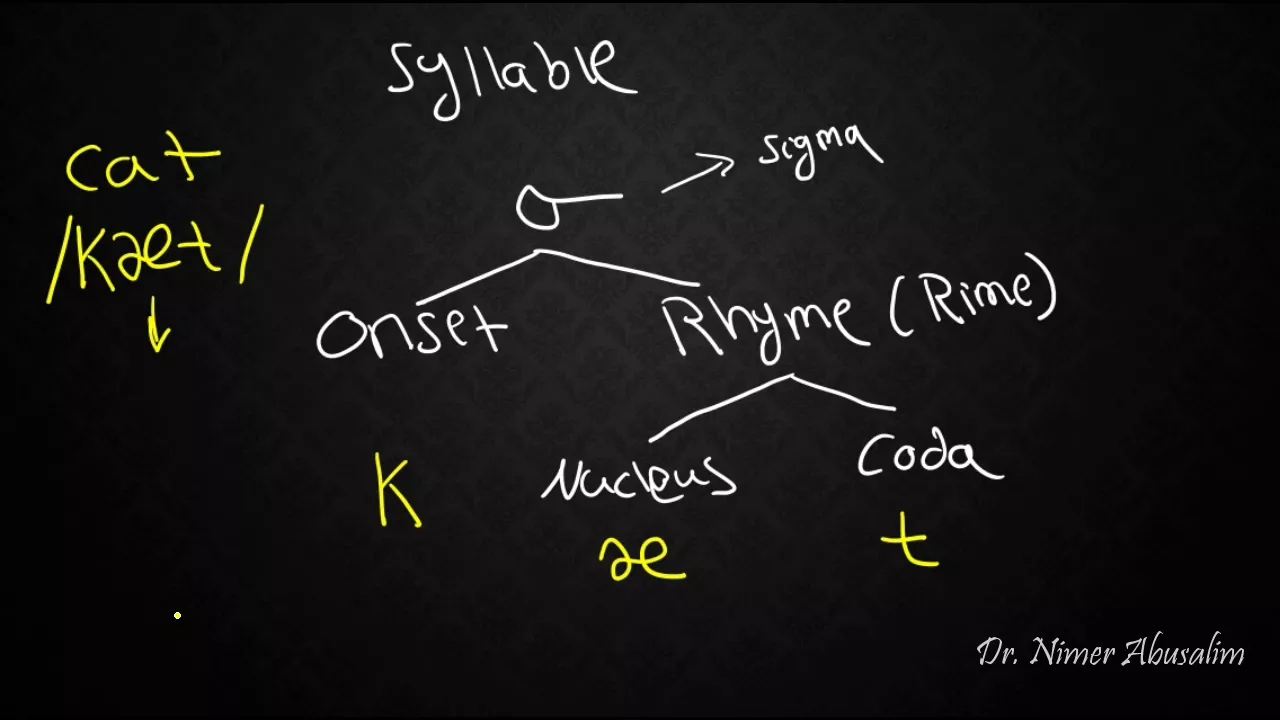
An understanding of basic syllable structure (onsets, nuclei, and codas) and distinctive phonetic features.
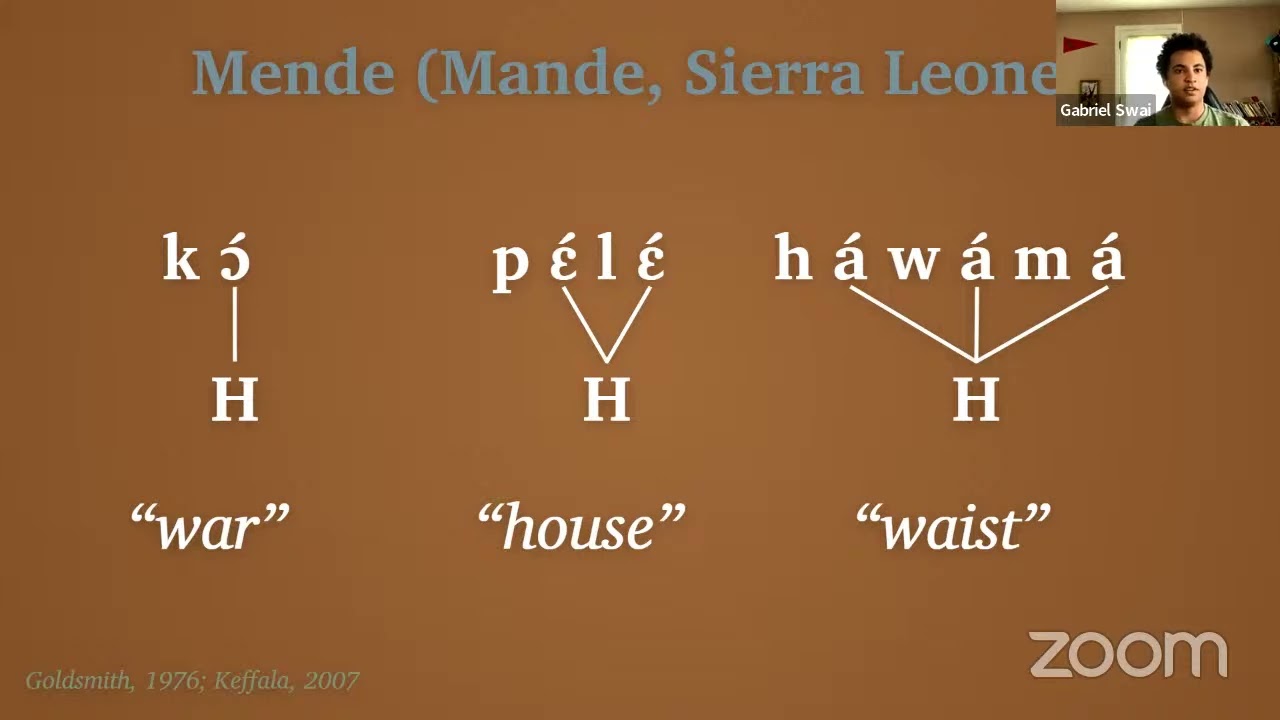
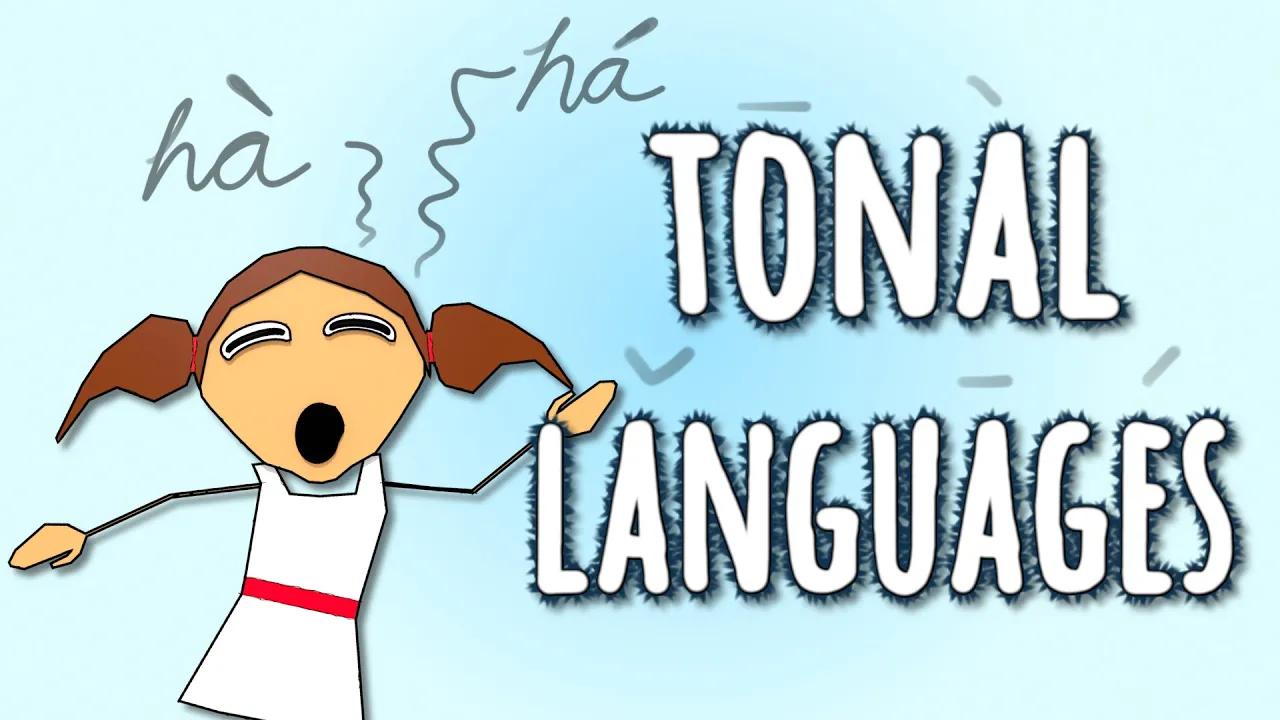
Introductory tonal phonology, specifically how pitch, register tones, and autosegmental representations operate in tone languages.
Advanced variations of Optimality Theory, such as Stratal OT, Harmonic Serialism, and Stochastic/Probabilistic OT.
The phenomenon of phonological opacity (such as feeding and bleeding orders) and how OT attempts to resolve it through Sympathy Theory or Candidate Chains.
Computational phonology applications, including constraint-ranking algorithms like the Constraint Demotion Algorithm.
The application of Optimality Theory to prosodic morphology, such as reduplication and infixation analysis.
66.2K views937likes51:17Original Release: 2016-11-30
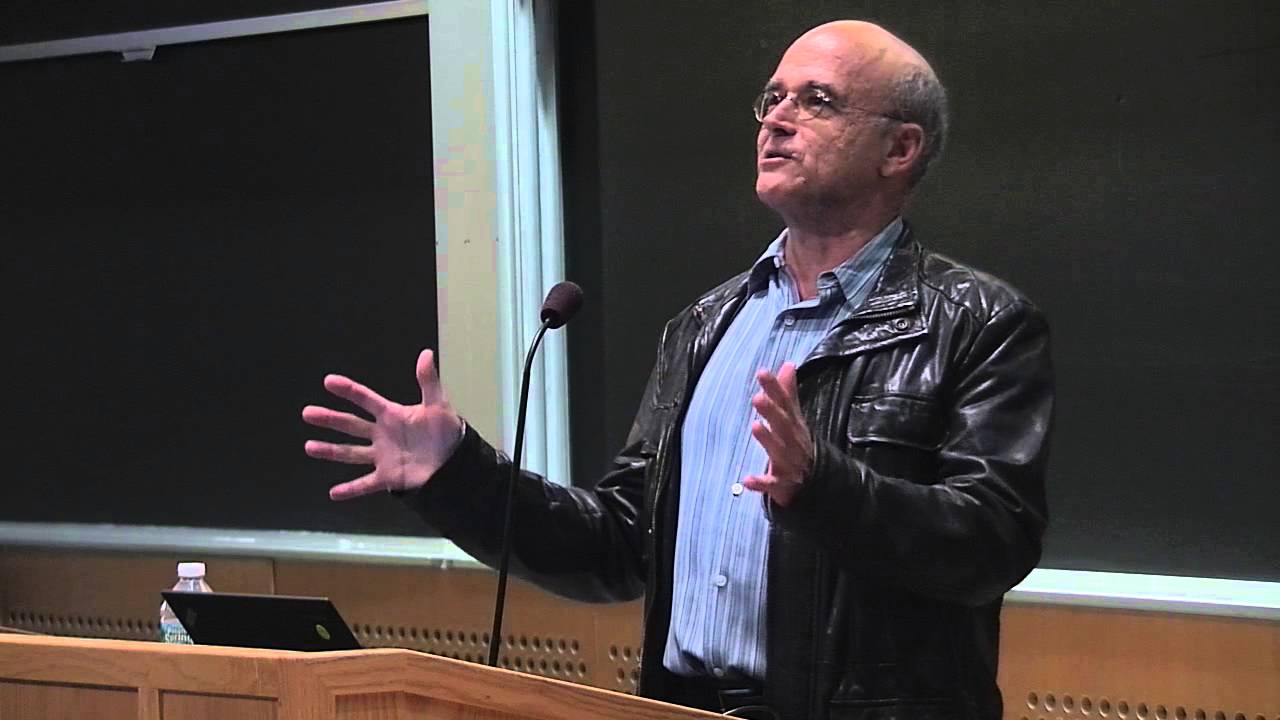
okay everybody all right let's so is everybody got a hand out right okay everybody has the last handout uh 15 I believe it was Mel the at the top sorry grab so just a couple of reminders first make sure that you do your evaluations very important to our department do that both for the lecture and for the section two different things so make sure that you do that uh another quick announcement I sent a message to my 101 section so if you didn't get that let me know it should have gone through b courses so it's just a clarification on conspiracy doesn't apply for anything else but if you're any one to1 you should have gotten a message um okay so today I'm going to do my very breast Professor Heyman impression and we're going to do some more optimality Theory uh and specifically we're going to go over some basic constraints we're going to look at how to apply those constraints within a specific Tableau and within that Tableau then to do evaluation of the potential outputs aka the candidates and then we'll do something a bit more flex and look at how this applies to tone in chibo which is the mini problem you have at the end of the handout you got on Monday if you didn't look at it already that's okay we'll have a couple minutes to notice some of the observations together and then put it into a OC Tableau um so great let's begin a little bit of that uh and we'll just start by going over a couple of constraints so I gave you a handout and this handout should be the core architecture of a tableau which is OT for table and we're going to be using that you should have six of them we might not use all six of them this is generally the sketch anytime you do OT um which you can apply to your own life make decisions you really can I've seen it um that this is the general architecture you will use um but let's go over a couple of let's do here couple of specific [Music] constraints so one constraint is just called onset and all this says is have an onset so this is core these are the core ones you will be responsible for these for the final I guarantee it I shouldn't guarantee I think it's going to come up based on uh knowledge course so you have to have know what onset is this says have an onset need to know what this one is here this star here is say don't have a coda so this is another constraint here Which languages use to evaluate candidates another [Music] type is these types these depth which is don't athese you can think of that in neonic and this enforces having no insertion of segments I put X there to say this means segment you can have this be stth c stth b these are two separate ones this means don't athese a consonant don't athese a Val so this is saying make sure that don't put have segments in your output which are not in your input the opposite of that so to speak are these Max constraints and this says don't delete so this is saying have the maximum number of input segments in your output and this of course can also be Max C and Max V Max consonant Max vow addition to that you have ident constraints saying don't change any features so if you have voicelessness don't change it to voice so this is particular to Features we have these ident and then finally for our purposes here we'll have something called complex or I'll shorten it to Star CC this isn't technically correct because it's saying don't have two and then maybe three would pass so it's just basically saying shorthand for don't have complex con con uh don't have complex consonant clusters don't have consonant clusters so don't have those together um now these form as we've talked about two different types of families of constraints there's marinus constraints and there's faithfulness constraints so of these which two would be Mark or which two would be faithfulness or which ones would be faithfulness yeah so ident would be faithfulness so why would onset Max Max exactly so we have Max Iden and death exactly so those in force we want to have the identical output as input so those of course identity between the input and the output onset would not be faithfulness onset would not fa remember Markin this constraints say I want my output to be a specific shape I want it to have certain phonological properties I don't care what you have in the input my output has to look a specific way so in these cases onset would be Marist and what else would be Marist star stoda and what else yeah Star Complex so we have those specific types and this is the central tension which OT tries to capture which was not necessarily captured in a rule-based account is that we have these different forces acting on the language and OT is able to model this in a way which rules we're not uh did not adequately do yeah in the back sorry can you go over what Star Complex is again yeah so that's saying do not have a consonant cluster in short so do not have consonants adjacent to one another directly adjacent don't have a cluster remember that all of these can be specified they can be further specified for instance you could say don't have a cluster at the end of a word but I don't care if you have it at the beginning or I don't care if you have it immediately so we can refine these further and so these form individual families of constraints themselves but these are the core ones which we want to take just to clarify also be I don't want comp yeah yeah yeah so you can specify uh where uh you can have these CLS exactly clarify the star means it's no complex no yeah so it's not exactly ungrammatical which is where we often use the star but it means just basically don't so don't have it okay so with that in mind let's do a practice Tableau so this would be Tableau one now whenever you're doing OT it's good to have a pencil and not a pen as you might have discovered already so if you have that that will be beneficial uh and make sure if you don't have this handout to come and get it so we'll do Tableau one um and I generally like to do these on there's different software you can do it on Microsoft uh Excel because then you can freely rerank your um constraints uh then you don't have to worry as much about putting everything in these columns and having to redo everything um so let's look specifically at this [Music] input so this is our input we have this as our input this could be morphologically complex it could be morphologically Simplex let not worry about that we're abstracting away for the purposes uh here of the internal morphological composition of something like this we'll just treat it uh in its phological components so if we have an order let's say we have this order onet and we use these convention to indicate that this is ranked higher it's to the left within the Tableau it's the first part of the evaluation algorithm so to speak so we need to Onset and we'll do stod and then we'll do Max V and then we will do dep C so we'll have those specifically in and that's the order and remember within our optimality theory that we are adapting here and is a general way to do this that we're given these constraints we've come up with these constraints we also have to come up with the specific candidate set so there's nothing which is there's no magic box we just open it up and find all the candidates St we have to as linguists come up with plausible possible candidate sets um so one is always going to be the input so one possibility is always just having complete identical output another one that we can have is inserting a consonant so here we insert a clle stop maybe we also want to insert one at the end so these are all plausible outputs for this and say we also want to do top in these cases so we have these four specific outputs here onset stoda Max V so these ones FC sorry thank you so we have this these types and now we'll do our evaluation yes so basically when you're working with a small step like this the method of generating candidates just involve imagining what would happen if one of those constraints with Rank and then just doing something it's a lot of trial and error going back and forth especially when you're not um given uh all of the data for instance you have a subset of data right you have to just do your best then constantly refine it but just to get to those candidates it's to each constraint yeah so there's yeah yeah so there's ways to generate a list of candidates basically the more you do Linguistics the more candidates that you will know would be plausible yeah um do we know what the circus form what the actual output is or uh we will determine which one based on our CID yeah so in this case we'll go step by step so okay here so let's look at these and we always want to label them a b c and d and then does a violate onset yes why very simple right doesn't have an onset therefore we put this violation here so that's our first step we put a violation Mark there what about this output and remember we're only evaluating here this is Onset this is a markedness so we're not even thinking about this part this is marking this so we're evaluating the output here so this output this candidate this potential output does this violate onset no no so we'll leave it blank this one this one no so now is where we see we have this here we have these components and we see that these two violate this constraint these two do not violate this constraint what do we do with these then K them we we kill them exactly these incur a fatal violation so we see this as a fatal violation we'll look at these a bit more so the general practice is to gray out these H I'm not drawing all the lines that are given to you already for that for our purposes here um that's the convention to gray out that part yes both of them are because this is the highest constraint for our purposes here I mean obviously if we're looking at a whole gramar then we'd have lots of constraints but for our purposes here this is the highest rank and both are just automatically yeah because we're only we're looking column by column as we go along thought I saw another hand yeah wait but what about if for example the other two were Allred for every other column except for the first one does it matter so this one it can have 10,000 violations but if or this one can have no violations it's all about ranking so there's no cumulative effect going on here there's nothing cumulative uh that's a very good question yeah so the Y is for further down the line next week's lecture and the how the how is for today yeah um so if they all violated it for some reason then you wouldn't gr anything out and you move on one so remember so this is a a a really really critical point say if all of these were starred and say some crazy world all of these were starred it wouldn't be that you would have no pronunciation it would just be oh there's no a symmetries there's no more violations than one versus the other so you just move on to the next constraint so it's all about looking at discrepancies and how many violations there are so that's a critical point to take home um so let's look at the coda so for this one does this violate Cod no so it doesn't but doesn't matter right because already did so this one does this violate anything with Cod this one yes so we'll put that there the general Convention as well is that even with something great off you put the star in this is more important if you want to do constraint reranking and look at something dionic or many different reasons why but and then what about this one no so we leave that one blank so we move on here to Max V so this one does anything violated violated no why not has all the same vows yeah so there are remember these Macs are faithfulness these are faithfulness so we have to evaluate the input compared to the output so in this one these have two vows a and a and both of these vows are preserved in the output therefore there's no violations so I'll add the question in a second and then this one any violation no what about t yes yes we see that the first a is missing so we go here is there a violation in this column is there any type of asymmetry no so no and yes somebody raise their hand and tell me that answer what they think yeah out of the two remaining candidates only one of them violation exactly we're evaluating this compared to that this one is like that that has a violation okay we have this one and so by process of elimination which is the winner and this happens in languages there are languages which say even if underlyingly I do not have an onset I got to put in some dummy consonant could be glop could be T could be n it depends on uh different factors typically GL stuff um and then we still want to do this one so depth C says says what so don't appen a consonant so which one violates this the winner so this is also another crucial difference uh between rules and constraints is that with rules we have this beautiful thing where we get Improvement it's all about Improvement the input goes to the output and there's an improvement with OT we always say there's a price we pay there's a sacrifice there's always a drawback for doing this and saying our drawback is that oh no we're inserting something which wasn't in the input but because that is so lowly ranked it can't influence anything it's very lowly ranked so these things will not affect the out you had a a question so it's there was another so are we trying to figure out like in this uh instance of this sorry T we were trying to figure out what but you're justifying the surface form that we knew based on a ranking that we knew MH at what point sorry I'm just I think I'm just still struggling with like what the variable is in this process like so yeah I see what you so typically what you have the typical situation is that you have outputs like you ask someone to say something and that's what they get so you have to do a lot of sort of back engineering so to speak this is sort of going forward this is just an exercise to say if we have these constraints or we have this input how do you know what's going to be the output this is practice in doing that but typically you start out with the only information you have is that this is how it's pronounced and you have to figure out what's underlying you have to figure out the constraints you have to figure out as competitors okay and and so you're kind of like you going back and forth and so for this then what we did is we did not know constraint constraints but we didn't know their ranking yeah and we knew well I gave you the ranking I gave you the rank for our purposes here yeah okay but if if we didn't know the ranking then we would be doing the process where we did that but ranking it every single and that's the sort of trial and error to figure out what that is say if you given this and then I say okay there's another dialect which doesn't have glal stop insertion at the beginning how would you derive that how would you get that and you could say oh I see these two constraints are ranked that would be a dionic application to optimality theory in the back fatal violation uh it's a fatal violation here because there are only two candidates left this one and that one and this is saying have the maximum number of vows in the input and the output as you had in the input so there are two we're only comparing B and D in this one both of these vowels are present that were in input but here there's one missing therefore this one violates it because there's only two this one is a fatal violation because it's higher ranked because this is higher ranked than that yeah yeah R we had a cidate [Music] of would that follow the max or would it violate no it would it would well so so that's where subscripting comes in in OT like is this the same vowel or is it a different vowel did you just change the ident or did you delete it and put in an e and that's sort of you know that that is where subscripting comes in and that's where we sort of have to use our imagination because it's going to be really difficult to find actual evidence for that because they pronounced the same um but that's on a I say on a case-by Case basis but it would violate something and if we were not to have that would be violating something very high yeah I don't know haven't seen it yeah on record I'm still kind of confused about the choice of candidates just because like it would imply that with every like underlying representation we have a list of like um for every Lang like it's not just underlying representation these categories that comes with the representation we filter it out so it's just how are how is it how do we have this list of categories unless we presing rules befor this is that have been filtered I mean that's a very good point actually someone brought that up to me today and we just have to generate the candidates whatever means we have so whether we are utilizing somewhere in the back of our brains a type of derivational ideas to get these candidates we just have to come up with a candidate set as linguist this is a model saying all candidates are possible you just have an infinite set or roughly like anything plausible but in terms of evaluating and using this model practically we have to come up with plausible differences so are you saying that technically like there's a candidate that's just literally just off you you could have a candidate which is a pink butterfly and like there would be some faithfulness violation for that okay so it's just it's it's something which it's definitely something in terms of intellectually and even philosophically hard to wrap your head around but in terms of practically we just have to come up with logically plausible candidates yeah how large is of universal constraints and depends on your theory well you could read as much OT as you your eyes bleed and then you'll see all the different possibilities but I mean it depends on if you think of the constraints as universal which is the um null hypothesis maybe or if you think that they're emergent Language by language and that you know Learners posit them to account for facts as they go it's you know depends on depends on how you want to do Linguistics that second one is interesting because that wasn't brought up yeah and you're not going to be responsible for that no but I'm yeah so we are going to assume that that these constraints are Universal and certainly even if they are emerging all of these emerge in 100% of languages so it's some uh degree so um I'm try to figure out where multiple violations per thing comes into play if we had for example an e has the stop in on and would that only be knocked out because it would violate depc twice well I don't want to look too much and manipulate this too much there is an example of multiple violations of the harmony that Professor Heyman brought up on Wednesday saying that something violated a candidate twice so if I have three candidates two of them violate the constraint once and the third one violates it twice that one which violates it twice is eliminated that incurs a fatal violation so that will happen anytime you have a violation of something twice so you have ocp and there's two ocp violations then you have it twice so it's really that it's as simple as that as just whenever you see two violations of something you have two stars and that sense there is some cumulativity yeah that's 24 if anyone can't I a the Fatal violation is not you mean row a what column aor so why is the Fatal violation the high not the so this happens because if we look at C and D so um um yeah this will not set us this is good so C and D are both already eliminated so we see here that D violates column one C violates column 2 twice so therefore we see this asymmetry A and B both violated only once so we move on they're both equal so if they're equal they both pass and then we see those are the only two candidates we're considering now A and B we see that only a violates the third column because that's the only violation there that one is then eliminated that is a fatal violation so it's only a fatal violation if and only if there is some type of asymmetry if you see that I'm violating it but my competitors are not you're done but if you're both equally bad you both go on to the next round sounds like yeah something I said this was all like elimidate but I don't know if anybody got that I think that's a show of old in days okay um all right so we have this uh so we have 25 minutes so let me just sketch out something quickly and then we'll do the last 20 minutes looking at the cheap Bango so that'll be a good amount of time so I'll just do this quickly I will not do a full Tableau for this you can worry about that on your own time when you're studying and we have office hours next week and there's a review session so there more time to go over this say we have an input which is spat spot actually I will do my best IPA spot like this and we have the winner so we have a like this our [Music] winner is seot that's our winner we have this what would be a potential competitor with this so raise your hand tell me a potential competitive yeah so would be another candidate yeah hot hot or sat and let's only think about this in terms of we know that this is our output we know this is what we recorded we've done our work we've worked with our speaker they're consistent in this pronunciation and then we have good evidence that this might be uh the input let's not worry too much about richness of the base right now for our purposes we wor this is our input so what will be another competitor yeah inserting a different B yeah so we could have S or something so what would be another one any Spanish speakers in the room might want to think of another es esbs let's do ESB or I don't know if you can read this I'll put G over here since we're not actually doing this maybe there's some other thing which you have double athesis for whatever reason like that we have these different ones so we know that this is the winner so when we have something is the winner the winner violates something every winner violates something this is a universal n O2 there's always some drawback so what does this violate which of these constraints does that violate so somebody raise your hand Ramsey tell me depth V exactly so would that be highly ranked no very low rate not maybe the lowest it depends on the vast choreography you need to do when you're not just dealing with individual words and you put all of your constraints together but we know it's lowly ranked in terms of our problem set here so let's think about this what would eliminate spot Star Complex Star Complex exactly so we have something which is Star Complex so what if we want to think let's actually make this a little bit more complicated and we have this one is something like CC and we have this let's say here onset so I just made that up I just put that together just to conventionalize it quickly saying that we have this at an onset position so we have that so we have this so this spot would this still violate that yes yes I don't think that we could cabify s that's not really a thing um so it's spot both of these would be onset so these ones would that violate no no there's only one constant so we've eliminated that to satisfy this complex which is saying don't have those in onset position we've eliminated it what's our [Music] sacrifice okay um it it would violate Max uh Max Max C Max C Max C so it would violate a constraint saying have the maximum number of output segments from your input so it violates Max C so we know Max C is up here somewhere for these ones and then for this one how do we determine between these whether we have for athesis whether you have C or s or seot or suot or sapot all these different possibilities anyone who study languages know that athesis is on a language by language basis and sometimes even a construction by construction basis maybe this part of stratum one does something different from stratum 2 so we'd have to build in some constraints which choose between those we won't dive into those here none of these are going to really decide that but that's something you've seen also from the harmony case that we talked about from Jill beckman's work sometimes you just have to say star mid is higher than star high so you might just have to say star a is higher than star e so have more have less A's in a word than e in a word yeah I no that you use thew and the are they almost like placeholders in you don't want to just say the most common epithetic to my to my knowledge maybe I could be wrong but I think and GL stop are extremely common to be epithetic segments okay so it is more AR used those are the unmarked values cross and then this one what might eliminate esot does e spot does that violate this onset like that no it doesn't violate that because s is what in what position C it's in a coded position here so we have that so why why might we not like eot dep V which is also violated here right so what might be a problem yeah yeah maybe we have this language also needs onsets at the same time yeah I mean I think it do we're losing any generalizations we haveing oo that's that's a big one so I was talking a little bit about issues of feeding and bleeding so this is a non derivational model so there really isn't ideas of feeding and bleeding built into it that's a whole separate Enterprise of research going on right now um I won't say anything more just think of this as not incorporating feeding and bleeding for the moment but if you go on and have successful careers and Linguistics you'll dive into that deeply so and then what would eliminate espot why can't we just say oh let's repair the epithetic V and put a GL stop before it sorry I heard someone say dep C depth c yeah maybe we have that so you have depth C high so all of these would be eliminated by something when we go through step by step we want to make sure that we eliminate so all of your competitors need to be eliminated by highly constraints that is the general principle let's um look where is let's take this and let's think about the CH bemba cases there so this is on page five of that handout before if you don't have it make make sure to look on with a uh neighbor and there is not a lot of data here say 12 forms but there's some interesting patterns we need to account for so the first thing to notice is that you see a number of the forms have underlines those underlines mean that's where underlying High tone is underlying High tone so in the inputs would be where the underlying segments are so take a minute look at this data and try to see what's going on what are the key observations we need to make for this data [Music] you [Music] good enough okay so let's come together again and tell me what is one observation so we're not going to theorize here just if you need to describe to a language learner what to do to speak this language correctly you have underlying hides at certain places what's one observation we need to make yeah um it seems like we have spreading okay what would be the key data what's the key data form uh well we have things like um T Kaka yeah t kak up yep that's 29 a first one and we have underline below tone so then we have t them up where now because follows it Nows yeah so we see that 29a for the third set we see that underlyingly ba is high tone but the one next to it that one gets Pyon as well so we have a spreading is this spreading bounded unbounded what kind of spreading what's the generalization for this spreading yeah it seems like spreading to one yeah it's spreading one to the right it's spreading only one to the right we have evidence for that because we don't see it on the final B A in that case in 29 c we have ba in the initial position and we see this also spreading in 29b the first one we see that suum is the high tone and that is spreading one to the right so this is a robust generalization yeah yeah what about the third one 29 c why does the second why do thatw so what's the observation to make there it doesn't always apply it doesn't always apply so what would be a hypothesis of when it doesn't apply yeah um there's a there's stronger rule or rule that applies after talking about rules yeah that um before an underlying High tone so before uh what about 29 d the last example like like firstone in a series ofing okay is like a constraint you can't have four high tones so what would be a constraint we saw against High tones yeah oh I was just going to say it seems to me more like if there are two underlying High tones and there's in between them that one that one's going to be low yeah so that's the generalization so when we see that there is a put here we have I'll just use syllables we have high tone High tone we have another syllable in between we see that that is a low tone so what is not taking place with this syllable yeah theone do it does not take place so we see that if it's like this we get something like uh see here y but if it's like this this does not take place this tone spread what might be a plausible reason why you do not get high tone spread next to another high tone what would be a plausible reason yeah um yeah let's it could be a morphing boundary but let's assume that this is a uh a phonologically general constraint yeah Micha ocp you don't get high tones next to one another they got to be separated by a low so we do not get high tones adjacent to one another so let's start to model this in a uh in a specific type let me switch to my other one into an OT okay so we see here that what would enforce spreading so what type of constraint would we need to enforce spreading so we see this High tone spread and that's a result of a constraint what strength would give us High tone spread make it upe spread this is how OT works you think of the generalization and then you say this is now a constraint okay yeah Amanda have you to make inste I think I I want to say Aesthetics but maybe someone would argue against me who knows more about OT um gener there are certain things which are just conventionalized like for instance we have in this one this one saying have an onset this one's saying don't have a Koda this one could just say don't have a like have a consonant at the end don't have a vow like the beginning of the syllable there's all different ways to formulate it so some of that is just conventionalized but they should be um basically translatable one to the other the most important yeah I think so yeah they would have the exact there would be no difference in your analysis yeah yeah yeah yeah I mean some of these things like you could formulate all of these by saying that they're not stars there there's a different way to form so really just think of these the constraints themselves are really no different from what we emphasize when you wrote rules just give your rule a label just just say that it's IR raising or it's uh e eposis whatever you want to call it that's less important than formulating the rule itself just like here we're formulating the constraint itself what we call them is is less important that's more conventionalization from the um OT literature culture okay so we have this so we have uh what we doing yeah we have spread so this will be one feure so this saying spread high and let's say that this is conventionalized as saying spread one to the right yeah that was my question okay yeah so and those sorts of things those will come out in your definitions so just like you had rules which said there was a specific environment the environment is not built in the the application itself is not built into the name of the constraint you'll just have to define the constraint and anytime you read an OT paper that you will see that there's going to be a list of constraints which are defined yeah I'm envisioning a situation where we can say that the reason it doesn't that we don't see high either because of the or because it only spre one one to the right Asos to spreading to right yeah there could be compe there's always competing possibilities and then you need a vast amount of to determine that okay so you're basically just deciding one yeah we'll just decide this as applying num so if this is what we always know that something is sacrificed so what would be a sacrifice so when we have spreading what is violated faithfulness faithfulness to what to underly tone of low low tone so we have this is ranked above Faith low so that we can put this here in our type so we can have say uh what is this would be spread Pi is above Faith so if we have a candidate then and we put put that in and we have something like uh 29 c the last one so they tie them [Music] up I'm not a native so we have that and this we see that spread high does not take place so what would this violate if we have that if we had spread High in this case what would that violate the ocp right ocp high is saying do not have two highs adjacent to one another and remember we're talking about that they're linked to the same underlying high right we can have them spread so we want to put here ocp high and for this one I just want to then emphasize the last thing that we have here is 29d the last one which is so we have three underlying highs and then we can have a number of potential candidates so we could have so we always have this one as identical another possibility is you have spreading here so we know that this one basum we know that this one will violate uh nothing here so that it violates spread High because you need to spread basuma this one with basuma with this one would violate ocp High because you would have ba and La next to one another and next to B and all of those would be high tone so let's look here the output is this [Music] one so we have these ones high and we see here that these two underlying Highs are adjacent to one another so we know that this also violates the ocp in these cases so why would that one not be eliminated why in 29d when we see two underlying High tones adjacent to one another why is that okay why is that the surface form that we see what's the other super highly ranked constraint that we need ID fath I hear faith Fai High exactly Faith high in this case so we might think that this one should win so if we have something which is [Music] Baum uh so this one would be a case where it does not violate the ocp because the ba and the suum are different tones this is high this is low but we see that there are three High tones in the input so this one does what violates F Pi so we see here that this one here this Zoom is changed from a high to a low so the key generalization here is anytime you have an input high in this language it never changes to low lows can change to highs highs never change to low the ocp there there is tone spread but only if it doesn't violate the ocp however the ocp cannot affect the underlying tones and that's because the ocp is ranked lower than F high if you were to be a sister language which said no I really care about the OC then you would lose that entirely then you would get rid of those underlying TS so then this one is violated in this case I think I answer my question but is it necessary for the ocp constraint to specify high or is it okay because ocp is kind of Broad in general uh are we only applying to I think yes I don't think the ocp I mean the ocp could be for any phonological phenomenon so I think you do need to specify it to the specific phenomenon you're discussing the output is a because this uh it's not a in these cases uh violates spread in these cases [Music] oh no oh no in these cases here we would have the faith violation here to eliminate these ones uh and then we'd have our spread is actually highly ranked we' have that sorry I put him this is why we have to do pencil yeah sorry about that uh and then we would get it to all come out yeah sorry I don't have time after stop now to recap that um but it does work yeah but if we higher if we bring spread higher than what we get um I'll do it after I have to stop thanks guys sorry [Applause]
Up Next
53:56
Metrical Theory and Optimality Typology | Alan Prince Analysis
@MITLINGUISTICS
3.2K views•2013-10-18
36:52
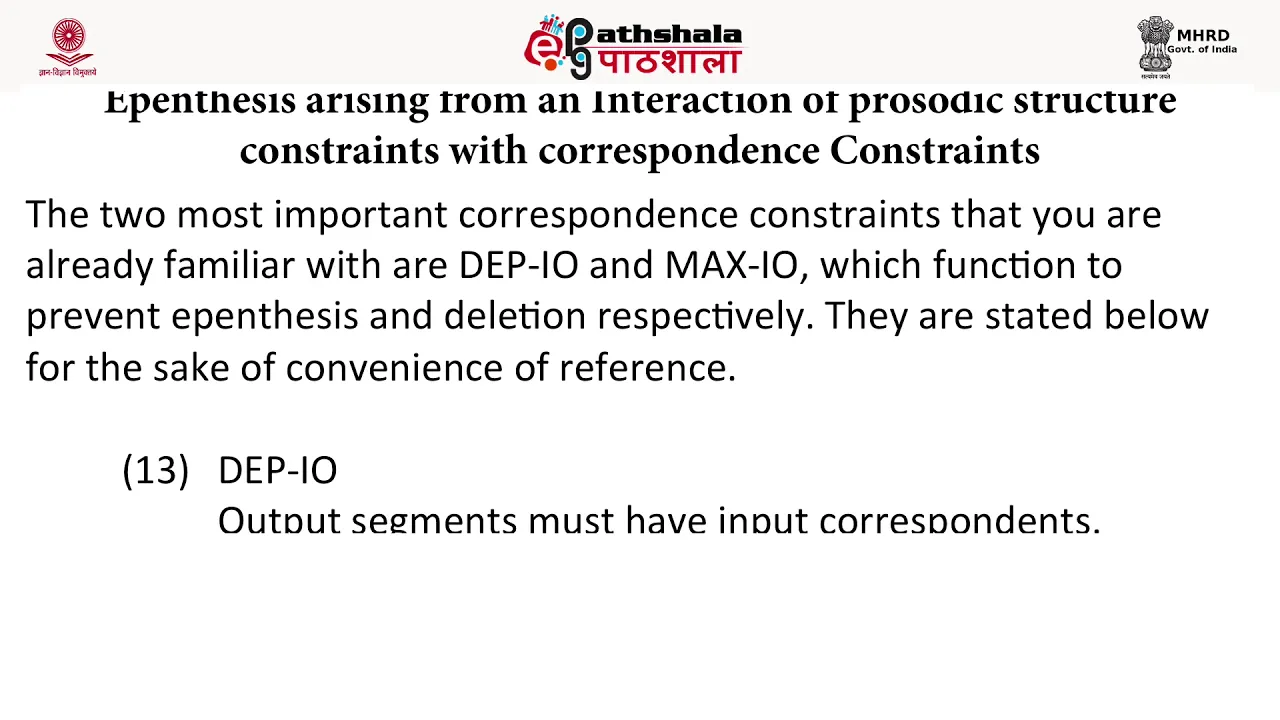
Constraint Interaction in Optimality Theory: Epenthesis & Deletion
@Vidyamitra
180 views•2018-08-20

8:59
Forensic Linguistics: How Language Solves Crimes | PBS
@pbsstoried
1M views•2024-01-25

21:32
Accent Expert Explains U.S. Regional Dialects | Part 1
@WIRED
9.3M views•2021-01-21
Related Study Plans & Knowledge Roadmaps
Structured learning paths in Linguistics
linguistics
Optimality Theory: Tableaux & Constraints
01Phonological Basics: Sounds, Syllables & Rules
02Foundations of Optimality Theory: GEN, CON, and EVAL
03The Constraint Inventory: Markedness vs. Faithfulness
+ 2 more learning modules
15h5 modules
Explore Roadmap
linguistics
Morphosyntactic Alignment: S, A & P Systems
01Foundations of Syntax: Transitivity and Arguments
02The Linguistic Variables: Mapping S, A, and P
03Nominative-Accusative Alignment
+ 3 more learning modules
12h6 modules
Explore Roadmap
linguistics
Analyzing Sign Language: Phonology & Syntax
01Foundations of Sign Language Linguistics
02Phonology: The Five Parameters of a Sign
03Morphology: Word Formation and Classifiers
+ 2 more learning modules
14h5 modules
Explore Roadmap
linguistics
Pragmatics: Speech Acts, Grice & Politeness
01Introduction to Pragmatics: Meaning in Context
02Grice’s Cooperative Principle & Implicature
03Speech Act Theory
+ 2 more learning modules
14h5 modules
Explore Roadmap