














![[Reseña] El cuerpo lleva la cuenta (Bessel van der Kolk M.D.) Resumida.](https://i.ytimg.com/vi/5DdB3xbSQDs/maxresdefault.jpg)



Traumatic memories are primarily stored in the body as procedural and emotional memories, not just in the brain; the autonomic nervous system has three states (fight/flight, freeze/shutdown, and social engagement), and Somatic Experiencing therapy helps people switch out of traumatic states by working with bodily sensations and memories rather than directly confronting the trauma, using techniques like breathwork and body awareness to release stuck energy and restore the body's natural ability to process and integrate traumatic experiences.
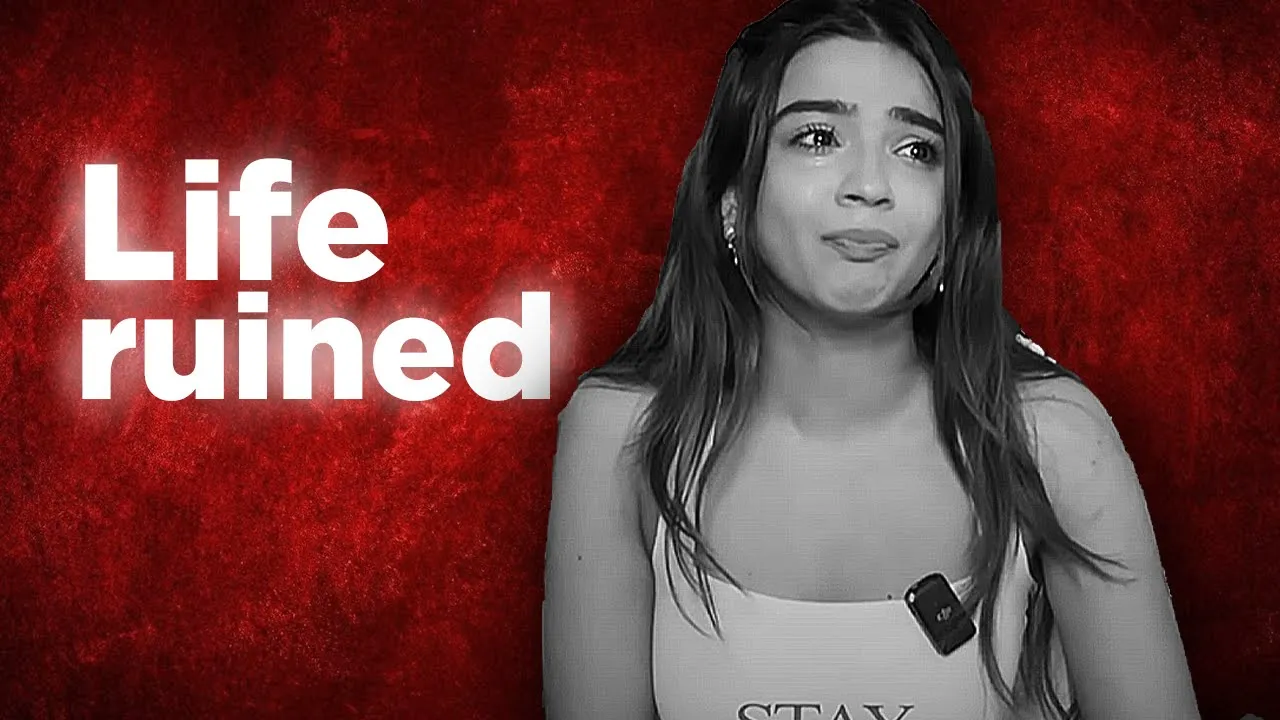
Somatic Experiencing: Stored Trauma & Body Healing with Peter Levine
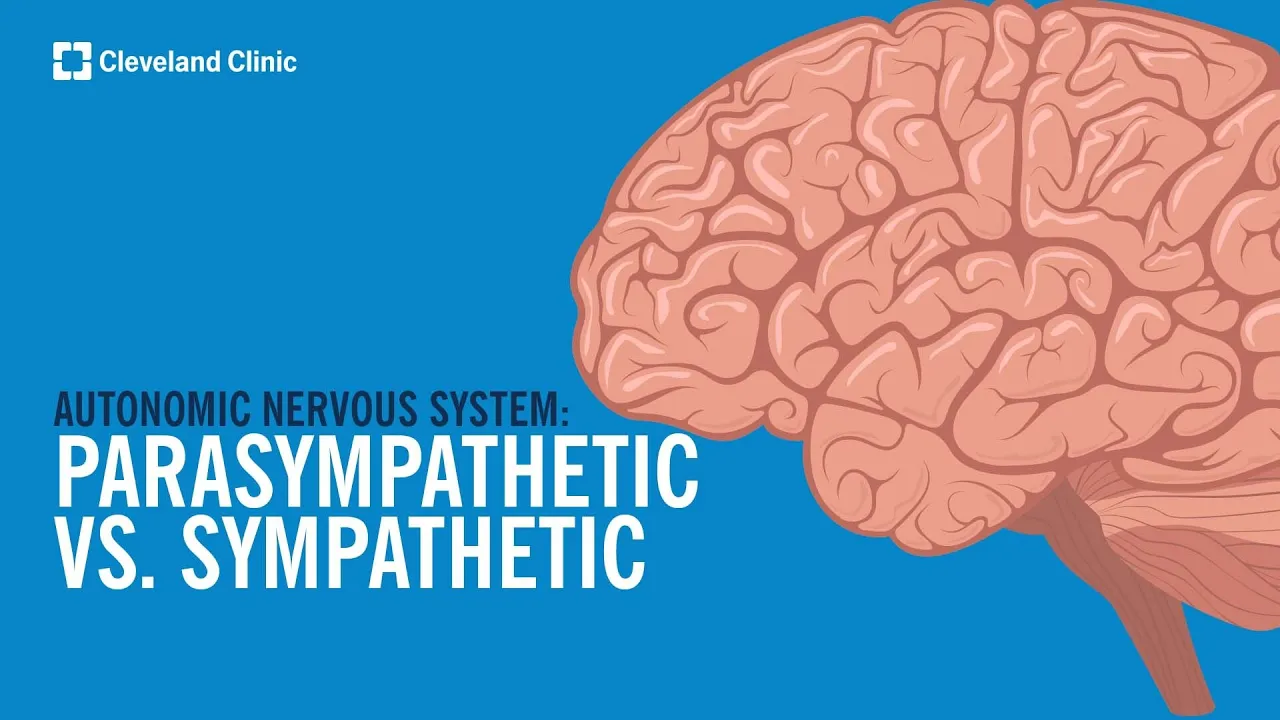
Added:Understanding of the Autonomic Nervous System (ANS), specifically the roles of the sympathetic (fight-or-flight) and parasympathetic (rest-and-digest) branches in response to stress.
The fundamental psychological definition of trauma, distinguishing between situational stress and chronic, unresolved trauma that overwhelms an organism's coping mechanisms.
Introduction to the concept of somatic psychology, which posits that the mind and body are an integrated whole and that physical sensations can reflect psychological states.
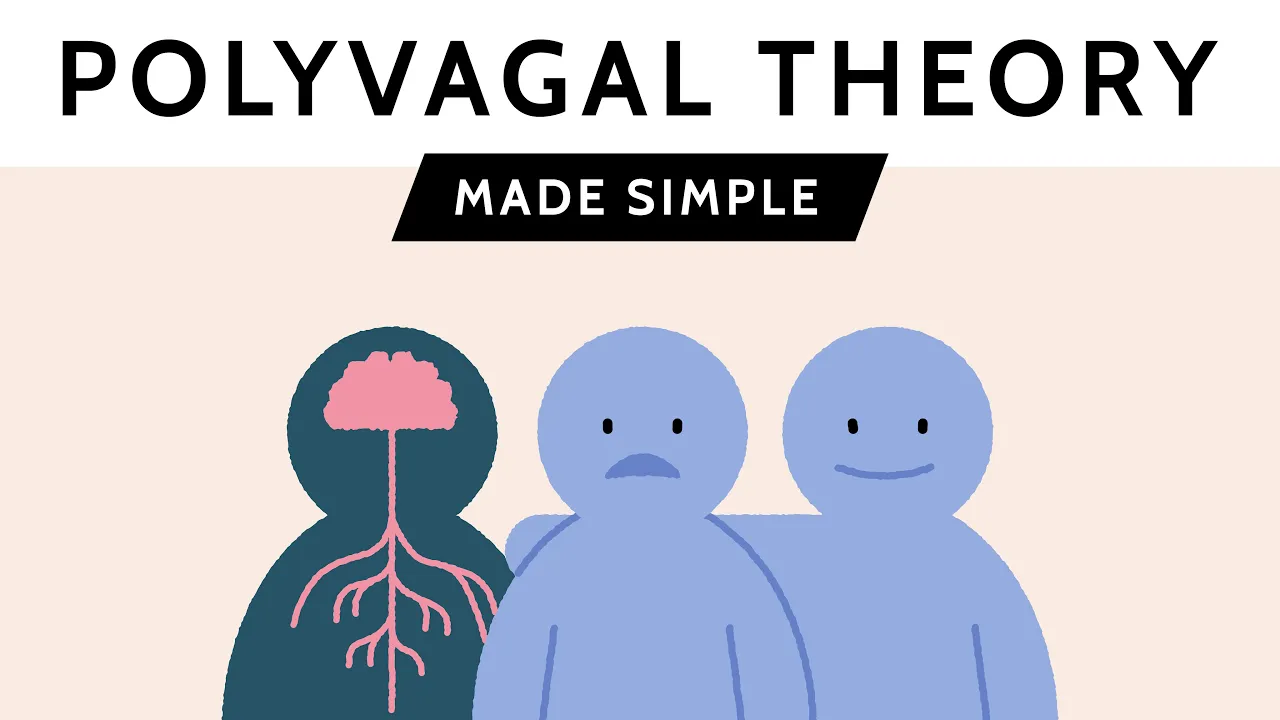
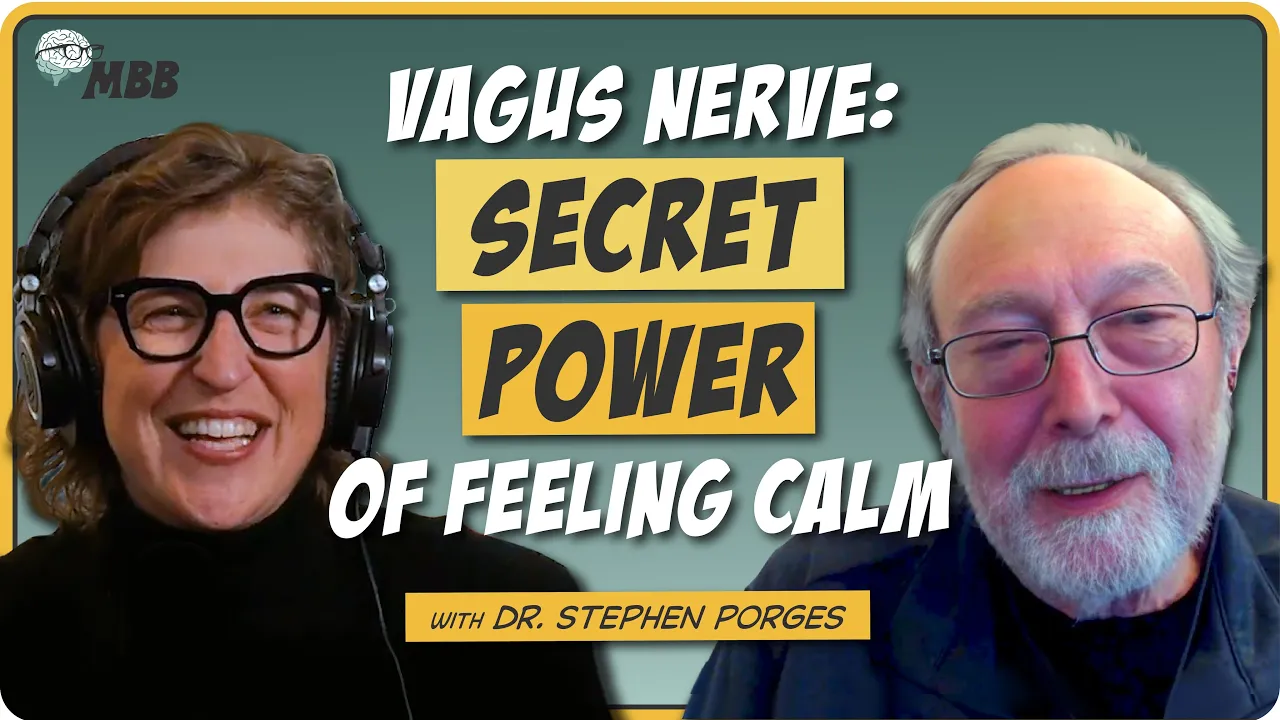
Familiarity with the Polyvagal Theory (developed by Stephen Porges), particularly how the vagus nerve regulates our physiological state of safety, mobilization, or immobilization.
Advanced therapeutic techniques in Somatic Experiencing, such as titration (negotiating trauma in small doses) and pendulation (looping between resources and traumatic activation).
Comparative analysis of Somatic Experiencing with other trauma-informed somatic modalities, such as Sensorimotor Psychotherapy, Hakomi, and Eye Movement Desensitization and Reprocessing (EMDR).
The neurobiology of somatic healing, focusing on how bodily-focused therapy alters neural pathways in the amygdala, insula, and prefrontal cortex.
Application of somatic practices in addressing collective, systemic, or historical trauma within communities, such as racialized trauma and cultural healing practices.
6.8K views187likes1:16:09Original Release: 2024-04-14
but I realized no this is something that the body got stuck with that keeps sending these impulses back up to the brain that says threat or Mortal threat or life threat so in learning for helping people learn how to change that sensorium that inner interceptive awareness then they can able to switch out of these states of hyperarousal and hypoarousal or shutdown I mean in a way it's really that simple I wrote that because because there's such a poor misunderstanding not just of lay people but of therapist of what is the actual nature of memory one of the things and in somatic experiencing we don't go right to the trauma we work peripherally with the different Sensations but particularly with with um bodily memories procedural and emotional memories that contradict those of of fear Terror overwhelming helplessness it's not trauma is not just or not so much what happened to us but it's rather Fredy what we hold inside in the absence of that present empathetic other and that's [Music] critical [Music] hello everybody and welcome back to chasing Consciousness so today we have the fascinating question of the different ways that traumatic memories are stored to think about and how the body itself and not only the brain is instrumental in the way that memories are made and processed and so in how we might ease the symptoms of those traumas later on in life now we may tend to think that memories are stored in the brain but actually we don't have a settled theory of memory yet something that I'm really looking forward to covering the various possibilities of here on the show So today we're going to be delving into the brain Body Connection in traumatic memory looking at the way trauma can influence our bodily States and so in turn the way that we can use bodily methods in a a bottom up approach to retrain the brain to feel safe and to integrate those traumatic memories now for this job there can be no better person than the psychotherapist that essentially discovered all of this Dr Peter LaVine the creator of the somatic experiencing therapy method the founder of The Institute of sematic education and the author of many books on trauma and non therapy including waking the tiger healing trauma trauma through a child's eyes trauma and memory which we're going to be discussing today and of course his brand new book which this episode is very happy to celebrate the release of an autobiography of trauma a healing Journey now listeners do remember that all of the books the scientific papers the concepts and the conversation points are exhaustively included in the show notes should anyone want to go off check the authority of all the research and the ideas that we're citing here on the show on the website there are even more if I'm able to fit them all in so please please use them I am a stick left reference claims even if I don't necessarily agree with them all now a quick thank you to all of you for your support on the project so far please help me keep spreading the word and sharing the shows with your friends and if you can give me a festar rating on iTunes and subscribe with a bell on YouTube that really helps get the show in front of other like-minded folks like yourselves also please join us on Instagram and Facebook to be kept informed as the new shows come out keep feeding back to me with your guest suggestions and to leave your take on all of the subjects that we're discussing here on the show now I have wanted to discuss traumatic memories and the body with Dr Peter LaVine since long before the start of this podcast and in some sense feel that Peter uh Steven pores and Gabel mate are in some way the Holy Trinity of the of thankfully our ever more trauma aware Society so this is a great great honor for me and as you can imagine I can't wait to get into this so without further Ado let's [Music] go Dr Peter LaVine welcome to chasing Consciousness thank you so much for joining us how are you today I'm doing overall doing well very very busy especially with the release um the book but um and just came back from a wonderful trip in to Costa Rica uh so I'm just settling in here and I'm doing well great news Peter great news now Peter my listeners know that I love to start asking my guests about their first deep thoughts and questions about the world about their life when they first became conscious of their own Reflections usually sometime before adolescence um before we introduce your life's work and the crucial ideas that have contributed so much to the trauma treatment field we're going to to talk also about your your new book an autobiography of trauma healing Journey which covers actually the early part of your life too so feel free to pull out some Reflections that you mention in the book if that's if that's appropriate sure sure yeah um I do have an image and because of when we moved I was able to trace it down but I remember um sitting in my room and the shaft of light coming in from the window and then little uh scintillating um uh pieces of dust that kind of form the image of this this this um uh triangle that was coming in from the window and I realized at that moment I think as for your question that I was aware that I was self-aware and I know you're not supposed to be a ble to be self-aware at that early age but I that's something I totally disagree with I think it even starts earlier that than that but Consciousness has a lot of different uh unfoldings you know Consciousness well think about uh probably the the the the person who's credited with Consciousness in in the western world is deart I think therefore I am and uh I think that was is way off track because it's not if if anything it's I move I sense I feel I have images I have thoughts and therefore I am yes that's absolutely true isn't it and I know that you're you're very interested in Yung who's one of the great the great Heroes of this show and of course his work on the importance of image and symbols you know something that existed long before language are very very important Peter it's a way of introducing today's main theme which is about how trauma can be stored in the body and the method that you develop to transform it I would love for you just to tell the story of how you more or less intuited your way into this trauma treatment therapy with that first important session with Nancy can you just tell us that story quickly I'm more I would say I stumbled into it in the N mid mid 1960s uh I was working with a group of men I had developed a a Mind Body relaxation technique and I I had a group of men who had high blood pressure and so I worked using this method with them and having them re release a certain sequence of muscles and in number of cases the blood pressure dropped from 10 to 20 30 even in one case to 40 points so um my friend very dear dear friend no longer with us um Ed Ed Jackson he was a psychiatrist and he was uh seeing this woman I call her Nancy and Nancy uh had been suffering from severe panic attacks and agoraphobia and many many different physical symptoms what we would Now call fibromyalgia irritable vowel and so forth and so he was wondering if some of my relaxation exercises would be helpful at least she could maybe begin to get her life back because other until that time she was unable to even leave the house without her husband and even then it was a horrible or deal I mean it was a struggle just to leave the house and she couldn't do that alone so and when she came in her eyes were like wide dear in the headlight and um her pulse was about 120 beats a minute you know which is an indication of in many cases anxiety and U so I started to do my relaxation exercises with her and her heart rate started going down and down and you know when you do something with like if you're a therapist and the first client you see and you happen to be lucky enough for the to have positive results to have good results you really think you know what you're doing well I didn't know what I was doing but I thought I knew what I was doing so anyhow I was quite relieved that her pulse weight was down to about 170 and then all of a sudden it shot way up to about 150 160 beats a minute and I didn't know what I was doing and if you can think of the stupidest thing that I possibly could have said that is what I said I said Nancy re you must relax relax you must relax and then our heart rate started going down down to 190 87060 55 and she turned pale and she grabbed onto my eyes with her eyes and clearly she was absolutely terrified and I would have to admit so was I but at that moment talk about images and intuition I saw at the far end of the wall of the consultation room a the image of a tiger getting ready getting crouching and getting ready to spring forth and the words came from my mouth Nancy there's a tiger chasing you run run climb those rocks and escape again as I say this was done completely at that at that time with with intuition I didn't really know until after was really what I had done and and actually dissecting this was an important part in developing somatic experiencing so anyhow it seemed like she was feeling even more paralyzed being because she could I can see from her movements of her body that she still couldn't really move and so I encouraged her I said Nancy here I'm with you here take my hand and let's run together and then I could see her leg starting to shake and tremble and move I call it sewing machine movements and then her whole body started to move and her her pulse rate went up to a normal level and then at the very top uh I I asked her what she was notic what she was aware of and she said well when you when you told me or suggested that I run I tried that I couldn't run my my legs felt like lead like I was running in quick sand but when I felt your support I could feel my body starting to move and then I could feel my whole body climbing up these rocks and getting to the top and looking down and when I looked down I saw my I saw the Tiger but I knew I was safe the image of the tiger dissipated out and a new image came up when I was about four years old I was being held down by U nurses and doctors while I forc an ether mask on my face for a tonsilectomy and for the next next 20 years her body was trying to make this Escape but it couldn't do it because she was helpless and so 20 years later she was able to do that with the help of the image of the of the tiger and again talking about Consciousness this is about that motor movement that got stuck that didn't get to complete and that became an important component of developing somatic experiencing these responses that our body tried to make but we were overwhelmed too young too small but they were still there ready to be Unleashed ready to be accessed and completed and as you say there's just so much in there's just that very first session that you went on to use perhaps you can start Peter by helping the listeners understand the three relevant different body states that she passed through there yes the fight or flight uh which it sounds like she was pretty permanently in and then the freeze when it started to go down and then the social connectedness that came afterward when she was able to talk about this in a safe way and at the end when she opened her eyes instead of locking to my eyes she looks softly and she and I asked her if she was willing to to describe what had happened and one of the things that she reported which also had an important impact on me she said I'm feeling like I'm being held in warm tingling waves and this gave me the first kind of intuition of the in the the welded Unity of tra of transforming trauma and different spiritual types of States so um when she came in her heartbeat was again at a high rate and that's most likely the sympathetic nervous system then uh when she came down and then shot way back up I had I there's actually a a thing that has this name a relaxation induced panic and had I been smart enough I would have coined that term but I didn't some somebody else did but that is what happened I mean really remarkably uh and uh so that was another thing I discovered in trauma is what goes it's not what happened to us but in a way what we hold inside of that empathetic other that caring empathetic present other well anyhow so anyhow our heart rate started again going down to a normal level but it continued going down and down and down and at that after that I realized that what was happening was that she was in a very different uh nervous system state state my doctoral work was on the autonomic nervous system actually and so that gave me kind of a basis to understand this uh and also around that time I met who now then became a very very dear friend of mine Stephen pores and when I told him about this he said that doesn't make sense and of course he did make sense of it in developing the poly Bagel Theory so anyhow the heart rate going down is an inhibitory function in a way the opposite of fight or flight uh I called it at the time freezing or collapse and that is a state of shutdown and that is the most terrifying much more frightening than the sympathetic hyperarousal fight or flight is it correct to say that that is a uh remnant of The Reptilian uh brain stem part of the brain where we see reptiles uh playing dead in order to get away from prey absolutely not just reptiles of course but that's probably where it began but almost all animals I mean from spiders all the way up to primates and human primates this is a a life-preserving uh physiological State and unfortunately people when this when they experienced this when they have been uh prayed upon um they blame themselves for not fighting back but the fact that they survived means that this mechanism worked so again there are basically three perhaps four different nervous system States the one when Nancy came in her heartbeat going fast that's the sympathetic fight ORF flight system then when she went when she froze and she couldn't run that was the freezing response when she collaps in helplessness that was also a somewhat different response and then finally at the end when she engaged me looking together eye to eye in a soft way not on a grabbing way that's what Steven porj came to to call the social engagement system it's a particular uh aspect of the Vegas nerve that's involved in our facial muscles and our throats and and muscles in the middle ear and they all of those are tuned to make contact and that should be our our default mechanism but of course when we've been frightened terrified traumatized we don't go there we don't not default there we are we are stuck in that one of those two or three physiological systems and we in order to come back into life we have to be able to switch out usually from the freezing shutdown to a more sympathetic level and then from that sympathetic level to uh to this well to this desire for contact this felt desire for contact and connection pet if you don't mind I wanted to spend just a short moment on this because I know that you Steven's a dear friend and you both influenced each other's work a lot in those early years yes so I just wanted to dwell on that a moment so the passage between the arousal of these threat responses of fight or flight or freeze and this calm social connected uh connectedness is something that we went into quite a lot of detail with when I spoke with with Stephen here on the show when we were talking about polyal Theory so without getting too far into it because I want to more focus on your work I just wanted to draw attention to something that we spoke about in that interview that was really relevant to your body practice approach in sematic experiencing just as the vagus nerve connects the brain to the heart and the lungs sort of activating them for fight or flight when we perceive a threat so we can then use the breath to send a message in the opposite way to the brain that there is in fact no threat and then we can calm down the nervous system using the body so perhaps Peter you can use this bir directional causality between the body and the Brain as a door to speaking about why the body and the bodily practices that you've developed are so effective perhaps you can give us a few examples of that sort of the way that bir directionality has just just been so useful in your work yeah oh for sure you know um this nerve which now is called the Vegas nerve um that term wasn't known to Charles Darwin and his in his extraordinary book uh the expression of emotions in man and animals he talks about this nerve as being the pneumogastric nerve in other words that comes from goes to the lungs goes to the guts and this um nerve is is and I as I recall he actually I think he hinted about this this nerve which is the largest nerve in the body Vegas nerve or the new agastric nerve is 80% sensory 80% afferent so for example you go out your door and you see somebody has just been hit by a car and you gut twists and then you go you look further and you can see the person's really badly hurt and your guts really twist now then let's just say that night you're going to bed and all of a sudden you see an image of that person coming into your awareness into your Consciousness and then you again your guts twist and the re what's happening is our guts keep telling our brain that there mortal threat one of the things I learned in working with uh with um military people people uh from actually even starting from the second world war up in Vietnam and of course these more recent Wars is that um what's important is that there's a message that goes from the gut back up to the brain that says the threat is over you can come back into relaxation and into balance and in order to do that you have to be able to change the signals that are coming from our guts coming from our hearts and our lungs so that um that so they run their natural course of action and so one of the one of the early things that I've noticed is for example when people uh usually these are the people with high blood pressure their shoulders tended to be tight like this and so I would and so again what's happening is the shoulders are expecting for example being hit being yeah uh and so they they respond by trying to protect themselves but this particular tension pattern is sending a message to the brain saying the threat is still there so until the person can well this is the power of working somatically because until that changes in the body it keeps sending that that that faulty message the twisting in the gut it keeps sending that faulty message and so we've got to do is be able to really change that and um you know when I started to develop my work in the in the 60s there was no definition as there is now of trauma as PTSD it was a very different landscape so I didn't know or fortunately I didn't know that trauma was something that was basically a a brain disorder even a brain disease that could at best be managed by drugs and helping people change their negative thoughts but I realize no this is something that the body got stuck with that keeps sending these impulses back up to the brain that says threat or Mortal threat or life threat so in learning for helping people learn how to change that sensorium that inner interceptive awareness then they can able to switch out of these states of hyperarousal and hypoarousal or shutdown I mean in a way it's really that simple but but something like that at least at the time hadn't been thought of you mentioned relaxation perhaps you could give us another example uh of of the way that you sort of Hack That by by directionality to send a different message to sort of update the message coming from the body okay well so let me give you a couple of exercises if you wish and to F to do them also if it wishes or if you wish or if any of your viewers would like to do this most of us have some tension in our shoulders so if I ask the person to feel the tension and then to just notice what the shoulders might want to do if the tension actually even increased so then it would go up like this and then then I would say okay now but that's fine but do it very slowly with awareness with conscious awareness just feeling the tension in the shoulders and slowly letting the shoulders rise and then slowly releasing the shoulders and notice any Sensations feelings thoughts images that come into your Consciousness someone as I did with Nancy so I might do that two or three times and usually the person will ort sensations of relaxation of tingling of vibration those kind of Sensations then with the guts that's a little bit more tricky what's going on in you know in our in our guts with the twisting with the butterflies so I experimented with breath and many different sounds and one of the sounds that I came up with that was particularly useful in switching out of that mortal injury uh response from the from the from the gut is to very gently take an easing full breath and on the exhalation to make the sound Vu V Vu coming from the belly and letting the breath and the sound go all the way out [Music] so and I actually feel the vibration coming from here in my gut and I wait for the breath to come in on its own and again people experience sometimes warms tingling sometimes images sometimes memories might even come up of where that happened initially but the idea in sematic experience is not to have the people go to find to excavate their memories that may come up but it's to switch the bodily State out of uh out of hyperarousal out of shutdown and then into social engagement into connection so uh then again this is what brought Stephen and I together because again my doctor licitation was exactly on this and then but I didn't realize it as a comprehensive Theory and I think that's the gift that Stephen has given to all of this a really accurate model of what goes on in the autonomic nervous SYM and how that affects our entire level of conscious awareness now another inspiration of yours Peter is from the Animal Kingdom itself and our prey animals that narrowly avoid death from predators on a daily basis seem to be able to just shake off this kind of traumatic Survival episode that would lead to PTSD in a soldier as you mentioned or in a victim of abuse and they just carry on without any apparent collateral damage just speak for a moment about the research on what is really the difference between the way we and they are processing those experiences yeah yeah well actually you you hit hit it right on the head when you said um shake it off because that's literally what they do uh and I've looked at many videos I've talked to Wildlife men managers uh all over the world and they all report a similar thing that after a a a a animal prey animal escapes it also goes into this immobility and very often the Predator is not interested in in an animal that appears to be dead it's maybe it's a way of um making sure that it doesn't get you know pick up all kinds of bacteria or you know that kind of thing so it Los interest and then the prey animal it's called it's incorrectly called playing aasum because it's not playing it's again this profound physiological State and um and then when the coast is clear it it shakes trembles and then goes off to live in another another day now the very Sensations that take the animal or of course they can't report their Sensations uh but those sensation in humans we become afraid of them so the very Sensations that will take us back out of the trauma back into life we uh we resist and you know the expression uh um what what we resist persists and so uh so again we get stuck there we don't complete that cycle as Nancy did and we just keep replaying and replaying and replaying as though it's happening in the present which keeps us out of being in the here and now and maybe this is connected to why movement so fundamental in your in your method right you often speak about evoking vitality and exuberance in your sessions before you go anywhere near Excavating the trauma can you expand a little more on the thinking behind that preparation and perhaps comment on how how we've become such a disembodied culture that doesn't naturally follow its its sort of emotional intelligence or should I say bodily intelligence yeah well that's I mean that's an another interesting question of how we become so disembodied you know and I've thought about that I've pondered about that and I think that there was a period And this is again just R reading history and reading um different uh Renditions that uh around the time the late Egyptian early Greek period that people were more embodied and I again I picked this up from the literature and from the symbology and from the archetypal images from that period of time and U but we have really lost that lost sensing and knowing feeling alive sometimes people have asked me well what happens in a session or how do you know a session has been successful and my answer feels more Vitality more aliveness and sometimes when the person is starting to feel that aliveness I might have them say I'm alive I'm alive and I'm real then that will either increase or it will decrease and what then often comes up is for example as young children even as infants we've learned that if we are too exuberant that it may be too much from our from our caregiver from our parents from our mothers and so we learn to shut that that that aliveness that Vitality which of course is is it's not just that is tragic then of course then adding to those ongoing stressors and Trauma we become even more and more disconnected from our bodily sense and in a way healing trauma in this regard is in a way of coming back into our bodies in in transforming the trauma we come back into our liveness our Vitality because the very um levels of of excitation that allow the animal to escape also allows us to escape disembodiment and come back into a more centered more knowing more intuitive place and I talked quite a bit about that actually in you know in the book I just wrote the autobiography how specifically that was for me in finding my way back into excitement into into dealing with some of the very profound traumas that happened to me in my childhood well we're just about to to get on to that listeners and and you know it be very very interesting and you know there's so many things in the book in your own personal story that you pull out you know like the stuff we can learn from from ny's session but first now we've we've set the scene let's go into trauma itself and this all important question of whether it's useful to think of trauma as being stored in the body memory not just in the mental memory you wrote a brilliant book on this trauma and memory brain and body in a search for The Living Past corre tell us about your uh Research into this idea of body memory what you're arguing in the book and the wave discovered that uh through all of these this this long career of many many sessions how is trauma stored in the body yeah uh well speaking of that book I wrote that because there's such a poor misunderstanding not just of lay people but of therapist of what is the actual nature of memory and there are two basic categories memories that are more conscious and those that are less conscious and then there are two subcategories in each one so in the conscious me memory we have declarative so I remembered oh I have a meeting with you today at 11 o' uh that's my conscious declarative mention memory and obviously we need that to go around but it doesn't really have anything to do with what we feel how we feel uh there's also another type of memory that is sometimes called autobiographical or oh gosh what's the other term that's using I'll remember it or not um and U uh this is a memory like we're able to reflect on certain times in our lives and it's a more important form of memory one the examples I give in that book is when I um went from the fourth grade elementary school to the fifth grade uh we were walking back from uh school and my friends were asking me well um how who's your teacher and I said oh miss Curts and they said well what do she like and I said oh she's the most terrible teacher I've ever had which was virtually impossible because I had teachers that were very cruel that would have lost their jobs maybe even gone to prison for some of the things that they did so just in that moment of my boning I feel it tap on my right shoulder and I look around and it's Mrs kurts and she says Peter which she remembered my name Peter am I really that terrible well it turns out she was the best teacher I've ever had and so my whole perspective changed from learning as a as a as a chore as something that was uh demoralizing to really seeking mentors and that's gone through my whole life and even again I even write about that but okay but but so why is that memory important because it really gave me again A New Perspective I was able to change my model to some degree of the world y okay then there are and these are the more uh more implicit memories emotional memories so all of a sudden for no reason you're yelling at your partner or you're yelling at a friend and they didn't really do anything but somehow some little thing that they did or the way they moved or the way they smelled like the smell from tobacco or from alcohol all of a sudden we're in an emotional memory it just shoots up but the deepest memories are what are called procedural or body memories and these are the things that our body has done to protect ourselves and has but has and may have been successful at the time but then become maladaptive later on and this was the memory that um that Nancy had about being held down and trying to escape these are proced ual memories and how to work with all of these memories together basically is what that book was about and to really understand which memory system a person was in at any given time at any given moment it's useful to be aware of the different possibilities y echoing echoing one of Jung's ideas that I'm sure you're familiar with uh that you can't solve a complex but you can outgrow it you work with this idea of sort of substituting traumatic body memories with stronger positive body memories right give us a little idea how that might work and give us an image because I feel like re programming isn't the right the right the right analogy I don't think that rewriting is the right analogy what's the way that you would describe this sort of idea of sort of substituting more positive body memories yeah you not sure would use the words sub substitute oh okay I couldn't I couldn't find the right verb it was annoying me yeah yeah um let me give you the example from my life and what's in the book you know um at one time I was experiencing very troubling Body Sensations procedural memories and I realized it and certain images I realized it was time for me to take a dose of my own medicine and like Chiron who's the the Greek archet archetype of the Wounded healer uh it was time for me to ask one of my students to sit with me and to see what was going on that was giving rise to these difficult Sensations feelings and U one of the things and in somatic experiencing we don't go right to the trauma we work verly with the different Sensations but particularly with with um bodily memories procedural and emotional memories that contradict those of of fear Terror overwhelming helplessness so in guiding me what came up was a an image of myself when I was about four or five it was my birthday and my parents in the middle of the night had laid some model train uh tracks underneath my bed out into the room back down around and then again underneath the bed again so when I awoke I I heard I saw the train going around I literally jumped out of bed went to the Transformer changed the speed of the train made the the horn go you know to to I was excited beyond excitement and in that moment I knew that I was cared for that I was loved so even though these horrible horrible things happened there was that base that my body could have this as you said this positive feeling this positive experience and then that allowed me to excavate this a brutal um trauma of being uh of being uh well of being attacked and and and and being raped that has a whole story there so I was able to do that in a way that was safe that I was able to sense it and move through it and again using those basic principles that my student who was then my guide was leading me in this in this direction and for her I'm grateful and but we've all and maybe it's not so violent but we've all had things where we felt threatened when we felt helpless when we really needed the support of another person to move through this as I I kind of mentioned before uh it's not trauma is not just or not so much what happened to us but it's rather Fredy what we hold inside in the absence of that present empathetic other and that's critical that's critical when I wrote uh in an unspoken voice I talked about being hit by a car and being dissociated being out literally outside of my body and when thankfully this woman came by and announced herself as a a doctor actually a pediatrician which I thought yeah that's the right Subs specialty and she asked what uh what she could do and I said please just stay with me and she sat down with me took my hand in her hand and then I came out of the dissociation and used the tools that I had developed so that I didn't take this residual of trauma and a statement is that without tools trauma rules but with tools we can move from fixity to flow from stuckness frozenness to flow and connection well that brings us beautifully on to an important idea in your vision of transforming trauma which is this this being listened to being heard being witnessed which I know is right at the center of your practice and it reminds me of uh an indigenous American speaking of how in her particular culture the legal system didn't consist of punishing the perpetrator but of allowing the victim to speak publicly about their experience in front of not only the perpetrator but in front of a series of witnesses yes thus validating The Experience exactly informing the perpetrators of the consequences of their actions unburdening the victim of the shame associated with their experience which I have a question about in a minute about shame in my opinion listening is the missing component in our modern information ecosystem and it's really to a breakdown both in Democratic discourse and journalistic Nuance but even in scientific progress as well what role does listening have in the effectiveness of therapy and ultimately maybe in all of Human Social connectedness yeah right right I mean it's about reflection about you know when we're infants and even from day one you know like sticking the tongue out so just say the infant sticks their tongue out and then the caregiver the parent sticks their tongue out and then they're carrying on a dialogue of sticking tongues in and out and and then the baby gets even more excited and with this new learning and the the caregiver hopefully perceives this excitement and mirrors that excitement and that sense of mirroring by that other person lets us know know who we are and maybe that's the very beginning of Consciousness when we're just uh sticking our tongue out and having that mirrored and I don't think there's Consciousness without mirroring so I guess we're kind of getting back to that question of what is consciousness Consciousness is becoming self-aware from the sensation of what these motor actions are being described and do you think because I discussed this with people uh with Steven as well do you think that that listening is somehow maybe the missing link in uh perhaps finding a more trauma aware Society I I think so I would agree with that you know I mean trauma aware is so important you know um I think must at least 15 years ago um Vince Vincent pH ly uh and his colleague uh Andress uh developed the ace questionnaire and it's a questionnaire of 10 uh qu 10 questions and it's it's either yes or no so was there alcohol or drug abuse in your family yes no so H was there inappropriate sexual touching yes no so if you check yes to three of these or more you will of no surprise develop as an adult or as as a child um anxiety depression you know you see such high levels of depression about the young today I'm not saying it's all about this but this is an important factor and um but they also are much more likely to develop physical illnesses like diabetes heart disease asthma may eat certain kinds of cancer and so forth so this is so important and I remember one time he and I were being interviewed together all with Dan seagull for a documentary that was being made and you know we were kind of in the back getting our makeup put on or whatever and uh you know I said because this was the way it was at that time I said how is it for you that you know this important body of work that you've developed that it's not being utilized and he kind of looked at me I kind of sense a little sadness in his eyes and he said well medicine is that way things change very slowly and they actually change quite a bit more more rapidly than any of us would have thought because in many many cases in schools in clinics and hospitals uh the you know the ace questionnaire is is is you ized he also and and he agreed with this left out at least two important aspects of that weren't on the ace questioner the first one was uh accidents you know kids are often having accidents they you know God forbid they run into a plate glass uh door and they wind up in the emergency more swallow a marble and they have to get you know get their stomach pumped um these things can stay with the child if they don't discharge again that that that fear energy that was locked in their in their bodies and um I guess my question Peter was around this idea that is for example could it be important to include on that questionnaire did you have anybody that listened to you and heard that heard your issues when you needed to sort of regurgitate and get it off your your things you know there it's such an important part for example of the hand inhand technique which uh is a brilliant parental technique for anybody out there Peter's done a lot of work on on uh conscious parenting as well but listening is at the center of that technique because your safe person you're those people that you feel that social connective with it that person will need to offload stuff that they weren't able to to others and if that person isn't there then that accumulates and I just wonder yeah would it be possible does it exist are there any studies into the actual causal physiological effect of listening as a way of not only avoiding trauma in the first place or at least the accumulation of the consequences of trauma but potentially even having Effectiveness uh later on in life if somebody didn't have that when you were young yeah there is a term for this and it's called resilience and that was left out of again that Ace questionnaire because yes on average people who have three or more of these events have this these kinds of later problems but many who have had that or some that have had that do not have those later symptoms and again I think that has to do with resiliency and being mirrored and being loved again in the in my autobiography of trauma the uh the that first uh memory that came that first body memory that came of the trains going around uh that really let me know that I was cared for that I was loved so even so so many horrible things that had happened this became like a foundation for how my psyche my nervous system my my knowing body would be responding and how I'd be able to help deal with these traumas which were then or what would have likely been severe traumas but to be able to move through them so yes I think we need uh uh when I was teaching about taking histories you know uh trauma histories I said no that's wrong term it's it should be trauma resource inventories in other words what was the thing that helped us get through that at that time so then it was adaptive but then how does it then it becomes maladaptive and then how can we change that so I think those are really important questions that are not set in and in a way um sematic experience is about installing or reinstalling these core resiliencies in the body and in the nervous system now Peter we must get on to your new book an autobiography of trauma a healing Journey thank you for bearing with me I just thought it was important for anybody who didn't know your work to to sort of these these pillars that are really really important to to introduce to really really understand your story and of course it's an autobiography so this is your story and by means of uh introducing it I want to use the book as a way of introducing and the last important concept that we haven't we've mentioned it but we haven't yet got into it this elephant in the room uh as far as I'm concerned with Western culture shame yes as I'm planning to do an entire uh episode on that because it's that important now you open your new book speaking of your own devastating childhood trauma uh this this violent rape at the hands of a gang that were threatening your father to avoid him testifying in a mafia trial an episode that I don't think you've ever shared publicly uh before this book tell us as much of that story that feels appropriate the shame that you carried uh following it and the maybe how that manifested itself in your body as you were a child and what that what how much of that was carried into adulthood and perhaps you can use it as a window to speak about how shame has and can be just so crippling and how you manag to disarm it yeah but it's a long story and uh shame is one of the shame is the murderer of the Soul it's the Strang lator Strangler of the Soul um yes um my father was called to testify against Johnny Doo he Donny dardo he was the alone of New York in the book I have a picture of him and you look at that one picture and you just get Frozen I mean this guy is a murderer he was featured in The Good Fellows and also in the Irishman he was like the big Hitman and so if my father testified the way he said it to him was if you testify you'll find your family face down in the East River so our lives were threatened and this went on for many years my father fought it eventually it went to the Supreme Court and and um so in order to maybe I think tell my parents how serious they were uh I was violently attacked and raped in a park which had formally been my place of refuge and um I never told my parents about that because the shame was so strong it just almost obliterated or dissociated that memory and in a way I actually didn't even tell it to myself for many many years decades until that session that I did with my guide with my with my student and um shame is a specific bodily posture so and this is again from coming from a body oriented approach from a sematic approach because again usually if you try to confront shame it just intensifies the shame and so a key then is to see what is how is the shame organized in the body in the psyche especially in the body and so in shame we avert our gaze we look down we look away we break any eye contact and we um and our body collapses forward and our breathing becomes greatly diminished and again so this is a bodily response that is that of shame it probably starts initially around 18 months two years and then even more around the age of four years old three four years old five years old and so again when if you can feel that that sensation in in the body and and I actually didn't write about that particular part but in tracking those movements remember like the shoulders increasing and then decreasing so slowly turning away and looking down and then coming back and then just feel the opposite response because the opposite response for shame is pride and dignity because this is the collapse this is the physiological component of Shame when we come out of it we open into our chest we open into the sense of Pride and dignity and that was the case for me that I did survive this that it didn't kill me it was horrible but I dealt with it and I could feel my pride and that's one of the things that motivated me to write the autobiography of trauma well I can't help wondering why you've chosen this moment to speak publicly about such a private is it to be Witness perhaps or as we were speaking about to to unload this great burden to know that it's not just with you I mean you also mentioned the hope that this story will help other people facing trauma us why why you chose to share this at this stage well when I originally wrote the book it wasn't as a b a book at all you know and in my age so I'm now in my 80s because clearly I mean I'm pretty V vital I think but but I'm certainly not going to be living as many years in the future as I have already lived in the past so I thought this was a time of Reckoning of Excavating my life it's sort of like I guess a a journal of some kind of was more than a journal it was really to feel into these feelings and and and I did that and a very dear friend of mine Laura she um she encouraged me to write it as a book because she she thought that it could really help other people and when she mentioned that I went no way and um and so I thought she said well why don't you just think about it you know you don't have to make a decision right now and so I did think about it and I was I would say at best conflicted often when I'm feeling stuck in my life or in my developing my work uh I have a dream and the dream really provides me with the answer that I'm seeking so in this dream I'm facing a a large field an open field and I'm holding in my hands a ream of paper in each hand and obviously it's typewritten so it's some kind of a manuscript and I'm looking to the left and I'm looking to the right right and again I just feel at best conflicted I don't know what to do I feel lost and in that moment there's a breeze that comes from behind me and takes all of these Pages up into the air and out into the meadow to land where they may and when I woke up I knew that the decision had been made for me that I was going to write this book and eventually publ publish it as a book to write it as a and publish it as a book many many times I doubted my decision I thought I can't do this certain parts about my sexuality just felt absolutely too raw and vulnerable but then each time I would come back to yeah yes this could also help people and also encourage people to write their own stories because we all have stories to tell that are important important to tell for us for our own sake but also for others and so that's what really you know turned the table then finally when I got a publisher then I felt another kind of minor panic attack oh my God because if I do this then it'll come out then when I uh gave them the manuscript again it was like oh my God am I really going to do this now you know in an interview like this I feel some apprehension but mostly I feel excitement I feel like I've done what I was supposed to do and that was to put this out into that Meadow of the readers that they could use it for their own healing and to just in some ways to support that and to be able to use my experience to help them journal and organize their own experiences so you know I mean again I still talking about it with you now I get a little bit of tightness in my chest but it soon passes because again like with dreams I knew that I was doing the right thing you're such a figure in the field of trauma awareness in the the the positive story about the fact that there is hope for those people who are trying to face those that they don't just have to bury it and get on with it as my as my mom's generation would say there there are some tools we can do something and for a figure of your importance in the field to come forward and say you know I faced my resistance to this and I went through with it I think is an enormously important symbol so thank you for your bravery thank you yeah well this is the backstory in a way to developing this methodology and um and it also I think makes me more human to myself and and to others and again I think that's a gift that we can give is to share that vulnerability with the CH chosen other you know if you tell something about yourself that's delicate that's vulnerable you want to tell it only to the right person and I believe that the people who are will be reading this book are the right people to witness my story so that all of you are helping me in my own healing in my own individual process in the book you also confirm for yourself something that you've often spoke about that Rings true with young right trauma can be one of life's greatest teachers um yes does that mean this is an important question that comes up in almost all of our psychology uh episodes does that mean that traumatic experiences and painful challenges are an important prerequisite or the transformational component that that young called individuation do we need them for that to work or rather simply as the great young scholar who I know you respect and you mention in the book James Hollis he said here on the show that a life without suffering would be hard to find so it's rather than being a necessary part of transformation it's just an inevitable part of life it is it is you know somebody asked me what message I would like to to leave and I thought about this and the the following words came trauma is a fact of life but trauma doesn't have to become a life sense given the right tools given the support that we deserve and that we can get we can then move through those fixations that fixity and come back to the flow of who we really are and in a way trauma renegotiated trauma transformed is that right of passage it certainly was for me that takes us to a place where we're more empathetic and that we're more compassionate both to ourselves and to others and we don't ask the question what's wrong with you but rather what happened to you and what's happening to you right now so you know again my colleague um Gabor mate um he wrote something like really trauma is what bring brings us to this state of caring of compassion of deeper understanding of the human condition of the human condition and he Echoes one of your ideas I wonder if he wasn't influenced by you his his compassionate inquiry idea Builds on your much much I think you mentioned it many many years before about this importance of the state of curiosity yes oh yes because you say that if we move into that state there's no way that can coexist with fear and resistance it's a completely different brain State y compl let's just close on that positive note the importance of curiosity for you tell us why is it so important that we have that compassionate kind curi I it to ourselves if we want to sort of overcome our resistance to to to facing our TRS you know sometimes I'll ask the person there's a saying I don't know if it's in UK uh or in Europe um but um the the expression is curiosity killed the cat and I asked the person if they've heard of that and then they said but that's wrong they got it all wrong curiosity is what led the cat to realizing its whole greatest potential and as a child I think this was one of the gifts that I did get from my parents is that of curiosity and I was receiving my first of of four lifetime achievement awards uh and um I was surprised that my brother my brother John my middle brother he was um he was in the audience and I always felt that he didn't really respect my work because he is a very famous um doctor medical doctor and PhD researcher but I noticed he was there in the audience and so I spoke about curiosity and then we went out to have lunch afterwards and he said he described a memory that I hadn't remembered consciously we during the Summers we would live on my grandparents Farm and we would take fruits and vegetables from the farm and put them in this red wagon and then walk about a mile up this Dirt Road Pine Tree Road to a bungalow colony where people from the cities would come to spend the Summers and how could they resist there were the three of us these three cute boys um coming with these wonderful fresh vegetables of course they bought them and my grandfather oh I'm sorry Grandpa to say this but he was a tight ass he gave us 10% of what we sold but that didn't matter it was the you know that we were now growing up entrepreneurs so one day we had sold everything except for one head of cabbage and we were pulling the wagon and I noticed that the the the um the the the Cabbage the head of cabbage rolled to the back of the uh of the of the uh wagon and I was very curious about that so I sat by the side of the wagon and have my brother pull a wagon and I noticed not that the that it was the the the U the Cabbage was moving to the end but it was staying still and the wagon was going forward so when we returned I asked my mother why this happened how come this happened every time and she said Peter you've just discovered rediscovered Newton's first law of motion a body at rest stays tends to stay in rest unless acted on by an outside force and a a body that's in motion stay tends to stay in motion unless met by an outside force and I've always been that that person of motion you know bringing this word World out to the out to the world bringing this work out to the world you know um when I first developed it you know I was like Johnny apples seed he's the one who planted apple seeds all along the country and then from those seeds grew all of these apple trees and um I don't know if it's true story but it's a wonderful story and I was that person who just went throughout the world to get this work out and it was quite a burden but I originally did this with a group of about a dozen or so Berkeley therapists and then even though I still can't quite compute this work is now being taught in 44 countries by 50 or 60 of the people who are the trainers now ones that I've trained and other trainers have trained and so as to the question have I done enough I can answer that in the affirmative yes I have done enough it's out in the world I can let go I don't have to feel like I have to keep doing something I can just kind of hang out and write books if I want you know and do things and and go to wonderful places to play and to live and to be to to support my happiness really and your vibrancy and Your vitality and your exuberance have been fundamental to having the energy to not only create and develop sematic experiencing and treat so many people but also to create the Institute to make it into something that could be shared I have met myself in person at least 10 people who have been pursuing your training it is it is having a huge effect so I think you're absolutely right you have done enough but the question question the lingering question is am I enough that's the work in progress and each day it seems like I am more and more able to answer that question in the affirmative so I just leave you all with that thought and to find your own thoughts and your feelings and to tell yourself your stories Dr peteran thank you so much for opening your heart and for uh life of extraordinary commitment to a trauma aware society and to providing tools that we can actually all access listeners do please go off and read this touching beautiful Insight um as we know stories are often the best way to access the truth behind and the the facts and the science behind so this is a really beautiful book an autobiography of trauma a healing J by the way you can wherever books are sold you can get it it's uh actually I have to no oh yes I will tell you um I just looked it was released yesterday I just looked I think on Amazon and it was number one new release and I thought holy s Dash DT it's out there I cannot take it back now well Peter I wish you all the best with the book um it is definitely going to be a different world for you knowing that everybody knows that but I think you're absolutely right you know we can learn a huge amount from this brave brave story and most of all the extraordinary amount of experience you can put into that story and unfold as you do in the book so thank you so so much for your time and all the best with the book it was really enjoyable meeting you Freddy [Music] oh
Up Next
86:58
Introduction to IFS Therapy by Dr. Richard Schwartz: Core Principles
@MeadowsBehavioralHealthcare
19.8K views•2024-12-06

68:32
Cognitive Skills for Differentiated Instruction | Teacher PD
@BrainWareLearning
631 views•2017-12-17

9:55
Thinking, Fast and Slow: Daniel Kahneman Animated Book Summary
@FightMediocrity
2.3M views•2015-06-05

6:40
The Nocebo Effect: How Beliefs Can Cause Real Harm
@CGPGrey
10.4M views•2013-12-23
Related Study Plans & Knowledge Roadmaps
Structured learning paths in Psychology
psychology
Neuroscience of Creativity: Networks & Training
01Foundations of Creative Cognition
02The Cognitive Neuroscience of Insight & Fixation
03The Triple Network Model of Creativity
+ 1 more learning modules
15h4 modules
Explore Roadmap
psychology
Imposter Syndrome: Etiology & CBT Framework
01Defining the Imposter Phenomenon
02Socio-Developmental Etiologies
03CBT Fundamentals & Thought Distortions
+ 2 more learning modules
15h5 modules
Explore Roadmap
psychology
Adult ADHD: Executive Dysfunction & Scaffolding
01Neurobiology of the ADHD Brain
02The Core Triad of Executive Deficits
03Executive Dysfunction and Emotional Regulation
+ 2 more learning modules
12h5 modules
Explore Roadmap
psychology
Loneliness: Evolution, Neurobiology & CBT
01Evolutionary Origins of Human Connection and Loneliness
02The Neurobiology and Physiology of Chronic Loneliness
03Maladaptive Social Cognition: The Psychological Loop
+ 2 more learning modules
12h5 modules
Explore Roadmap