




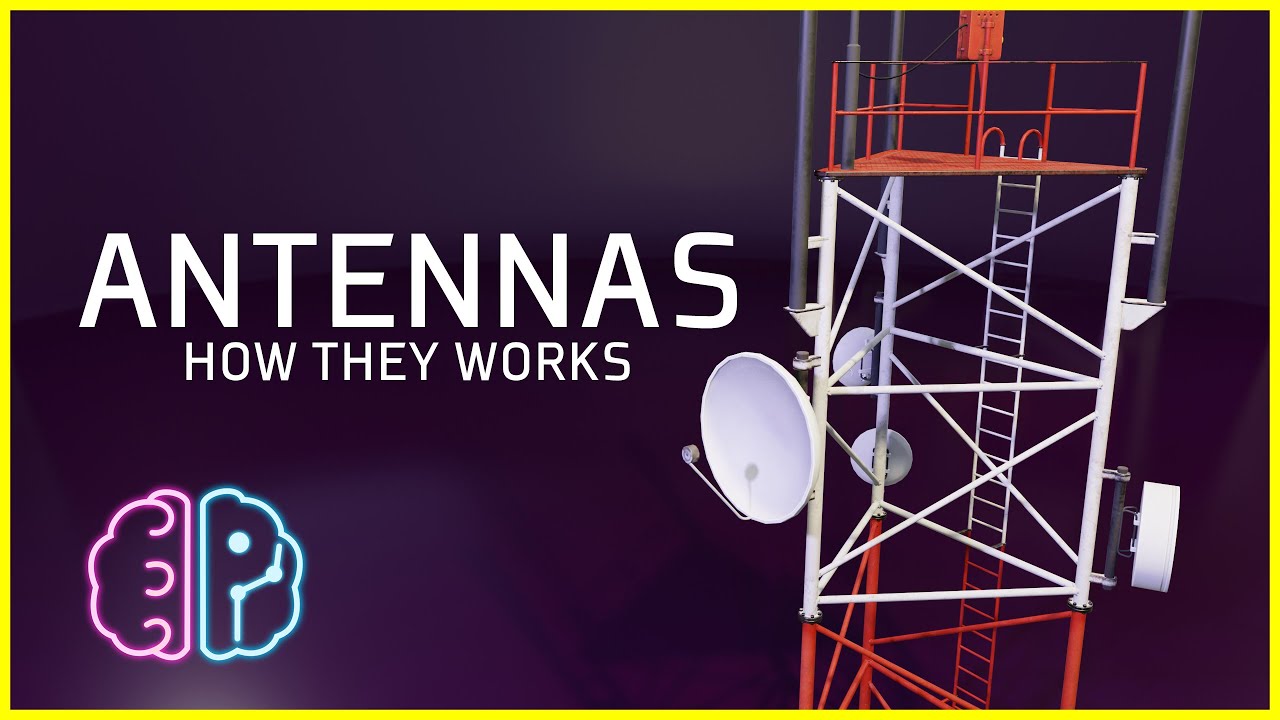





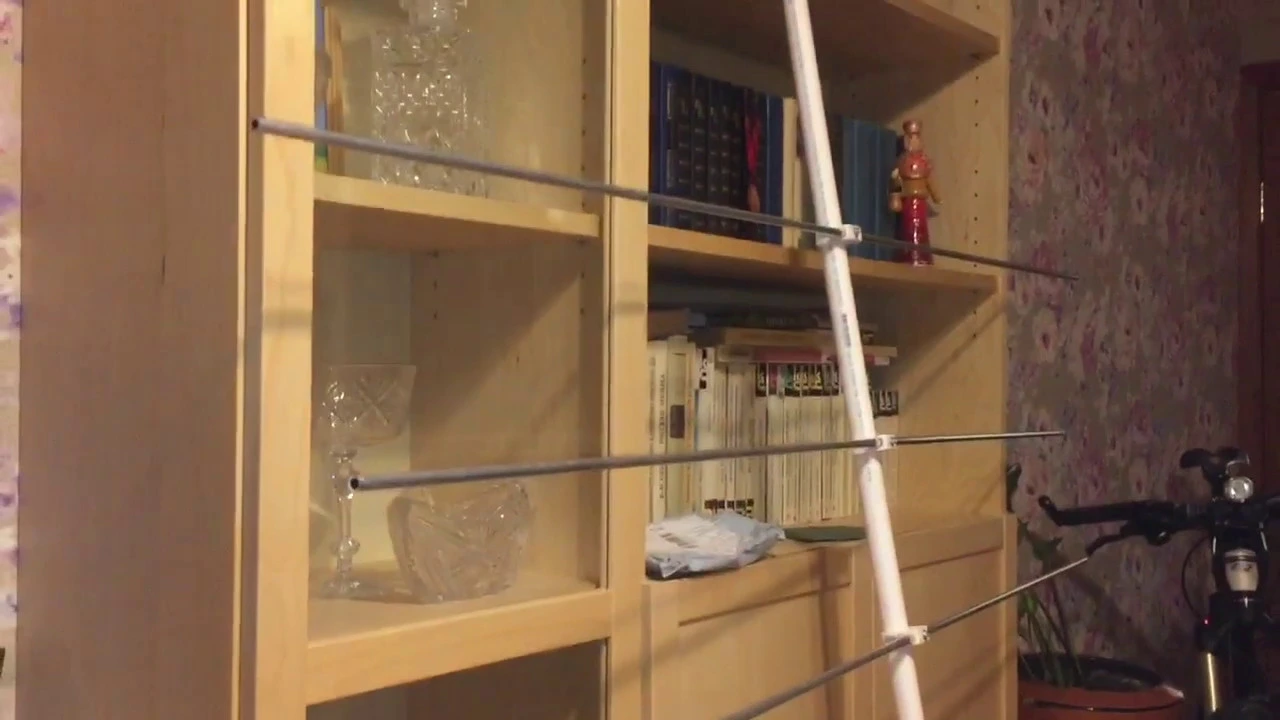




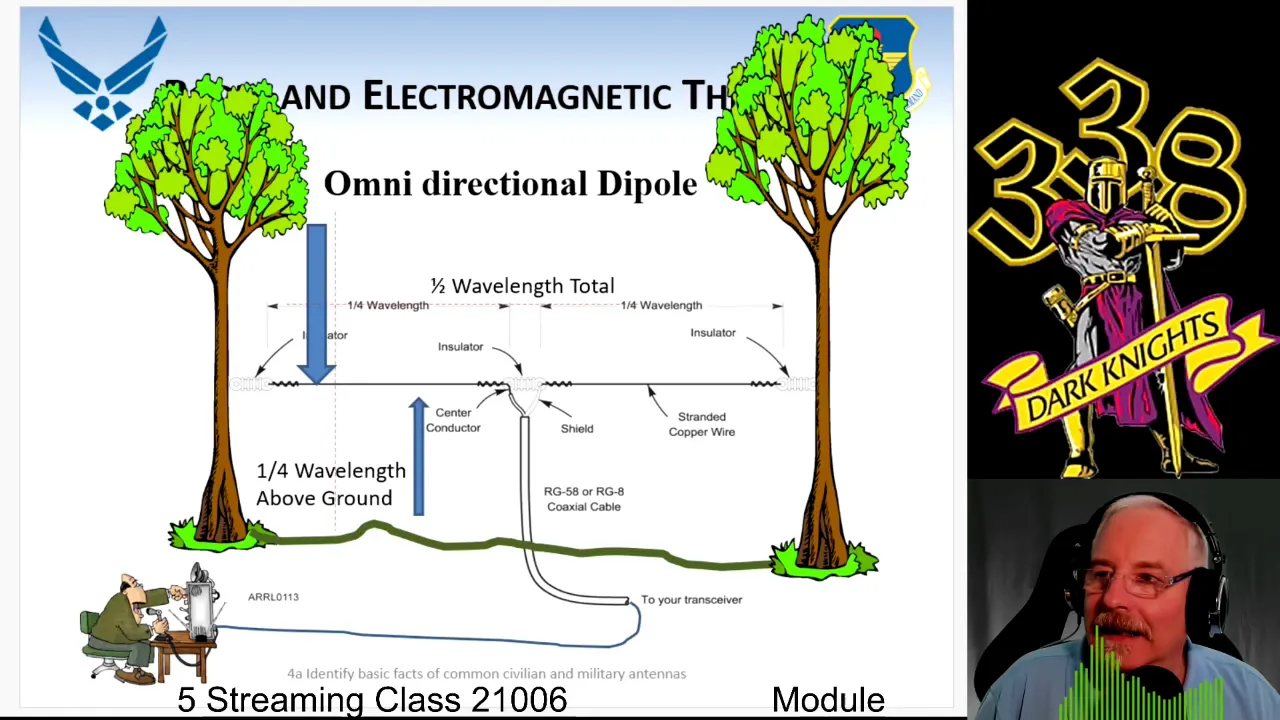


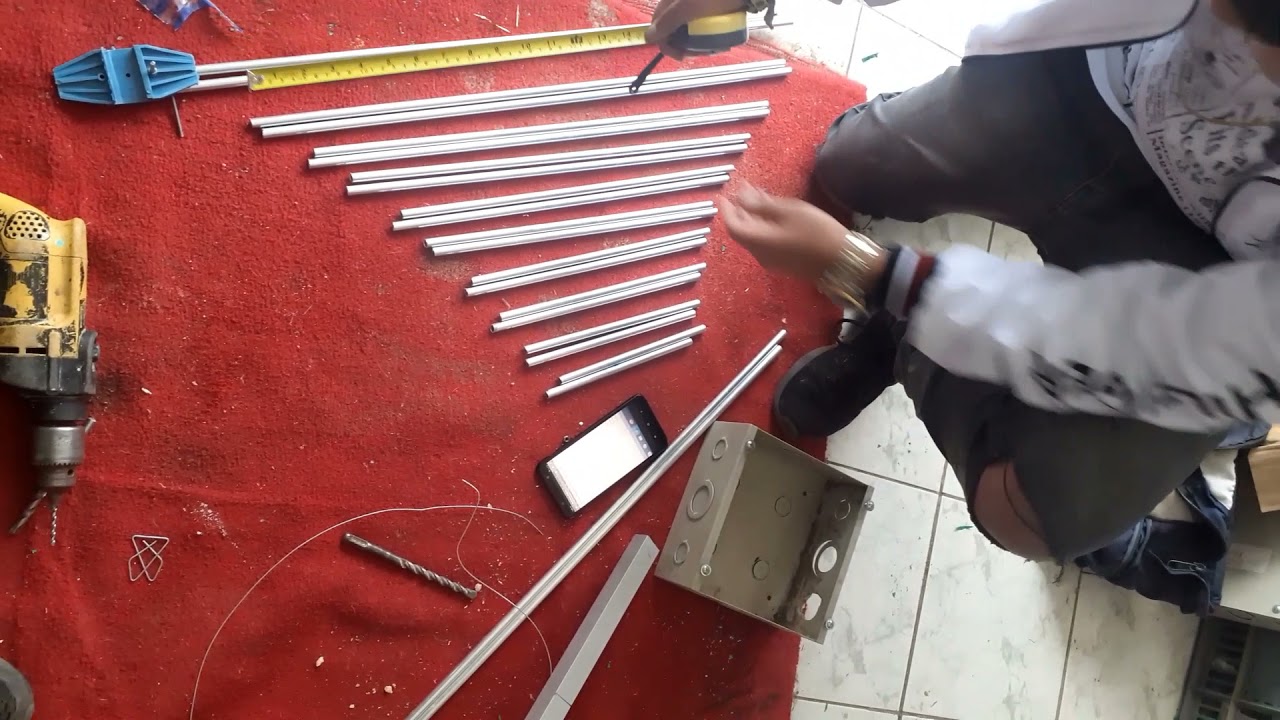



A Yagi antenna is a directional antenna invented by Yogi and Huda in 1926 that concentrates radio signals into a focused beam by sacrificing gain at the back to amplify signals at the front; the antenna's gain determines its beam width, with typical models providing 11-14 dB gain for general use and 18 dB for highly directional applications, though each 3 dB gain increase requires doubling the link distance.
Yagi Antenna Basics Explained: Gain, Directional Patterns & Applications
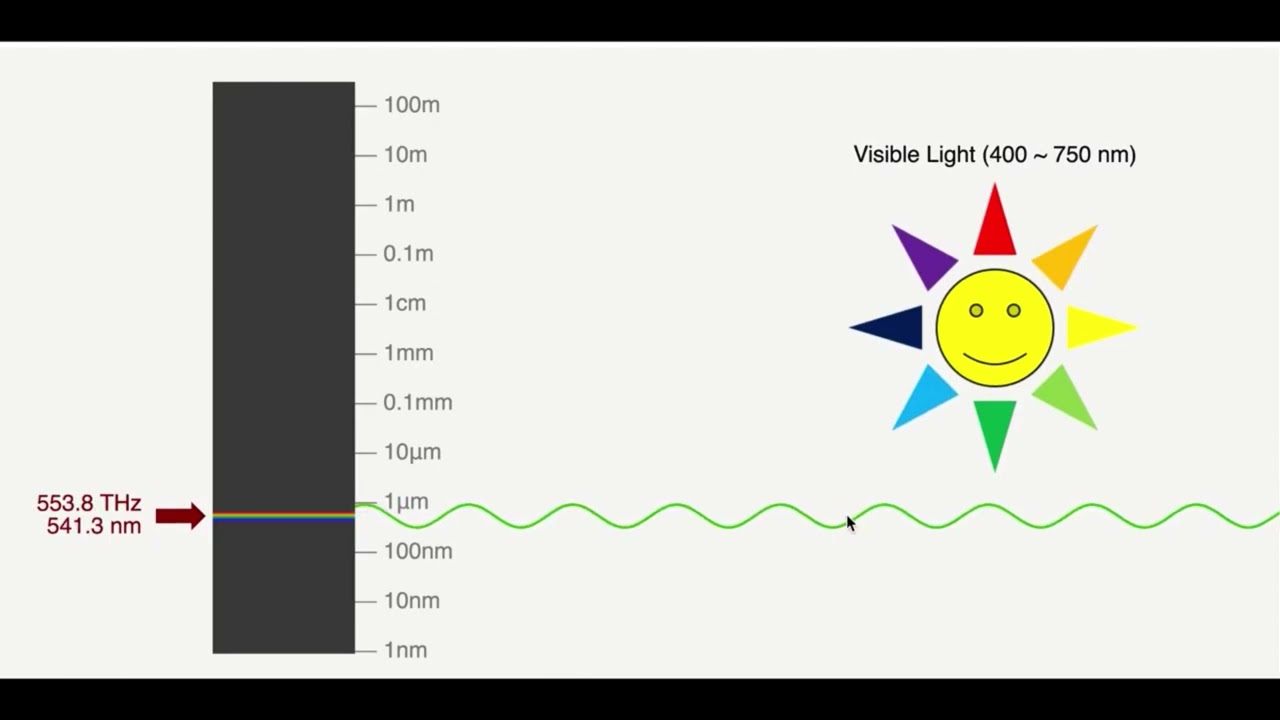
Added:Basic concepts of electromagnetic radiation, frequency, and wavelength.
The operation of a simple half-wave dipole antenna, which serves as the core driven element of a Yagi.
The concept of antenna gain and decibels (dB/dBi) relative to an isotropic radiator.
RF polarization (linear, vertical, and horizontal) and how it affects signal reception.
Mathematical design of Yagi-Uda antennas, including calculating element spacing, lengths, and impedance matching methods like the Gamma match.
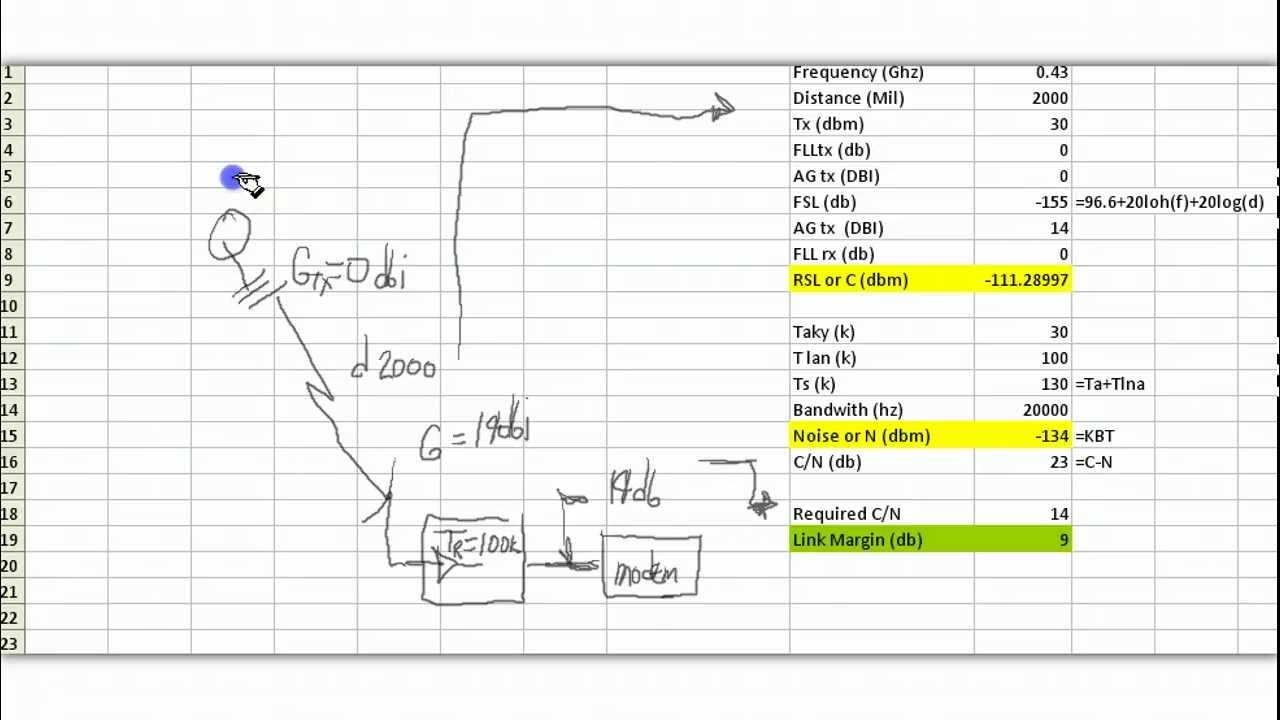
Link budget calculations to estimate the performance and reliability of long-distance wireless communication systems.
Advanced directional antenna designs, such as parabolic dishes, helical antennas, and log-periodic arrays.
An introduction to active beamforming and phased array antenna systems used in modern 5G and radar applications.
23K views316likes3:51Original Release: 2020-03-15
hi everyone as you know I'm busy building a new channel of shop itself other than my personal line in this video that I did last year I was presenting the yagi antenna so this is the video on the yoga antenna from last year have fun today I just quickly want to touch on the yagi antenna as a concept for a specific popular intel again like before I'm not going to go into the specifics of how they work that's not important for this video that's the discussion for now today today I just want to explain what it does for you as the end user I'm um first going to look at the yagi antenna which is obviously a big favorite for us as mentioned in a previous video it was design of lighters with in 1926 or ever so we're getting close to a century of celebrating new yagi antenna by two gentlemen named yogi and hood up so the full name is really yogi who don t know what it does again it hasn't T not gained quite a lot of antenna gain to the front that's something you can manage you can make it higher or lower and there is obviously as always said there's an impact that gives you benefit or specific parameters that you can use coming back to my balloon so zero DB gain DB is zero DB I or my isotropic resource what a directional antenna does if I look at it on the back I basically take away air from the back and I score stop squash it for the front so that's what it does so you get this effective you take away from the back and you squash to the fun so forward guidance was necessary now as you can imagine the more you squash the more you make it like that the narrower it would become so it becomes very pointy like a laser beam that's when the Yogi's get longer and longer and longer that has its benefit in certain applications as I have mentioned my beast in my previous video but in general applications something about 11:14 DB are again he is quite useful then you still have a reasonable beam with doesn't get overly complicated when you get to 18 DB I get squat narrow if you know exactly where you're pointing and you are willing to get that point where it is absolutely pinpoint and we wouldn't movement so doesn't bother you fine that will work well so onto the yoke itself this is how 4G yoga we have on our website very short pigtails so you need accept able to get it to your modem on our website there is a way to get your modem set up set up and also what term cabling to me so that's all configurable the job itself at the back you can see it this one in particular has a big reflector at the back sometimes it's just long elements at the back but the concept is that the internal by itself with you stand on this side there's not much happening so this is pointing away from anything sensible so this is the back so I don't want anything to do I want to go that one up to the front so more elements would often make it higher and high again but as a basic rule of thumb every 3 DB EXO gain means you need to go double the link so if this one is quoted as a 14 DB I gain and tell as it is to get to 17 which is three more it has to be double the link so it gets quite clunky but this is a a good number it's a good antenna look at size voice maybe it's about want to be long towards the camera as we look at that and that's the internal Jeff so that's your gain a nutshell thanks for watching so thanks for watching this video if you have any comments or questions leave them down at the bottom of this video also if you have any specific questions that you want to ask us feel free to email us via our website inquire with an orbital dot-com delay you or call us follow us on facebook instagram or twitter and also feel feel free to subscribe to this youtube channel thanks for watching
Up Next

9:35
MMANA GAL Antenna Simulator: Modeling and Analysis Tutorial
@oakforestamateurradioclub6013
2.4K views•2021-08-14
30:32
Ultrasonic Transducers: Resonant Frequency Measurement and Horn Design
@imajeenyus42
229.9K views•2017-02-22
54:16
Polymer Environmental Degradation: Mechanisms & Stabilization
@iit
1.8K views•2012-07-10
33:39
How a Student's Question Saved a NYC Skyscraper from Collapse
@veritasium
22.8M views•2025-04-26
Related Study Plans & Knowledge Roadmaps
Structured learning paths in Engineering
engineering
Building Acoustic Levitators: Physics & Arduino
01The Physics of Sound and Standing Waves
02Piezoelectric Transducers and H-Bridge Drivers
03Arduino Programming: Generating 40 kHz Signals
+ 2 more learning modules
14h5 modules
Explore Roadmap
engineering
Building Peltier Cloud Chambers: Particle Tracks
01Cosmic Rays & Cloud Chamber Physics
02Thermoelectric Cooling (TEC) Fundamentals
03Custom Liquid-Cooling Loop Design
+ 2 more learning modules
18h5 modules
Explore Roadmap
engineering
Yagi-Uda Antennas: Modeling, Build & VNA Test
01Introduction to RF and Antenna Fundamentals
02Yagi-Uda Antenna Design Principles
03Antenna Modeling and Simulation in 4NEC2
+ 2 more learning modules
18h5 modules
Explore Roadmap
engineering
ECG Monitor Design: Op-Amps, Filters & Noise
01Electronics & Breadboard Basics
02Op-Amps and Instrumentation Amplifiers
03Bioelectricity and ECG Fundamentals
+ 2 more learning modules
18h5 modules
Explore Roadmap