


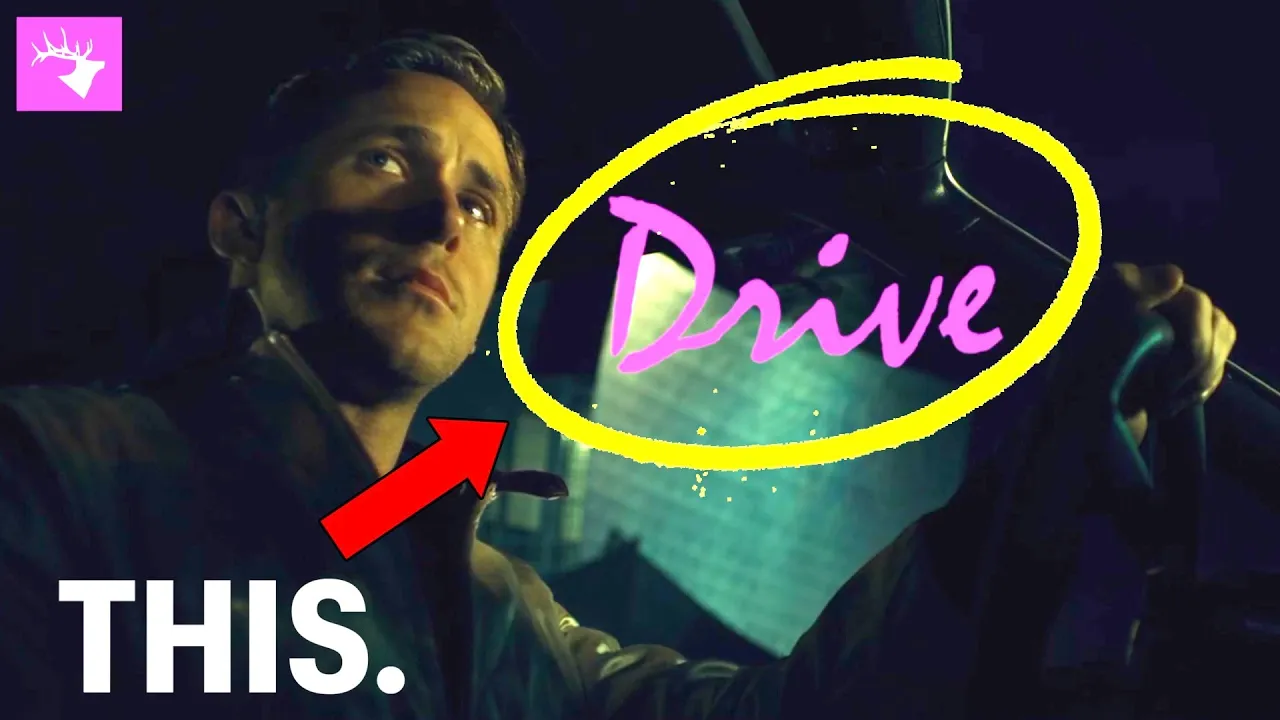





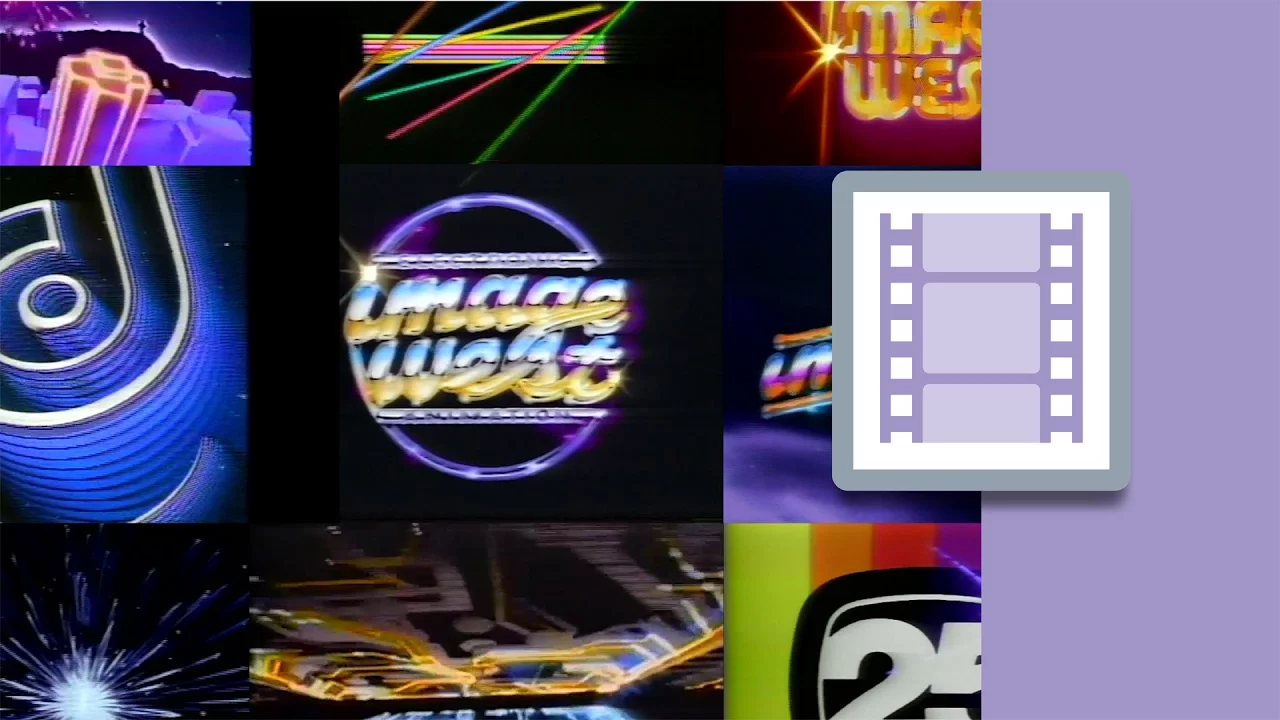




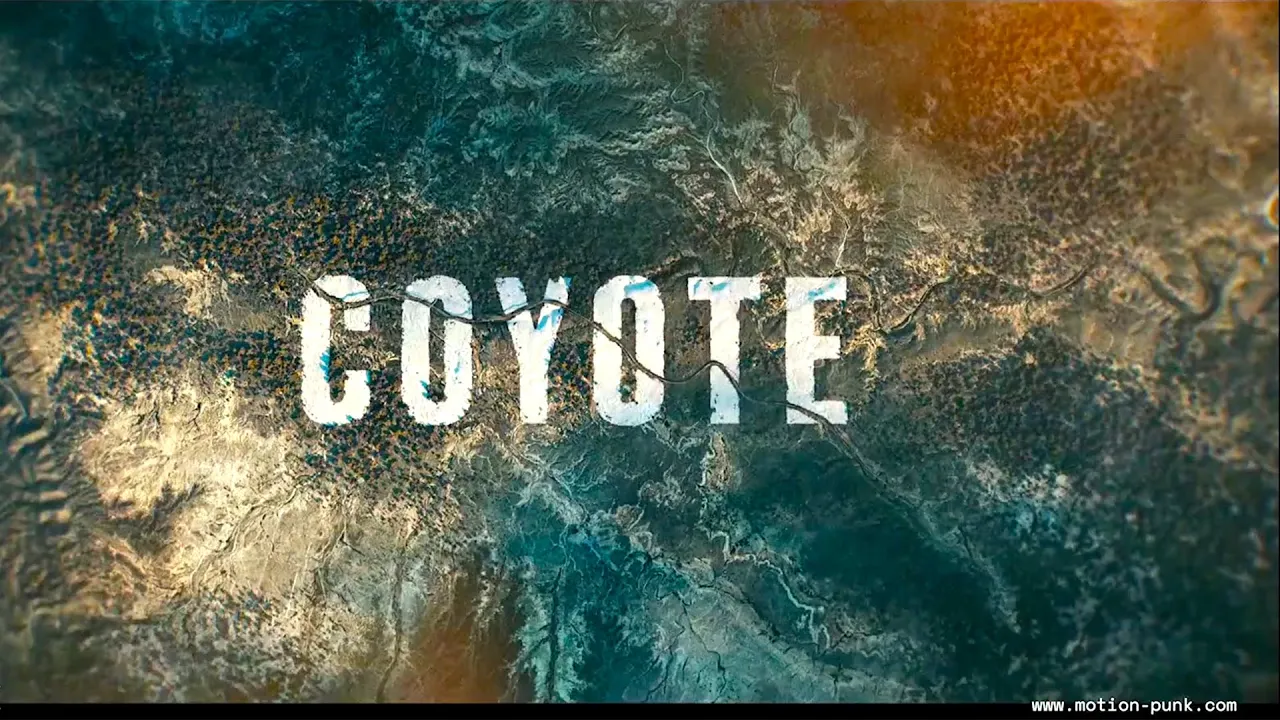
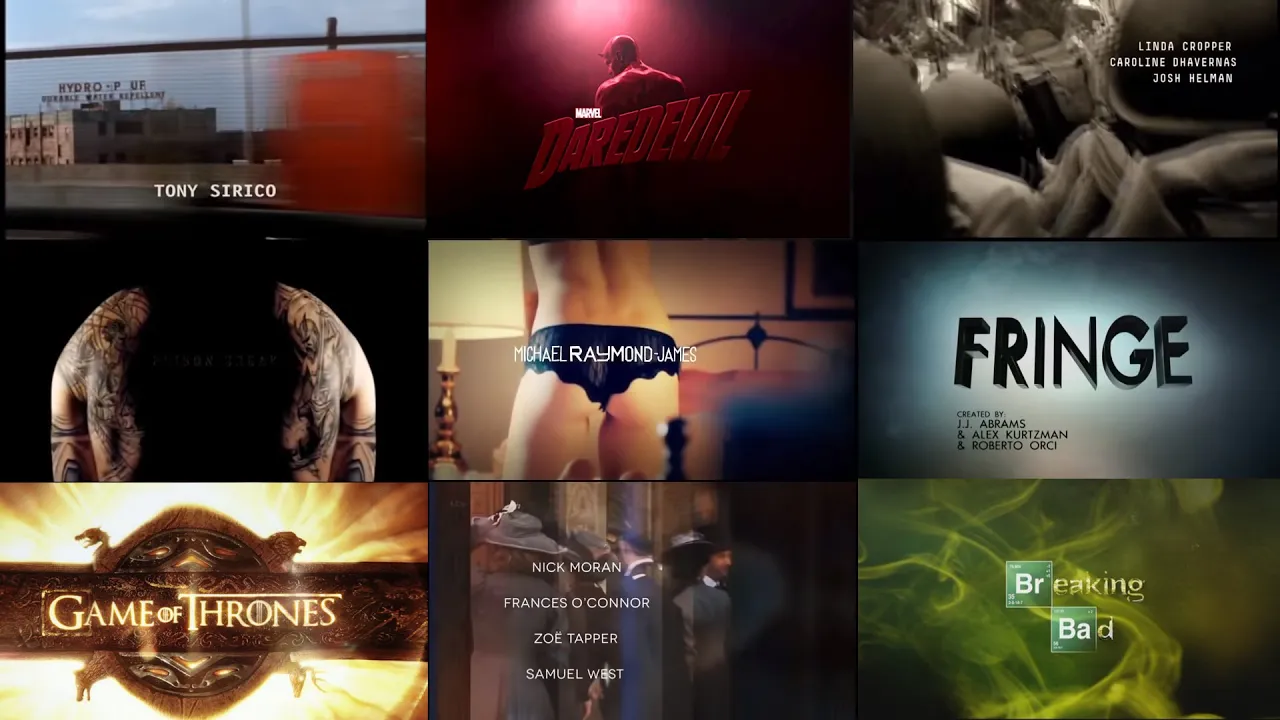
Effective movie title design should evoke emotion, reference the story, characters, and setting, while introducing titles in a way that serves the film's narrative; this involves understanding typography principles such as how bold fonts convey power while graceful fonts create softer impressions, and making deliberate choices about size, color, outlining, and shadows that collectively impact the viewer's experience.
Title Design: Dan Perri on Crafting Movie Title Sequences
Added:Basic principles of graphic design and typography, including font selection, spacing (kerning), visual hierarchy, and how letterforms convey emotion.
The historical evolution of the cinematic title sequence, transitioning from mere legal requirements to crucial narrative tools.
Fundamental concepts of film theory, specifically how tone, pacing, and visual metaphor are established in the opening minutes of a film.
An introduction to analog film-era visual effects, such as optical printing, physical model photography, and cel animation techniques.
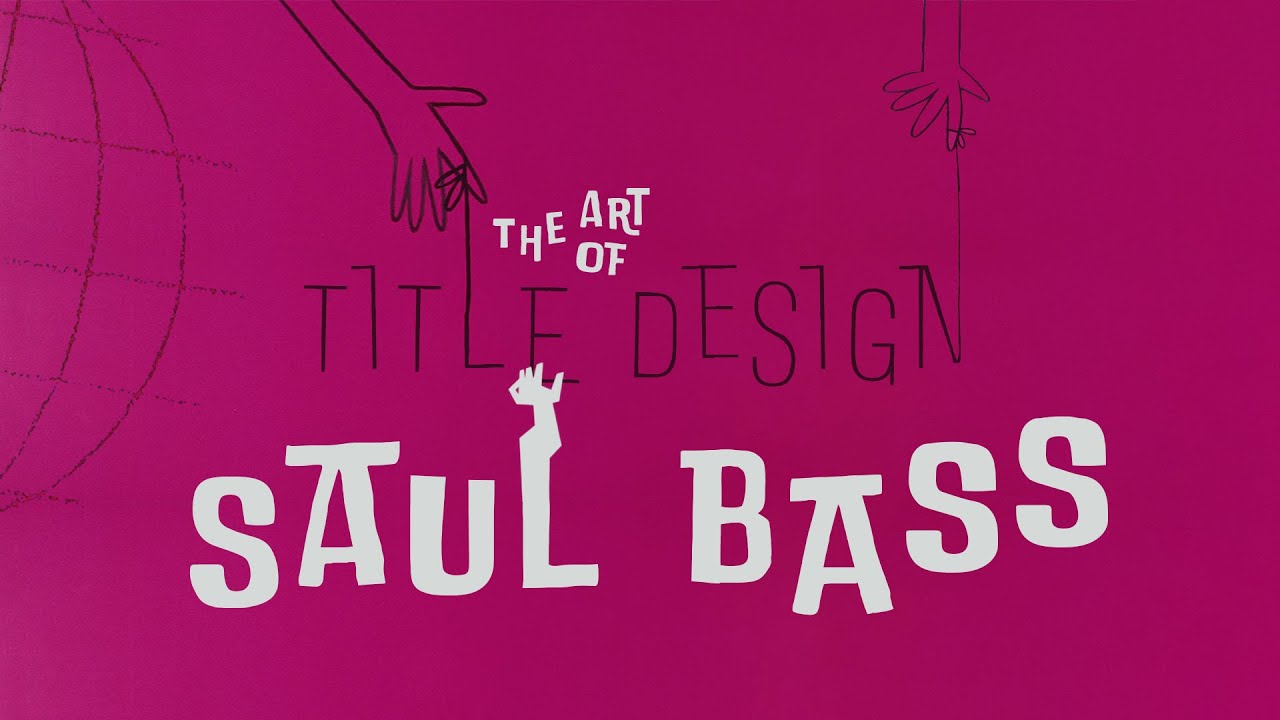
A comparative study of other legendary title designers, such as Saul Bass (known for his work with Alfred Hitchcock) and Kyle Cooper (designer of the 'Se7en' sequence).
An exploration of the technological transition from physical, analog title crafting to modern digital motion graphics and CGI tools.
The psychology of kinetic typography and how motion, speed, and spatial movement of text influence audience anticipation and narrative themes.
The practical workflow of conceptualizing and executing a modern title sequence, from storyboarding and style frames to final compositing.
411.3K views8.5Klikes4:41Original Release: 2016-07-25
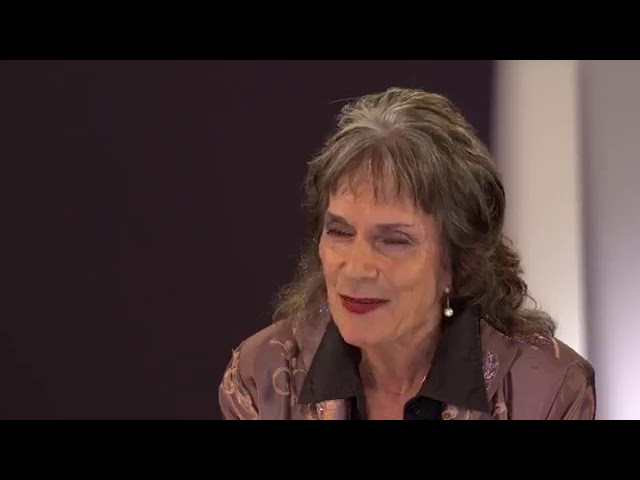
Perri: GOOD TITLE DESIGN SHOULD BE EVOCATIVE, IT SHOULD EVOKE EMOTION FROM THE VIEWER.
IT SHOULD REFER TO THE STORY, ALL THE CHARACTERS, ALL THE SETTING, AND ALMOST INCIDENTALLY, INTRODUCE THE TITLES AND IT CAN DO A LOT MORE THAN THAT.
I FELL IN LOVE WITH LETTERS WHEN I WAS ABOUT 12 YEARS OLD AND I STARTED SIGN PAINTING.
I HAD A TERRIFIC LITTLE BUSINESS AT IT WHILE I WAS IN HIGH SCHOOL.
I WAS PAINTING SIGNS FOR SUPERMARKETS AND, YOU KNOW, DOING "POTATOES -- 49 CENTS A POUND," AND THEN I STARTED DOING MORE SHOW-CARD GRAPHICS FOR RESTAURANTS.
I LEARNED ABOUT SAUL BASS WHEN I WAS IN HIGH SCHOOL.
I LEARNED THAT SAUL'S OFFICE WAS RIGHT HERE IN L.A.
SO I SOUGHT HIM OUT, AND I BEGAN KIND OF ALMOST STALKING HIM.
EVENTUALLY, HE SAW ME, AND HE STARTED ENCOURAGING ME.
AND HE BECAME MY MENTOR.
I STARTED DOING DOCUMENTARY TELEVISION SHOWS.
AND THEN, ONCE I GOT A FEW SAMPLES ON FILM, I COULD SHOW FEATURE PRODUCERS.
"THE EXORCIST" WAS MY BIG BREAK, AND, ALONG WITH THAT, FRIEDKIN FAVORED ME.
AND HE ASKED WARNER BROS. IF THEY WOULD ALLOW ME TO DESIGN THE ADS.
I FIRST CONSULTED THE FILM AND PULLED A LOT OF FRAMES OUT OF THE FILM.
AND I DID POSTERS IN SIX LANGUAGES AND T-SHIRTS AND ALL KINDS OF COLLATERAL DESIGN WORK.
SO I BECAME KNOWN FOR DOING GRAPHIC DESIGN, TOO, WHICH, OF COURSE, IS WHERE I CAME FROM.
I'M USUALLY BROUGHT IN AND ENGAGED BY THE DIRECTOR.
AS A TITLE DESIGNER, YOU'RE PRESENTED WITH A LIST OF CREDITS THAT HAVE TO BE ON THE FILM AND IN A CERTAIN ORDER USUALLY -- PERCENTAGES OF HOW BIG THE TITLES MUST BE RELATIVE TO THE MAIN TITLE.
AN ACTOR HAS TO BE 50% OF THE TITTLE, THEN HOWEVER BIG THE TITLE IS, YOU MEASURE -- YOU ACTUALLY HAVE TO MEASURE.
I'LL SEE THE FILM, AND I'LL JUST KIND OF FEEL AND VISUALIZE CERTAIN TYPE TREATMENTS IN MY HEAD.
I KNOW HUNDREDS AND HUNDREDS OF TYPE STYLES, MOSTLY BY NAME, BUT BY THEIR CHARACTER, THEIR SHAPE OF LETTERS, AND SO ON.
FONTS THAT ARE BIG AND BOLD ARE MORE POWERFUL THAN SOMETHING THAT IS GRACEFUL AND THIN AND SOFT-EDGED.
OKAY, THIS IS MY STUDIO. THIS IS WHERE I DO ALL MY WORK.
WELL, HERE I DO SKETCHES AND THINGS ON PAPER, SO I'LL OFTEN CREATE THESE THINGS BY HAND AS A SKETCH JUST TO ILLUSTRATE WHAT I HAVE IN MIND.
EVENTUALLY, I'LL COME UP WITH SOME IDEAS THAT ARE COMPREHENSIVE ENOUGH AND FORMED ENOUGH THAT I CAN BRING THEM TO THE DIRECTOR.
THIS, FOR EXAMPLE, ARE ALTERNATE DESIGNS THAT I SHOWED TO GEORGE LUCAS.
AND THIS IS EXACTLY HOW I BROUGHT IT TO HIM.
AND IT'S USUALLY THE ONE THAT IT CAME TO ME ORGANICALLY FROM MY EXPERIENCE WATCHING THE MOVIE.
I'LL USUALLY WORK ON A FILM FOR TWO OR THREE MONTHS ON AVERAGE.
THERE HAVE BEEN OCCASIONS WHERE I WORKED WELL OVER A YEAR.
WHEN I WAS DOING "DAYS OF HEAVEN" WITH TERRY MALICK, IT WAS A SERIES OF STILL PICTURES THAT DISSOLVED FROM ONE TO THE OTHER.
BUT IF YOU WANTED TO CHANGE ONE OF THEM, YOU HAD TO SHOOT THE WHOLE THING OVER AGAIN.
SO WE SHOT IT PROBABLY 30 TIMES.
PRIOR TO THE DIGITAL REVOLUTION, I USED LITERALLY A PEN AND PENCIL AND PAPER.
DIGITALLY ALL THAT'S STILL DONE, BUT JUST IN A DIFFERENT WAY, BUT YOU HAVE TO KNOW YOUR TOOLS.
THAT'S THE SECRET.
HOW BIG WILL IT BE? WHAT COLOR WILL IT BE?
WILL IT BE OUTLINED? WILL IT HAVE A SHADOW?
THOSE DECISIONS ARE SMALL IN THEMSELVES, BUT COLLECTIVELY THEY MAKE AN IMPACT.
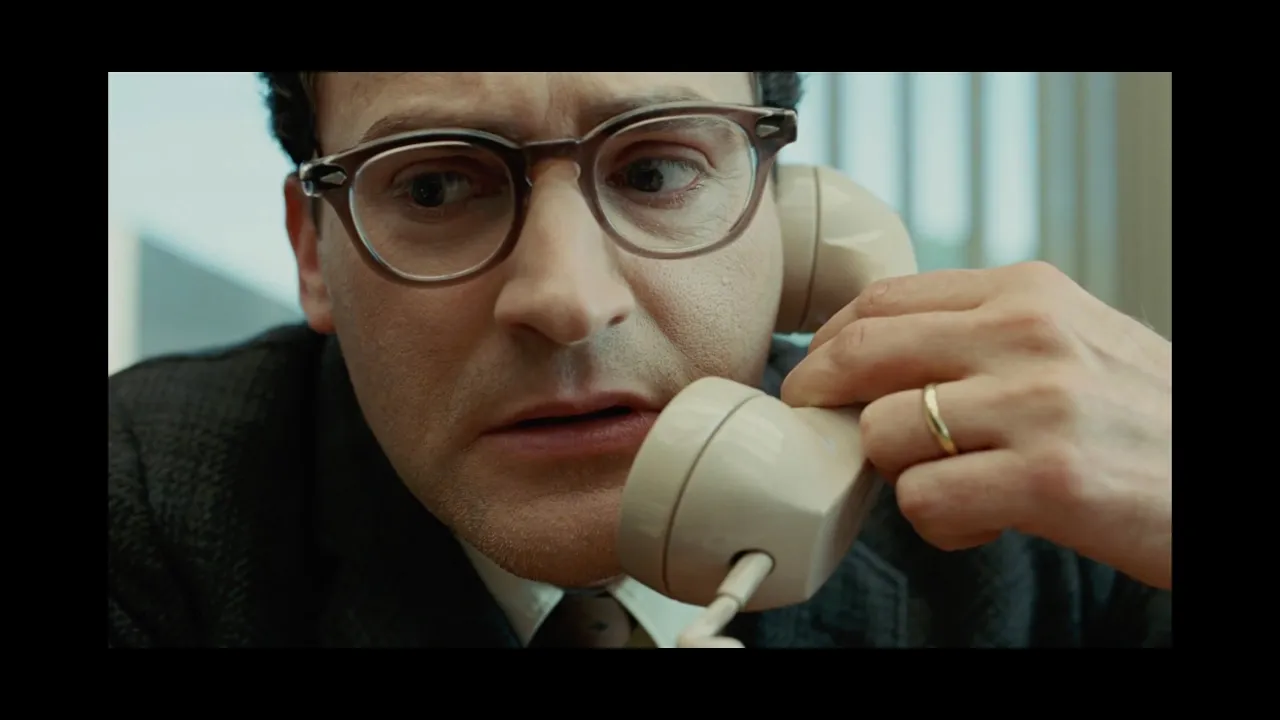
WHEN I DID SCORSESE'S FILM "AFTER HOURS," IT WAS THIS WILD, CRAZY NIGHT THAT YOU FOLLOWED THIS CHARACTER AROUND.
THE WAY HE SHOT IT AND CUT IT WAS VERY, VERY RAPID, SO I SHOT A TITLE THAT WAS JUST SIMPLE IN THE MIDDLE OF THE SCREEN, BUT THEY CAME FOR A VERY SHORT TIME, SO YOU HAD TO READ THEM AND KEEP UP WITH THEM AND BY THE TIME IT WAS OVER, YOUR HEART WAS BEATING AT THE RIGHT PACE SO THAT YOU COULD KEEP TRACK OF THE STORY.
MANY PEOPLE HAVE SAID, "I SOMETIMES CAN'T TELL THAT YOU DID IT, BECAUSE YOU ALWAYS JUST DO SOMETHING DIFFERENT," WHEREAS A LOT OF OTHER DESIGNERS I, LIKE, HAVE COMPETED WITH HAVE A STYLE THAT'S SO SPECIFIC, PEOPLE CAN ALWAYS TELL.
"I KNOW WHO IT IS."
WONDERFUL DESIGN IS FINE, BUT IF IT CAN BE RELEVANT TO THE MOVIE AND SOLVE THE PROBLEMS THAT THE DESIGNER IS TRYING TO SOLVE, THAT'S THE BEST CHALLENGE, IS TO BE ABLE TO DO SOMETHING LIKE THAT.
Up Next

3:37
The Art of the Title: A Documentary on Kyle Cooper's Film Design Legacy
@KadenCooperArt
324 views•2024-07-02

26:22
Walking in the City: Urban Rituals and the Flâneur in Contemporary India
@PSBTIndia
1.9K views•2016-08-02

9:49
FastAPI vs Flask vs Django: Choosing the Right Python Web Framework
@TechWithTim
302.5K views•2024-05-26

1:42
Game of Thrones Opening Credits: A Cinematic Analysis
@gameofthrones
46.3M views•2011-04-18
Related Study Plans & Knowledge Roadmaps
Structured learning paths in General & Interdisciplinary Studies
general-studies
Artificial Light: History, Tech & Human Impact
01The Pre-Electric Era: Fire, Oil, and Gas Lighting
02The Incandescent Revolution and Grid Electrification
03Gas Discharge and Fluorescent Illumination
+ 3 more learning modules
14h6 modules
Explore Roadmap
general-studies
Elevator Engineering: History, Physics & Cities
01From Hoists to Safety Brakes: The Dawn of Vertical Lift
02Hydraulic vs. Traction: The Engineering Physics of Elevators
03Modern Speed, Safety, and Algorithms
+ 2 more learning modules
12h5 modules
Explore Roadmap
general-studies
Rubber: Material Science, History & Geopolitics
01Origins of Natural Rubber & Mesoamerican History
02The Chemistry of Natural Rubber & Vulcanization
03The Geopolitics of the Rubber Boom & Colonization
+ 2 more learning modules
12h5 modules
Explore Roadmap
general-studies
Containerization: Evolution, Logistics & Trade
01Ancient Trade & Bulk Cargo: Amphorae to Barrels
02The Industrial Revolution & Cardboard Packaging
03The Containerization Revolution: Malcom McLean
+ 2 more learning modules
12h5 modules
Explore Roadmap