

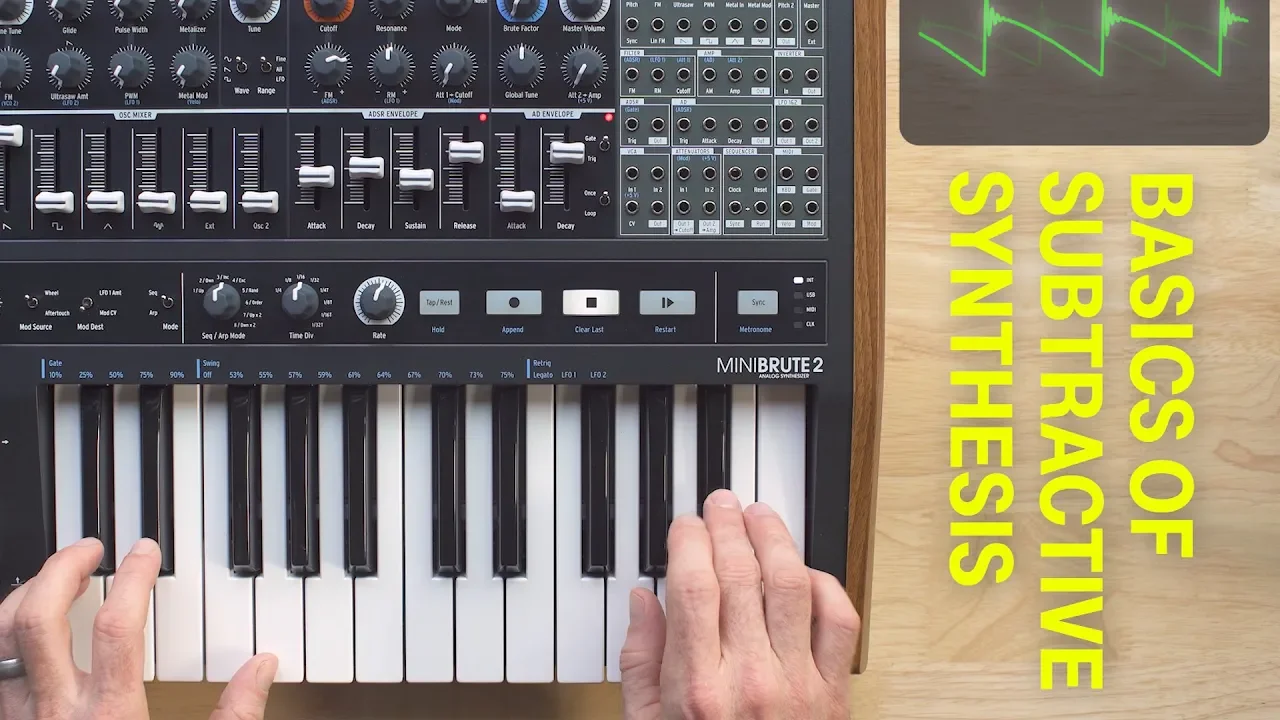

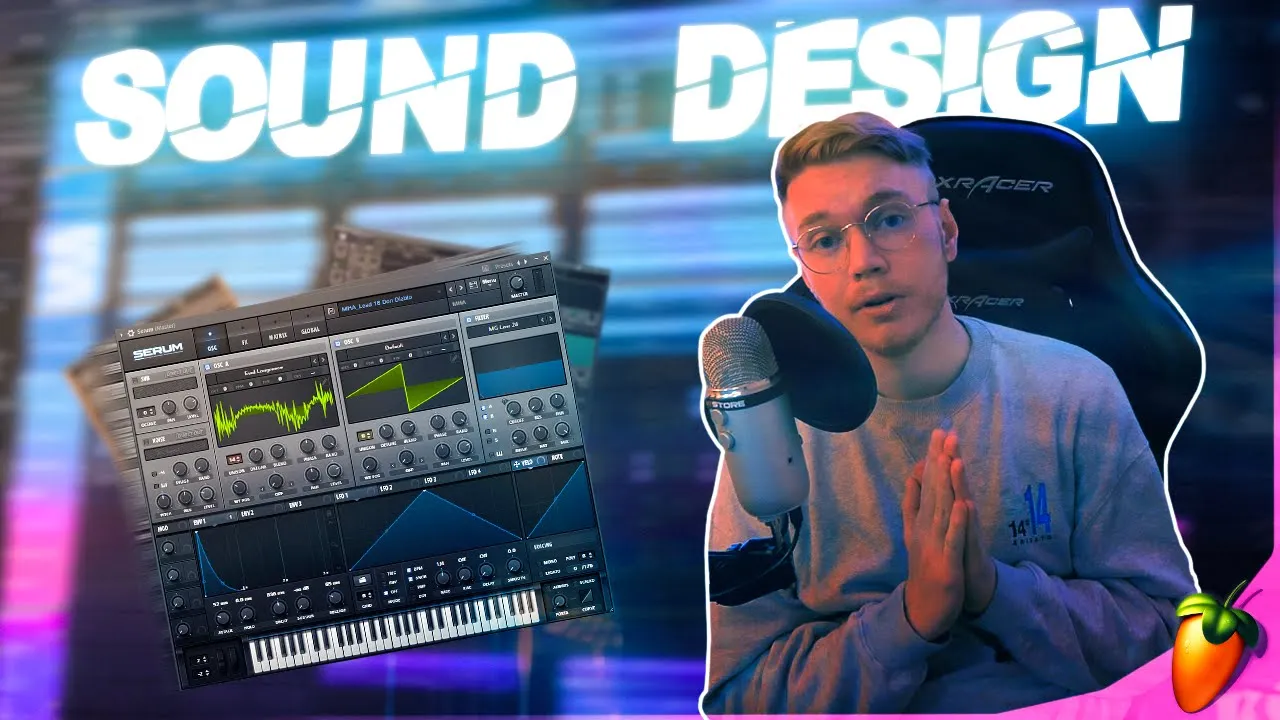













This video teaches how to create progressive house music by demonstrating key production techniques including: creating short, punchy kick drums that leave room for bass lines; designing layered bass sounds using operators with multiple oscillators and filter envelopes; implementing sidechaining between kick and bass for groove; layering percussive elements (hi-hats, shakers, claps) with compression and delay for width; and creating atmospheric synth leads with heavy reverb and delay effects to create soaring, emotional melodies that fill the frequency spectrum.
Progressive House Sound Design in Ableton | Alex O'Rion Style
Added:Familiarity with the Ableton Live user interface, including device chains, MIDI editing, and basic routing.
Fundamental concepts of subtractive synthesis, specifically the roles of Oscillators, Filters, Envelopes (ADSR), and LFOs.
Basic knowledge of audio processing tools such as Equalizers (EQ), Dynamic Compressors, and Saturation.
An understanding of the typical structure, tempo (usually 120-124 BPM), and rhythmic characteristics of progressive house music.
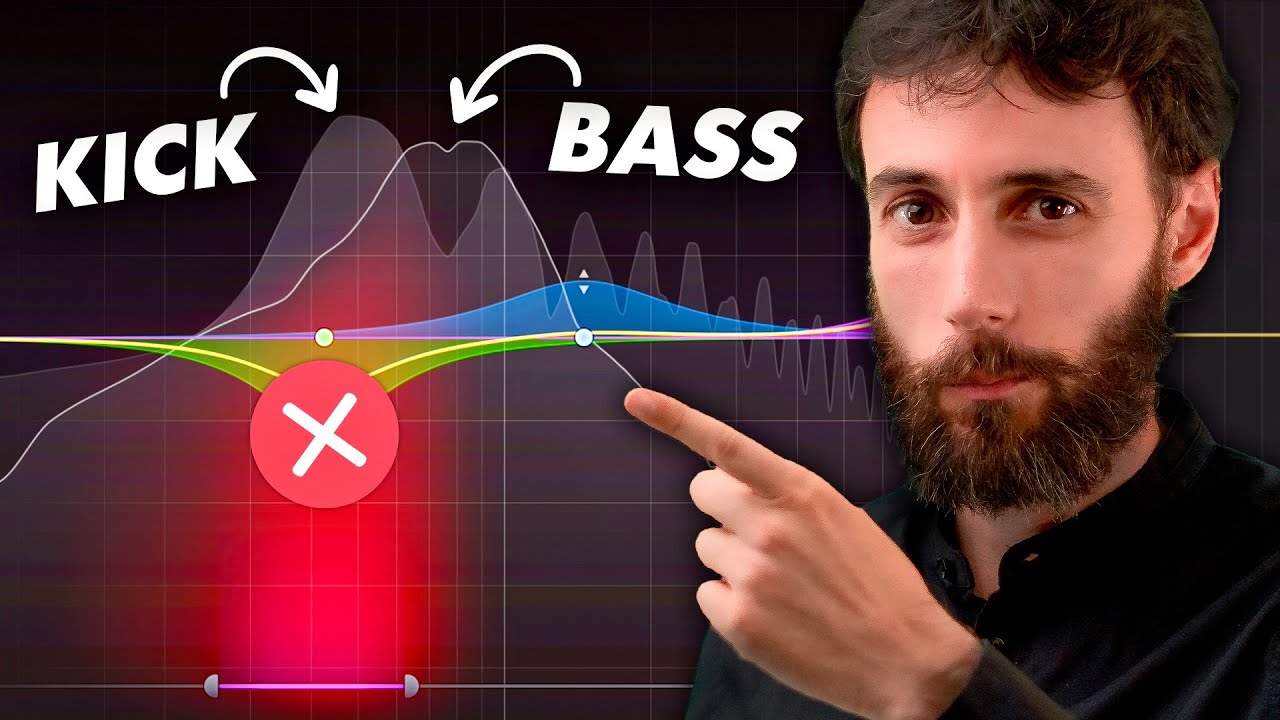
Advanced mixing techniques for progressive house, focusing on low-end management, sidechain compression, and frequency carving between kick and bass.
Arrangement strategies and tension-building techniques to structure a cohesive 6 to 8-minute progressive house track.
Mastering-stage processing to optimize loudness, dynamic range, and stereo width for club playback systems.
Exploration of generative MIDI and polyrhythmic sequencing to create complex, evolving melodic patterns.
31K views1.1Klikes49:19Original Release: 2021-04-18
hey what's up everybody my name is dowden and in this video we're going to be making music like alex orion alex ryan is a progressive host artist signed with labels through sudby lost and found and he is a huge influence of mine i absolutely love his music i've been receiving tons of comments asking for me to do a video of alex o'ryan i heard you and i am happy to do that for you three most important things are going to be his bass lines which sound like this the drums percussion are very groovy very hooky and they sound like this and then topping it all off we have those beautiful melodies that just carry out the track fill the entire spectrum and they sound a little bit like this [Music] so let's go ahead and get started but before that make sure to hit that subscribe button with notifications on so you get more videos like this one and to hit that like button to show everybody else how much you enjoyed this video because it's gonna be great okay so we're gonna get started okay so we're gonna get started and the first thing to show you is the kick drums the kick here sounds like this it's a pretty punchy kick it's something that i made myself by eq and layering and compressing some other layers together i will give you this kick as part of the sample pack and this kick is nice and short a lot of these alex orion tracks and progressive house tracks they have this nice really punchy short kick so it's not like a really long sustained kick you can see that the sub is not very long the entire sample is not very long and the reason for that is that it doesn't take up as much as the low end so we have room for our base lines and it's not so aggressive and kind of doesn't pull your attention away as much as other kicks would and it kind of just complements the entire groove rather than making the kick such a focal point as it is in so many other tracks at least that's my take on it and uh that's why i've uh included in this version because it's very similar to the kicks that alex makes so now we're just going to go right to our base there's not really much to talk about the kick our base here so i'm going to grab an operator and i'm going to use operator it's something that i haven't used in my previous videos but i like using operator for my subs because you get to control the two octaves by changing this algorithm from vertical so this is going to be a frequency modulated synth right now i'm going to put this into this horizontal algorithm here so now we have each oscillator is going to be individual and it's going to allow us to not use frequency modulation in operators the first oscillator here is going to be just the sine wave and it's going to be uh the chorus is at 1 and i'm just going to play a low a so we have about 55 56 hertz if i go any lower to a lower octave of a it's going to be a little bit too low it's going to be hitting around 28 to 26 to 28 hertz that's pretty low that's something we don't hear it's more of a feeling and honestly it's it's going to be a little bit lower than i want for this track when you're dealing with the key of a and another couple other keys as well uh pretty much anything below low d you're really really low in the frequencies so i'm going to do the higher octave of this still a very sub heavy frequency and then i'm going to add a second oscillator by putting this chorus up to 2 so i'm going to double it and then that's going to bring in another a when i turn this volume up so you'll see as i'm bringing up the volume a second octave of a pop up and now i have 2 on and we can add a third one if we like but we have to double it again because if we go up to three we're gonna get uh an e so we have to go up to a four and then if we wanted to add a fourth octave we would have to go up to eight but i don't want that i'm just gonna keep it just the two octaves for now the sub and the middle base there and i might reduce that a little bit next i'm going to go into the top of the base and that's going to be the saturated sound the mid frequencies of the sound that's going to give us that punch it's going to give us that little bit of energy that kind of lays on top of the sub so we can hear it not just feel it and it'll be really good if you don't have you know subwoofer or your speakers don't produce low frequencies you're using a cell phone or maybe headphones that don't have a lot of low end this is where a lot of this energy and this sound is going to come from and that's going to be uh a serum patch that i'm going to create it's just going to be basically a pluck but it's going to be much lower and it's going to have just a little bit of sustain on it the first oscillator here i'm going to go back one to eight eight and then i'm going to bring the second one i'm going to put a sawtooth wave i'm actually going to go to the basic shapes from a wave table to this one right here i'm gonna put my unison up here to two this unison i'm going to put to two but i'm gonna have to detune down and this detune also down i'm actually gonna put up to three on both of these and the reason i put it to three is because if i turn this three if i put this blend up like this bring it down i have these side this like green on the sides those are the two voices that are on the side they're gonna feel wide where the yellow one is in the middle or is mono in our mix if we put it this way it's gonna sound really wide we still get a bit of the width but we have a voice that is directly in the center and it's gonna give us a mono signal to work with with the sides as well i'm gonna do that for this one as well so i have the side signal much quieter than the the mono signal i believe it's mono i'm not 100 sure if it's actually mono or if it's just not a stereo spread um don't quote me on that i'm going to put my filter on both so both a and b turn my filter on and i'm going to put this to 24 and that's going to reduce 24 decibels per octave and then i'm going to move this down a little bit i'll turn my eqs off for now so we can get a basic listing of everything resonance down i'll turn my drive up a little bit i i have to control the filter with an envelope so i'll grab envelope two and i'm going to do a decay of about i don't know uh three or four hundred milliseconds sustain i'm going to bring down just a little bit and the reason for that is that we have that initial punch coming through so we have this pluck it's going to open up the filter it's going to go from uh from maybe here it's going to open up really quickly pretty much instantly and then it's going to back off a little bit and sustain for about uh well however long the note is sustained for and then it's going to release over about maybe three or four hundred milliseconds and that's gonna give it a little bit of a tail and the reason i'm doing this this this punch as i was saying is because if we have it all the way to the top it's going to be stagnant it's going to open up the filter cut off it's going to stay there until we let go of the note and then it's going to drop down but if we have this little bit of punch sorry this little bit of a drop in the sustain like five or ten percent it's going to open up a little bit more and then drop down to that sustained amount and it's going to give us a tiny bit more punch and let's throw that envelope on [Music] maybe a little bit less [Music] that's okay this down oops this down [Music] a little bit of release on this as well about the same and decay down as well [Music] i'll do the same thing with the sustain just a little bit i'm going to bring this down a little bit more and then put this octave down as well [Music] next i'm going to add a bit of multi-band compression and this is like the very similar to the ott so i'm gonna go in here compressor multi-band and i'm gonna bring the high end just down a little bit [Music] bring the mid up a little bit and down uh bring down the low high and just a little bit more down i don't want it that crispy cool and that's our sound turn up the master a little bit it has nice saturated sound but it's not too aggressive next i'm going to draw in the actual bass line here we'll solo the bass and we'll slow the kick what i like to do with my bass lines is i like to imagine them in my head as i'm playing the song or i like to just kind of say them out loud so a lot of the time i actually will say the bass lines before putting them in to the daw because i want to make sure that they sound groovy and it's easier to me to actually you know feel the groove and say it out loud feel what works than it is to go in and try to write randomly as i go so i just listen to the kick and then i'll just do [Music] something like that so then i just go ahead and write that in i'm going to do 16th notes [Music] cool that sounds pretty uh alex [Music] o'rein-ish [Music] cool i'll change the wave tab a little bit it's a little bit more aggressive i'm gonna turn the master down a bit and then i'm going to uh put this with the kick [Music] and then i'm going to add in my sub so i'm just going to copy this over check the octave here so it's a bit high so i'll grab everything here bring it down check on my eq looking good go back to here i'm going to actually eq out the low end i know that i have this octave already right on my sub here i can check i have that octave at around 112 hertz so i don't want to double that up here so i'm going to cut out all the way up to 112 hertz i'm gonna scoop out some of these frequencies here [Music] it's a little bit less muddy cool and then i'm going to make sure that i definitely am sidechaining this to the kick it's really really important because we are playing the kick the same time as that sub so either i'm going to get rid of that sub when it's hitting which i think i'm actually going to do and just let the kick play there and have the bass line come in and then i'll have this side chain to the kick as well just to make sure [Music] just a little bit [Music] i mentioned this up a little bit with the utility because it's not very loud get rid of the tuner [Music] cool so we have our kick in our baseline i'm actually going to lower this an octave and see how it sounds pretty cool and i don't want all that much of the sustain i'm going to bring it down just a little bit more and my cut off just a tiny tiny bit more a little bit of resonance i just reduced the low a little bit in the compressor and brought up the mid a little bit and the high a little bit sounds pretty good so the drums there is a lot going on and what i did is i created a drum loop with a bunch of different percussive elements that i have and you can just listen to what they sound like on their own a really important thing about this type of progressive is you want percussive elements in one of two ways one is to kind of fill up some of the empty space in a more subtle way it's a little bit more background noise it's not very obvious you want to kind of just make it not feel so robotic and and more organic of a sound and the other way is to make the sounds very obvious and very hooky and to make them feel like they're bringing the track forward and they're keeping your attention so i've kind of done both here and alex says this in a lot of his tracks where he has just one or two elements that are just so catchy and they're very prominent but they're not stealing the show they're not taking away too much of the focus they're just there to add a bit of an energy that carries the track along so i have this example of all these congos that i added and then i have this other layer here with the kick so really this last layer here is more of the subtle layer so if we listen to just these it's pretty catchy but this extra layer here is the one that really adds a little bit of texture i definitely want to add a little bit of reverb to that as well so i'm going to put that into i'm just going to bring a reverb onto the channel itself so adding that little bit of texture kind of makes it a little bit more interesting on a subconscious level where these drums are a little bit more hooky and they're a little bit more uh to catch your attention and keep the track flowing really really important thing to note is that these have to or should be most of the time in key i have a tuner that i like to put in all my drums because if you don't tune your drums they can start to sound really wonky so you want to make sure that your drums are most of the time in the same key doesn't have to always be the same note but that it works in the key that you're writing in or else it can start to sound a little bit awkward and a little bit out of place it's definitely more important for instruments like toms and bongos and congas not so much your high-end percussion like your hats and cymbals it carries enough weight that you can hear the note behind it per se uh then i think it's worth tuning okay so now i'm gonna work on the hi-hat so i have uh quite a few hi-hats going on and in alex's tracks there is usually quite a lot going on in the in the top end of the track so we have our percussion that is groovy that's going to carry the track along but then we also have this um you know really wide high high end the high hats but it's also very prominent in the middle so it's very strong mono signal but also very wide so it works on club systems that are in mono or sound systems that are in mono but it also has that width so if you're listening in a good uh listening environment you can hear the width of it i have this white hat here what i've done is i've transposed it down so that it sits better in the mix and as i was saying about pitching your your drums to being key and then i've added a reverb here to give just a little bit more tail end because that tail end kind of helps carry the the hat through the mix a little bit more it's not so punchy and not so uh choppy it kind of blends it a little bit more together and then i'm actually at a compressor and with the compressor i want to kind of actually reduce the punchness even more i want this high hat to be wide but i want it to not be so punchy but i wanted to kind of just fill the sides of this of the speakers side of the spectrum uh and just a sound like i said nice and wide but very full sounding so i'm going to put a compressor with a pretty heavy ratio and i'm actually going to put the attack to zero and see how now without the compressor it's punchy but with the compressor the tail end is almost as loud as the punch and i'm going to put this up about 5 db before and after so you can hear that the hat is definitely less punchy and more of a constant sound and that is going to give us that more lengthy hi-hat that i want i'm going to use the has effect which is just a stereo delay from one side of the mix together from left to right or light right to left and that's going to make it sound even wider just playing in one speaker left first and then the other speaker or headphone and it's going to make it sound very very wide it's going to trick our brain into thinking it's super wide next we're going to have the punch hat so i have a couple different things on here that i've laid out and let's just take a listen stock very punchy pretty sharp i've cut off a bit of the tail end here probably leave that that's fine compressor again i wanted to take out that punch it's a little bit too punchy for me and then i filtered out some of the low end in the high end it is a bit shrill of a sound so i've cut out a little bit of the high i've done the has effect again but this time it's different so instead of just doing it by 10 or 20 milliseconds i've actually changed this from millisecond value to to be synced with the tempo of the track and it's going to be at one so what's going to happen is my dry wet is at 30 now so i can hear this quite a bit and it's going to play the first hat and then it's going to repeat itself and play the second hat based on the beat division here which is one so it's going to be a sixteenth and then i've added this 2.6 percent just to make it a little bit off very very minimal amount but just to make it sound a little bit off that's way too much just a couple percent and then what i'm going to do is actually mono it this is the neat trick that you can easily just write in the actual drum rack by just going into your sixteenths and just but i thought that was a pretty cool trick and then you can actually change the dry wet a little bit quieter a little bit louder just a little cool little trick that i'd like to share with you and then i have this vocator here i'm actually gonna take that off i don't like the way that sounds okay moving on where uh this punch hat i don't have so i'm gonna delete that and then i have this shaker groovy here so this is going to be a shaker loop that i made that i'm going to include in the sample pack the shakers are really important because they are going to give us a lot of that background groove it's going to be more subtle but it's going to be there to give the track uh it's going to clean up some of the empty space in the the high end where the hi-hats aren't touching and it keeps the groove moving along as well so i'll include that and then this is actually really important to the top noise so what that means and actually i'll put these effects back on just some simple reverb and some stereo [Music] widening uh the top noise is something that a lot of progressive artists do i notice alex doesn't some of his tracks essentially it's just a noise that's very quiet that they kind of that or he kind of puts into his tracks to fill up some of the empty space and it's important to note that there is some sidechain compression going on so i'll dive into that but really what's happening is i've taken this shaker here i've put a ton of reverb on it uh like 100 dry wet reverb and this is what it sounds like a little bit more decay time and then i've recorded that and it's just that that reverb but we could just use a reverb for this but by actually recording it we have more control over it and we can actually see what it looks like and i've put some sidechain compression so i have from the drums i'm going to put it on my punch hat right here so what's going to happen is whenever the punch hat this one here hits it's going to duck down the volume of this top noise it's very very quiet but this is going to make sure that i'm not interfering with the same frequencies that i am with the the hat and that it's going to give us the appropriate punch from the punch hat it's not going to be overlapped by this white noise here and then last i have this shaker loop it's actually a shaker and uh this is just a shaker loop that i got out of a pack i can't give this one to you because i don't own it but i definitely recommend getting some really nice shaker loops because even just adding a simple shaker loop to the top end of your track even a really quiet can add a lot of organic feel so let's listen to all the hats together now i'm doing the same thing with the punch hat i'm punching through the shaker so when the shakers are playing that punch hat comes through and uh turns down the volume of the shaker loop because i want that punch hat to be the most prominent hat that i have out of all the instruments that i have in the song because there is quite a few instruments uh quite a few drums and with that punch hat coming through it's going to keep the rhythm the best that it can we have my clap simply just a clap that i chose nice and soft sounding not too aggressive and then i made it a little bit shorter and there's nothing really to that so i'm gonna go over these three percussive elements that i've also included so i have the original loop at the top that i showed you but this is something that i wanted to touch on when you're writing in percussion like this you want them to be hooky you want them to be catchy and to fill the space in a proper way and sometimes what i do is i just like i did with my baseline i play the track and then i just think of some hooky elements that i can put in and i kind of just you know maybe tap my hands i'll play the kick by itself and then i'll just tap along or and things like that and then i'll actually just write them in and then i'll turn them off so i'll write in one so it sounds like this and then i'll actually turn that off and go to the next one and i'll write in something different i'll turn that one off forget about it and do this one and then i listen to all three [Music] and the reason for that is because if i do it this way the sounds that i've already put in don't influence my decision on the next percussion that i'm putting in and sometimes this helps and sometimes it doesn't but this kind of makes it so that i'm not constricting myself to not put sounds you know on the same spot uh space same note maybe i i just i have a habit of saying oh you know what there's already instrument here i don't need it so i won't put it there but sometimes they land on the same space and it sounds good uh other things that might kind of constrict you is hearing the other progressive elements and that kind of makes you uh it kind of influences you to make decisions that you might not make just by hearing the groove of the entire track so this is something that i suggest you try at least try it out and see if it works for you it does for me and if not then just you know do it your own way but something that i thought i would share and then i have this last percussive element that actually was originally part of the baseline that i had in mind so i have the baseline and then i have also this instrument here [Music] so it's actually a tom [Music] and it has quite a bit of low end to it so i'm going to get rid of that [Music] and it's important to note that it is also in key so because it's such a low end instrument i want to make sure that it's in key and then that complements the baseline so let's take a listen to that right so that extra layer kind of complements the baseline this kind of helps the baseline uh feel a little bit more interesting because it's it's adding value to the base without being super obvious so we're going to call that base accent or base accent tom and then lastly i had this percussive element come in a little bit later in the song something that adds a little bit and let's take a listen to all the drums by themselves [Music] and then with the kick and then with the base right so it's it's all coming together and a lot of the drive of these tracks comes from the relationship between the kick base and the drums uh a lot of alex's tracks they they have a lot of synths come in but it's not usually for a minute minute a half even two minutes into the track that there hasn't really been that many instruments oh sorry that that many synths it's mostly just the groove and the percussion and the bass so you have to make sure that it's hooky you have to make sure that it's interesting and it works really well together last thing i'm going to do for the drums is put on a glue compressor and this gentle squeeze compressor that i like to have when i'm writing my drums it just makes them feel a little bit glued together so i'll bring my threshold down so i'm about getting about 5 db of gain reduction [Music] and then i'll put this up to about 5.5 maybe six and then turn my gentle squeeze on [Music] and now we can listen again oh i forgot that i added in this extra progressive element that i wanted to add in a little bit later so i'll move that forward a little bit we're just gonna do a pretty short version of this uh this track you can phrase it how you like when you download the project file but just to keep it nice and simple i'm gonna keep it pretty short and just imagine that you know this is going over a longer period of time so we can listen to that just another hook to keep the track interesting one other tip that i have for you is the hats i have this saturated here and i also have another glue compressor so the saturator is very similar to a compressor in that it reduces dynamic range and by turning on the saturator we're going to get a little bit more volume but a little bit less dynamic so let's listen to the hats by themselves with the saturator off then on they feel a little bit more present now a little bit more glued together lastly we're going to focus on the synths and this will be a little bit quicker than the drums because the drums are very intricate just like the guy j video uh the drums take up most of the video so uh i have here synths not too too much going on um but the main thing to consider is how to get these really long sustained um sounds that alex uses in his tracks as well as how to get those like big splash effects so it's really really big uh effects that he uses in a lot of his transitions in the beginnings of his track so you'll notice a theme where a lot of his tracks and a lot of these similar artist tracks is they have these really really long impacts so i'll just grab a random impact here and i'm going to drag that onto i'll put it on to impact one here in this first one channel and then i have so on this impact channel i have what i've made called big delay and it has a delay with the feedback all the way up to 91 and then i have 100 dry wet and then i have reverb with five seconds of decay time after that so if we listen to this sound on its own this is what it's going to sound like [Music] i guess we can all imagine what that was going to sound like but what's important is that when you incorporate that with the rest of the track it kind of helps it pull forward and it kind of fills up some of the empty space that if the loop starts to sound a little bit boring because you're listening to it so many times these impacts and transitions really really help keep the track alive unfortunately they do get kind of annoying so i'm just gonna turn the feedback down a little bit for now uh but then another thing i like to do is actually put an eq here and take out some of that high uh end and some of the low end so it's not interfering with our hats and we're not getting a lot of build up in the low end let's take a listen again cool and that's what alex does and a lot of his tracks these these big impacts and maybe he'll add another you know a symbol or another layer onto there reverse it and do something like this cool so let's take out the base line for this part and let's do a little reverse for where the base actually comes in so i'll do it here and then i'll duplicate this to impact and then we can take a listen but what's important to take away is that we've added this you know impact and it transitions really nice into the baseline and we can add some white noise as well that sounds a little bit more organic and i'll leave that for now so now we're going to dive into the synths and look at what we can use to really elevate this track in terms of adding that extra layer of beauty to it and that is what alex does in so many of his tracks is just by adding these soaring leads and pads over the entirety of the track i'll just put that there for a marker maybe we'll grab simplest piano for this so throw that on there and take a listen how it sounds so this sound isn't the most intricate but i just want to show you that you can make these sounds with pretty much anything um as long as you use the right effects and it might not sound the best but you can find really really good stuff so i'm going to grab a reverb throw that on there delay throw that on there auto pan throw that on there and then a little bit auto pan rate's pretty slow feedback quite high dry wet down to maybe 30 and then the reverb maybe a little bit past 50.
keep the low cut out sorry if i'm talking too fast this video is getting pretty long and then decay time pretty high [Music] and then what you can do is you can really crank this decay time hold that note sustain and you can go even further and you can actually make a loop here so we can turn on looping i can move this down here cross fade [Music] i'll bring this tail end a little bit shorter [Music] sounds pretty good maybe turn the gain up a little bit because we are dealing with this area uh and i'll actually crop the sample so that we don't have that big part there [Music] that's how great that sounds so let's go i'll hit record right cool not the best play through but you get the idea that should be gone and then let's hear that sounds maybe i'll add a little bit yep i have some automation there so i have the kick being filtered out and let's take a listen i'm actually gonna do that down here as well where is that that's here duplicate everything over hey everybody i just want to take a second to interrupt the video to let you know about the online monthly coaching one-on-one lessons and online production courses that i have to offer i offer one-on-one video lessons via skype so we can work on your track feedback mixing mastering anything that you want to learn we can tackle in a one-on-one video call session monthly coaching includes these video sessions as well as email feedback free downloads among other things and the online courses are a learn at your own pace method that you can dive into and take as long as you need and go back as often as you want to learn as well check the description below for a link to those as well as some free downloads in the description as well there we go and we'll take a listen from here so i'm going to add another impact here i'm going to reverse this one because a lot of the time alex has these you know these big impacts coming through and bring this down a little bit and then we have that sound there so i'm going to actually filter in some of this high end as well so i'll grab an auto filter put that on the right before the reverb and i'm going to control the frequency so show automation and let's take a listen to that one more time and i'm going to duplicate this over here [Music] so okay so let's add one more sound to this one more pad and it's that pad is going to build as this melody is playing i'm going to go here let's take um let's take a pigments and if you don't have pigments don't worry this will work with many different synths i just love using pigments because it has really beautiful sounds so i'm going to go all types let's do let's do pad let's see what missing socks sounds like missing socks oh yeah honey that's what my missing socks sound like i'm gonna go down an octave let's take a listen how this sounds turn this up [Music] cool [Music] totally have this riser in here cool so uh that riser was down here this is another thing i wanted to show you with this big delay putting a huge reverb and delay on something like this riser if i turn them off is what it sounds like but with this huge delay and reverb sounds pretty wild um and i do that but i don't actually drop it in the same time as the drop so the drop the drop is here but i actually stop it here so that i have all this time here for like that crazy delayed reverb effect [Music] right and i don't have the baseline over here but let's move that over and let's move all the drums over as well and that is pretty much it the main idea for a lot of alex's elements in his leads are just these leads have tons of reverb and sustain on them and just really play along uh to the track and just try not to focus so much about making some of the melodies line up exactly you can see here that a lot of these notes they're not really repetitive they're kind of going a little willy-nilly willy-nilly on the phrase in here and that gives it a sense of wonder i guess like you don't really know what's coming next and it just makes you feel a little bit like vibey in it you almost feel lost because you don't really know what's playing in terms of what's coming next or what's already happened you kind of lose sense of phrasing and it makes you feel really in tune into the music and at least that's where um what i pull from it so um having you know a couple elements that are carrying the track that are repetitive these hooks these drums these bass lines they're keeping the track in rhythm they're keeping the track in time and the phrasing but then you have these soaring leads that are kind of breaking the rules and they're flowing over the next phrases and the reverb and the tail is taking them into the next phrase and overlapping and that's really what makes the tracks sound so huge and so wide i i'd like to show you that i can really any sound that is pretty uh melodic like this like a piano a vocal um certain percussive elements even adding the right amount of reverb and delay can make it sound really good it's not going to work all the time but using the simplest piano is a really good technique it comes with a stock with ableton and then just grabbing random presets like even if i change this preset if i change that to something else [Music] it still sounds great and something else that you can do is automate this as it's going like i did before with the uh with the filter so um just you know the huge reverb delay add a filter on there and as the track is progressing start filtering out start opening up and closing that filter and making it interesting as the tracks going on and kind of keep the listener guessing so turn the drums down a little bit i'm going to turn the kick and the bass down a little bit as well and we're going to have one final play through of the entire track i do want to put the drums quite loud alex in a lot of his tracks his drums are quite loud [Music] um one more thing about the drums and i know i keep going back to the drums but they're so important in in these tracks and that is that your your hats and your percussive elements they really really a lot of the time in alex's tracks in progressive house uh they sound very glued together they're very very um together in a sense and they're not that they're all the same volume but there's a lot of compression there's a lot of saturation they just feel like one full top unit and uh that gives a lot of the room for the track to groove without being too cut and dry too you know choppy and a lot of the drums sound really fluent and vibey and wavy if you don't have too many elements really punching through so of course you want like one or two hats punching through sometimes and the clap and everything else but nothing that's super super obviously like taking your attention away is uh sometimes the route that these guys take so you can hear that the drums are pretty crispy a lot going on but not any of the drums are overly loud [Music] so let's take a listen one more time to the entire track i'm going to add um that's good like that i'll add one more impact to the drop drop that is it ladies and gents uh make sure that if you're still watching this video you are a ledge you are one of my favorite people for sure because this was a long video and uh it's truly inspiring that people are still watching these videos that i'm creating and learning from them so thank you so much for watching and i really hope you learned something and please let me know in the comments if you learned something because that really really means a lot to me before we listen one more time i moved the baseline up a little bit so it's at the one minute mark i moved these back a little bit so that it's at the 45 seconds uh and then i'm gonna move these back so that they are um keeping the song interesting as it's progressing and i took out some of the sounds in the intro let's take a listen [Music] so [Music] hi everybody thanks so much for watching i hope you enjoyed the video i hope you learned something if you're new to the channel make sure to subscribe and if you like this video make sure to give it a thumbs up also make sure to grab that link below get access to the ableton project files from this video and other ones as well as some of the presets some of the samples and some of the audio files used in this project as well as the other ones
Up Next
19:38
Turn an Amelie Lens Track into Charlotte De Witte Style in Ableton
@ProductionMusicLive
31.7K views•2019-08-25

26:22
Walking in the City: Urban Rituals and the Flâneur in Contemporary India
@PSBTIndia
1.9K views•2016-08-02

9:49
FastAPI vs Flask vs Django: Choosing the Right Python Web Framework
@TechWithTim
302.5K views•2024-05-26

1:42
Game of Thrones Opening Credits: A Cinematic Analysis
@gameofthrones
46.3M views•2011-04-18
Related Study Plans & Knowledge Roadmaps
Structured learning paths in General & Interdisciplinary Studies
general-studies
Artificial Light: History, Tech & Human Impact
01The Pre-Electric Era: Fire, Oil, and Gas Lighting
02The Incandescent Revolution and Grid Electrification
03Gas Discharge and Fluorescent Illumination
+ 3 more learning modules
14h6 modules
Explore Roadmap
general-studies
Elevator Engineering: History, Physics & Cities
01From Hoists to Safety Brakes: The Dawn of Vertical Lift
02Hydraulic vs. Traction: The Engineering Physics of Elevators
03Modern Speed, Safety, and Algorithms
+ 2 more learning modules
12h5 modules
Explore Roadmap
general-studies
Rubber: Material Science, History & Geopolitics
01Origins of Natural Rubber & Mesoamerican History
02The Chemistry of Natural Rubber & Vulcanization
03The Geopolitics of the Rubber Boom & Colonization
+ 2 more learning modules
12h5 modules
Explore Roadmap
general-studies
Containerization: Evolution, Logistics & Trade
01Ancient Trade & Bulk Cargo: Amphorae to Barrels
02The Industrial Revolution & Cardboard Packaging
03The Containerization Revolution: Malcom McLean
+ 2 more learning modules
12h5 modules
Explore Roadmap