This video demonstrates the manufacturing process for dispensing 5 lines on lateral flow test strips, which are essential components for rapid diagnostic test kits. The process involves precise dispensing of reagents onto the test strip to create multiple detection lines that enable simultaneous testing for multiple targets.
Dispensing 5 Lines on Lateral Flow Test Strips: Equipment Guide
Added:Deep Dive
Fundamental principles of Lateral Flow Assays (LFAs), including capillary action, sample flow dynamics, and the key components of a test strip.

Lecture 7 - Biosensors II - Lateral Flow Assay #striptest #biosensors #lateralFlowAssay #diagnostics
116
Lateral flow assays are paper-based diagnostic tests that utilize capillary action to move samples through four key zones: a sample pad where the sample is applied, a conjugate pad containing mobile antibodies that bind to target antigens, a test line with immobilized antibodies that capture antigen-antibody complexes, and an absorbent pad that draws excess liquid. The test relies on sandwich immunoassay principles where the presence of the target analyte causes color development in both the test line and control line (indicating a positive result), while absence of the analyte results in color only in the control line (negative result). The minimum number of color lines expected is one (the control line), which verifies the test has functioned correctly. A classic example is the human pregnancy test, which detects human chorionic gonadotropin (hCG) in urine. For glucose detection, glucose oxidase converts glucose to gluconic acid, reducing FAD to FADH2, which then oxidizes tetramethylbenzidine to produce a color change; however, these tests face limitations since body secretions like tears have different metabolite compositions than blood, affecting correlation accuracy.
Click to watch →

Lateral Flow Immunoassay (LFIA EXPLAINED)
18.4K
Lateral flow immunoassays (LFIA) are diagnostic tests consisting of four main components—the sample pad, conjugate pad containing labeled monoclonal antibodies, membrane with test and control lines, and absorbent pad—that work through capillary action to detect target analytes by having them bind twice to different monoclonal antibodies at the test line while the control line verifies test functionality.
Click to watch →

My at-home SARS-CoV-2 antibody test result
55.7K
After viral infection, the immune system generates antibody and T cell responses within 7-14 days. IgM antibodies appear first and are later replaced by IgG antibodies, which persist at low levels providing long-term protection. Lateral flow assays are simple diagnostic devices that detect specific proteins in samples. The sample is applied to one end and flows laterally through the device by capillary action, reacting with reagents to produce visible lines indicating target presence. This principle is used in pregnancy tests and can be adapted for detecting viral antibodies or proteins.
Click to watch →

How Lateral Flow Assays Work
19.3K
Lateral flow assays are rapid, low-cost immunoassays that detect specific targets (like infectious diseases, allergens, or hormones) through antibody-antigen interactions; the test works by applying a sample to a device where labeled detection antibodies bind to antigens if present, then migrating by capillary action to form a sandwich complex with capture antibodies at the test line while unbound antibodies bind to control antibodies, producing visible colored lines indicating positive or negative results.
Click to watch →

Microfluidics and the Elusive Lab-on-a-Chip
268.6K
Paper test strips, also called lateral flow assays, have been around since the 1960s, originally for diabetes testing. In the mid-1980s, the industry commercialized capillary-driven test strips. These strips use fleeces that utilize the capillary effect to draw liquid across the strip without pumps or external power sources. Different types of fleeces serve different functions: separation fleeces separate blood cells, while reaction fleeces contain immobilized chemicals like antibodies that bind to target substances. The glucose test strip market alone is worth over $2 billion annually.
Click to watch →
Deep Dive
Basic immunology and biochemistry concepts, specifically antibody-antigen interactions, target analytes, and conjugate-binding chemistry.

Clinical Chemistry 1 Immunoassays
21.7K
Immunoassays are widely used clinical chemistry techniques based on antigen-antibody interactions. Antibodies are produced against antigens and recognize specific epitopes (active sites) on antigens. Key concepts include: monoclonal antibodies (from single plasma cell lines for high specificity) versus polyclonal antibodies (from multiple plasma cells); immunogens (substances inducing immune responses, typically pathogens); antigens (any molecule reacting with antibodies, including normal body molecules); and haptens (small molecules requiring carrier proteins to elicit immune responses). These fundamentals form the basis for all immunoassay detection methods.
Click to watch →

Immuno - Assays || Forensic Biology
896
An antigen is any foreign substance entering the body that triggers an immune response, leading to antibody production. Antibodies are produced to neutralize and eliminate these foreign substances. The fundamental principle underlying immunoassays is competitive binding, where a fixed number of limited binding sites compete with unlimited sample analytes. By measuring how many binding sites are consumed from unlabeled versus labeled samples, the concentration of the target analyte can be precisely determined. This competitive mechanism enables accurate quantification of substances in complex biological matrices.
Click to watch →
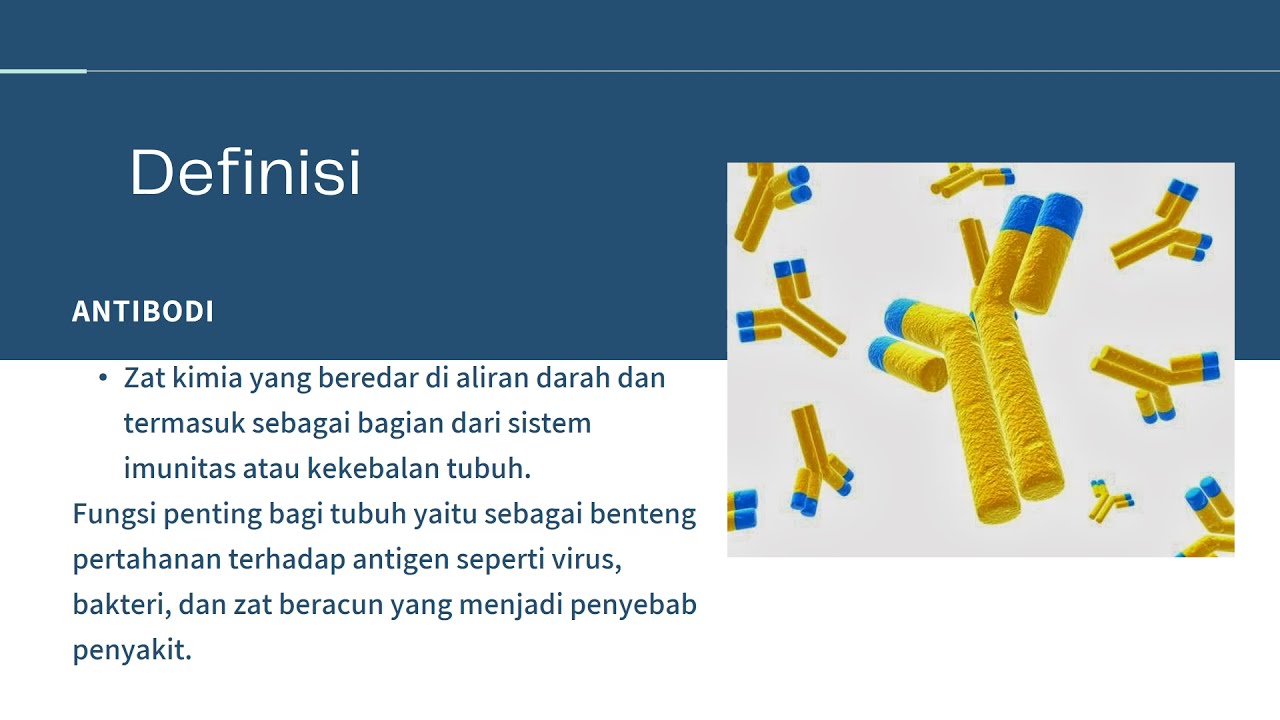
Analisis Imunokimia: Definisi, Klasifikasi, Metode Analisis, Prinsip Metode Analisis, Gangguan
588
Immunokimia is a branch of immunology focusing on the chemical and biochemical level of immune system molecules and reactions. Antibodies are chemical substances circulating in the bloodstream that serve as defense barriers against antigens like viruses, bacteria, and toxins. Antigens are substances that stimulate the immune system to produce antibodies. The immune system recognizes antigens as foreign threats and generates antibodies in proportion to antigen amounts. Antigen-antibody interactions in vitro are used for diagnostic purposes and are called serology. These interactions produce precipitation, agglutination, and complement activity. The primary interaction involves Van der Waals, electrostatic, and hydrophobic forces creating a key-lock fit. Affinity describes the intrinsic bond strength between antibody and epitope, while avidity represents total binding energy with multivalent antigens. IgM antibodies generally have higher avidity than IgG.
Click to watch →

Immunochemistry Basics: Antigen-Antibody Interactions
18.3K
Immunochemistry involves antigen-antibody interactions where antibodies (monoclonal or polyclonal) bind to antigens through electrostatic, hydrogen, hydrophobic, and van der Waals forces; affinity measures the strength of a single binding site interaction while avidity reflects overall complex stability; immunoassays are classified as heterogeneous (requiring separation steps like solid-phase binding) or homogeneous (single-vessel reactions), and competitive assays show inverse signal-analyte relationships while non-competitive sandwich assays show direct proportionality; common labels include fluorescent, chemiluminescent, radioisotope, and enzyme-based markers; the hook effect causes false low readings at extremely high analyte concentrations, requiring dilution verification; heterophile antibodies can interfere with sandwich assays, and emerging technologies include aptamers and mass spectrometry.
Click to watch →

Interação Antígeno- Anticorpo (Ag-Ab) : O que é importante saber?!
1.5K
Antigen-antibody interactions are reversible non-covalent bindings involving specific molecular regions: antigens have epitopes (determinants) and antibodies have complementarity-determining regions (CDRs), with binding strength measured by affinity (individual site strength) and avidity (total multi-site binding strength), enabling various immunodiagnostic applications for disease detection and monitoring.
Click to watch →
Deep Dive
Introduction to liquid handling and microfluidics, including the effects of fluid viscosity, surface tension, and dispensing mechanisms on assay precision.

فيزياء اول متوسط شرح صفحة 9 و10 و11|حل اسئلة مراجعة الدرس الاول صفحة 11 فيزياء اول متوسط
58.6K
Surface tension is the force acting on liquid surface molecules, causing the surface to contract like an elastic membrane. This occurs because surface molecules experience net downward forces from molecules below. Viscosity is a liquid's resistance to flow, determined by intermolecular force strength. High-viscosity liquids like honey and syrup flow slowly, while low-viscosity liquids like water flow easily. These properties explain why some liquids don't spread easily and why surface phenomena like bubbles form.
Click to watch →

Fluid Mechanics Revision for All Exams of Mechanical Engineering With Rahul Sir
122.4K
Viscosity is an inherent property of fluids that resists motion. Newton's Law of Viscosity states that shear stress is directly proportional to the rate of shear strain: τ = μ(dv/dy). Dynamic viscosity has SI unit N·s/m² or Pa·s, and CGS unit poise. Kinematic viscosity is dynamic viscosity divided by density: ν = μ/ρ. For liquids, viscosity decreases with increasing temperature, while for gases, viscosity increases with temperature. Non-Newtonian fluids include pseudoplastic (viscosity decreases with shear rate), dilatant (viscosity increases with shear rate), and Bingham plastic (behaves as Newtonian after yield stress). Surface tension is due to unbalanced cohesive forces at the liquid surface, with unit N/m. Capillarity is the rise or fall of liquid in a small tube due to cohesion and adhesion. The height of capillary rise is h = 4σcosθ/(wD).
Click to watch →

COMSOL's Hands-on Workshop on Microfluidic Devices @ NNIN/C, UMich
46.3K
Microfluidics exploits size reduction effects: volume scales with L³, reducing reagent consumption; viscous/inertial forces decrease, promoting laminar flow; Laplace pressure increases, making surface tension critical; diffusion times decrease, requiring active mixing; electric fields strengthen, enhancing electrokinetic effects. Five pumping mechanisms exist: capillary-driven (hydrophilic/hydrophobic surfaces), pressure-driven (pumps), centrifugal (rotating structures), electrokinetic (electric fields), and droplet-driven (surface tension effects). Each mechanism offers advantages for specific applications, from medical diagnostics to chemical synthesis. Understanding these principles enables rational design of microfluidic devices for various analytical and synthetic purposes.
Click to watch →

Don't Spill Challenge
266.3K
The Don't Spill Challenge demonstrates how liquid properties like viscosity and surface tension affect pouring difficulty; thicker liquids like condensed milk and Jell-O are harder to pour than water, and surface tension causes liquids to spread or 'ooze' over container edges, making precise pouring more challenging.
Click to watch →

فيزياء الاول متوسط | الفصل الاول | منهج 2026 | المحاضرة 1 - الدرس الاول حالات المادة
348.6K
Liquids have definite volume but variable shape, larger particle distances than solids, weaker attractive forces, and freely moving particles. Surface tension causes liquid surfaces to minimize area, behaving like stretched membranes. Viscosity measures resistance to flow—high viscosity liquids like honey flow slowly, while low viscosity liquids like water flow easily. Both properties relate to intermolecular forces.
Click to watch →
Deep Dive
An understanding of nitrocellulose membrane properties, such as pore size, capillary flow time, and protein-binding capacity.

Blotting Technique-1 | METHODS IN BIOLOGY | CSIR-NET LIFESCIENCE DEC 2025 #apnasapnajrf
2.3K
Nitrocellulose is the most commonly used membrane for blotting, originally used by Edwin Southern. It has a pore size of approximately 0.45 micrometers and binds DNA through hydrophobic and electrostatic interactions. However, nitrocellulose membranes are fragile and can dry out easily. They must be baked at 80°C for fixation. Nitrocellulose membranes can typically be used only once and are not reusable.
Click to watch →
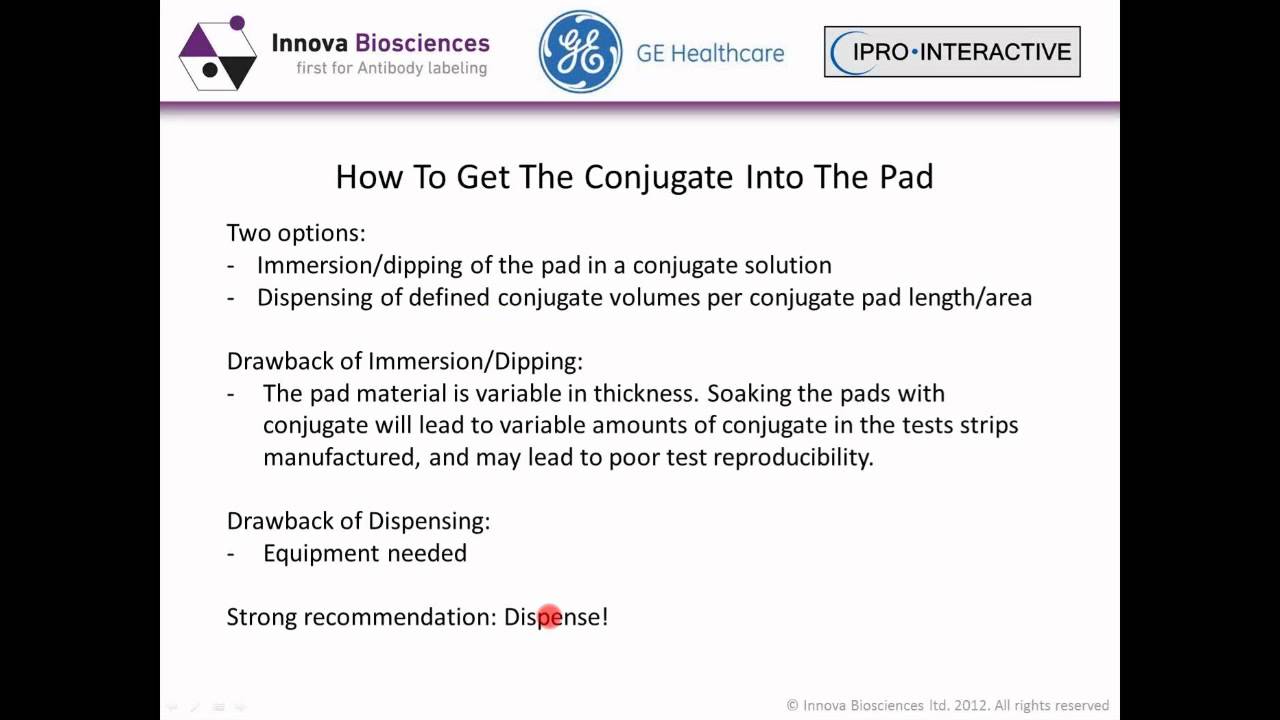
Lateral Flow Assay Development Webinar: Introduction to the development of a lateral flow assay
32K
Nitrocellulose membranes have sponge-like porous structures with high protein binding capacity, containing proprietary surfactants. Membranes are characterized by capillary flow time (4cm migration against gravity). Slower membranes bind more protein but run tests more slowly; faster membranes run quickly but may lack sensitivity. Selection guidelines: fast membranes for water/saliva, medium-fast for urine/low blood volumes, fast for diluted serum. Highly sensitive assays with high-affinity antibodies can work with fast membranes even with undiluted serum, while low-affinity antibodies may require slower membranes.
Click to watch →

Lateral Flow Webinar: A Guide to Lateral Flow Immunoassay Development
53.4K
The membrane is often considered the most important element in a lateral flow assay and is typically composed of nitrocellulose. Nitrocellulose membranes with various pore sizes are commercially available, but since pores do not have even distribution, capillary flow time should be considered when selecting a suitable membrane. Capillary flow time is defined as the time taken for liquids to move along and completely fill a membrane strip of defined length, expressed as seconds per cm. It is inversely related to assay sensitivity.
Click to watch →
![[Recording] Winning Westerns Webinar](https://i.ytimg.com/vi/iT9Cbl5viIs/maxresdefault.jpg)
[Recording] Winning Westerns Webinar
183
Membrane selection significantly impacts results. Nitrocellulose requires no pre-wetting but has lower binding capacity. PVDF offers higher binding capacity, durability, and allows stripping for re-probing, but requires methanol pre-wetting. Pore size matters - 0.2 micron provides larger surface area and higher binding than 0.45 micron, especially for proteins under 20 kDa. Transfer efficiency is evaluated using Coomassie staining. Backup membrane layers detect over-transfer. Equilibration time before transfer (15 minutes standard, less for low molecular weight proteins) affects transfer efficiency.
Click to watch →
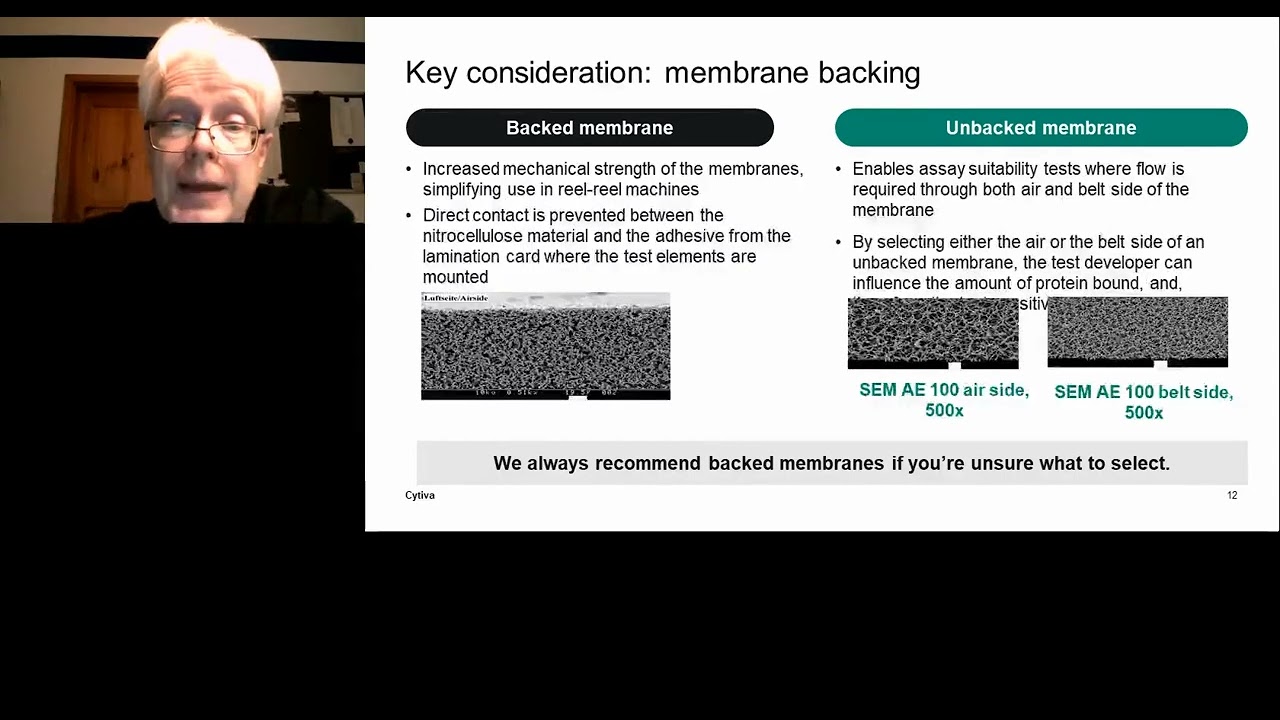
Simplifying component Selection in Lateral Flow Assay Development
614
The nitrocellulose membrane is the core component of lateral flow assays, and its selection significantly impacts test performance; developers must consider capillary rise time (which determines flow rate and affects sensitivity), membrane backing (backed membranes offer mechanical stability while unbacked membranes have higher protein binding capacity), blocking strategies (to prevent non-specific binding), and surfactant content (which can denature up to 2-3% of monoclonal antibodies). Successful assay development requires selecting membranes that work optimally with specific binders, considering their on-rate and off-rate kinetics, and testing membrane samples from both ends of specification limits to ensure consistent performance across the entire production range.
Click to watch →
Prerequisite Knowledge
- Concept 01Fundamental principles of Lateral Flow Assays (LFAs), including capillary action, sample flow dynamics, and the key components of a test strip.
- Concept 02Basic immunology and biochemistry concepts, specifically antibody-antigen interactions, target analytes, and conjugate-binding chemistry.
- Concept 03Introduction to liquid handling and microfluidics, including the effects of fluid viscosity, surface tension, and dispensing mechanisms on assay precision.
- Concept 04An understanding of nitrocellulose membrane properties, such as pore size, capillary flow time, and protein-binding capacity.
Subsequent Learning
- Step 01Advanced multiplexing strategies in diagnostics, focusing on the design, optimization, and signal cross-talk prevention of assays with multiple target lines.
- Step 02Quality assurance and troubleshooting methodologies for detecting dispensing defects like line bleeding, skipping, or uneven reagent distribution.
- Step 03Industrial scale-up and automation, transitioning from lab-scale batch dispensing to high-throughput roll-to-roll (reel-to-reel) manufacturing systems.
- Step 04Regulatory standards and compliance frameworks, such as ISO 13485 and FDA guidelines, governing the manufacturing of in vitro diagnostic (IVD) devices.
Opening
First Act
Build-Up
Climax
Resolution
Finale
Opening
0:12Playing Section
- 1
Video begins with music and applause.
- 2
Initial setup establishes performance context.
Technical and Usability Limitations of High-Multiplexed Linear LFAs
While dispensing five lines on a single lateral flow test strip enables highly multiplexed detection, many diagnostic experts argue that linear multi-line formats suffer from severe technical and practical limitations. As the number of test lines increases, the risk of cross-reactivity and non-specific binding rises exponentially, which can compromise diagnostic sensitivity and specificity. Furthermore, sequential flow dynamics can cause analyte depletion, leading to weaker signals on downstream lines. From a user perspective, visually interpreting five distinct lines is highly error-prone and confusing for laypeople. Consequently, critics advocate for alternative multiplexing architectures, such as dot-matrix microarrays, paper-based microfluidics (μPADs), or digital cartridge readers, which offer superior reliability, simpler interpretation, and better fluid dynamics than traditional multi-line linear strips.
Deep Dive
Advanced multiplexing strategies in diagnostics, focusing on the design, optimization, and signal cross-talk prevention of assays with multiple target lines.

naica® system, dPCR solution for assay development: wastewater-based epidemiology of Covid-19
1.4K
Effective multiplex assay development follows a systematic approach: first evaluate each primer-probe-target combination as singleplex reactions to establish baseline performance, then progress to multiplex combinations. Singleplex evaluation requires clear separation between positive and negative clusters with minimal 'rain' droplets. The Stila separability score quantifies cluster separation by measuring distance between clusters and spread within each cluster. Optimal elongation temperatures are determined by testing ranges (e.g., 60-65°C) and selecting temperatures with highest separability while avoiding non-specific amplification. For multiplex optimization, test cycle numbers from 45-60 cycles, adjust concentrations starting at 125 nM, and use LNA/MGB modifications to increase probe Tm if needed. Crystal Miner software facilitates visualization of dot plots and provides compensation matrices for fluorescence spillover correction across multiple color channels. Key design parameters include: primer/probe specificity verified via BLAST; amplicon sizes under 200 bp (ideally <130 bp for fragmented templates); lengths under 21 nucleotides; avoiding primer-dimer interactions; homogenized melting temperatures (differences <3°C); and homogenized probe melting temperatures 5-10°C above primer Tm with differences under 3°C.
Click to watch →

Francisco BALZAROTTI : introduction to MINFLUX Imaging and Tracking
168
Beyond simple fluorogenic strands, concatenated strand designs enable even higher multiplexing capabilities. By concatenating multiple binding domains with different affinities for different imaging rounds, one can create handles that produce unique spectral signatures across multiple imaging conditions. This approach allows more than exponential scaling of target numbers—two imaging rounds can potentially distinguish five or more targets depending on the binding stoichiometry. The design involves analytical modeling of binding free energies followed by computational optimization to find optimal combinations. Experimental validation demonstrates successful classification of multiple targets with minimal cross-talk, enabling complex multi-color MinFlux experiments.
Click to watch →

Mastering Multiplexing: Innovative Tools for Multiplexing in Your qPCR Workflow
238
Effective multiplex assay design requires strategic pairing of reporter dyes (FAM, ABY, VIC, JUN, SING5, SING5.5) with appropriate quenchers (MGB/QSY for brighter dyes, QSY2 for dimmer dyes). A fundamental principle pairs brighter dyes with lower-expressed targets and dimmer dyes with higher-expressed targets. Critical considerations include minimizing non-specific amplification, preventing cross-talk through proper dye-quencher combinations, optimizing thermal cycling conditions, managing competitive inhibition between assays, adjusting primer/probe ratios based on expression levels, and ensuring all targets achieve optimal amplification efficiency.
Click to watch →

Janice Drew - Predictive Gene Signatures Molecular Markers Distinguishing Colon Adenomatous Polyp an
364
This section provides comprehensive coverage of multiplex assay technology and optimization strategies: The Genome Lab System employs universal tag-based chemistry where gene-specific primers carry universal tags and fluorescently labeled universal primers enable simultaneous detection of multiple targets differing by 5-7 base pairs in size; capillary electrophoresis separates fluorescently labeled products for size-based identification; data analysis normalizes expression using reference genes; critical optimization involves adjusting primer concentrations to maintain linear quantitation across all tissue states; cross-platform validation against microarray and real-time PCR confirms assay reliability; and the flexible design allows addition/removal of targets as new discoveries emerge, enabling dynamic adaptation to evolving research questions.
Click to watch →

David Bourdon-The power of multiplexing with Luminex technology
12.3K
Luminex xMAP technology enables simultaneous detection of multiple proteins in a single sample by using color-coded polystyrene beads conjugated with specific capture antibodies, allowing researchers to measure 30+ analytes from small sample volumes (as little as 25 microliters) with high sensitivity and reduced analytical variability compared to traditional singleplex ELISA methods.
Click to watch →
Deep Dive
Quality assurance and troubleshooting methodologies for detecting dispensing defects like line bleeding, skipping, or uneven reagent distribution.

บริ้งค์ไบรท์ | เครื่องหยอดเหรียญวิเศษ เปลี่ยนขนมได้ ให้ขนมเยอะ
21M
This segment explores how vending machines work and common troubleshooting approaches: (1) The basic mechanism involves inserting coins, pressing buttons, and waiting for items to dispense, (2) Troubleshooting steps include checking if the machine is empty, trying different buttons, and waiting longer for dispensing, (3) Understanding that machines may require time to process transactions, and (4) Recognizing when a machine is malfunctioning versus simply slow. The video demonstrates practical approaches to dealing with vending machine issues.
Click to watch →
Lateral Flow Assay Development Webinar: Introduction to the development of a lateral flow assay
32K
Nitrocellulose membranes have sponge-like porous structures with high protein binding capacity, containing proprietary surfactants. Membranes are characterized by capillary flow time (4cm migration against gravity). Selection guidelines: fast membranes for water/saliva, medium-fast for urine/low blood volumes, fast for diluted serum. Highly sensitive assays with high-affinity antibodies can work with fast membranes even with undiluted serum, while low-affinity antibodies may require slower membranes. Precision dispensing equipment is essential for reproducible test lines (0.6-2 μL/cm, 1 μg/μL concentration). Dispensing buffer should match protein isoelectric point (avoid pH <3 or >10 which hydrolyzes cellulose). Absorbent pads must completely soak sample liquid and prevent backflow into dry membranes, as backflow causes unbound conjugate particles to settle and create false positives. Troubleshooting: uneven lines indicate wrong membrane or excessive reagent volume; false positives often result from pH issues or specific protein-protein interactions; false negatives may require slower membranes or increased sample volume; uneven liquid fronts indicate insufficient surfactant or extremely low relative humidity.
Click to watch →

ERROS DE DISPENSAÇÃO | SÉRIE EDUCAÇÃO FARMACÊUTICA EM ONCOLOGIA
6.4K
Quality deviations in dispensing include problems detected through visual observation such as tablets with stains, cracks, or disintegration; suspensions with homogeneity problems; solutions with particle presence; medications stored at inadequate temperatures; packaging damage that compromises quality; and medications dispensed with expired validity dates.
Click to watch →

Developing Your Troubleshooting Skills: Part 1, Making the most of your ICP-MS
12.7K
When QC fails, first determine if all or only some elements are affected. If all elements fail, remake standards or try concentrations closer to midpoint. If only some elements fail, examine raw intensity data, blanks, and calibration standards. Check if recalibrated standards read back correctly—if not, the problem is calibration curve contamination. The blank is the most critical calibration point; high blank counts limit detection limits regardless of curve fit quality. Correlation coefficients (R²) indicate how well points fit a line but don't reveal deviations. Always examine raw intensity data rather than concentration data to identify root causes. Immediately recalibrating after QC failure often worsens problems if preceding samples contaminated the system.
Click to watch →

#diagnosticday #drjain #hospitalupdate #melap
447
When troubleshooting QC failures, systematically check: (1) control material (correct, not expired, stored properly, reconstituted properly, run promptly after bringing to room temperature); (2) reagents (correct, correct position, not new lot, stored properly, not expired); (3) calibrators (no new lot, prepared properly, stored correctly); (4) instrument hardware (proper maintenance, no leaks, no protein buildup, no scratches on cuvettes); (5) environment (temperature, humidity, resistivity, air quality).
Click to watch →
Deep Dive
Industrial scale-up and automation, transitioning from lab-scale batch dispensing to high-throughput roll-to-roll (reel-to-reel) manufacturing systems.

MITAB22 Keynote Timothy Fisher Solar Thermal Synthesis of Graphitic Carbon and Hydrogen via Methane
189
To address clogging issues that develop after extended operation (where porosity decreases and conversion/yield degrade), a roll-to-roll processing system was developed. The continuous movement of the carbon substrate through the reactor allows periodic regeneration of the active surface. Initial tests showed that rolling the substrate restores conversion and yield by exposing fresh material to the reaction zone, demonstrating viability for industrial scale-up.
Click to watch →
CREONIA CELLS industrial Visit | Battery Associates
655
This segment demonstrates the transition from laboratory to industrial-scale battery manufacturing. Roll-to-roll manufacturing enables continuous electrode production with significantly higher output rates. The 'black box' extrusion system uses proprietary three-fold nozzles to simultaneously extrude cathode, separator, and anode layers. The washing process removes organic solvents through mechanical movement in a bath, simplifying subsequent drying. Production capacity is measured in gigawatt-hours, with the demonstrated line capable of 1 GWh capacity operating 24/7 at 10-15 meters per minute, representing significant industrial-scale manufacturing capability.
Click to watch →
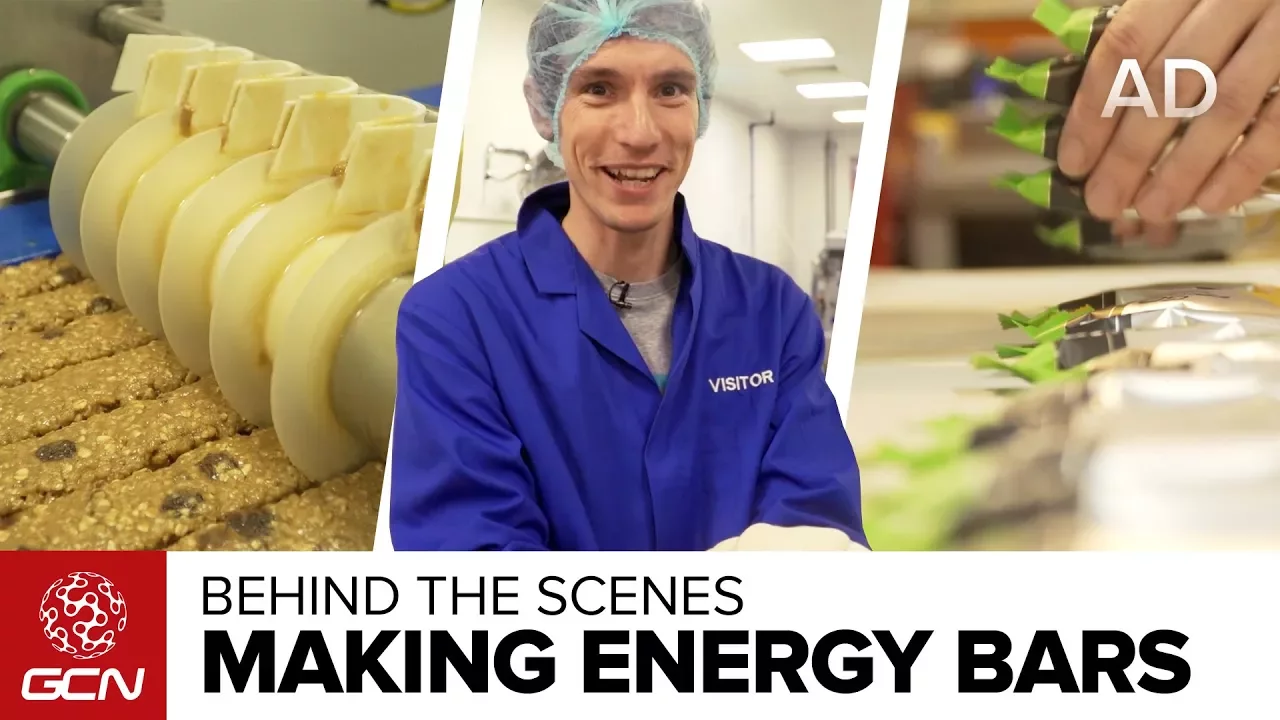
How To Make Energy Bars Like A Pro | Inside The Science In Sport Factory
147.5K
Scaling from laboratory prototypes to industrial production requires fundamental changes in methodology and equipment. Small-batch lab work uses manual mixing and open cooking, while production employs steam-jacketed kettles maintaining precise temperatures (101°C) for extended periods. Ingredients are weighed to decimal precision (around 40kg batches) and processed through automated systems including slab rollers, guillotine cutters, and high-speed packaging lines capable of producing 70-80 bars per minute. This automation enables 24/7 operation while maintaining consistent quality standards.
Click to watch →
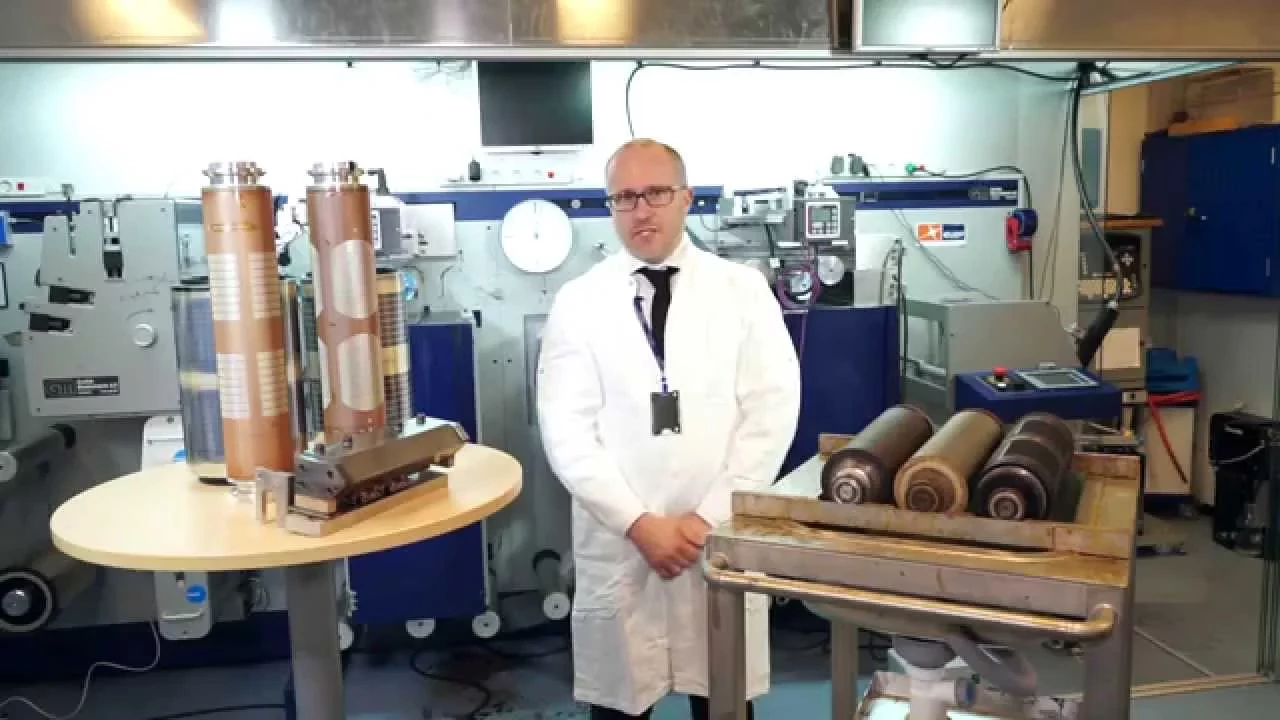
Printed solar cells - From small to big scale
12.1K
Large-scale roll-to-roll manufacturing systems incorporate multiple printing stations, web cleaning units, corona treatment, slot die coating, hot air drying, infrared drying, and rotary screen printing. They can operate in inline mode with all printing stations on one machine or in master-slave configuration with discrete units. Industrial scale manufacturing involves much larger rollers capable of handling complex webs including flexible glass or multi-laminates, implying heavier machinery, longer cleaning times, more complicated web handling with multiple guarding units, and larger roller diameters. The cost of operation increases significantly with scale, including more material, operator intensity, and higher costs for mistakes. This is why gradual scaling through intermediate machines makes sense to manage costs and investment, with each scale increase introducing new complexities that must be addressed for successful industrial application.
Click to watch →

Executive interview - Thin Film Electronics
440
Roll-to-roll manufacturing increases batch sizes by approximately 600 times compared to sheet-based methods. Similar to how increasing silicon wafer sizes in the photovoltaic industry created new price points and enabled the green revolution, this manufacturing approach will make electronics as cheap as raw materials like metal foil when production scales to billions of units annually.
Click to watch →
Deep Dive
Regulatory standards and compliance frameworks, such as ISO 13485 and FDA guidelines, governing the manufacturing of in vitro diagnostic (IVD) devices.
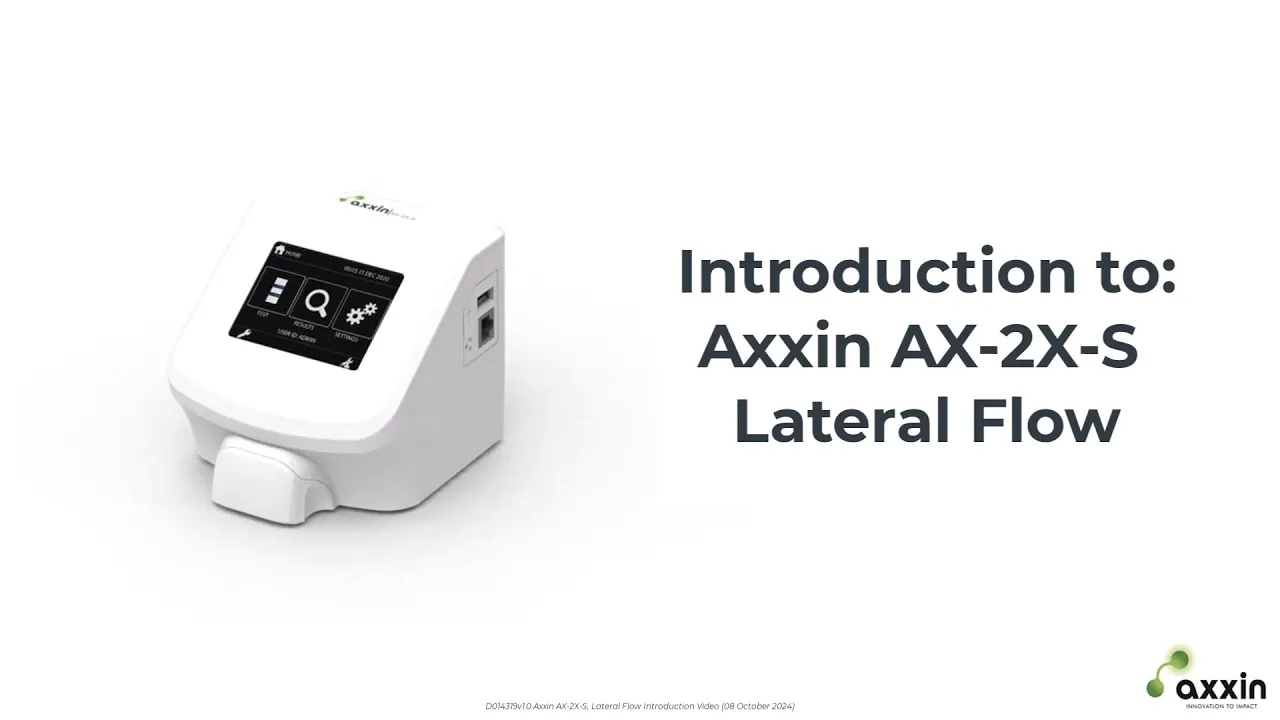
Axxin AX-2X-S | Portable Lateral Flow Reader
174
The instruments are manufactured under ISO 13485 and 21 CFR 820 quality compliance in facilities accredited for medical device manufacturing. This provides a proven pathway to regulatory submission for FDA, IVDR, TGA, and WHO pre-qualification, including validated production processes, compliance documentation, and UDI labeling requirements.
Click to watch →

RUA Life Sciences Investor Presentation (July 2022)
214
ISO 13485 is the international standard for quality management systems specific to medical devices. FDA registration and PDEME (presumably PDEME) registration are regulatory requirements that allow companies to sell medical devices into global territories. These certifications demonstrate that the company's manufacturing facilities meet strict quality and safety standards required for medical device production.
Click to watch →

Best Practices for Clinical Labs in Turbulent Times
126
ISO 13485 is an international standard for quality management systems specifically for manufacturers of in vitro diagnostic devices (IVDs), including test kits. This standard differs from FDA regulations in its emphasis on risk management and leadership roles. It will become applicable on February 2, 2026, and aims to harmonize regulatory requirements across the United States, European Union, Canada, Australia, and Japan. While clinical laboratories developing Laboratory Developed Tests (LDTs) are not currently required to comply with ISO 13485, understanding these standards can still benefit lab operations and prepare organizations for potential future regulatory changes.
Click to watch →

Applicable Standard for IVD Product| Type of Standards available for IVD| Medical Device | Lecture-2
302
IVD medical devices must comply with applicable international standards across 16 key lifecycle stages, including vocabulary definition (ISO 3534-1), design requirements (IEC 62366), risk management (ISO 14971), manufacturing quality systems (ISO 13485), analytical performance validation, specimen collection and transport protocols, stability testing under various conditions, robustness assessment, clinical performance evaluation, labeling requirements, post-market surveillance, and software validation. Major regulatory bodies including WHO, GHTF, IMDRF, ISO, IEC, and CLSI provide these standardized guidelines that manufacturers must follow throughout the product development and commercialization process.
Click to watch →

"المحاضرة الثالثة 🎯 | احتراف ✅ أسرار تسجيل المستلزمات الطبية | CE Mark | 510(k) | Notified Body"📌
796
In vitro diagnostic (IVD) devices are regulated under the In Vitro Diagnostic Regulation (IVDR) 2017/746, which is separate from the MDR. IVD devices are used for testing biological samples (blood, urine) to detect diseases. The IVDR has its own classification system and requirements, with different rules for devices used in clinical settings versus manufacturing processes. ISO 13485 certification requires a manufacturer to establish and implement a quality management system that meets the standard's requirements. The process involves: (1) preparing the quality management system, (2) documenting all processes and procedures, (3) undergoing an audit by a certification body, and (4) receiving certification upon successful completion. The certification body reviews the manufacturer's documentation and may conduct on-site audits to verify compliance.
Click to watch →
Opening
First Act
Build-Up
Climax
Resolution
Finale
Opening
0:12- 1
Video begins with music and applause.
- 2
Initial setup establishes performance context.
Technical and Usability Limitations of High-Multiplexed Linear LFAs
While dispensing five lines on a single lateral flow test strip enables highly multiplexed detection, many diagnostic experts argue that linear multi-line formats suffer from severe technical and practical limitations. As the number of test lines increases, the risk of cross-reactivity and non-specific binding rises exponentially, which can compromise diagnostic sensitivity and specificity. Furthermore, sequential flow dynamics can cause analyte depletion, leading to weaker signals on downstream lines. From a user perspective, visually interpreting five distinct lines is highly error-prone and confusing for laypeople. Consequently, critics advocate for alternative multiplexing architectures, such as dot-matrix microarrays, paper-based microfluidics (μPADs), or digital cartridge readers, which offer superior reliability, simpler interpretation, and better fluid dynamics than traditional multi-line linear strips.
Fundamental principles of Lateral Flow Assays (LFAs), including capillary action, sample flow dynamics, and the key components of a test strip.
Basic immunology and biochemistry concepts, specifically antibody-antigen interactions, target analytes, and conjugate-binding chemistry.
Introduction to liquid handling and microfluidics, including the effects of fluid viscosity, surface tension, and dispensing mechanisms on assay precision.
An understanding of nitrocellulose membrane properties, such as pore size, capillary flow time, and protein-binding capacity.
Advanced multiplexing strategies in diagnostics, focusing on the design, optimization, and signal cross-talk prevention of assays with multiple target lines.
Quality assurance and troubleshooting methodologies for detecting dispensing defects like line bleeding, skipping, or uneven reagent distribution.
Industrial scale-up and automation, transitioning from lab-scale batch dispensing to high-throughput roll-to-roll (reel-to-reel) manufacturing systems.
Regulatory standards and compliance frameworks, such as ISO 13485 and FDA guidelines, governing the manufacturing of in vitro diagnostic (IVD) devices.
121 views1likes3:32@AntiTeckOriginal Release: 2022-10-19
foreign [Music] thank you foreign [Music] [Applause] [Music] [Music] thank you [Music] foreign [Music] [Applause] [Music] [Applause] [Music] thank you [Music] foreign [Music] [Applause]
Up Next

12:43
Gold Conjugate Pad Preparation & Conjugation for Lateral Flow Tests
@medicaltechsolutions1046
1.5K views•2020-01-05

12:54
Triumph of Orthodoxy Icon: Byzantine Art & History Explained
@BenCallan
2.1K views•2024-08-06

9:49
FastAPI vs Flask vs Django: Choosing the Right Python Web Framework
@TechWithTim
302.5K views•2024-05-26

1:42
Game of Thrones Opening Credits: A Cinematic Analysis
@gameofthrones
46.3M views•2011-04-18
Related Study Plans & Knowledge Roadmaps
Structured learning paths in General & Interdisciplinary Studies
general-studies
Elevator Engineering: History, Physics & Cities
01From Hoists to Safety Brakes: The Dawn of Vertical Lift
02Hydraulic vs. Traction: The Engineering Physics of Elevators
03Modern Speed, Safety, and Algorithms
+ 2 more learning modules
12h5 modules
Explore Roadmap
general-studies
Rubber: Material Science, History & Geopolitics
01Origins of Natural Rubber & Mesoamerican History
02The Chemistry of Natural Rubber & Vulcanization
03The Geopolitics of the Rubber Boom & Colonization
+ 2 more learning modules
12h5 modules
Explore Roadmap
general-studies
Containerization: Evolution, Logistics & Trade
01Ancient Trade & Bulk Cargo: Amphorae to Barrels
02The Industrial Revolution & Cardboard Packaging
03The Containerization Revolution: Malcom McLean
+ 2 more learning modules
12h5 modules
Explore Roadmap
general-studies
Textile Tech: Evolution, Labor & Global Impact
01Pre-Industrial Textiles: Handloom & Cottage Industry
02Mechanization: The Spinning Jenny to the Power Loom
03The Factory System & Global Labor Transformation
+ 2 more learning modules
10h5 modules
Explore Roadmap