



























Flow states—optimal performance moments where individuals feel fully engaged and productive—can be triggered by chaos, stress, and overwhelm when managed properly through strategic arousal control. Mihaly Csikszentmihalyi identified that flow emerges when challenge-skill balance is optimal, meaning tasks must be neither too easy (causing boredom) nor too difficult (causing anxiety). The key insight is that VUCA (Volatility, Uncertainty, Complexity, Ambiguity)—often seen as workplace problems—actually contains the same neurochemical triggers as external flow inducers. However, these triggers only drive performance when overall arousal is properly managed; mismanaged arousal causes overwhelm. The solution involves compartmentalizing VUCA by reducing personal life variables (like routines, possessions, and social commitments) to conserve cognitive capacity, then strategically allocating remaining 'VUCA chips' to high-value professional domains where they can drive flow and peak performance.
How to Leverage Workplace Chaos for Peak Performance Flow
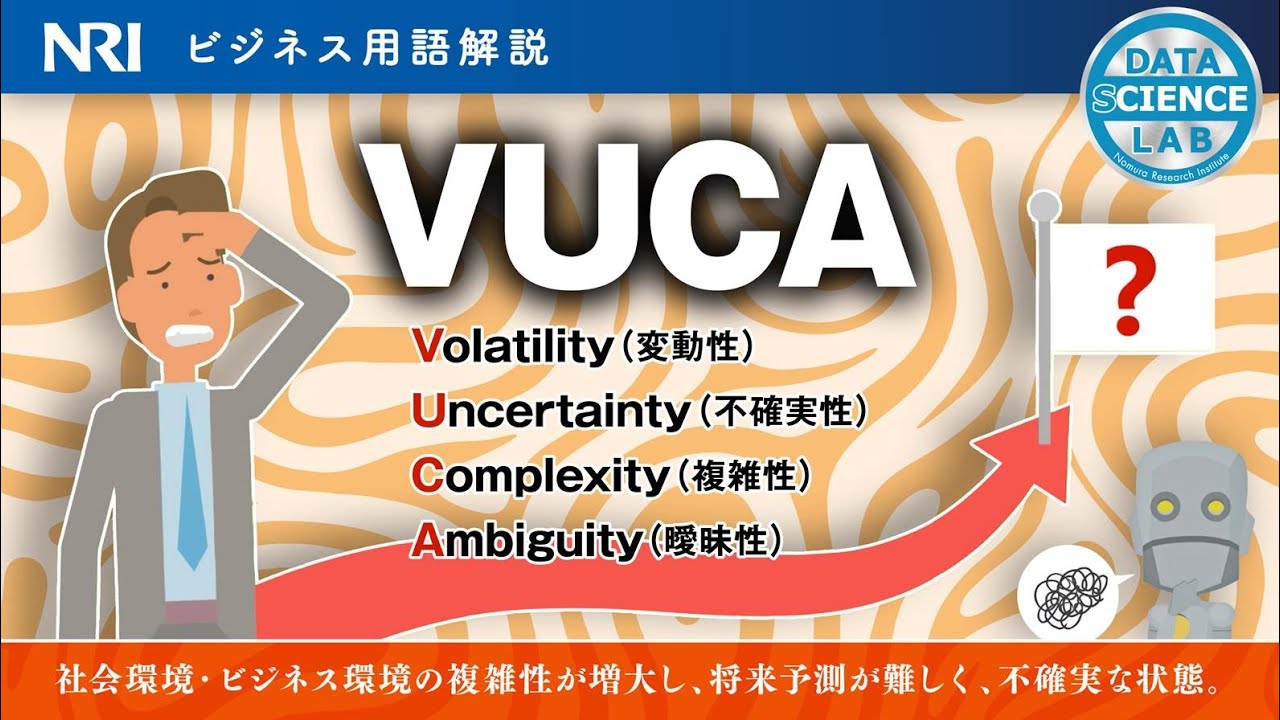
Added:turns out in order to unlock maximum performance from your mind and body you need chaos but a certain kind of chaos dealt with in the right way in this video we're going to show you how to use chaos stress and overwhelm as a forcing function for elevated performance and cognition now I'm ran darus co-founder and Co of the flow research Collective along with my partner Steven Cutler we've taught tens of thousands of professionals how to access states of flow at will now your life likely oscillates between periods of high stimulation where you feel like you just can't keep up there's an infinite amount to do and then sometimes dips into these periods of flatness where you may feel a little bit isolated uninspired demotivated or deflated what's happening here and how do you stay in The Sweet Spot all the way through as a teenager pioneering psychologist Mii chmi and his family fled communist Hungary in 1949 making a harrowing journey across Europe before settling in the United States the turmoil of War left a mark on Mii decided he would study psychology at the time psychology focused more on treating dysfunction than optimizing human potential chihi felt driven to Pioneer a more positive approach the future direction of his field rested on the answer to a critical question what makes life worth living so chemii spearheaded one of the largest psychological surveys of the time interviewing a diverse range of individuals from avajo sheep herders to factory workers to musicians and athletes they all described a state where they felt and performed at their very best jmih high then termed this state flow where every action movement and thought follows inevitably from the previous one your whole being is involved and you're using your skills to the absolute utmost chiii discovered that flow didn't happen randomly rather it had triggers that caused it to emerge reliably there's a reason action sports like skiing and rock climbing have a reputation for driving people into Flow State these sports are loaded with what's called external flow triggers things that happen to us in our external environment or outside of us but to drive us into Flow State on the inside the flow triggers work by driving our attention into the present moment this happens for several reasons including increasing focusing neurochemicals like nephrine and dopamine and these external flow triggers include High consequences risk novelty complexity and unpredictability risk or high consequences can be physical social or reputational the looming threat of danger focuses the Mind sharply on the present making us conducive to flow novelty can come from information people task Hobbies interests or locations the unfamiliar provokes curiosity and heightens awareness complexity can be in the environment or intellectual professional or interpersonal the mental challenges engage your full cognitive capacity same with unpredictability the inability to anticipate events demands complete singular concentration now let's contrast these flow triggers with something called vuka in the business world vuka like a disease is spreading like wildfire and vuka refers to volatility uncertainty complexity and amb uity you know how this goes you spend weeks preparing a big presentation only for the CEO to change directions last minute based on some new competitive data there goes all that work down the drain thanks to volatility or when it upgrades the company servers and suddenly the CRM crashes your sales forecasts are thrown into disarray by the uncertainty or ever try to get alignment between engineering and marketing on a product deadline defining requirements gets endlessly complex between technical needs and promotional cycles and how many times have you left a meeting more confused because of ambiguous vague or outright contradictory direction from leadership well it's no wonder that vuka is often referred to as a negative thing or as something that we've got to battle you've probably heard it many times before you've got to find out how to tolerate vuka because the world is accelerating so fast workplaces are changing and levels of volatility uncertainty complexity ambiguity are making things increasingly difficult and overwhelming and it's hard to keep Pace but is vuka as bad as it's cracked out to be well here's the crazy thing volatility means rapidly changing conditions right this sends a whole lot like the external flow trigger unpredictability both can drive your focus into the present then there's uncertainty which is similar to the flow trigger risk and high consequences complexity Maps precisely to the external flow trigger of the same name and ambiguity shares similarities with the flow trigger novelty which heightens our perception that means that the symptoms of the vuka disease are nearly identical to the neurochemical triggers for Flow State the question is why would vuka drive overwhelm in one instance but drive flow in another how could these things that journalists and professionals purport to be the primary drivers of overwhelm in the 21st century workplace be some of the biggest drivers of Peak Performance and Flow State well the reason is mismanaged arousal vuka overwhelms people when their overall arousal is mismanaged if your immune system is high and you could do cold EXP exposure your immune system does even better if your immune system is sick or low and you do cold exposure it pushes you over the edge and you get sick vuka is similar if your arousal is managed it takes you to the next level if it's mismanaged vuka tips you over the edge like the ice bath how is this possible you see one of the most powerful flow triggers is what's called The Challenge skills balance which is so vital for driving us into Flow State that it's often considered a precondition for flow sitting above all the other triggers it's the meta trigger that mediates all of these external flow triggers and vuka to experience flow the challenge of a task should be neither too high nor too low relative to an individual's skill level if the challenge is too high it can lead to anxiety and frustration while if it's too low it can result in boredom and apathy and you can see how this breaks down on the screen here in the bottom left of the challenge skills balance quadrant you have low skill low challenge which leads to apathy you just don't care in the bottom right with high skill and low challenge you're bored it's like playing basketball against your young younger brother in the top left you have high Challenge and low skill which tilts you into overwhelming anxiety it's like being pushed down a steep and Rocky Hill on your bike the same day you had your training wheels removed and in the top right quadrant you have high skill and high challenge The Sweet Spot for flow to emerge now the challenge skill balance mediates your arousal level on a micro scale specific to the task at hand but on a macro level there's What's called the jks Dodson law which accounts for your overall arousal level AC cross your life more broadly and this law posits that performance increases with physiological or mental arousal but only up to a point when levels of arousal become too high performance decreases you can think of the JK's Dodson law as the macro challenge skills balance which means overwhelm isn't caused by a specific task rather it's a function of the macro challenge skills balance of your life your overall arousal level and here's the key if your capacity is properly managed extra vuka will drive you into flow and Level Up Performance because it's so similar to the external flow triggers that means with proper arisal management you can turn what's overwhelming for most for the average knowledge worker into something that propels you as a workplace Olympian toward achieving your professional goals faster under more pressure chaos complexity and vuka now have you ever seen Silicon Valley in person when I first went to Silicon Valley I could not believe it I was expecting endless skyscrapers h ing trains and tons of people everywhere considering all the Innovation that emerges out of it Silicon Valley to me looked shockingly surprisingly dull it's got simple buildings no skyscrapers lots of space and just a few people on the leafy green wooded streets and although when I first went to Silicon Valley I was shocked by this it started to make sense I realized that the reason Silicon Valley is so bland is because the people in those plain buildings operate under unfathomable vuka conditions entrepreneurship is a professional Endeavor rich in vuka and external flow triggers High consequences risk novelty complexity and unpredictability how do entrepreneurs tolerate this level of vuka well it's simple the best entrepreneurs are Relentless about decreasing arousal in other areas of life and this is the first step toward using vuka to drive flow imagine Life as a poker game your overall arisal level can be thought of as a stack of vuka chips the size of your stack is fixed you only get so many chips per day each chip represents Your Capacity to handle volatility uncertainty complexity and ambiguity the more chips you bet the more vuka you take on and the more you drive up your arousal level you have to be strategic where you place bets each bet exposes you to risk and stress the goal is to allocate chips to domains where the payoff of the risk and stress aligns with your biggest goals going all in on too many domains professional personal relational divides Focus you Splash chips around reactively instead of concentrating them where they'll compound before long you're overwhelmed and you're out of vuka chips unable to make further progress your tolerance for vuka is diffuse instead of concentrated so your arousal tilts toward overwhelm but at the same time you don't make any meaningful progress anywhere this means the overarousal is wasted instead of leveraging the external flow triggers to drive up Peak Performance at the same time if you bet too few chips you leave opportunities untouched letting chips sit idle leads to boredom apathy so with that analogy in mind here's how to play your vuka chips so you can get into flow and reach your goals without losing at all to the house the first step is to manage arousal through constants and variables the key is you have to choose where your vuka shows up this means you have to be selective about where you play your vuka chips vuka can't be everywhere it doesn't work it needs to be compartmentalized if you've got a wildly boring day job for example you want to take on an exhilarating side project or hobby that contains volatility and certainty complexity and ambiguity and the external flow triggers within it but if you've got an incredibly complex day job or a big business goal that you're pursuing or a business you're trying to get off the ground then you want to keep the rest of your life free from vuka conditions the ideal for Peak Performance and flow if you have big professional goals is to keep your personal vuka low so that your professional vuka can be high as you pursue those big goals minimize vuka with your friends family finances Health Hobbies if your arousal level is too high because of excessive personal vuka the flow triggers will serve as vuka that overwhelms you instead of as flow triggers that Focus you plunging you into the Zone quick example from Steve Jobs that you may have heard one small thing the jobs did to manage vuka was wearing the same outfit every day while he built one of the most technically complex and valuable companies the world has ever known he knew how to handle overall arousal by removing uncertainty and ambiguity from certain choices in his personal life this helped him take on huge amounts of ambiguity and uncertainty for 30 years with apple and while his clothing barely changed as you can see here his stock price at Apple changed tremendously Michael Phelps did something similar he Stripped Away variables by structuring his life arent training minimizing socializing early bedtimes a hyper managed diet by betting all of his VCA chips on his athletic achievements this monk-like Focus allowed him to excel at swimming like no one before or since so think of your life like a math equation constants and variables you only have capacity for so many variables like the vuka chips you have to decide where you allocate them do you want more variables in your personal life limiting the amount that you can tolerate and hold in your professional life or vice versa to expand professional vuka and achieve more convert some personal variables into constants sleep and wake at the same time daily pick one Lunch Spot stop traveling constantly and stay based in one location for longer stop dating or stay married this conserves your vuka chips and allows you to allocate them to the work complexity you're going to need to embrace and Tackle to achieve big things a simple rule to remember this is that your personal vuka needs to be as small as your professional ambition is Big my partner Steven Cutler has a story about compartmentalizing vuka to manage his overall arisal Stephen was living in La he owned too much stuff he was working bars at night traveling the world as an adventure journalist by day he had volatility from the everchanging social scene complexity from juggling possessions and commitments and uncertainty about where the next assignment would take him this environment fueled too much vuka in his personal life which was sabotaging his ambitious goals as an author so Steven did something drastic he moved to a remote area of New Mexico slashing the volatility complexity uncertainty and ambiguity from his personal life away from the constant social demands and travel disruptions Steven wrote over 10 best-selling books by dramatically reducing personal vuka he could handle huge amounts of it in his writing he took vuka out of an unproductive domain and re infused it where it drove flow and Optimal Performance now of course you don't have to do anything as drastic as moving to compartmentalize vuka but for Steven it helped when I started my first business in La I ripped all the vuka from my personal life to maximize it professionally I got meal delivery to reduce uncertainty around food I set a fixed routine for sleep and wake times I cut out all social events on the weekdays I least an office near my home with everything set up and ready to go now you may be thinking well what about super successful people like Elon Musk doesn't he have high vuka in both his personal and professional life well if you read Walter is axon's new biography on musk you would see that he's successful despite the variables in his personal life not because of them who knows how much faster we would get to Mars if Elon had more constant more consistency and less vuka in his personal life too much personal volatility complexity uncertainty or ambiguity cannibalizes professional Focus the Second Step here is to dial up vuka if you're under aroused sometimes you're under aroused and tilting toward boredom or apathy the this also blocks you from flow and kills your performance there's no risk no novelty only monotony it's the classic white picket fence story where all of a sudden you don't feel alive so you go do something crazy and unhealthy just to feel that sense of aliveness again too little vuka and challenges can have just as much of an effect on your productivity and performance if this is the case the key is to embed and dial up the external flow triggers High consequences risk novelty complexity and unpredictability in your environment now vuka is unavoidable the question is whether it overwhelms you or propels you when your overall arousal is managed volatility drives focus on certainty sharpens instincts complexity engages abilities and ambiguity awakens creativity vuka becomes flow fuel While others are losing their minds you remain calm and capitalize unchange of course as you do this you'll need to mine the flow cycle because flow isn't just a binary State either on or off like a light switch you have to move through each phase of the cycle and you can learn how to do that if you click here
Up Next

Flow Science: Unlocking Ultimate Human Performance | Steven Kotler
@talksatgoogle
702.6K views•2014-05-06

Cognitive Skills for Differentiated Instruction | Teacher PD
@BrainWareLearning
631 views•2017-12-17

Thinking, Fast and Slow: Daniel Kahneman Animated Book Summary
@FightMediocrity
2.3M views•2015-06-05

The Nocebo Effect: How Beliefs Can Cause Real Harm
@CGPGrey
10.4M views•2013-12-23
Related Study Plans & Knowledge Roadmaps
Structured learning paths in Psychology