

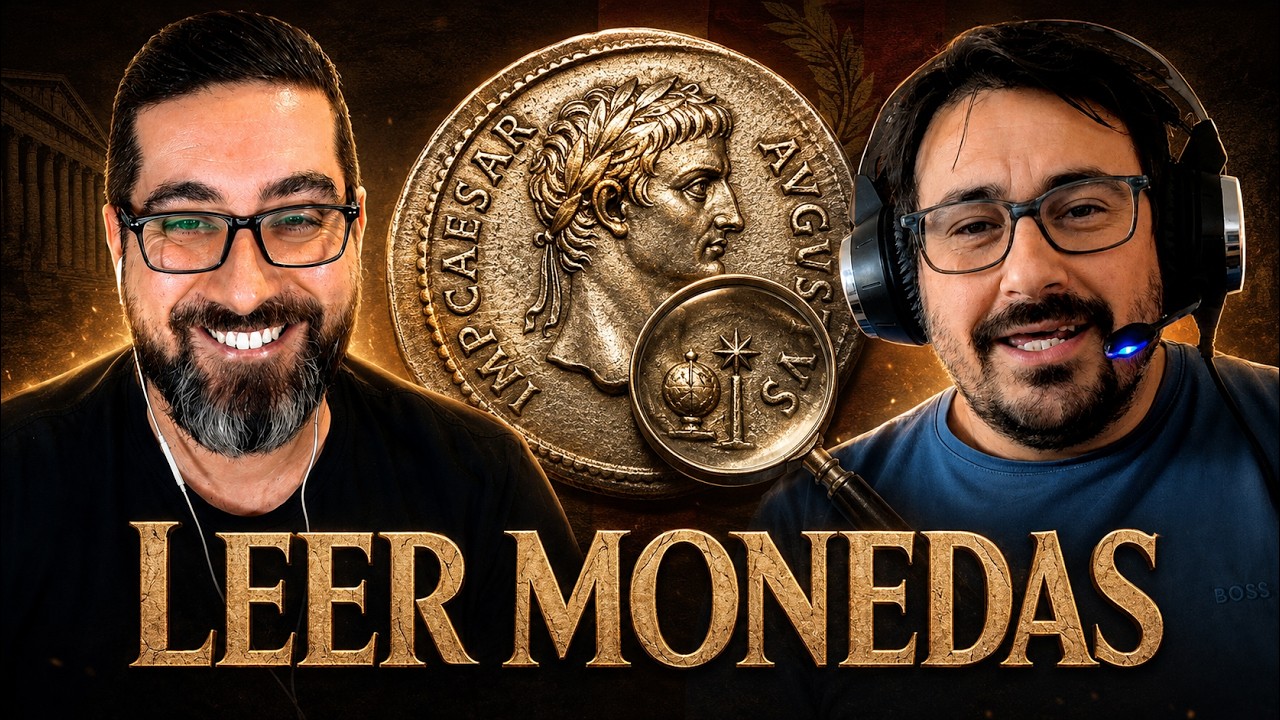


![Runescape, but an Ancient Roman Coin set my next big goal [Detecting Locked #3]](https://i.ytimg.com/vi/ZTNGtyMGbzg/maxresdefault.jpg)





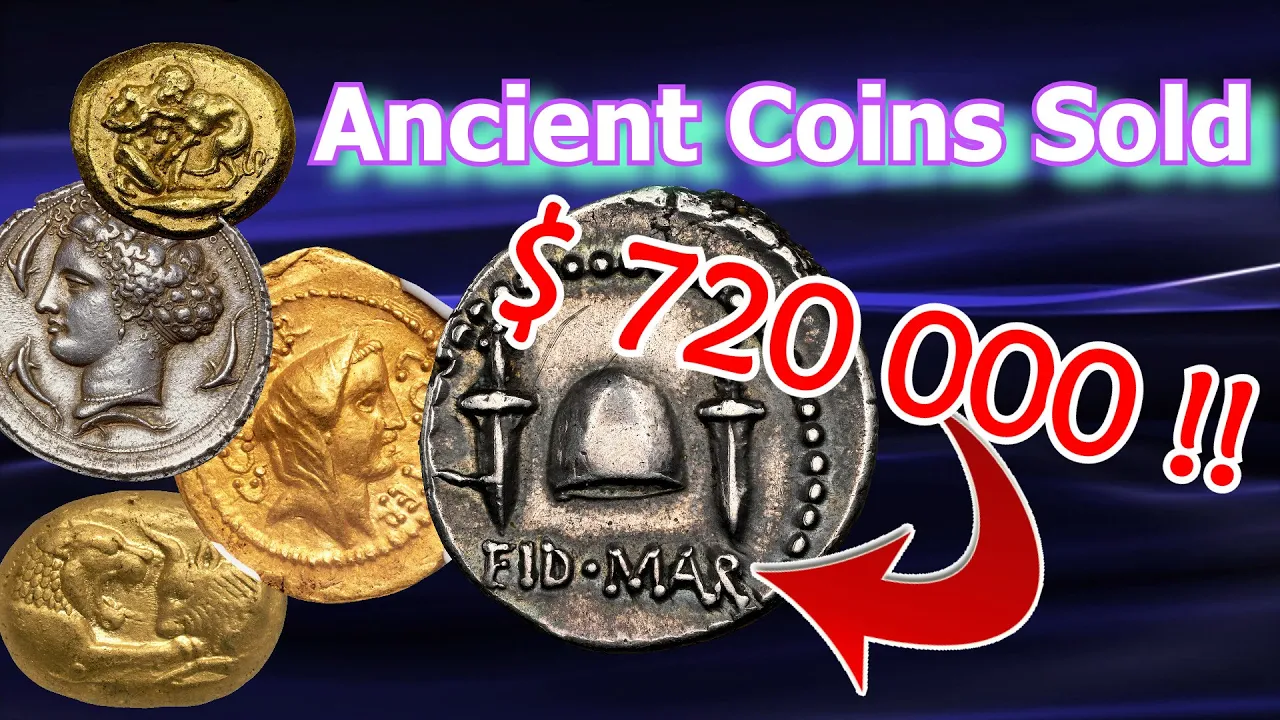
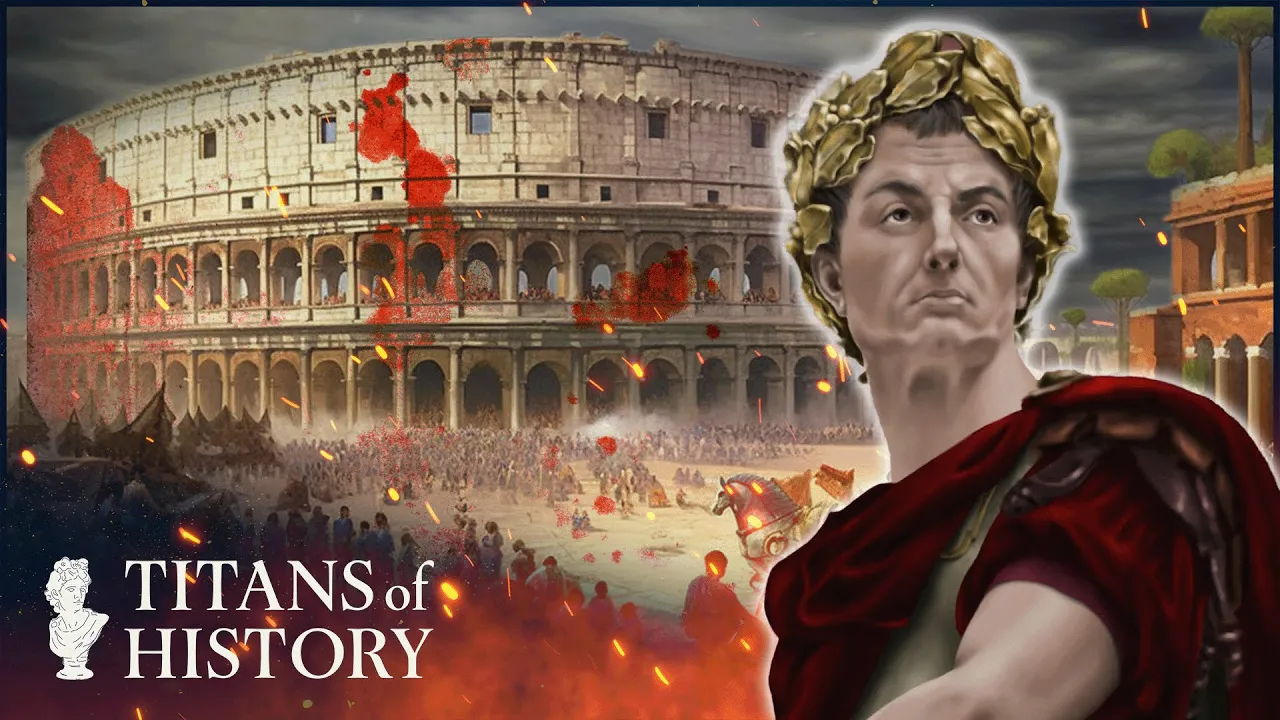

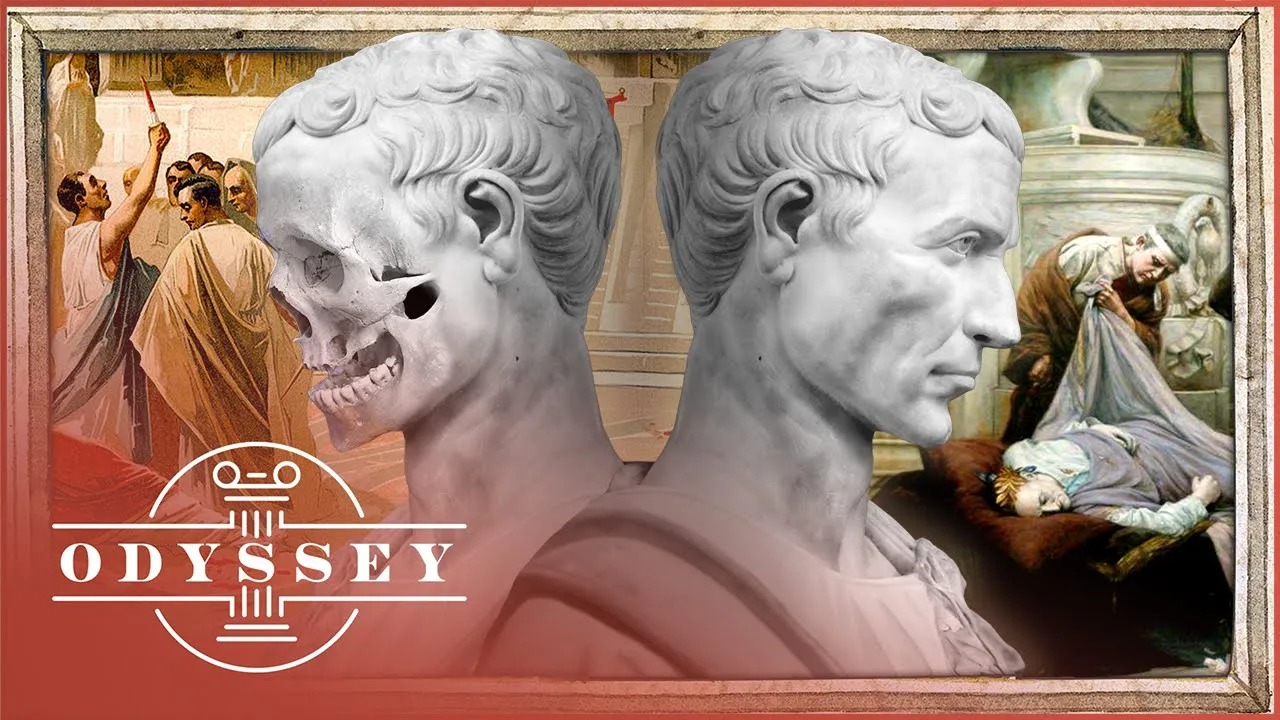


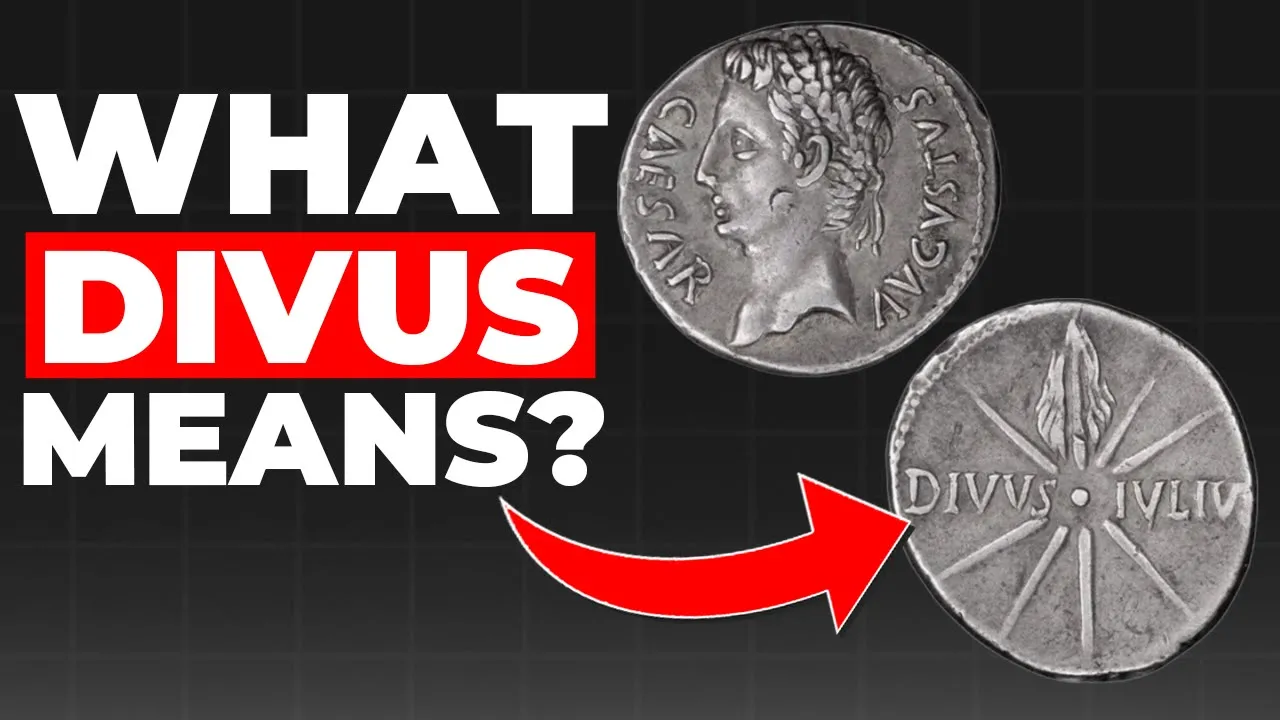
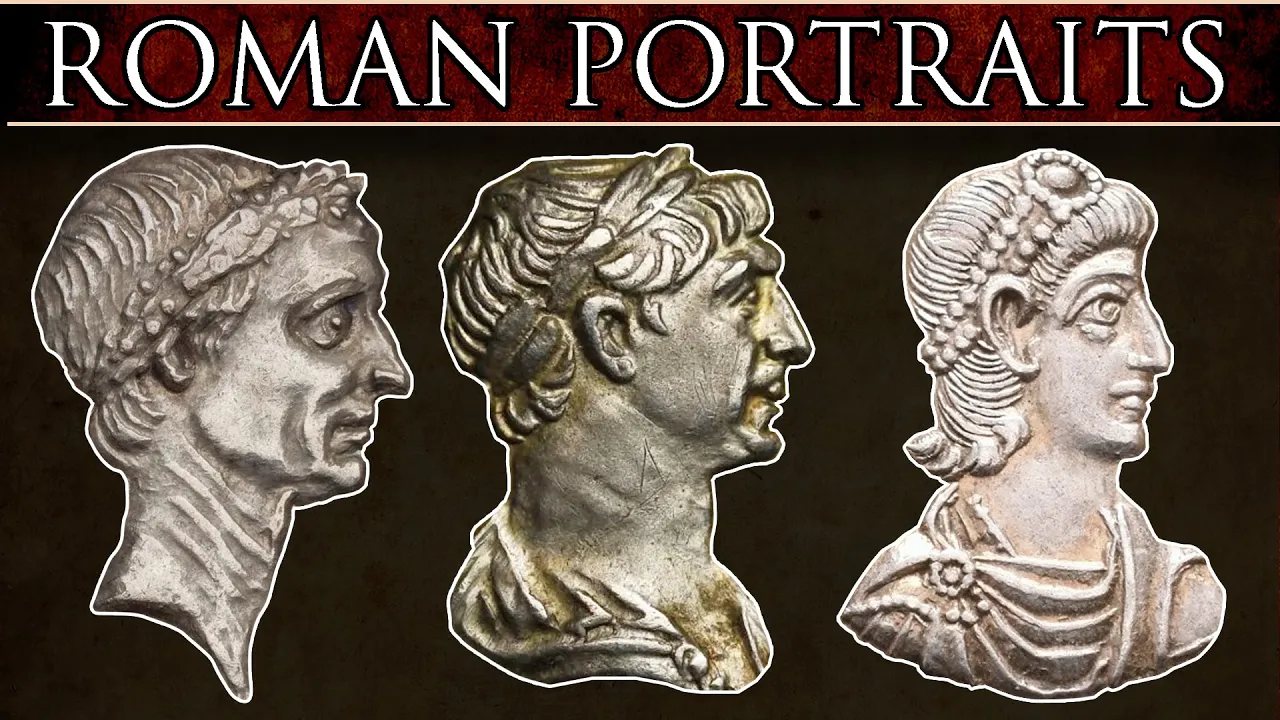


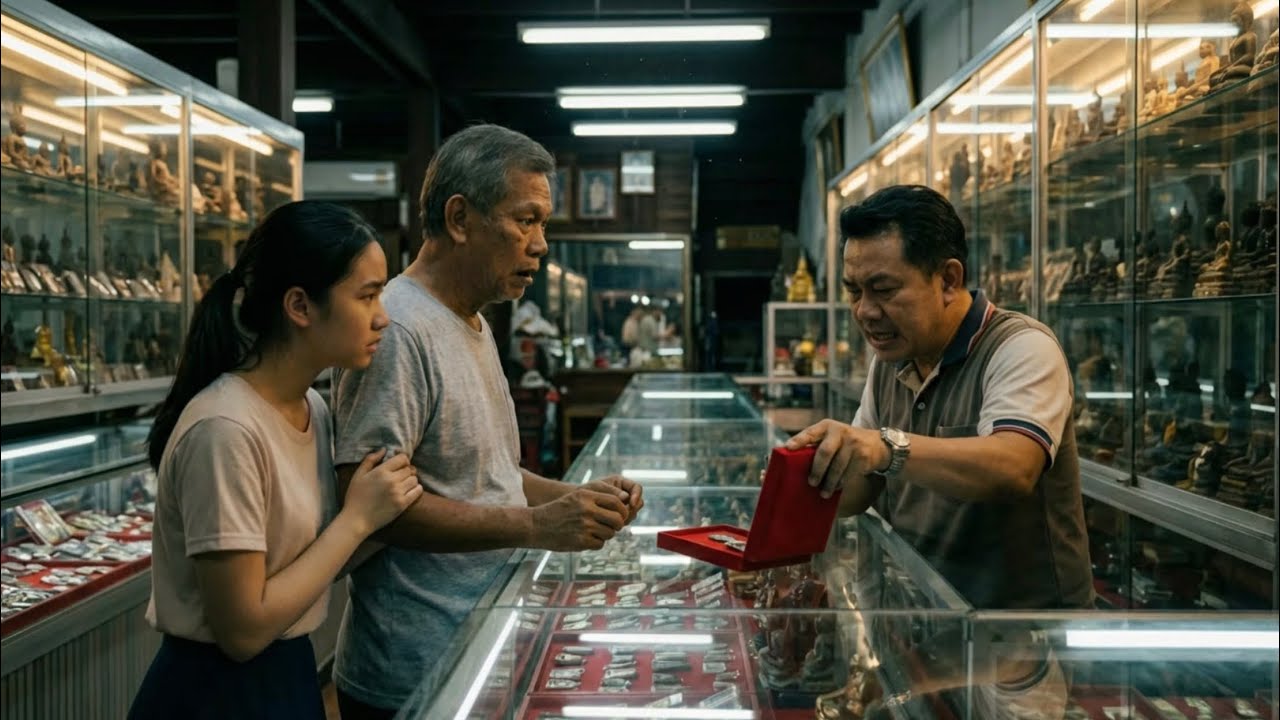
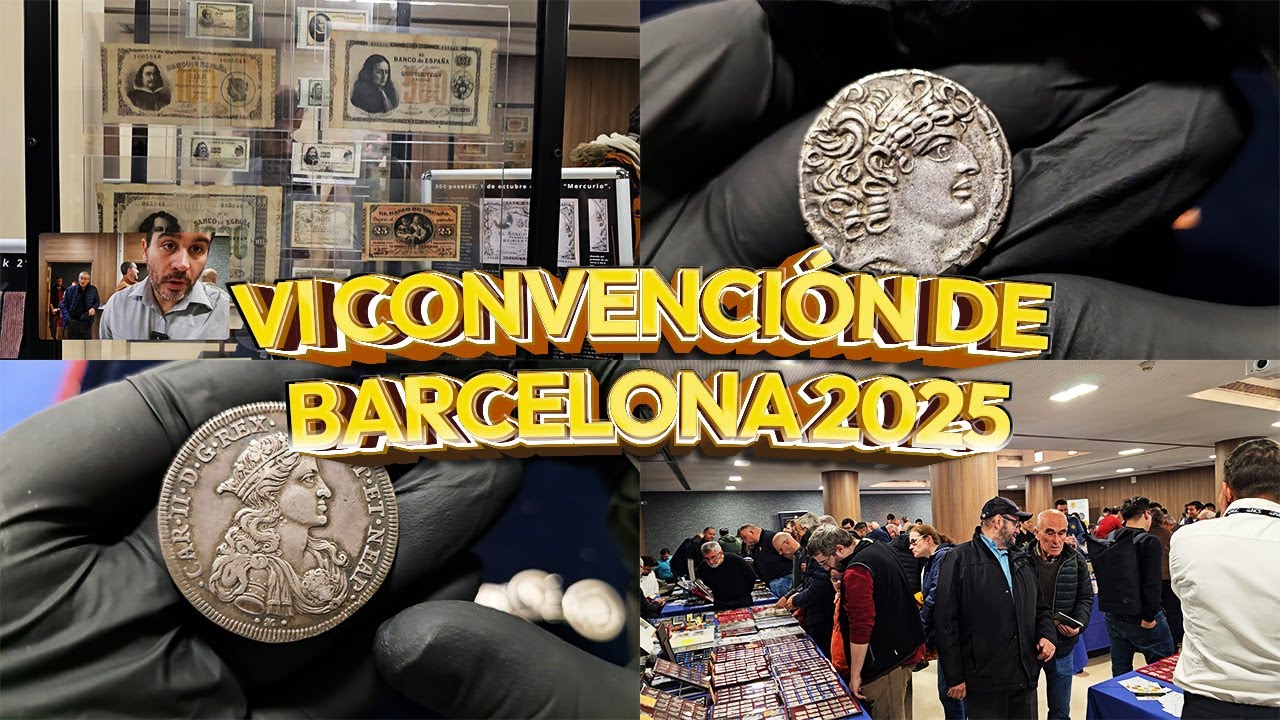

A genuine silver Roman coin featuring Julius Caesar's portrait, minted just one month before his assassination in 44 BCE, was appraised by a coin expert who confirmed its authenticity and valued it at approximately $1,500 retail, though similar pristine specimens have sold for up to $200,000; the coin's historical significance lies partly in the controversy of depicting a living leader on Roman currency, which some historians believe contributed to Caesar's political enemies' decision to assassinate him.
The Coin That Predicted Julius Caesar's Death | Pawn Stars
Added:The political structure of the Late Roman Republic, specifically the tension between traditional republican governance and Julius Caesar's rise to perpetual dictatorship (Dictator Perpetuo).
The historical significance of the Ides of March (March 15, 44 BCE) and the motivations of the conspirators, such as Brutus and Cassius, who assassinated Caesar.
Basic concepts of ancient numismatics, particularly how Roman coins (like the silver denarius) functioned as key tools for political propaganda and public messaging in the ancient world.
The fundamentals of artifact appraisal, including how historical significance, physical condition (grade), rarity, and provenance affect the market value of antiquities.
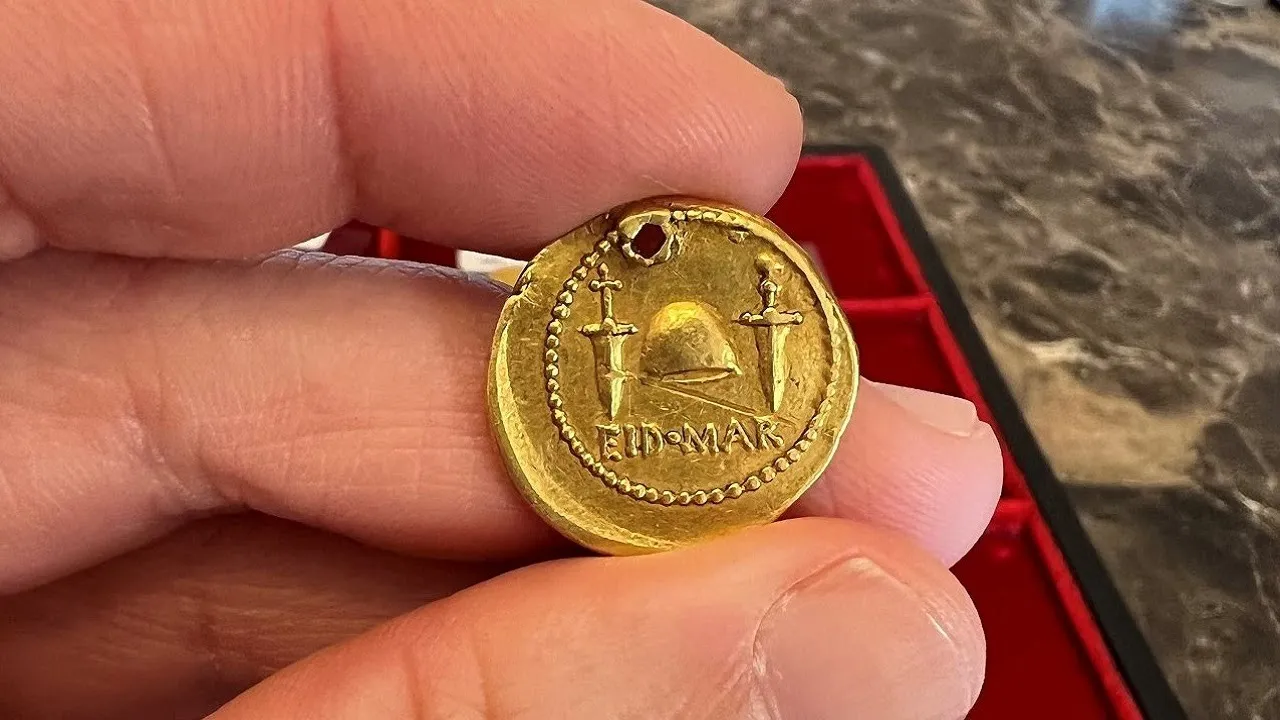
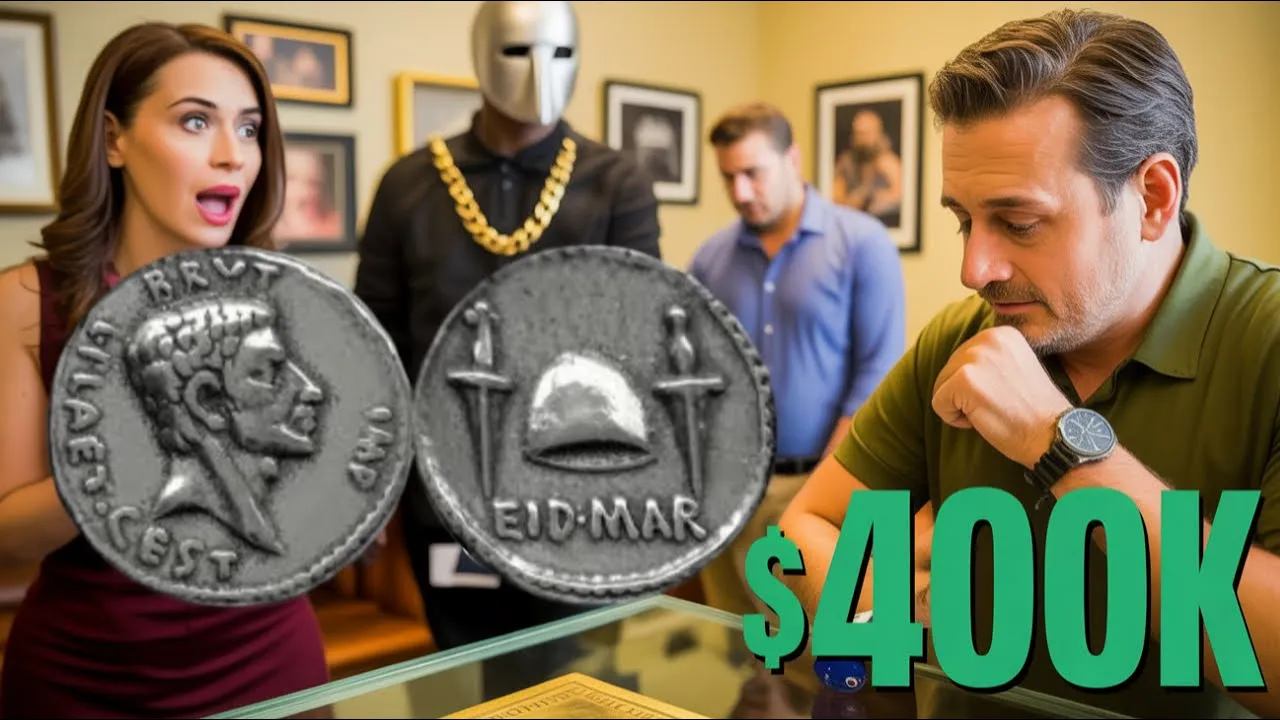
The 'EID MAR' denarius minted by Marcus Junius Brutus, which directly celebrated Caesar's assassination, and its status as one of the most famous and valuable coins in history.
The political and military aftermath of Caesar's death, including the power struggle between Mark Antony, Octavian (later Augustus), and the conspirators, leading to the fall of the Republic.
Advanced iconographic analysis of Roman coinage to study how subsequent Roman emperors used monetary portraiture to project power, military victories, and divine associations.
The scientific and curatorial methods employed by modern numismatists to authenticate ancient coins, including metallurgical analysis and detecting sophisticated counterfeits.
2.4M views15.6Klikes5:00Original Release: 2018-12-16
a bit well I have a coin here it's a portrait coin of Julius Caesar from the month before he got assassinated okay this coin is really interesting yeah this is cool yes I think I was actually Caesar interpret like I'm coming into the shop today because I have a portrait Julius Caesar coin that I want to sell I believe it's a key piece to any historical coin collection I'm hoping to sell it for 44 hundred but I absolutely love it so I'm not gonna take any lowball offer for it yeah this is cool I mean you have Caesar dictator one of the neat things this is where it says dictator on the front of it that's a negative term nowadays but back then it wasn't during times of war they would they would assign a person the title dictator you know and a dictator had to would do what was necessary to preserve the republic after Julius Caesar was assassinated there was a real power vacuum in Rome and it wasn't until Octavius that basically straightened everything out the great thing about this is it's a two thousand-year-old coin with Caesars face on it and I want it so are you looking to sell it yeah okay how much were you looking to get out of it I want four thousand four hundred please okay there's there's a million variables especially with ancient coins and quite frankly I don't know enough I don't know if that's a good price or not do you mind if I have someone look at it sure please all right I'll be right back thank you I'm really excited that an expert is coming in to attest to its authenticity since the Roman Empire doesn't exist anymore it's not illegal to fake these coins and I have to find out if this is the real deal so I called it Dave this is the coin okay Julius Caesar a few names in history ring with the familiarity of Julius Caesar you know there's Napoleon you know a few other people you can throw in his murder inspired Shakespeare I mean this is a serious bit of history this particular coin was struck within 30 days prior to Julius Caesar's murder many historians believe that the fact that his portrait appeared on a coin was one of the things that led to his murder so is it real do you mind if I take it out and look at it yeah sure go ahead the strike is perfect the style is correct everything is right okay it's perfectly genuine all right so what do you think it's worth when you get a coin like this there's no shortage of buyers when they are in fantastic condition the very best of these have brought in the neighborhood of two hundred thousand dollars each okay but there's a good amount of where it's circulated and I think this is worth in a neighborhood of $1,500 retail retail okay to me it seems almost over to kill us that somebody would sell it down low especially when they knew its history well I'm basing it one on on what I've seen them sell for there are factions in Europe in the United States but the decision is yours thanks for coming it event all right one last question where can I get these four additional places I understand why the seller is not happy with that you know the fact is these things are undervalued and it's probably best city holds on to it because the bottom line is it's difficult to replace for less than its current market value Dave he's been in the coin business is entire life and I'm gonna take his opinion yeah I'd give you a thousand bucks for the coin is this a real offer or that's that's a legitimate offer yeah mmm that's not a legitimate offer but you're just using your position here trying to buy something food below its market value the way market value is determined is if two people agree on a price you don't like my price our mistake about four thousand no there's no money to be made now final awful for you 3,500 and I'll take cash $100 bills I guess we're not gonna make a deal then you lost my friend thanks for coming in thank you have a nice one the offer of a thousand dollars is absolutely ridiculous I'm gonna hold on to the coin and I'm gonna try to sell it to someone else that could actually appreciate its true historical value [Music] you
Up Next
37:54
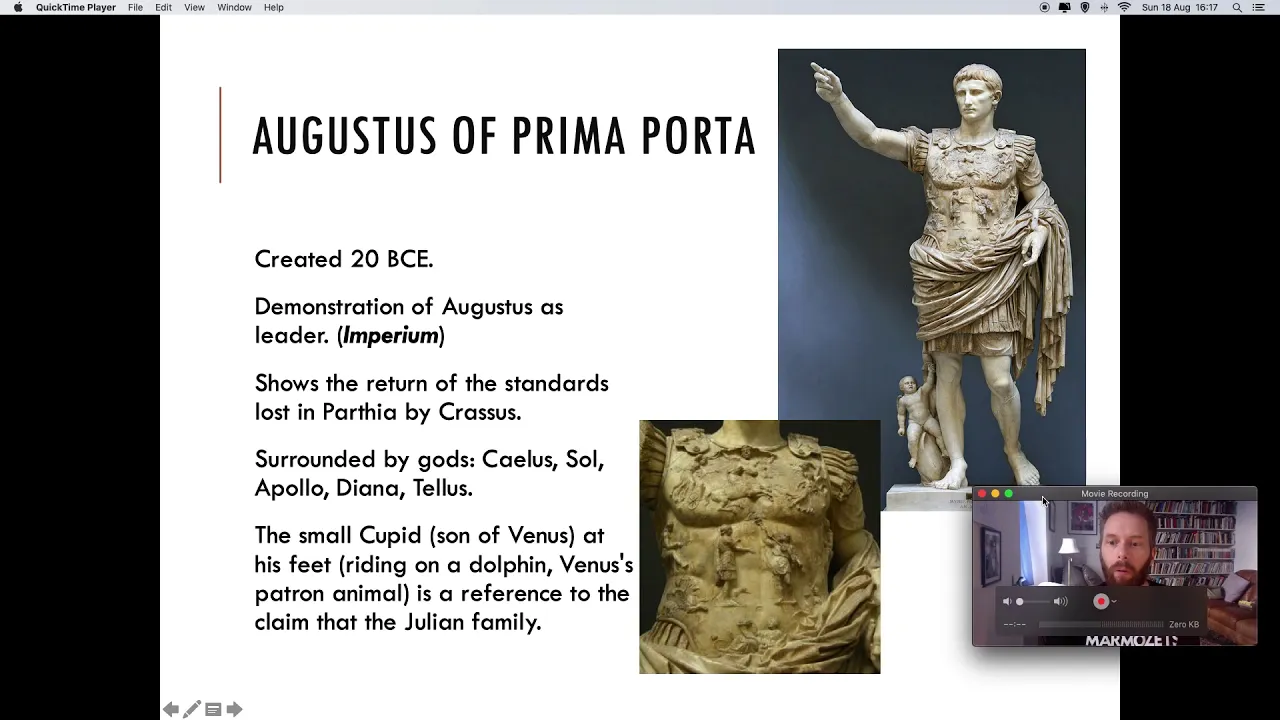
Augustan Propaganda: Roman Cultural Imperialism
@MisterConnor1
2.1K views•2019-08-18

12:54
Triumph of Orthodoxy Icon: Byzantine Art & History Explained
@BenCallan
2.1K views•2024-08-06

9:49
FastAPI vs Flask vs Django: Choosing the Right Python Web Framework
@TechWithTim
302.5K views•2024-05-26

1:42
Game of Thrones Opening Credits: A Cinematic Analysis
@gameofthrones
46.3M views•2011-04-18
Related Study Plans & Knowledge Roadmaps
Structured learning paths in General & Interdisciplinary Studies
general-studies
Elevator Engineering: History, Physics & Cities
01From Hoists to Safety Brakes: The Dawn of Vertical Lift
02Hydraulic vs. Traction: The Engineering Physics of Elevators
03Modern Speed, Safety, and Algorithms
+ 2 more learning modules
12h5 modules
Explore Roadmap
general-studies
Rubber: Material Science, History & Geopolitics
01Origins of Natural Rubber & Mesoamerican History
02The Chemistry of Natural Rubber & Vulcanization
03The Geopolitics of the Rubber Boom & Colonization
+ 2 more learning modules
12h5 modules
Explore Roadmap
general-studies
Containerization: Evolution, Logistics & Trade
01Ancient Trade & Bulk Cargo: Amphorae to Barrels
02The Industrial Revolution & Cardboard Packaging
03The Containerization Revolution: Malcom McLean
+ 2 more learning modules
12h5 modules
Explore Roadmap
general-studies
Textile Tech: Evolution, Labor & Global Impact
01Pre-Industrial Textiles: Handloom & Cottage Industry
02Mechanization: The Spinning Jenny to the Power Loom
03The Factory System & Global Labor Transformation
+ 2 more learning modules
10h5 modules
Explore Roadmap