















Costume design in film serves as a powerful visual language that communicates character identity, values, emotions, and psychological states without dialogue, making it an essential narrative tool rather than mere aesthetic decoration; effective costume design requires understanding how clothing choices reflect socioeconomic status, mental state, and personal journey, and must be developed through professional collaboration between costume designers, directors, and writers to maintain narrative integrity and audience connection.
How Costume Design Shapes Film Narratives and Psychology
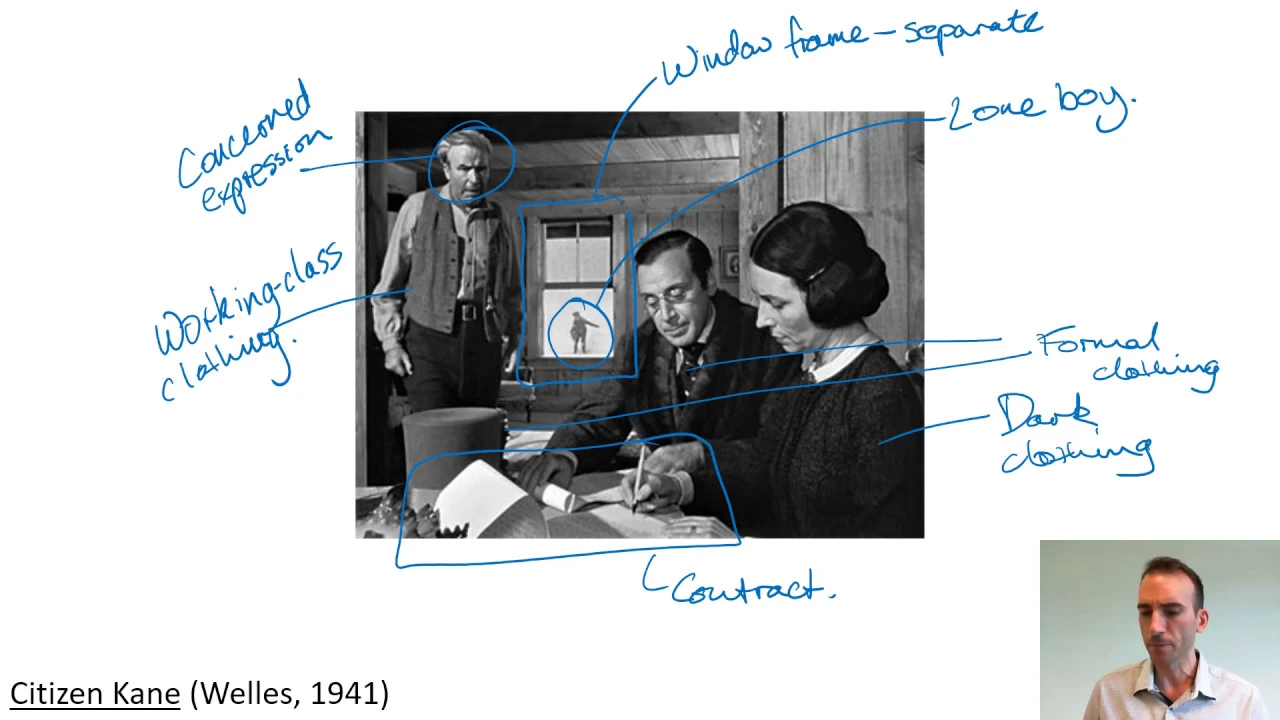
Added:Basic elements of Mise-en-scène, specifically how visual elements in a frame communicate narrative subtext.
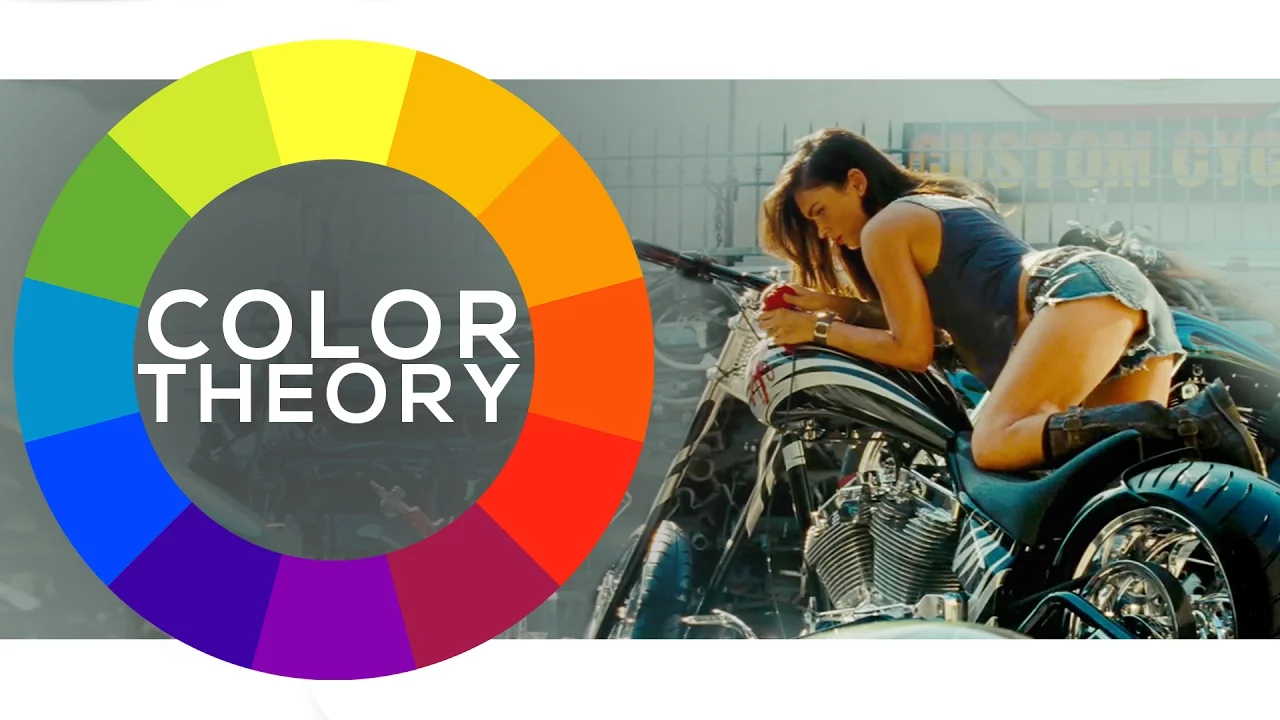
Fundamentals of color theory and color psychology in visual media and storytelling.
The concept of character arcs and how external styling reflects internal psychological transformation.
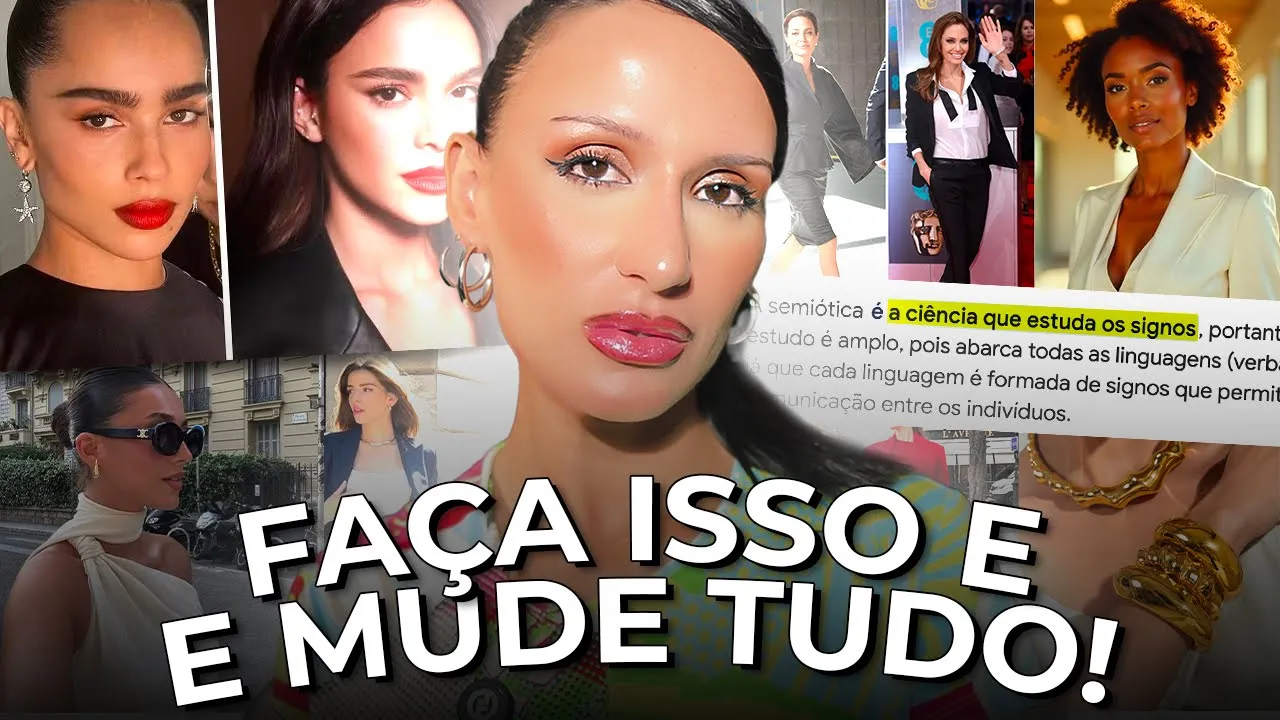
Introductory semiotics, particularly how clothing and material culture act as visual signifiers of status, emotion, and identity.
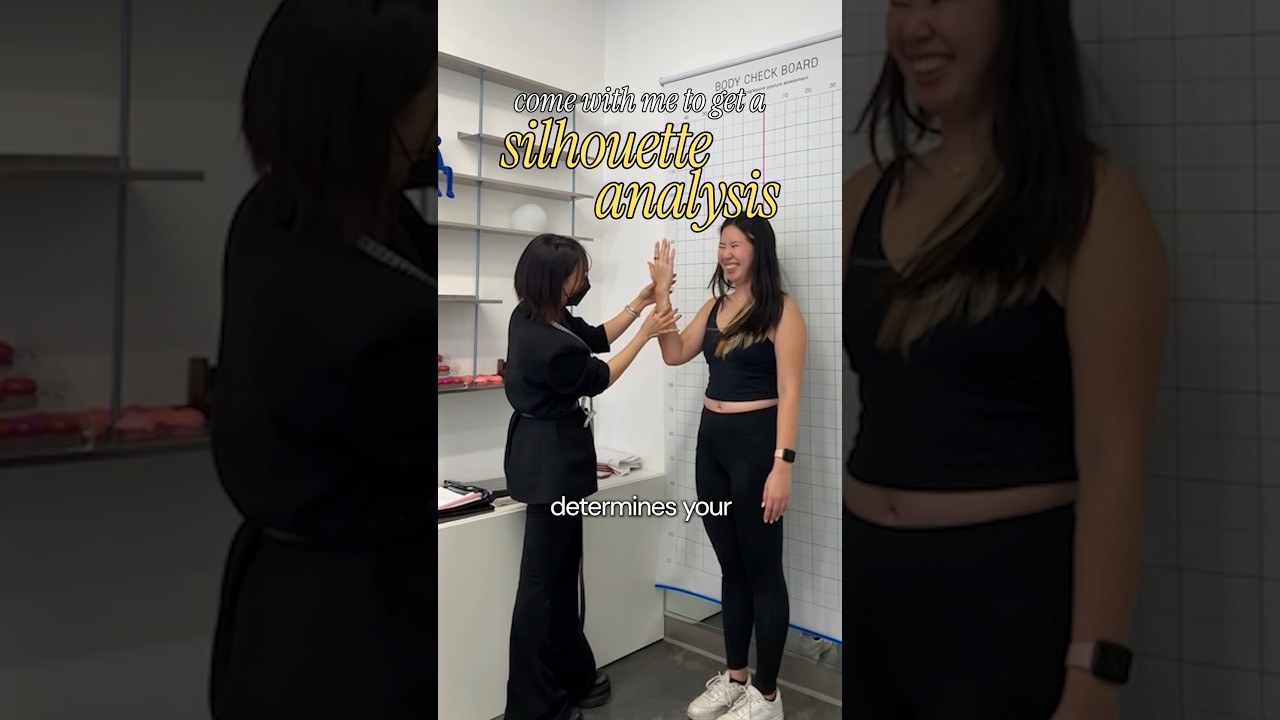
Advanced textile and silhouette analysis to understand how fabric weight, texture, and shape manipulate audience perception.
The translation of literary internal monologues into visual cues in film adaptations.
The collaborative workflow between costume designers, production designers, and cinematographers to establish a cohesive visual palette.
Sociological analysis of how cinematic costume design influences real-world fashion trends and reflects contemporary cultural values.
809.1K views21.7Klikes15:30Original Release: 2025-02-04
the catastrophic costume design in the movie it ends with us only goes to show just how important fashion is within film and TV when watching a movie or a show the costumes on screen may seem like an afterthought to some but for anyone who understands the power of fashion it's clear that costume design is not just an accessory to the storytelling it's an essential piece to the narrative puzzle fashion is a language and in film it speaks volumes it tells us who a character is what they value and how they feel often without a single word being spoken neglecting this vital element in a production risks sending mixed messages to viewers meddling the story or even detracting from the work altogether this issue becomes glaringly obvious in the recent movie adaptation of it ends with us starring Blake Lively where the catastrophic costume design not only clashes with the story but also undermines the character of Lily bloop entirely Caroline May is an author and a psychologist and wrote the book the psychology of fashion the psychology of everything and in her book she Dives deep into why we wear what we wear and what our clothing says about us one thing she explains is that our clothing is an extension of the self a physical manifestation of one's inner World our choices in attire communicate our values our beliefs and emotions often subliminally you can tell a lot about a person just by what they choose to wear fashion is a form of non-verbal communication and in the context of film it becomes even more important on average movies of about 90 minutes to get the audience acquainted with characters and successfully convey the message of the story now because of fashion subjective nature now it means different things to different people filmmakers must be practical and Universal in costume design to clearly communicate a message even if that means Going Back to Basics or even playing into certain stereotypes when press for time and when suspending reality they must leverage familiar and universally understood Concepts the challenge in costume design is to be practical but also creative filmmakers leverage the psychology of fashion in order to do this devel veloping characters and embedding clues about them through their wardrobe here are just a few creative examples in knives out Ransom is a wealthy man and yet he's often depicted wearing distressed clothing and torn sweaters this was intentional to illustrate his lack of responsibility and his disrespect toward his things and his family in the incredible and ingenious TV show Severance the neutral plain clothing that the Indies are forced to wear reflect their lack of freedom and their lack of freedom of expression it illustrates and Par parallels their nature of being stripped of personality and individuality in The Lion The Witch in the wardrobe the white witch's Crown melts throughout the film this is to illustrate her waning power throughout the movie even simply the color of a character's clothing can have significant meaning the psychology of colors allows filmmakers to convey emotions and traits subtly but effectively green for instance is often associated with Envy or greed red can symbolize passion love or even danger depending on on the context white represents innocence goodness or Purity while black can signify mystery power Darkness or Mourning these colors are deliberate and can add layers of meaning to a character's appearance or a scene and evoke a certain feeling within the viewer allowing them to understand a scene or a character better these examples show how costume design when done well and right amplifies The Narrative adding dep to characters and enhancing the viewers experience fashion is inherently symbolic every fabric cut and color choice is a deliberate stroke in the overall artwork of a film through clothing filmmakers can provide insights into a character's socioeconomic status their mental state and their personal Journey the symbolism and costume design helps viewers understand the story better and connect with characters on a deeper level making their struggles triumphs and Transformations more tangible when styling a character it is extremely important to consider all of these things and whether or not their costumes are telling the right and intended story ignoring this layer of Storytelling is akin to leaving out crucial lines or scenes in a script it diminishes the impact of the narrative and risks alienating viewers this brings us to the glaring issue of it ends with us in it ends with us the costume design for lily bloom played by Blake Lively fails spectacularly in conveying the essence of the character and the overall narrative with many viewers Express expressing confusion about its messaging and its distracting nature what's interesting is that in the book Colleen Hoover actually refers very little to Lily Bloom's style and the clothes that she wears she doesn't describe how lily likes to dress what her kind of style is or even if she has a signature piece of clothing that she often reaches for or she's known for wearing this only illustrates Colleen's desire to leave the sensitive nature of the book and of Lily's story at the Forefront of the narrative Lily's clothes are only referenced a handful of times and it's often in passing though these moments in the book are rare and quickly moved past they do tell us about Lily she is someone who doesn't seem to care too much about what she wears or being on Trend she comes off as very practical in what she chooses to wear in One Moment In the book Alyssa offers her some designer maternity clothes to which she responds I could never wear these they're all designer I'll get them dirty the book does often refer to certain pieces of her clothes which for the great majority of the time are always a shirt and jeans so again she seems to choose clothes that are practical for her lifestyle and her job one of the only times we ever read about her wearing a dressier outfit is when she's attending Alyssa's birthday party and wears a black dress even this though elegant and sophisticated illustrates her level of practicality and simplicity in her wardrobe black dresses are effortlessly elegant they go with anything they're easy to style and they don't require too much thought perfect for someone like Lily now when it comes to her overall appearance Colleen Hoover writes more about Lily's natural beauty than anything her erratic red hair is mentioned on multiple occasions and in one moment of the book riyle talks about her pigmented lips that don't need any lipstick this paints a picture of a character whose natural beauty stands out more than anything about her including her style so what we know about her is that she's a natural beauty she's a Hands-On florist justce alone paints a picture of what her wardrobe would look like her clothes should be practical for her job and they shouldn't overshadow her natural beauty however in the film her clothing choices feel chaotic and disconnected flashing with Lily's personality her lifestyle and the tone of the story rather than complimenting her natural beauty and reflecting The Narrative the outfits are over- the toop unpredictable and often distracting now of course in recent weeks we have become aware of what was really going on behind the scenes of the production of the movie in illegal feud between director Justin baldoni and Blake Lively who played the lead roles it is been revealed that Blake was pretty difficult to work with and she often insisted on control over many aspects of the film according to Justin balony Lively who was hired as an actor to play LLY bloom in the film allegedly insisted on control over her character's costume before filming even began he also included one alleged example of Blake's Behavior he said Blake insisted her character had money and could afford shoes that cost $5,000 which led to Justin rethinking the entire script that had been worked on for well over a year and had been approved by both Studios this helps us understand the disconnect a little bit because a flower shop owner probably could not afford shoes that cost $5,000 and it also again just contradicts the portrayal of Lily in the book who seems practical with her wardrobe and probably would not spend $5,000 on a pair of shoes it doesn't add up so it feels off when examining many of Lily's outfits there seems to be a theme with Patchwork now one might argue that the patchwork style of her outfits could symbolize her desire to heal from her trauma and piece together a new life however this was just an interpretation that I came up with when digging for an explanation as to why the costume design looked like this with that in mind I don't think Blake Lively was thinking that deeply about the patchwork so this interpretation just feels unintentional on her part and even if it was intentional it's poorly executed because the outfits lack progression failing to reflect Lily's Journey throughout the film for instance if the intention was to show Lily using these chaotic outfits to hide behind and to distract others and perhaps herself subconsciously from the reality of her and ri's relationship we should have seen a transformation in her wardrobe throughout the film and throughout her relationship with riy a great example of this kind of transformation through progression and character development is Mr Darcy in Pride and Prejudice when we first meet him in the film Mr Darcy is a cold and rigid individual and this is reflected in his clothing as Mr Darcy softens and Falls more and more in love with Elizabeth Bennett his clothes also begin to transform his internal transformation is reflected in his external appearance his clothes become less rigid formal and refined and he begins to lose layers and by the end of the film he has lost all rigid layers reflecting a complete loss of rigidity in his heart especially towards Elizabeth Bennett who in this pivotal scene he is making his way towards this illustrates that he has arrived at the end of a personal journey and at a complete change in his character his clothes are loose his layers are sparse and any rigid and cold formality is completely lost here this is a genius form of visual storytelling through costume design that just goes back to the psychology of clothing and how it reflects our internal state it ends with us could have done something similar reflecting Lily's transformation and journey throughout the film but instead the costumes remain a confusing and distracting mess overshadowing her story and distracting from the emotional weight of the narrative going back to the theory of maybe Lily using these chaotic outfits to hide behind this Theory actually seems to have been debunked by Blake Lively herself in a promotional interview in which she explains that she personally uses clothing in her real life as a way to hide for me wardrobe is always the way that I enter a character I'm a very shy person so if I look a certain way then I can escape into that like like even stuff today I don't dress like this in real life but like I'm having to like do interviews and talk so I'm going to wear like a crazy pattern um and really crazy Rings um Rings also are like my comfort blanket it's is a very expensive comfort blanket so this offers us some explanation to all of this Lake Lively is obviously not a costume designer so she most likely lacks the understanding in the psychology behind clothing she seems to have drawn more inspiration from herself in her own life rather than Lily when styling her character and of course now we know that Blake Lively did not read the book so she did not have an understanding of who Lily was written to be now I think it goes without saying that when adapting a pre-existing work of art it is pretty important to stay true to the characters it doesn't even make sense to rewrite a character that has already been created from nothing and written from nothing authors frame characters and the rest of books around each other many elements influence and depend on characters and the characters often Depend and are influenced by many other elements rewriting a character or a part of a character has the potential to disrupt and even derail The Narrative this idea was actually even reiterated by Justin baldoni himself in a quote that we referenced earlier he included one alleged example of Blake's Behavior he said Blake insisted her character had money and could afford choose that cost $5,000 which led to Justin rethinking the entire script that had been worked on for well over a year and had been approved by both Studios at this point the character of lily bloom had been written and adapted for the movie she had been carefully considered so her costume design had most likely also been carefully considered Blake coming in and insisting that her character did in fact have money and could afford such expensive clothing disrupted The Narrative this just shows how important every element of a character is including their personal style in a narrative it is just one important stroke in an overall piece of art this entire Mis up of costume design in this movie only goes to show the importance of professional costume designers who understand the psychology of clothing and its role in storytelling but it also highlights the importance of collaboration between costume designers and directors producers and writers it is not normal for costume designers to not work closely with a director or a writer producer and it is certainly not normal for an actor to step into that position and assume control over it again without close collaboration with a director producer or writer or costume designer Justin B dny has also touched on this following the release of it ends with us saying while lead actors are sometimes granted approval over the general look of their onscreen character this Authority typically does not include full control over wardrobe decisions without input from the director and producers nevertheless Blake overse these boundaries selinting the Productions costume designer a season professional with a long-standing working relationship with Blake so obviously Blake leveraged the fact that she had a closer relationship with this costume designer to gain more control over what her character was wearing but this is again not normal it crosses lines and boundaries that are in place for a reason and it risks derailing the story which again we seem to have witnessed if the costume design had been left to the professionals the costume designer would have considered how Lily's wardrobe could evolve alongside her character using fashion as a tool to reflect her growth and transformation throughout the story Blake Liv 's own Beauty and figure also would have been considered in order to create looks that fit Lily's character and personality but also complimented Blake this is extremely important in film and TV although it is not about the actor and in fact the character it is important to consider the actor or actress that the character is being portrayed by because if they don't all blend together seamlessly it makes the character unbelievable inauthentic and unrealistic making it difficult for viewers to believe the story and connect with it in the movie instead we are left with outfits that distract and confuse making it difficult for viewers to connect with the story of lily bloom costume design is not just about Aesthetics it's about creating a visual language that complement a narrative and deepens the audience's understanding of the characters fashion communicates values beliefs cultures it's political it's personal it is an extension of the self and in film it is highly symbolic the failure of costume design in in it ends with us serves as a cautionary tale and reminder of the importance of fashion within film when costume design is treated as an afterthought or handed off to someone who does not understand the psychology of fashion or the importance of its role within film it diminishes the impact of the story and risks alienating viewers which is something that we unfortunately witnessed with this movie it serves as a reminder that every detail matters in the creation of Art and Fashion's role in storytelling should never be underestimated
Up Next

15:10
The Color Symbolism of Breaking Bad: A Visual Analysis
@ScreenCrush
2.9M views•2020-07-03

12:54
Triumph of Orthodoxy Icon: Byzantine Art & History Explained
@BenCallan
2.1K views•2024-08-06

9:49
FastAPI vs Flask vs Django: Choosing the Right Python Web Framework
@TechWithTim
302.5K views•2024-05-26

1:42
Game of Thrones Opening Credits: A Cinematic Analysis
@gameofthrones
46.3M views•2011-04-18
Related Study Plans & Knowledge Roadmaps
Structured learning paths in General & Interdisciplinary Studies
general-studies
Elevator Engineering: History, Physics & Cities
01From Hoists to Safety Brakes: The Dawn of Vertical Lift
02Hydraulic vs. Traction: The Engineering Physics of Elevators
03Modern Speed, Safety, and Algorithms
+ 2 more learning modules
12h5 modules
Explore Roadmap
general-studies
Rubber: Material Science, History & Geopolitics
01Origins of Natural Rubber & Mesoamerican History
02The Chemistry of Natural Rubber & Vulcanization
03The Geopolitics of the Rubber Boom & Colonization
+ 2 more learning modules
12h5 modules
Explore Roadmap
general-studies
Containerization: Evolution, Logistics & Trade
01Ancient Trade & Bulk Cargo: Amphorae to Barrels
02The Industrial Revolution & Cardboard Packaging
03The Containerization Revolution: Malcom McLean
+ 2 more learning modules
12h5 modules
Explore Roadmap
general-studies
Textile Tech: Evolution, Labor & Global Impact
01Pre-Industrial Textiles: Handloom & Cottage Industry
02Mechanization: The Spinning Jenny to the Power Loom
03The Factory System & Global Labor Transformation
+ 2 more learning modules
10h5 modules
Explore Roadmap