
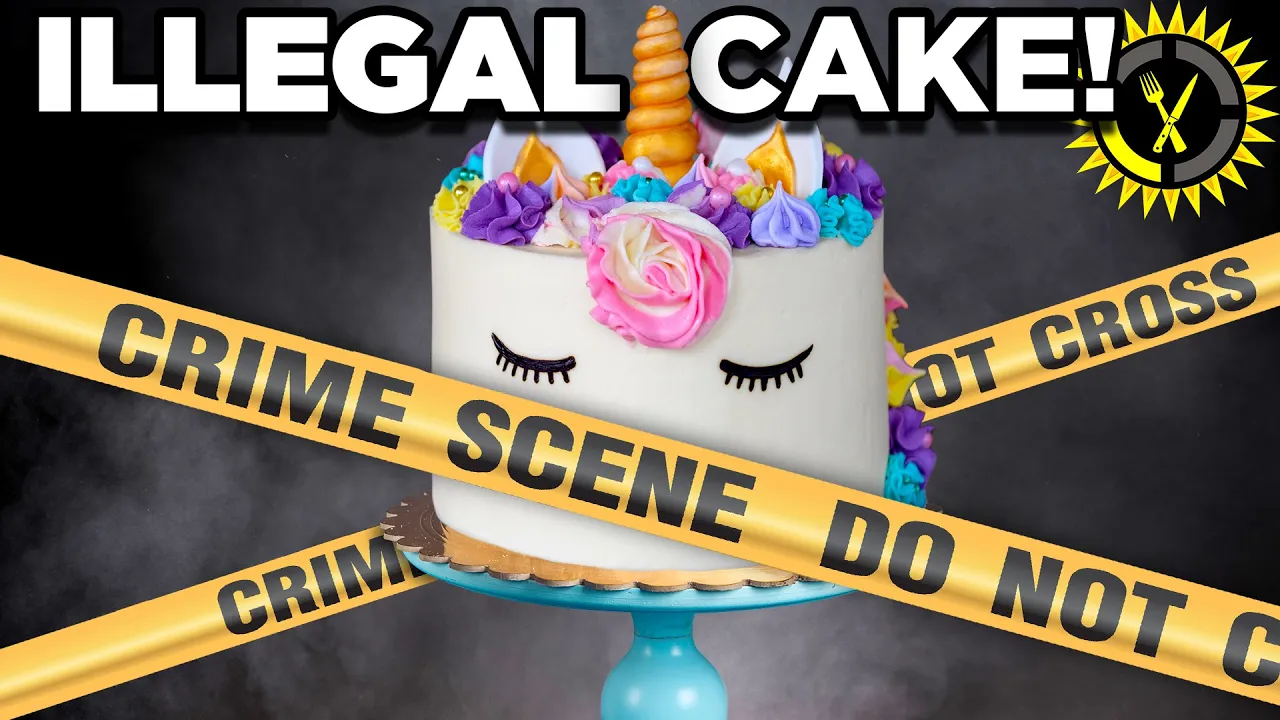
















Trademark infringement occurs when a brand's logo or colors are used in commerce in a way that confuses consumers about the source of goods or services; however, fair use allows restoration of original branding on personal property as long as it doesn't create consumer confusion about sponsorship or affiliation, meaning a car owner can restore a branded vehicle to its original condition but cannot use it commercially (such as for pizza delivery) without risking trademark infringement.
Domino's Trademark Threat Over Restored Car: Legal Analysis
Added:The fundamental definition of a trademark, its role as a source identifier in commerce, and how it differs from copyright and patent protections.
The legal standard of 'Likelihood of Confusion,' which serves as the core test for determining trademark infringement.
The concept of the 'First Sale Doctrine' (exhaustion of intellectual property rights), which allows purchasers of branded goods to resell them.
The difference between commercial use and fair use (including nominative fair use) of a protected trademark.
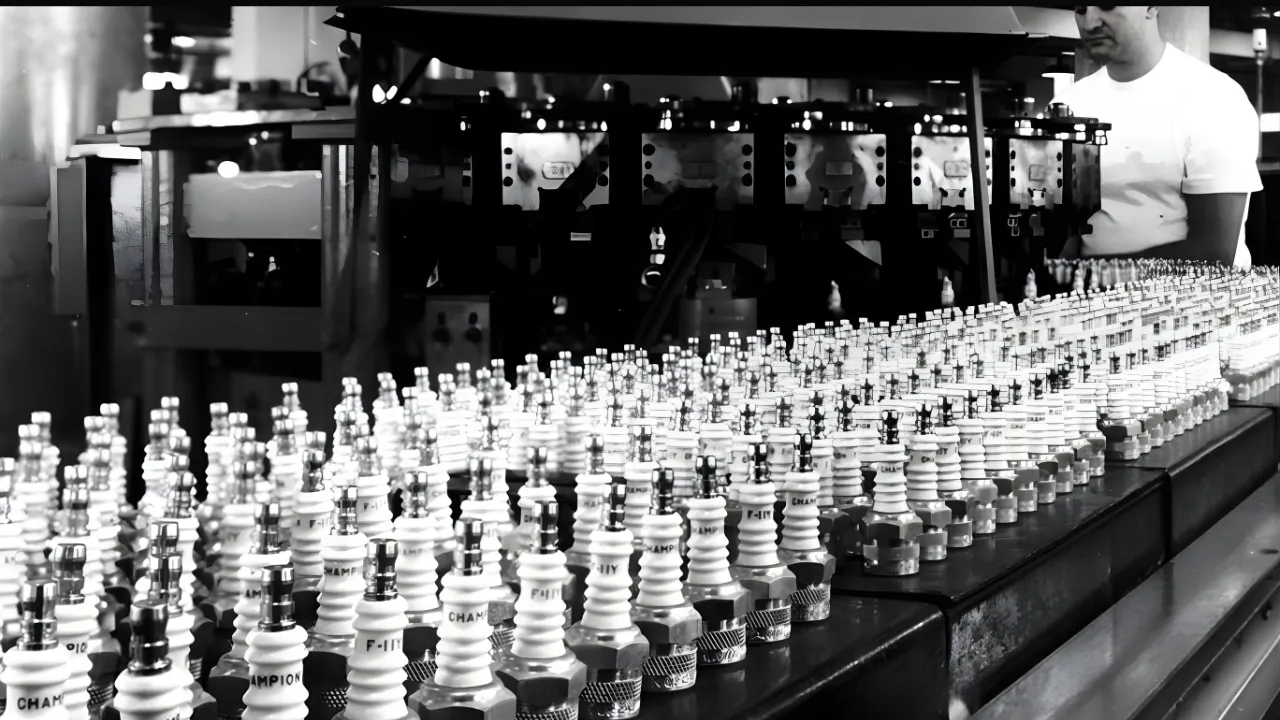
Analyzing advanced case law regarding 'material alterations' of trademarked goods, such as the landmark Champion Spark Plug Co. v. Sanders ruling.
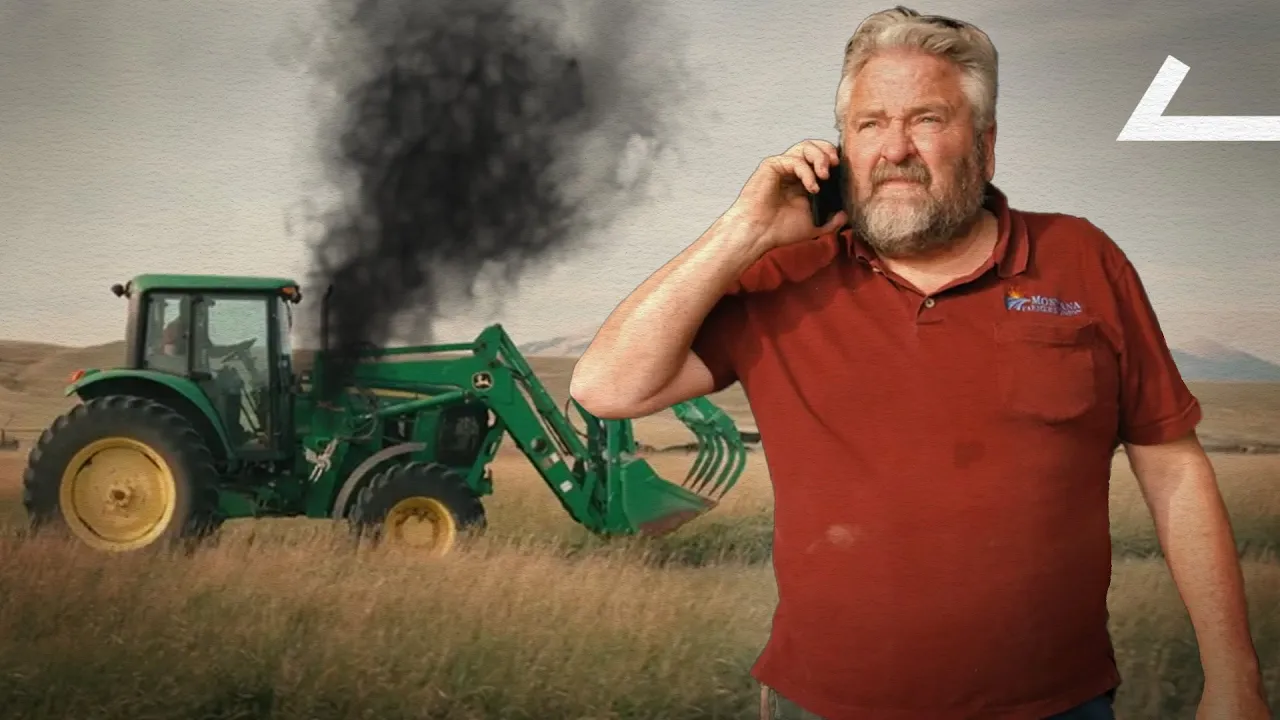
The intersection of trademark enforcement, product restoration, and the growing legislative landscape of the 'Right to Repair' movement.
The strategic use of cease-and-desist letters by corporate entities and the legal defenses available to individual hobbyists or small businesses.
The concept of trademark dilution (tarnishment and blurring) and how it applies to famous brands protecting their image in non-competing markets.
126K views3Klikes25:29Original Release: 2018-03-19
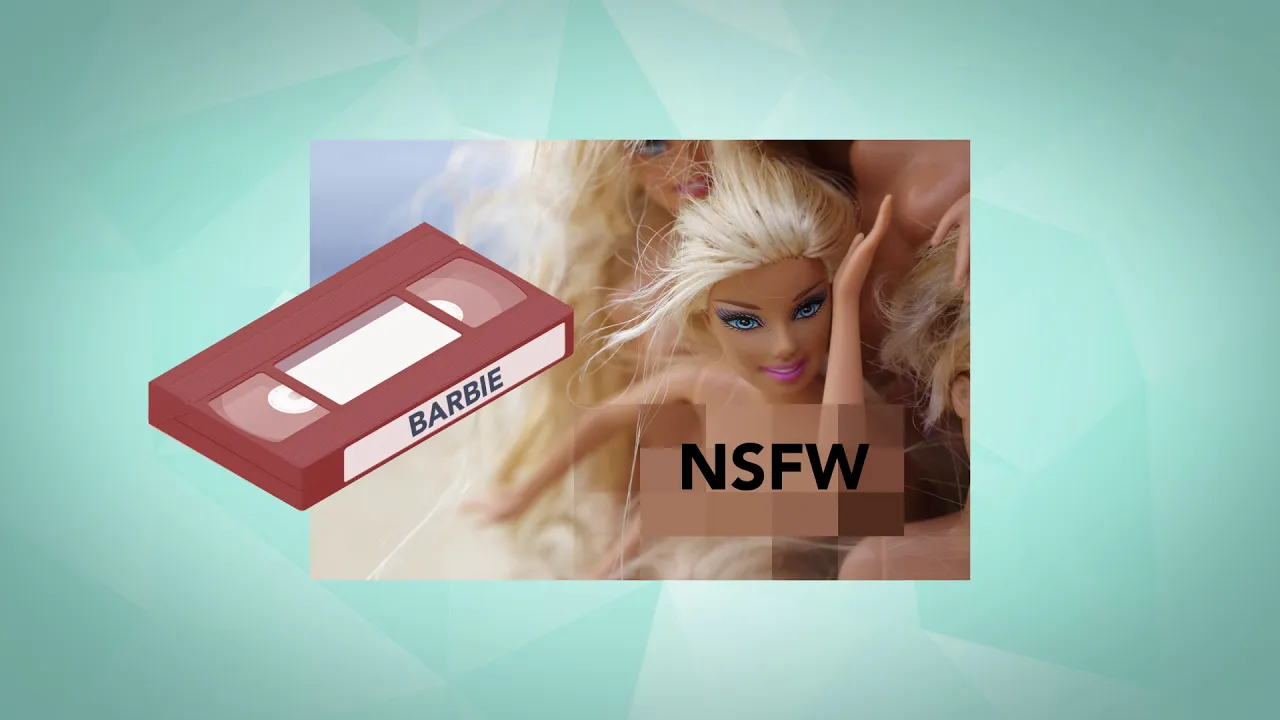
I can't comprehend why you anyone would ever buy a unique vehicle and want to restore it and then want to show it what what an amazingly stupid thing I can't possibly comprehend like like why would you write a letter that sort of comes off dismissive of this person's hard work is what I'm saying all right now I know many of you have been waiting for this next story of course of course I am talking about mr. Sam Craig so he buys this car at salvage and it looks like this this car is in pretty bad shape it's looks pretty much totaled what do we know just in case you're not familiar what do we know about being totaled when a car even though that car doesn't look terrible it would probably cost more to fix that car then the insurance company says the car is worth now we're looking at the car that Sam has fixed this Sam took probably many hours and a lot of time and fixed the car but restored it back to its original condition including the Dominos logo that you see on there and of course Domino's is a trait a trademark it's for a pizza company in these in the States actually they're international I'm pretty sure I've seen them in every country I've gone to which is only Europe and Mexico and Canada but I'm pretty sure Domino's is pretty much every place so Sam takes this time to fix this car but he's not just fixing the car he's also restoring its original condition including its artwork which happens to be a trademarked logo colors etc of Domino's Pizza and then he allegedly gets a letter or something some communication from either the PR firm or a lawyer or something telling him that he's not allowed to have this car not allowed to use this car etc etc etc do we have a copy of the letter I don't know if he's actually the letter not I have I reached out to him for a copy of the letter but we haven't received it yet what's what's on the GoFundMe let's see now the car is being threatened to be either taken from our ownership or be deconstructed since whomever allowed it to be taken into the possession of the insurance company made a mistake okay so that's what they're saying that they accidentally turned it over to the insurance company the fact that this organisation offered to dismantle the cartels me they're not interested in the car itself he was restoring it okay well we don't know then is what more he intends to do with the car I did hear him in this very video say that he intended to deliver pizzas with the car so I thought today maybe we should go over a kind of the spectrum of what you can and sort of can't do with trademark and all that yes if he removed the branding that would probably be one thing however he is sort of a car purist and it seems like he wants to restore the car as in for show now let me pause this for a second and take you to the international trademark associations website this is a fairly prominent organization in trademarks and they have a fact sheet here on fair use of trademarks they have a list here of what our fair uses of trademarks that we could go over for example photographers use of Barbie was a nominative of fair use because his work was criticism of Barbie a nominative use is a use by name for example there are two major kinds of fair use that are recognized for trademark nominative is one where you refer to something by name such as a printer produced by Casio being a Casio printer and a descriptive fair use such as when Paul Simon describes Kodachrome film in a song the point of trademarks is to designate the origin of a good or service to connect a good or service with the company through its branding this way when you go to the store and you buy a yellow container of of Tide detergent you can you can be sure or relatively sure that what's in the bottle was actually made and produced by the tide company that they are responsible for its contents that you can rely on the quality to be quality is it that is attached to tide it does not mean that tide can't make a shitty product or whatever it just means that you will always associate that branding with that company as its as the source of the good that you're purchasing or the service that you're using with Domino's trademark on this car the rights sort of overlap there's a bit of a Venn diagram of Sam's uses and Domino's rights one key point in here was that Domino's alleges they made a mistake according to Sam Domino's alleges that that they made a mistake in allowing the insurance company to salvage the car that's a that's a possibility I oh well they sold the car I don't know that there's any legal right to obtain the car back when you accidentally sell it and don't immediately attempt to undo the accidental sale it wasn't it had to be months later that this car was repaired and they finally got around to letting him know they didn't like this I don't think they missed the car in a time being so I don't think that comes into it really at all what really comes into it is that it's a Domino's branded car I don't think that the special nature of it being a pizza oven car or whatever really has antennae do with it either I think again all rights of sale and title were extinguished when it was transferred to Sam what really is happening in my humble opinion somebody can give me a better read on this because I'm certainly not above being wrong about something from time to time but my initial reaction and after a little bit of research it's that dominoes branding is still on the car and Domino's doesn't know what he's going to do with the car we think back to that trademark stuff being a source indicator if it is indicating the source of goods what's happening if Sam who's not associated with Domino's and not delivering pizzas is driving around in a car like that let's go through the whole spectrum together well while just watching this video for distraction if if Sam is restoring the car and it is going to sit in his garage and do nothing no one is ever going to see it again beyond the restoration of the car and it's sitting in his garage is that a infringement of Domino's trademarks probably not there's no way that anyone can misunderstand or confuse the source of Domino's goods and the source of this branding with Domino's and what Witten with what Sam's doing how about if Sam goes to a car show and he takes the car to the car show and he shows the car and he says look at what a great restoration job I did on this and let's say that he takes the car to the car show by trailer he doesn't actually drive the car on the road just for this purity of the hypothetical I still think he's he's in the clear he might even do himself a favor by including the phrase I am not affiliated with Domino's Pizza this car is not affiliated with Domino's Pizza or something like that he'd probably want to talk to a trademark lawyer about that now what if he wants to drive this car around on the road what if he just wants to drive this car around on the road I'm starting to hit a gray area for me because someone could recognize this car and say oh look at that cool Domino's car what we know I wonder what Domino's is up to today or what about that jerk who just cut me off in the Domino's car like Domino's no longer has control of its branding because the cars on the road out in public driving around like normal so they were starting to hit a gray area but let me go a little further and I think it'll be clear where the line might be so what if he wants to deliver pizza in the car he said something in one of his videos about going to a school or charity or event or something and delivering pizza using it well that's a cool idea it's got a pizza oven in it it's like the ideal car for it but it still got the Domino's branding on it how are you going to convince everyone involved including the people taking photos of the event including people taking photos from the event from afar how are you going to make sure they all know that none of this is associated with Domino's hey you're not that's gonna be really hard and then finally let's go all let's go full bore full hyperbolic what happens if you are literally delivering pizzas in the car for a competitor now you are definitely confusing the source of goods now I agree a caveat or element to that last scenario is that you'd be delivering pizzas for Joe's pizza in a Domino's car and but but the people who ordered the pizza knew they ordered from Joe's and the people who saw the car aren't like ordering pizza from dominos because they saw the car or ordering pizza from Joe's because they saw the car so you've still got arguments here this is not a pure open-and-shut case there's some huge gray area here but what you don't have I don't you just start let me to start this video again here so that we can just you can see what you don't have is Domino's having the right to like a to get the car or something like that at the most dominoes can probably make some sort of agreement or reach some kind of middle ground via a judge if necessary that he will only use the car for certain things or in certain ways that he won't misuse its branding and that if he does misuse his branding they have the right to something or other or he might simply agree to remove the branding which might just be as simple as maybe removing the dominoes themselves you can probably even keep the colors and get away with it maybe Domino's has a trademark on those colors in that scenario as well either way he can't he cannot legally use the colors and logo and such in the car in connection with selling distributing making anything to do with pizza basically that's that's the limitations of trademark it's the it's an indicator of the source of goods and so the moment that he starts to confuse consumers about the source of goods is where Domino's trademark rights really kick in and kick in pretty hard and I would expect them to have a complaint have some kind of claim in court some valid claim in court if the Venn diagram of Sam cracks uses starts to overlap with with with Domino's trademark rights in protecting this source of their branding and their goods so there is a claim here Domino's is not wrong for being concerned I'm maybe they're a little wrong for coming at him this way they probably should have explained all of this like I just explained to him and just said look we can't have you using our branding in connection with selling pizzas so you know here we'll offer you some money for the for the car thank you for your hard work and frankly why didn't they offer him a decent buck for the car like like it's a beautiful job that he did here and they don't like the legal situation they're in it's their legal situation that they're in just give him a couple more dollars for the car jeez people are really stingy these days with some of these things in my humble opinion if he's not selling pizza then it's not a copyright trademark issue he bought the car the copyright issues are extinguished with the first sale so it's not a he doesn't have the right to copy the branding but he does have the right to restore the car a judge might have to help me further whether his act in restoring the branding to its original condition was also some kind of copyright infringement I don't think that that's how that works we've had that in landscape cases before or in architecture cases you can repair architecture to its original artistic decorated decorative form without infringing on the copyrights of the people who designed the house so this should be the same as long as once again he hasn't added goat the additional steps of confusing consumers about what he's doing with the car and whether he sponsored by Domino's or not which could be really easy to do if he does the wrong thing with it so hopefully that makes sense I wanted to clarify a couple of things the suggestion that he would go to a school for disabled children and deliver pizzas that was only on the table with Domino's as an alternative to selling them the car so he was like I don't want to sell you the car for that price you guys don't seem to be willing to go higher I would like to maybe set something up like we can make good use of this you know let's let's bring some pizzas to some kids and you know that kind of thing that was what that was okay that's that's really awesome and very charitable of him and I I like this guy you know the more I found out about him but he's yeah he just he has to make sure that he understands trademark law and what he can't do using a Domino's car he basically in my humble opinion and this is not legal advice he probably can't drive it around the road like even though the car is working now and I realized that that negates a bit of his investment he probably can't drive it around with that branding on it because it doesn't belong the branding does not belong to him because it would confuse consumers about you know who's driving the car and what they're doing with it could he if he if he wanted to drive the car someplace so like drive it to the show or whatever just like get some of those vinyl thing does peel off whatever's and just put some vinyl cover ups over it some magnets or something which I realize does not ideal you have to make sure everything's frickin clean so you can scratch stuff and oh I get it but he could cover it up so that he doesn't violate anything while he's driving it on the road yeah but if he starts driving it on the road he could start confusing things and definitely if he delivers pizzas with it which whether or not that scenario was as I said it I meant what I'm what I said about the the judgement of that scenario if he delivers pizzas with it that should probably be the clearest violation of of their trademark it's not that he can't have a restored car it's that he can't have that branding and branding is something that's active it's not that once it's on the car it doesn't matter anymore now branding is active if you start to use it in commerce now it is it'll be confusing to consumers and that is exactly what trademarks for so yes a judge will think this case has some kind of Merit depending upon what the sides say if Sam says I've never done and never will do any of those things that Domino's is worried about then the judge might say then there's no case here Domino's is just worried that you're gonna do something maybe you want to make an agreement with Domino's and hey Domino's maybe you want to stop being so stubborn because the two you both have rights here we probably should work it out actually when I spent some time in divorce court judges used to do this and I think this is a great scenario for it I've had judges take the attorneys and say you are not leaving this courthouse until you work this out go into that conference room and agree to something and I've literally had judges say that and I don't I don't know how much the judges power actually extended to enforcing that statement but I didn't want to find out so we went into the conference room and we worked it out there was one other thing one other possible plot twists with this case is that he mentioned that the email came from a gmail address and not from some kind of official Domino's address now I mean it's that's possible yeah it's possible that somebody at Domino's is using a gmail address which you know that's fine or a legal representative lots of attorneys still use Gmail addresses I don't recommend it but even I for example I have three email addresses we use in connection with the channel and one of them is just a regular old gmail address the other two are run by Gmail they're just private domains so yeah I could see someone sending it from a gmail account but you're absolutely right when you send a demand letter and it just says hey Joe it's Bob please take the thing down you know it doesn't sound like it as authoritative as you know do we Cheatham and Howe law firm I represent so and so this letter is a consider this letter a formal demand letter for your true cease-and-desist yada yada it sounds so much more powerful when you do it that way however in this day and age when people have the internet and we're all kind of a little bit more educated on some things at least we all know that this doesn't have to be done this way and so it just comes off as as stubborn and strong-arming and frustrated like I can't comprehend why you anyone would ever buy a unique vehicle and want to restore it and then want to show it what what an amazingly stupid thing I can't possibly comprehend like like why would you write a letter that sort of comes off dismissive of this person's hard work is what I'm saying the point that I was trying to possibly make is that there's been no public statement from Domino's on this there's been nothing from Domino's almost nothing from Sam other than the video and they GoFundMe it's possible that this isn't even Domino's setting in this letter it is possible that it's a scam somebody somebody saw the video and said let's let's let's prank somebody it's possible I don't yeah it's actively likely though this is a pretty big yeah you know the so it's got four hundred and six thousand views listed here on on YouTube right now I'm assuming someone from Domino's has seen this and if they weren't the ones behind it they would be dealing with it right also he has another video that says he bought another Domino's car yeah but that one doesn't have the branding on it okay so now just to go to that scenario if he buys another Domino's car and it doesn't have the branding on it and he goes and puts the branding on it that's a little bit different of a scenario - right you may remember trademarks can be diluted if you say Kleenex too often for tissues then Kleenex becomes generic if you say xerox too often for copies then you get xerox becomes generic so companies have to protect their trademarks and they also have to protect the way other companies use them if they don't enforce their trademark rights and properly license them they can lose them as well called naked licensing trademark dilution and generis side are those three topics for anyone interested in regards to if their main argument is about him making videos right making videos showing the car with the Domino's logo on it okay he he made a good point in his video where he showed that another person has a video where he eats Domino's Pizza and showing the trademark but it's not associating himself with Domino's he's only eating pizza are those two things equivalent in terms of enforcing trademark and if they enforce the trademark on his video do they also have to enforce the trademark usage in the other person's video - the standard is whether it is confusingly similar to a jury basically so it's not as black and white of a question as some you'll have to put your scenario into your head as like what a would like my average reasonable citizen who would pass into a jury pool who would like actually get picked for it what would they think of my scenario is the scenario where where the Domino's car is there but Sam is just eating pizza out of an unbranded pizza box that's really close like that's that's still pizza associated with branding for Domino's so you have to be you'll probably have to put a disclaimer on that some of this stuff will probably have to come with a big disclaimer you know not I'm not affiliated with Domino's Pizza or something like that when he's doing anything that that could come anywhere close to infringing thank you very much to all of my supporters you support on Twitch now you support on patreon I've had some of you send me donations directly through PayPal that's awesome you guys are amazing in what you'll do to keep this channel going the ad pocalypse does continue to hit us I can tell you that the videos get romana ties faster but the effects of getting D monetized in the first place still do hit us so it's not like we're making a million dollars on top of the patreon donations right now it's working out to be about a thousand dollars of YouTube income a month and so that's that's a good number but that's not what it used to be we're actually really down on the income even though subscriber numbers and view numbers are either up or at least holding so it's it's a little weird that the channel is growing but the YouTube revenue is not on a legal education breaking news channel it's really weird that we kept you keep getting two monetized like this so no we're not going anywhere we're going to put up with it and the reason we can put up with it and weather this storm is because of your donations on patreon and twitch and really every other way that you support us by sharing by commenting by participating by just being a great viewer is really all that we need from you to keep going here so thank you very much to those of you who have done the have to have done more and have sponsored by paying your actual hard-earned dollars my $50 plus supporters for the month of March are DJ Gilcrease John Steele Gavin Bernard the gods Lane evie Andy Kyle mood Rock John H Anderson veramente nan Sean McNamara when I post this thought I will have the $5 plus supporters scrolling on the screen you're also on the LED panel behind me which I update on the first of every month with all of the supporters who subscribed or supported during the previous month and that's how patreon charges you too so if you start supporting in March you'll you'll actually be charged on April 1st and you'll receive your recognition in April just so everyone's clear we really haven't had any any any complaints or anything just wanted people to know how that timing works so thank you very much I do see that's that we are almost up to two thousand dollars a month in patreon donations which is absolutely wonderful that is exactly the kind of budget that I need to make this to really put more and more time effort and money and people into this there will be more people involved in this channel as as that budget grows I am of course Leonard French your favorite copyright attorney and I'll see you in the next video of course
Up Next

4:02
First Amendment Values in Trump T-Shirt Trademark Case
@ForbesBreakingNews
17K views•2023-11-25
4:27
US Secondary Sanctions Impact on EU Businesses and Blocking Legislation
@Bureauvandijk
1.6K views•2019-03-20
31:34
Nintendo v. RomUniverse: Why Statutory Damages Yielded Only $2M
@lawfulmasses
25.5K views•2021-06-12

24:42
Police Interrogation Tactics: False Confessions & Legal Reform
@LastWeekTonight
7M views•2022-04-18
Related Study Plans & Knowledge Roadmaps
Structured learning paths in Law
law
Self-Defense Law: Imminence & Castle Doctrine
01Foundations of Self-Defense Law
02Imminent Threat & Reasonable Belief
03The Principle of Proportionality
+ 3 more learning modules
12h6 modules
Explore Roadmap
law
Defamation Law: First Amendment & Actual Malice
01Introduction to civil torts and the First Amendment
02Elements of Defamation: Libel and Slander
03Public Figures vs. Private Individuals
+ 2 more learning modules
8h5 modules
Explore Roadmap
law
Hearsay Rule: Trial Evidence & Exceptions
01Introduction to Trial Evidence & Courtroom Basics
02Demystifying Hearsay: The Core Definition
03Non-Hearsay: Exclusions Under FRE 801(d)
+ 3 more learning modules
14h6 modules
Explore Roadmap
law
Medical Malpractice: Law, Liability & Care
01Foundations of Tort Law and Civil Liability
02The Four Elements of Medical Malpractice
03Defining and Proving the Standard of Care
+ 2 more learning modules
12h5 modules
Explore Roadmap