














![ЯЗЫКИ КАВКАЗА [ENG SUB]](https://i.ytimg.com/vi/47DI2a_lKbU/maxresdefault.jpg)
The Georgian language presents unique challenges for Indo-European speakers due to its extensive case system (seven cases including nominative, erative, dative, genitive, instrumental, adverbial, and vocative), split ergativity where subject and object marking varies by verb tense, complex verb morphology with irregular forms, and ejective consonants that don't exist in Indo-European languages; however, its distinctive Mkhedruli alphabet (33 letters, fully phonetic with no capital letters) makes reading relatively straightforward, and the language offers profound cultural rewards as a gateway to one of the world's oldest and most resilient civilizations.
Why Georgian Is Hard and Worth Learning: A Linguistic Analysis
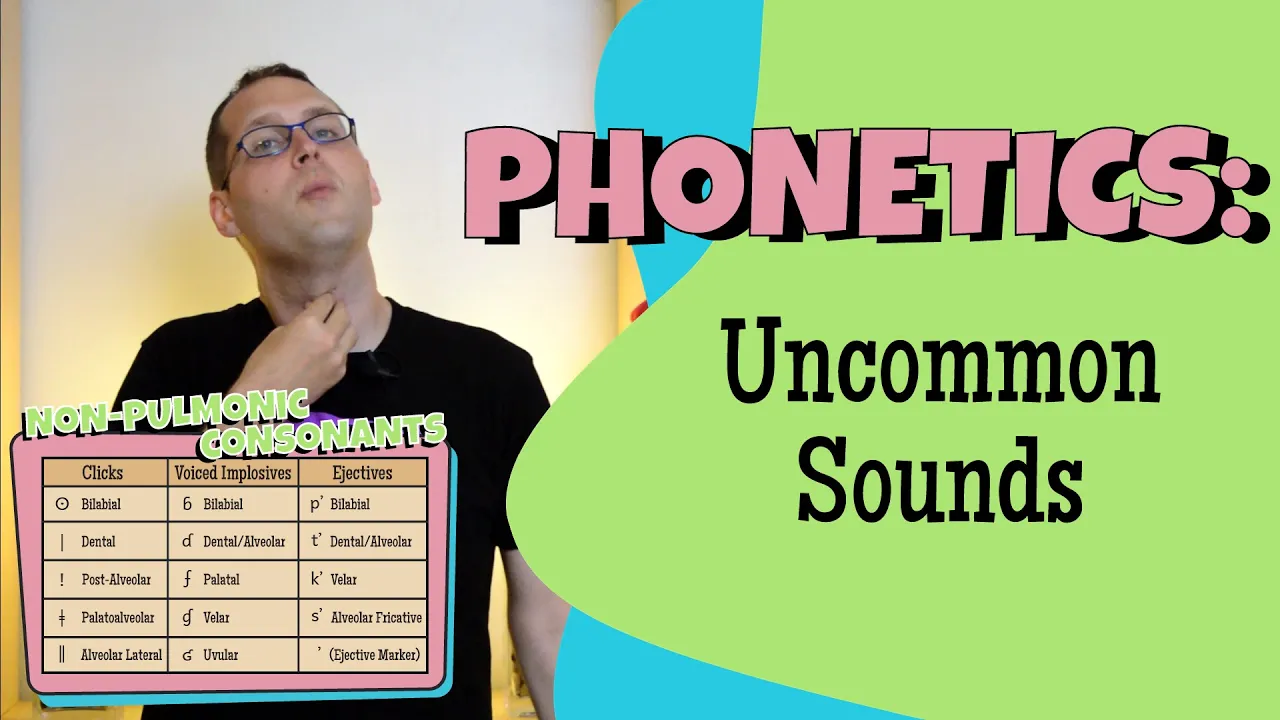
Added:Basic articulatory phonology, specifically the distinction between pulmonic and non-pulmonic (ejective) consonant production.
An understanding of linguistic typology, including the differences between fusional, agglutinative, and polysynthetic languages.
Familiarity with the concept of language families, particularly the characteristics of Indo-European languages versus the Kartvelian (South Caucasian) family.
An introductory grasp of grammatical alignment systems, such as nominative-accusative vs. ergative-absolutive structures.
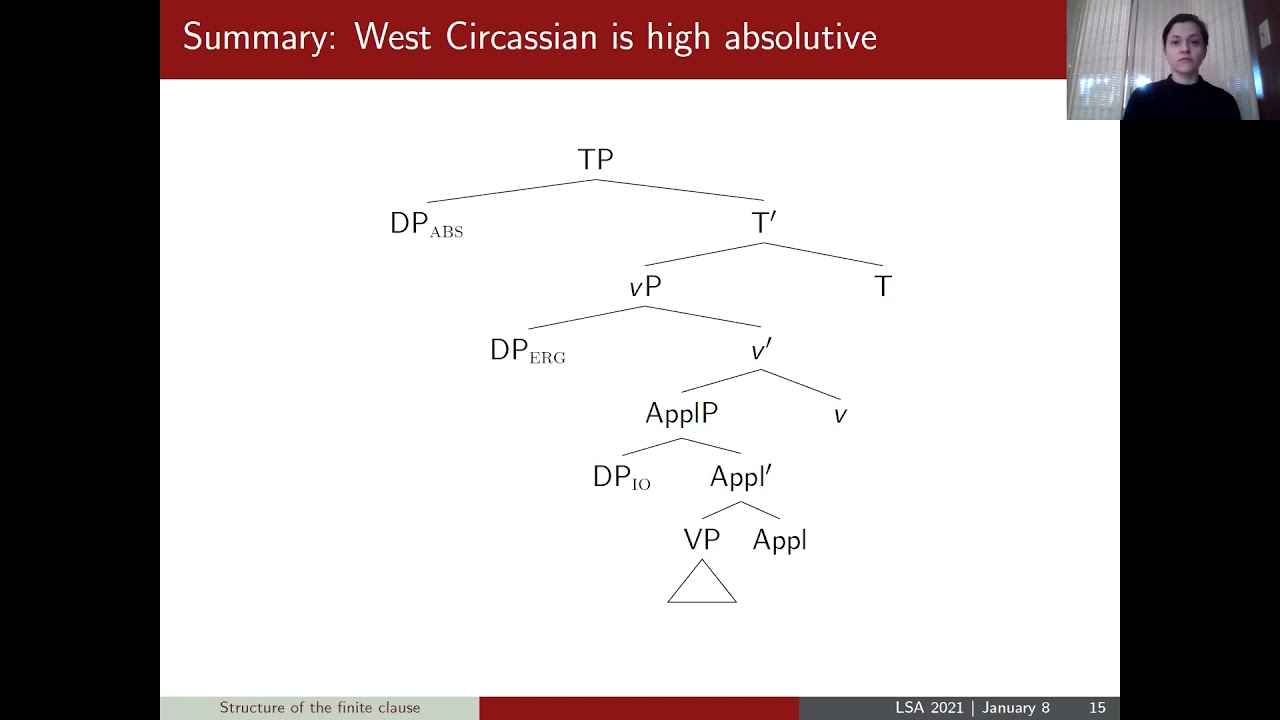
In-depth study of Split Ergativity and how tense, aspect, and mood (TAM) determine noun case marking in Georgian.
Exploration of Kartvelian morphosyntax, focusing on polypersonal verb agreement and the complex 'screeve' system.
Phonetic training to master the production and discrimination of Georgian's intense consonant clusters and ejective consonants.
Comparative analysis of other languages within the Kartvelian family, such as Megrelian, Svan, and Laz.
2.9K views136likes8:41Original Release: 2025-06-07
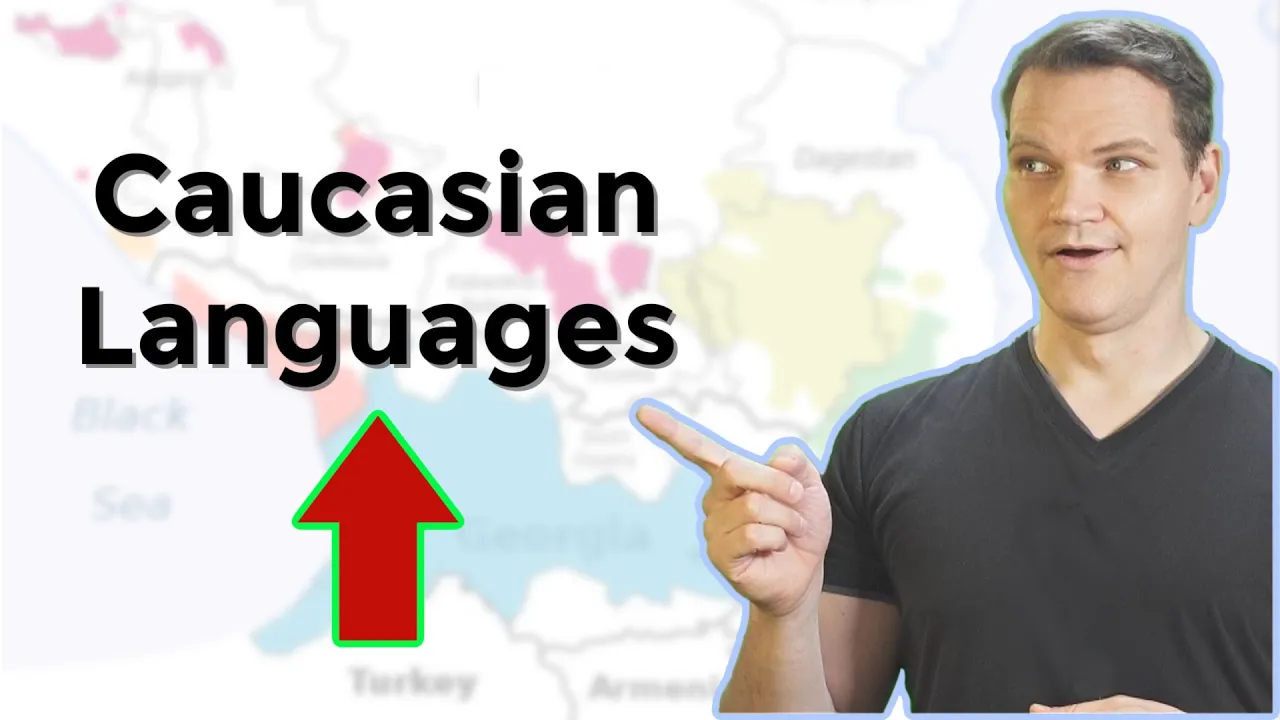
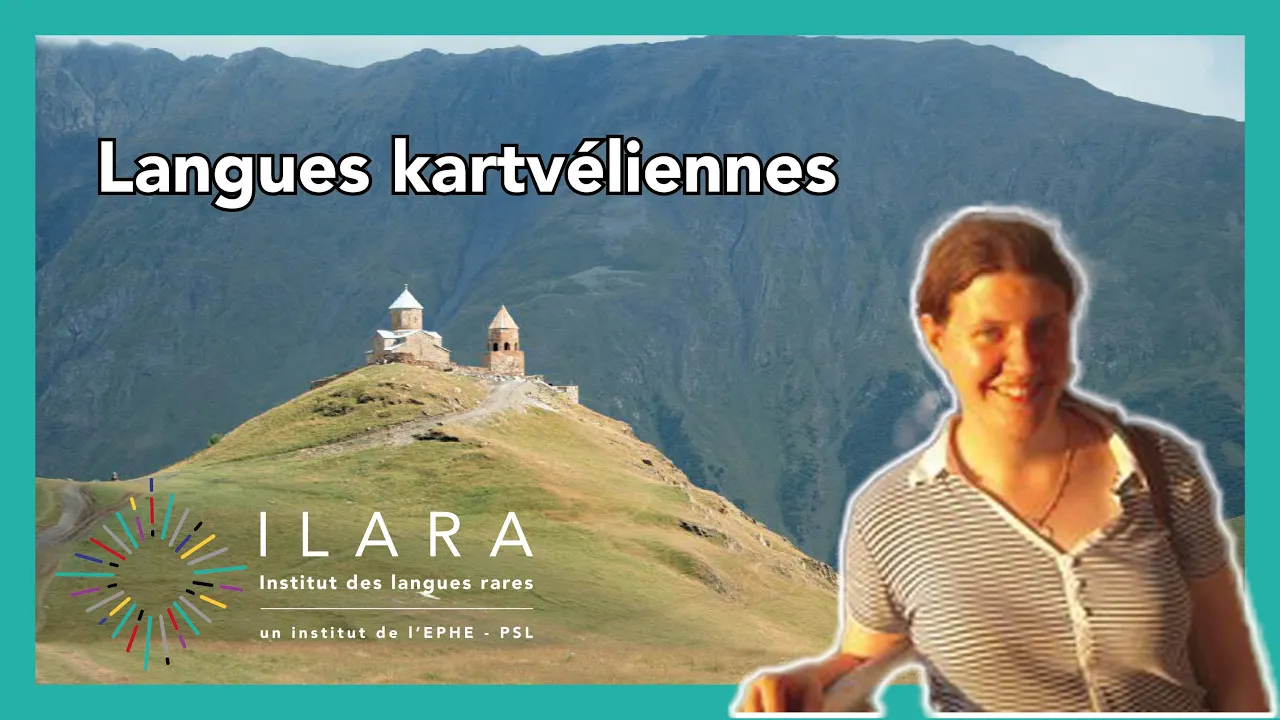
Welcome to Georgia. No, not the US state famous for peaches, but the country of Georgia, located at the crossroads of Europe and Asia. Here in the South Caucasus, lies a land with a history stretching back thousands of years, where ancient traditions meet modern life. Georgia's cultural identity is deeply rooted in a long and complex history marked by resilience and moments of external influence. From the legend of the golden fleece born in the ancient kingdom of Kochis and connecting Georgia to the ancient Greek world to the heroic struggles against Mongol and Ottoman invasions. This is a country that has proudly preserved its language and culture through it all. I first came to Georgia back in 1982 during Soviet times. The language, the people, and the culture fascinated me then. And now I've returned in 2025 to rediscover this remarkable country with its unique language and culture. In this video, I'll take you on a journey into the Georgian language, one of the world's oldest living tongues with no relatives among any other language family. We'll explore what makes it so unique, what challenges it poses for Indo-Uropean speakers like myself. The cartillian family comprises four languages.
Georgian cartuli is the most widely spoken serving as Georgia's official language with approximately 4 million speakers worldwide. Sven swani is spoken in the highland region of Svenite in northwestern Georgia. Sven is the most divergent of the carti languages having split from the common ancestor earlier than the others. Migraian is margallurori is also known as ming lion.
It is predominantly spoken in the semeral region of western Georgia.
Lazuri is found mainly along the southeastern black sea coast in northeastern Turkey and parts of southwestern Georgia while Georgian is the state language and widely used in education and media. The other three, Sven, Miguelian, and Lass, are primarily spoken in specific regions and communities. These languages are often used in daily life, but lack official status and are considered endangered despite sharing a common ancestral language. These four languages are not mutually intelligible. For instance, a native Georgian speaker without prior exposure would not understand Sven or McGreelian.
However, Migrion and LZ share more similarities and are sometimes considered dialects of a single language called Xan. Still, even between these two, mutual intelligibility is limited.
So, what's so hard about learning Georgian for Indo-Uropean speakers?
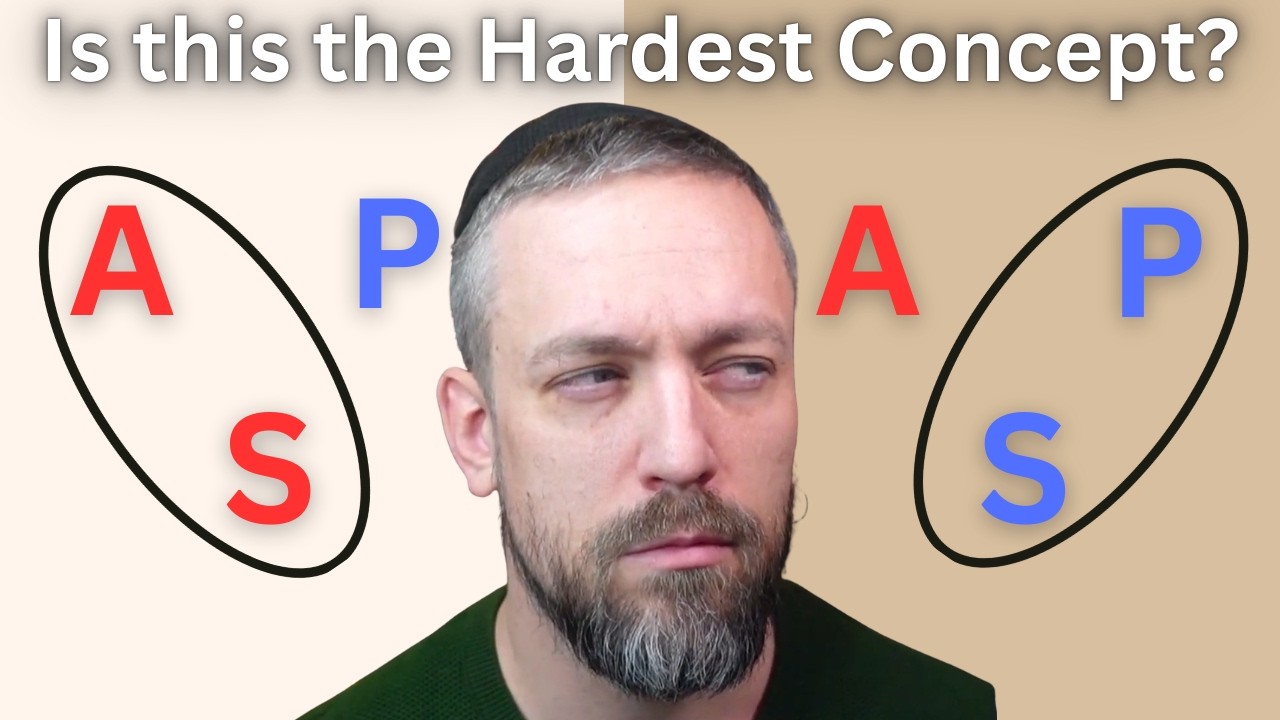
First of all, Georgian has an extensive case system. That means Georgian nouns and pronouns are inflected for case, as in most Slavic languages, but with significant differences. Let's take a look at how the noun man inflects for each case. The nominative case represents the subject of the sentence.
The man is coming.
The erative case in Georgian is used for the subject of a transitive verb in the past tense but not the present tense. I find that very interesting because it's the same in Nepali. The man wrote a letter.
The dative case is used for indirect objects or recipients. I'm talking to the man.
The genative case indicates possession.
This is the man's car.
The instrumental case is used to show something is used as a tool or means, but it can also mean with I go to work with that man.
The adverbial case indicates status, role or manner. He became a man.
The vocative case is used for directly addressing someone. Hey man, come here.
Learning Georgian verbs feels like solving a puzzle. Every piece conveys meaning about who is doing what, to whom, and when. There's logic behind it, but it takes time to decode. Split urgativity in Georgian. Georgian, like many languages in the Caucasus, uses a different system for marking subjects and objects, which can be confusing for English speakers. In English and most Indo-Uropean languages, the subject of a sentence is always treated the same way, whether it's I go, I see, or I felt, but Georgian is different. It uses what's called a split urgative system, meaning the way subjects and objects are marked depends on verb tense and aspect. I previously mentioned that you can see this in Nepali too. Irregularities in verbal morphology as if Georgian verbs weren't complex enough with their person markers, version markers, as well as the tense and aspect systems. Many of the most common verbs are also irregular, which means their conjugation doesn't follow standard patterns. You can't always predict how a verb will behave just by knowing its root. Learning these irregular forms takes time and exposure, not just memorizing, but listening to how they're actually used by native speakers. Next, we confront pronunciation difficulties in Georgian.
Georgian has sounds that don't exist in most Indo-Uropean languages, especially the ejective consonants which are pronounced with a burst of air from the glaus.
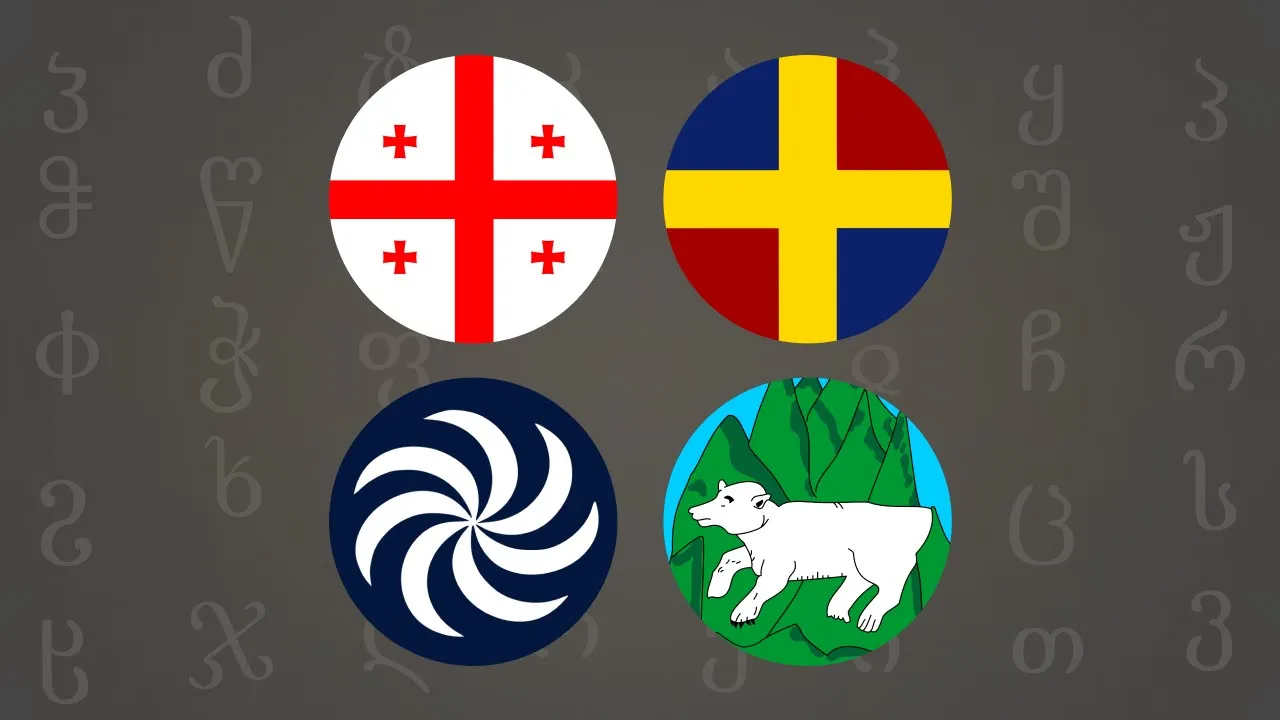
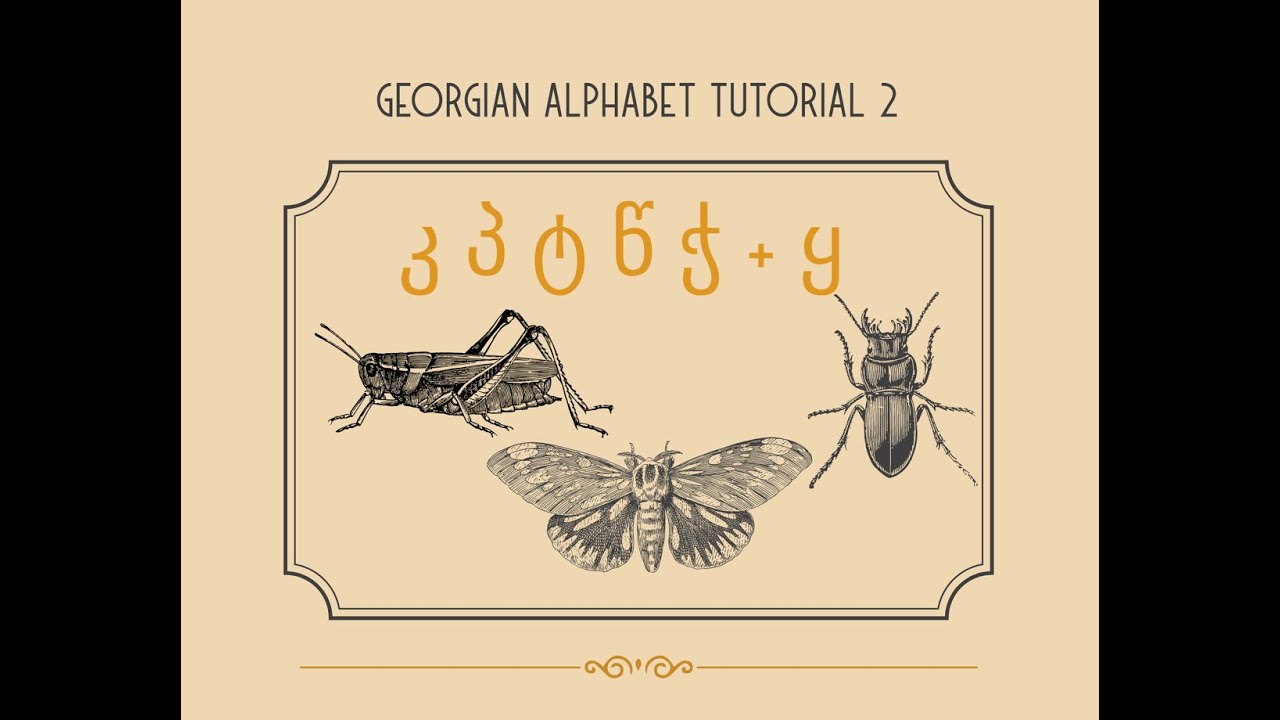
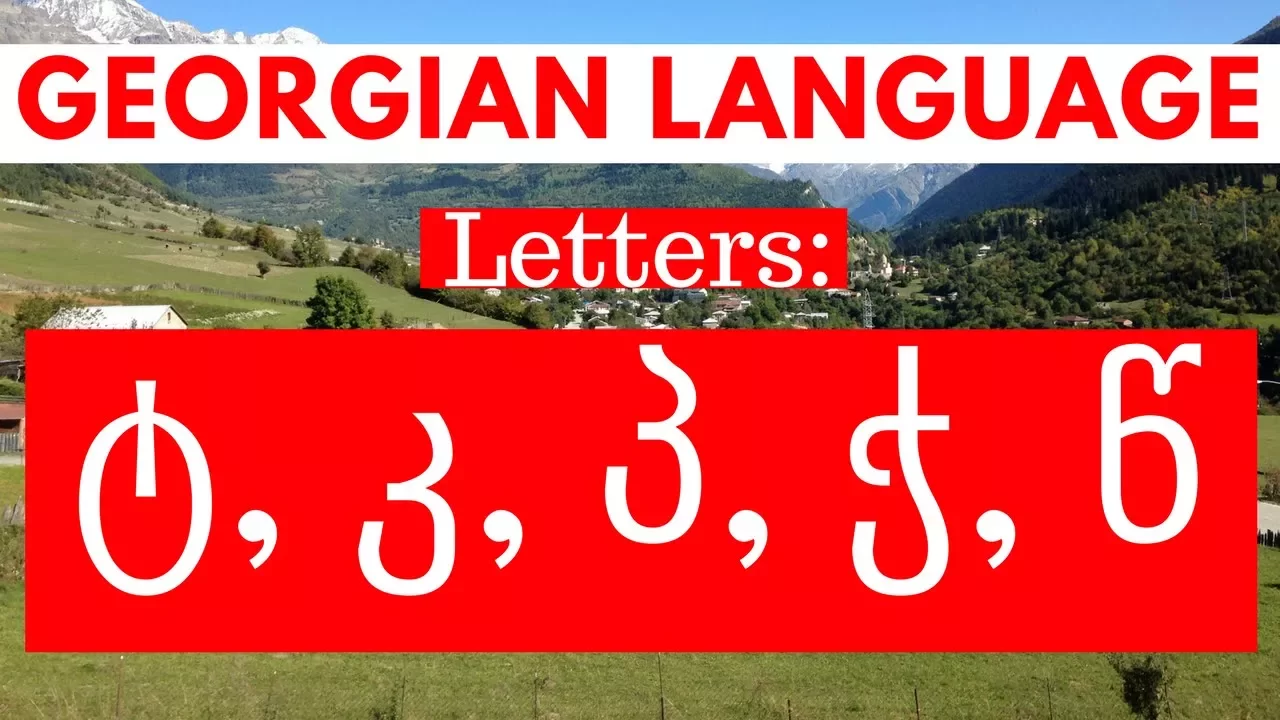
Georgian uses its own unique script called it's graceful and distinctive made up of 33 letters and unlike most scripts, it has no capital letters at all. At first, it may look unfamiliar, especially if you're used to Latin or cirillic alphabets. But here's the good news. Fed is phonmic. That means each letter corresponds to exactly one sound.
No silent letters and no strange spelling rules like in English.
My name is Tango. And where are you from? I'm from Georgia. Where in Georgia? Kartley region municipality village. Do you think Georgian is a difficult language? I think yes. Why?
No. Every language is difficult. But if you interested, you can learn Georgian easily. But I think Georgian language is really difficult. Yeah. The writing is very difficult. And what about the pronunciation? Pronunciation is also difficult because we have some special words and for foreign people it's difficult for pronounce but if you want to try a lot of times will be easy of course. So you live in Goggi and you're a sixth generation wine maker. I I live in Gori municipality. Goi is my father.
In our family I'm sixth generation.
Yeah. Who follow wine making. Do you have a dialect here of Georgian? Every region has own dialect and Karti where I lived Kartley Kartleian dialect is our how can I say liter literature uh dialect.
Yeah. Can people from Tibilc understand you? Of course because I can understand all Georgian. No, but I mean when you speak the dialect Thank you. Georgian isn't just a language. It's a doorway into one of the world's oldest and most resilient cultures. From its beautiful script to its complex grammar, it challenges how we think about language itself. For Indo-Uropean speakers, it's not always easy, but that's part of what makes it so rewarding. Would you like to give it a try? Thank you for listening. Please take a look at my website polygottdreams.com to learn about how I have studied over 30 languages during the past five decades. There you will find my memoir, A Life in 30 Languages.
The book is available in numerous languages. There are also dual language editions as well as language learning sets that include audio editions. You can use them to greatly increase your listening comprehension and general language study.
Up Next

6:49
Object Alignment in Linguistics | Mini-Lesson
@isabelthelinguist
2.1K views•2018-03-23
36:52
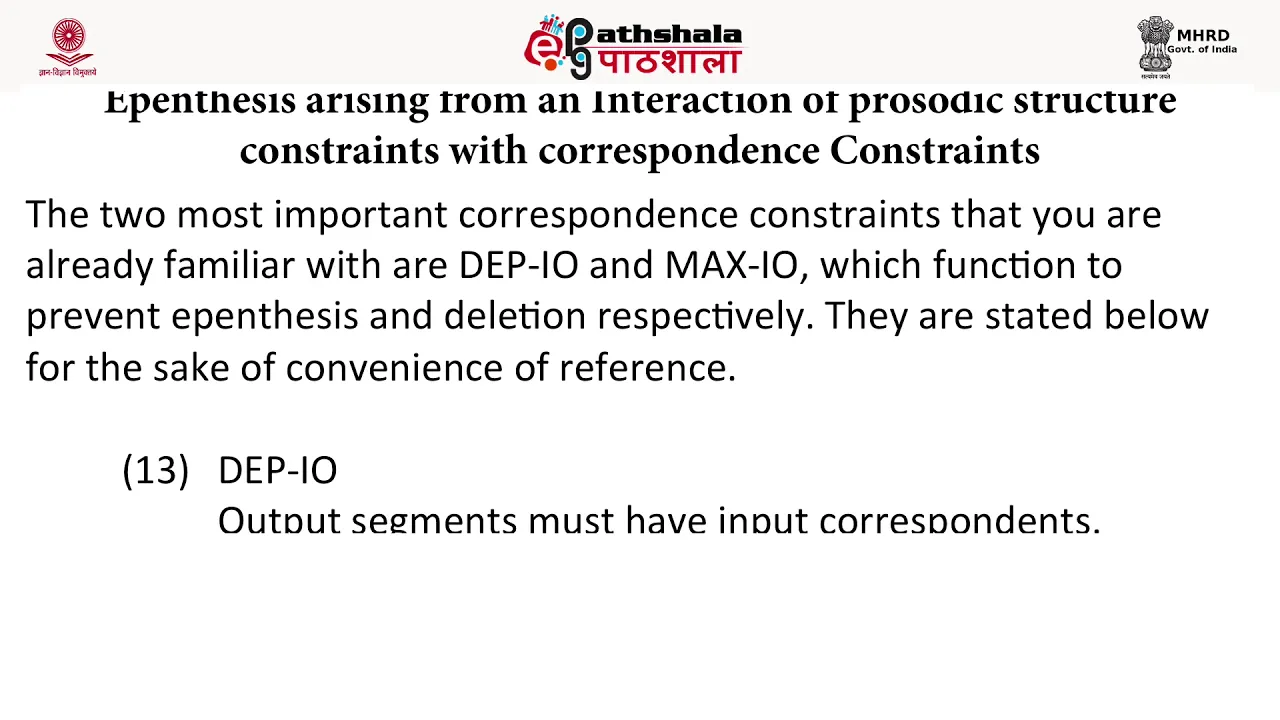
Constraint Interaction in Optimality Theory: Epenthesis & Deletion
@Vidyamitra
180 views•2018-08-20

8:59
Forensic Linguistics: How Language Solves Crimes | PBS
@pbsstoried
1M views•2024-01-25

21:32
Accent Expert Explains U.S. Regional Dialects | Part 1
@WIRED
9.3M views•2021-01-21
Related Study Plans & Knowledge Roadmaps
Structured learning paths in Linguistics
linguistics
Optimality Theory: Tableaux & Constraints
01Phonological Basics: Sounds, Syllables & Rules
02Foundations of Optimality Theory: GEN, CON, and EVAL
03The Constraint Inventory: Markedness vs. Faithfulness
+ 2 more learning modules
15h5 modules
Explore Roadmap
linguistics
Morphosyntactic Alignment: S, A & P Systems
01Foundations of Syntax: Transitivity and Arguments
02The Linguistic Variables: Mapping S, A, and P
03Nominative-Accusative Alignment
+ 3 more learning modules
12h6 modules
Explore Roadmap
linguistics
Analyzing Sign Language: Phonology & Syntax
01Foundations of Sign Language Linguistics
02Phonology: The Five Parameters of a Sign
03Morphology: Word Formation and Classifiers
+ 2 more learning modules
14h5 modules
Explore Roadmap
linguistics
Pragmatics: Speech Acts, Grice & Politeness
01Introduction to Pragmatics: Meaning in Context
02Grice’s Cooperative Principle & Implicature
03Speech Act Theory
+ 2 more learning modules
14h5 modules
Explore Roadmap