![중2역사1[7-1]통일 제국이 들어선 중국(2020빡공시대이보람쌤)](https://i.ytimg.com/vi_webp/8iX8l3jAo2E/maxresdefault.webp)

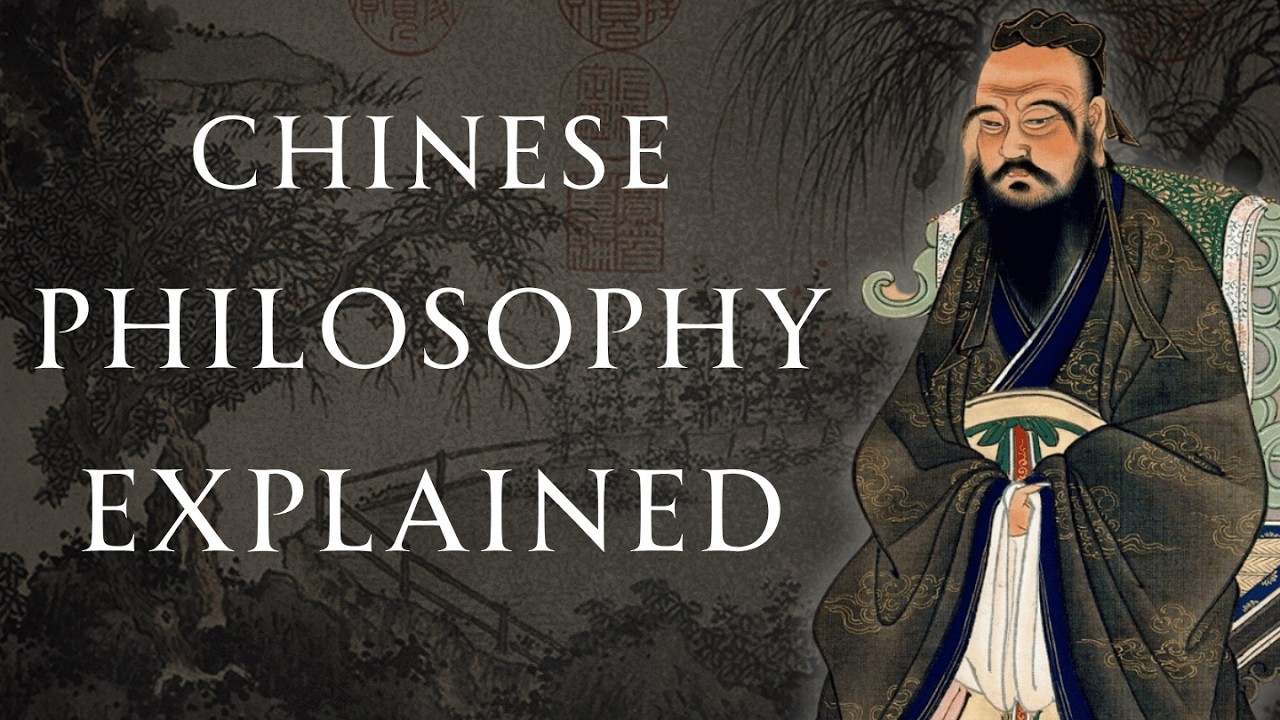
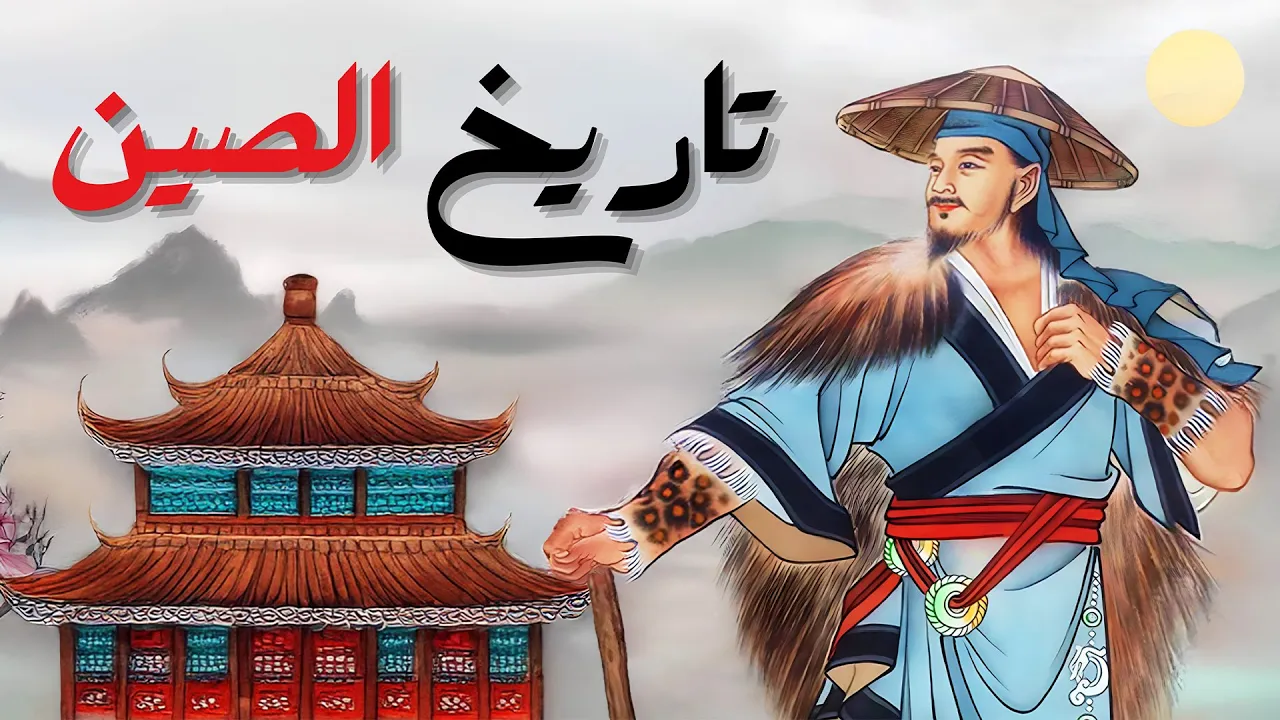
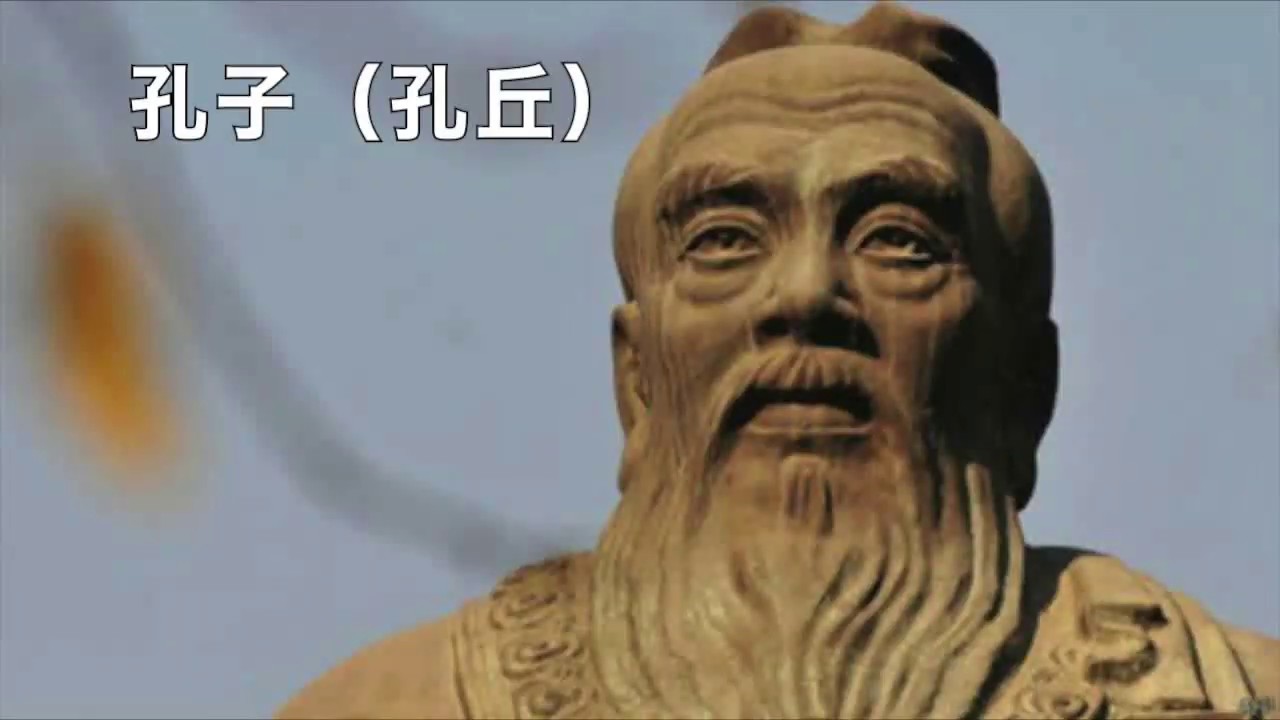


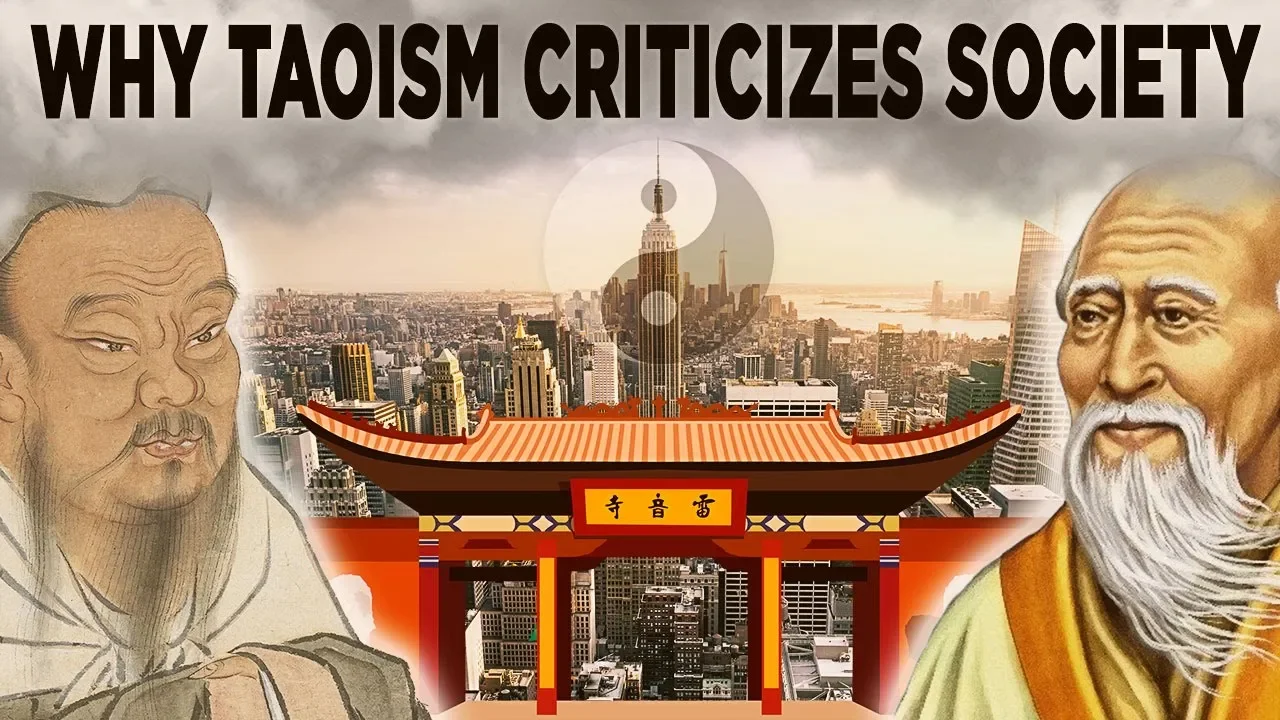
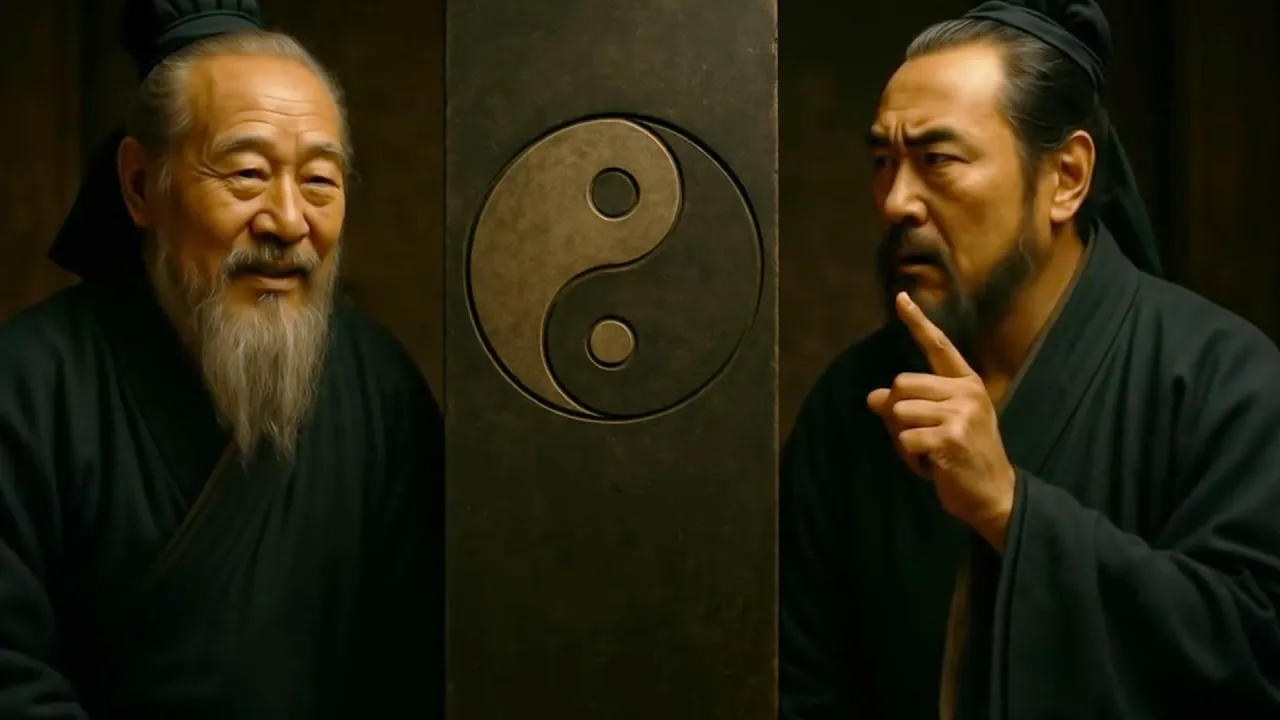






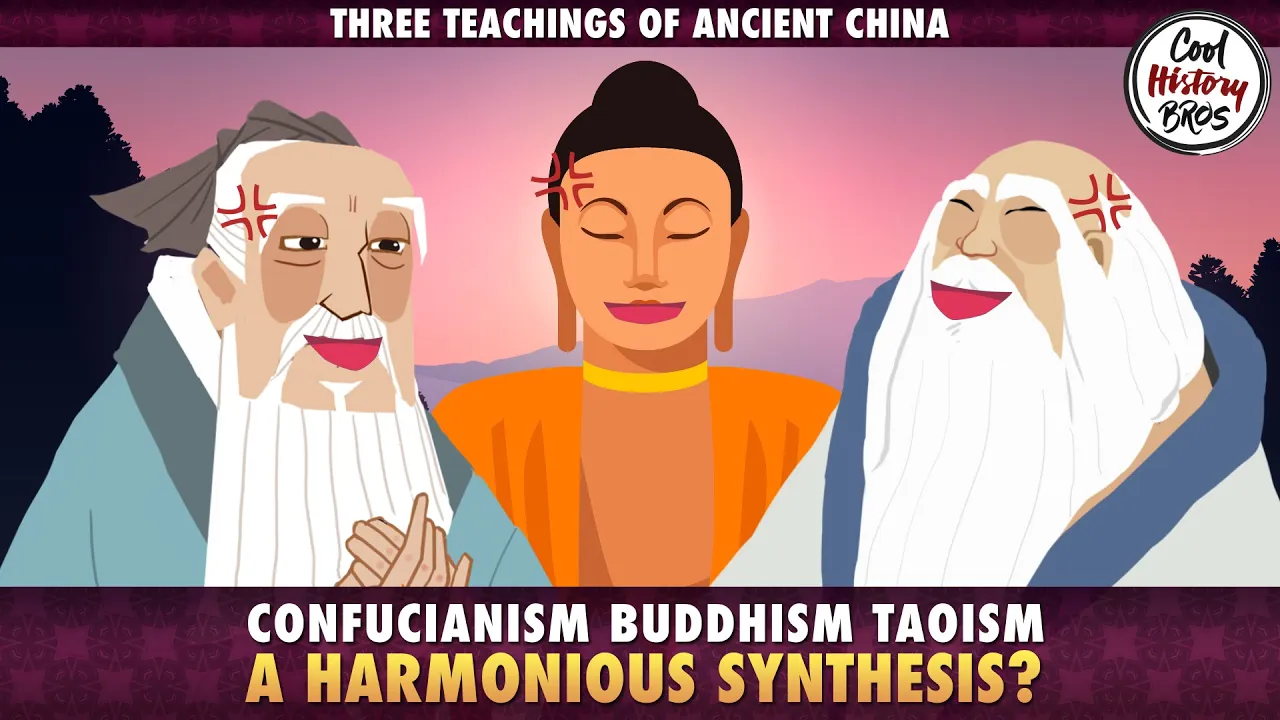


Taoism is an ancient Chinese philosophy and religious tradition founded over 2,500 years ago in the 6th century BCE, predating Confucianism; its foundational text, the Tao te Ching, was traditionally attributed to the sage Lao-tzu (meaning 'old master'), who is said to have written it in three days before leaving government service; the central concept of Tao (the Way) represents the natural, intelligent flow of the universe that encompasses all things, characterized by its paradoxical nature and transcendence beyond words, and this philosophy manifests through various practices including physical disciplines like Tai Chi and acupuncture that harness the vital energy (chi) of the Tao, as well as spiritual traditions centered around the Three Pure Ones.
Taoism Explained: History, Origins, and the Dao De Jing
Added:hello everyone welcome to this week's lecture on Daoism our first session will be just an introduction to Daoism last week when we began and discussed conf fusionism I asked you to think about the following question have you ever felt like you're immersed in chaos and maybe now the question makes a little more sense after having discussed conf fusionism this week the question I'd like you to keep in the back of your mind as we review dosm is the following have you ever felt like you're out of sync with life that you're not quite in align with it that you're not quite in harmony with it okay so what do you associate with DM if you are not familiar with DSM this is something that's completely new to you nothing may come to mind but there may be things that you're familiar with that you never really associated with dosm maybe it's the concept of yinyang most of us have heard of the idea maybe you've seen the symbol for it maybe you've been in places where you've seen various figures in particular three figures sometimes you'll see statues sometimes you'll see figurines sometimes you'll see the three figures within posters maybe you're familiar with taii or with acupuncture maybe you've been exposed to Chinese herbs and other forms of Chinese medicine maybe you've seen various works of art works like these that depict nature in particular flowing water so what is dosm well dosm originated over 2500 years ago the 6th Century as we noted last week Daoism predates Confucianism so a lot of confus confucius's terminology his references to culture is already immersed within a culture that's been imbued with dosm the major text within Daoism is the Dai ching and the dowy Ching is is made up of these really short chapters and um the title refers to the way of The Da or the power of the da unlike other religious texts this this uh this book isn't claimed to have been written by a deity it's not necessarily the the work of divine inspiration the text is said to have been written by an individual referred to as lau and just like we saw with Buddhism where Buddha isn't the name of a person but a title Lau is also kind of a description it's refers to an old old master and not necessarily the name of an individual what we see in the Dy Ching are various passages that seem paradoxical nature and what they often do is they often provide a sense of ambiguity and maybe you we can relate this to what we were exposed to with Zen Buddhism and Zen Coan something to think about as we take a look at ious passages from the Dy chain but all of them have to do with how we relate to this world how we relate to life the flow of life how we relate to the doubt so there is a story behind Lau just like with many other uh founders of these Traditions one of the mythologies speaks of how Lau was born of a shooting star and the shooting star impregnated LSU's mother and lau's mother gave birth to LSU and when LSU came out of the womb LSU was already very old LSU is said to have worked for a long time as a civil servant working for the government but eventually being um discouraged by the corruption that he saw within the government he eventually decided to leave as as he was leaving riding his Ox he was stopped and being known already as a very wise man he was asked to please relay some wisdom please provide us and share some insights before you leave Lau obliged and is said to have then written the Dy Ching the entire Dy Ching in only three days so as a mythology what you might want to think about is how people are experiencing the words of the Dy Ching if this is the story they give to LSU's origin though we might not call the Dai Ching the work of divinity you might get the feeling that those who who read the dowy Ching experience it as something from the heavens you may see it or experience the Dy ching as great wisdom having come from somebody that was always old right maybe always wise these are the things I'd like you to think about right how do the people of DSM experience the world as we can see through these sorts of stories okay so what's written in the daed Ching well we need to ask the fundamental question how did Lau see reality when he opened his his eyes like the Buddha did under the Boda tree what does LSU see Lau sees one thing only it's the da but he sees a property of the Dow he sees that the da is made up of opposites what we'll talk about in this session is the nature of the da and in the next session we'll talk more about this idea that the da is a relation of opposites so the da from chapter one The Da that can be told is not the Eternal down the name that can be named is not the Eternal name the unnamable is the eternally real naming is the origin of all particular things free from desire you realize the mystery caught in desire you see only the manifestations so what's being how is the da being described here this should sound familiar this should feel familiar we looked at Hinduism we looked at Buddhism the major Concepts the major ideas of Ultimate Reality were all kind of described in this way Hinduism and the idea of Brahma Brahma is beyond words Buddhism and the idea of Nirvana Nirvana is beyond words here too we see that the da the da is beyond words and once you name it you change it right once you name it you limited the last section here section free from desire you realize the mystery cot in desire you see only in manifestations what might that refer to what might refer to to be free from desire how might you then realize the mystery why would you want to realize the mystery next so though the da can be difficult to describe since it is this the ultimate nature of reality a few ways for us to grasp it to to get a handle on it would be to think of the Dow as the way the natural way of something Way of the World Way of reality to see the doubt as the natural pattern of life to see the da as the unfolding of everything as the inherent process that we are part of the process of the world of reality that we're part of so we're going to elaborate on these things and make try to make sense of them for ourselves here so here is Lau experiencing life and what does he notice about life he notices that life seems to be intelligent and what does that mean if you take a look outside your window you see trees flowers bushes you see birds you see animals squirrels going here and there and they all seem to be very intelligent the trees can grow without anybody training them flowers grass they all seem to flourish without being taught how to bloom Birds seemingly know where to go depending on seasons and they seem to be able to travel within the most Optimum paths you cut your skin and your skin will automatically start to regenerate without you saying hey skin do that without you training your skin to do this sort of thing so it feels as if for the for latu that the world is naturally intelligent it's imbued with intelligence even the web of life itself and how all creatures and all U plants seem to have this balance that allows everything to function well and survive that's an indication he says of intelligence right Mother Nature seems to know what it's doing the second thing he notices about the da is that there seems to be a natural pattern to it there seems to be a natural flow to it right you take a look at the oceans the waves come in the waves go out take a look at the heavens and the sun rises the sun sets right you see the Moon and then you don't see the moon you take a look at nature and trees and and and all the vegetation around you and it seems to change within a pattern that we call Seasons so there seems to be a natural EB and Flow To Life a natural pattern to all things so what we then can say is that the doubt is this natural intelligence the doubt is this natural flow of things in the world so the idea of referring to it as the way means it is the way of things it is the natural way of life it's the Natural Way of the universe the great Dow in Chapter 30 flows everywhere it may go left it may go right all things depend on it for life and it does not turn away from them so maybe you get this feeling of the Dow being kind of like a river it flows everywhere it can go it in which direction whichever direction it's on you don't know per se but everything depends on it it is the source of all life and it's not judgmental right it does not turn away from things in the world it accomplishes its task but does not claim credit for it right so the natural way of reality Natural Way of the world is it's it's egoless it's not about any sort of accomplishment it's about doing it's about being it clothes and feeds all things but does not claim to be Master over them so if you think about this River analogy right the da is this natural uh flow of the world the Natural Way of the world and the way of the world is to you know give life is to clothe life is to feed life birds are able to feed themselves squirrels are able to feed themselves Natural Animal Kingdom knows what to do to feed itself they don't have to go to a grocery store to do that it's part of the Natural Way of the World so a lot of DST practices is about harnessing this Force this natural power of the flow kind of like harnessing the natural power of a river the term is day right hence the book is called the da de Ching day the inherent power of the down or if you want you can think of it as the inherent virtue of the down if you're not familiar with the term virtue think of virtue as the characteristic that allows something to be be excellent so to harness the virtue of the Dow means harnessing the characteristics of the Dow that allows us to excel so your text um separates various U practices within naism based upon different ways people have tried to harness the virtue of the doubt in one way we can see various practices that are specifically meant for harnessing the DA for physical purposes for the body right a key Concept in this sort of approach is the notion of chi chi being the breath of life it's the aspect of the da that moves us that keeps us alive it's the aspect of the Dow that that moves our body that that provides our body body with with with um uh Vitality so we can see this within um Tai Tai Chi and the term Tai Chi moving of the body in ways that allows the Breath of Life to flow through us in a in a more um in in in a in a more uh elegant efficient um Optimum way so various motions help move the chi the same thing with acupuncture the idea with putting needles in various meridian lines these meridian lines are lines in which the Chi moves through us and sometimes we need to unblock chi in order to allow this Vitality force to move through us to allow the aspect of The Da that gives us Vitality to move through us more appropriately more optimally Chinese medicine is also also revolves around the idea that through these various herbs and other other food items that we could um move Chi more effectively through our bodies so while some people focus on this sort of embodied um uh making use of the force of the the Dow in a more embodied sense there is also a tradition of approaching da ISM more spiritually and we can see this through various uh temples and through various rituals having to do with priests who would say prayers or do various chants or other practices in order to harness this sort of spiritual aspect and maybe aspect is even better word the spiritual aspect of the down of particular importance within this sort of spiritual tradition are the three pure ones and often times if you go to um supermarkets Asian supermarkets Chinese supermarkets you'll see these sorts of artwork where they they prominently feature the three pure ones or you may see these various figurines of the three pure ones they look like older wise men this was a prominent fixture in in my home growing up be Chinese the Trinity oh by the way I should point that out is that um a lot of these a lot of these things are so infused into the culture that sometimes it's no longer um it's no longer primarily identified with Daoism whether it's the artwork of nature whether it's images or figurines of the three pure ones sometimes people just have these as an artifact of being a part of the culture uh and may not even realize the relationship between these and noism similarly with acup puncture or with Chinese medicine some people may not may maybe uh May participate in acupuncture may take Chinese medicine but may not even think that these are related to to dosm okay so the three pure ones now these are the highest deities within um DSM highest meaning the most revered and there's lots of controversy and ideas I should say about what this why this might be or what these three pure ones might represent some say that these are a personification of the force of creation and in this sense might be very similar to the triti which we talked about with Hinduism some people see the three pure ones as representing the origin of all beings and we'll take a look at a passage from the D from the Dai Ching to get a sense for where this idea may come from some people see the three pure ones as representing three forms of chi the different types of Life Force Within reality some people will even believe that these three pure ones are just different aspects or representations of Lau himself so the Dy Ching does not really provide explicit references to the three pure ones there's no references really to the need to worship deities the D Ching doesn't even really specify anything having to do with herbs and acupuncture but what we see within the Dai Ching is that this particular passage from chapter 42 the Dow produces one one produces two two produce three and three produce Myriad things so from this passage there seems to be a particular importance to the idea of three and this could be the motivation or the inspiration for the three pure ones possibly now one can be dowst and not be particularly um involved with the spiritual aspect of dosm one can be DST and not be particularly involved with the um embodied um aspects of DSM and some people may participate in those first two and not be particularly keen on the wisdom from the dowy Ching but this is a major component of dosm and it's a aspect of do of dosm that we'll focus on hence we will give it its own full session and this wisdom We Will We Will primarily take a look at Through The Eyes of the dowy Ching though there are other texts and other teachings right that uh we could refer to also but since the Dy Ching is supposedly the wisdom provided to us VI Lau himself we will take a look at the D ching and this concept of yinyang in particular when we come back in our next session
Up Next
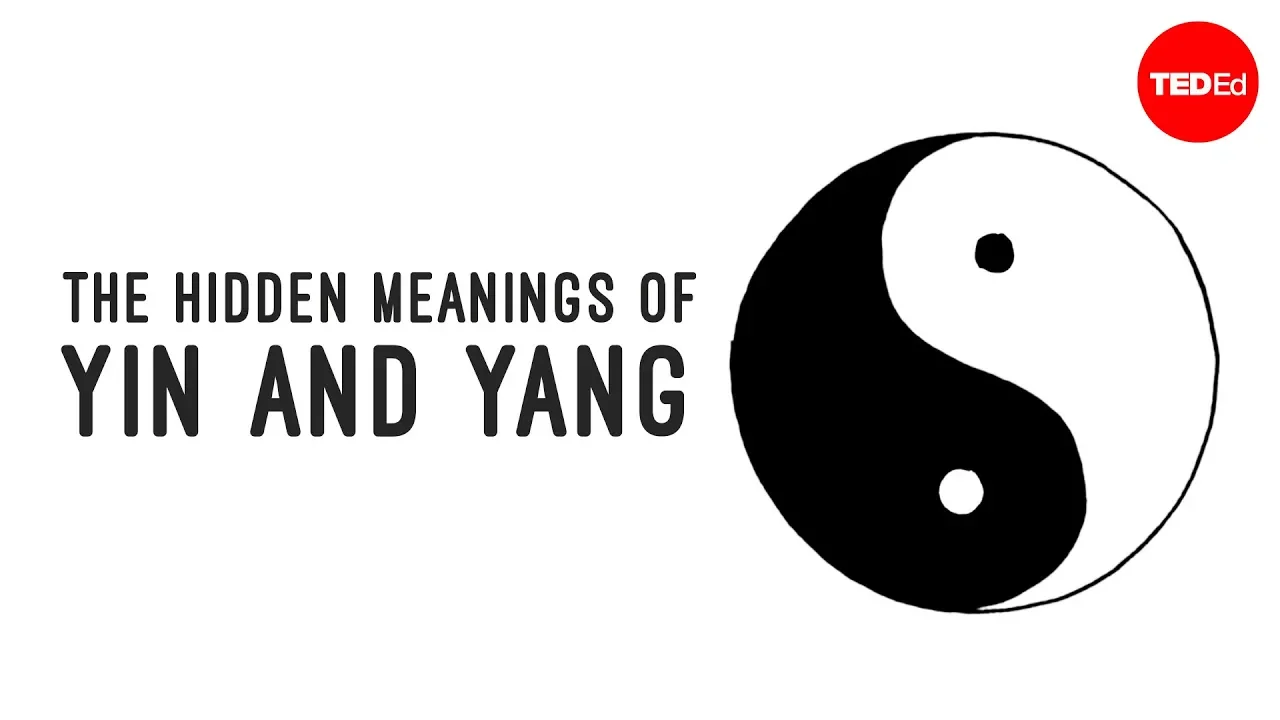
Yin and Yang Symbolism Explained | Taoism Philosophy
@TEDEd
5M views•2013-08-02

John of Damascus on Holy Images: A Theological Defense
@BannedBooks
139 views•2026-04-25

Should We Destroy the Machines? Big Tech Surveillance Critique
@TheStoriesWeTell303
167.9K views•2025-11-30
The Myth of Sisyphus: A Greek Legend of Eternal Punishment
@TEDEd
8.6M views•2018-11-13
Related Study Plans & Knowledge Roadmaps
Structured learning paths in Philosophy