

![Searching for Survival: A Job at Ford | Part 1 [4K AI Remastered]](https://i.ytimg.com/vi_webp/hIcLE53NuVE/maxresdefault.webp)








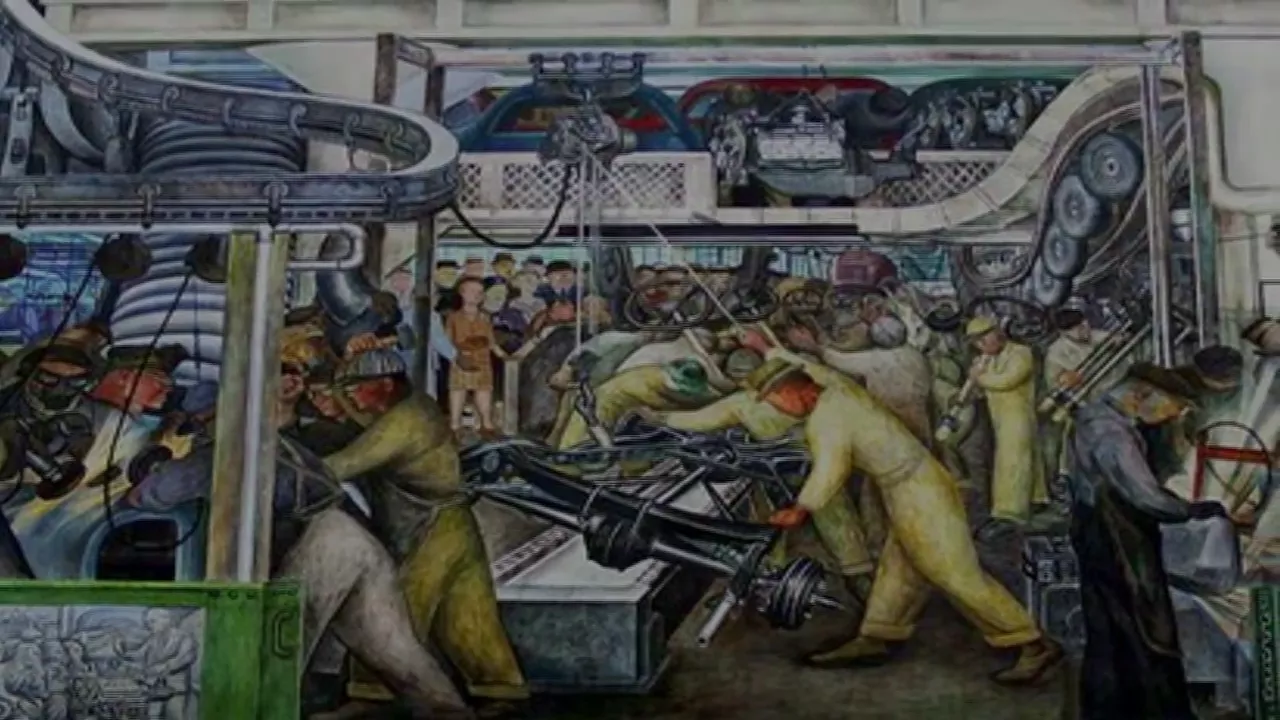










The creation of Diego Rivera's Detroit Industry Murals (1932-1933) exemplifies how artistic patronage involves complex power dynamics where wealthy benefactors like Edsel Ford provided financial support while simultaneously exploiting laborers, including Rivera's assistants who worked for minimal or no wages; this duality reflects broader tensions between artistic vision and economic exploitation in public art commissions.
Diego Rivera's Detroit Murals: Ford, Art & Exploitation Explained
Added:The core tenets of the Mexican Muralism movement, specifically how artists like Diego Rivera used public art to convey socialist and nationalist messages.
The socio-economic landscape of the United States during the Great Depression, particularly the rise of assembly line manufacturing and industrial labor at Ford Motor Company.
The concept of artistic patronage, specifically the inherent political tensions when wealthy capitalists commission openly Marxist or radical artists.
Basic knowledge of the fresco painting technique, which required meticulous planning and permanent integration into the architecture of the hosting venue.
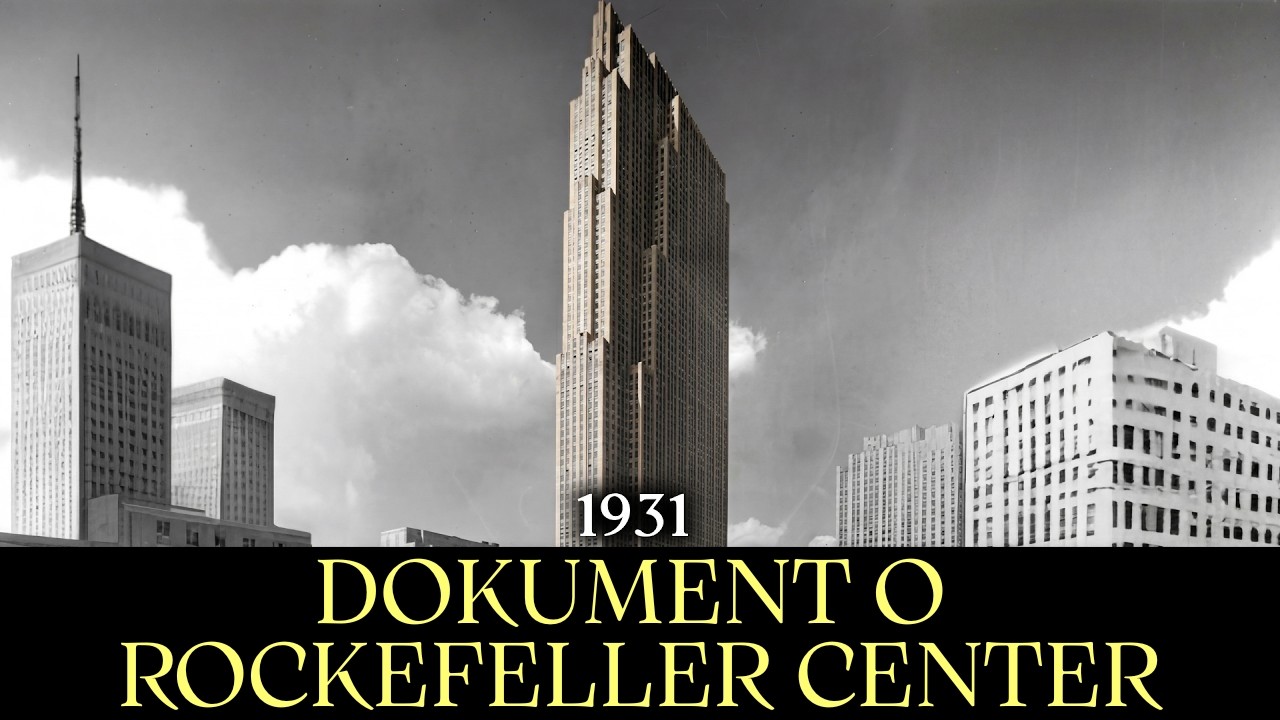
The controversy and subsequent destruction of Rivera's 'Man at the Crossroads' mural at Rockefeller Center, highlighting the limits of corporate tolerance for political art.
An analysis of Marxist art theory, focusing on how Rivera's murals critique the alienation of labor under industrial capitalism.
The history of the labor rights movement and the rise of the United Auto Workers (UAW) in Detroit during the 1930s and 1940s.
The broader legacy of public art and censorship in the United States, examining how local governments and institutions navigate politically sensitive public commissions.
13.6K views90likes1:20:18Original Release: 2010-02-26
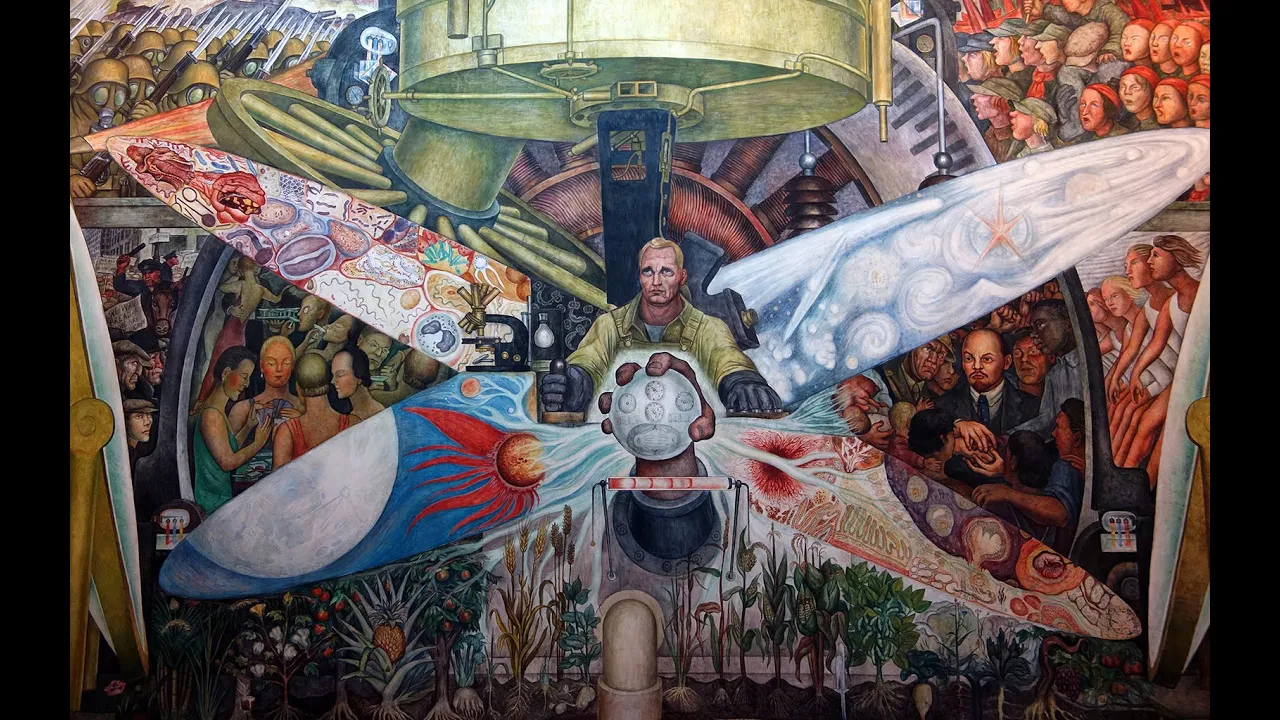
[Music] I'd like to welcome everyone um I'm Harley shaken I'm the chair of the center for Latin American studies uh and we're very pleased uh to have this event this afternoon and to have Granville with us to speak on Mutual admiration Mutual exp exploitation Rivera Ford and the Detroit frescos I have two introductions today for grandv the first is very brief uh the second is also brief don't beone but the first is he's got a very impressive resume as a director and curator he was the chief curator of the San Francisco Museum of Art uh he was the director of the Los Angeles County Museum of Art and for the last 11 years he has been director of the Detroit Institute of Art my second introduction the only real way to understand what he has done as a director is to visit the Detroit Institute of Arts because in my view he has done some remarkable things with that institution it needs truly no introduction it simply needs walking into it and he has made it particularly inviting by what he has done to their extraordinary permanent collection and the new collection that he is enhanced and enlarged and opened to the community uh let me tell a little little story actually two little stories I visited the museum with Bob Herbert The New York Times columnist in November of last year that's the first time I met Gran my last words to Bob Herbert we were on a very tight schedule uh Gran offered to take us on a tour of the museum for an hour we really want you to see the Rivera murals that I'll be speaking about my last words to Bob Herbert were we've got a half hour not an hour let's make that clear at the beginning the museum was closed the museum had been closed that day 2 hours later we both thought it would be politic to leave before we were asked to leave uh the museum had that kind of resonance uh that is picked up in an article that Time Magazine did about the new makeover that uh grandv inspired and oversaw it says makeover for a Motor City gem the reopen Detroit Institute of Arts didn't didn't just get a facelift it got an attitude adjustment for the 21st century what they mean is an attitude adjustment in terms of how one approaches great art uh as a visitor to a museum but also an attitude adjustment about the relationship of the museum to the environment in which it is located Detroit is a city that 90% African American it is a city and the metropolitan area that has the largest Muslim population in the United States the museum has opened New Visions to broader communities uh my second very short story has to do with the Diego Rivera murals that Grandville will be speaking about in a moment uh I was born and raised in Detroit I I discovered these murals when I was in high school my grandfather worked for 22 years at the Detroit Rouge Plant on the line which these murals are B so I have a certain emotional attachment to the museum to the city and particularly to these murals uh and I tend to be a bit of a hard audience for a talk on the murals I discover that over the years I've heard many uh analysis and talks about the murals the best I've heard the one description and engagement with the m in my view truly illuminated and justice to this was what Gran did for Bob Herbert and I on our 2hour visit to the museum Detroit and one final little note uh we're also very honored uh to have with us tonight qu M carinus uh from Mexico who has played such a remarkable role and plays such a remarkable role in that country's history uh Mr Cardis knew and met number newk times Diego Rivera and frao in Mexico uh earlier on so there is that connection as well so without any further stories please welcome [Applause] BR thank you Harley very much so um I uh moved to this country um in 1973 three and in 1974 I found myself College Art Association meeting in Detroit and took myself off to the um to the DIA and found my way I was then some s thought of myself as a specialist in duch 17th century painting but that's another story um went to the Rivera murals and I remember um sitting there thinking boy this is pretty awful what a dreary space this is well of course in those days I'll I'll you'll see some description amongst other things it had about 40 Years of nicotine uh covering uh covering the the paintings um I found myself a few years later as director of Washington University Art Gallery um in St Louis um giving a lecture on the architecture of Thomas Jefferson as part of the official uh celebration of the bicentennial of uh of the United States of America um and I have to say that I'm very honored to have been asked to talk uh to tonight uh with something associated with the 200th anniversary of um of the the independence of Mexico and that o over the years I've and I hope I won't offend too many people when I say this I've come to admire Jefferson a bit less than I did um 30 years ago and I've come to admire Diego Rivera a great deal more um this is the DIA when it opened in 1927 um at the turn of the last century Detroit was a small City a few hundred thousand people uh but with the Advent of the Auto industry and with Henry Ford paying $5 a day uh to workers people flooded from all over the world one of the reasons we have this significant Arab Community goes back to th those years 1913 and by the 20s the city was just rolling in money um and when you there's an analysis of planning the DIA this building um that says that um that that currently the Detroit Detroit ranks as such and such a city in the US at it's considered at it's con current growth rate of growth if this continues by 1935 Detroit will surpass Chicago and become the second city in the US and if that if it continues after that by 1953 it will surpass New York and become the first city now that's the those are the kind of Ambitions that lay behind the creation um of this uh institution and as we all know it really didn't quite work out that way um uh the um as you walked into the building this is the the Great Hall of of of uh the DIA and behind it you can see what was originally the Garden Court and you'll see I think we have uh a picture move forward here a little bit um there of what it looked like when it opened the the the donkey in the foreground was put there by the director because he'd seen German children uh um admiring it and so it's a sculpture that we allow children to touch but this was meant to be a kind of a nice social Center um of course the great the great wealth in in Detroit was driven by the Auto industry and at this time this it was in the 20s that that companies like Dodge and Chrysler actually starting up and Hudson started up in the 20s so Ford had uh quite a quite a head start and General Motors of course was was was going too um and by 1931 um edel Ford was nominally uh the uh president of the of the Ford Motor Company and and running it but of course um it's well known that relations between him and his father were truly terrible um uh and uh his father was quite happy to see his son um undermined um he had a um a particular henchman um who for example was when when edil Ford was building what was going to be the first Design Studios of an American car company um he he actually came into work one day the the building was half up uh to see the building being ripped down on his father's instruction so it was he was he really was not in in a sense running the company but he was a a great um East th he was a true collector and by 1931 he was essentially in charge of of the DIA um the the floral Court the Garden Court has always been designed with murals in mind and you can see a prast painting on the on the right and on the left a painting by the uh the then significant British Artist Augustus John both quite bucolic and that was what the architect Paul Crow um Philadelphia architect Paul cray imagine going in here or a couple of you know puy the chian or beautiful sort of uh uh Arcadian scenes gracing the the Garden Court um there is edel Ford uh with the presiding genius at the DIA um a man called William Valentina born villum Rudolph Valentina a German scholar a rembrand specialist but a man with extraordinarily wide tastes um he was an Enthusiast for Islamic Art he was personal friends um of the German expressionists he bought the for with for the DIA the first van go to me to enter an American Museum collection and the first matis to enter an American Museum collection I would love to have been a fly on the wall of the Acquisitions committee when in 1922 Valentina presented a six-year-old Matisse uh for for consideration and a truly great uh great matis and between 1920 and 1931 32 with the help of uh of of Detroit wealth personal wealth and Detroit City money Valentina um transformed the DIA from a respectable Midwestern Museum into one of the top half dozen collections art collections in the country which it remains today subsequent directors have been able to build on valentina's extraordinary um achievement he was also significant in the sense that um he changed the way that museums were were organized and what Harley was just saying one of the pleasures of the transformation that we've made although for us it seemed quite new we were actually following in a way uh furthering a vision that Valentina had in 1927 this slide here is taken from the 1929 edition of Encyclopedia Britannica published as a sort of an ideal for what a modern art museum should be and the the radical change was that American museums had followed the French model until this time it was always uh paintings in one room sculpture in another um decorative arts in another room and being a pupil of being a a student of a man called vill Von Boda the Von Boda museums just reopened in Berlin um Valentina brought the German uh the German method to the DIA where all of the works of art from a common culture were shown together sculpture painting decorative arts in the same room so there was a kind of implicit contextualization and it was a a big shift and many many American museums followed uh followed that particular course so Valentina was a a bold man in in many ways he met um he met uh Rivera uh when he was in California at the invitation of Helen Helen Wills Moody um who had been in Detroit and said anytime you're in San Francisco let me know and so when he was going to San Francisco few years later that was about 1926 27 he did he he got in touch with her and at that time as I'm sure some some of you know he was having a Rivera was having a rather close relationship with Helen uh Moody uh Wills um and seeing Rivera working Valentina had the idea that uh that it wouldn't it be great if if this great muralist modern muralist remember Valentina was highly attuned to Contemporary Art come to do murals in the in the Garden Court as had been um in intended and he he made a sort of a commitment to Rivera um because he he was that kind of person but then he had to find the money so he when he went back to uh to Detroit he talked to edel Ford and they were very very close too um and edel Ford from his own fund that he had established immediately agreed to pay $10,000 for Rivera to come and and and and create the murals now at this time Rivera was spending quite a bit of time in New York um he was involved with the Mexican artists Association um with people like led by people like Abby Rockefeller there was a sense that art could be used like Ping Pong diplomacy that it was a way that the very wary relationships between the Amer us and the Mexican Government could be um could be made better um and that people you know Rivera was such an emolient individual you know it's impossible possible to dislike him um even if he was a communist he was a kind of a crazy communist that did certainly was not um uh any kind of Russian Marxist um and and he had a realistic style that it was um it was something that was easily graspable and um uh the uh Valentina wrote back um saying that Rivera had a great wish to see his murals in in a great American city and he said nothing would have pleased me more than to have Rivera represented in the Detroit museum for I had always hoped to have on my museum walls a series of frescos by a painter of our time since where could a building be found nowadays that would last as long as a museum so Valentina like all good Museum directors was planning for the future um but when he got back to uh and he envisioned a panel one panel on each side you saw those those two main walls there with those big pictures hanging there he let's go let's go back to that um he that was basically what um he uh he got Rivera to to commit to but when he got back to Detroit um he discovered that there was not much enthusiasm for a Mexican communist to come to the city and and paint a painting on the part of the Arts Commission Now the Arts commission I should say the the the M the DIA from 199 19 until 1989 was a city Department the director of the art museum was the head of the art Department of the city of Detroit so the governing body was something called the Arts commission which at this time was headed by um Albert Khan the the great architect of of Ford's buildings and and and many many others um so he had to go back and persuade these individuals that that this is what was was going to happen he had the money from Edsel but in those in those days it wasn't a such a slam dunk I mean it wasn't it was only a couple of years before her death in 1976 that Elena U Elena clayford edel's Widow uh she'd been a widow for 35 years by then walking through the museum saw a photograph that she didn't like on view and ordered that it be taken down I mean when when you get all your money from power from particular sources I mean pay the piper call the tune and you know there was this interesting tension in American museums from from 1900 onwards when um you had these very very powerful connoisseur collectors wealthy individuals working with a new breed um of of art historians um but the end result was that as long as that kind of very personal wealth was closely associated uh with a museum pretty much was direct um transfer of what they wanted what they thought was good for people to what happened um in in the in the museum um so but but edel Ford hadn't reached that point yet the a couple of other individuals had been associated with the museum had died and stepped aside from the scrips family and edel was in a position was in the position of moving into a position of of real uh real power he he had 10 years of that he died of stomach cancer we think in in 1941 um but uh Valentina made Headway Ed L with uh with the use of um of the $10,000 that uh that that Ford had had supplied and he wrote to Rivera saying the Arts commission would be pleased if you could find something out of the history of Detroit or some Motif suggesting the development of industry in this town but in the end they've decided to leave it entirely to you and it's it's pretty obvious that what Valentina had in mind at that time was something like the Helen uh uh uh Moody Wills painting something that was had a kind of an allegorical feel to it uh rather than anything else and they were to get something else but first Rivera did his sums and discovered that for $10,000 his normal rate did not cover the whole walls and so he said that he would do a partial murals on on part of the walls to and so this was those were those two panels that that were uh that were picked out and Rivera arrived and after a lot of comings and goings the museum had to uh there was such resistance that the museum had to put together an exhibition of Rivera's work at short notice um like in two months they put together an exhibition to show to the people of Detroit and and and the powers in Detroit that this was sort of a safe thing to do that this was going to be uh that this was going to be okay um and uh uh so that they he he it worked out and so Rivera came to town and he started working and for a month uh uh April May of 1932 he worked at the River Rouge Plant uh producing hundreds if not thousands of of sketches um here and what is amazing about the Rivera murals is the way that Rivera seemed in his head when he drew something like this he seemed to retain um all the other details so from just this sketch alone you end up uh with um oh I've got the wrong one here sorry um from a sketch like this you can see that he's already drawing some details that turns into a work of art like this and there are no real intermediary drawings all the detail he laid out the the framework of it but Mo the detail in fact he carried he carried with him and I'll returned to that so that something like this this rather in fact ungainly unpromising looking early sketch became this as a presentation drawing and then became this um on on the walls and there aren't a lot of sort of studies it's not like rapal study of an arm you know study of a torso these are just things that were directly uh carried uh carried forwards um and uh the these are the presentation draw one of the two presentation drawings for the main panels on the North and South walls um the the the right and left walls that we looked at um uh that was shown to Ed Ford now there's a wonderful story um in in that I've never as I've said to Harley I've never asked the the the Ford family whether it's true or not um because I wanted it to be um was that um that Rivera came to to Valentina and said you know I could do a fantastic job if I could do more of these walls um and uh but and and Valentina said of course great terrific and uh but then Valentina and drop the other shoe but it's going to cost you more and so Valentina then had to go and talk to edil Ford um and uh he he went to a dinner party at the Ford house that evening and Ellena Ford as he walked in saw that he was very tense he was a very temperamental individual and she turned to Ed edel so the story goes and says for God's sake find out what's wrong with Willie if he stays in that mood all night he'll ruin my dinner party and so edel went over to to to to Val to Valentina and they had a very very brief discussion and he went back to his wife and said don't worry dear your dinner party will be fine he agreed to pay uh to pay the rest of the of of the money um what actually happened uh was that Rivera did present uh these drawings uh to a um uh to uh uh Ford after a dinner party with uh Valentine there of course because Ford gets all the credit but Valentina was really the sort of the the the the genius behind this particular uh commission although I I'll I'll return to that um and um um that that edel Ford was so excited so the story goes um that he decided to increase the amount of money that he was going to pay um to Rivera uh to a very strange sum it went from 10,000 to 2,889 and that sometime after that Rivera agreed and presented the the panels the the rest of the panels to be done more than just these two big panels without asking for any increase in his fee beyond the $20,000 889 um and it comes out Rivera um it roughly charged um $100 a square foot but this 20,000 against the all the square footage of the walls of the um of the uh um of the daia is much much less um than that and they also agreed that uh that the museum would pay for all of the materials and Rivera uh would pay for the assistance that he was going to need now this was a time uh when something like Cobalt French cobalt blue uh cost $22 a pound some pi cost much less than that but this like lapis lauli this is expensive stuff so it was you know it was quite a uh quite a step that the museum has made and then on the other hand Rivera had the ability to do what how he wanted to work with his own assistance um here they here is the family over at the Elder Fords uh in in Dearborn Fairlane estate in Dearborn you see Rivera with Freda in the middle there you see old Mrs Ford on Rivera's left Unknown man to her left um and then Clifford white um who was his chief assistant and Clifford's uh Clifford's wife who in the literature remains unnamed and of course Freda came with him and they took an apartment they were given a suite in a hotel which is now an apartment building across the road from uh from Detroit from from the the DIA and Freda absolutely hated it um she didn't like didn't like the food didn't like the weather she thought Detroit she even thought New York was pretty bad but she she went there went back there as much as she could um to get away from uh to get away from Detroit there you see her painting one of three pictures that she painted while at Detroit and now we can run a little bit of footage so what we have here is just a couple of minutes taken out of about 35 or 40 minutes of footage uh that we have of the Rivera murals being being painted and there is River himself up on the scaffolding uh working on the very topmost part of the freeze that runs around the top of the building painting the great symbolic figures of each of the what he thought of as the four races and he painted um everything himself um that he took suggestions from people there's a suggestion that he might have allowed uh one a couple of assistants to do a little bit but basically he did the whole he painted the whole thing brushstroke by brushstroke it's mainly true Fresco but there were a couple of areas where he obviously went back in and used SEO and so that when they were cleaning it oh stop for Freda there is it took him about 10 months to paint the whole thing and he didn't work every day there is William Valentina uh with Clifford white just briefly Valentina was in Europe on a theoretically unpaid leave um for most of the time came back when the murals were almost finished as a natural art historian you see is lecturing Rivera about his own work and there there is the there is the final uh the final main player that's a picture of edel Ford at a Ford event that's it thank you so there there I say there there is Rivera um a number of people uh came to work for uh for Rivera some individuals like Clifford white who had worked with him um on the murals in San Francisco um and then individuals like Andres herandez Sanchez Flores who you see down here who was his chemist who worked with the uh with with the pigments that there's Ernest halat um in the background there you can see Mrs she's down there as Mrs Dr is is fra Diego himself with his arm around his chief assistant's wife and we don't know what what's going on there um and a a couple of unidentified um uh individuals and this man here with the neat little mustache has goes by the wonderful name of Francis John Clarence West enra plantagenet or Lord Hastings you may remember that Lord Hastings meets a Grizzly end in Richard III this is his direct descendant hence the name plantagenet from the from the wars of the Roses he was one of several um uh communist peers that uh turned up in in in British politics in the 1920s and 30s and he and his his wife um who who was a millanes um son of a Millan um uh not a Duke Baron or something like that um uh were touring around um America and um uh Rivera likened it to a kind of a present day Grand Tour but he hooked up with Rivera and became an assistant to him and actually actually helped until his Visa ran out and he had to return to uh to England or or or or Italy um of course it was unpleasant for Rivera in more ways than one uh she had one of several abortions um one of of several that she had one of them occurred in in Detroit um and she was taken to the Henry Ford um hospital and this is the painting that she painted to commemorate this um this tragic um tragic event um I'm linking that there I'm not saying there's any connection between these two things but as Rivera went to work on the um on the other panels of the of the great murals of the the North and South panels um he started off uh with the embryo that you see there in the sketch and then you can see there in the way that the panel is finished in but before that I just want to turn a little bit to the assistants um he had four main assistants uh and I mentioned the names of of a couple of them that he paid $12 a week now this is remember this is 30 years 20 years after Henry Ford had been paying $5 a day for unskilled labor um those were the those were the lucky ones the others who went there didn't get anything at all um and they all learned they were all taught by the one ones who did get paid uh to use barter to have sketches to go to the dentist or or whatever it was and they all taught one another as they joined uh as they joined the the the the the crew um one individual called Steven dimitro U he was from Bulgaria we've Clifford white was from Britain um and so was uh Lord um uh Lord Hastings and of course Sanchez Flores was was from from Mexico Ernest hstat um and Arthur nindorf despite their German names nindorf was from uh Texas and Ernest hstat was from um uh uh from the I think Massachusetts um and then there was a a young woman Lucien block um who ultimately married Steven dimitro and then late in in in the procedure a Young Man Called Paul kleinbart um Turned Up who had given him he'd been in jail um for uh being parts of Labor riots in in Pennsylvania but changed his name to Pablo Davis um and jumped on a train with 60 cents in his in his pocket and came up came up to work for Rivera Rivera seems to have taken a sort of a liking to this young radical in a way that he didn't to some of some of the other um others um but um Ernest halat um got tired of not having anything between on his shoes between the soles of his feet and the ground and asked uh asked Rivera for a raise of $6 a month going from 12 to 18 and Rivera ref refused um and so halat threatened to walk up and up um and down in front of the museum saying that Rivera unfair to labor and and so Rivera you Rivera who was as as the point I'm trying to make is is perfectly happy to exploit all these things and as as Stephen dimitro said you know there people would come from all over the country to work for the chance to work with Rivera he didn't have to pay he didn't have to pay anything um but Rivera F gave him the 18 uh they gave him the $18 but didn't speak to halat for a long time after that and he was one of his main his main assistance Steven dimitro didn't eat for 4 days and was in bed with with illness and it when but when it came when Rivera heard about this that dimitro was in in bad shape and absolutely out of money it kind of loosened things up up a little bit but that you know that was after 3 months um he he started to get $8 uh $8 a month it worked for nothing for for for three months um but here we see the embryo I'm going to go into the murals now and just quickly return to this is this is the great garden caught here and these were the two walls that were originally meant to be done just one panel we'll be looking these are the this is what I refer to as the north wall at the South Wall here obviously and then there's the the the main walls on the east and west um here this is what you saw when you walked from the Great Hall um into no I don't have one one there walked from the Great Hall into the Rivera Court the first thing in front of you was this embryo encased in a womb that is that can be read as both organic um and inorganic and then on each side you see symbols of fund great round soft forms below them not in this seen a little panel of vegetables and then this one is is clutching is clutching corn and if you turned around facing you on the other on the west side of the uh of the Court was a picture that was all about man and machine um so this sets up what the whole of the um Rivera mural um is about which is a a series of extraordinary uh dualities um every there's a a story of making the machine making the car that Riva Rivera tells but within it are all of these things um uh that refer to essentially sort of philosophical rights and left and so there you had sort of Agriculture and and nature and here you have um man and the Machine um this is a picture of um uh Thomas Edison with Henry Ford Edison greatly admired I mean Ford greatly admired Edison and Edison came to greatly admire Ford and so he became the composite portrait um in this picture called the American um engineer and then on the other side on the oops I went too fast there I have to go back on the other side you see a picture of the idealized American worker with all this fabulous Machinery behind um and this is said to be a p a portrait com combines the idealized American uh work worker with Rivera himself um and you can see there that Rivera um has put a red star um on the glove which makes the worker into a communist except for the fact that one of the main leather glove producing companies in Detroit was the Red stra glove company so it was just a nice a nice coincidence but one of the things that he was able to weave weave into the work I'm going to show you now I showed you some slides earlier this that's the kind of level of accuracy that Rivera brought to bear when he was at um when he was rendering the machine some adjustments for compositional purposes but the people who knew about this stuff were just stunned that in one month with the help of photographs um he had managed to get such a grasp of this universe at at River Rouge Plant um but in this picture here this is the uh I I'll return to this but this is the assembly line here uh with the the the central engine block being made the blast furnace up above here but up here there you see Rivera himself painted himself as a rather sadl looking individual wearing a derby hat in among the the workers who are being poisoned individuals who in Rivera's way of thinking were sacrificing themselves uh to the great God of of industry and of capitalism because Rivera's feeling he he had a tremendous admiration and said so for the industrial might um and the engineering of the US he talked very very um very very fulsomely about America the land of the new pyramids all of these great monuments that were being uh that were being built but here he he chooses to depict himself as I say in solidarity uh with the workers there are a series as I say any number of kind of of dualities um the we've already looked at the uh the the nature and and machine but here we have the good this is vaccination that is actually based this figure here is a portrait of William Valentina based on the good doctor is is giving the in inoculation our return to this particular piece here and then in the background three individuals that he referred to as Protestant Catholic and Jew uh wise Jewish Wise Wise Men but the bad at the other end of the of that panel of that wall rather um is this the the the the the the the evil as it were use of of of modern technology um here we see um this is called the the this brings together the two hemispheres of the North and the South whoops um you see here here's the the rubber um being taken from the trees you can see over here is actually a that's the skyline of Detroit at the time with all the the the basically the the the workers over here I love these speedboats dashing off and these rather glum looking fish going going towards the north except that one seems is quite happy um about it um above you have uh the uh the aeronautical industry because that's what Ford did at the Willow Run plant was build airplanes but here you see the use of um of aircraft for civil uh purpose and here you see it being used for um for for military purposes and underneath I don't have it on on this slide but underneath here um is a uh is a hawk and under there um is a dove to to to make this point um he also contrasts in in this particular case man and machine um and he also obvious oops keep the these individuals working on here with all this extraordinary Machinery around them there's Rivera again um but on the one hand these These are actual portraits of people who he worked with um which one is one of these is Sanchez Flores um I should know by now is Sanchez Flores right there this is Steven dimitro that I mentioned earlier on before that's nindorf so these were individuals that he put um into the um into the mural as as people that that he knew and and meant something to him but something he also did was to put um Latino African-American and whites together this is an idealized sense um of of what a an an an industrial plant could be like because at that time all of the people on the assembly lines were white and just the really filthy jobs were done by um anyone who who what however you want to describe it anyone who wasn't so there's a a mixture here of of actual literal realism um and looking forward to um to a a better world when uh when everyone was equal the top there you see the great blast furnaces as you probably know the point of River Rouge was that everything was done you started with the coal and the steel just the raw materials went in one end of River Rouge and cars came out of the other there was no other kind they had their own glass they that all changed of course but that was the the principle upon which um Ford's great Empire was built was total control um but above there you see these these great forms the red what what he called the red and the black races with these fists hands coming out holding the riches of the of the of the Earth but you put these two together and you see that the blast furnace here with the uh with all the the the flame goes up to the volcano above so there's a direct linkage there between um the real and and the symbol symbolic but also man-made um and and natural um on the other side um you see the you see the completion of the automobile as it's all being put together with this extraord orinary Feast here this is um halat in front of the in front of the uh the Press there um but and again above you have this kind of thing which then connects with the the piece below it but doesn't have the same kind of direct connection that the pieace um the peace opposite does um here you see this great machine uh that's there one of the things that uh that Rivera really prided himself on was accuracy to to the the Machinery everything he painted was current but that machine was already obsolete um it was had been replaced by something much sleeker and much more builtin it looked much more like a refrigerator the reason that Rivera wanted to uh wanted to use this was that it it it reminded him of one of the great uh the great gods of the Aztec of the astec world and you can see the way that this sort of thing here and the form there is is brought out in the the the way and he actually exaggerated the form of this piece up here to give it more of a sense of a standing human a standing Idol and there you see these individuals there's halat's hair being pushed up by the when the stamping machine comes down the the air is all pushed out and pushes their hair up you get you get a sense that they are almost being sacrificed um at the uh at the altar of this particular uh god um but then also one of the things and this sounds very corny I know but when I have the pleasure of taking guests around the Rivera murals I've been doing it for almost 11 years now I always see something new I cannot believe I've been looking at it for so long the the the design is so coherent uh but it's so crammed with with details so you know you have this great scene that's going up here but then up in that corner there you see uh some of the few females in the in the painting these are the women who stitched the upholstery that would then make its way down to the assembly line um I've shown you this before with the the North and South here you see um a um I'm sorry yeah the North and South hemispheres here you see this skull and the um and the living human being half and then the star in the middle um and you see the sketch for that wall here it was rather more complicated and was actually built into the main panel with hands on each side and then organic forms like hearts surrounding the skull um and obviously it relates uh to the life and death uh masks this one dat dates from about 750 um and you you see there that it's been Incorporated in here some Compass has been put um above to to compensate for the moving it down here this is actually supposed to be George Washington that was a portrait of George Washington and but there is the the life and the life and death some opposites are put together this is a this is a picture um that relates to more to the chemical and business side of the of of the operations uh but it's wonderful to see this this man here based on um probably based on an actual VP um at at Ford who's who's so engrossed with his work working with the calculating machine that some mysteriously is on top of something that looks like a Church you know like sort of completely divorced from from from from everyday life and surrounded by all of this pulchritude and we all know that Rivera was a specialist in that but completely completely absorbed um in in in his work that he just doesn't see that life is actually there all the way around him um other you see here the uh returning to the South Wall um the the workers you see here in the next slide that's a detail of the workers here you see the workers and the Bourgeois um you can now take tours of the River Rouge Plant again but when they opened you you took tours and people came to see this Marvel of modern industry but you can all see what Rivera thought of of the Bourgeois who came to visit you know these sort of plump sour-faced women with a cross around her neck this rather dis sow looking priest these two fat little boys based on the cats and Jammer kids um and other people looking equally uh uh unpleasant but but amusingly Dick Tracy in the in the background there who come along to see Rivera loved those American uh American cartoons it's it's suggested that Pablo it's been said that Pablo Davis um suggested Dick Tracy too but I have to tell my own Pablo Davis story Pablo I don't I don't think Pablo is with us anymore but he was the last surviving um assistant when I arrived in Detroit in 1999 and I was introduced to him and uh then which was fine but then would find myself going into Rivera Court from time to time to see Pablo if I could call him by his first name holding forth to a group of people who had gathered around him and he was saying things about the murals that was like where did that come from from from here from our point of view but then he would say don't you listen to those people in the administration they don't know what they were talking about I know I was here and of course everyone believes him you know who could have who could have more credibility than than Pablo Davis himself is Bennett the henchman of no that is not Harry Bennett um that is a man whose name his name is me Bricker um and he it's often T this is a portrait of him the this individual here it's often said to be Harry Bennett I've said so myself um but me Bricker was actually the man who was responsible for controlling the speed of the assembly line and that dictated how many injuries and possible deaths there were going to be um uh in in in making these vehicles and that reminds me that I've missed out something very important um when this was announced uh there was sort of some head scratching and otherwise about why old man Ford was allowing this to happen um some people said oh this is just a publicity stunt this is Ford getting their advertising on the walls of a public museum other people said why is Henry allowing this to happen a few days before Rivera actually arrived there had been a a hunger March and in that hunger March 20 uh the the the police the Army and Pinkerton individuals opened fire on the Marchers and killed five people and and wounded 20 and there's a very strong sense although there's nothing in the Ford records to back this up that Henry Ford did not as he did have his sons Design Studio torn down did not step in to block this because he felt that it would be good publicity one way or another for Ford to see uh him see Ford Company doing something so so magnificent as this um but there there you have there you have the um the complete um South Wall you can see oops I keep pressing the wrong you can see there this what I'm talking about the two different uses there the the the organisms of of health and the organisms of death organic forms of death on this side but running along the bottom is what we call the predela um a series of uh gai panels that show that take you through just as you go through the creation of a car going from the top of one panel to the middle of the of the next panel um below you see U the day the individuals here uh checking in clocking in in the morning going through the day working this is um this panel represents byproducts that came out of the Ford uh the the creation of the Ford cars um I don't know if you know that um we all know a very Ford gave um gave called one of his uh one of his men one of his um pres VPS and said we have all this wood left over from making the interior of the car do something with with it that man's name was Kingswood of Kingswood charcoal that's what happened to so everything in in in in in in Ford was recycled um and then you go through to the very end there where you see uh the people crossing the bridge um at the end of the day um interesting to see this huge car obviously not their cars they they wouldn't have had these but all the cars waiting to be uh waiting to be shipped out probably not quite like that in 19 199 33 um but I want to back up a little bit to my favorite panel which here shows Henry Ford um teaching um apprentices and these young these these men who went to left school immediately and went to work in the factories they were known as monkeys and there was sort of sort of a sense that they were pretty stupid um uh and and so Rivera has actually picked up on that sense that kind of slightly Simeon quality that you see here with with Henry Ford teaching but he's also turned the engine block into a dog um and you see there the tail and the forehead and and these legs here refer to the fact that the reason that the car industry got established in Detroit was because Michigan was the main place where cast iron stoves were made in the late 19th century so there was already this big sort of steel iron iron related industry there but also what I like is the fact that he has this gesture here that you have to relate to John the Baptist the the sense that some a greater one comes after me or relating himself to that greatness and then in the background the students who are studying their books actually look as if they're cow Towing uh to the to the figure of of Henry Ford uh himself so Rivera put these things and of course I should say that these individuals themselves just 50 U 100 ft from there in the Great Hall that's the that's the court was The Thinker the relationship there of of of those individuals to a great work of art um I want to turn now to the controversy because one did erupt um and uh the idea was that um when people saw this mural they were absolutely stunned many people were shocked um and there was a lot of that um but in fact people went in to see the mural were allowed in during the whole painting of the whole thing one of my older trustees remembers as a little boy being taken up the scaffold to shake hands with Rivera so people were and you see here Rivera still working you can just see his his the dish that he used as a pallet there and individuals all coming in and looking around so this was quite well known um and then but it you know it says 10,000 people that jam uh the Halls to see the the art industry um the the Detroit times uh prophesied um that it had been covered up which which wasn't quite true there was there were drapes to stop anybody just wandering in and walking in but plenty of people wented to see it um and but the Detroit times said when the people see it it will hit them like a bolt and of course uh there were individuals who began to pick up on what was going on the Detroit Catholic students conference request that a committee be appointed by the holy name society the Knights of Columbus and the league of Catholic women to investigate Rivera murals and if evidence warrants to protest against the retention on tax paid walls of this institution even then they used the tax um argument to stop people uh people making art um and um when when they were seen uh the the Detroit Daily News came out and and described the uh the murals as coar inconception foolishly vulgar without meaning for the intelligent Observer a slander to Detroit working men and unamerican um and then a group of individuals decided that they would get together to create a volunteer Group which has undertaken to crystallize feeling against the murals and into a formal request that they be uh removed so the the Press was stoking um all of all of this stuff and talked about things like the battle um the battle of the of the murals well Valentina had come back and was trying to the picture was of Valentina desperately trying to control this particular controversy and they did in fact publish um a booklet that tried to implicitly answer um all of the accusations that were being made against it but interestingly enough when Valentina tried to call a a a press conference to deal with this kind of thing um he discovered that all but one individual on his management staff was not an born English speaker and so one man Richardson who became the director was was was deputed to go and talk to the people because there was Valentine who was German his curator of textiles was Swiss um his conservator was German the head of Islamic Art was Turkish these were all the people who had these jobs in 1933 so Richardson was sent out there um and they had um actually what turned out to be rather amicable rather amicable discussions and they they answered the criticisms uh um implicitly but I I I'll I'll move um Move Along there um there were people who supported it uh individuals the American the women's division of the Americans artists professional League published an open letter saying that um had the city of Detroit Arts commission heeded the requests of the women and had engaged one of our own mural painters to do the work there would be no controversy but now that the deed is done however every effort must be made to to pre prevent the murals uh destruction um and this went on you know royed on um and then finally edel Ford was consulted and Ford had just completely kept back uh from uh from this thing and uh Ford finally was quoted as saying I'm thoroughly convinced that the day will come while Detroit will be proud to have this work in its midst in the years to come they will be ranked among the truly great art Treasures of uh of America and then um a few days later uh was quoted again through the Arts commission as saying I admire rever spirit I really believe he was trying to express his idea of the Spirit of Detroit and it was at that moment that the air seems to have gone out um of all the um of all all the protesting and um one individual who was at the who came to join uh the the controversy which was actually led by uh an um Episcopalian uh um U minister at the St Paul's Cathedral Church which is a block away from from the DIA um uh that father cochlin the radio priest um the uh anti-communist anti-semitic he picked up on this and started uh hammering and demanding that the the the the works of art be jackhammered from the walls because by this time Rivera had gone on to to the Rockefeller Center um and was painting the murals there that were he he got away with a fair amount in Detroit he tried a little bit more in New York didn't get away with it so they were jackhammered off the wall so uh cochan the radio priest uh leted out a call for this to for this to happen um and uh what actually happened with cockin was that he did get up a petition and a group of uh I sorry I don't have the photograph of it we do have one of union members standing around the wall not quite shoulder-to-shoulder to protect volunteering to protect the mural so that someone couldn't come in sort of freelance with a hammer and start hacking at the uh hacking at at the murals but what uh cochlin also did um at that time he was controversial and and deeply disliked by many people he actually sort of worked in favor of the murals because because he was so because he was so extreme but Valentina was out of out of the country by he was back on on his uh on his Le Leave paid for it was supposed to be unpaid leave but actually paid by edil Ford himself um and Valentina who who who had what transpired was there was a lot of support for these these murals um people were quite were quickly quite proud of of it that Valentina said I was never able to find out exactly how the attacks started they came from Protestant as well as Roman Catholic sources and they were connected with rumors to the effect that Rivera's painting in a public building was blasphemy us the Curious fact was that these rumors were circulated long before the murals were shown um what is strongly suspected in fact um is that um uh Henry that edel Ford himself uh was behind this uh a couple of individuals one was his one of the people in his own office uh by by make sure I get his name right here um I thought had to written down any well and he worked directly for edel Ford his name was black uh was instructed to to get some interest going about the the DIA um he was instructed to um as he said later to awaken some public interest in the museum and convince the city council that they should do something about it they feel that very few people go there and the general public is not interested in the depression the the Museum's budget was cut from 40 $400,000 in one year to $40,000 the next the Arts the Arts commission voted to dismiss all the curators and Educators Henry edel Ford and a couple of other people stepped in and paid the salaries to keep those people through the DraStic Cuts uh that they had so edel Ford was literally footing the bill uh to keep the the museum uh the the museum going and um when when the when the controversy erupted now this is black talking many many years later but he claimed that uh that that when they had fed information to the right people the clergy particularly um that it broke in the Detroit papers I'm sorry here here's the here is the room itself which just doesn't give you real sense of how embracing it is and then the but it broke in the in the papers and then but then in in 10 days it was all over the world and he said I would show um uh I would show Ed edel Ford these things and in most cases he'd laugh he thought it was a great scheme we accomplished the thing he wanted because what happened was that following all of this the city council voted to put the funding of the museum back up not to 400,000 to something like 150,000 and thereby relieve edel Ford himself of having to pay the the salaries for for these individuals in other words the museum had opened in 1927 by 1931 it was a quiet Cathedral likee Place that art museums were for so uh were for so many um were for so many uh years and he I'm not sure that you can read that I'm being a bit too clever um at last the job was finished and the people flocked inside the clergy took one Hasty look and they were horrified they pointed shaking fingers at the panel of diseases and said the vaccinated child was no one else but Jesus Oh jolly old Diego his enemies are bound the most prodigious sacriligious son of a gan Diego was a song written at the time of the of the controversy um and so it it's possible um that the Final Act of exploitation in this this uh in in this Saga was in fact that of the great patron of Detroit Arts um edel Ford himself doing something to get people uh get people to come back to the museum um and to get funding reestablished that would relieve him personally Thank you very [Applause] much I'm I'm I'm happy to try to answer any questions if there are any did you work with Linda DS at all in this uh no Linda had gone by the time I was there but ironic Linda DS wrote the main book when some of my quotes were taken from there um and I have been in the in the hall talking about and being filmed talking about Rivera when she walked in it was like an extraordinary coincidence yes yeah that detail you pointed out uh of the uh the machine kind of like um he he he drew it to uh Express the form of the God how did they find that out did Rivera leave some notes behind as to Rivera talked about those kinds of things quite copiously yes and he did talk about his idea of cosmology and cosmography and what he was trying to what he was trying to do I think I actually may something I I don't think I read it but I no I didn't bring it with me um you know Rivera's own final statements on these murals stress that aspect of the work yes at the city college mural he actually justos them yeah so he fused them in reality um how how did rera respond to the public critiques and how open was he about his ideology he he was completely open about it um uh and he I mean he when he left town um the day after they o the murals opened on March 13th he left town on March 14th to go to new he left saying this is the greatest cycle I've ever done and as far as we know never changed that opinion he thought this was an extraordinary achievement and it quickly it became uh something that the city was proud of but all of the controversy stressed of course are on the attacks cuz that's the those are the fun quotes um but uh but you know Rivera was I think he was he was I mean he was like Corb you know bisi you know irritate the Bourgeois that's what he was that's what he wanted to do so he was pleased either way I think so uh you currently are showing WPA art now yes CIA so I'm just wondering what the the public today how they're reacting to this work in when all this was going on under the WPA the US government commissioned artists to make prints and between uh 1932 and 39 thousands thousands hundreds of artists were were um uh paid engaged to make Prince of the world or whatever they wanted to do but then when 1939 came along and the Depression started to get away and and the US government had other things to preoccupy itself it basically said what are we going to do with all this stuff all these all these works of art and so they actually gave huge you amounts of these prints to the major museums of the time and the DIA uh got several thousand and they've never been exhibited they've been in storage since the late 30s and the the head of the prince drawings um uh and photog photographs Department um finally has put together an exhibition that that shows about 130 or 140 of them all almost all of them by artists that you you've absolutely never heard of e even going to Google and things like that doesn't doesn't do you much good but but some very interesting things and we've put them up um uh it's on view and it's been very very successful I mean you only get we get tend to get anecdotal things when you walk through the galleries but I I get significant number of comments about that particular display as opposed to as opposed to others so it seems to be resonating in these near depression times I think were next could you speculate on what D Riva would paint today given everything that's going onday I I I I don't think I can do that I mean I no I think I'm going to pass on that one um I'm curious about the influence of the on other painters because the some of the neurals that we have in San Francisco are pretty simple minded compared to what put on his P well yes you I mean the complexity of this program visually and programmatic complexity is is just breathtaking um and um a slide that I didn't have here is that when um Alfred Bar the first director of the new Museum of Modern Art oh I should have said that the reason that Rivera was in in New York when valent was struggling to to get him engaged in Detroit was because he was having the second single artist retrospective ever given by Mom the first one two years earlier was matis so bar turned to Rivera as the next artist to work with and when bar wrote his first his book about the history of Modern Art he had a flowchart in it and in the flowchart in the mid-30s in the middle in a big Square in the middle of all these other artist going around them were what he called the Mexican muralists when he revised that book in 1953 the Mexican muralists Disappear Completely they're written out of his history book and one of the projects that we're trying to work on at the DIA right now of course for US based around around the murals is um is an exhibition that we're calling uh re working title you'll be glad to hear Rivera's us Universe because we want to put Rivera back into the center of us Visual Arts in the 1920s and 30s and counter what I just read a couple of days ago while Googling things around that Rivera's Rivera became famous because of Freda Carlo and we would we would like to do something to turn that around back to was cranber gr at this time and if so was there um was did they become involved I don't know Cranbrook um is a an academic institution a graduate art school high school um a a house it was built by I mentioned the scripts family it was built by a relative of the scripts the booths were the man who ran the DIA before with Valentina before edel Ford uh was Ralph Haron booth there it's it's the opposite of Detroit it's this bucolic bucolic place um and I think there was very it was at that time it was it was it was growing and I don't think and the main archit there that one of the main Spirit behind it was elel sarin and I I haven't heard of any meaningful relationships between the DIA and and cranbook at that time is that how long did it take you to discover the one little car oh actually thank you let me let me just show that in the whole of this mural the whole of this sequence you only see parts of cars and in the final piece I mentioned it starts off with a fiery furnace on the wall opposite this and it ends up don't have a detail of it but in the back there there is a little a a complete car in as much as a two-dimensional image can be can be complete um and you can see um somewhere prowling around there being put together oh yeah right there is a car and it's red and that the color that um that the car back there is and it's kind of a we's Waldo game ask people to okay find the only Complete Car in this and and I I think it's my feeling is that painting it red was was another one of Rivera's little jokes following on from Henry Ford saying about the Model T you can have the car in any color you want as long as it's black you know so man there's a lot of detroiters in the room I'm one of them and I'm interested in the all the the emphasis here on the controversy afterwards because my sense is is that there was also a virgin and Civic pro project my mother was a grade school teacher at the time in Palmer Woods which was one of the which is where I live um and take that last bit back I'm not I'm not rich and she take her classes to watch Rivera work often and this was a republican family my father worked for fors for 27 years in the you know executive not on line okay so this not somehow at least a piece of Detroit was working up a case of you know this is our great Civic project we should watch it in the making that was that was coming along too while he was working Y and that's the only part of it I I ever got in the family the controversy was for those dopes in New York who didn't know what they had well but perhaps I didn't stress the favorable response but that was part of the point of that maybe this was deliberately concocted by bringing in the bishop of St Paul's Cathedral Church and showing him the murals and showing him the possible um they talked about blasphemy it's not not doing it for some the the blasphemy here of of the Nativity obviously this was the thing that they that they latched upon but a man called Lloyd Barrow who's a kind of a nice quiet man who basically ran the museum while Valentina was off gallivanting around the world putting a great collection directors had a great life in those days um together um he barrows wrote the the I didn't bother with this quote but baros following up with the puzzlement of Valentina where did this controversy come from he said we easily won the battle over the Detroit Fresco and were really surprised to find that most of the letter writing public and others taking an active part in the controversy were on our side there was a professor of history at White State University and she wrote a book about Valentina yeah and one of his unpaid leaves in Europe was chasing Helen Wills Woody and her mother he had a crush on H I didn't know that that book as you mentioned was written by somebody Stern and when it was due to be published the then director of the museum who came out of the closet at around that time went through and took all the juicy bits out because it was too incriminating the stuff that uh that major families in Detroit would want wouldn't want to get out even by implication how much did Rivera enjoy the controversy and what was this relationship kind of relationship did he have with Edo well he was um from what we read he was extremely respectful of Edo um and and Freda as I mentioned Freda Carlo who didn't like it at all there um used used her Mexican Persona um to really tease um individuals she asked the supremely anti-semitic Henry Ford if he was Jewish she would she would drop into polite conversation at The Colony Club with Mrs for the old Mrs Ford there drop words in as if she didn't understand what [ __ ] on you really meant um and so she she was needling uh needling all of the time and but but she did not do anything with Ellena and Ed so for she was to totally respectful and you know obviously it's because you know you know where which side your bread is is is is buttered on but he was a great Patron I mean he was on the Museum of Modern Art um at at that at that time and uh and was a great force behind the building uh the building of the of of The Collection his father didn't appreciate him how much how much money did he actually have edel edel was was extremely rich what what does that mean I I don't I don't know but he was wealthy beyond the kind of sums that we would think we were going to be deploying as individually it out I mean you just have to go to his house on the on on the on the Lake Shore and and get a sense of of what wealth he had want to ask that a question again how many do you know of other people who were influenced by Rivera in any way that really produced murals of quality like this in the United States well um I I it's hard to say that murals of of this quality but the whole notion of working with that kind of scale as as rosenquist talked about being a sign painter for the pop movement the idea that you had the young Jackson Pollock um and The Young villm duning and the young Phil Gustin working on these big neurals where they were actually embraced uh by the work of art itself has to have been a major influence in creating abstract expressionism where you are sort of basically enveloped by this this sort of sense so I think is a personally and I'm not the only one who thinks this it was a a profound influence on on establishing what the scale and the emotional impact of a work of art needs needs to be well I think somebody has to ask could be ridiculous question when you showed the Dick Tracy slide it looked like two figures over with Dick Tracy's Archen enemy no face did it that's great learn learn something every day good one I'm not very knowledgeable about Dick Tracy two more oh two two more two more did Rivera himself sling the the plaster oh no the the the the slave labor of the assistants was quite astonishing I had a longer a longer um uh video which if you want to I've got it here we can as we break up we can play it but it shows the incredible labor that goes into this um and you see um the his assistance um led by Willis putting the plaster on and then it you don't see this particular then it's sand there are seven layers of plaster getting more and more fine until you get to the sixth layer and then at that point the cartoon is brought out the main lines are drawn it's then a r roulette is run over it to make pin Pricks and then it's pounced with red um powder you take it off and you see the outlines that those outlines then are reinforced by um by paint and then the final layer of a plas goes on um that's wet through which you can see the uh the main design and the artist has as long as that plaster takes to dry to paint um and so you do sort of a certain amount of work um in in a in a day and if you if you run out of time and it starts to get too dry you just have to chip it off and start again a couple of square feet basically no it was I don't know if you think of it let me um this here up that man up the back there of this man here over here that's what's called a jata a day's work and there are about 24 or so of them in that one panel one more question just a comment uh when Retta did the city college meal he came up with the uh a mixture of half UT all half water he could keep the the anical layer wet for 18 hours and he worth 18 hours of scratch okay [Applause]
Up Next

2:38
Analyzing Siqueiros' Collective Suicide: Art & Politics | MoMA Educator
@themuseumofmodernart
15.6K views•2013-12-30

114:18
Christian Iconography: History, Theology, and Meaning | Fr. Panayiotis Papageorgiou
@Trisagionfilms
58.8K views•2020-02-21
7:48
Ukiyo-e Art: History, Woodblock Printing & Influence
@japanathand
6.3K views•2023-06-08

16:34
Earliest Depictions of Jesus in Art: 10 Ancient Images Explained
@UsefulCharts
5.9M views•2022-06-03
Related Study Plans & Knowledge Roadmaps
Structured learning paths in Art History
art-history
Gothic Cathedrals: Engineering, Light & Society
01The Birth of the Gothic: Romanesque to Suger's Vision
02The Structural Triad: Pointed Arches, Ribbed Vaults, and Flying Buttresses
03Theology of Light: Lux Nova and Sacred Geometry
+ 2 more learning modules
14h5 modules
Explore Roadmap
art-history
Pre-Raphaelites: Realism, Symbolism & Critique
01The Victorian Art Establishment and Academic Formula
02The Founding of the PRB and Radical Realism
03Medieval Revivalism and Literary Symbolism
+ 1 more learning modules
8h4 modules
Explore Roadmap
art-history
Street Art: From Subways to Art Market
01Subcultural Origins in Philadelphia and New York (1970s)
02The Subway Era and Style Wars (Late 1970s - 1980s)
03The East Village Scene and Early Gallery Crossover
+ 2 more learning modules
10h5 modules
Explore Roadmap
art-history
Classic Maya Art: Iconography, Glyphs & Ritual
01Foundations of Classic Maya Visual Culture
02Deciphering Maya Hieroglyphs & Text-Image Integration
03Sacred Geography and Cosmological Architecture
+ 2 more learning modules
14h5 modules
Explore Roadmap