David Alfaro Siqueiros's 1936 painting 'Collective Suicide' depicts two groups of armored warriors—one attacking the other while the second group commits mass suicide, prompting viewers to explore themes of conflict, sacrifice, and the artist's deliberate choice to reflect on 17th-century Mexican history rather than contemporary events like the Mexican Revolution or Spanish Civil War, demonstrating how art can use historical references to provoke critical thinking about social and political issues.
Analyzing Siqueiros' Collective Suicide: Art & Politics | MoMA Educator
Added:Deep Dive
Introduction to Mexican Muralism: Understanding the socio-political goals of the movement and the roles of 'Los Tres Grandes' (Rivera, Orozco, and Siqueiros).

MURALISMO MEXICANO: A ARTE REVOLUCIONÁRIA
26.1K
Mexican Muralism is a revolutionary art movement that emerged in the first half of the 20th century, closely tied to the Mexican Revolution (1910-1920), which sought to address extreme social inequality and land concentration; this movement broke away from academic art traditions by painting directly on public walls instead of using easels and canvases, making art accessible to all citizens rather than keeping it confined to galleries and museums; key artists include Diego Rivera, José Clemente Orozco, and David Alfaro Siqueiros, whose works featured vibrant colors, strong outlines, and themes of Mexican history, indigenous heritage, anti-colonial resistance, and socialist ideology, serving as powerful tools for social critique and political education.
Click to watch →
El muralismo mexicano
96.9K
Mexican muralism is a public art movement that emerged in the early 20th century, primarily during the Mexican Revolution (1910), which used large-scale frescoes painted directly on walls in public buildings to create accessible art that educated citizens about Mexican history and promoted national identity; key artists include Diego Rivera (known for his epic historical murals at the Palacio de Bellas Artes), José Clemente Orozco (who addressed colonialism and social issues), David Alfaro Siqueiros (who pioneered innovative techniques like the 'escultura mural'), and Rufino Tamayo (who focused on emotional expression through color and form), with the movement characterized by monumental scale, public accessibility, and the integration of indigenous iconography to foster collective national consciousness.
Click to watch →
Diego Rivera y el muralismo Feat: ArteParaTodxs - Historia para tontos Podcast Ep.141
17.9K
Mexican muralism emerged as Mexico's representative artistic movement after the Revolution, similar to how France has Impressionism and Germany has Expressionism. President Álvaro Obregón sought to create national identity through art, and José Vasconcelos proposed visual education to address high illiteracy. The first mural, 'La Creación' by Diego Rivera in 1922, established the foundation. The three great muralists—Rivera, Siqueiros, and Orozco—were commissioned to paint public buildings. Muralism was guided by a utilitarian philosophy viewing art as a tool for social and political education, with art serving a social purpose and communicating political ideas, particularly those of the left.
Click to watch →

Podcast Historia del Muralismo Mexicano
19.9K
Mexican muralism emerged in 1922 when Diego Rivera painted his first mural at the Escuela Nacional Preparatoria, marking the beginning of a revolutionary art movement that combined indigenous, European, and Mexican influences to express national identity and social critique; the movement evolved through three generations, with the first generation (Rivera, Orozco, Siqueiros) establishing foundational techniques like fresco and political engagement, while subsequent generations expanded into abstraction and international contexts, ultimately transforming Mexican muralism into a globally recognized art form that continues to influence contemporary artists worldwide.
Click to watch →
OEA y Manipulación del arte
53.7K
Gómez Sicre launched a comprehensive attack on Mexican muralism, targeting Diego Rivera and David Alfaro Siqueiros as old-fashioned, dogmatic, and ideologized artists. He argued that art must be free from ideology to avoid contamination. Mexican muralism had been the model for U.S. New Deal programs under FDR, with Ben Shan erased from historical memory. To undermine muralism from within, Gómez Sicre identified Rufino Tamayo, who had spent most of his career in the United States, as an alternative figure. Tamayo became the model for Latin American art from 1950 onward, representing a transition from social realism to abstraction that aligned with Cold War anti-communist objectives.
Click to watch →
Deep Dive
Geopolitical Climate of the 1930s: Basic knowledge of the rise of global fascism, the Spanish Civil War, and the Marxist intellectual response of the era.
§ 6. Международные отношения в 1930-е годы
1.3K
The 1930s began with hope for eternal peace but ended with the deadliest war in history. The Versailles System, intended to guarantee peace, instead created grievances and desires for revenge. Germany systematically violated its terms: achieving armaments equality in 1932, withdrawing from the League of Nations in 1933, reintroducing conscription in 1935, and sending troops into the Rhineland in 1936. Pan-Germanism and the concept of Lebensraum drove this expansion. Simultaneously, Japan seized Manchuria and invaded China, while Italy occupied Ethiopia. These parallel aggressions across continents created conditions for the Axis alliance, formed through the Berlin-Rome Axis (1936), Anti-Comintern Pact (1936), and Steel Pact (1939).
Click to watch →

9 1 Isolationism and 1930's Foreign Policy
407
U.S. foreign policy in the 1930s was shaped by World War I's aftermath, the Great Depression, and a strong reluctance to start another war. The U.S. maintained isolationism due to its geographic position between two great oceans. The League of Nations was weakened and had virtually no power to stop aggressive nations like Japan, Italy, and Germany. The Kellogg-Briand Pact and Washington Naval Conference had reduced arms buildups, but militarism returned with the Depression. The U.S. did not recognize Japan's invasion of Manchuria in 1931, and the League of Nations lost Japan as a member. The U.S. also had a large war debt from World War I that European nations could not pay during the Depression.
Click to watch →

Ep 8 A Nation of Spaghetti Eaters
104
The 1930s marked a fundamental divergence between revisionist powers (Bulgaria, Italy, Germany, Hungary) and status quo powers (Yugoslavia, Greece, France, Turkey). Revisionist powers sought to overturn the Versailles system through territorial revision, while status quo powers organized to maintain the existing order. The Balkan Pact (1934) exemplified this divide, creating a defensive alliance to contain Bulgarian expansion. Italy's invasion of Ethiopia (1935) tested international collective security, with Greece joining sanctions against Italy. This period established the geopolitical tensions that would lead to WWII.
Click to watch →

روزفلت2.. فيلم وثائقي عن أمة انتظرت قرارات قائدها لإخراجها من النفق المظلم
736
In the mid-1930s, Franklin Delano Roosevelt was one of the few Americans who understood that the policy of isolation and non-interference in overseas situations was obsolete. Despite the world smelling like gunpowder, America still considered overseas events as safely distant and vicious, believing that the only way to protect themselves from war was not to interfere in the old world's business. In 1935, fascist Italy led by Benito Mussolini invaded Ethiopia. In 1936, General Franco unleashed a civil war against the communist government in Spain, with Germany and Italy supporting Franco while the Soviet Union supported the Communists. In 1937, Japan assaulted China. The central events of the 1930s revolved around Nazi Germany, which became the focus of threat to the world after Adolf Hitler came to power.
Click to watch →

Международные отношения в 1930-е годы
1.2K
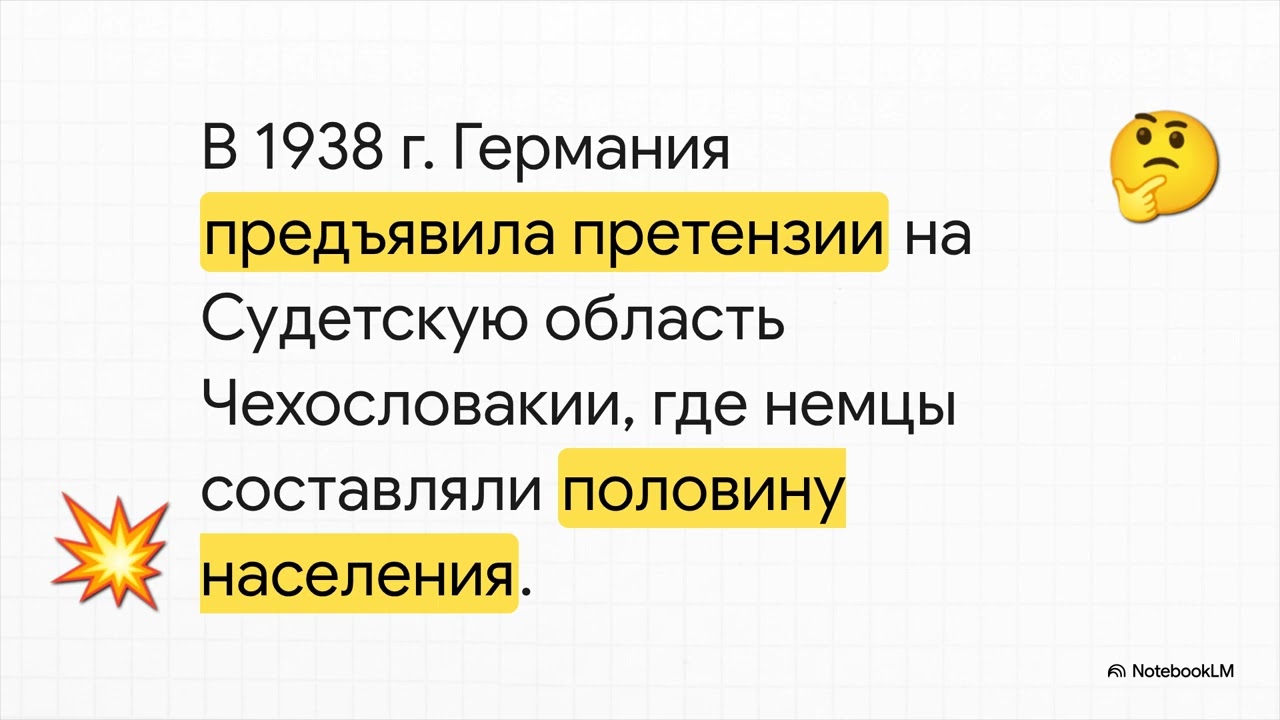
В 1930-е годы международная система, сформированная после Первой мировой войны (Версальско-Вашингтонская система), резко деградировала из-за экономического кризиса 1929 года, который усилил социальные противоречия и способствовал росту фашистских режимов. Германия под руководством Гитлера, выходя из Лиги наций, наращивала военную мощь, создавала антикоминтерновский блок и постепенно захватывала территории (Австрия, Чехословакия), пока западные державы, применяя политику умиротворения, не допустили вмешательства, что привело к началу Второй мировой войны в сентябре 1939 года.
Click to watch →
Deep Dive
Fundamental Art Analysis Vocabulary: Familiarity with terms regarding composition, medium, form, and the distinction between easel painting and public murals.

Key words to use in the AP Spanish Literature FRQs / Exam review (2024)
3.1K
When analyzing works of art in FRQs, students should use appropriate vocabulary: 'obra' (work), 'pintura' (painting), 'imagen' (image), 'fotografía' (photograph). Students should avoid using 'pictura' (an anglicism from English 'picture'). Key vocabulary for art analysis includes: 'primer plano' (foreground), 'trasfondo' (background), 'detalles' (details), 'colores' (colors), 'protagonista' (protagonist), 'expresión' (expression), and 'ambiente' (atmosphere).
Click to watch →
This skill is CRUCIAL for the beginner artist
11.6K
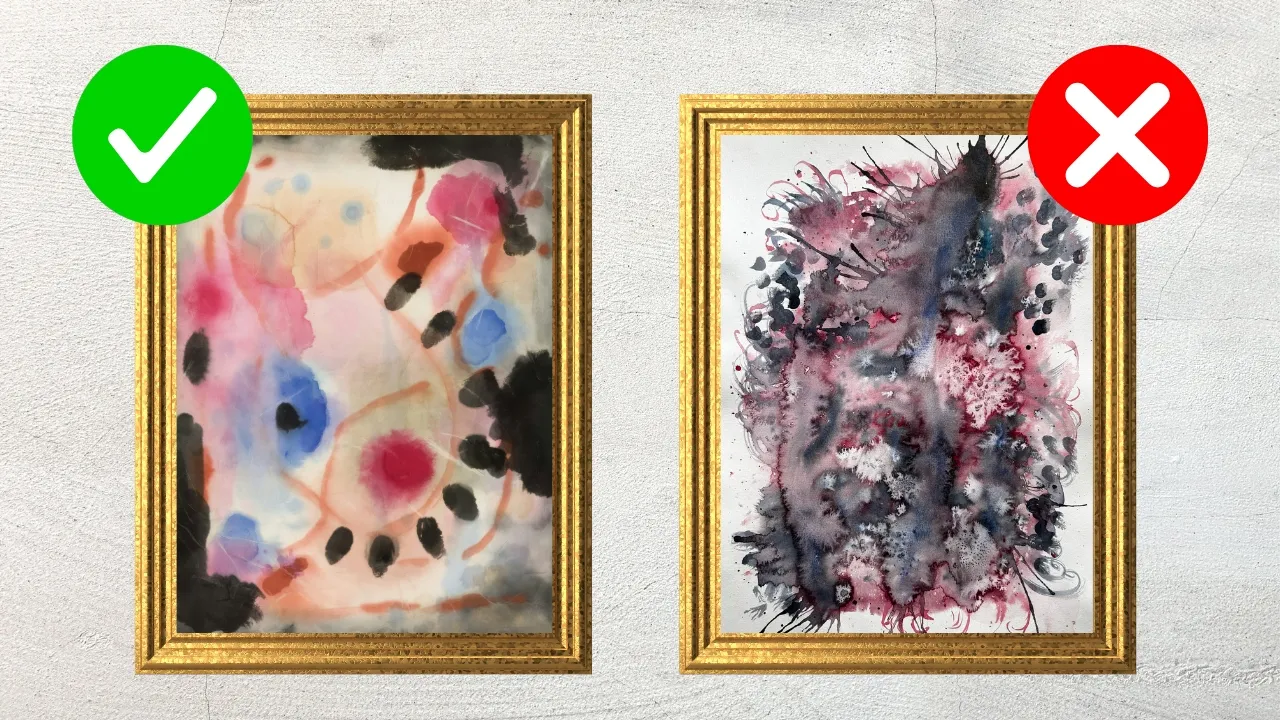
Art is subjective yet follows underlying rules and guidelines that serve as building blocks for effective artwork. These principles function like plot structures in compelling stories. The five fundamental categories for art analysis are: Medium (tools and materials used, each with strengths and limitations), Composition (arrangement of elements, focal point, movement, balance), Line Work (contours and shapes), Value (lights, shadows, and tones), and Color (hue, value, saturation, temperature, harmony). Contrast creates drama and interest—artwork lacking contrast appears flat and bland. Strategic use of contrast distinguishes strong artwork. Understanding these fundamentals helps artists recognize what works in their own art and what changes to make for improvement.
Click to watch →
Conceitos Fundamentais da Arte
2K
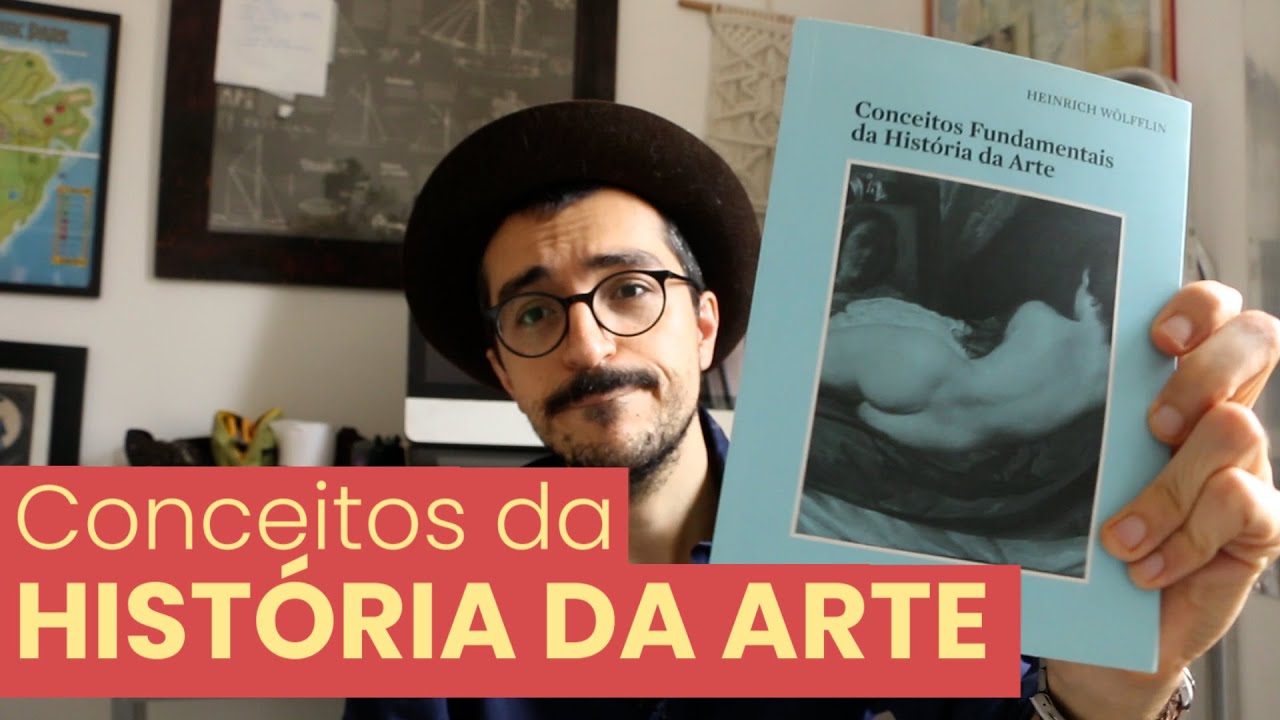
Heinrich Wölfflin's 'Conceitos Fundamentais da História da Arte' presents five key concepts for analyzing art: (1) Linear vs. Painterly - linear art uses clear outlines while painterly art uses light and shadow; (2) Plane vs. Depth - classical art keeps figures on the same visual plane while Baroque art creates diagonal depth; (3) Closed vs. Open Form - classical figures are self-contained while Baroque elements depend on the whole composition; (4) Multiplicity vs. Unity - classical figures are independent while Baroque elements are interdependent; (5) Clarity vs. Obscurity - classical art shows all figures clearly while Baroque art may hide faces or create shadowed areas. These concepts help identify artistic periods and remain useful for art analysis today.
Click to watch →

Critique Hour! How to improve art - advice about knowledge and study!
2.6K
Art fundamentals function like a language vocabulary. You cannot create complex scenes or portraits without first mastering the basic building blocks. When you present your brain with a picture or photo you like, it cannot pull off anatomy, symmetry, form, and light combined if you lack this foundational vocabulary. There are not that many fundamentals to learn - form, light understanding, and anatomy are the core elements that happen simultaneously in portraiture.
Click to watch →

Learn English with Art! B1 Lesson.
312
This section introduces fundamental art vocabulary essential for analyzing artworks. Key terms include: Portrait (focuses on face/head/upper body with personal features), Landscape (natural scenery like mountains/trees, focusing on setting), Intense (strong emotion or powerful visual qualities), Admired (looking at something impressive with pleasure), Features (facial characteristics like nose/eyes/mouth), Contrast (visual difference between light/dark areas adding depth), Figure (human form/bodies depicted), and Composition (arrangement of elements affecting balance/focus/flow). These terms provide the foundation for understanding and discussing art critically.
Click to watch →
Deep Dive
The Concept of Social Realism vs. Avant-Garde: Understanding how 20th-century artists balanced political messaging with radical aesthetic experimentation.

E. Buch, G. Rockhill and Á. Takács, "Aesthetic Revolutions and the Avant-Garde," Sorbonne 2015
310
Rákosi highlights two crucial aspects by which the avant-garde can be understood as an extension or radicalization of social realism. Like Marxism and social realism, the avant-garde should allow criticism of the status quo by all means. However, the critical operation does not lead to the denial of social reality, which was the failure of the traditional avant-garde. Instead, it contributes to possible social innovation. The role of the avant-garde is carrying out testing or experimentation with forms of social thinking, imaginary, and sensibility in order to create a more human consciousness. It is the only experimental way of the Marxist project in art.
Click to watch →
Abstract Painting and What is Avant Gard Russian Art?
112
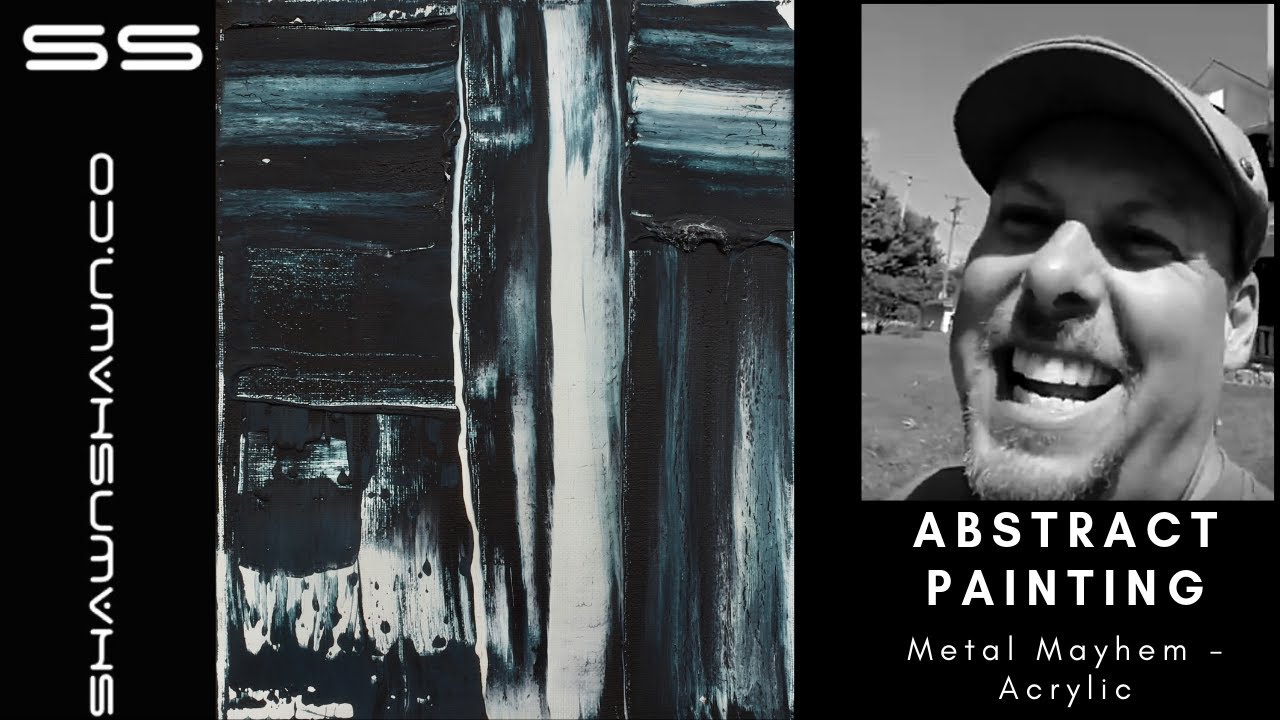
Socialist realism replaced the revolutionary avant-garde movements as the official art style under Soviet rule. While the avant-garde movements were revolutionary and socialist in nature, socialist realism was essentially a return to traditional realism (which was bourgeois in essence) but with Soviet heroes. This shift was ironic because the avant-garde movements were actually revolutionary, while socialist realism was a conservative return to tradition.
Click to watch →

Tom McCarthy presents "The Making of Incarnation," with Hal Foster
1.8K
The traditional opposition between realism and avant-garde fails because both are literary conventions. Realism is not actually realistic—Gertrude Stein's poems describe walking down New York streets more accurately than conventional realist prose. The meaningful distinction lies between art that places the authentic individual with unquestioned emotions as the measure of experience versus practices that recognize we are irremediably mediated, embedded in systems that precede and exceed us. Both approaches involve critical study—bringing things into relation with other things not to produce answers but to pursue thinking as pleasurable and necessary activity, particularly regarding relationships between technologies, power, and aesthetics.
Click to watch →
Идеи марксизма и новый взгляд на человека в искусстве / #TretyakovEDU
2.1K
Socialist Realism, which emerged in the 1930s, paradoxically restored the figure of the autonomous artist. While artists served the people rather than privileged classes, the relationship between socialist artists and the state/nation was structurally similar to previous societies. Professional artists produced quality realist works that satisfied the interests of the working class and peasantry, maintaining a division of labor that preserved artistic autonomy in a new form. Artists like Isaac Brodsky, who created works for the 2nd Congress of the Comintern, were non-partisan salon artists who loved beauty and could capture moments as forms regardless of content. There were diametrically opposed interpretations of Socialist Realism. The official Soviet view held that art should depict the future truth of communism, so depicting things as they are was considered lying. In contrast, Georg Lukács and Mikhail Lifshits advocated for 'true' Socialist Realism as reflection of reality's contradictions. Marx observed that art, as something lacking material interest in itself, faces threats in capitalist reality. The further development of capitalism inevitably leads to art's degradation and replacement by mass production and culture that loses its specific qualities. This idea of art's degradation as capitalism develops was crucial for early 20th-century art theories, which viewed the existing world as hostile to art and culture, moving toward self-destruction that could potentially be prevented by revolutionary action. The first avant-garde (1910s-1920s) was revolutionary in its approach to art and society. Artists like Tatlin envisioned objects as 'comrades' rather than masters over humans, and artists like Rodchenko saw the artist as a producer. This program of world reconstruction was based on creating a new human who would build their own culture and identity in a new society. The first avant-garde addressed the 'new man' who was yet to be created. The second avant-garde (1950s-1970s) differed fundamentally from the first. After the historical defeat of the first avant-garde's program of world reconstruction and the rise of totalitarian societies, the new avant-garde addressed not the 'new man' to be created but the existing society of mass consumption. Artists no longer sought to destroy and rebuild society from the ground up but aimed to improve it through critique and strategies of visible undermining. The key difference between the first and second avant-garde lies in the relationship to the viewer. The viewer is no longer understood as an object of propaganda but as a participant in dialogue with the artist. Neither the artist nor the viewer is considered neutral—the artist is not a genius solitary creator, and the viewer is expected to recognize their social and historical rootedness in specific groups of interests. On these new foundations, dialogue between artist and viewer emerged through what in the 1960s was called the 'open artwork.' This type of artwork includes installations, video works, performances, and other new genres that emerged from the recognition of the historical end of revolutionary ideas of the first avant-garde. Contemporary people are essentially descendants of the 'new man' who was never fully formed or realized. We live in the partially constructed but realized dream of modernism, where our conditions of life reflect this unfulfilled vision. Marx and Freud, along with Nietzsche, were critical thinkers of the 19th century who shared a fundamental distrust of consciousness and the Enlightenment concept of the autonomous individual. They revealed that what appears as freedom may actually be unconscious compulsion. For Marx, unconscious forces are the conflicts between labor and capital or between productive forces and relations of production. This discovery shocked the early 20th century and influenced various social phenomena.
Click to watch →

第1318回 ロシアアヴァンギャルドと社会主義リアリズム 2018.06.25
1.8K
Russian Avant-Garde and Socialist Realism are not opposing forces as commonly believed. Russian Avant-Garde flourished from the 1910s-1920s, while Socialist Realism emerged under Stalin in the 1930s. The conventional narrative holds that Socialist Realism suppressed Avant-Garde, but this overlooks deeper connections. Both movements share fundamental characteristics, particularly regarding the concept of 'the end of history.' For Socialist Realism, history had already ended with socialism's arrival, meaning it held no fixed position within historical development. This challenges the simplistic opposition between avant-garde art and totalitarianism.
Click to watch →
Prerequisite Knowledge
- Concept 01Introduction to Mexican Muralism: Understanding the socio-political goals of the movement and the roles of 'Los Tres Grandes' (Rivera, Orozco, and Siqueiros).
- Concept 02Geopolitical Climate of the 1930s: Basic knowledge of the rise of global fascism, the Spanish Civil War, and the Marxist intellectual response of the era.
- Concept 03Fundamental Art Analysis Vocabulary: Familiarity with terms regarding composition, medium, form, and the distinction between easel painting and public murals.
- Concept 04The Concept of Social Realism vs. Avant-Garde: Understanding how 20th-century artists balanced political messaging with radical aesthetic experimentation.
Subsequent Learning
- Step 01Siqueiros' Experimental Workshop in NY: Investigating how Siqueiros' use of industrial materials (like pyroxylin) and dripping techniques influenced Jackson Pollock and the birth of Abstract Expressionism.
- Step 02Comparative Art History: Analyzing how other politically active artists of the 1930s, such as Pablo Picasso with 'Guernica', responded to the Spanish Civil War.
- Step 03The Science of Art Conservation: Exploring the modern restoration challenges associated with preserving Siqueiros' non-traditional, industrial paint mediums.
- Step 04Art and Activism in the Modern Era: Examining how contemporary public art and street murals continue to serve as vehicles for political commentary and protest.
Conflict Imagery
Radical Reflection
Conflict Imagery
0:10Playing Section
- 1
Students analyze violent imagery of two groups in conflict.
- 2
Focus on weapons, armor, and figures turning weapons on themselves.
- 3
Discussion builds on historical context and social themes.
The Ethical and Political Critique of Siqueiros's Stalinism
While Siqueiros is celebrated for his revolutionary fervor and radical artistic techniques, critics and historians raise significant concerns about his militant Stalinism and its impact on his legacy. Siqueiros was an active defender of the Soviet regime under Joseph Stalin, even participating in a violent, failed assassination attempt against Leon Trotsky in Mexico in 1940. This counter-perspective argues that Siqueiros’s art cannot be divorced from his totalitarian alignment. Critics contend that his works often function as dogmatic propaganda rather than liberating political commentary, and that celebrating his 'radical politics' in museum settings glosses over the oppressive realities of the ideologies he actively championed. This viewpoint challenges students to critically examine the ethical responsibilities of the artist and the potential dangers of art serving authoritarian regimes.
Deep Dive
Siqueiros' Experimental Workshop in NY: Investigating how Siqueiros' use of industrial materials (like pyroxylin) and dripping techniques influenced Jackson Pollock and the birth of Abstract Expressionism.

Grandes Figuras del Arte Mexicano | David Alfaro Siqueiros. Arte y Revolución
613
After his rupture with Blanca Luz Brum, Siqueiros went to New York and established an experimental workshop. Important artists came, including Jackson Pollock, who never had sympathy for Siqueiros despite learning his rapid-drying painting techniques from him. Siqueiros was more generous, teaching Pollock his methods. This period demonstrated Siqueiros' influence on American abstract expressionism and his role as a teacher and innovator in experimental art techniques.
Click to watch →

1936 Siqueiros Experimental Workshop - Presented by Carlos Morales
476
Mexican muralist David Alfaro Siqueiros conducted an experimental workshop in New York City in 1936, where he taught anti-fascist artists revolutionary techniques including the use of spray guns, industrial materials like automotive enamels, and the drip technique. This workshop, organized with the help of Harold Lehman and attended by artists including Jackson Pollock, marked a pivotal moment in art history where Siqueiros' innovative methods—developed through his experiences in California, Argentina, and Uruguay—were first systematically taught to American artists, directly influencing the development of abstract expressionism.
Click to watch →

Vida Americana: Mexican Muralists Remake American Art with Barbara Haskell
580
David Alfaro Siqueiros opened a workshop on 14th Street in New York in 1936, serving as a laboratory for revolutionary techniques. The workshop made large-scale posters, 15-foot paintings, and floats for political events. Members practiced unconventional methods like throwing paint on canvas and using spray guns. Jackson Pollock was one of only three artists Siqueiros wrote to when he left for the Spanish Civil War. Pollock's drip technique and use of unconventional materials were directly influenced by this workshop experience. Despite never acknowledging the influence, Pollock's family and friends recognized how liberating this experience was for his artistic development. The workshop's philosophy that revolutionary art must be revolutionary in materials and techniques as well as content directly shaped the development of abstract expressionism.
Click to watch →

David Alfaro Siqueiros: Murals as Political Resistance in Mexico and LA
429
When invited to paint in Los Angeles in 1932, Siqueiros deliberately defied expectations by creating América Tropical—a mural that placed a crucified indigenous peasant beneath an American eagle symbolizing US imperialism. This direct political critique caused immediate outrage and censorship, with the mural whitewashed within two years. Decades later, the Getty Museum rescued and conserved the surviving fragments. In New York, Siqueiros founded an experimental workshop that revolutionized painting techniques: using industrial materials, spray guns, floor-level canvases, and embracing accidental effects. This workshop profoundly influenced Jackson Pollock, whose action painting techniques echo Siqueiros' innovations.
Click to watch →
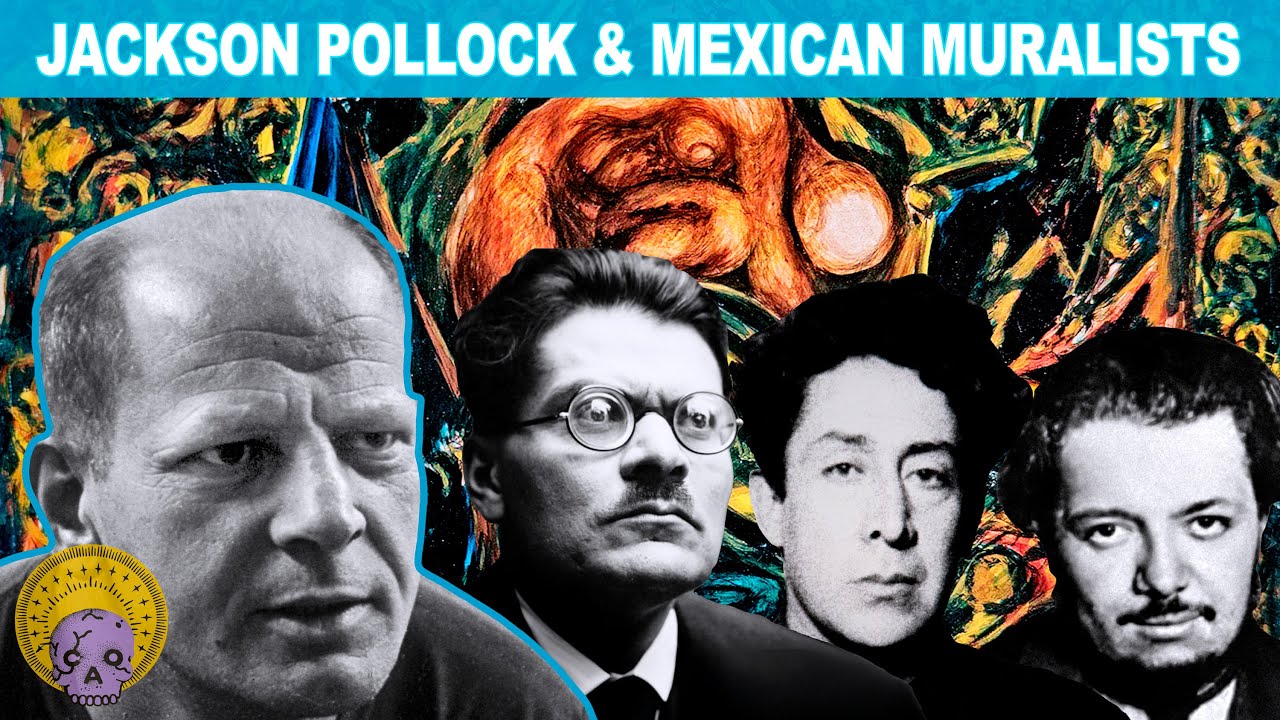
How Mexican Muralists Transformed Jackson Pollock's Art
8.3K
The 1936 experimental workshop in New York represented a transformative artistic environment for young attendees. There was an immediate bond between Siqueiros and Pollock, beginning each day with physical play. The workshop overturned traditional notions that only representational art held value, challenging neoclassical ideals. Attendees experimented with spraying through stencils, embedding wood, metal, sand, and paper, using paint in thin glazes or thick gobs, pouring, dripping, splattering, and hurling it at surfaces. Siqueiros wanted to use the same tools as modern workers and create art accessible to the working class. While some emphasize dripping and pouring as key influences, it was Siqueiros's irreverent creativity and unorthodox material use that most profoundly impacted Pollock's technical approach and conceptual understanding of painting.
Click to watch →
Deep Dive
Comparative Art History: Analyzing how other politically active artists of the 1930s, such as Pablo Picasso with 'Guernica', responded to the Spanish Civil War.
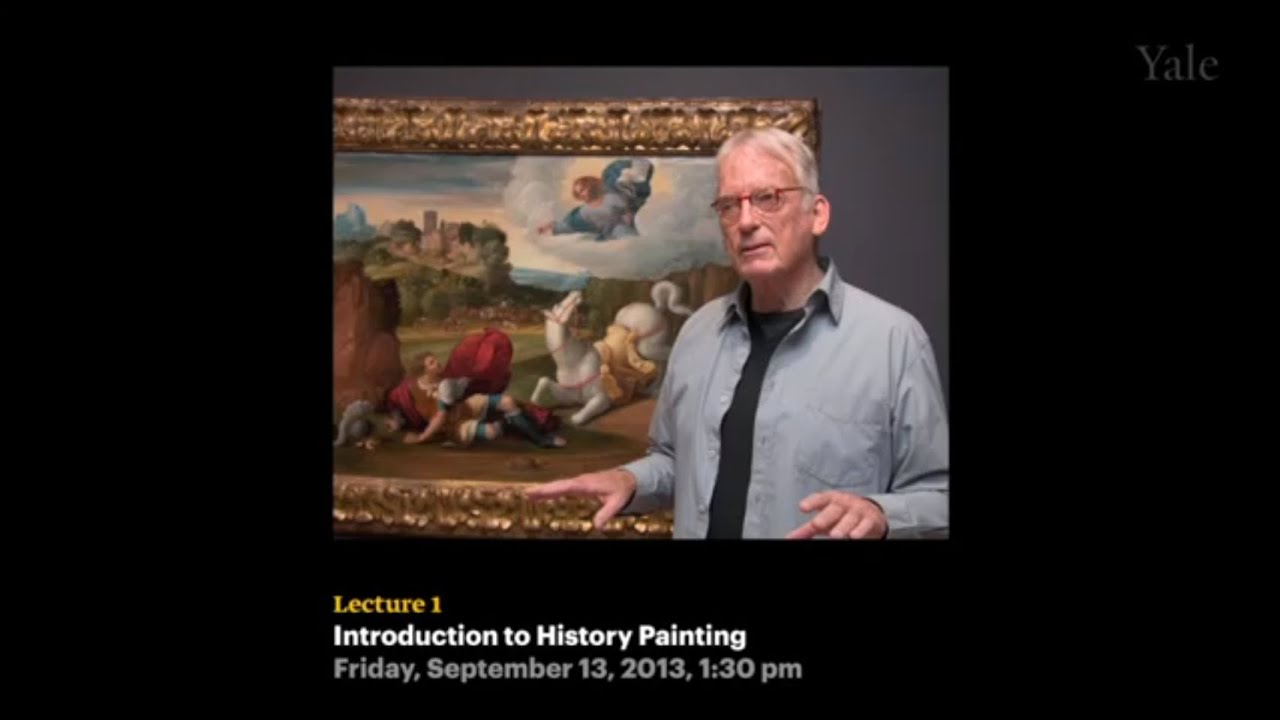
Lecture 1, Introduction to History Painting
382K
Narrative pictures need to be compared with others to understand better what the artist added to the tradition of representing the same subject or altered or borrowed from them. Art history thrives on comparisons. Benjamin West gave the scene of Agrippina's Landing tremendous severity—the central group has white robes to distinguish it and moves solemnly across from ships toward temples and the city. Gavin Hamilton painted the same rare subject a little earlier with the same basic layout, but West introduced changes: eliminated the pointless climb up the steps, used more somber colors, created a graver tone, made figures more numerous and smaller, and created a much grander architectural setting—all pulling attention to the heart of the matter: Agrippina's defenseless confrontation with official Rome.
Click to watch →
Weird Tales: The Temple - by H.P. Lovecraft
41.4K
The story describes temple sculptures as displaying 'inexpressible beauty' with idealized pastoral scenes and processions of priests and priestesses bearing ceremonial devices in adoration of a radiant God. The narrator notes that the architectural style appears largely Hellenic yet strangely individual, implying an impression of Tamil antiquity as though it were the remotest rather than immediate ancestor of Greek civilization. This illustrates comparative art history concepts, examining how artistic styles influence each other across cultures and time periods.
Click to watch →

Conferencia: El de región, no es un concepto transparente, Andrea Giunta (CONICET/IIEGE-UBA)
194
This segment explores comparative methodologies in art history that expand traditional regional concepts. The presenter discusses research projects examining artistic exchanges between Argentina and East Germany during the Cold War, including works on simultaneous vanguardisms, action art, and diaspora experiences. The concept of mobility is introduced as a framework that accounts not only for displacements but also for frictions and amalgamations produced in works and images, and the energy released through networks of contacts. Comparative studies allow observation of characteristic features of postwar vanguardisms, the vast geography involved in diaspora studies, and shifts produced by mobility studies. The segment emphasizes that many themes are relatively new and relate to artistic circuits inscribed in globalization and the global south, challenging traditional Eurocentric approaches.
Click to watch →

Gentile Bellini's Portrait of Sultan Mehmed II
1.2K
This section presents comparative approaches to understanding cross-cultural artistic encounters. Comparing Mehmed II's portrait with the Shahnameh manuscript illustrates how different early modern Islamic empires approached portraiture—while the Shahnameh contains hundreds of allegorical paintings without direct portraits of Shah Tahmasp, Mehmed II embraced Western Renaissance realism. The methodology of tracing one artwork's long life across centuries offers advantages over traditional artist/movement-focused approaches, discovering unexpected connections and challenging familiar narratives. Both Mehmed II's portrait and Ayuba Sulaiman Diallo's portrait share patterns: lost for centuries before rediscovery, representing cross-cultural contact moments, valued for empathetic representation, and caught in 21st-century geopolitics. These cases demonstrate that artistic meaning exists in webs of historical and transnational connections rather than within paint strokes alone, and that borders are arbitrary constructs that artworks help us question.
Click to watch →
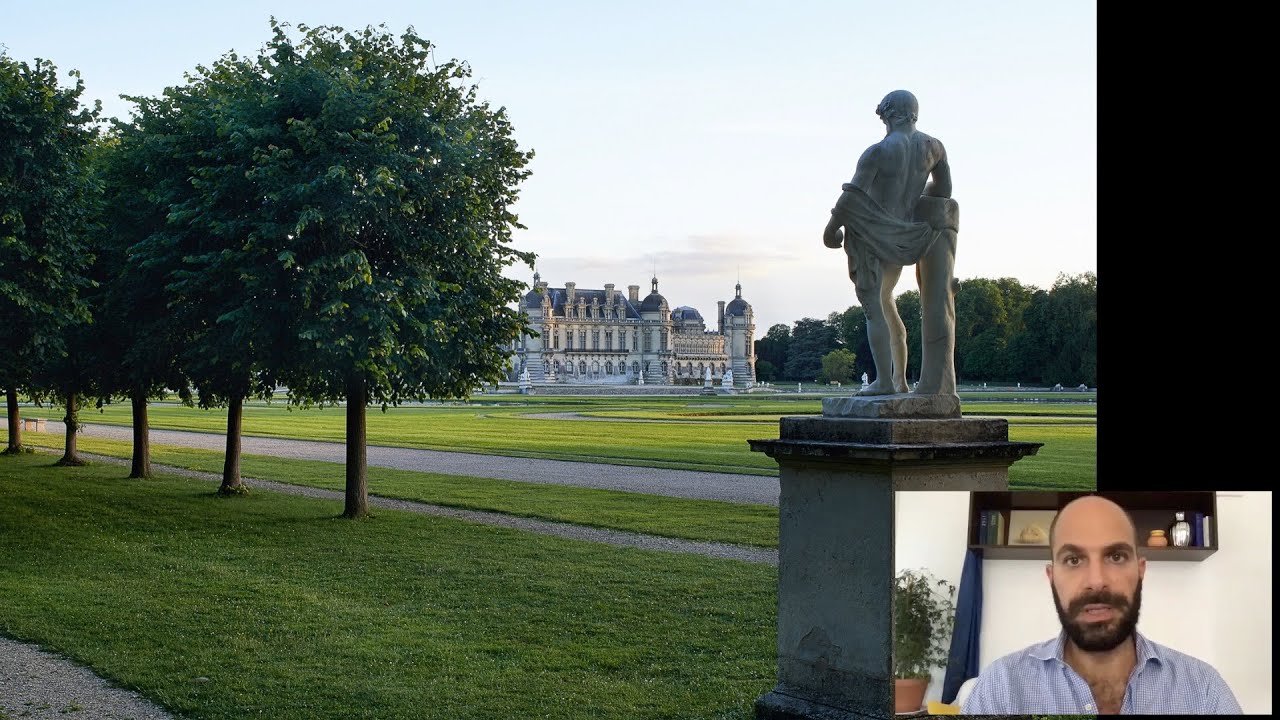
Travels with a Curator: Chantilly
25.3K
The differences between the Frick Collection and Chantilly illustrate how curatorial decisions reflect broader historical and cultural contexts. While both institutions house important European art, the Frick Collection, founded by Henry Frick in early twentieth-century America, reflects American tastes of that era, lacking works by Poussin, Raphael, and Baroque Italian masters. In contrast, the Duke d'Aumale's nineteenth-century French taste led him to acquire these very works, including three paintings by Raphael, including a small work of the Three Graces from his youth. This comparison reveals how national identity, historical periods, and individual collector preferences shape which artworks enter major collections. The absence of certain artists at one institution does not diminish their importance globally—it simply means they exist in other institutions where different curatorial priorities prevailed.
Click to watch →
Deep Dive
The Science of Art Conservation: Exploring the modern restoration challenges associated with preserving Siqueiros' non-traditional, industrial paint mediums.
The Science Of Art Conservation | The Art of Preserving Art
9.8K
Art conservation emerged over the last century as a scientific discipline combining art, science, and technology. Core principles mandate that nothing external should be added without meeting strict reversibility requirements. Human intervention uniquely differs from natural forces by potentially stopping irreversible deterioration. Scientific analysis tools including electron microscopy, X-ray radiology, and infrared reflectography enable precise diagnosis before physical intervention. Different materials require distinct approaches: paintings follow systematic stages of stabilization and visual masking; sculptures require major reintegration for volume reconstruction; metals face chloride-induced deterioration challenges. Each medium demands specialized techniques while sharing core principles of reversibility and minimal intervention.
Click to watch →

A La Carte
645.2K
This extended segment demonstrates the technical execution of art conservation treatments. The video covers color theory fundamentals essential for retouching, explaining how expert conservators perceive colors as combinations of component parts rather than single hues. Material science principles are demonstrated through adhesive removal techniques: hygroscopic rabbit skin glue is swollen with water using Laponite to make it brittle and removable with a dull scalpel. Temporary facing with fish gelatin and washi cozo holds canvas pieces together during treatment. The hot table applies controlled heat and pressure to flatten seams and remove residual adhesive. Material preparation requires cutting Belgian linen larger than the stretcher, polyester film slightly smaller, and checking all materials for debris that could create visible bumps. These interconnected technical skills form the backbone of successful conservation treatment.
Click to watch →
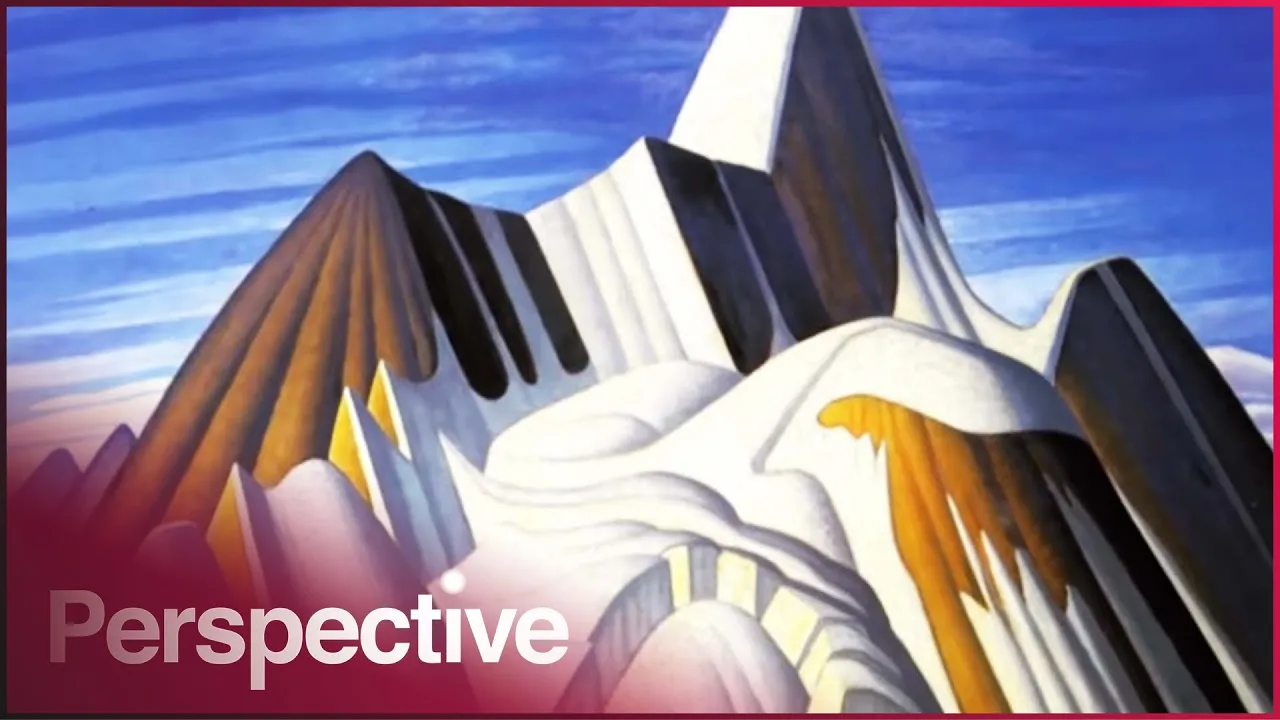
Nature’s Influence On The Great Canadian Artists
36.4K
Art conservation requires scientific approaches to preserve Canada's artistic heritage. Conservators use saliva as a mild enzymatic cleaning solution that breaks up dirt without damaging paint layers. Before treatment, paintings must be tested for compatibility. The McMichael Collection uses three key-card-access vaults with specialized storage systems: paintings on side-by-side racks, objects on specialized racks, and papers in cylinder boxes. UV-filtering films protect artwork from sunlight while maintaining views of the wilderness. These techniques address decades of accumulated dust, soot, and nicotine from previous environments. The museum continuously monitors air temperature and humidity in each gallery, using building automation systems with sensors to maintain optimal conditions for preserving thousands of artworks.
Click to watch →
Season 8 Episode 5 | The Repair Shop (Full Episode)
85.6K
Art conservation applies scientific principles to preserve cultural heritage. Understanding how varnish affects color perception, selecting appropriate consolidants, and using traditional materials like gesso enables conservators to restore artworks authentically. The field bridges art history, chemistry, and craftsmanship to ensure historical objects remain accessible for future generations.
Click to watch →
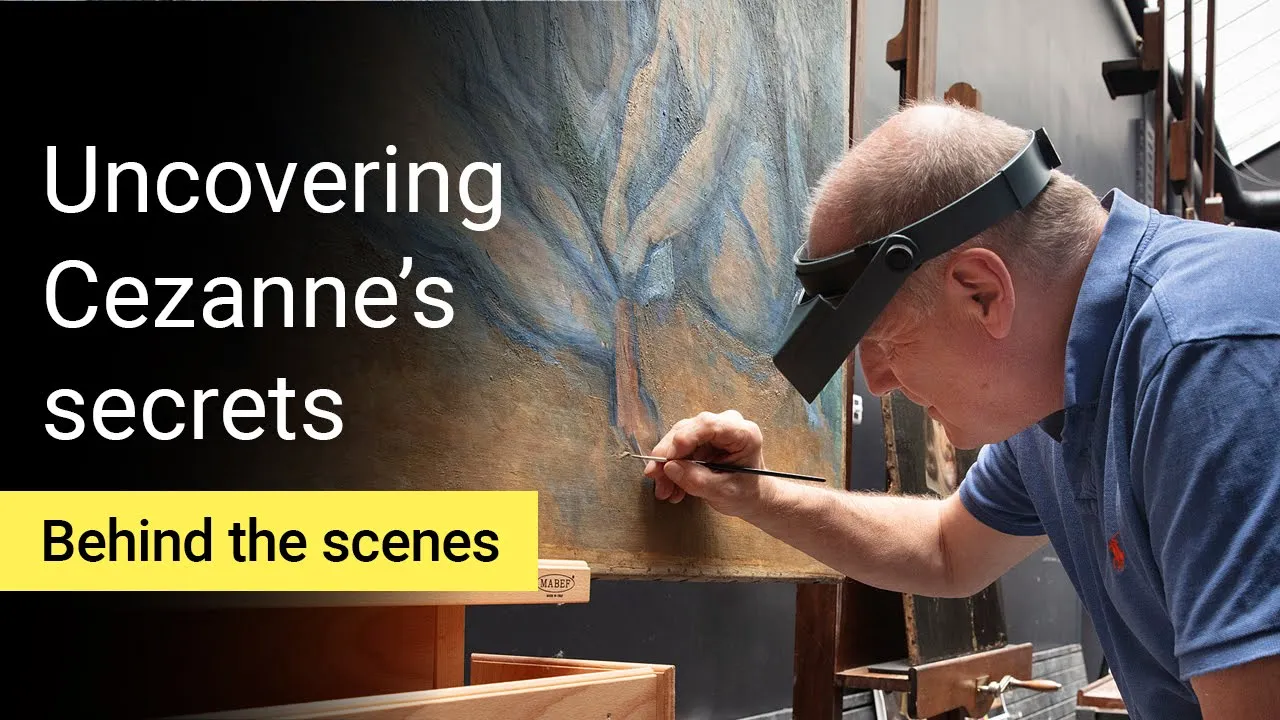
Why did Cezanne change his mind when painting ‘Bathers’? | National Gallery
22.7K
Art conservation combines scientific examination with historical investigation. The cleaning process removes accumulated dirt and yellowed varnish, dramatically restoring color vibrancy and revealing subtle tonal variations. Technical examination reveals historical interventions: newspaper fragments from French conservation in the 1920s, tack holes showing original canvas construction, and physical canvas extensions. These discoveries demonstrate how conservation science uncovers artistic decisions and historical treatment practices, providing evidence about when, where, and how paintings have been preserved and modified over time.
Click to watch →
Deep Dive
Art and Activism in the Modern Era: Examining how contemporary public art and street murals continue to serve as vehicles for political commentary and protest.

Radical! Женщины в искусстве модернизма 1910 - 1950. Часть 2
486
Women in the modernism period (1910-1950s) used art for two primary purposes: asserting national identity outside Eurocentric contexts and engaging in activist activities. This activism extended beyond women's rights to include fighting for minority rights, anti-Semitism, anti-war activities, and revolutionary movements. Women leveraged new artistic genres and media to create space for themselves in the art world, using traditional crafts like embroidery as foundations for artistic protest and self-expression.
Click to watch →

Charla-debate Ana Longoni
191
The category of artistic activism has a much longer history than the last three decades. It traces back to historical vanguard movements. Gerald Raunik's book 'Arte y Revolución' presents a genealogy showing the confrontation between Berlin Dada and a group called 'activismo artístico.' For this group, the political nature of artistic practice resided in content rather than form. Walter Benjamin used the concept to refer to forms of artistic agitation that can be connected to what later became known as socialist realism.
Click to watch →
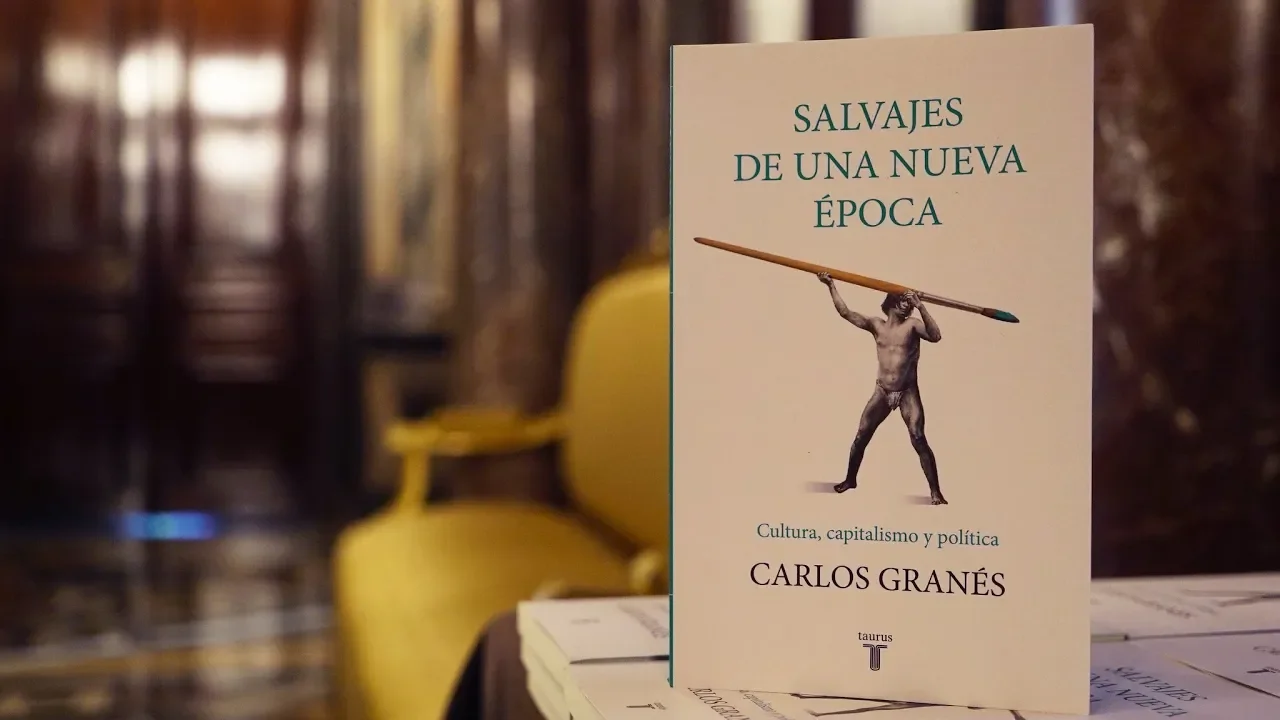
Salvajes de una nueva época, de Carlos Granés
3.2K
It is curious that you cite the trans movement as probably the last initiative that really goes with teeth to the places that art occupied before. Everything that we assimilate, that radicality that we see has been lost in the orthodox spaces of culture, is taken by activism, which links it enormously with politics. Before it was politics that appropriated the mechanisms and roles of the historical vanguard, and now it is activism that attempts to give the jump to occupy the spaces that were denied to it. It is increasingly difficult to differentiate between artists and activists, there are even those who call themselves 'artivists.' Today we see a lot of people concerned about what certain politicians have left aside: concerns about climate change, migrants drowning in the Mediterranean, gender claims, visibility of minorities, etc. These are the moral issues of our era, against which many politicians have had very successful careers.
Click to watch →

Equator Symposium Online Series -- DAY 02
112
The use of art in activism has been intertwined for a long time, dating back at least to Plato who wanted to ban poets because they could disrupt politics. While socially engaged art as a genre has only existed for about three decades, the relationship between art and activism predates this modern categorization.
Click to watch →

Arte y activismo
597
El 1968 representa un parteaguas en la relación entre arte y activismo, marcando un momento de activación de esta conexión. Influencias importantes incluyen acciones artísticas que cambian estatuas de colonizadores y dictadores, el graffiti como arte que retoma superficies con significado social, y artistas como Tania Bruguera y David Alfaro Siqueiros. El graffiti es particularmente interesante porque ocupa superficies que no son bastidores ni papel, sino paredes con significados sociales más amplios. La pintura en el espacio público a menudo le da significado fuerte a la cultura, y esta inclusión plástica del graffiti representa un campo de estudio amplio.
Click to watch →
Conflict Imagery
Radical Reflection
Conflict Imagery
0:10- 1
Students analyze violent imagery of two groups in conflict.
- 2
Focus on weapons, armor, and figures turning weapons on themselves.
- 3
Discussion builds on historical context and social themes.
The Ethical and Political Critique of Siqueiros's Stalinism
While Siqueiros is celebrated for his revolutionary fervor and radical artistic techniques, critics and historians raise significant concerns about his militant Stalinism and its impact on his legacy. Siqueiros was an active defender of the Soviet regime under Joseph Stalin, even participating in a violent, failed assassination attempt against Leon Trotsky in Mexico in 1940. This counter-perspective argues that Siqueiros’s art cannot be divorced from his totalitarian alignment. Critics contend that his works often function as dogmatic propaganda rather than liberating political commentary, and that celebrating his 'radical politics' in museum settings glosses over the oppressive realities of the ideologies he actively championed. This viewpoint challenges students to critically examine the ethical responsibilities of the artist and the potential dangers of art serving authoritarian regimes.
Introduction to Mexican Muralism: Understanding the socio-political goals of the movement and the roles of 'Los Tres Grandes' (Rivera, Orozco, and Siqueiros).
Geopolitical Climate of the 1930s: Basic knowledge of the rise of global fascism, the Spanish Civil War, and the Marxist intellectual response of the era.
Fundamental Art Analysis Vocabulary: Familiarity with terms regarding composition, medium, form, and the distinction between easel painting and public murals.
The Concept of Social Realism vs. Avant-Garde: Understanding how 20th-century artists balanced political messaging with radical aesthetic experimentation.
Siqueiros' Experimental Workshop in NY: Investigating how Siqueiros' use of industrial materials (like pyroxylin) and dripping techniques influenced Jackson Pollock and the birth of Abstract Expressionism.
Comparative Art History: Analyzing how other politically active artists of the 1930s, such as Pablo Picasso with 'Guernica', responded to the Spanish Civil War.
The Science of Art Conservation: Exploring the modern restoration challenges associated with preserving Siqueiros' non-traditional, industrial paint mediums.
Art and Activism in the Modern Era: Examining how contemporary public art and street murals continue to serve as vehicles for political commentary and protest.
15.6K views151likes2:38@themuseumofmodernartOriginal Release: 2013-12-30
- Hi, my name is Lisa Libicki.
I'm a School Programs Educator here at MoMa.
This is Collective Suicide by David Alfaro Siqueiros.
So usually when I bring students here they immediately notice the sort of top two thirds of the painting and how sort of crazy the paint application is.
They notice these applied panels.
Looking at this set of figures students immediately notice they're on horseback, they have weapons, the coloring suggests a sense of armor that they're wearing, and helmets.
We see a second population of figures.
You notice that they have weapons too, but they're not directly engaging in battle with this group rather the weapons have been turned on themselves and we start noticing blood and that they seem to be committing suicide as the title also explains.
All these observations together start building this very social and politically minded conversation about okay, why are they doing this?
And whether or not they've studied 17th century Mexican Spanish history they can get sort of like a generalized notion of like two civilizations in conflict.
So I think this piece really resonates with students.
One of the reasons I think has to do with sort of the form of the painting.
I like to introduce the idea that Siqueiros really felt that if you're going to be talking about radical social and political sort of themes content-wise then you're method of producing that image should be equally radical.
Secondly, on sort of like a different note, is like hey, this guy was so politically engaged.
He fought in the Mexican Revolution, he went over to Spain and was about to at this moment when he painted this, fight in Spain's Civil War.
And yet, in the 1930's did he choose to paint about any of those things?
No.
Instead he reflected back on this incident from the 1600's.
And I think students find that sort of curious, I find that sort of curious, and we start to have a discuss about why would you do that?
What would be the value to kind of reflect on contemporary ideas and situations and concerns by reflecting back on past issues?
And I think that's something that really almost like challenges them and really makes their brains turn in new directions.
Up Next

62:11
Orozco's Epic of American Civilization: Messianic Time & Conquest
@dartmouth
6.8K views•2012-05-02

114:18
Christian Iconography: History, Theology, and Meaning | Fr. Panayiotis Papageorgiou
@Trisagionfilms
58.8K views•2020-02-21
10:02
Max Ernst: Beyond Painting | MoMA Curator Explores Surrealist Art
@themuseumofmodernart
257.2K views•2017-10-05

16:34
Earliest Depictions of Jesus in Art: 10 Ancient Images Explained
@UsefulCharts
5.9M views•2022-06-03
Related Study Plans & Knowledge Roadmaps
Structured learning paths in Art History
art-history
Gothic Cathedrals: Engineering, Light & Society
01The Birth of the Gothic: Romanesque to Suger's Vision
02The Structural Triad: Pointed Arches, Ribbed Vaults, and Flying Buttresses
03Theology of Light: Lux Nova and Sacred Geometry
+ 2 more learning modules
14h5 modules
Explore Roadmap
art-history
Pre-Raphaelites: Realism, Symbolism & Critique
01The Victorian Art Establishment and Academic Formula
02The Founding of the PRB and Radical Realism
03Medieval Revivalism and Literary Symbolism
+ 1 more learning modules
8h4 modules
Explore Roadmap
art-history
Street Art: From Subways to Art Market
01Subcultural Origins in Philadelphia and New York (1970s)
02The Subway Era and Style Wars (Late 1970s - 1980s)
03The East Village Scene and Early Gallery Crossover
+ 2 more learning modules
10h5 modules
Explore Roadmap
art-history
Classic Maya Art: Iconography, Glyphs & Ritual
01Foundations of Classic Maya Visual Culture
02Deciphering Maya Hieroglyphs & Text-Image Integration
03Sacred Geography and Cosmological Architecture
+ 2 more learning modules
14h5 modules
Explore Roadmap