
















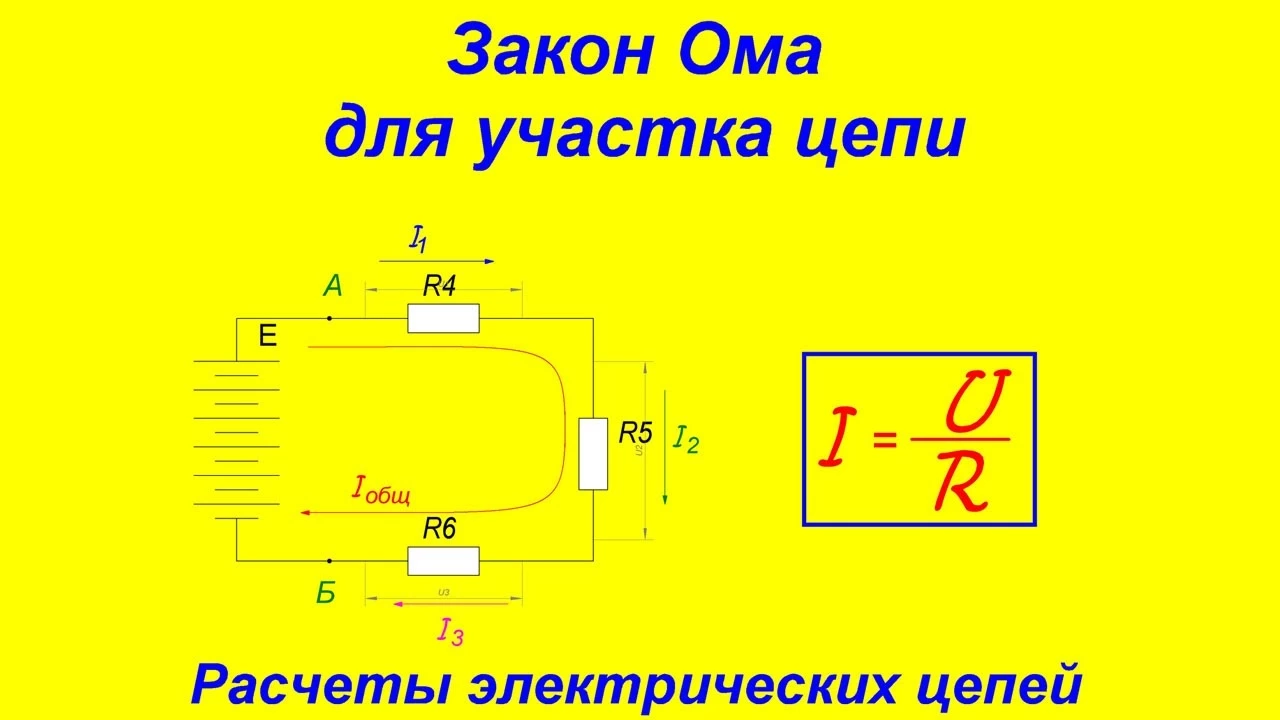






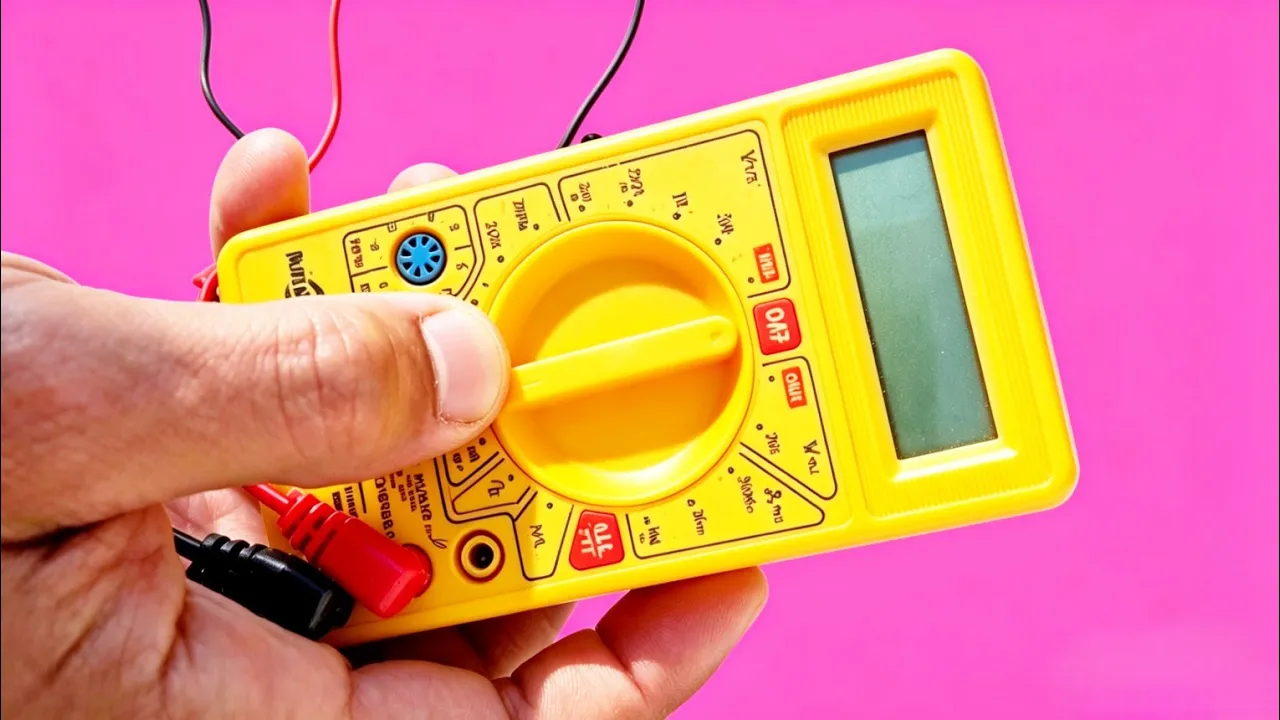

In electrical systems, voltage (measured in volts) represents the pressure or force driving electricity, current (measured in amps) represents the actual flow of electricity, and resistance (measured in ohms) represents how difficult it is for electricity to pass through a material. These three quantities are related by Ohm's Law: V = IR (voltage equals current multiplied by resistance). Power (measured in watts) represents the rate of energy transfer and is calculated as P = VI (power equals voltage multiplied by current). Since voltage and current are directly proportional, changing one affects the other; doubling voltage quadruples power because both voltage and current increase proportionally. This relationship means equipment ratings are specific to particular voltages, and using incorrect voltages can cause devices to overheat and fail catastrophically.
Understanding Voltage, Current, Resistance, and Power in Electrical Circuits
Added:hello I'm JW this time gonna have a look at those four things as on the title so volts amps resistance and power so all these things are closely related and it happens if you can find at least two of those things you can actually calculate the other two and this is actually a useful because a lot of equipment does have all of those four listed on there and it may be useful to know these things in many situations and certainly things like so heating equipment if you know say the resistance you can then work out the power for various voltages and again if you happen to come along to it and it just told you what the actual rating was then it can work at the resistance and do a quick check there to see if it's within the kind of expected range so this will be a fairly brief overview in terms of what these units actually are obviously on current whose depth because I can take literally hours but this is more just a view of what they actually are how they're related and how you can actually use these things for real installations so let's first we'll have a look at voltage and you've all be seen voltage on many things you've got say a 240 volts for the mains well it might be 120 volts if you live in certain other countries lne well things like 12 volts would be a car battery and then sort of your 1.5 volts might be one of those double-a batteries Annika there's all kinds of different levels there if you happen to climb of a pylon or something in the UK then the small ones would have eleven thousand volts on there and of course the ones that made of metal would have considerably higher and generally the case that voltage can be thought of as in a physical pressure and the higher the voltage then the higher the pressure or the force that's going to be involved there now what it is always measured between two points because essentially it's a difference between two points usually that's going to be the ground and whatever you're testing so in the case of that main circuits but if voltage was sort of considered to be pressure let's say a reasonable sort of comparison and it just says with pressure so on water pressure or whatever if the voltage is higher that means it's not more force behind it so if you open the tap and there was a massive pressure behind it huge amount of water is going to come out of there on the other hand if there was a tiny pressure not at all and the water below us basically crawl out of there and the same sort of thing applies with electricity in that if you have a higher voltage or any kind of given piece of equipment if you turn at the voltage then a lot more electricity is going to be flowing through there now speaking of how much electricity is flowing through there this is the current current is measured in amps using the symbol a so you might have say five amps or you can just sort of put five a and the current is really how much electricity is actually flowing through there so example a 5 ampere circuit might be take typically used for lighting and it's fairly moderate amount of power but if we had a huge electric shower you might require say a 45 amp circuit shower is considerably more powerful therefore it needs a lot more electricity to actually make the thing operate correctly and of course has all kinds of other ratings in between generally in a domestic situation you're going to be seeing much above the fortified amps range but of course where other places all kinds of ratings above that are easily obtained and regularly used so voltage is the amount of pressure involved so high voltage made high pressure or a lot more force behind the electricity this is why things like climbing of a pylon is so dangerous so you got this massive voltage here say eleven thousand volts or in some cases four hundred thirty five thousand volts and the higher the voltage the more current is going to go through any particular item so if a person climbed up a pylon and grabbed hold of the four hundred thirty five thousand volt wires the amount of current that we've shoved through the body would be massive and it put out to cause instant death on the other hand if you went and licked the terminals okay Tralee 1.5 volt battery not wait what's going to happen because the voltage is so tiny there's not a lot of force behind it so the amount of current that's going to flow is going to be extremely small so it's all kind of relative you increase the voltage that generally increases the current as well now if any particular item say a person or piece of equipment it has a property which is called resistance and resistance as the name suggests is the amount of resistance it puts up to current actually going through there so if something has a high resistance then it's actually quite difficult for electricity to get through there and conversely if it has a low resistance then it's very easy for considerable out of olicity to get through so if look at previous items here if you had a fixed voltage say we picked the mains voltage 240 volts if we apply tuna 40 volts to something which has a low resistance then because it's very easy for the olicity to go through there and then you'll find that the current that goes through there is actually fairly high good it's very easy if electricity to flow through however you take the 2 and 40 volts again and you apply that to something with a high resistance then the current in this case will actually fairly low it's only because it's much more difficult to get the electricity through there so if you've got a high resistance the current is inevitably gonna be low for any fixed voltage and if the resistance is to a low and then for the same voltage you're going to get a much higher current simply because easier to push the electricity through anything of resistance if it's a a pipe that a low resistance would be a large pipe to the wide open there so easy for lectures do to go straight through but a high resistance could be a pipe which had a narrow section inside so maybe might was trying to shove the electricity through here this way thin section here not going to get a great deal of stuff going through there so of course the amount of current or the amount of flow through here it's going to be significantly less now for any can voltage that's going to be the case but if you increase the voltage because we're basically inputting more force coming along here giving it a lot more shove along the wires then the current will increase regardless of what the resistance is but in both case if the voltage is the same and you've got two resistances then the low resistance it's always going to be much easier to get that through there let's say if you turn up the voltage then the current will also increase simply because you're putting more force behind it so there's your high voltage you're going to get a bit more coming out the other end because on this one you've turned the voltage then you're going to get a lot more coming out as well now all those things are clearly related so this is how they actually work so you've got voltage and then you have current which we use symbol for I and then resistance is symbol for are there and voltage is normally in volts currents all there is in amps and resistance of course is measured in ohms usually so really given voltage and if you know one of the other two and you can actually calculate the one that's missing so if we sum we had 240 volts say on the mains there we know the resistance of something likes a heating element was 20 ohms then to calculate what the current would be in that situation then it's 1 divided by the other and if actually draw a line in here a voltage over resistant so it's 240 over 20 so 240 divided by 20 and that will give us the missing one of course the answer in that case is 12 and of course because it's current it's going to be 12 amps so we had a heating element new motor resistance of 20 ohms put 240 volts across the ends of it then 12 amps is going to flow through that particular heating element now for any piece of equipment the resistance is generally not going to change because it's a fixed property of the so heating element or whatever and just referred out here yes just a question of how much restriction there is in the actual wires so that's a phys or property of the heating element or whatever it's not opening there's actually going to change well what can change is the voltage you've connected to it so in the case of the heating element there instead of it might be rated for 240 volts but if some reason you decided that was inappropriate and you connect it to a 480 volt supply instead then resistance is still the same it's still going to be 20 ohm that's going to say that's just a property of the wire and how long it is and so on but in this case that comes not going to be 12 amps anymore it's going to be for 80/20 that gives us a current of 24 amps rather than 12 and again if you reduce the voltage the current would reduce so these two things are directly related increasing had a voltage or increasing the amount of pressure there it's going to increase the amount of electricity goes through or the amount of current that flows through and say generally the resistance isn't going to change because they only to change that say on a heating element would be to make the heating element longer or shorter or make that a different material or something which clearly is not going to magically happen unless you start dismantling it so resistance in electrical terms is generally a fixed item but of course the voltage you apply to it can certainly be changed and in doing so you're going to actually change the current that flows through now this kind of course work in the other way as well so just look for the other page so volts current and resistance so if you know any two you can find out the other one so it's all there current is voltage divided by the resistance if you wanted to know what the resistance was its voltage divided by the current so if we say had the 240 volts again and we could measure the current and it turned out it was going to be 12 amps due to all we had before and 240 divided by 12 is 20 which is at 20 ohms that we had on the previous page and the yellow will work for any values just the same and then the other one is if you inexplicably knew the current and the resistance but you didn't know the voltage then you can work it out so it's just current multiplied by the resistance so if we can take two here with a current of 12 amps multiplied by the resistance which was 20 ohms and of course the result is 240 as we saw previously however in the real world situation it's highly implausible you're not going to know the voltage because the voltage is the one thing that's really easy to measure so just get a multimeter and the two wires and place them on the terminals there's the voltage so although you can do it that way in real installations that's never going to happen because the voltage is always going to be the thing you can quickly and easily measure resistance you're most directly as well doing is do that when the power is disconnected so it may not be totally practical you can measure current on that main circuit but there are certain issues in doing that particularly if they will start opening the circuit and then setting a meter in the series with it which is generally not recommended but those are those three values so it's just question of the amount of pressure how much electricity going through and how difficult or easy it is for the next ersity to get through the particular piece of material you've got now the fourth thing here which i was going to cover is power and that's generally expressed in watts now power in watts is all related to those other three values or previously and you've probably seen on the side of heating elements sort of things like 1,000 watts or say an old type incandescent light bulb might be a hundred watts or a new LED one might only be five watts and this is all about the amount of power that's being dissipated by the piece of equipment most power ends up as heat some of it might come off as light in the case of a lamp or whatever but ultimately most power end up being dissipated as heat and I could say motor Li power we're coming out of sort of mechanical energy and heat as well because everything heats up when you put power through it and these are all related to those previous three values and you probably seen on the side of appliances and ovens and whatever else may have a certain rating in watts now if you have a look at that previous example they all we had that heating element which we had the 20 ohm element and as proper voltage of 240 volts it came out as 12 amps now the way to work up power is very similar it's the power which is saying what's there at the top P the power and the other two valleys underneath are the current which we've seen before and the voltage Jenny we've seen before as well so if one found out the power of 2 item it's the current multiplied by the voltage so if user example that heating 11 we had earlier we know that the current was 12 amps and of course we know that the voltage was 240 so the power then will be the current which is 12 and the voltage was 240 so 12 x 240 give us a result of two thousand eight hundred and eighty and two thousand eight hundred eighty watts now that's a fairly powerful heating element and it's normally the case you've got what's in the thousands of figures too instead of putting two thousand eight and 80 watts it's quite common to change that to kilowatts which is essentially just dividing by 1000 so in this case that will be two point eight eight kilowatts Ella Bob a fairly typical heating elements a motion heater or electric kettle in your kitchen now just as with the other two if you increase the voltage to a particular piece of equipment that's going to increase the power as well because it's the two multiplied together so if you increase this figure here to some other value then of course the power is going to increase as well so any power rating that displayed on a piece of equipment is only correct when it's actually used at the correct voltage so in this case - Milotic kilowatts when it's supplied with 240 volts and a side effect of this because it's the current multiplied by the voltage if you increase the voltage say from 240 say to 480 as you saw previously if increase the voltage to 480 the resistance of the item stays the same but the current increase it as well so if we turn at the voltage here to 480 it will be 480 here because the current isn't 12 anymore because as you saw on the previous example it's now up to 24 because increasing the voltage always increases the current as well so it's 480 times 24 so the power now is dramatically more though we've doubled the voltage the power hasn't actually gone up by a factor of 2 so it's going to by a factor of 4 so this is why it's essential that piece of equipment are supplied with the correct voltage all the time because if they're not it's not just a question of its slightly more power it's actually 4 times the amount of power and in the case of this heating homeand is not 2.8 kilowatts anymore it's actually 11 thousand 520 what I want to put the other way it's eleven point five two kilowatts and pretty obviously a device that's designed to put out about two or three kilowatts suddenly putting out nearly 12 it's going to overheat and melt and destroy itself pretty much instantaneously so voltage increasing it's not just a doubling of the voltage doubles the actual power it's actually a factor of four now just us with the other one if you know any two of these you can find out what the other one is so as it's all there if you don't know the power then it's the current multiplied by the voltage and that's probably the most likely scenario we could again you can measure both of those fairly easily however you can also do it so that if you know what the power is and the voltage you can then work out what current is going through there that can be useful in situations where the appliance doesn't actually mark on it what currently actually require so it might save example it's a 2400 watts say electric kettle or something and you know what the voltage is because you can easily measure it or it in your house so it's going to be the 240 so then the current 2,400 divided by 240 volts and the outset in this case is 10 oops so electric cattle uses 10 amps so you need to make sure the wiring for that could take at least 10 amps and you would probably use a either 10 amp fuse or 13 amp fuse for that you can also do it like this so if you inexplicably knew the power of something and also how much current it took you could then work out what the voltage was that's fairly unlikely because again the voltage is always the one that's easy to find out and measure but nevertheless if you did somehow find the power and the current but not voltage then you can just divide one by the other to find out what all tidge is now if you put those two things together so have ol tidge current and resistance and then we have power current and voltage should be fairly clear that if you know any two of these things you can actually work out what the other two are as well so if you knew say what the voltage and the current were of these two you can work out what the resistance is here because you know devotion the current is you can put those in here and find out what the power is however if you knew inexplicably what the resistance and the voltage were but didn't what the current was you can find out what the current is over this side because that's just voltage divided by resistance you can then put the current in here and it would you know the voltage so voltage is there multiply the two together and you get the power and if you knew the power and the voltage say had a electric shower that would say agent off kilowatts and it was at 240 volts you can use this side find out what the current is because that's just power divided by the voltage and then once you've got the current here and the voltage you can put those in over here and then you can work out the resistance of the heating element inside so these two things are really the only ones you need to remember there is kind of a wheel shaped thing which has all of these all worked out in this sort of ridiculously complicated fashion but you don't need rather than all that it's DS the two the same F just two things a couple of times there but you can easily find all of the things if you know any two of them and if they're you could say take the I here and because you know the I is obviously V over I can put that in there then it's been squared and so on but that's all part it complicated and rather difficult just remember those two and that pretty much covers whole situation and you may see things things sometimes drawn with a triangle shape round like that but essentially it's just three things there vir and PIV so voltage current resistance and power so little recap there then voltage is the amount of pressure the amount of force that's involved so high voltage means it's not more shoved behind it and high voltage also means higher current but again you're shoving a lot more force behind it so a lot more current is going to flow more electricity is going to move past say particular point resistance is the property of the heating element or other piece of equipment and it's howie's the auditive call it is for the current electricity to flow through there so high resistance will being is quite difficult to force electricity through there and lower resistance made it really easy so for any particular voltage if you're going to have a fixed voltage if you're a high resistance there's going to be a small amount electricity through because it's quite difficult to get it through there but the same voltage on a low resistance you're going to load electricity through because it's just much easier for it to go through there those three related by volts amps and resistance and then power which is the amount of energy of a particular item it's most in watts and that's power it's going to current multiplied by the voltage so if you turn a voltage inevitably going to be turning the current as well because of the previous things we saw there so on this one it might be two one eight kilowatts at the proper voltage of 240 if you double the voltage you're actually quadrupling the power because if you increase the voltage or also increase in the current at the same time it's PIV and if you know both of these things V IR and PIV then you can easily calculate any two from any of the other two so I don't know which two you've got you can always find out the other two just using those two things there so let's say fairly brief look at those four item so voltage current resistance and power and if one thing to remember is they're all closely related and if you change any one of them which is generally going to be the voltage and ago they're changing the other things as well so turning the voltage is definitely going to increase the current in most cases and it's certainly going to increase the power as well just why are things like kettles and electric showers or whatever are designed to work at one particular voltage only and if you try and use other voltages as well they're not going to work as intended and it's in case they could set on fire or not heat up the water at all now all of that is basically correct for anything which is a resistive load and that's generally things like heating elements or older type light bulbs or that kind of thing however it is not the case for modern electronic items and you can identify these because the power supply for them will generally stay on it something like operates between 100 and 250 volts those are actually designed in such a way that they can work over a very wide voltage range but because they're a trike then on a fixed resistance inside it so basically electronic circuits which will vary their characteristics depending on the voltage applied to them so it doesn't work things like that any other thing to be wary of those things like electric motors which are heavily magnetic in construction and again that's a different situation altogether but for basic simple things we're just applying a voltage to a particular item then that does work and in say things like eating elements and things it's exactly what you would expect now in later videos I have a look at modes and things as well but until next time thanks for watching
Up Next

Designing a Lightweight 6DOF Robot Arm Wrist with Bowden Tubes
@roTechnic
204.2K views•2022-10-23

Ultrasonic Transducers: Resonant Frequency Measurement and Horn Design
@imajeenyus42
229.9K views•2017-02-22

Polymer Environmental Degradation: Mechanisms & Stabilization
@iit
1.8K views•2012-07-10

How a Student's Question Saved a NYC Skyscraper from Collapse
@veritasium
22.8M views•2025-04-26
Related Study Plans & Knowledge Roadmaps
Structured learning paths in Engineering